Categories
Automotive Workshop Equipment
Automotive workshop equipment finds a vehicle's fault without stripping parts and carries out its service: testers for engine sealing, fuel and oil pressure, the cooling system and the battery; brake fluid and transmission fluid exchange kits; oil filter wrenches; tyre inflation, gauging and repair tools; booster clamps.
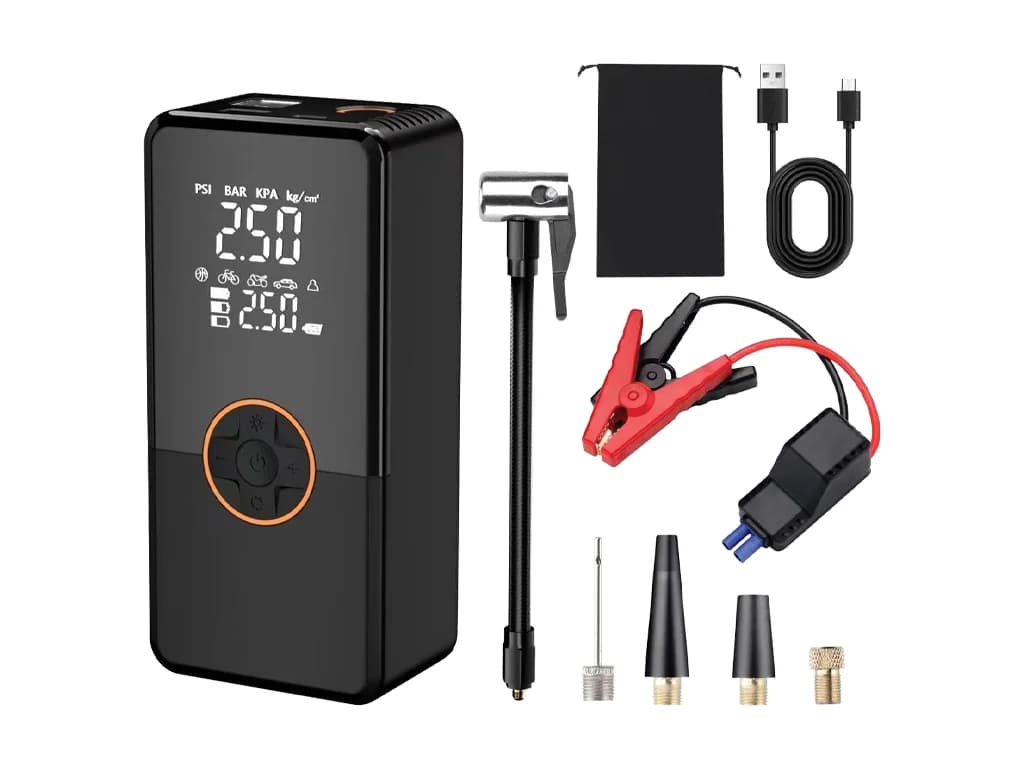
NT Tools Jump Starter and Tyre Inflator C-5708
NT Tools · Automotive Workshop Equipment
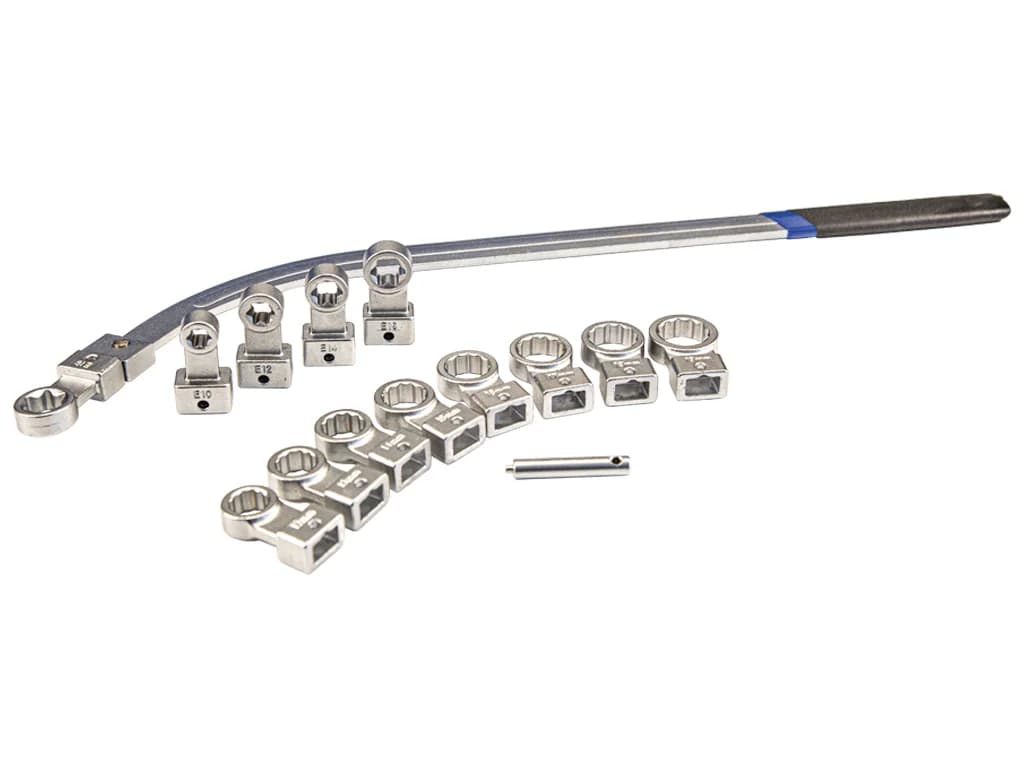
NT Tools Tensioner Pulley Wrench Set 15 Pieces NC33GA
NT Tools · Automotive Workshop Equipment
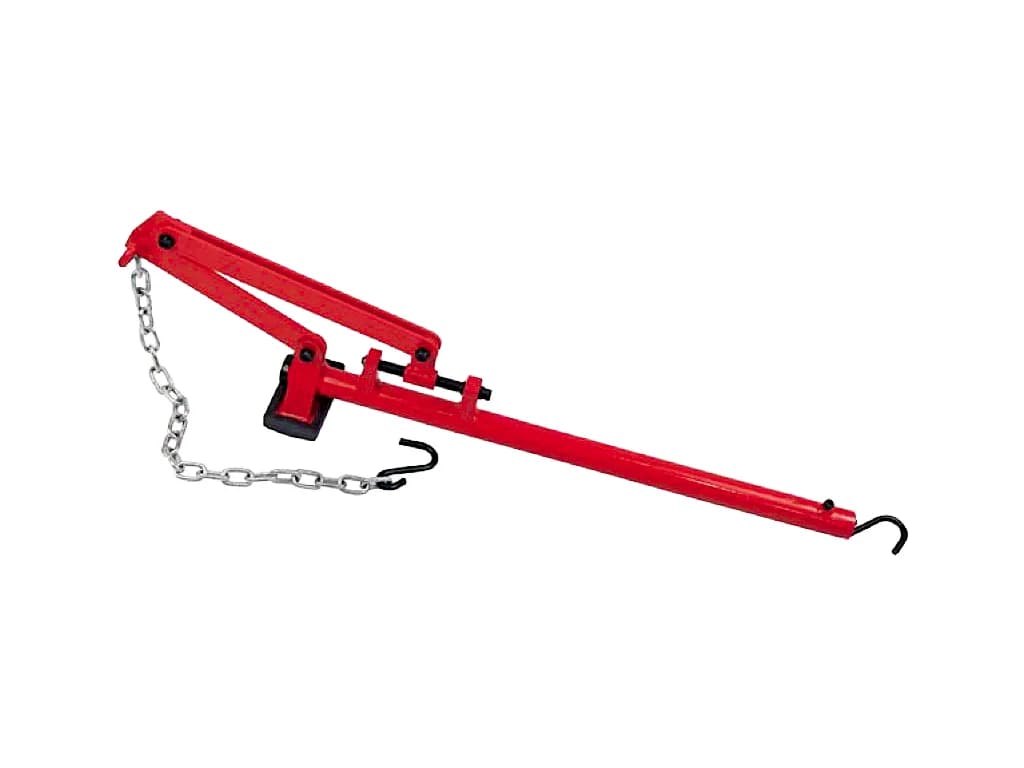
NT Tools One-Man Mechanical Axle Remover NPL-8685
NT Tools · Automotive Workshop Equipment
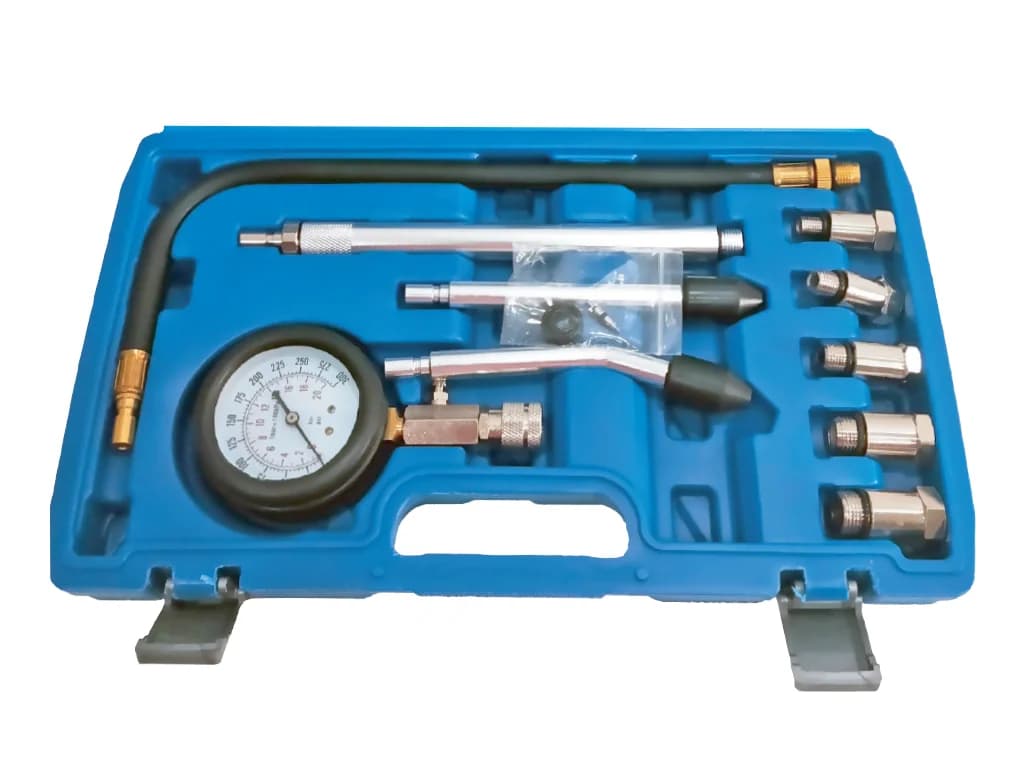
NT Tools Engine Compression Tester 11 Pieces NT0011
NT Tools · Automotive Workshop Equipment
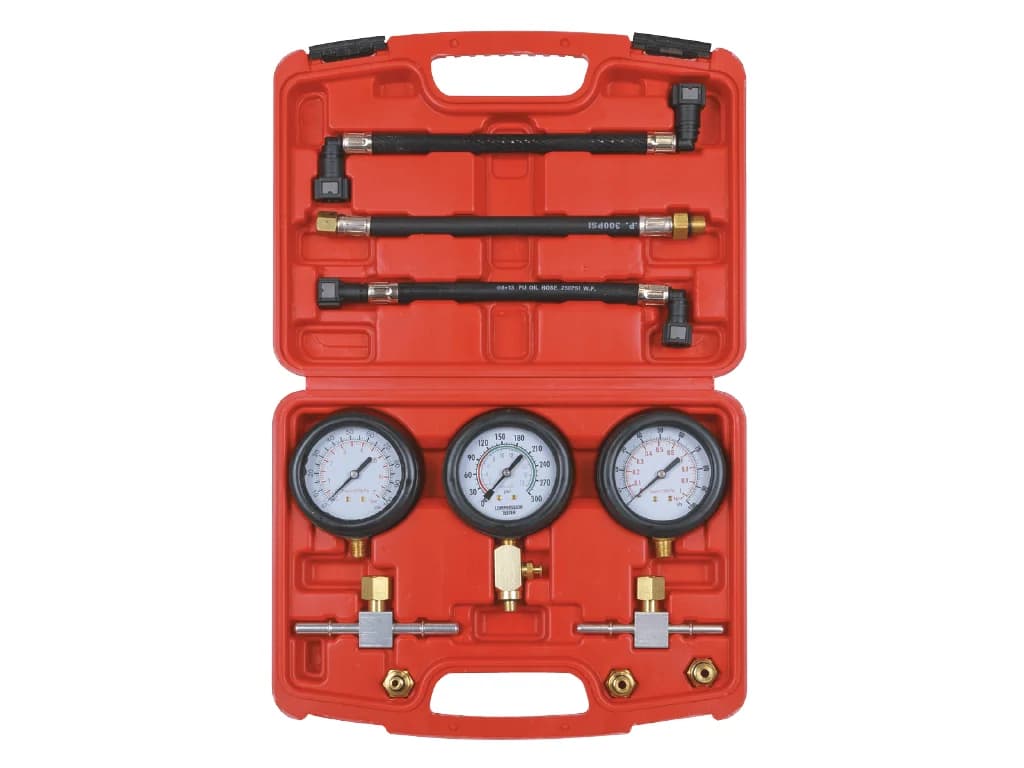
NT Tools Motorcycle Compression and Fuel Tester NT0135
NT Tools · Automotive Workshop Equipment
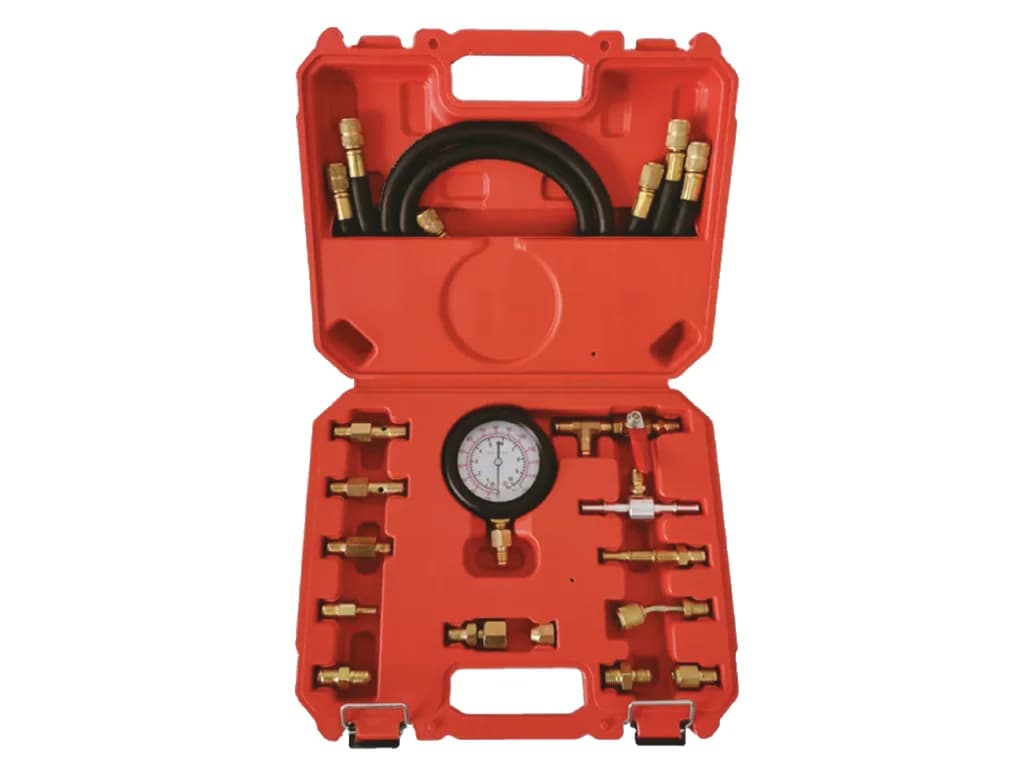
NT Tools Multi-Function Oil and Combustion Pressure Gauge NT0136
NT Tools · Automotive Workshop Equipment
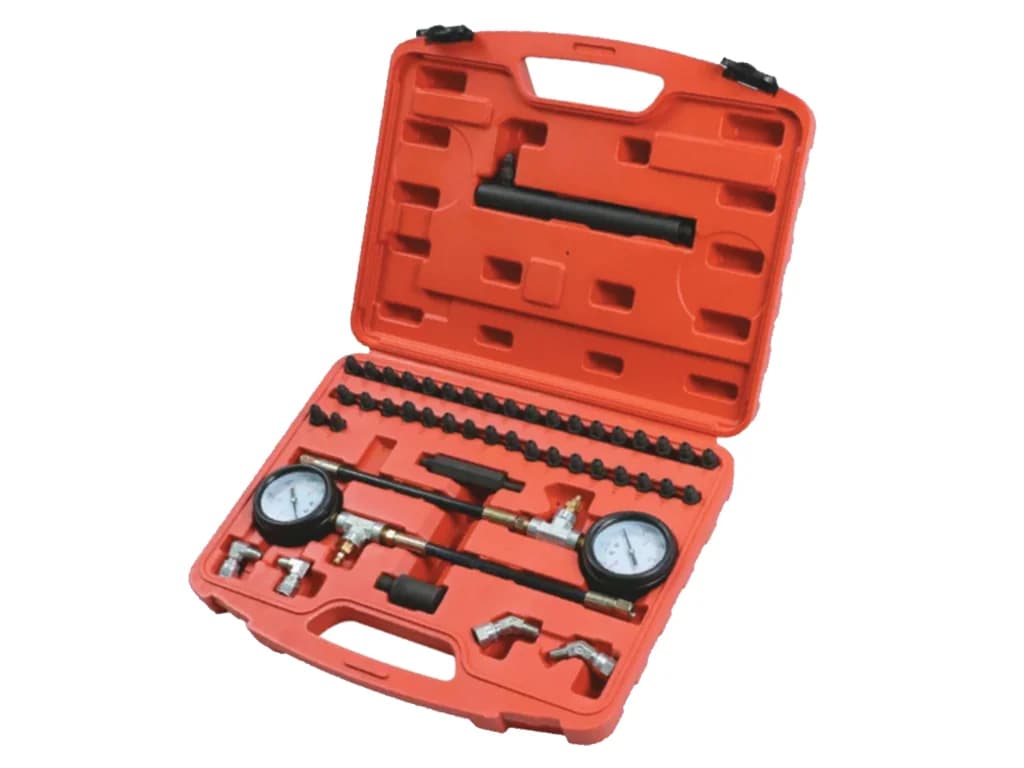
NT Tools ABS Brake and Brake Pressure Tester NT0141
NT Tools · Automotive Workshop Equipment
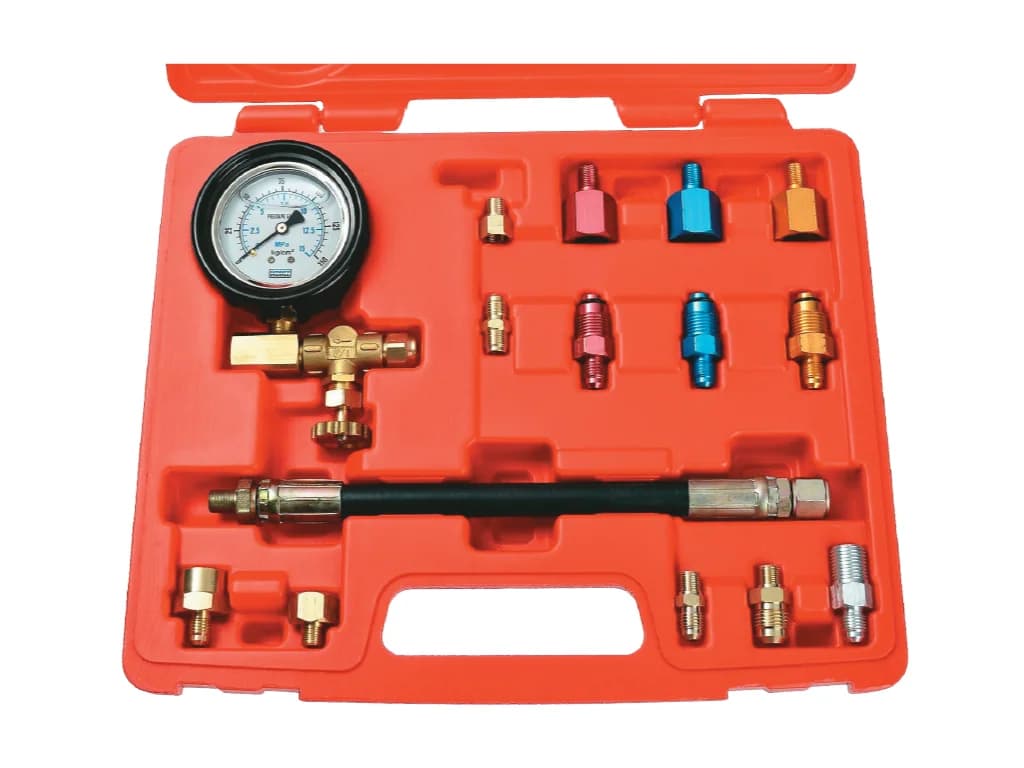
NT Tools Power Steering Pressure Tester NT0142
NT Tools · Automotive Workshop Equipment
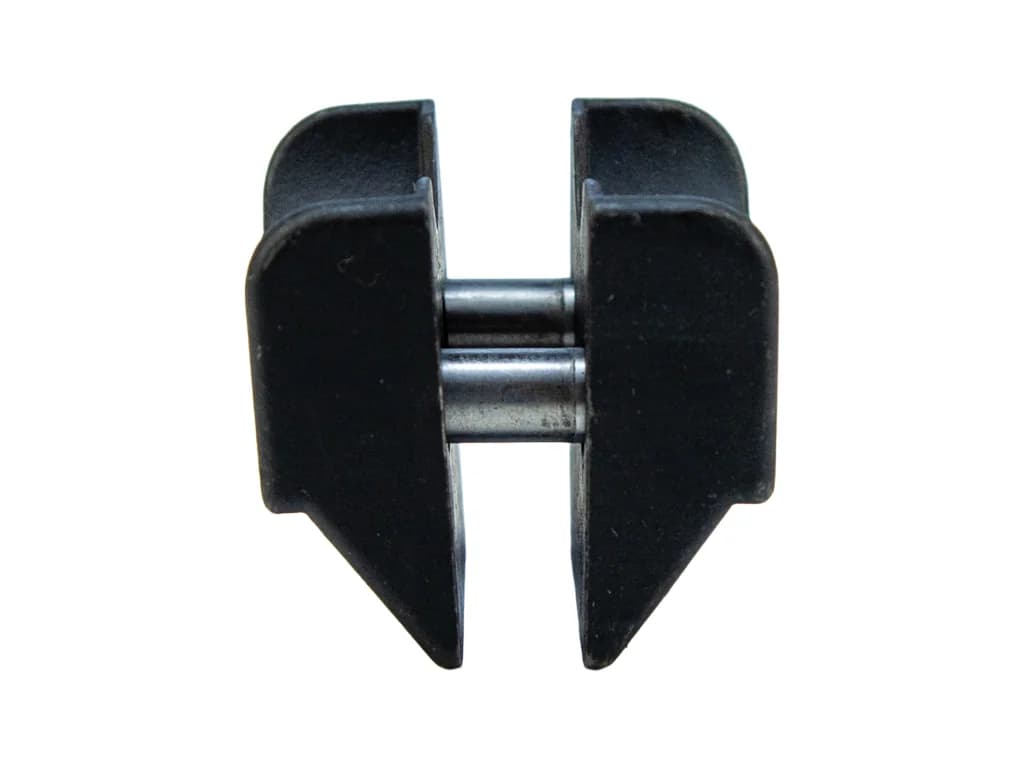
NT Tools Suspension Strut Spreader NT0415
NT Tools · Automotive Workshop Equipment
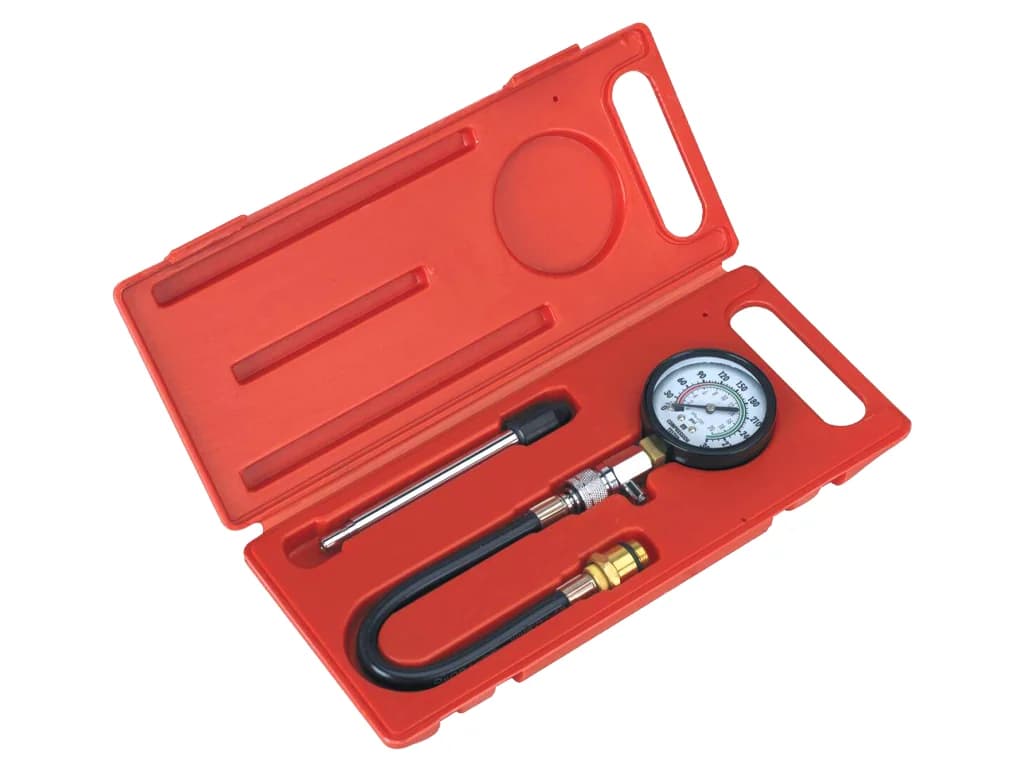
NT Tools Engine Compression Tester 2 Pieces NT1001
NT Tools · Automotive Workshop Equipment
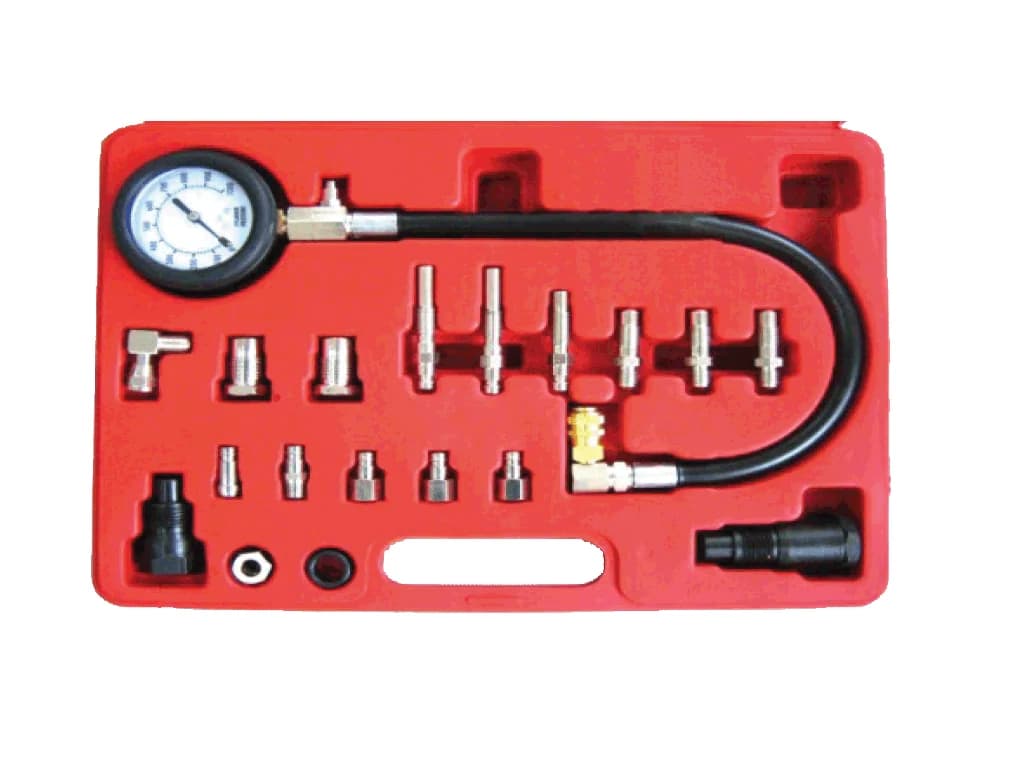
NT Tools Diesel Engine Compression Tester 20 Pieces NT1020A
NT Tools · Automotive Workshop Equipment
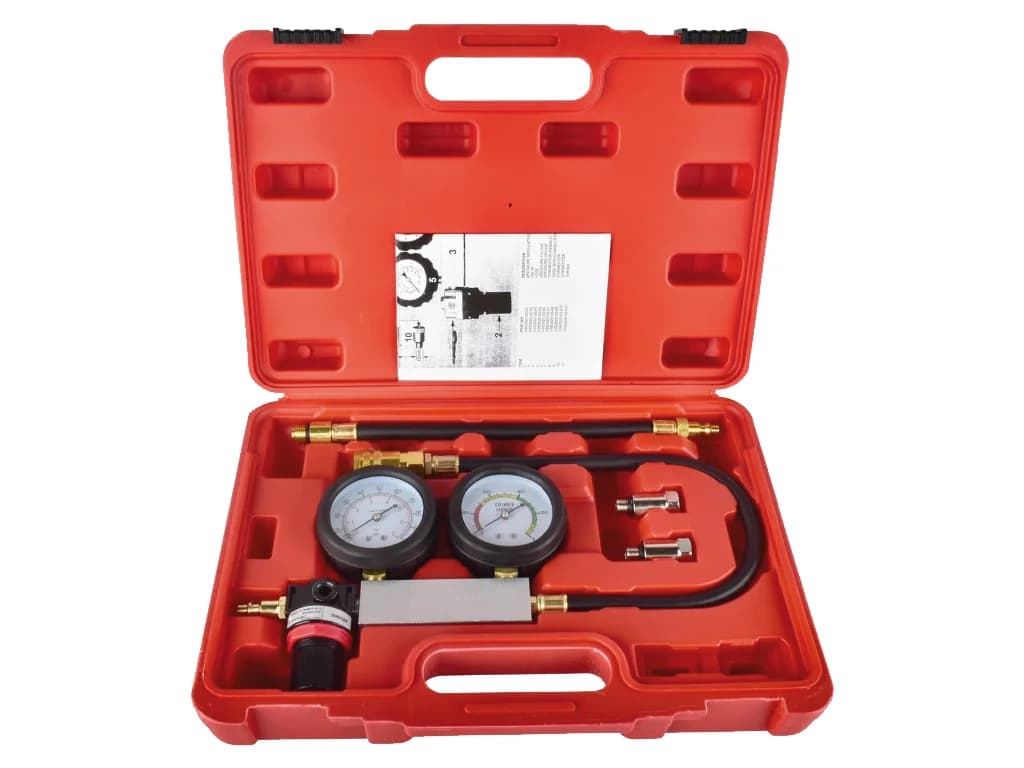
NT Tools Petrol Engine Cylinder Leak-Down Tester NT1021
NT Tools · Automotive Workshop Equipment
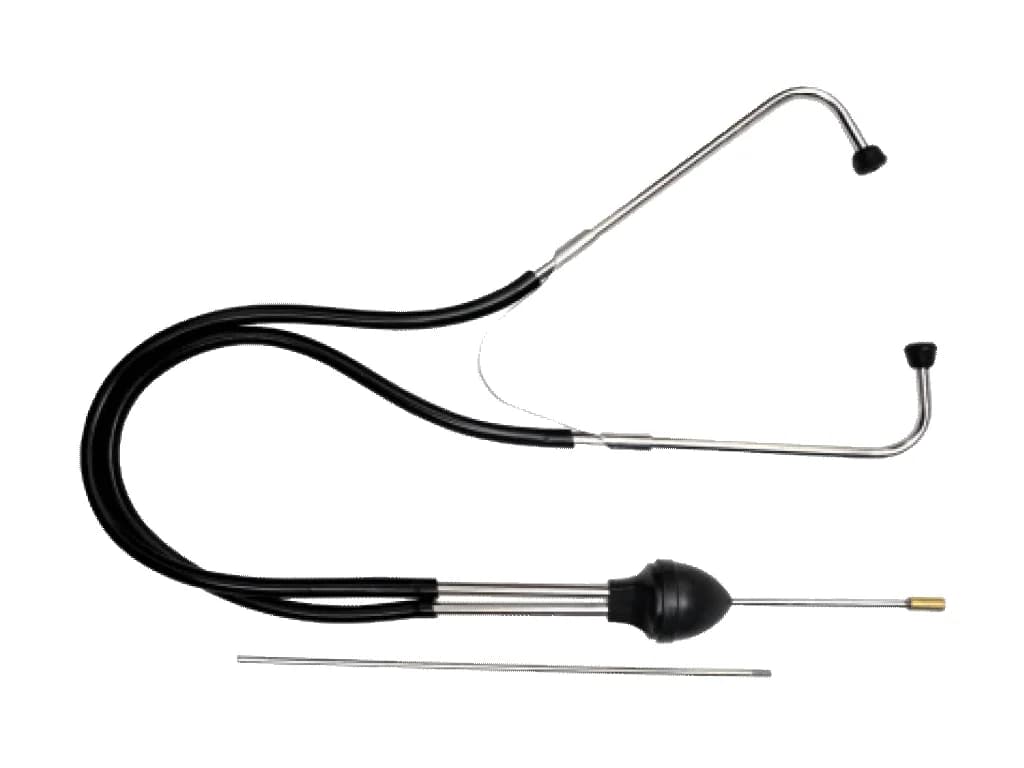
NT Tools Mechanic's Stethoscope NT1022
NT Tools · Automotive Workshop Equipment
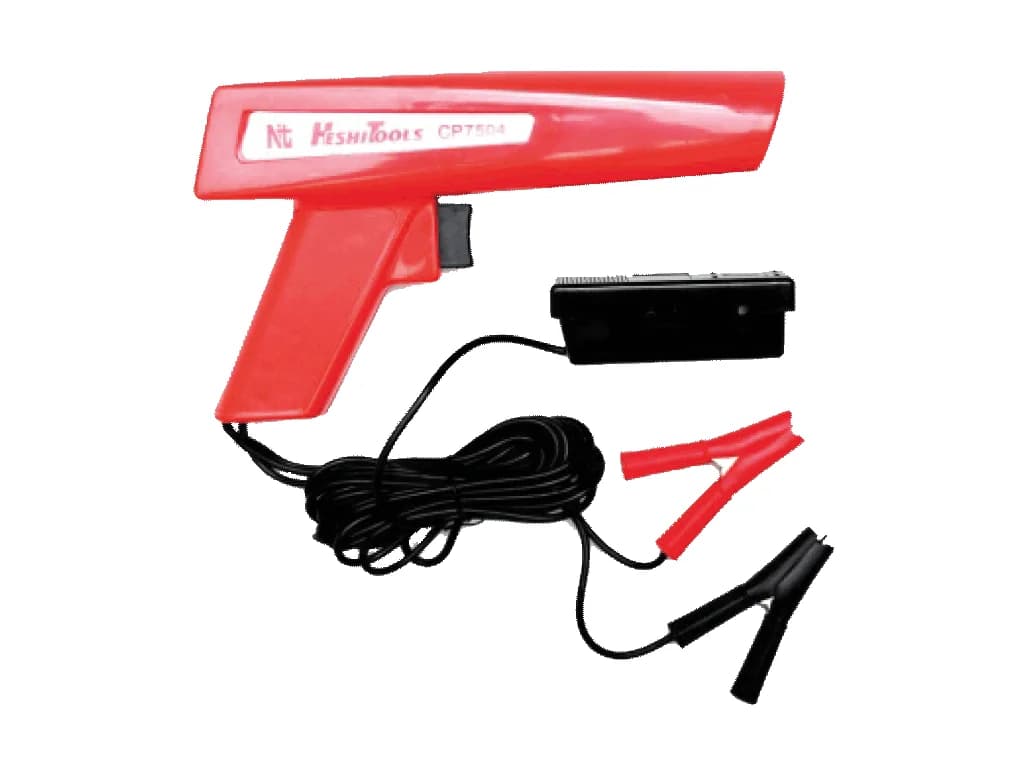
NT Tools Timing Light 12 V NT1023
NT Tools · Automotive Workshop Equipment
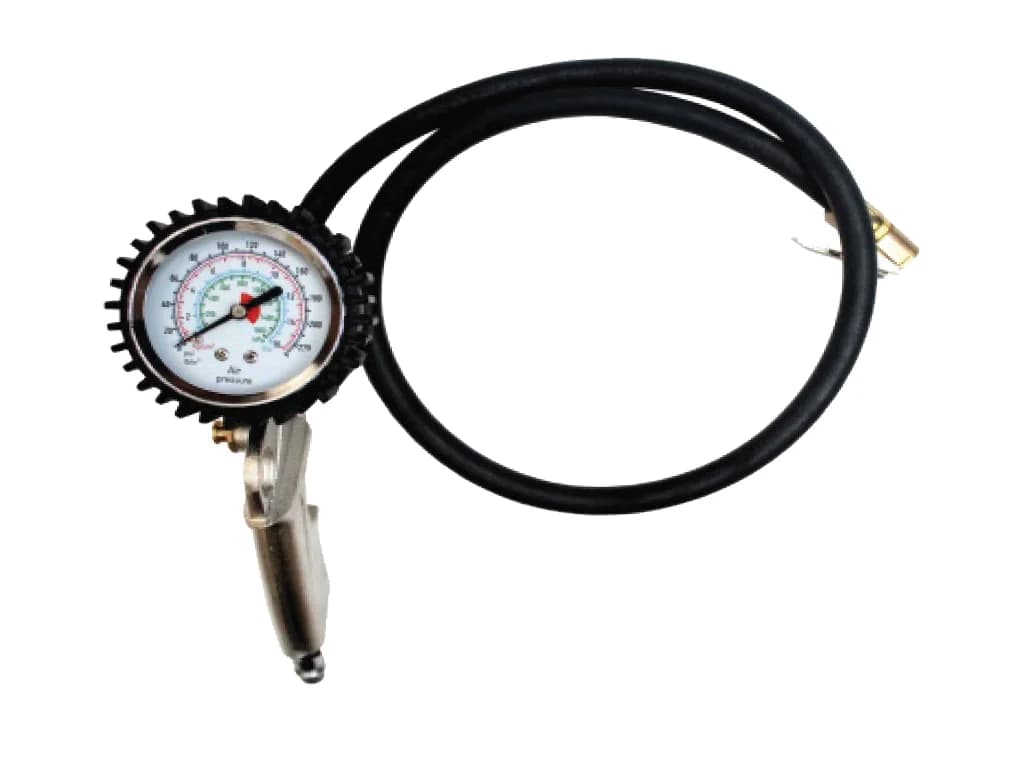
NT Tools Top-Gauge Tyre Inflator NT1029
NT Tools · Automotive Workshop Equipment
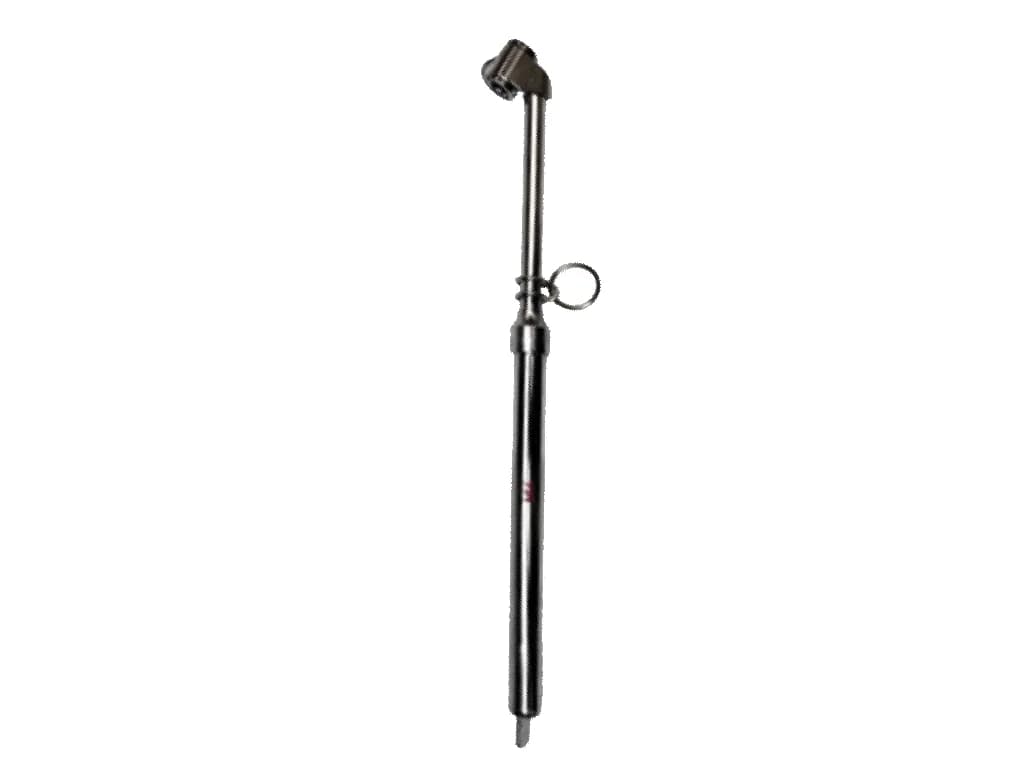
NT Tools Stick Tyre Pressure Gauge NT1034
NT Tools · Automotive Workshop Equipment
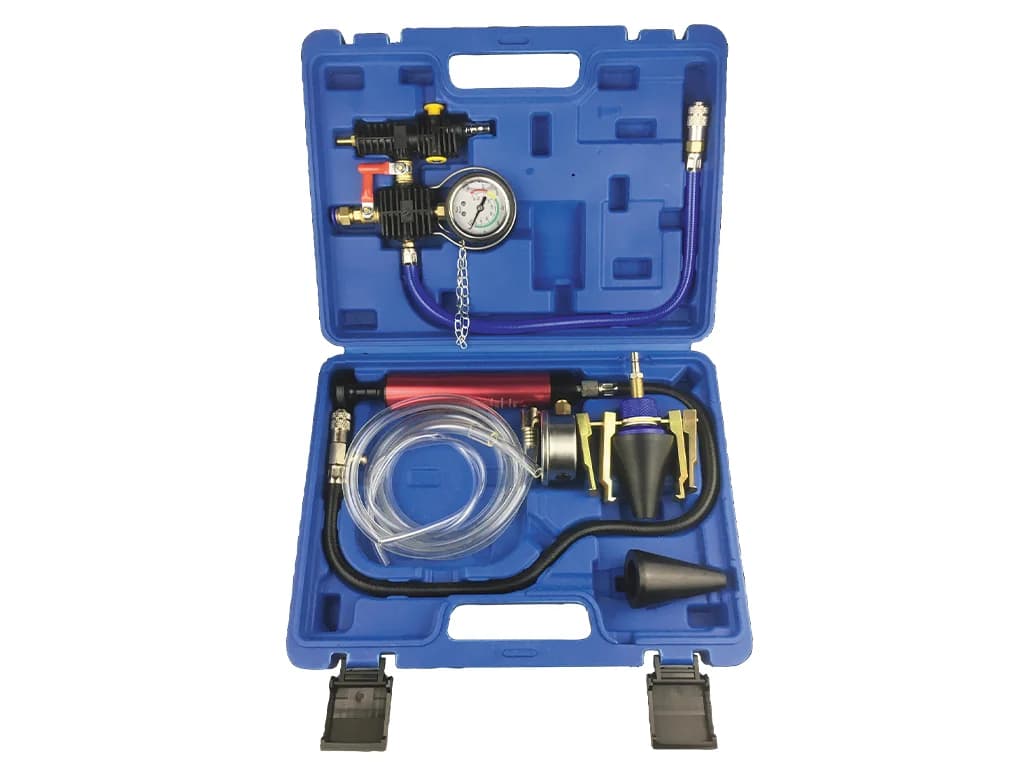
NT Tools Radiator and Cooling System Kit with Clamps NT1038
NT Tools · Automotive Workshop Equipment
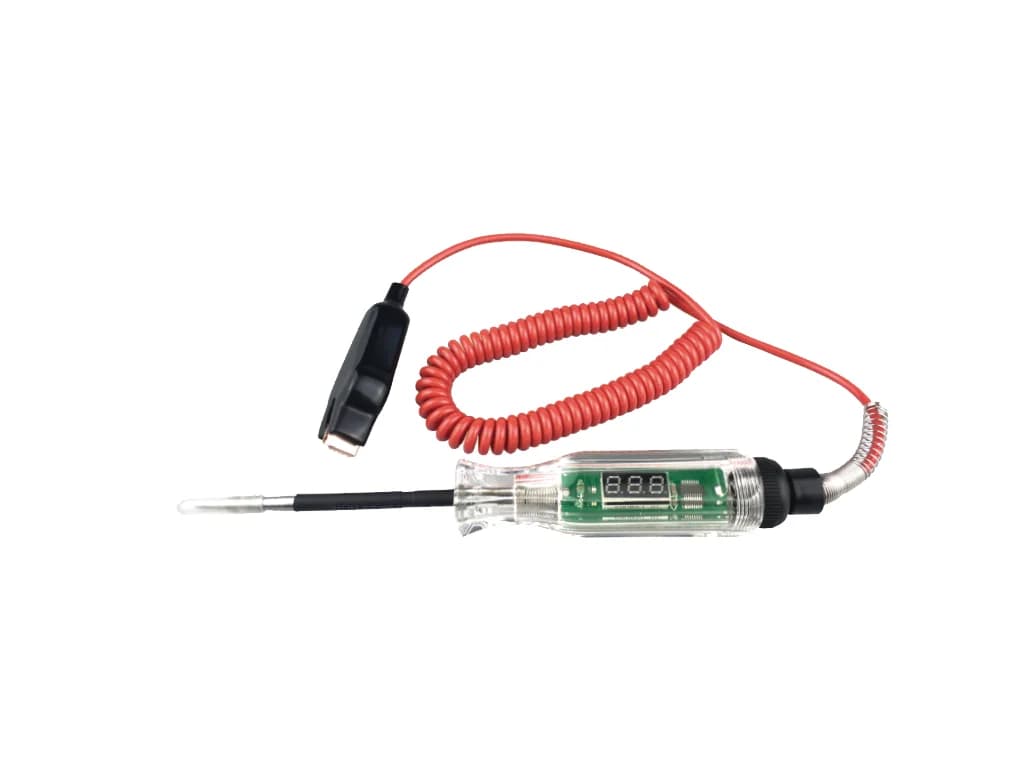
NT Tools Digital Circuit Tester 3-32 V NT1048
NT Tools · Automotive Workshop Equipment
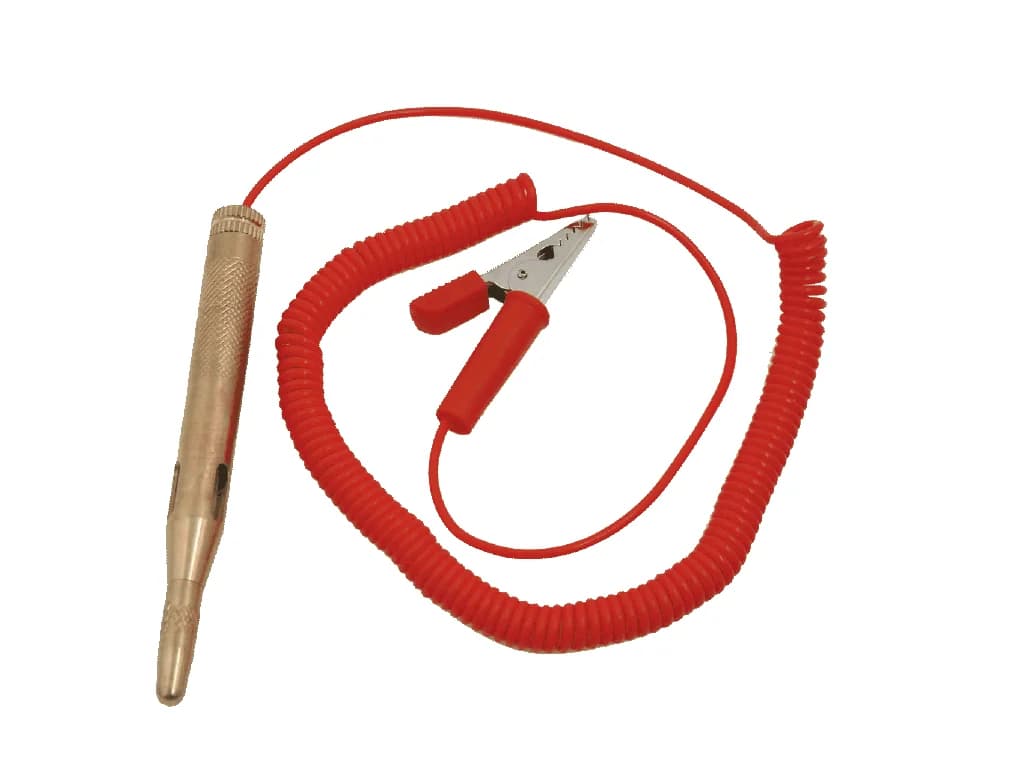
NT Tools Automotive Circuit Tester NT1049
NT Tools · Automotive Workshop Equipment
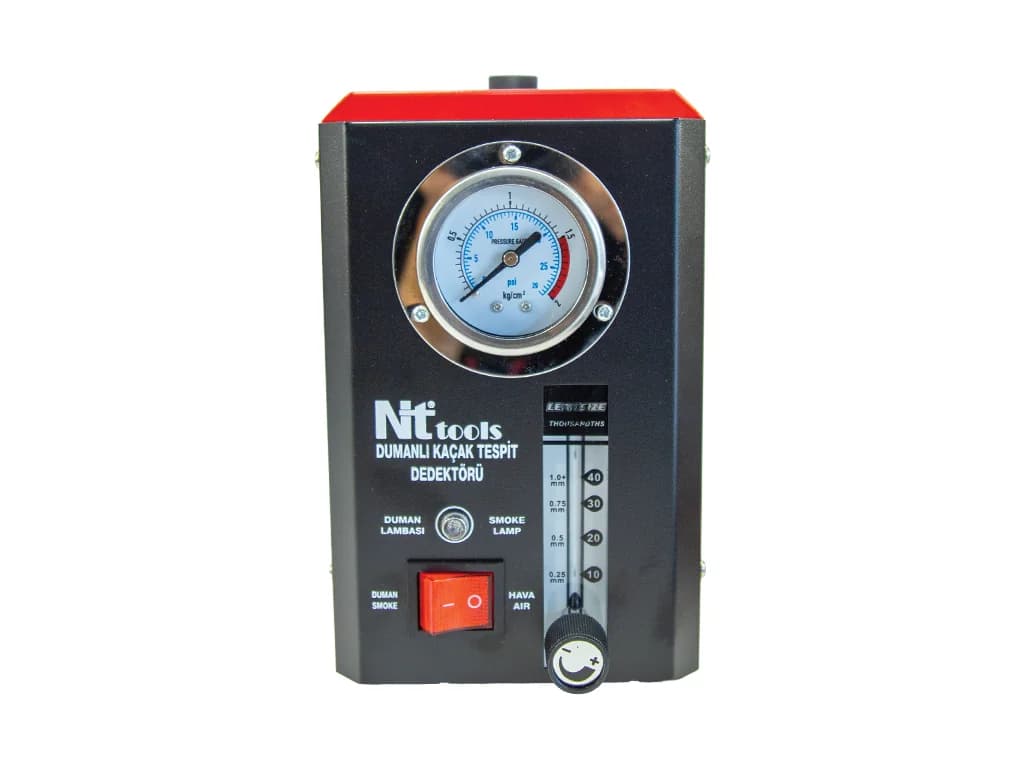
NT Tools Smoke Leak Detector 12 V NT1062
NT Tools · Automotive Workshop Equipment
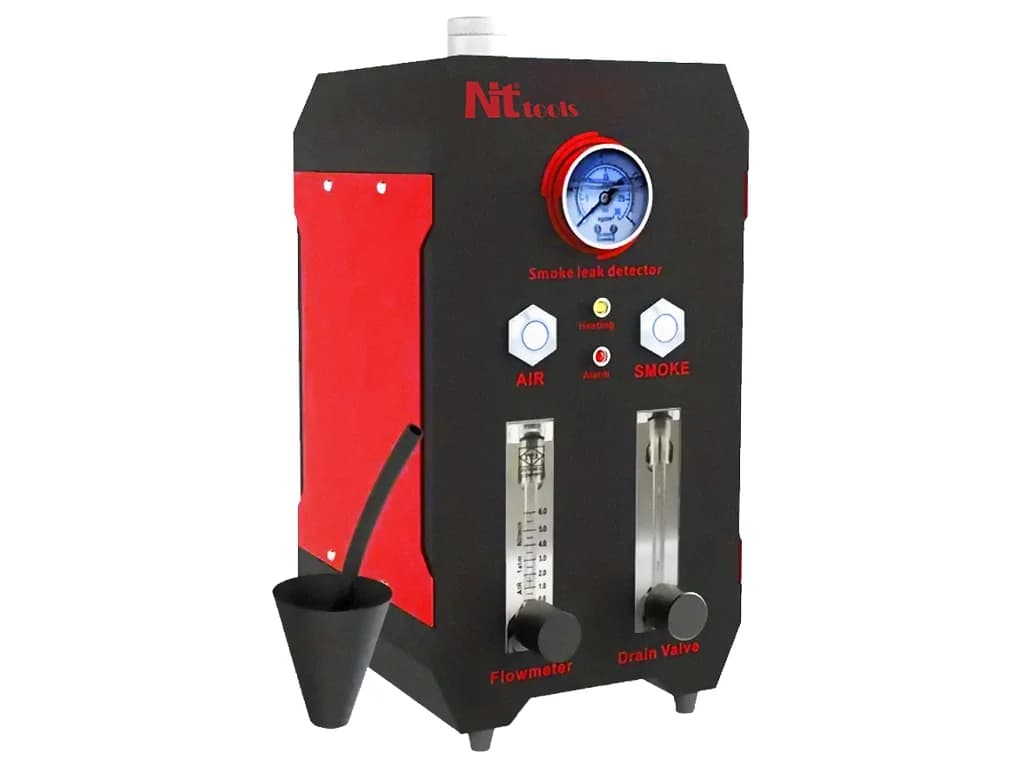
NT Tools EVAP Smoke Leak Detector 12 V NT1071
NT Tools · Automotive Workshop Equipment
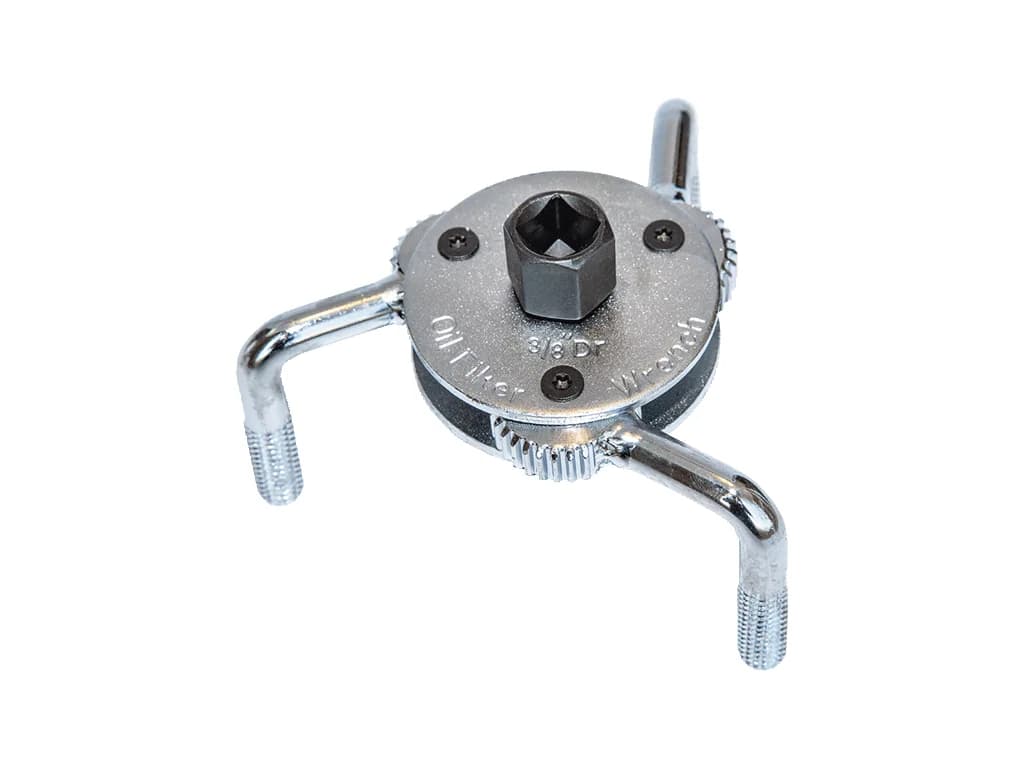
NT Tools Round 3-Leg Oil Filter Wrench NT1083A
NT Tools · Automotive Workshop Equipment
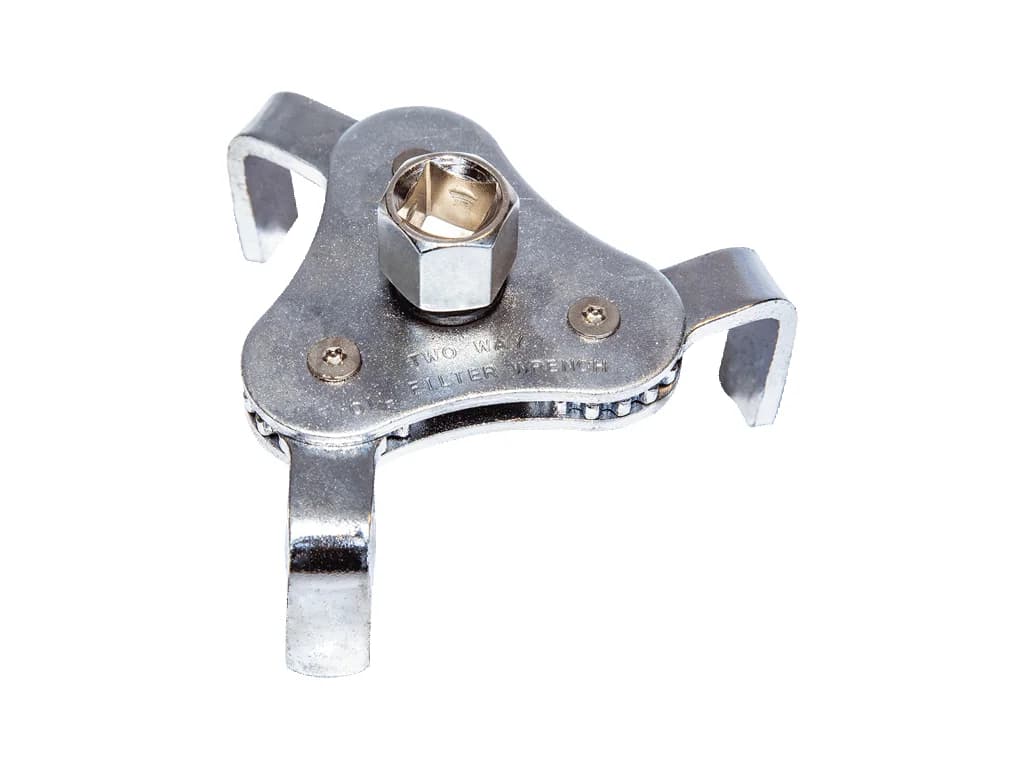
NT Tools Flat 3-Leg Oil Filter Wrench NT1084
NT Tools · Automotive Workshop Equipment
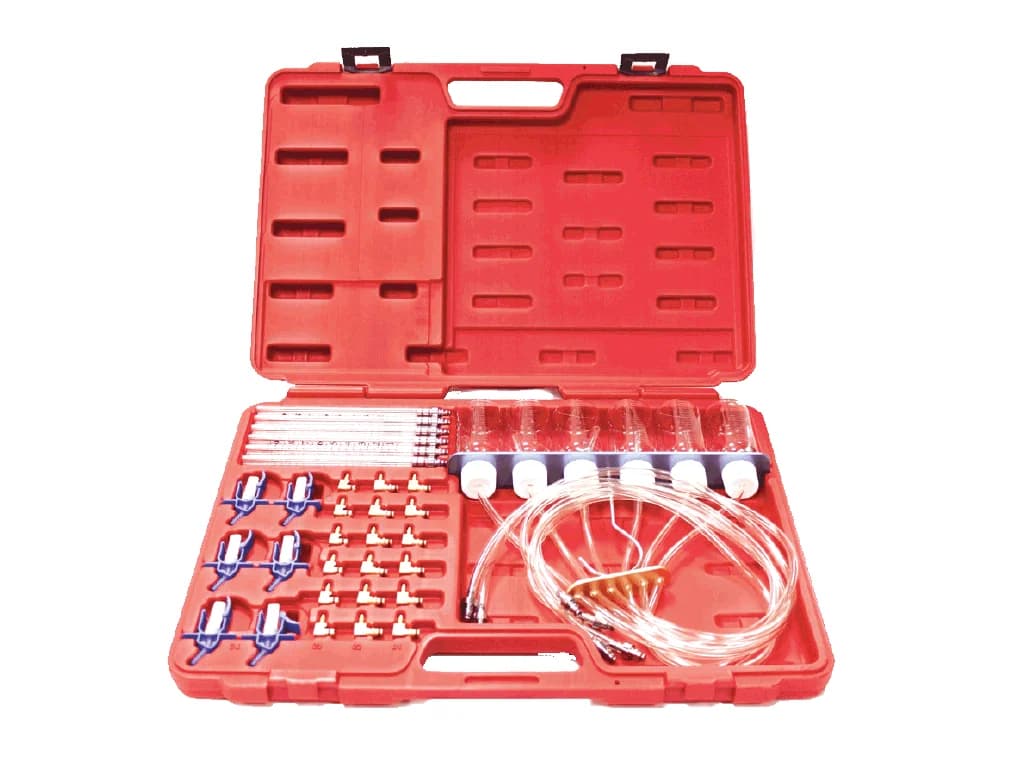
NT Tools Diesel Injection Pressure Tester 31 Pieces NT2048
NT Tools · Automotive Workshop Equipment
1–24 of 117 · page 1 / 5
Measure before you strip
On the engine, three tests separate most faults. A compression test shows each cylinder's pressure and the spread between them. A leak-down test finds where a weak cylinder is losing it -- valve, rings or gasket. Fuel and oil pressure tests give the pump and regulator figures.
On the cooling system a pressure tester brings the radiator and hoses up to working pressure and makes a leak visible; a smoke leak detector finds small vacuum and EVAP leaks by the trail of smoke. A battery tester loads the battery at cranking current (CCA): a battery a voltmeter calls full can collapse under load.
Fluid service and filters
Brake fluid absorbs moisture and its boiling point falls with time; a brake fluid tester shows when it is due, and an exchanger swaps old fluid for new without letting air in. Automatic transmission fluid kits come with adaptors for draining and filling by vehicle type.
A cap-type filter wrench is the cleanest answer but fits one filter size; you need the diameter and flute count. A workshop that sees many makes is better served by adjustable chain, strap or three-leg wrenches and cap sets.
Frequently Asked Questions
What is the difference between a compression test and a leak-down test?
A compression test shows how much pressure a cylinder makes; a leak-down test shows where pressure escapes. Measure compression first, then leak-down the weak cylinder.
Which vehicle does a cap-type filter wrench fit?
The cap is made to the filter's end diameter and flute count. The product page gives the size; send us the filter code with a quote request and we match the cap.
Why does the current rating of a booster clamp matter?
It is the load the clamp and cable can carry. A diesel or heavy vehicle draws more cranking current than a car; an under-rated clamp heats up and will not start it.