Categories
Automotive Spray Paint
Not every surface on a vehicle wants the same paint. A bumper is rigid plastic and will not hold ordinary paint; a lens is tinted without being hidden; a wheel takes brake dust and stone chips; the underbody wants a thick, flexible protective layer. This page gathers the aerosols made for those jobs.
Best 1506 Cataphoresis Touch-Up Paint 400 ml
Best · Automotive Spray Paint
Best Elite Alloy Wheel Spray Paint 500 ml Matt Black
Best · Automotive Spray Paint
Best Elite Alloy Wheel Spray Paint 500 ml Silver
Best · Automotive Spray Paint
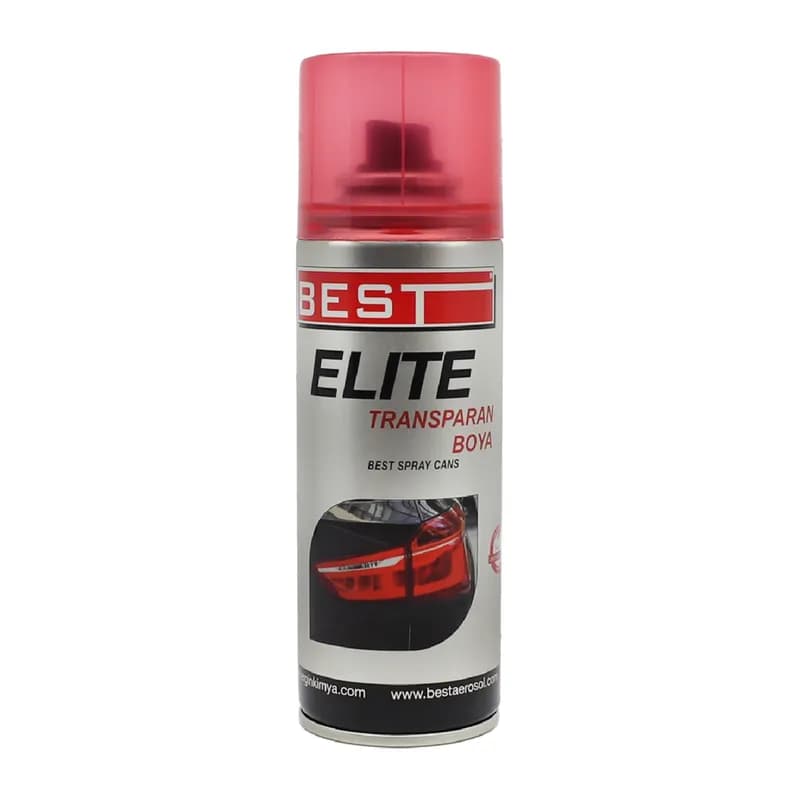
Best Elite Transparent Light Tint 200 ml Red
Best · Automotive Spray Paint
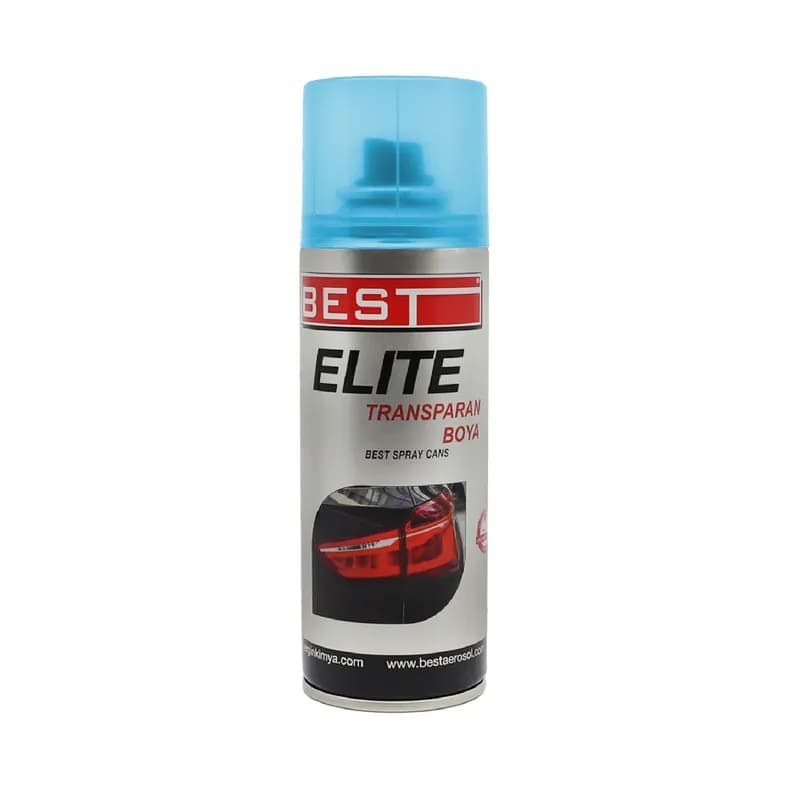
Best Elite Transparent Light Tint 200 ml Blue
Best · Automotive Spray Paint
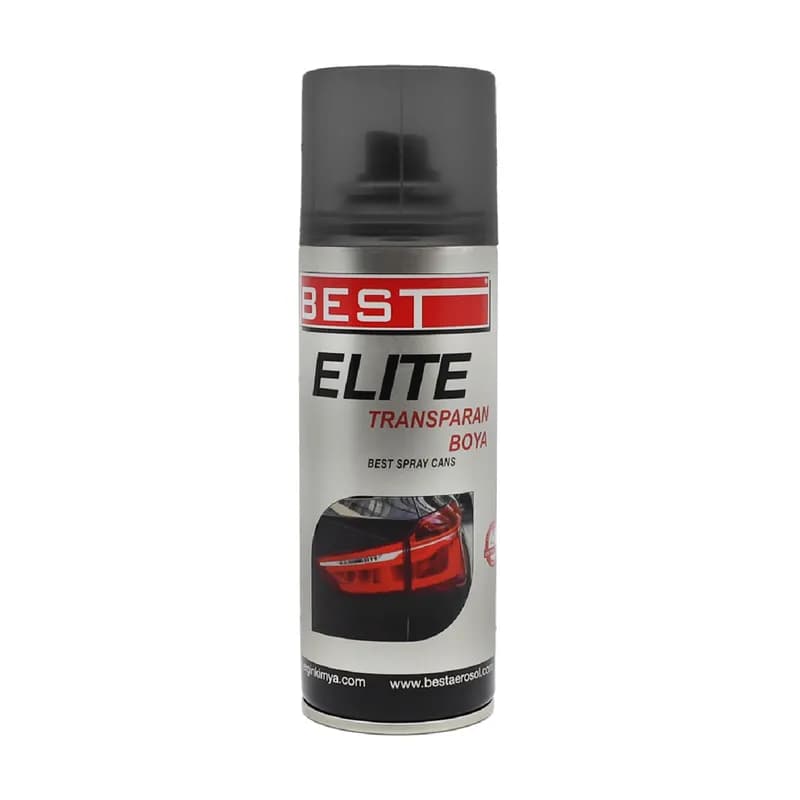
Best Elite Transparent Light Tint 200 ml Black
Best · Automotive Spray Paint
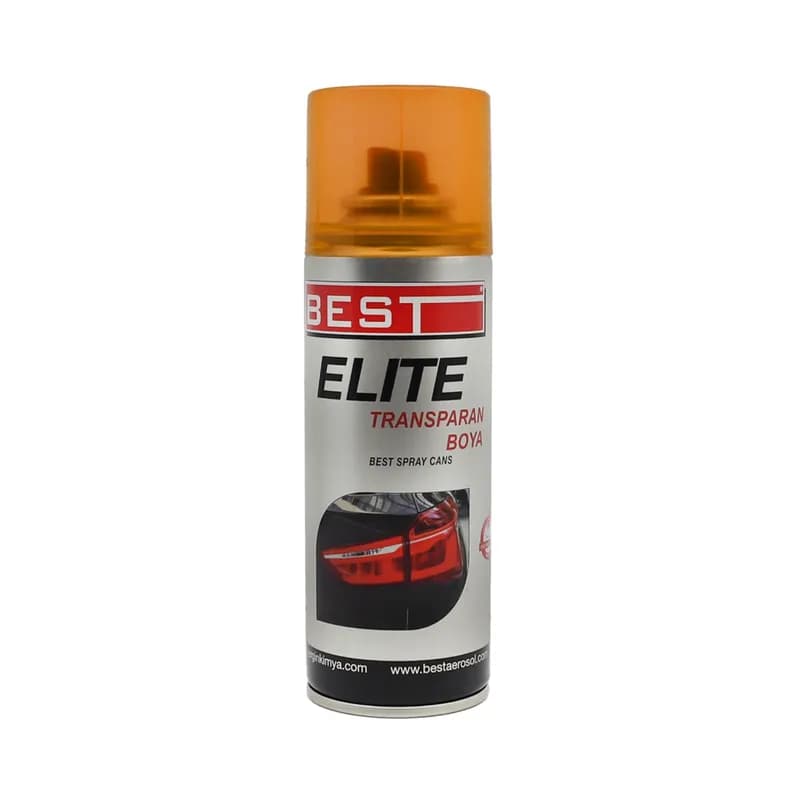
Best Elite Transparent Light Tint 200 ml Orange
Best · Automotive Spray Paint
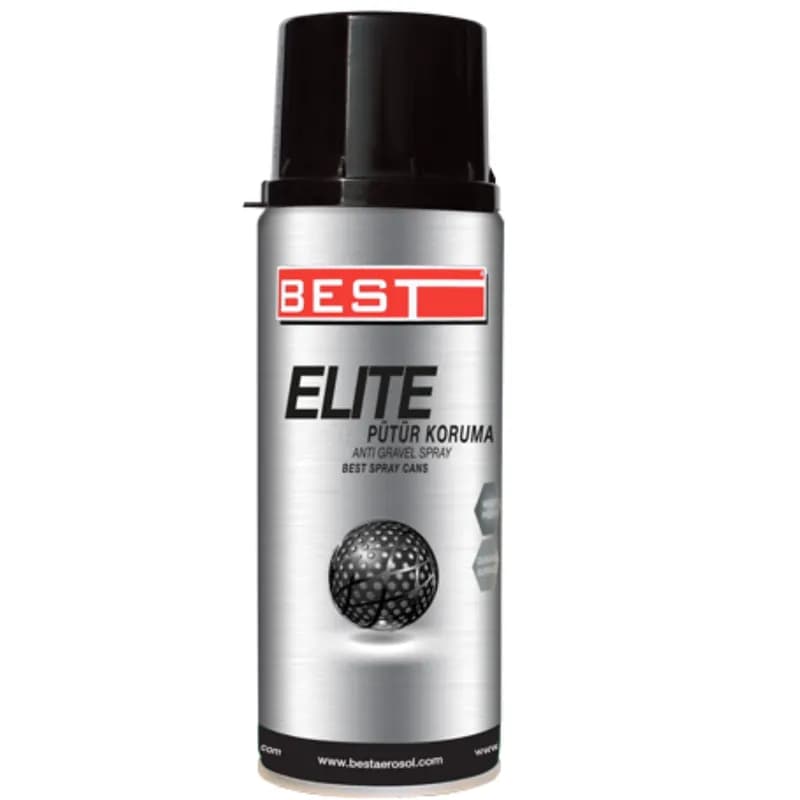
Best Elite Underbody Coating 400 ml Grey
Best · Automotive Spray Paint
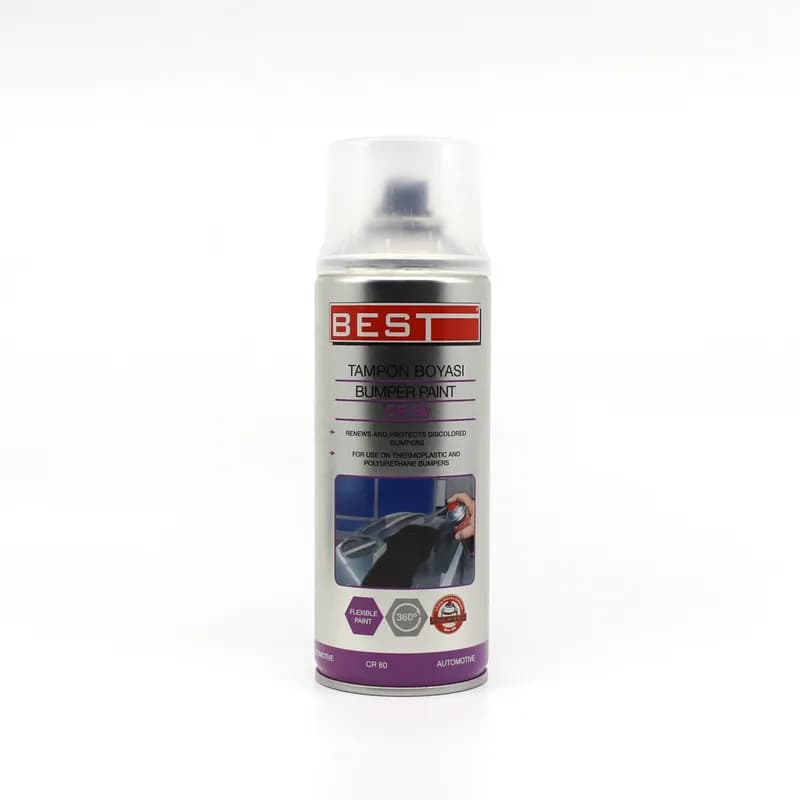
Best Elite Bumper Paint 400 ml Black
Best · Automotive Spray Paint
Why plastic needs its own product
Rigid plastics have low surface energy: they do not let paint wet out and grip, so the paint dries and then flakes at the first flex. Bumper paint and plastic primer are formulated to create that bond.
The application rule is simple: the surface must be clean, free of grease and free of silicone, the can needs 3 minutes of shaking, and the paint goes on in several thin coats. Do not spray it over synthetic resin paint.
Transparent versus opaque
Headlight and tail light tint is transparent: it colours the lens without covering it and lets light through. An opaque paint used in the same place would stop the lamp doing its job.
Underbody coating sits at the opposite extreme: it lays down a thick, textured layer of synthetic rubber and plastic that absorbs stone chips, seals against water, and can be painted over.
Frequently Asked Questions
Does bumper paint need a primer?
Bumper paint is formulated to grip rigid plastic without one. If the surface has been painted before, or is sanded bare plastic, plastic primer improves the result.
Is tinted lens paint road legal?
That is a usage decision governed by regulations that vary by country; transparent tint reduces the light output of the lamp. Check the limit your local rules allow before using it on a road vehicle.
Does wheel paint stand up to brake dust?
It is made for that environment, but durability follows preparation: paint sprayed on a wheel that has not been stripped of grease and brake dust lifts quickly. Brake cleaner is the right product for that cleaning.
What is cataphoresis touch-up paint for?
It touches in the spots where factory cataphoretic (e-coat) dip priming on body and chassis parts has been drilled or cut — the bare area is left unprotected and rust starts there.