Categories
Crimping Tools
A crimping tool joins conductor to terminal with a gas-tight, oxide-free contact: crimped correctly, the joint carries current with the same resistance as the cable itself. This page explains mechanical, hydraulic and cordless presses, the section ranges, and the crimp profiles. The catalogue holds over 140 presses and dies.
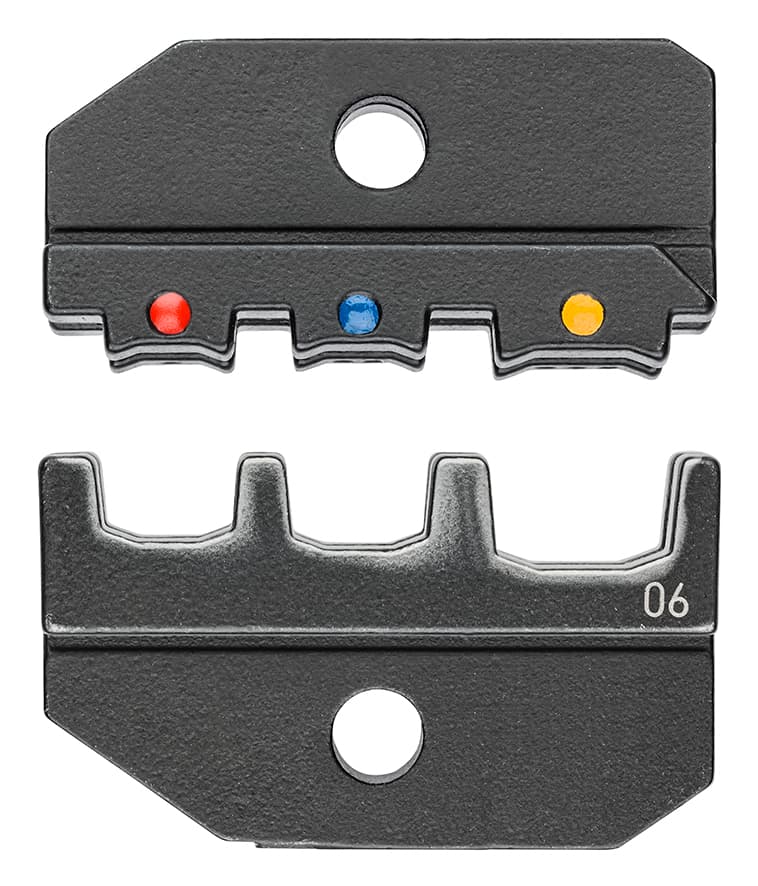
Knipex 974906 97 43 200A for Jaw
Knipex · Crimping Tools
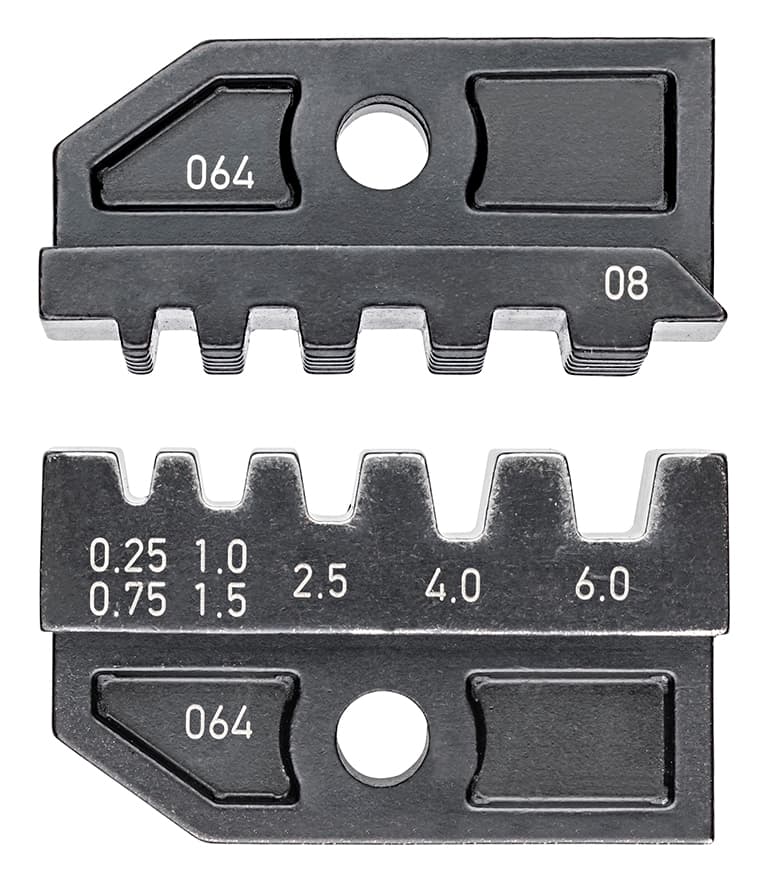
Knipex 974908 97 43 200A for Jaw
Knipex · Crimping Tools
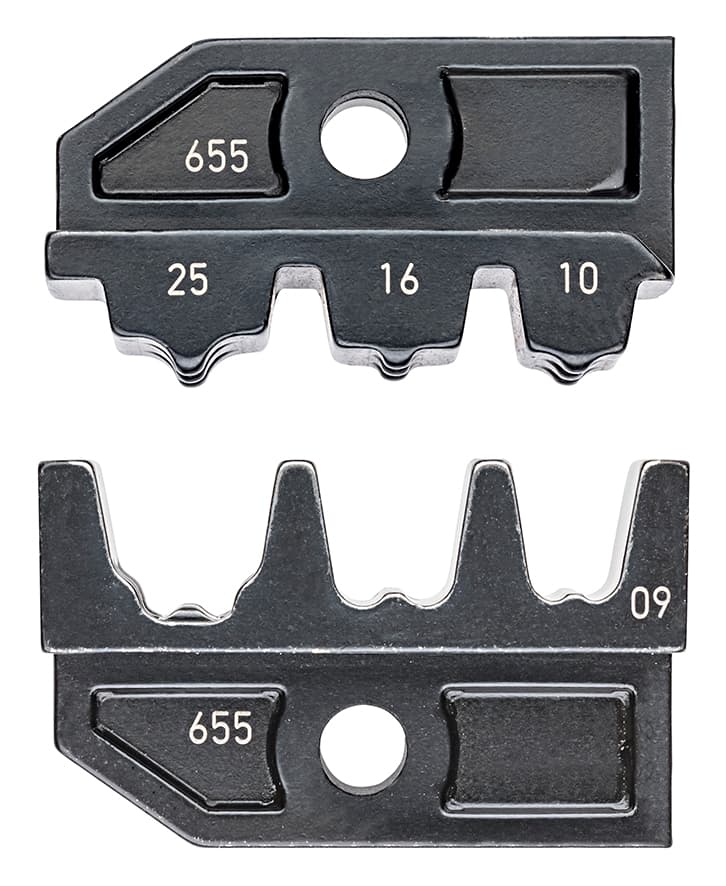
Knipex 974909 97 43 200A for Jaw
Knipex · Crimping Tools
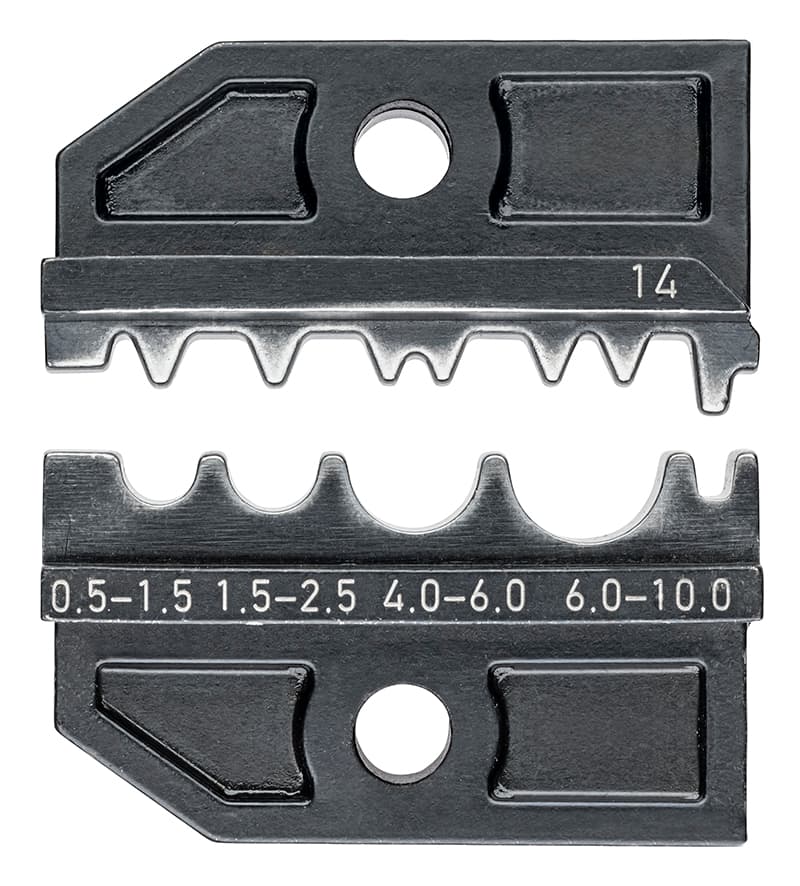
Knipex 974914 97 43 200A for Jaw
Knipex · Crimping Tools
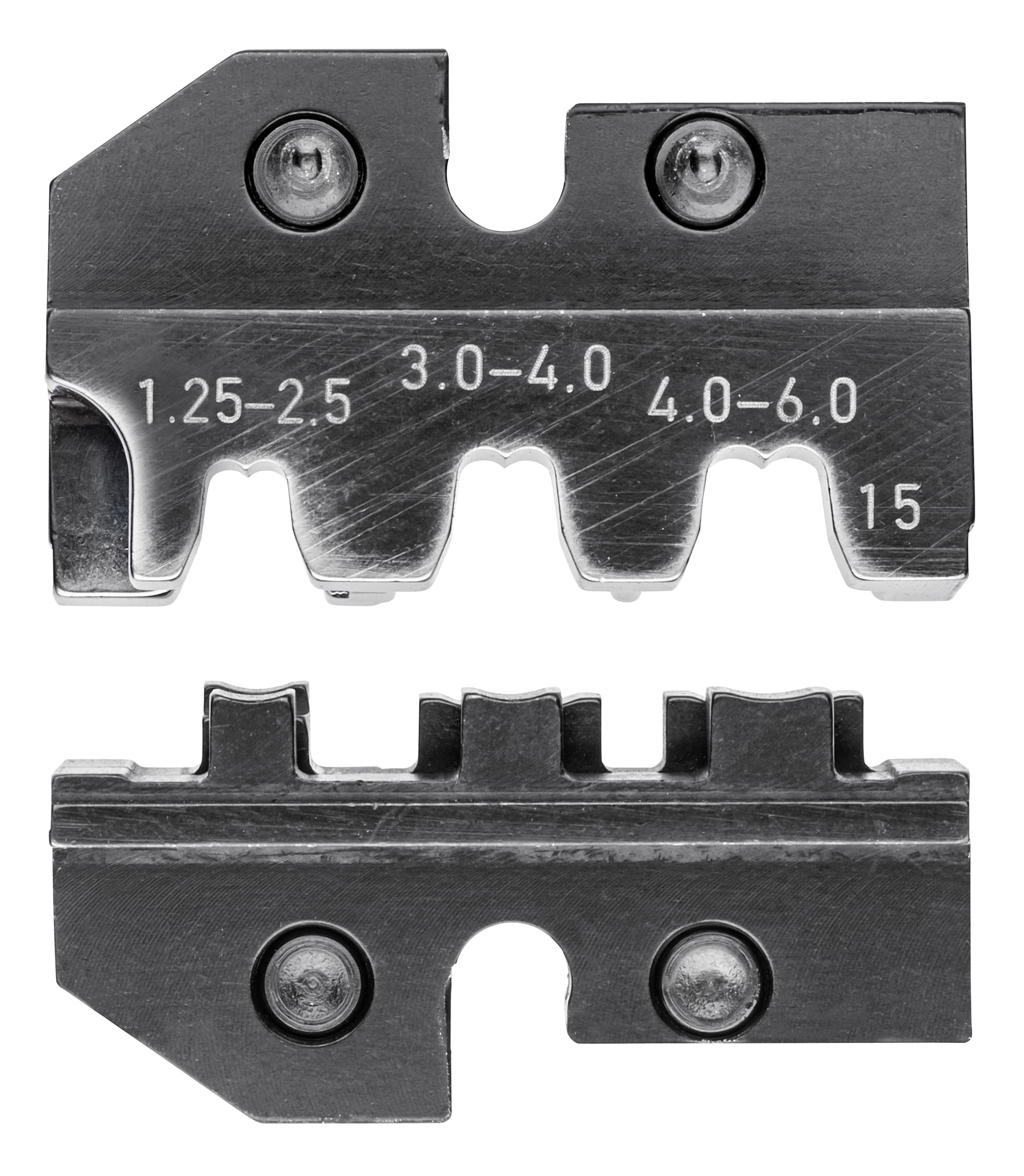
Knipex 974915 97 43 200A for Jaw
Knipex · Crimping Tools
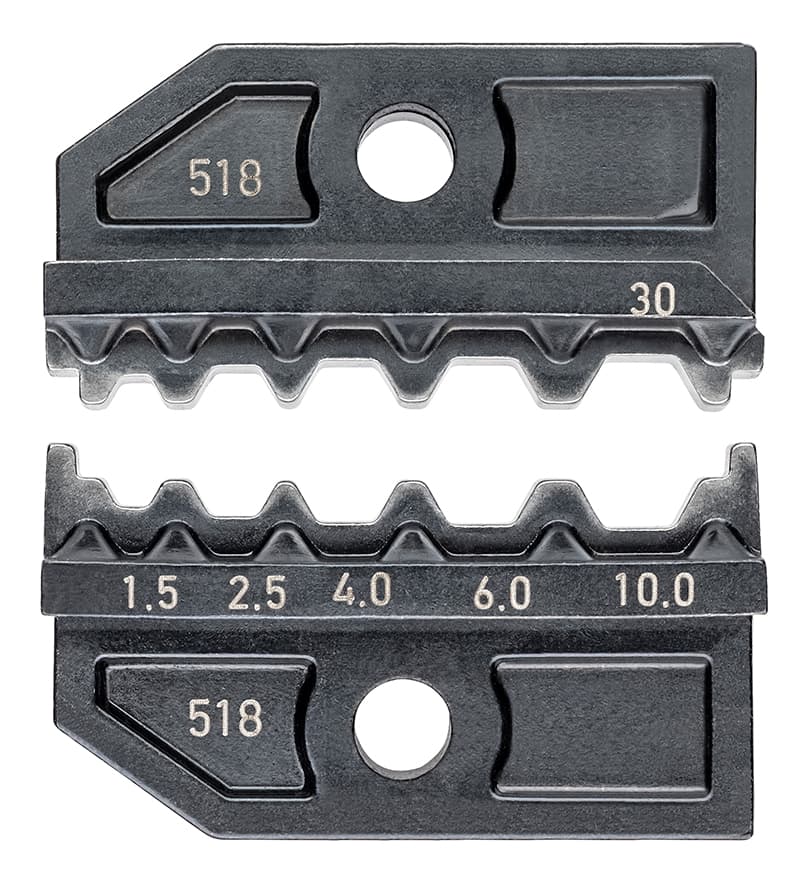
Knipex 974930 97 43 200A for Jaw
Knipex · Crimping Tools
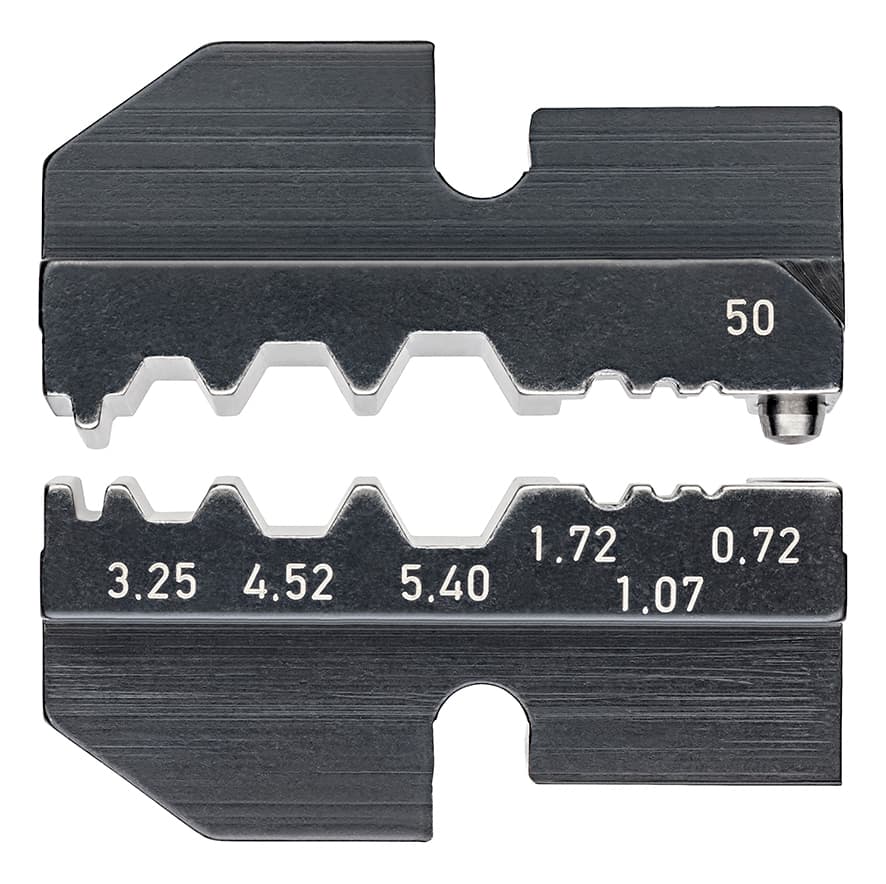
Knipex 974950 97 43 200A for Jaw
Knipex · Crimping Tools
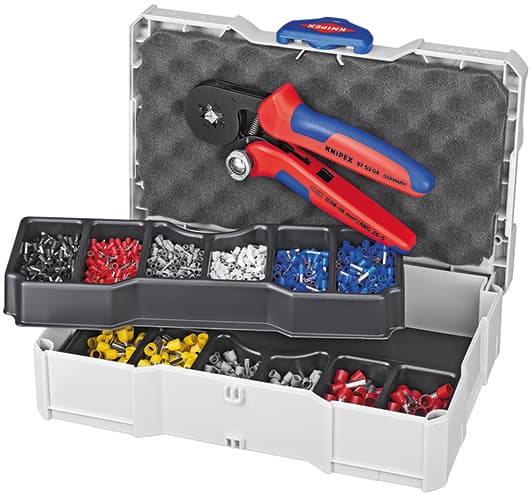
Knipex 979009 with Bag Crimping Set
Knipex · Crimping Tools
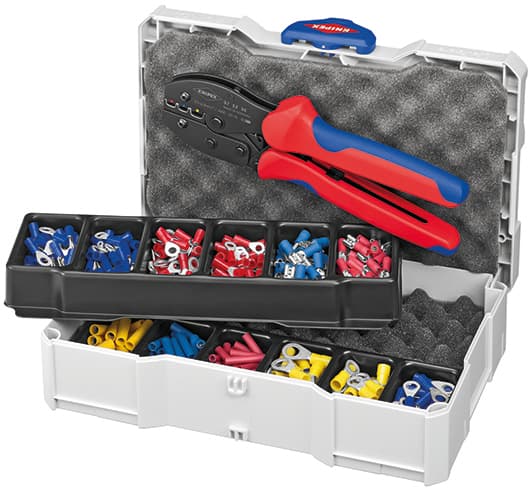
Knipex 979021 with Bag Crimping Set
Knipex · Crimping Tools
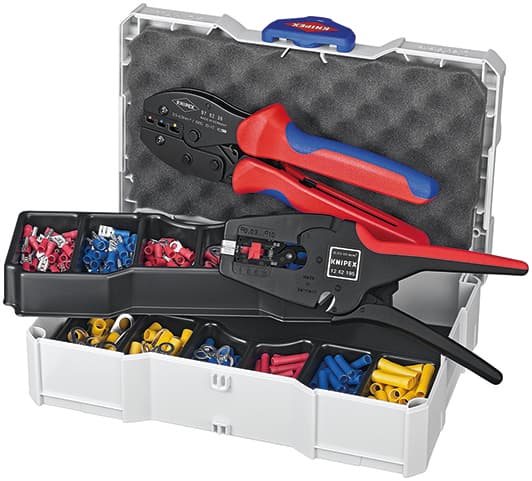
Knipex 979022 with Bag Crimping Set
Knipex · Crimping Tools
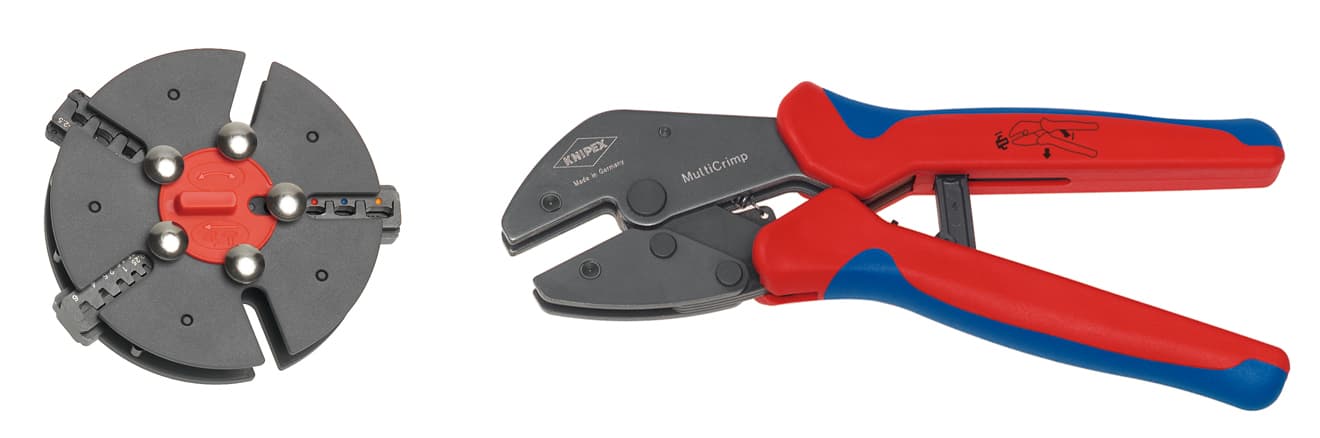
Knipex 973301 Multi Fonksiyonel Cable Lug and Ferrule Crimping 250 mm
Knipex · Crimping Tools
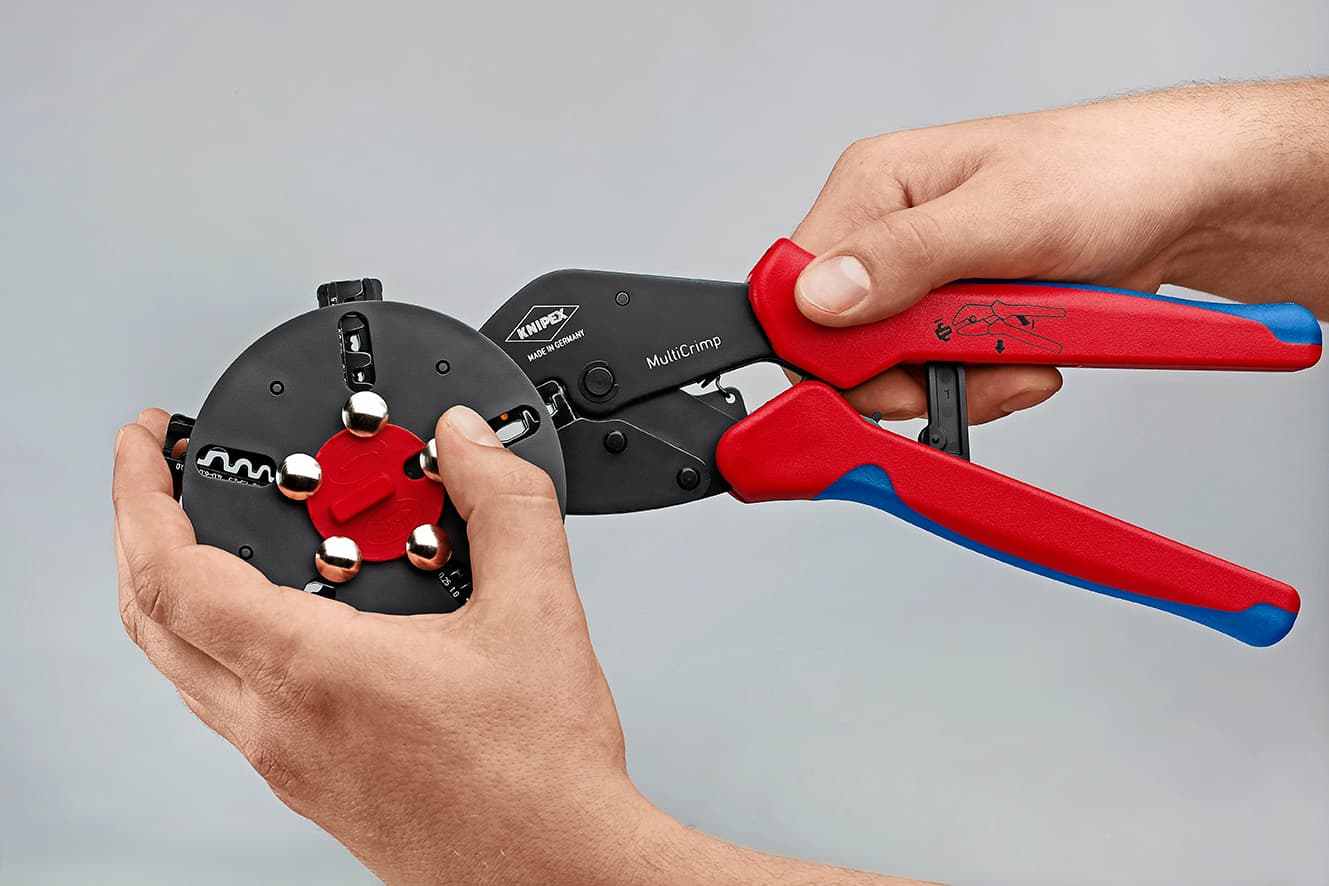
Knipex 973302 Multi Fonksiyonel Cable Lug and Ferrule Crimping 250 mm
Knipex · Crimping Tools

Knipex 974926 Crimping Die
Knipex · Crimping Tools

Knipex 974928 Crimping Die
Knipex · Crimping Tools

Knipex 974954 Crimping Die
Knipex · Crimping Tools

Knipex 974959 Crimping Die
Knipex · Crimping Tools

Knipex 974960 Crimping Die
Knipex · Crimping Tools

Knipex 974961 Crimping Die
Knipex · Crimping Tools

Knipex 974964 Crimping Die
Knipex · Crimping Tools

Knipex 974966 Crimping Die
Knipex · Crimping Tools

Knipex 9749666 Crimping Die
Knipex · Crimping Tools

Knipex 974968 Crimping Die
Knipex · Crimping Tools

Knipex 9749692 Crimping Die
Knipex · Crimping Tools

Knipex 974971 Crimping Die
Knipex · Crimping Tools
1–24 of 144 · page 1 / 6
Mechanical, hydraulic and cordless
Press type follows the section range and how many crimps a day you make. Small sections crimp by hand; above a point the force simply cannot come from an arm, and hydraulics take over.
| Type | Section range | When |
|---|---|---|
| Hand crimper | 0.5-16 mm² | Panel work, small sections, low volume |
| Lever/geared press | 6-50 mm² | Medium sections, site work |
| Hydraulic hand pump | 16-300 mm² | Heavy sections, occasional use |
| Cordless hydraulic press | 16-400 mm² | High volume, jobsite and substations |
Crimp profile: hexagon, trapezoidal, indent
The profile sets how the terminal deforms. Tube terminals are crimped hexagonally as standard, and a joint crimped to DIN 46235 carries current at the same section as the cable. Trapezoidal profiles belong to spring and tubular terminals.
Ferrules take a square or trapezoidal crimp so the terminal seats squarely in the clamp. The wrong profile reduces contact area, and the joint runs hot.
- Hexagon: tube terminals, DIN 46235 joints.
- Trapezoidal: spring and tubular terminals.
- Square/ferrule: terminal blocks, panel work.
- Each die is used only within the range printed on it.
Checking a crimp
A good crimp shows three things: a clean symmetrical impression on the barrel, no strands escaping at the mouth, and no separation under a firm pull. Quality mechanical crimpers carry a ratchet lock, so the jaws will not open until the crimp is complete and half-crimps cannot happen.
The section range is printed on the die. Crimping a 25 mm² lug in a 16 mm² die turns the joint into a point that heats and loosens over time.
Frequently Asked Questions
Is a lug press the same as a ferrule crimper?
No. Ferrule crimpers prepare fine-stranded conductor ends for terminal blocks with a square or trapezoidal profile. Lug presses crimp heavy-section terminals hexagonally onto the cable.
At what section is hydraulic crimping needed?
In practice above 35-50 mm². Beyond that the required force cannot be produced by hand, so a hand-pump hydraulic or cordless hydraulic press is used.
What does DIN 46235 mean?
It defines the crimping geometry for tube-type cable lugs. A hexagon crimp to that standard gives a contact resistance that carries the same current as the cable.
How do I know a crimp is correct?
The impression should be symmetrical and clean, no strands should escape the barrel mouth, and the joint should not separate under a firm pull. Ratchet-locked crimpers will not open until the crimp completes.
Can one tool crimp every section?
No. Every die carries its section range and is used only within it. Crimping outside the range turns the joint into a heating resistance.
When does a cordless hydraulic press pay off?
Where dozens of crimps are made daily — substation terminations, panel building and power distribution. For occasional work a hand-pump hydraulic press is cheaper and enough.