Categories
Pipe Bending Formers
A bending former is the part that wraps the pipe in the bender and gives the bend its radius. Every pipe size has its own former: this page lists 3/8″ to 4″ and 16 to 45 mm, with bending diameters from 40 to 400 mm.
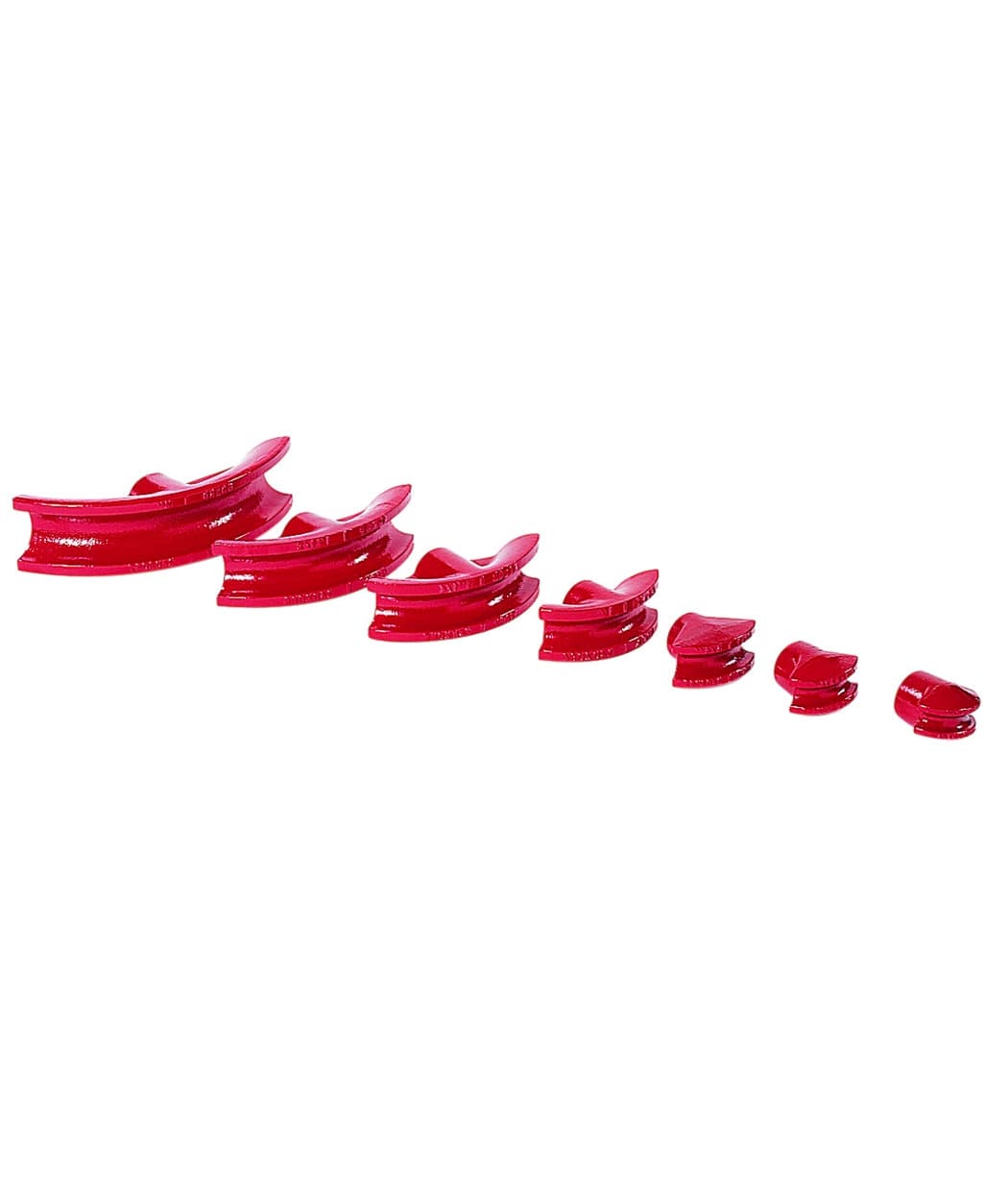
Virax Pipe Bending Former 1″ (26/34 mm) – 100 mm
Virax · Pipe Bending Formers
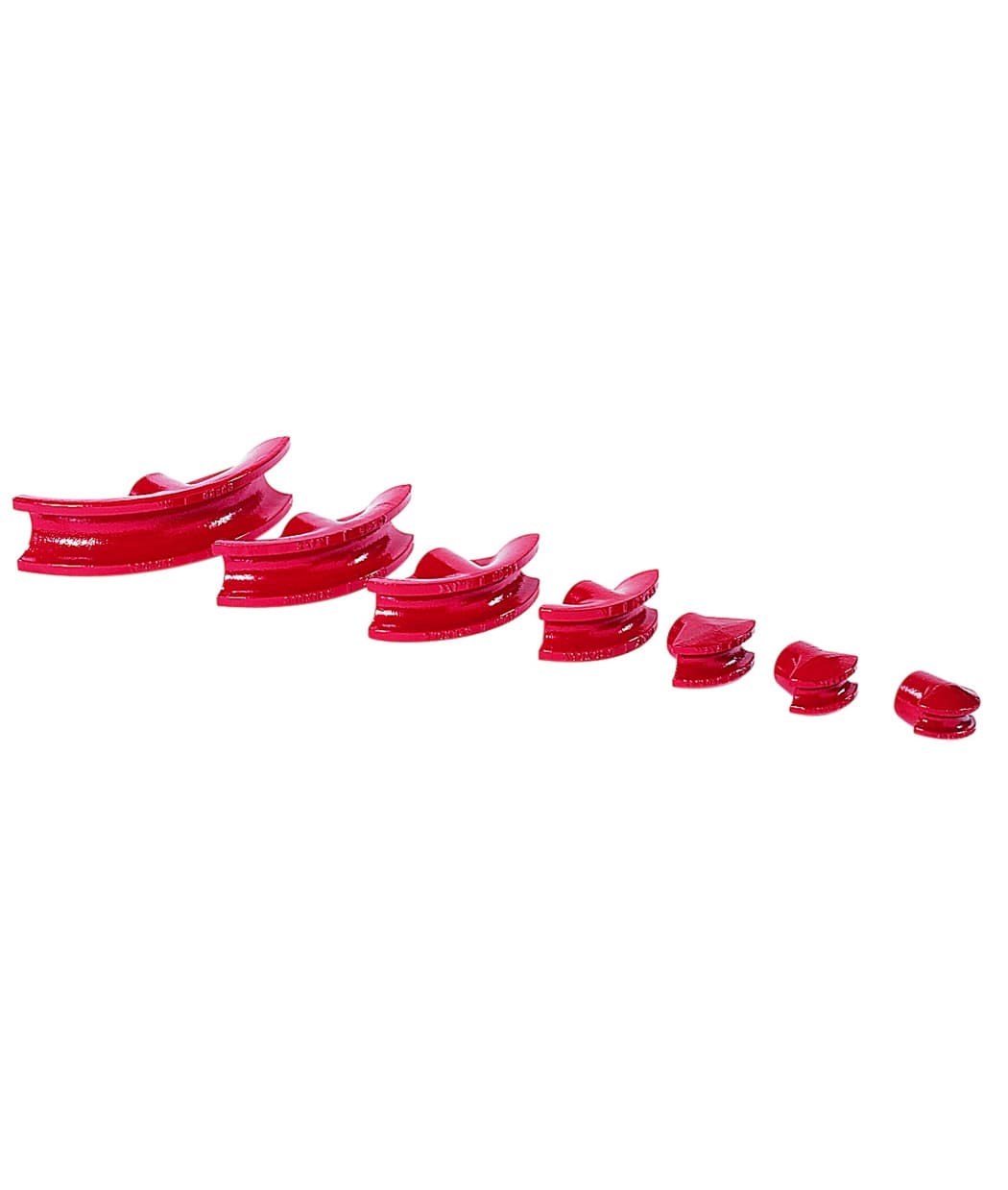
Virax Pipe Bending Former 1.1/2″ (40/49 mm) – 160 mm
Virax · Pipe Bending Formers
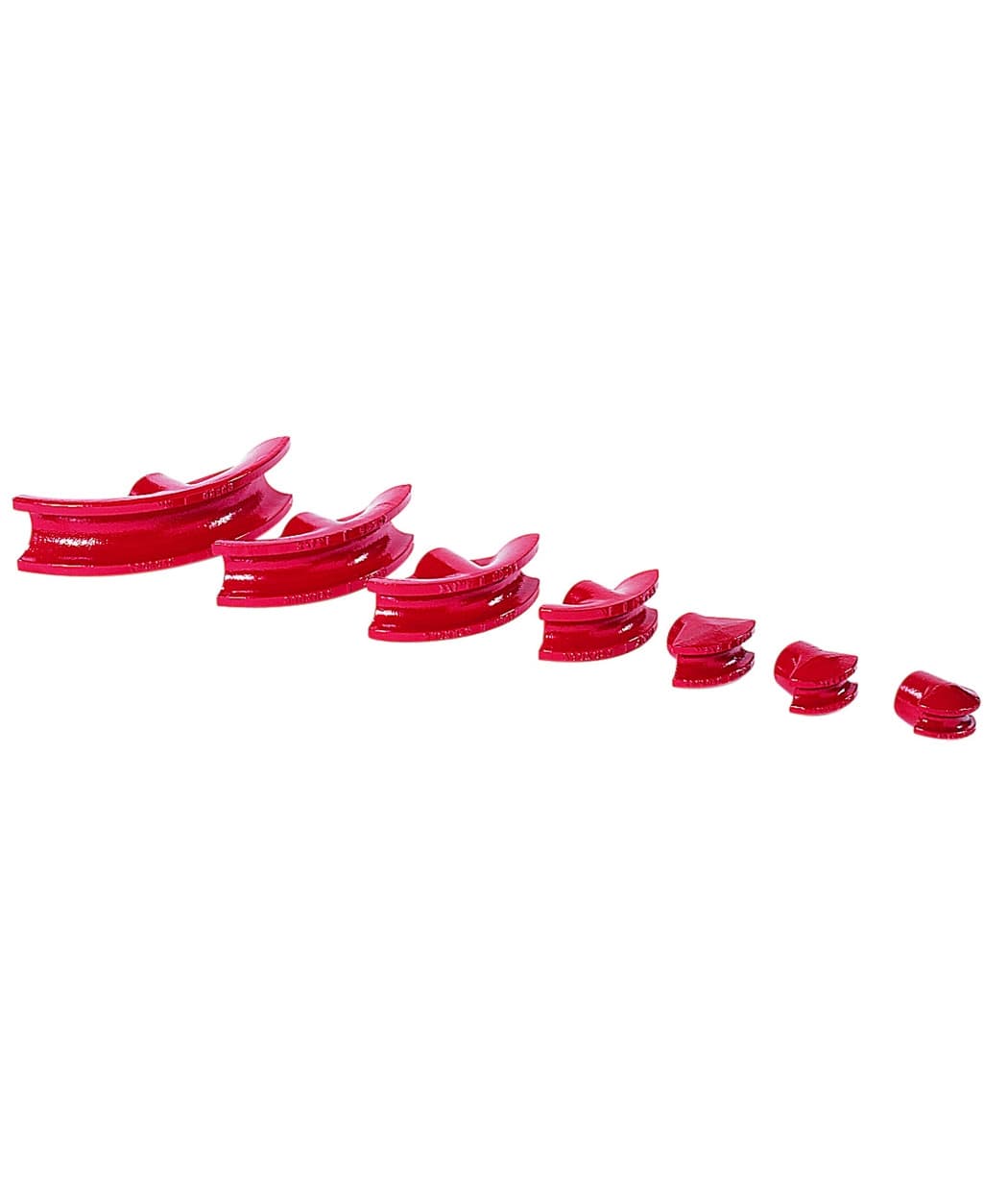
Virax Pipe Bending Former 1.1/4″ (33/42 mm) – 135 mm
Virax · Pipe Bending Formers
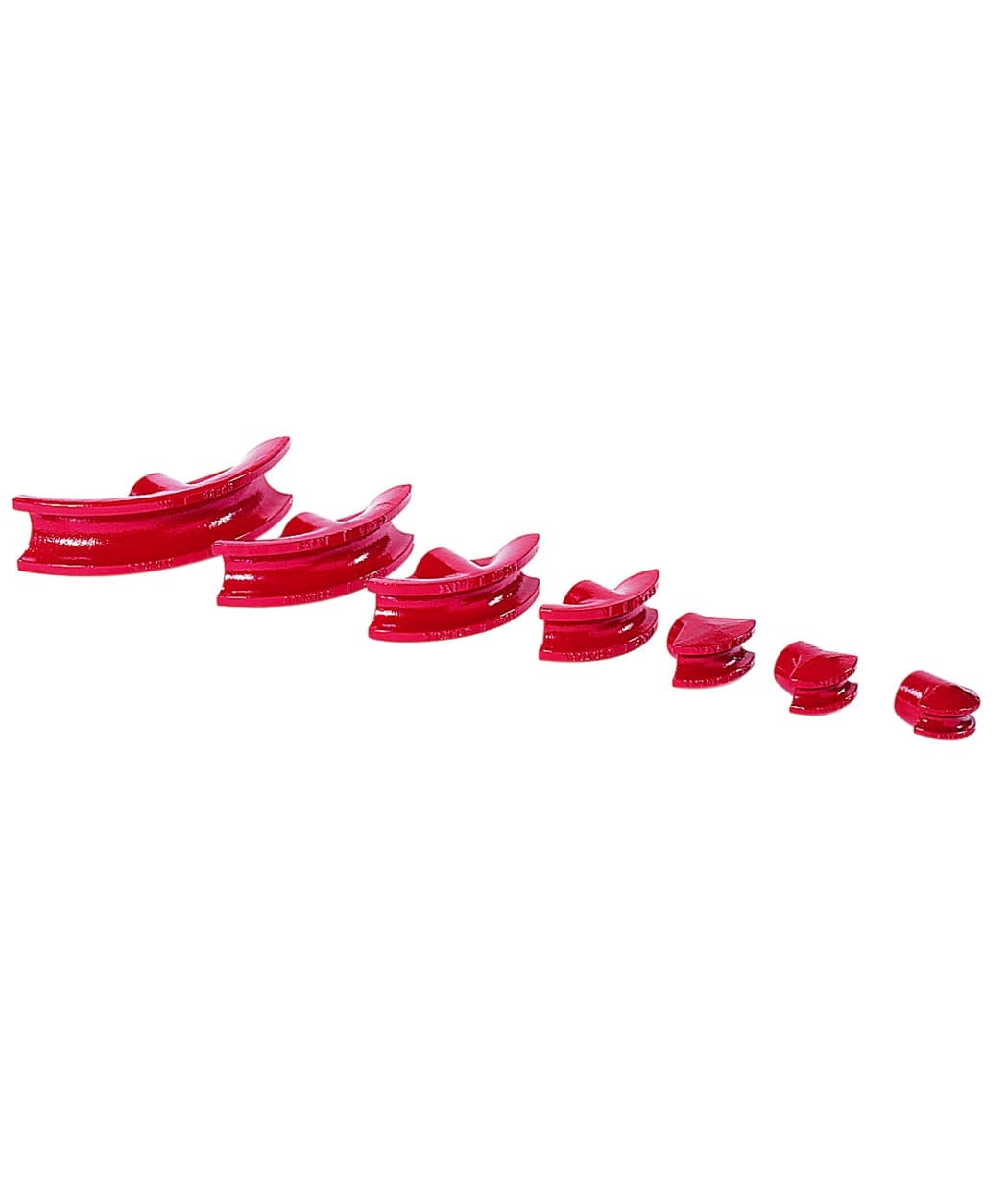
Virax Pipe Bending Former 1/2″ (15/21 mm) – 50 mm
Virax · Pipe Bending Formers
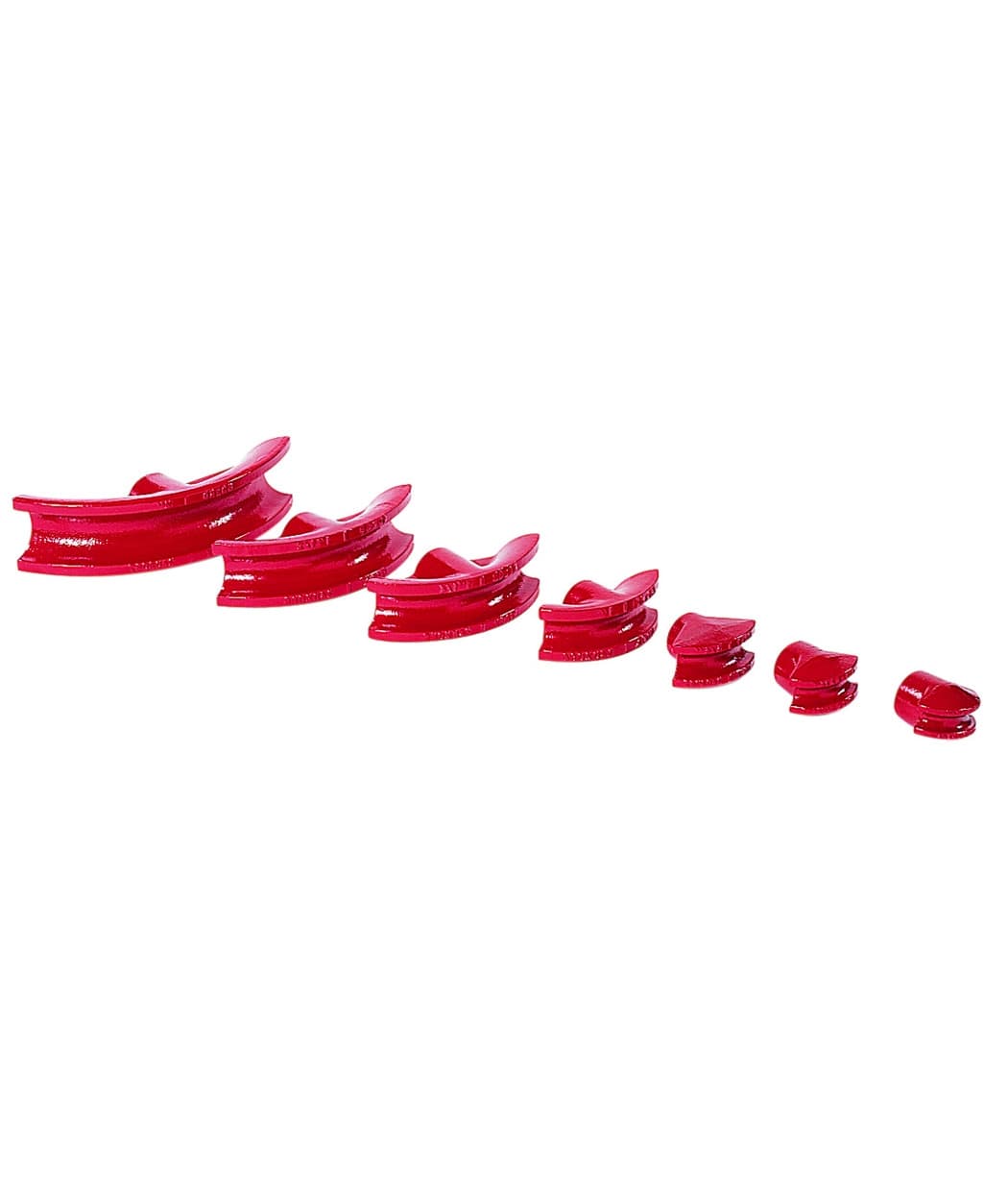
Virax Pipe Bending Former 16 mm – 70 mm
Virax · Pipe Bending Formers
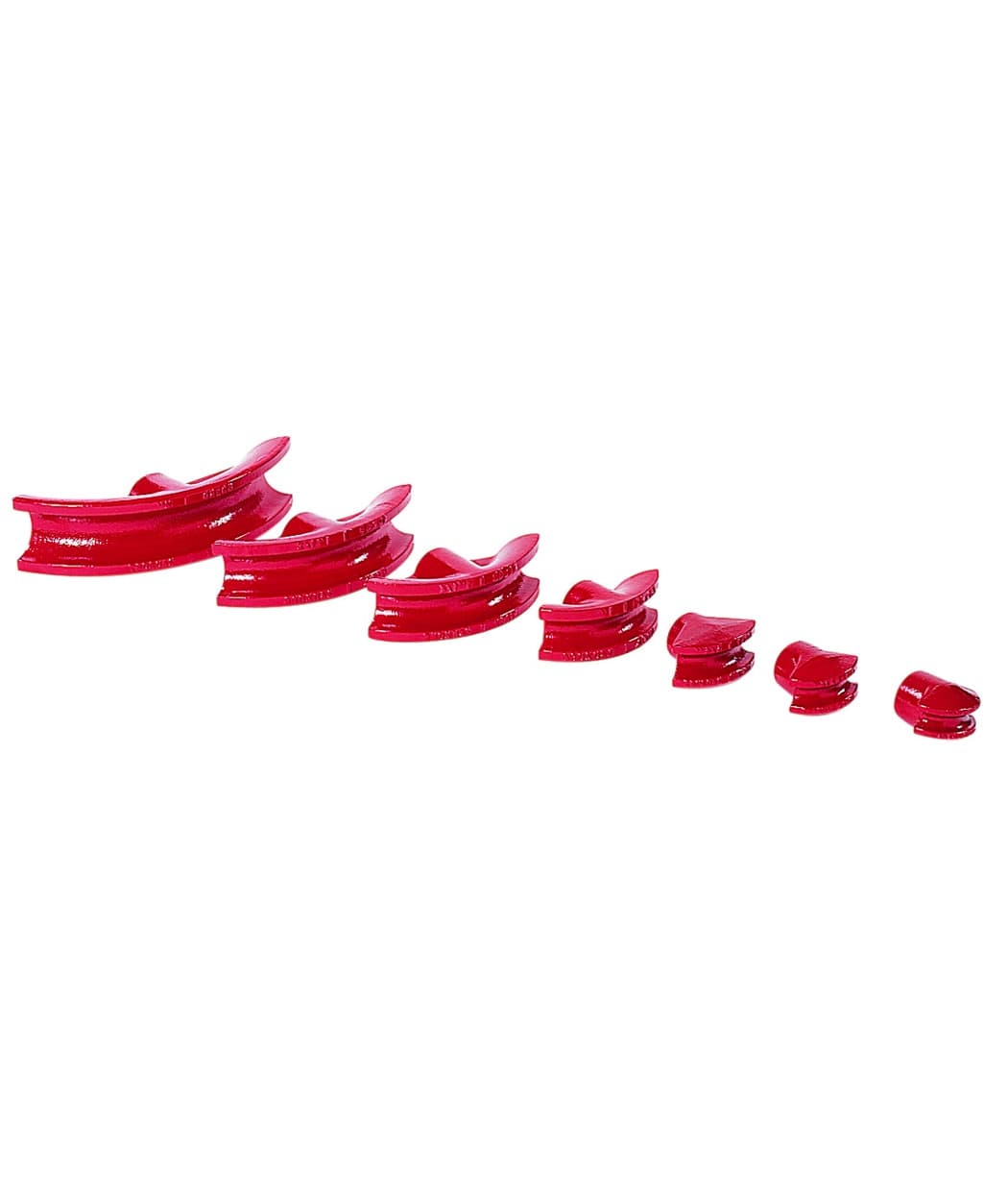
Virax Pipe Bending Former 2″ (50/60 mm) – 210 mm
Virax · Pipe Bending Formers
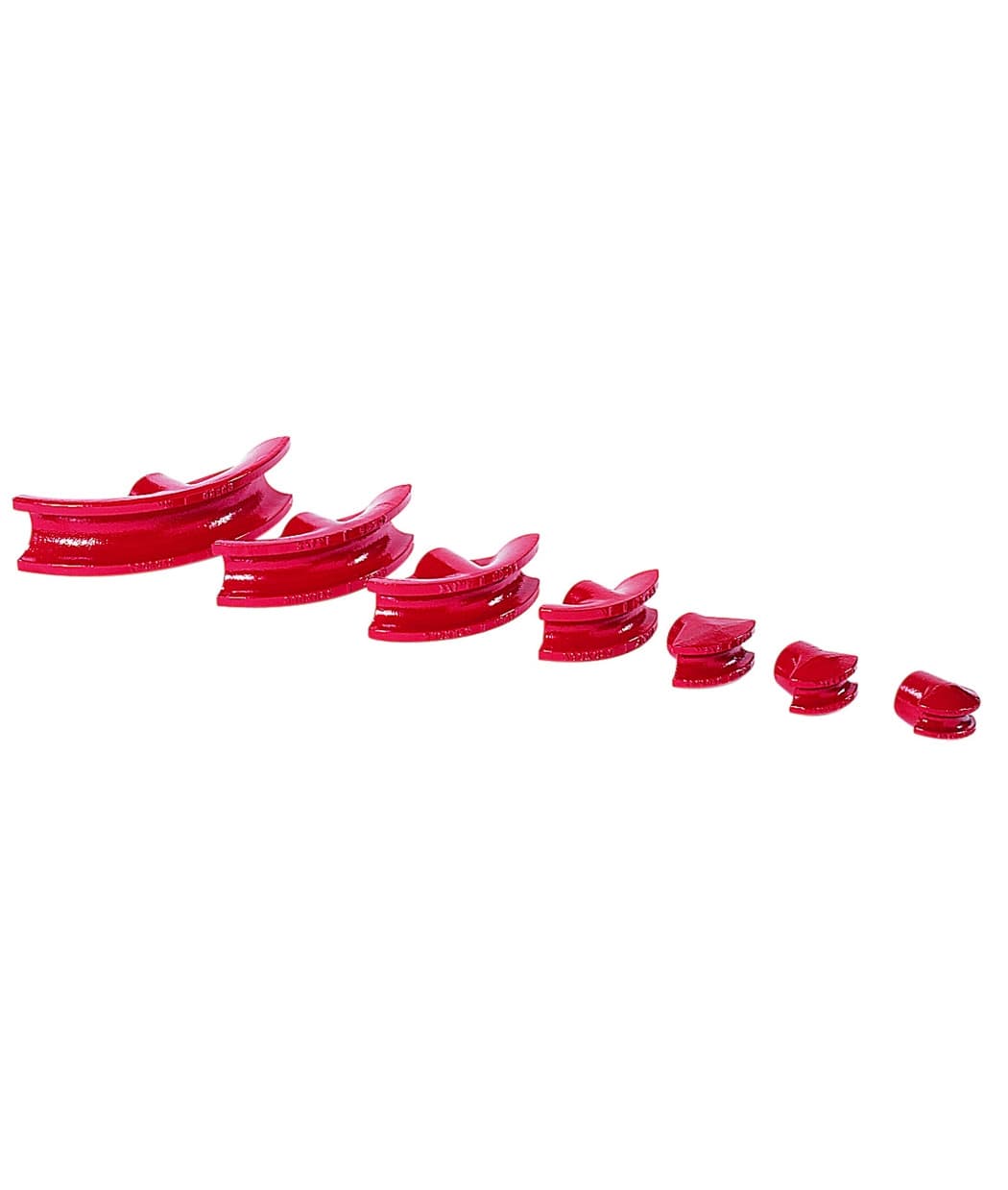
Virax Pipe Bending Former 20 mm – 105 mm
Virax · Pipe Bending Formers
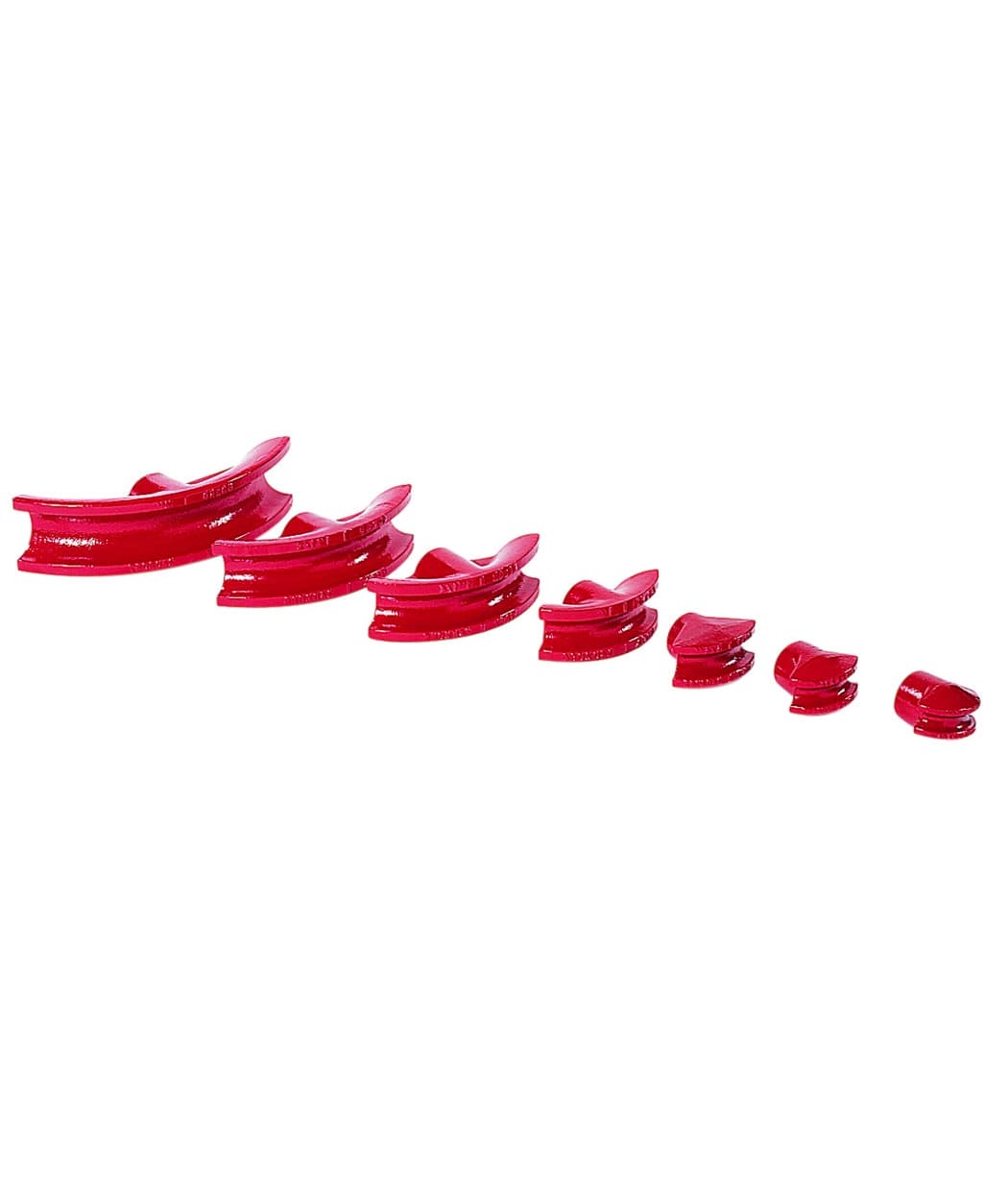
Virax Pipe Bending Former 2.1/2″ (66 - 76 mm) – 350 mm
Virax · Pipe Bending Formers

Virax Pipe Bending Former 22 mm – 130 mm
Virax · Pipe Bending Formers
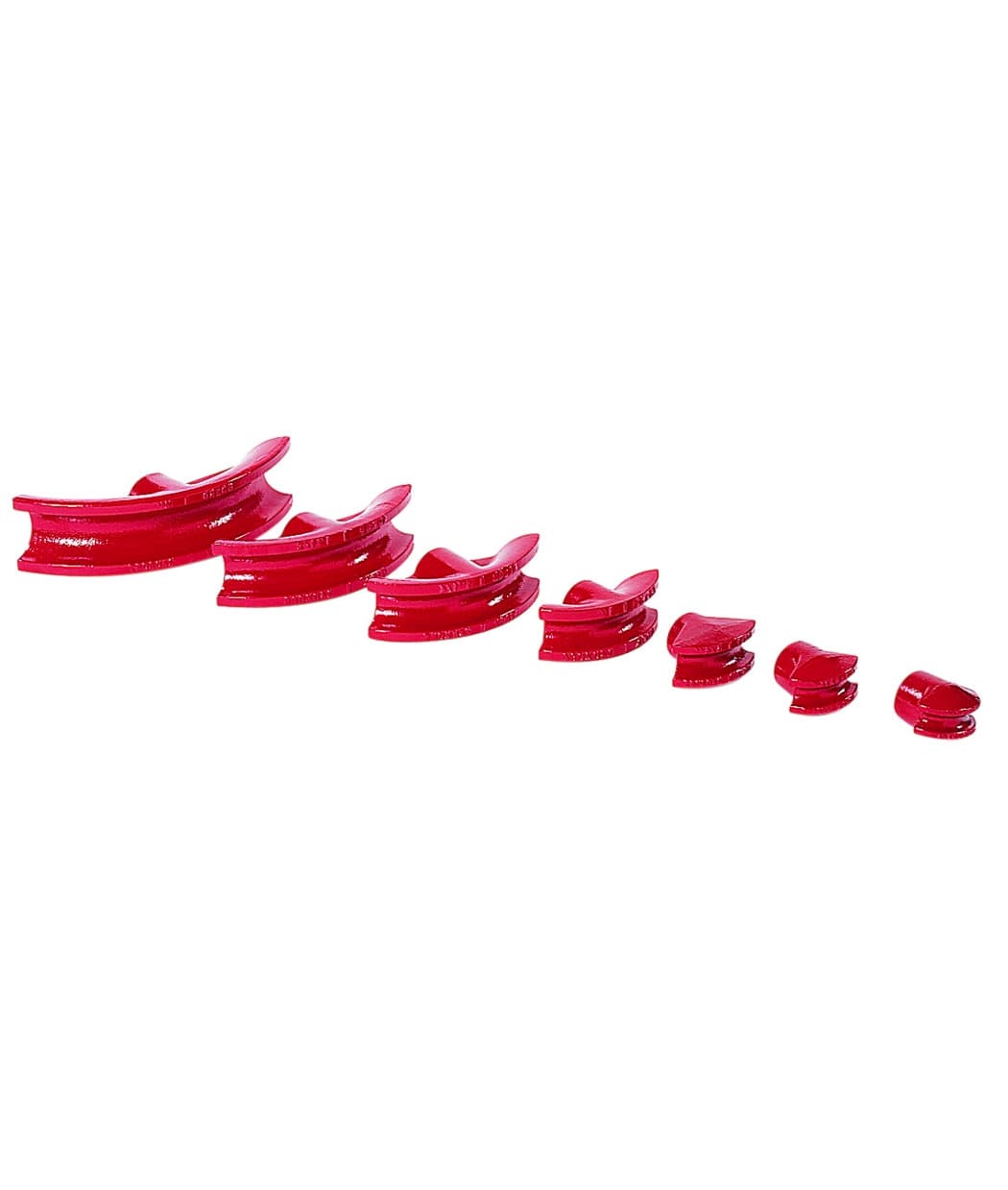
Virax Pipe Bending Former 25 mm – 130 mm
Virax · Pipe Bending Formers

Virax Pipe Bending Former 28 mm – 160 mm
Virax · Pipe Bending Formers
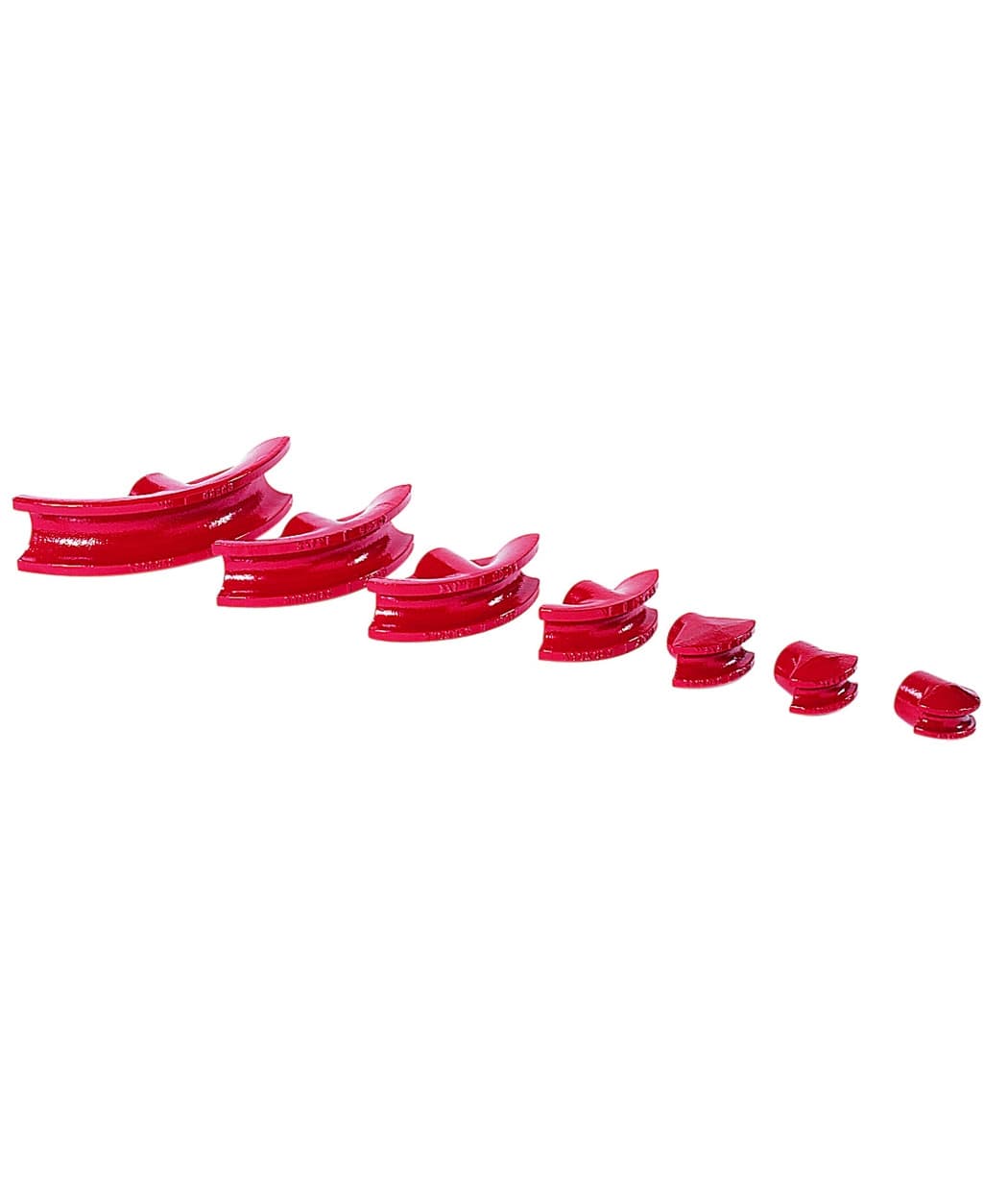
Virax Pipe Bending Former 3″ (80 - 90 mm) – 400 mm
Virax · Pipe Bending Formers
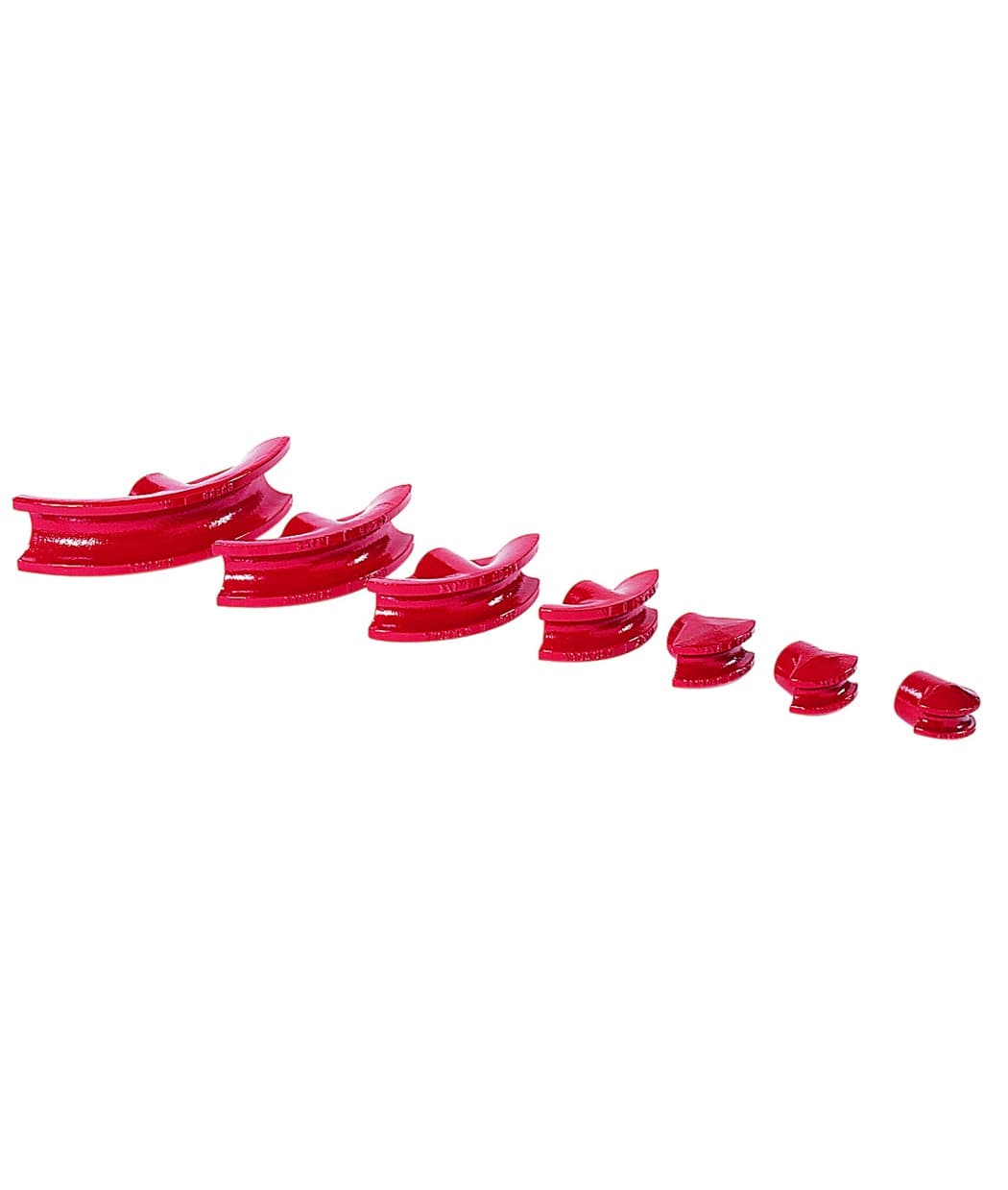
Virax Pipe Bending Former 30 mm – 165 mm
Virax · Pipe Bending Formers
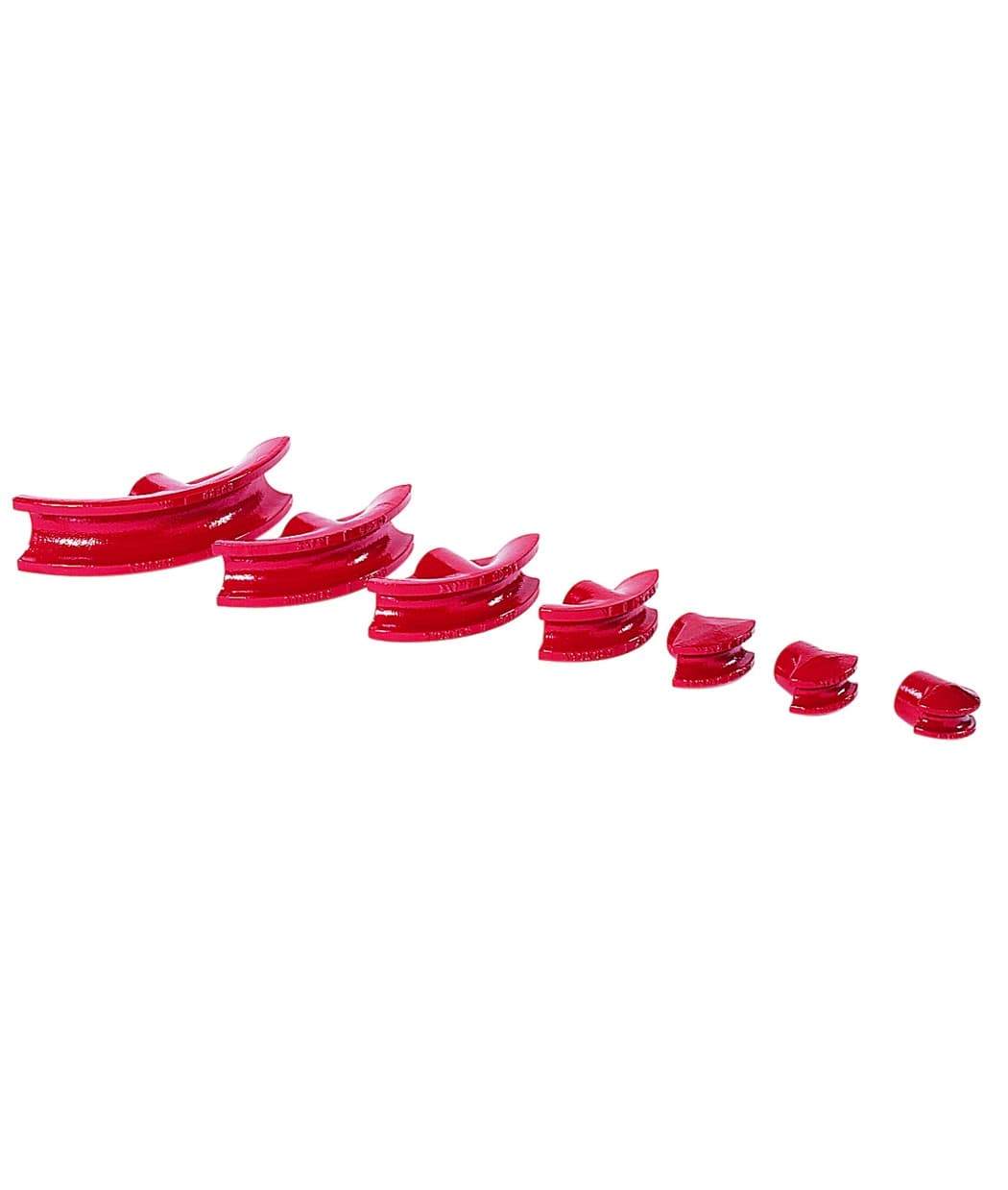
Virax Pipe Bending Former 3/4″ (20/27 mm) – 65 mm
Virax · Pipe Bending Formers
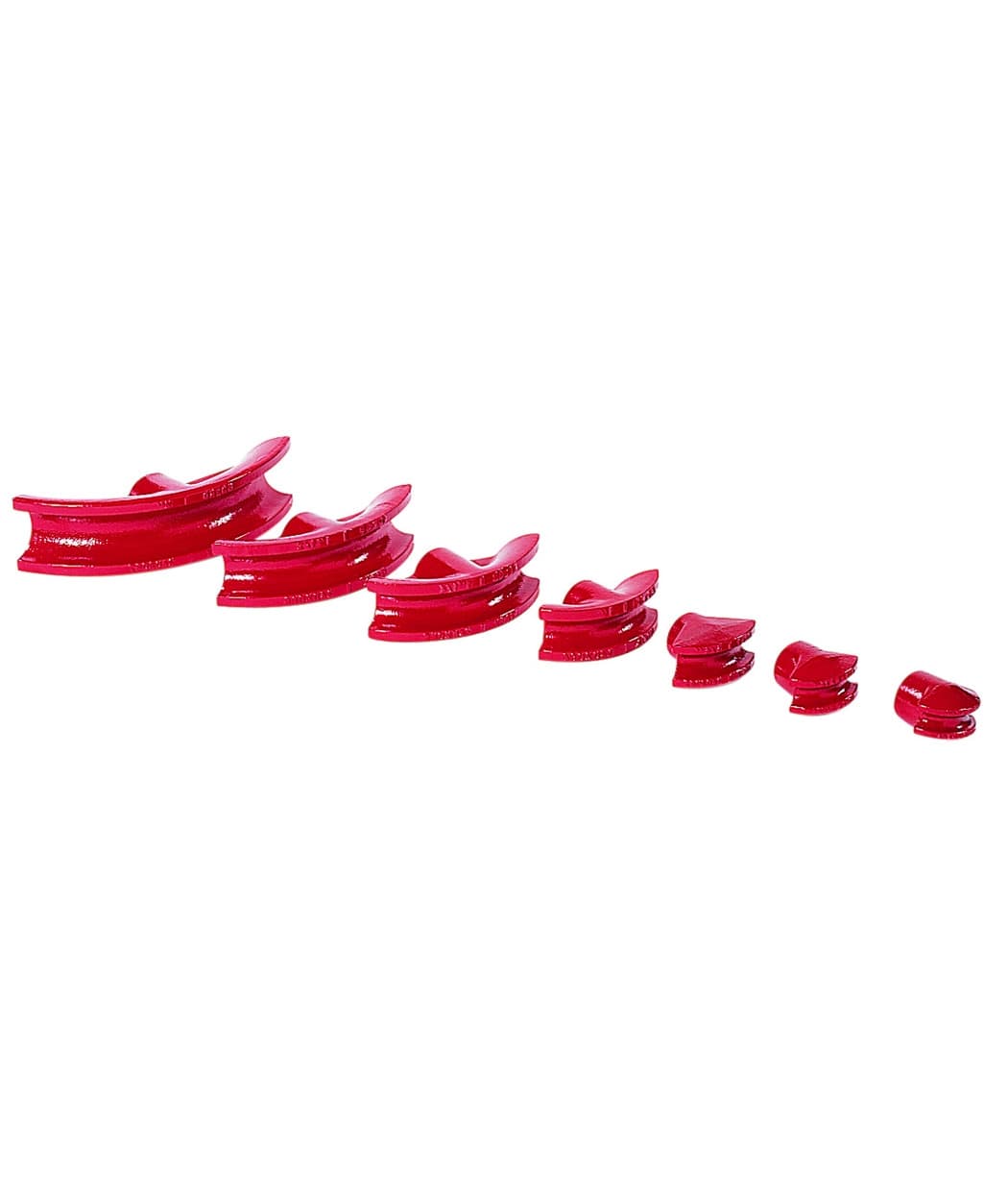
Virax Pipe Bending Former 38 mm – 220 mm
Virax · Pipe Bending Formers
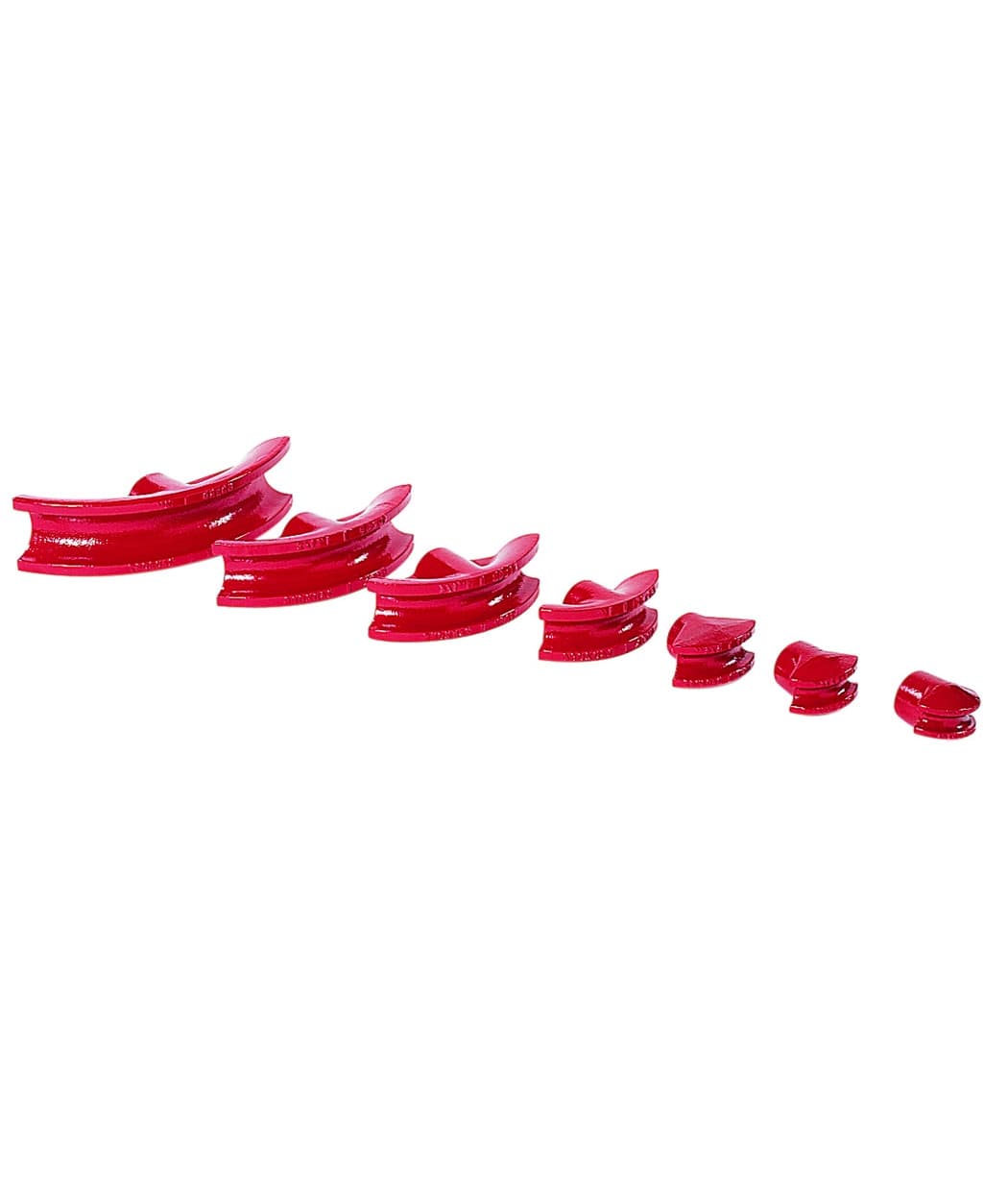
Virax Pipe Bending Former 3/8″ (12/17 mm) – 40 mm
Virax · Pipe Bending Formers
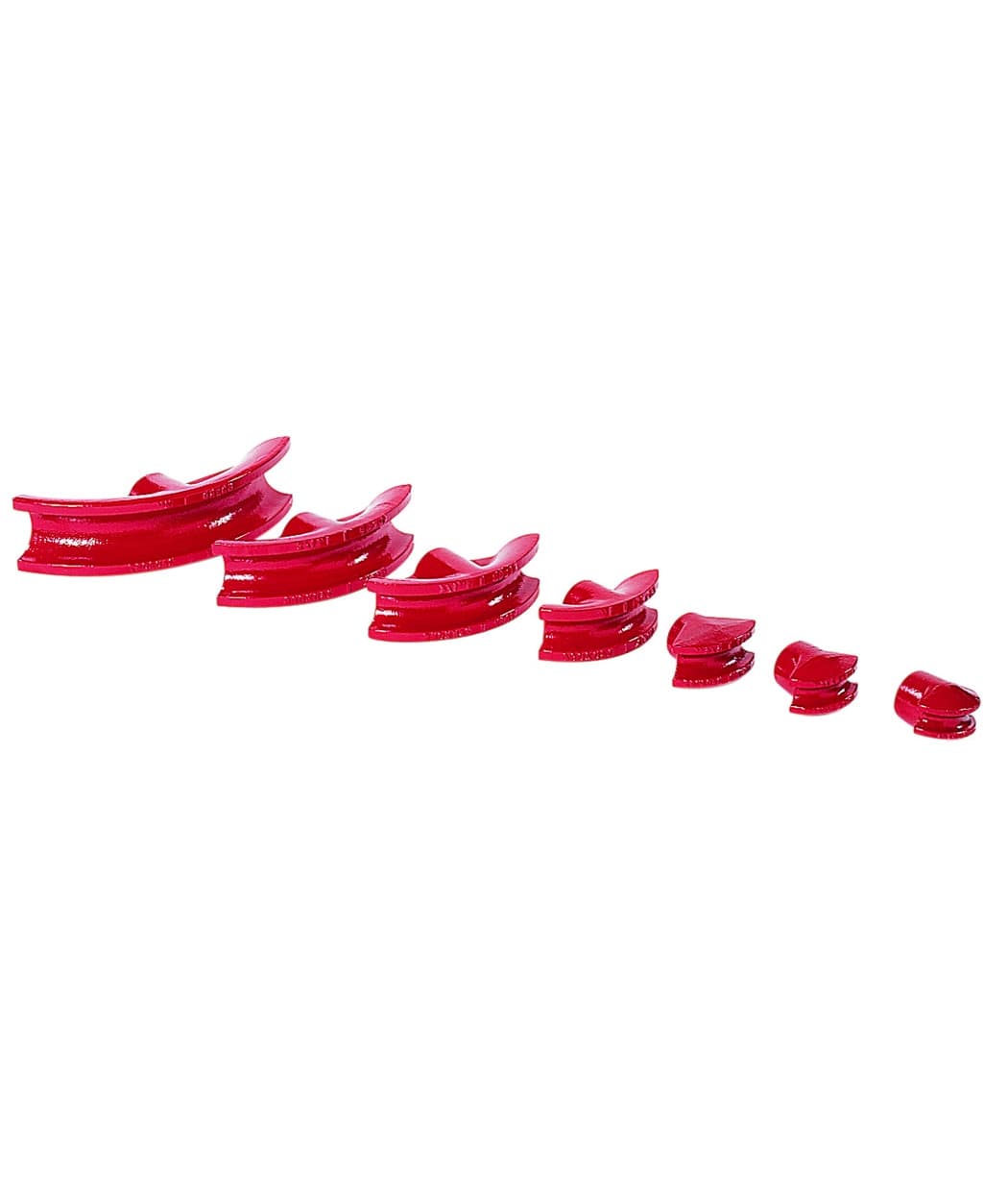
Virax Pipe Bending Former 4″ (102 - 114 mm) – 2000 mm
Virax · Pipe Bending Formers

Virax Pipe Bending Former 40 mm – 220 mm
Virax · Pipe Bending Formers

Virax Pipe Bending Former 45 mm – 275 mm
Virax · Pipe Bending Formers
Why a former bends without flattening
When a pipe is bent the outer radius stretches and the inner radius compresses. Unsupported, those two forces flatten the section and wrinkle the inside: the bore narrows and a crack starts where it wrinkles.
The former is a groove that matches the outside diameter of the pipe exactly, supporting the wall through the bend so the section stays round. That is why bending in the wrong former — one size up or one size down, it makes no difference — always damages the pipe.
What the bending diameter tells you
Each former gives a set bending diameter, which is how tight the bend will be. A small radius turns in a confined space but works the material harder; a large radius is a gentler transition and less strain.
This is the case for bending rather than fitting an elbow: a continuous run, less pressure drop and fewer joints that can leak. Each product page states the diameter its former produces.
Frequently Asked Questions
Can I bend with a former one size larger?
You should not. If the pipe does not seat in the groove the wall is unsupported: the section flattens and the inside wrinkles.
Is bending diameter the same as pipe size?
No. Pipe size is the pipe the former fits; bending diameter is the radius of the bend it makes. Both are listed separately on the product page.
Which machines do these formers fit?
They are for Virax manual and hydraulic benders. The machine pages list the formers supplied with them; missing sizes can be supplied separately.
Why bend instead of using an elbow?
A continuous run: fewer joints, lower pressure drop and fewer points that can leak.