Categories
Pipe Cutter Wheels
The wheel is the only part of a pipe cutter that cuts, and it changes with the pipe: separate geometries are made for steel, stainless steel, cast iron, copper and plastic. Every product here states the cutters it fits by catalogue number.
Virax Steel Pipe Cutter Wheel (210110 / 210120 / 210130 / 162120)
Virax · Pipe Cutter Wheels
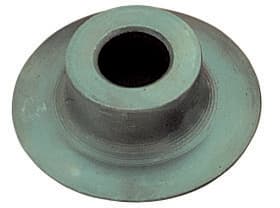
Virax Steel Pipe Cutter Wheel (162140)
Virax · Pipe Cutter Wheels
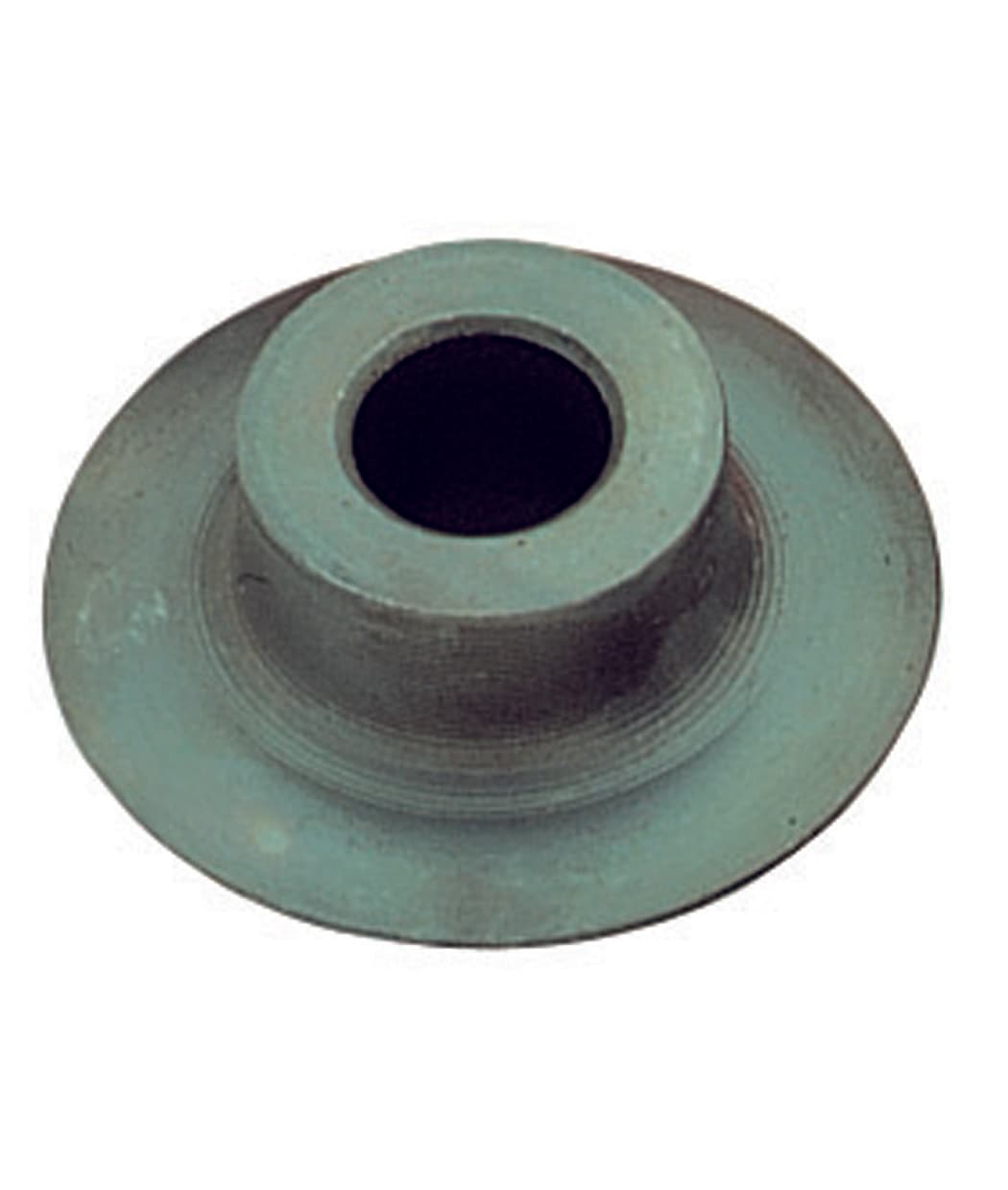
Virax Stainless Steel Cutter Wheel (210110 / 210120 / 210130 / 162120)
Virax · Pipe Cutter Wheels
Virax Steel Pipe Cutter Wheel (210145 / 210165)
Virax · Pipe Cutter Wheels
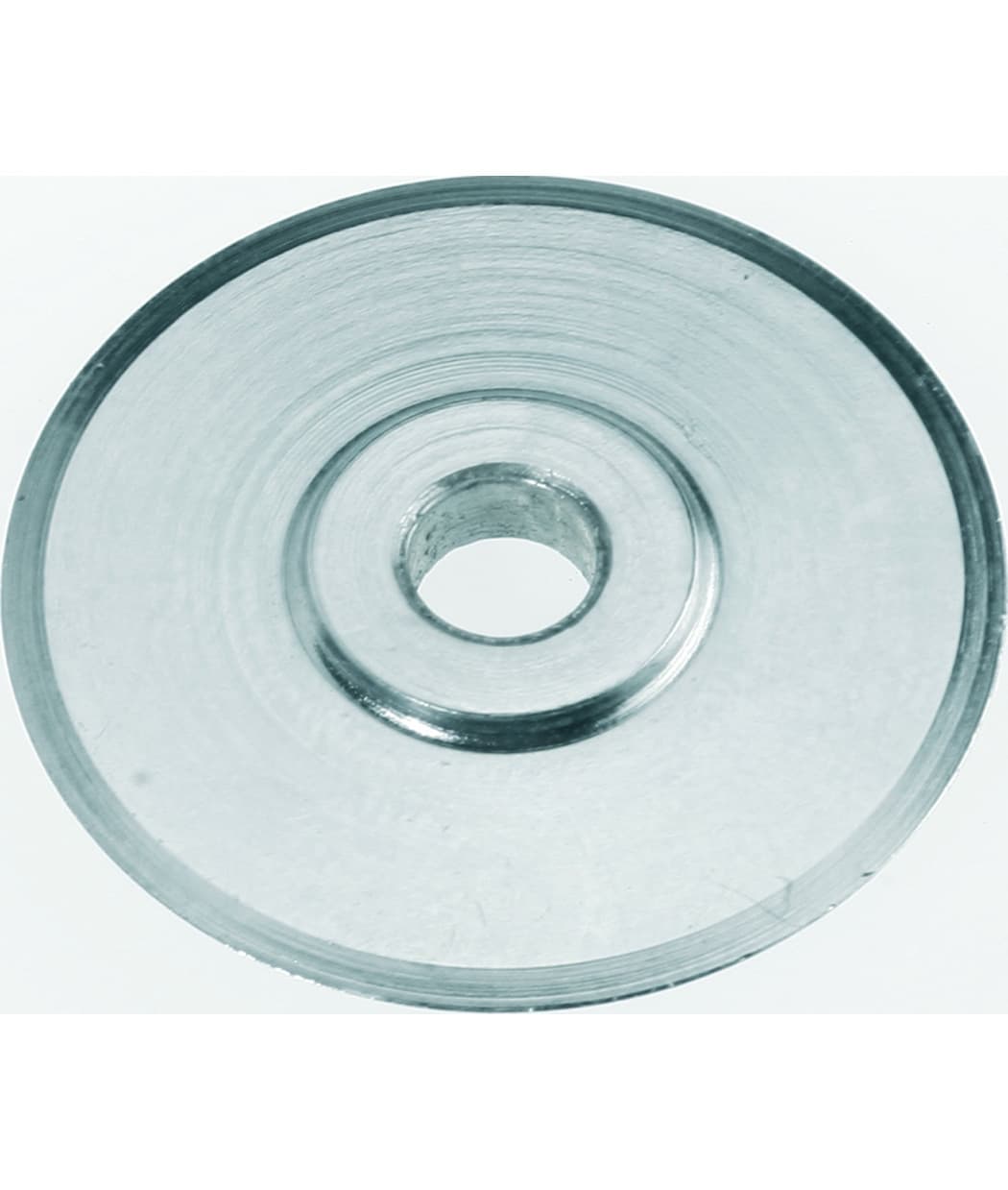
Virax Cast Iron Pipe Cutter Wheel (210265)
Virax · Pipe Cutter Wheels
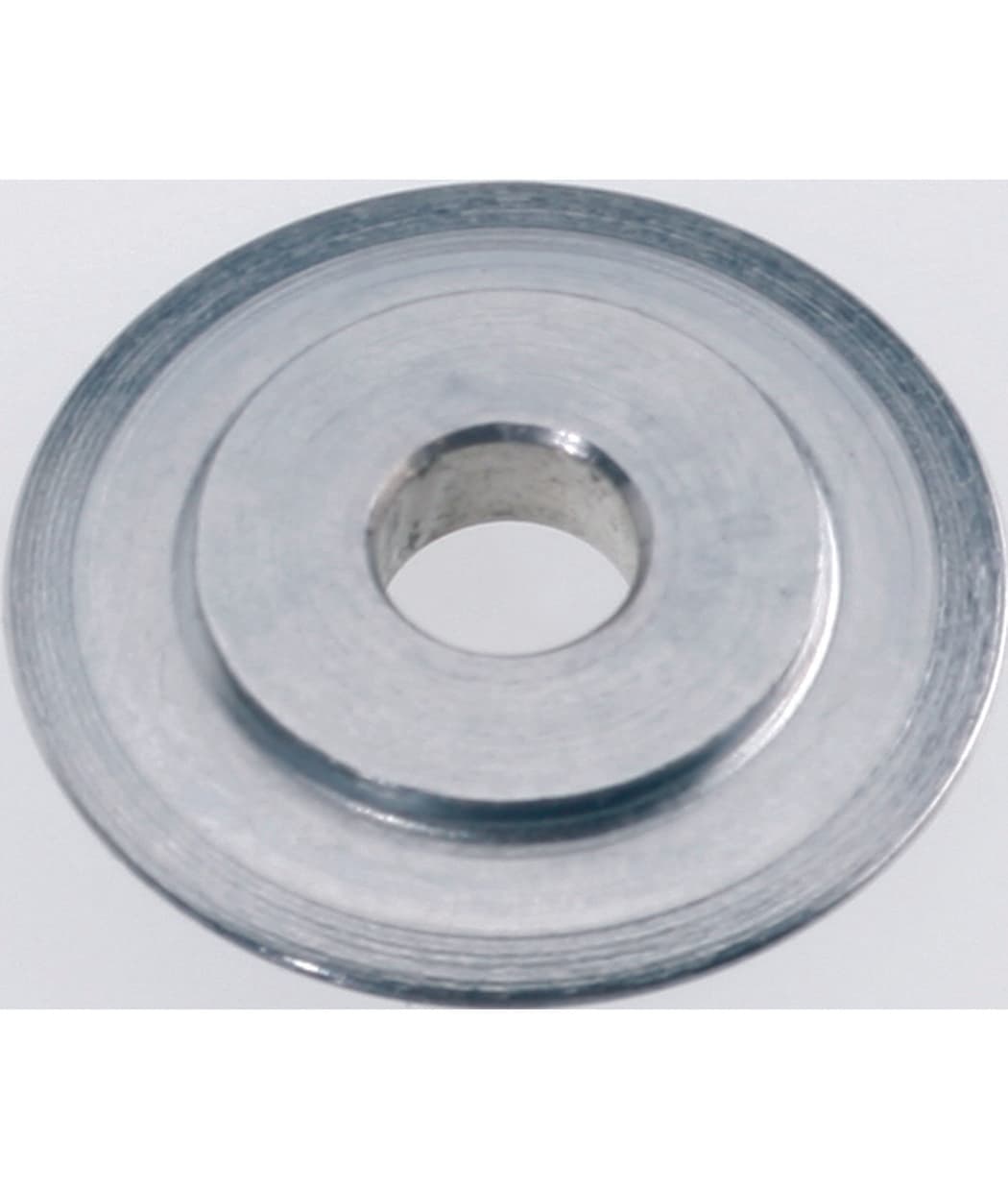
Virax Copper Pipe Cutter Wheel (210310 / 210312 / 210441 / 210443)
Virax · Pipe Cutter Wheels
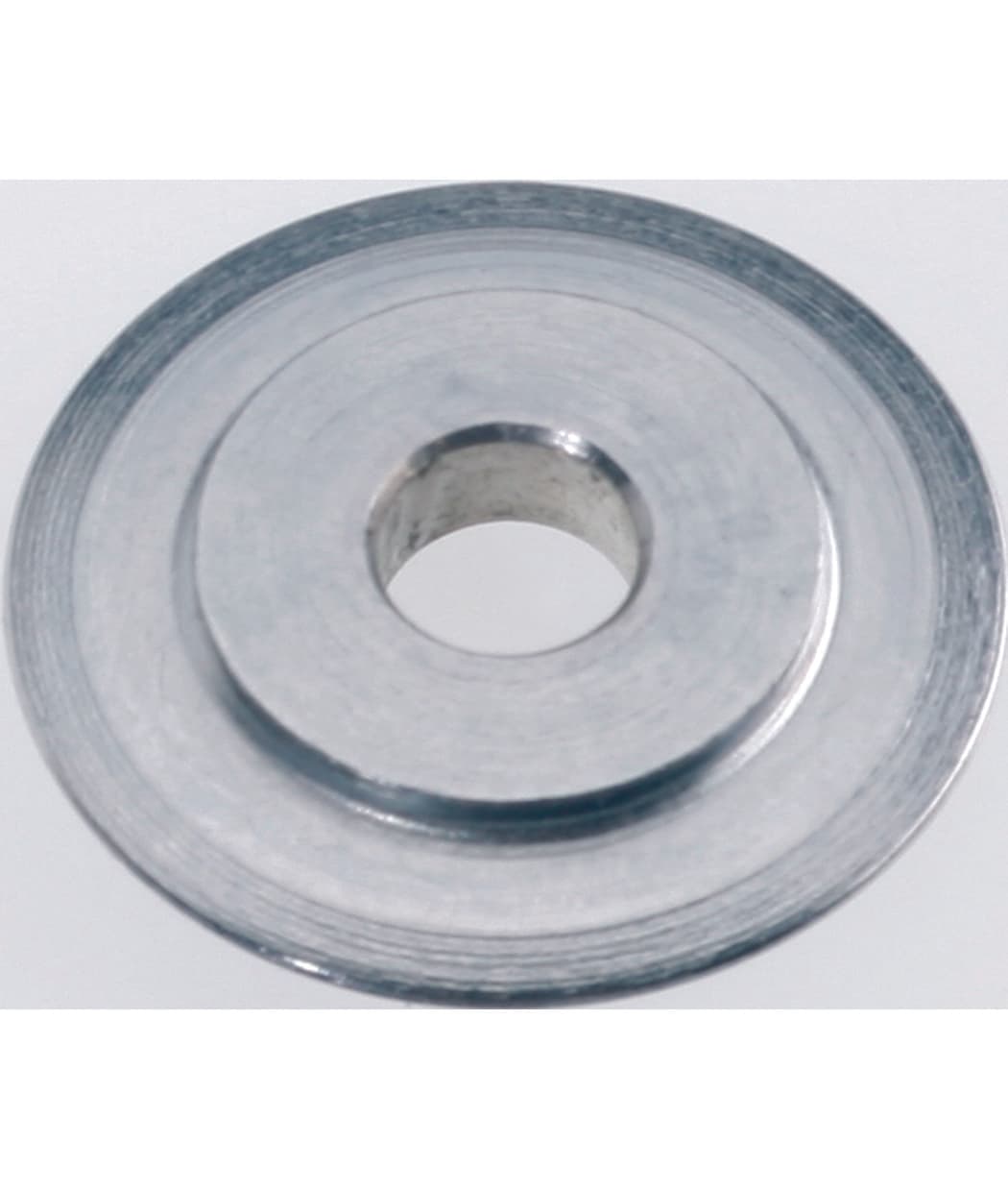
Virax Stainless Steel Cutter Wheel (210471)
Virax · Pipe Cutter Wheels
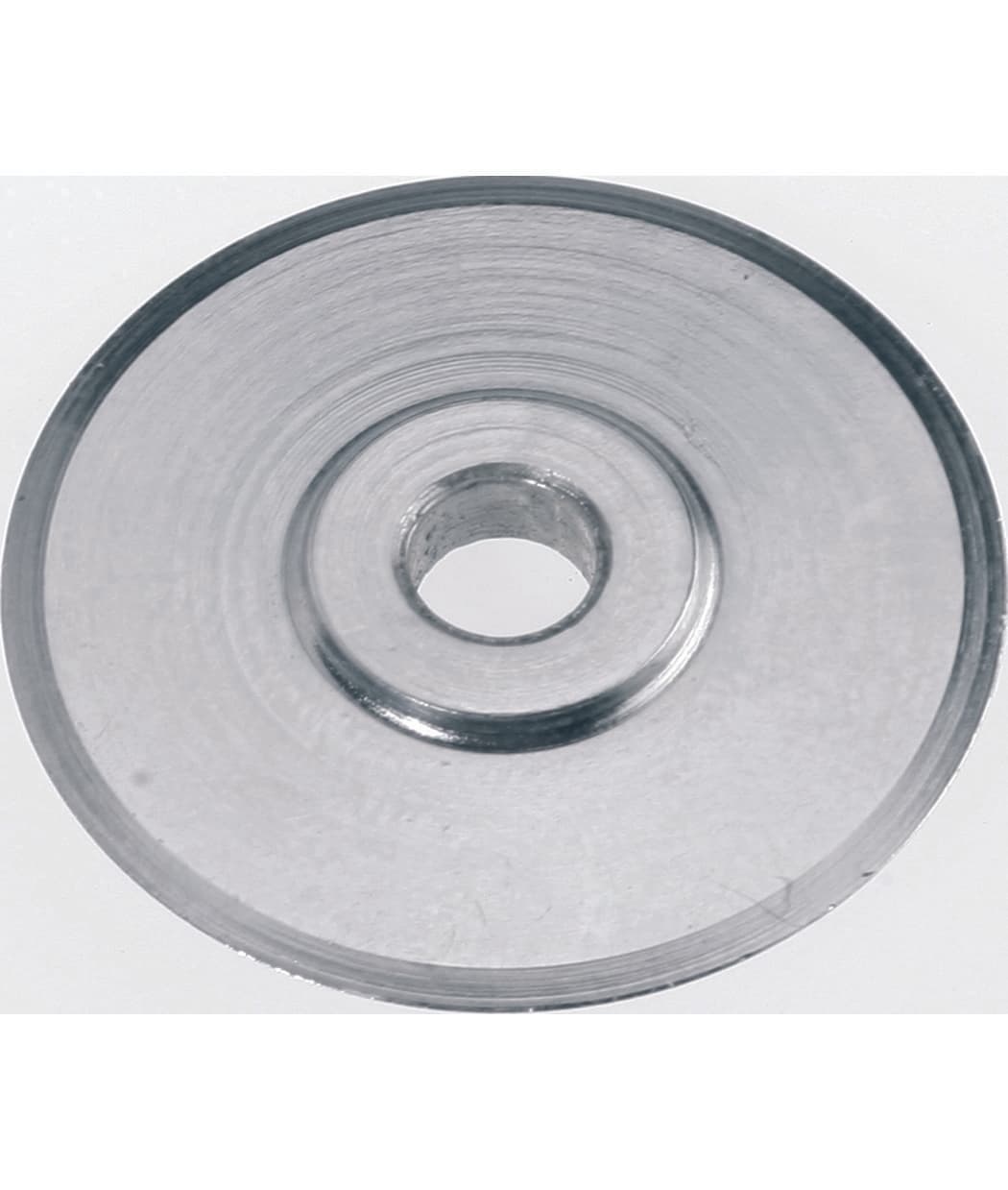
Virax Plastic Pipe Cutter Wheel (210610)
Virax · Pipe Cutter Wheels
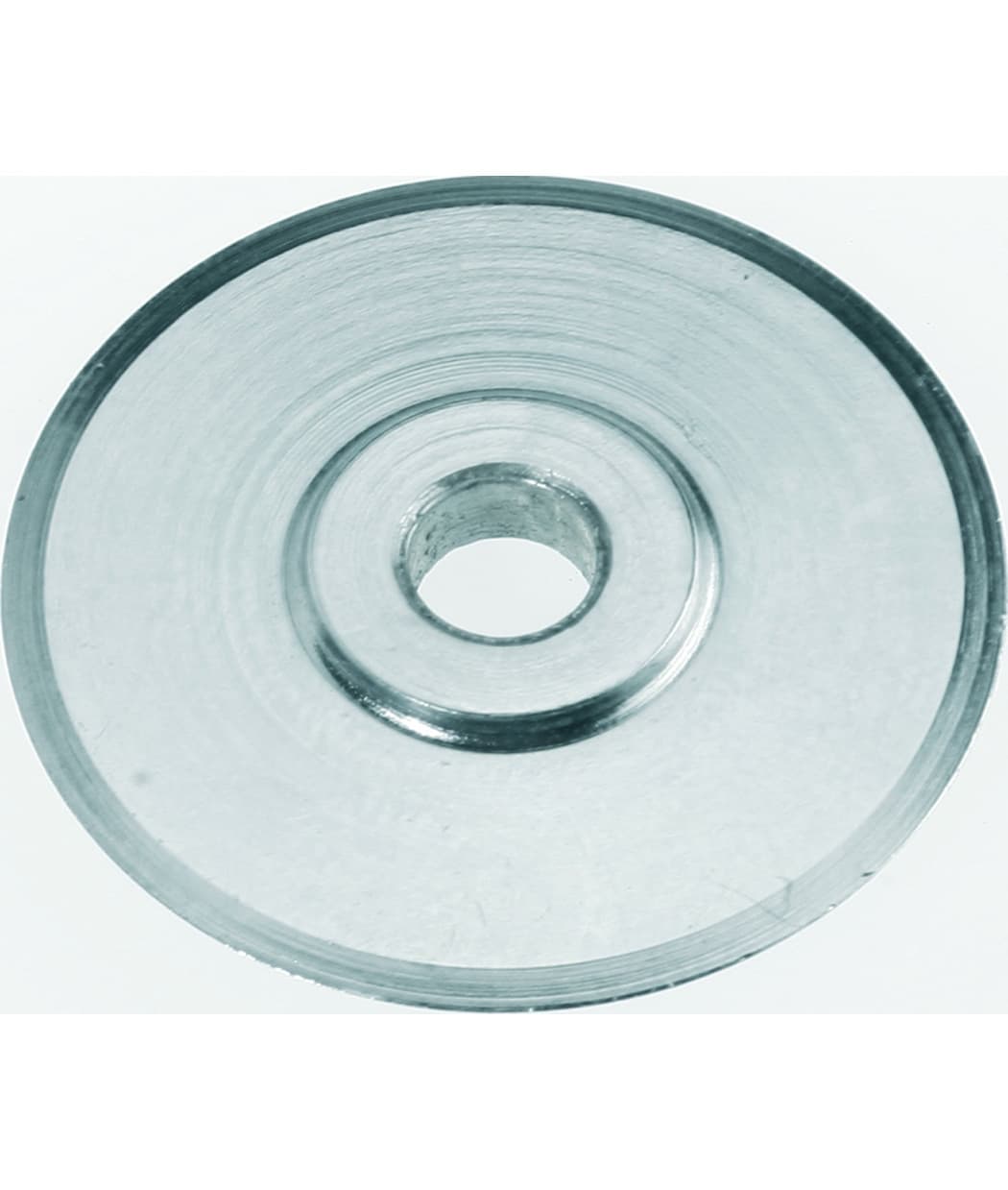
Virax Plastic Pipe Cutter Wheel (210620 / 210630)
Virax · Pipe Cutter Wheels
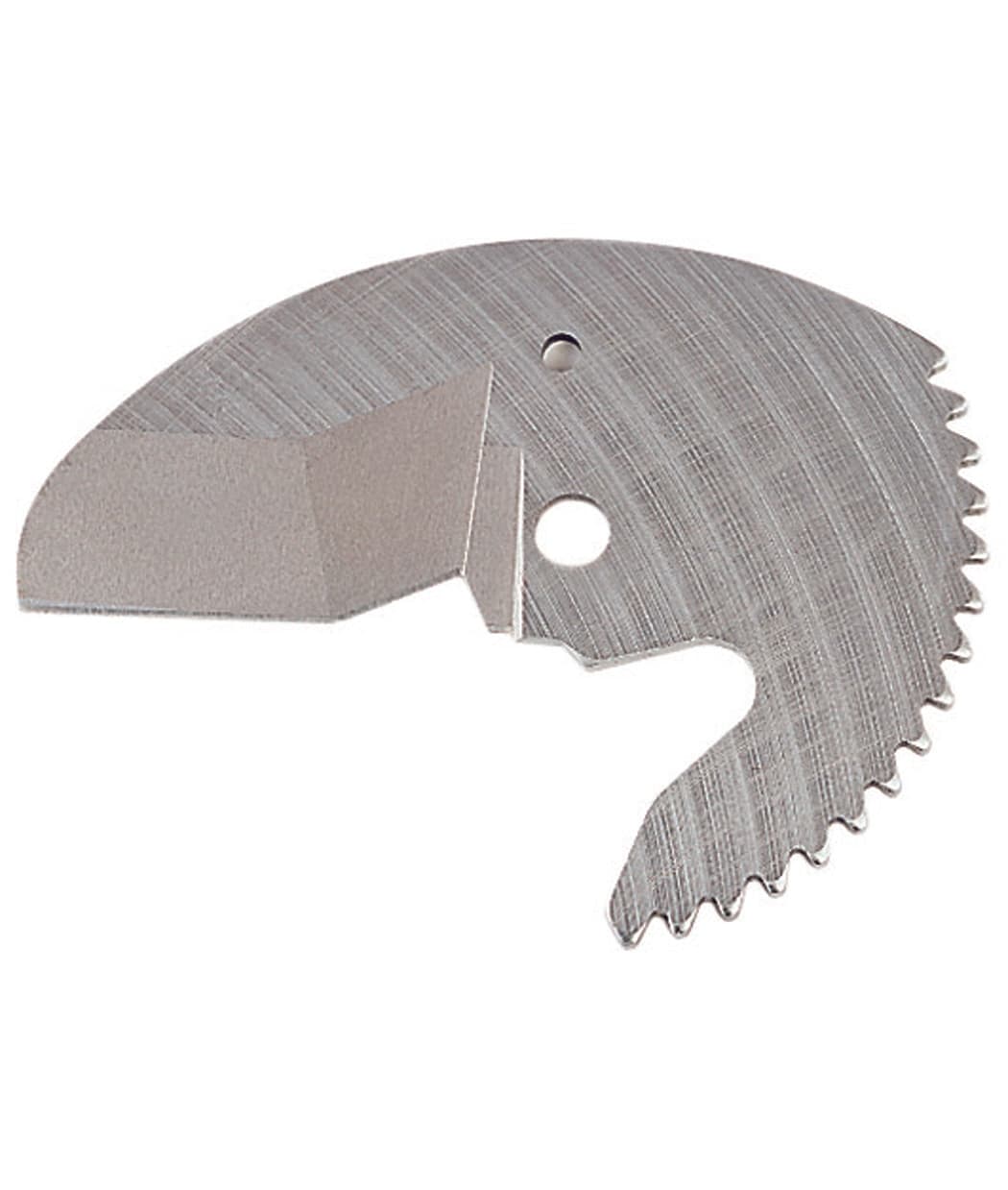
Virax Plastic Pipe Cutter Wheel (211463)
Virax · Pipe Cutter Wheels
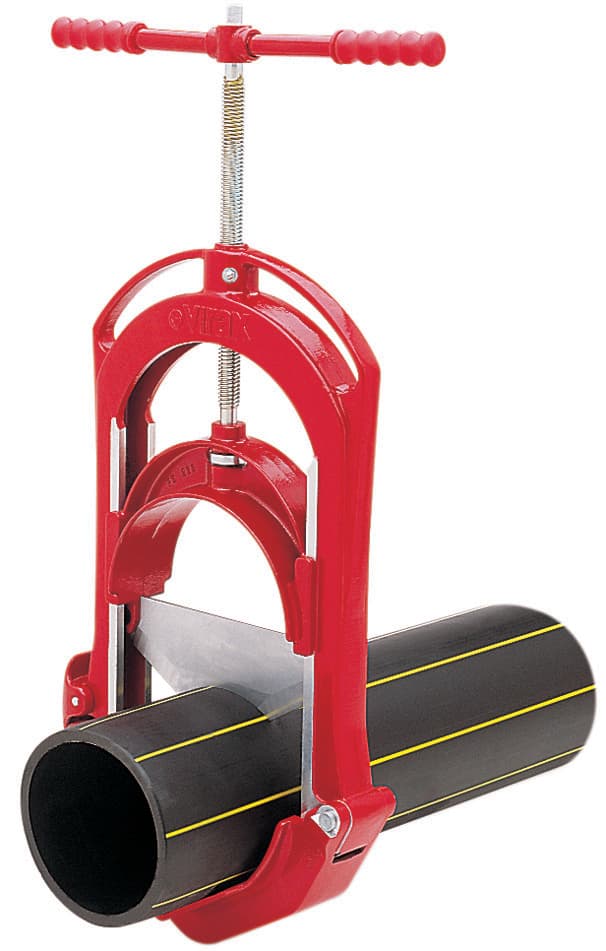
Virax Guillotine Cutter Blade (211512)
Virax · Pipe Cutter Wheels
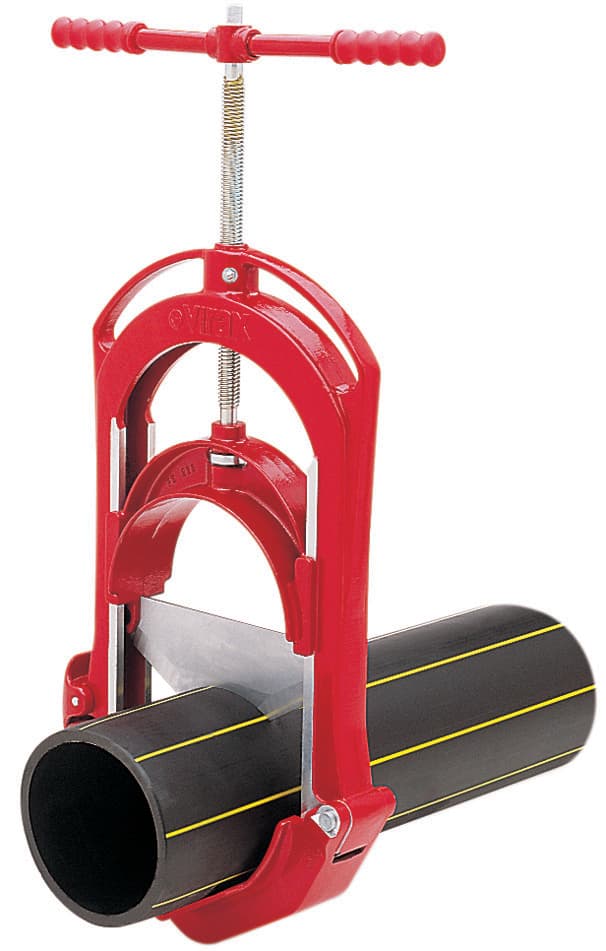
Virax Guillotine Cutter Blade (211522)
Virax · Pipe Cutter Wheels
What a dull wheel ruins
A sharp wheel parts the material; a dull one pushes and crushes it. The result is a burred end drawn in on itself. On copper that end leaks in a compression fitting, on plastic it spoils the welding face, and on steel it ruins the surface that is about to be threaded.
The second sign is force: if the cutter has to be tightened harder every turn, the wheel is finished. Replacing a wheel costs a fraction of replacing a cutter.
Not every wheel fits every cutter
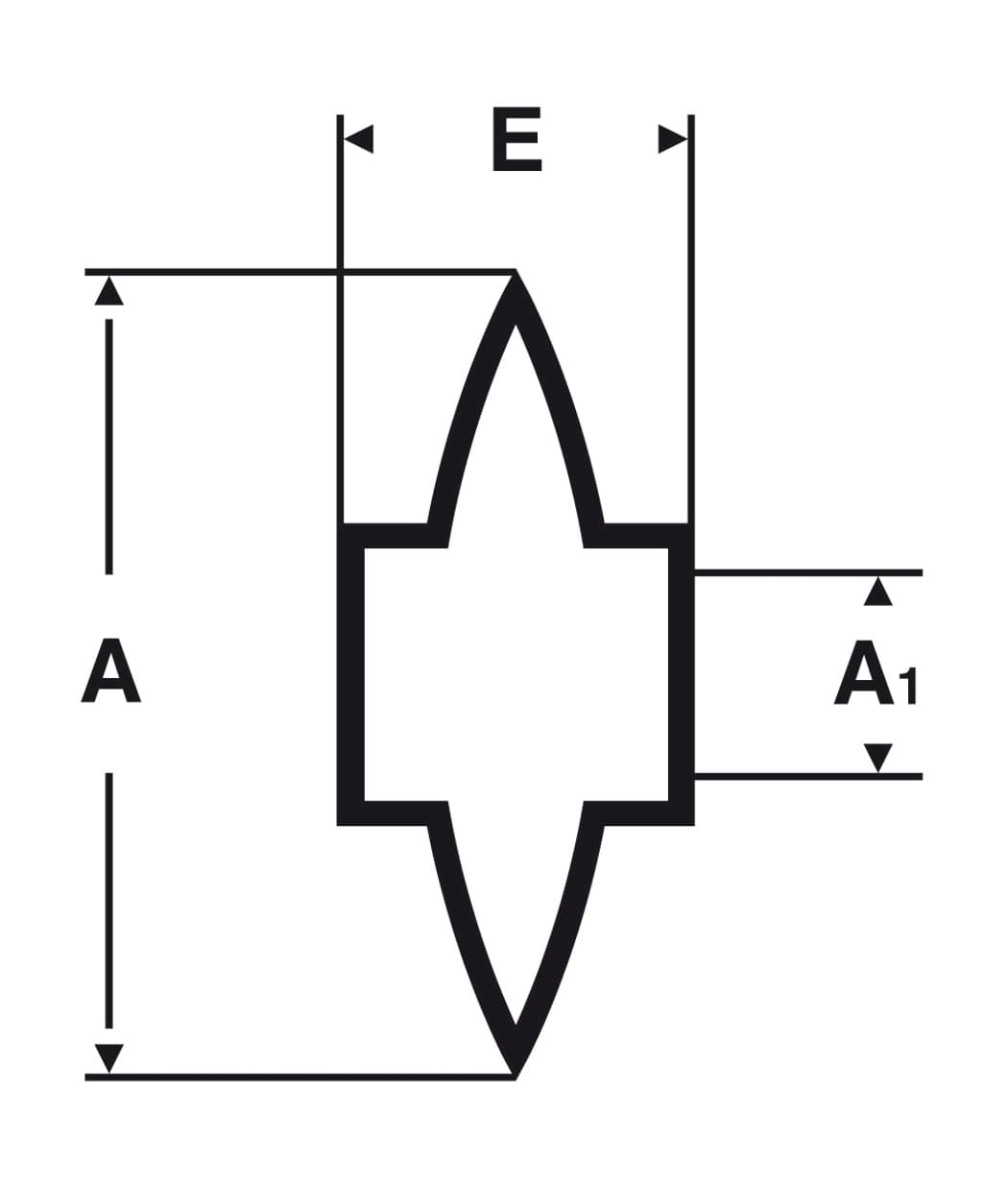
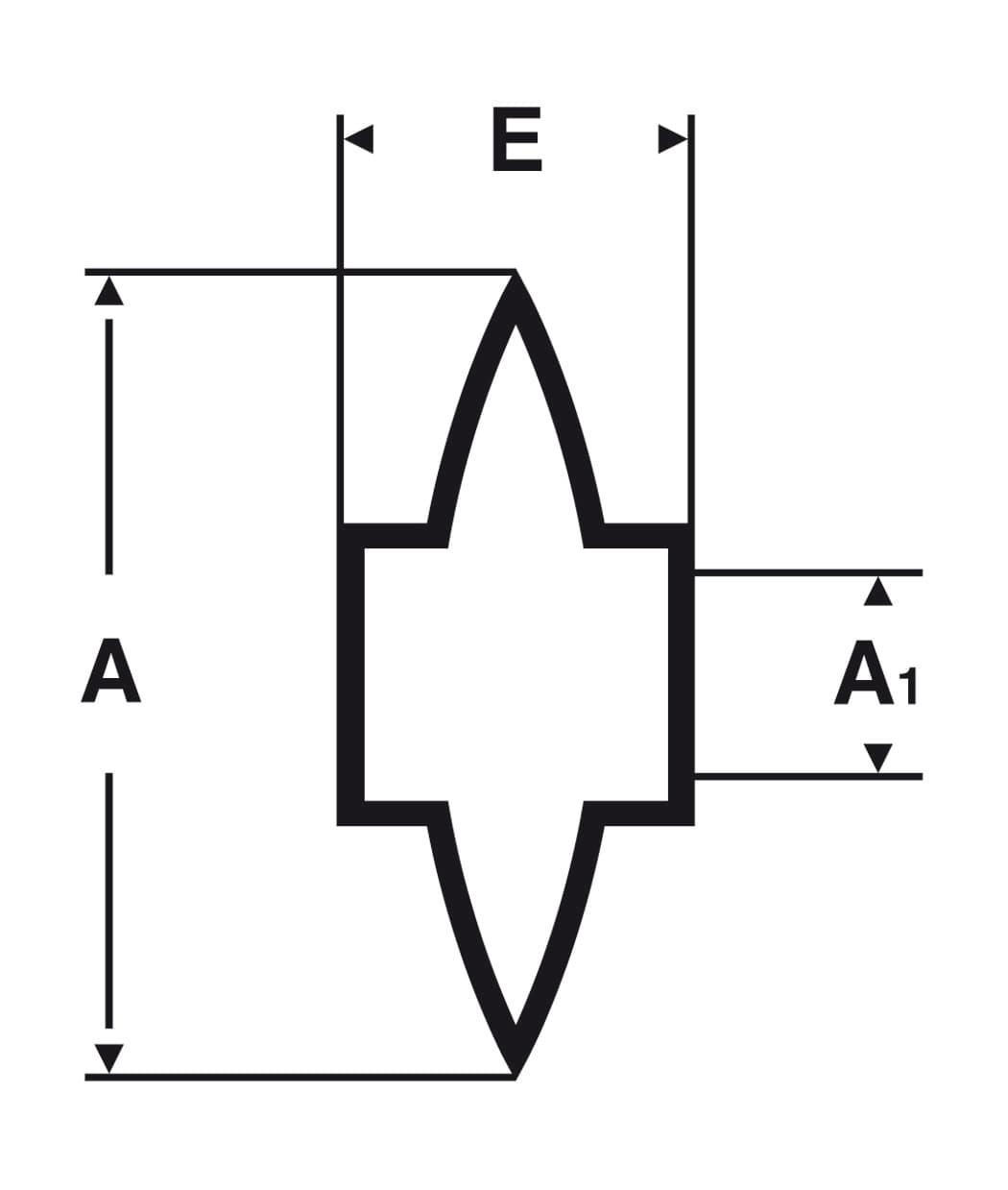
A wheel is defined by three dimensions: outside diameter (A), bore (A1) and thickness (E). All three have to seat in the cutter; an approximate fit runs the wheel off centre and spoils the cut.
Every product here carries the Virax catalogue numbers of the cutters it fits (2101 10, 2101 20), and the cutter pages point back at their spare wheel. Both directions come from the same data, so they cannot disagree.
Frequently Asked Questions
When should a wheel be replaced?
When the cutting force rises, the cut starts coming out burred and the pipe end draws inward. Those three signs mean the wheel is dull.
Can a steel wheel cut stainless pipe?
It can, but it dulls quickly. Wheels made for stainless use a different geometry and material: they last longer and cut cleaner.
How do I find the right wheel for my cutter?
Each wheel page lists the catalogue numbers of the cutters it fits. Match it against the number on your cutter; the cutter pages list their spare wheel too.
What pack sizes are they sold in?
Most come in packs of 5 or 10; the pack quantity is stated on each product page.