Categories
Plastic Speed Bumps
Plastic speed bumps are the economical traffic calming option. The catalog lists 50x50 cm cat's-eye plastic bumps, oval road bumps and high-impact bumps, along with their end caps and covers.
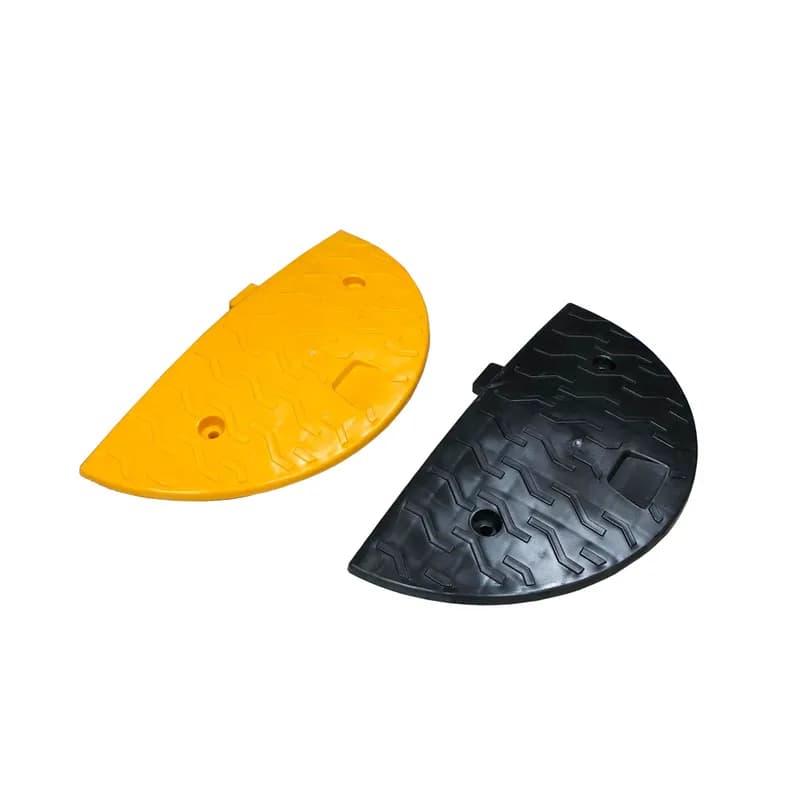
50x50 Kedi Gözlü Plastik Kasis Kapağı
Plastic Speed Bumps
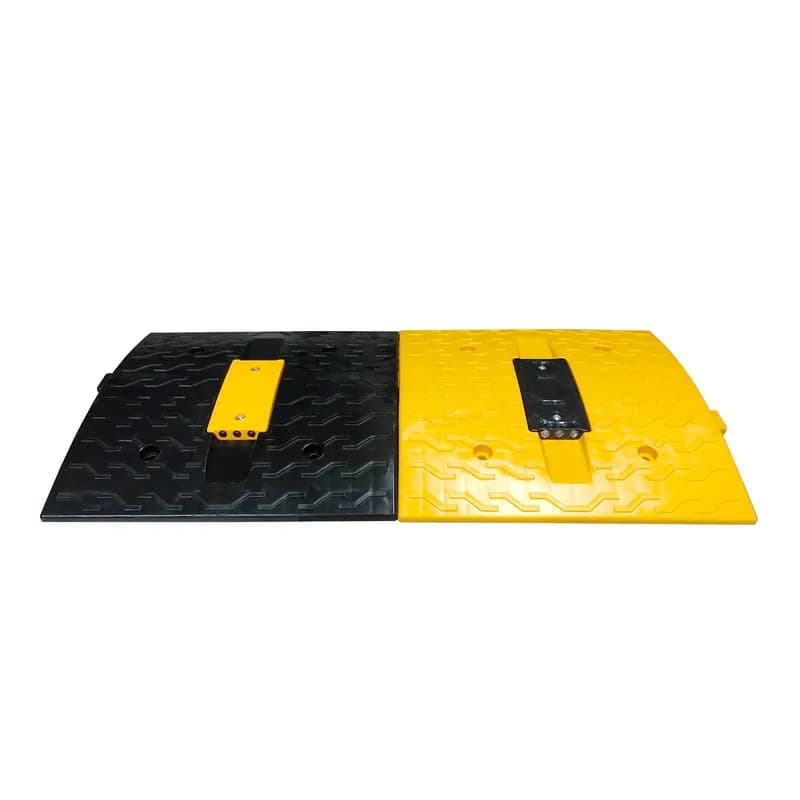
50x50 Kedi Gözlü Plastik Kasis
Plastic Speed Bumps
Oval Yol Kasis Başlığı
Plastic Speed Bumps
Oval Yol Kasisi
Plastic Speed Bumps
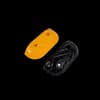
Yüksek Etkili Kasis Başlığı
Plastic Speed Bumps
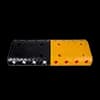
Yüksek Etkili Kasis
Plastic Speed Bumps
Model Types and Effect
The 50x50 cm cat's-eye plastic bumps carry reflectors for night visibility and join side by side as modules. Oval road bumps give a gentler crossing profile, while high-impact bumps are designed for a more pronounced slowing effect.
Profile height and width decide the speed at which the crossing becomes uncomfortable. Gentler profiles keep internal roads comfortable in constant use; high-impact profiles suit locations where the limit is frequently ignored.
- 50x50 cat's-eye plastic bump — reflectored, modular body
- Oval road bump — gentler crossing profile
- High-impact bump — pronounced slowing effect
- End caps and covers listed as separate items
- Lag screw and anchor fixing into asphalt or concrete
Plastic or Rubber?
Plastic bumps cost less and are enough for light traffic, temporary installations and budget-driven work. Rubber bumps absorb impact better, are quieter to cross and last longer under heavy traffic.
On facility roads with heavy vehicles and constantly used main routes, choose rubber; on low-density internal roads and short-term layouts, plastic is the better balance. Either way, the run needs an end cap at each side.
Frequently Asked Questions
How long do plastic bumps last compared to rubber?
Plastic bodies serve well under light traffic; under heavy vehicles and constant use they wear faster than rubber. Rubber on main routes and plastic on low-density internal roads is usually the most economical balance.
What do cat's-eye bumps add?
The reflectors on the body return headlight beams so the bump is seen at night as well. On poorly lit internal roads and car park routes, that reduces sudden encounters.
Where should high-impact bumps be used?
Where the speed limit is frequently ignored and pedestrian crossings are heavy. On internal roads used constantly, where comfort matters, an oval profile with a gentler crossing is the better fit.