Categories
Polishing Accessories
Polishing is the fine end of abrading. Felt, wool, cloth and foam heads work with polishing compound: the compound does the cutting, the head carries it and spreads the pressure. The harder the head the more it cuts, the softer the more it shines.
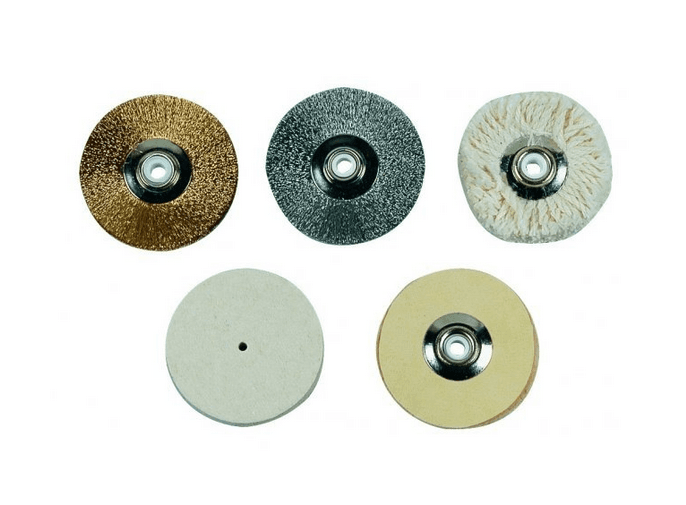
Proxxon 28312 Complete Polishing Accessory 5 pcs
Proxxon · Polishing Accessories
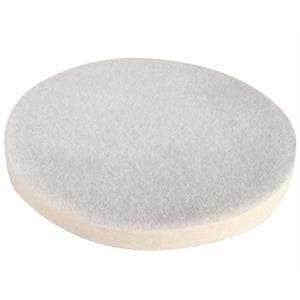
Makita 7946184 Cila Temizleme Felt 150 mm
Makita · Polishing Accessories
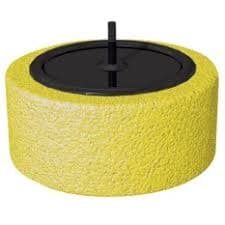
Makita 7941590 Cilalama and Parlatma Sponge-pimli 40x125 mm
Makita · Polishing Accessories
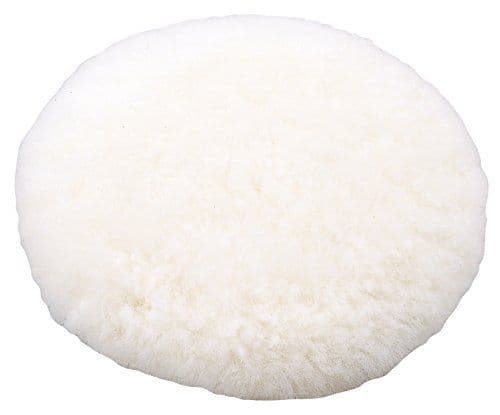
Makita 1926297 Hook-and-Loop Wool Polisher Bonesi 180 mm
Makita · Polishing Accessories
Makita 7946142 Hook-and-Loop Surface Temizleme Felt 100 Grit 150 mm
Makita · Polishing Accessories
Makita 7946150 Hook-and-Loop Surface Temizleme Felt 240 Grit 150 mm
Makita · Polishing Accessories
Makita 7946168 Hook-and-Loop Surface Temizleme Felt 800 Grit 150 mm
Makita · Polishing Accessories
Proxxon 28794 Slim, extra fine, cleaning Polishing Accessory
Proxxon · Polishing Accessories
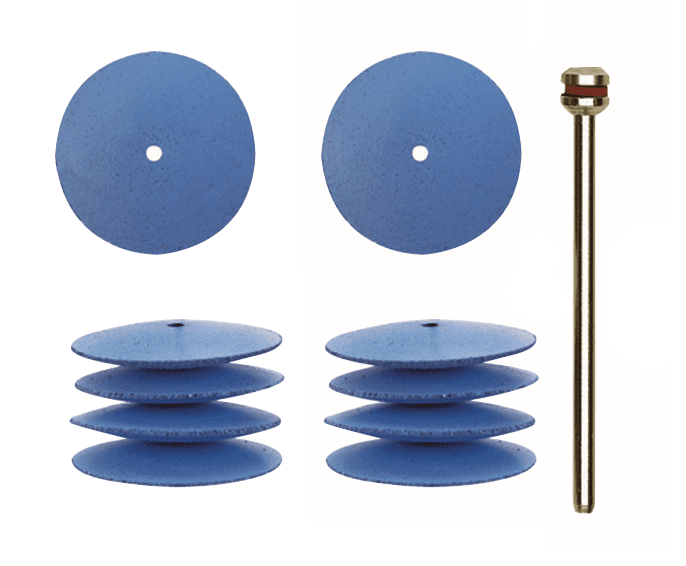
Proxxon 28293 Precision Polishing Accessory 10 pcs
Proxxon · Polishing Accessories

Proxxon 28294 Precision Polishing Accessory 10 pcs
Proxxon · Polishing Accessories
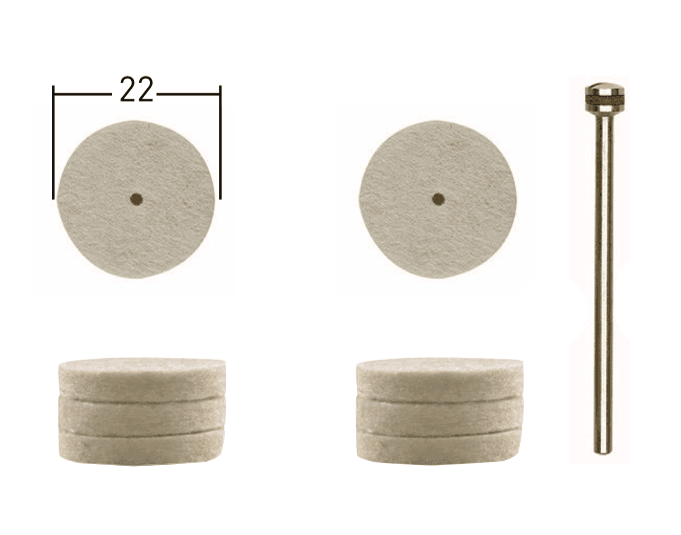
Proxxon 28798 Precision Polishing Accessory 10 pcs
Proxxon · Polishing Accessories
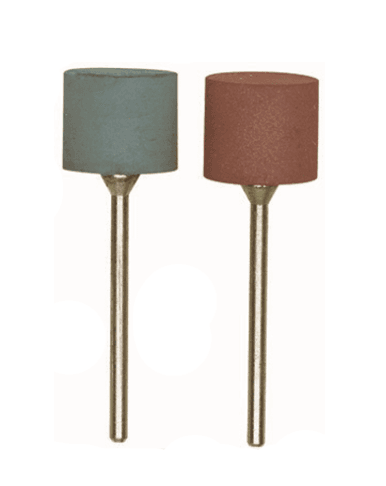
Proxxon 28295 Precision Polishing Accessory 2 pcs
Proxxon · Polishing Accessories
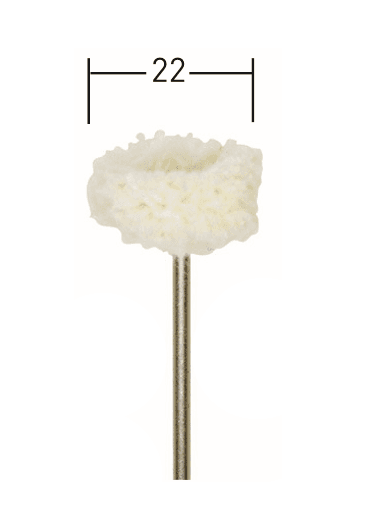
Proxxon 28297 Precision Polishing Accessory 2 pcs
Proxxon · Polishing Accessories
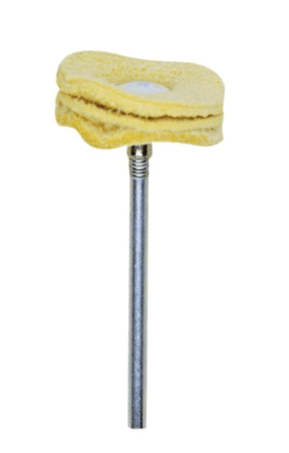
Proxxon 28298 Precision Polishing Accessory 2 pcs
Proxxon · Polishing Accessories
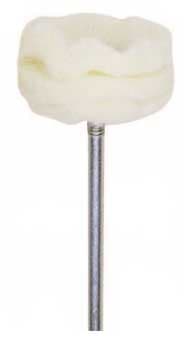
Proxxon 28299 Precision Polishing Accessory 2 pcs
Proxxon · Polishing Accessories
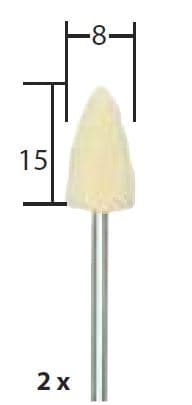
Proxxon 28801 Precision Polishing Accessory 2 pcs
Proxxon · Polishing Accessories
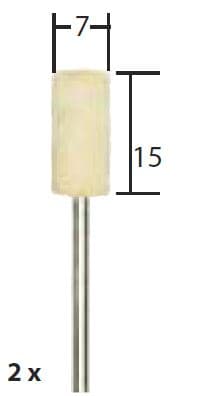
Proxxon 28802 Precision Polishing Accessory 2 pcs
Proxxon · Polishing Accessories
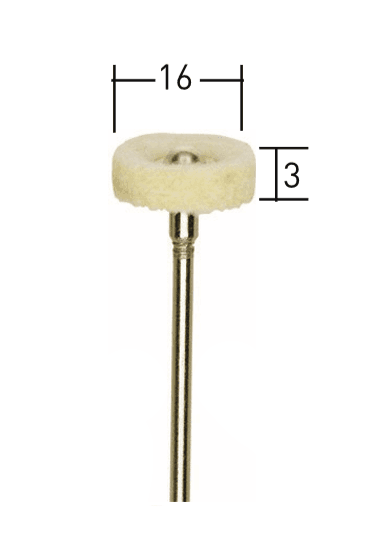
Proxxon 28803 Precision Polishing Accessory 2 pcs
Proxxon · Polishing Accessories
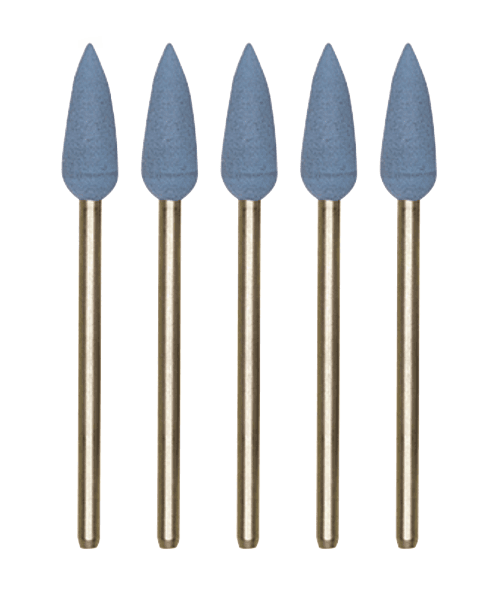
Proxxon 28288 Precision Polishing Accessory 5 pcs
Proxxon · Polishing Accessories
Proxxon 28793 Slim, cleaning Polishing Accessory
Proxxon · Polishing Accessories
Proxxon 28792 Cleaning Polishing Accessory
Proxxon · Polishing Accessories
Makita B21808 Felt 100 Grit
Makita · Polishing Accessories
Makita B21799 Felt 280 Grit
Makita · Polishing Accessories
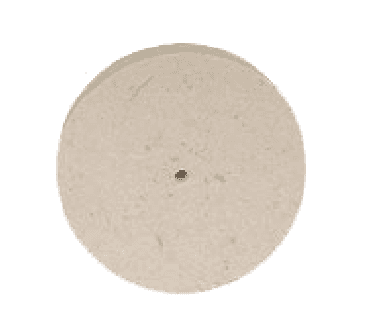
Proxxon 28004 Felt, disc Polishing Accessory 100x15mm
Proxxon · Polishing Accessories
1–24 of 86 · page 1 / 4
The sequence: from cutting to shining
Polishing is not one step. It starts with a hard felt and a coarse compound — that is the step that removes the sanding scratch; then a medium head and a fine compound; and it finishes with soft foam or wool.
Change the head at every step. Using one head with both coarse and fine compound carries coarse grit into the fine step and marks the surface.
Speed and pressure
Too much speed burns the compound: it dries, the heat damages the surface and a mark is left. Low to medium speed and light pressure is the right way; more pressure does not add gloss, it adds heat.
On heat-sensitive surfaces such as paint and lacquer a random orbit action is preferred: because the movement never dwells on one spot, both marking and heat come down.
Frequently Asked Questions
Which head belongs to which step?
Felt and wool are the hard heads and belong to the cutting step. Cloth is medium and foam is soft and belongs to the finishing step. The product name says which.
Can you polish without compound?
On metal, no: the abrasive in the compound does the cutting. A bare head only heats the surface. On a final gloss over paint, soft foam without compound can be used.
Which sizes suit a micro tool?
Micro tool chucks take mounted felts, discs and brushes in the 8-50 mm range; size and pack quantity are in the spec table.