Categories
Robot Paint Brushes
A robot brush is a cutting-in brush whose head turns relative to the handle. The head swivels without coming off, so the brush can be laid against a surface at an angle and the curved, enclosed places a straight brush cannot reach are cut in. Made from No 2 to No 5.
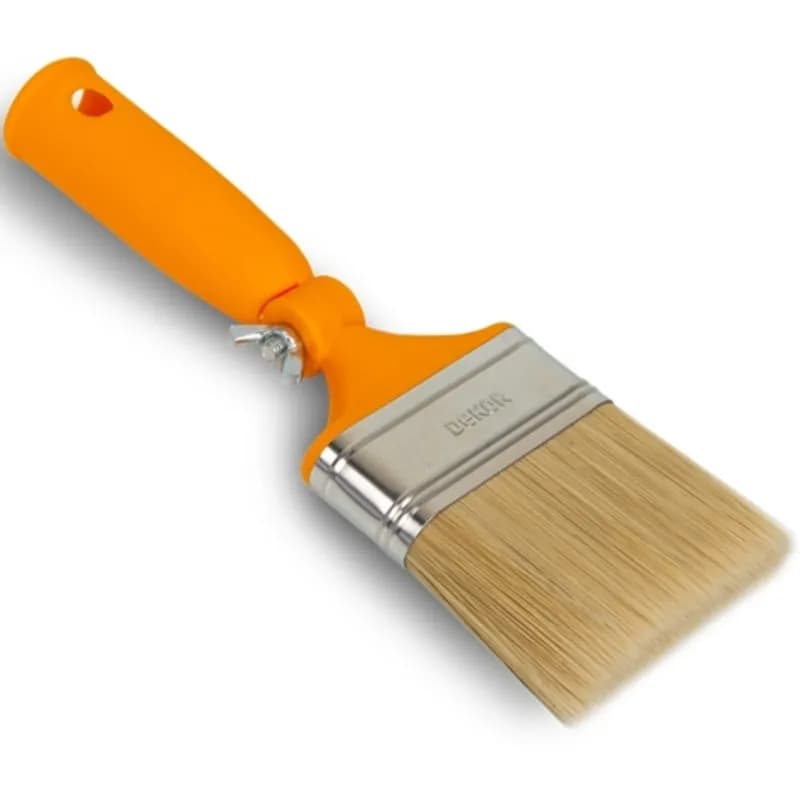
Dekor Kestirme Robot Fırça 3" 6477
Dekor · Robot Paint Brushes
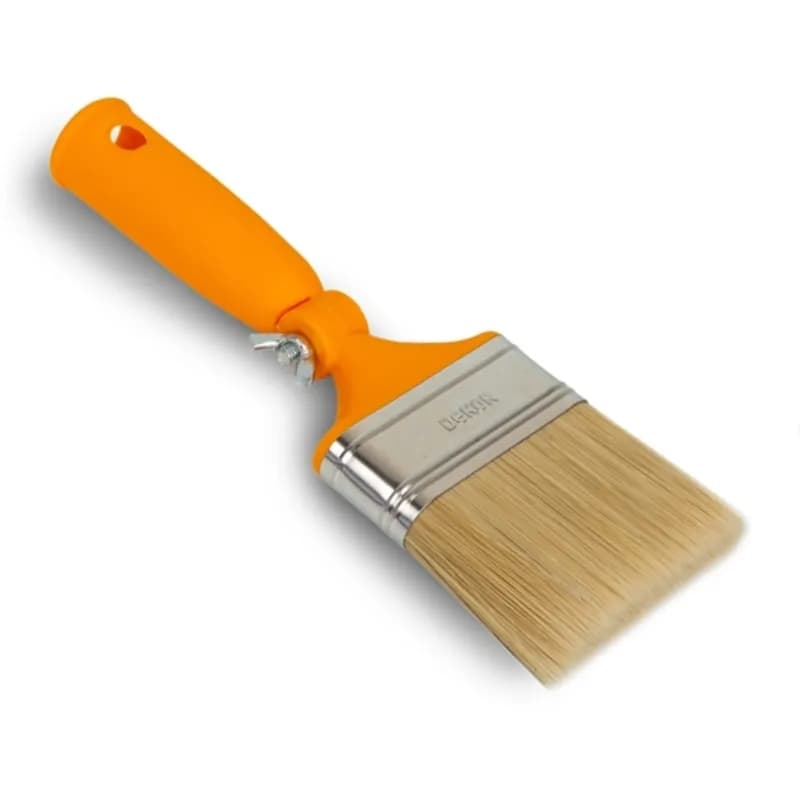
Dekor Kestirme Robot Fırça 4" 6478
Dekor · Robot Paint Brushes
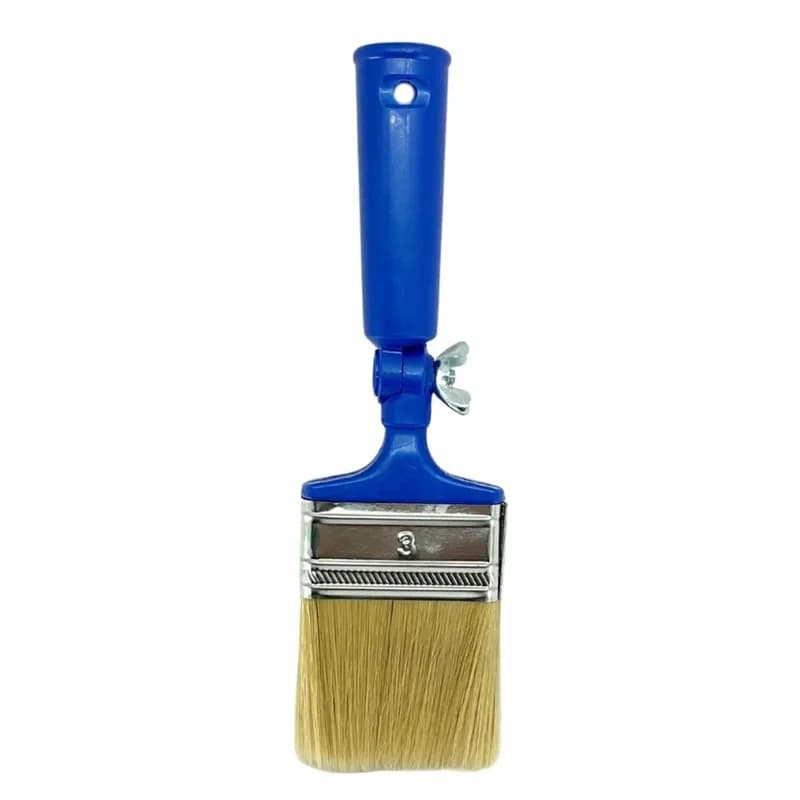
YILDIRIM Robot Fırça KOD:306 NO:3
YILDIRIM · Robot Paint Brushes
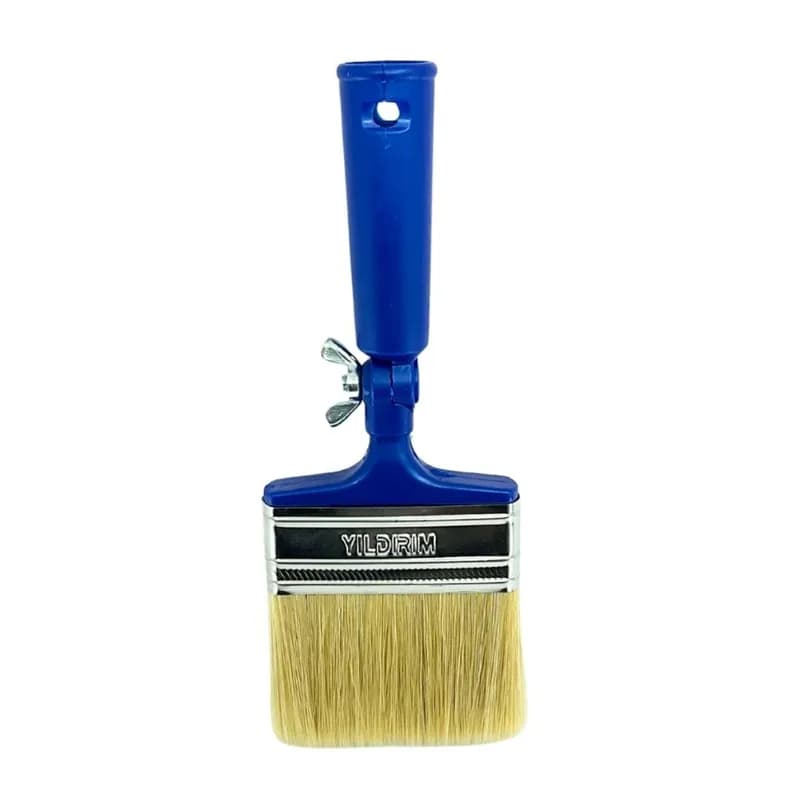
YILDIRIM Robot Fırça KOD:307 NO:4
YILDIRIM · Robot Paint Brushes
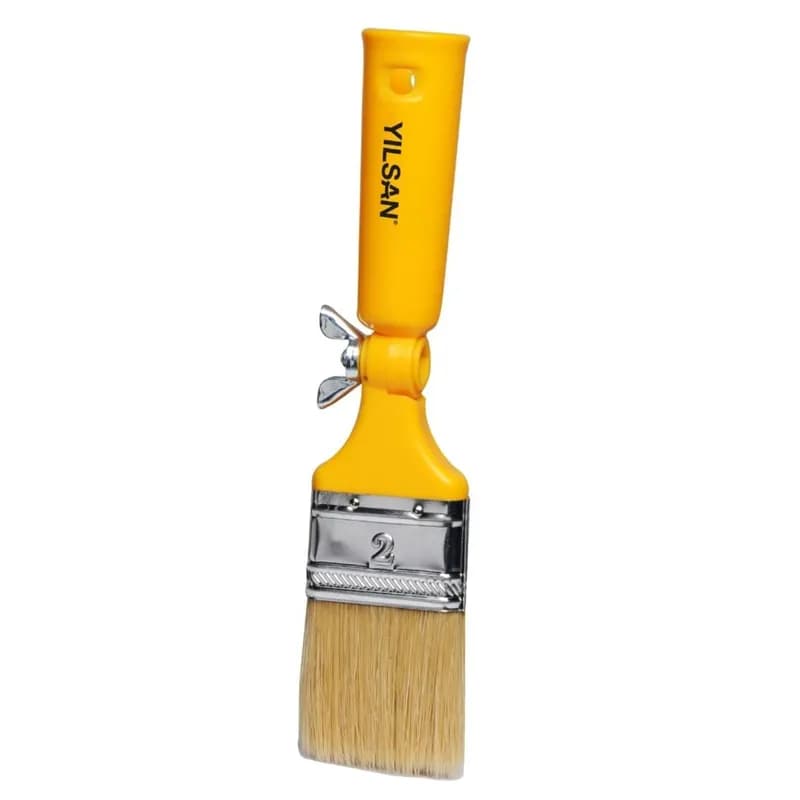
Yılsan Robot Paint Brush No 2
Yılsan · Robot Paint Brushes
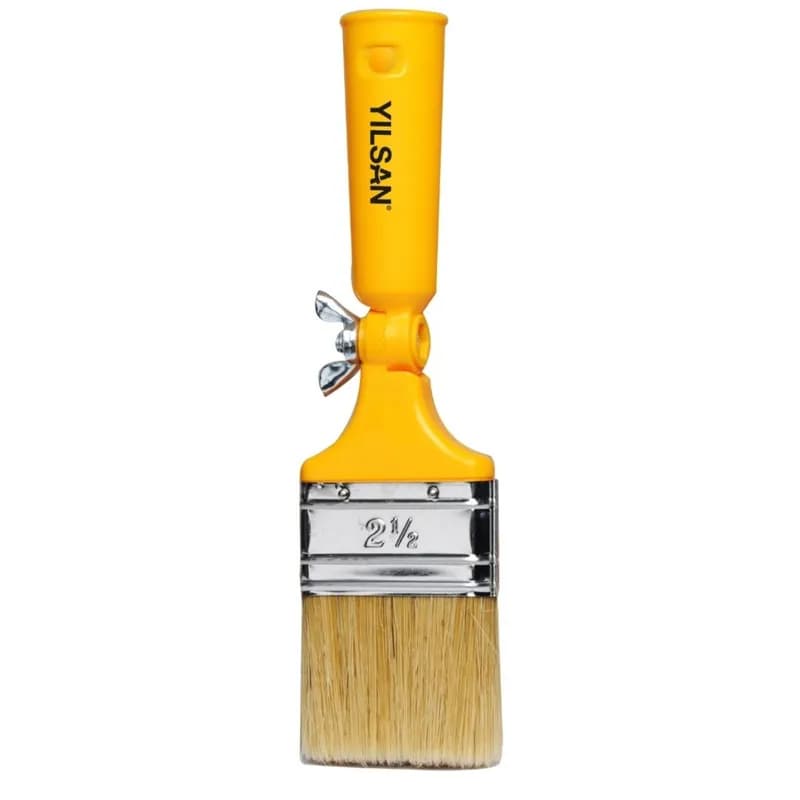
Yılsan Robot Paint Brush No 2.5
Yılsan · Robot Paint Brushes
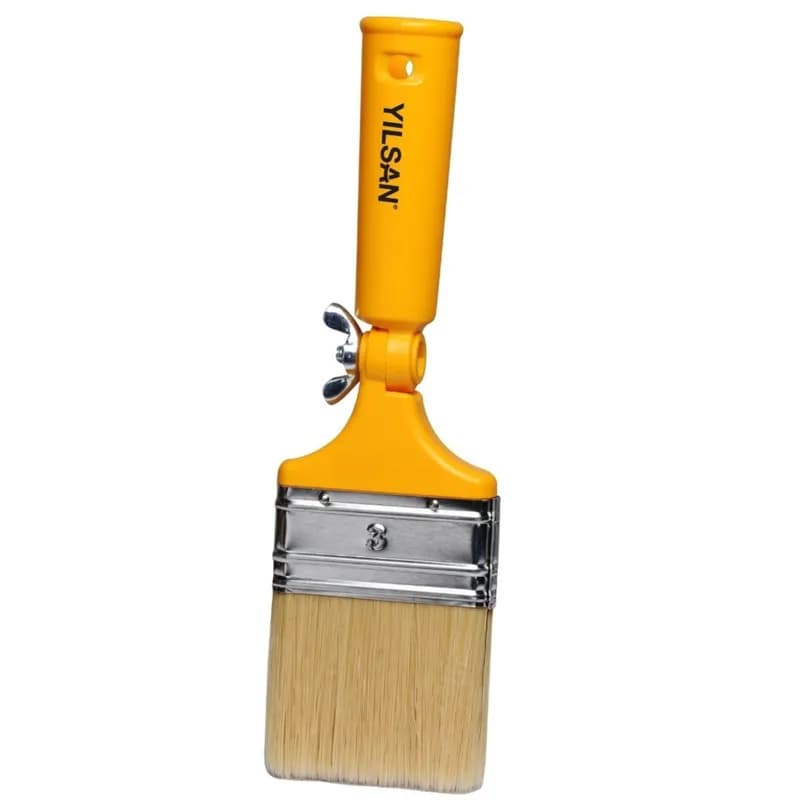
Yılsan Robot Paint Brush No 3
Yılsan · Robot Paint Brushes
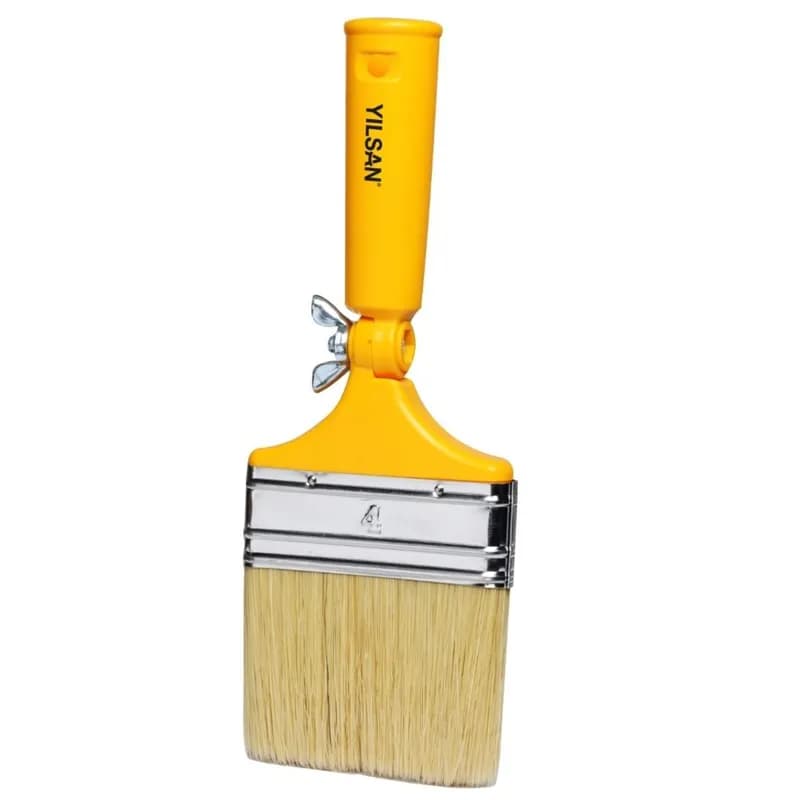
Yılsan Robot Paint Brush No 4
Yılsan · Robot Paint Brushes
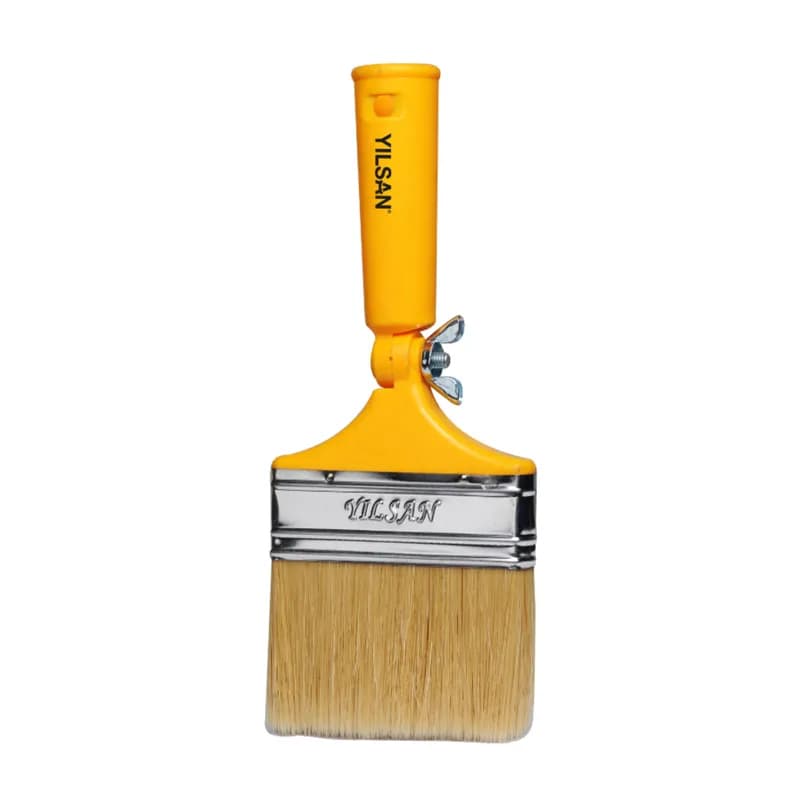
Yılsan Robot Paint Brush No 5
Yılsan · Robot Paint Brushes
Where a robot brush is used
Ceiling cornices and the space behind them, plasterboard edges, ceiling battens, behind pipework and radiators, the top of cabinets -- anywhere the hand and a straight brush cannot get to directly.
At those points a straight cutting-in brush only meets the surface if the wrist turns, and the paint runs over; a mini roller cannot follow the curve. On a robot brush the swivel head supplies the angle, so the line comes out straight and the wrist is not forced.
Number and bristle
The number is chosen by how tight the space is: a large number on a wide curved surface, a small number in a narrow gap. The Yılsan robot brush is made from No 2 to No 5.
The block is mixed white bristle and does not shed into the paint -- which matters on ceiling work, because a bristle left in a wet film can only be taken out with abrasive once it has cured.
Frequently Asked Questions
How does a robot brush differ from an ordinary cutting-in brush?
Both cut a line; the difference is the swivel. A robot brush's head angles relative to the handle, a straight brush's head is fixed. On long lines across a flat surface the straight brush is faster; in curved, enclosed and narrow places the robot brush is what is needed.
Which paints is it used with?
Water based emulsion and satin paint, primer and whitewash -- all interior work. It works with solvent based paint too, but it then has to be cleaned in thinner.
Which number for coving and plasterboard edges?
It follows the width of the cornice profile. No 2 and No 2.5 on a narrow profile and in a tight gap, No 3 and above on wide coving and ceiling roses. In practice one narrow and one wide number are bought together.