Categories
Silicone Sealants
Silicone keeps its flexibility for years and resists water and UV — but where a given silicone can go depends on how it cures. This page explains the difference between acetic and neutral cure, the special-purpose grades, and the rules for applying them. The catalogue holds 28 products.
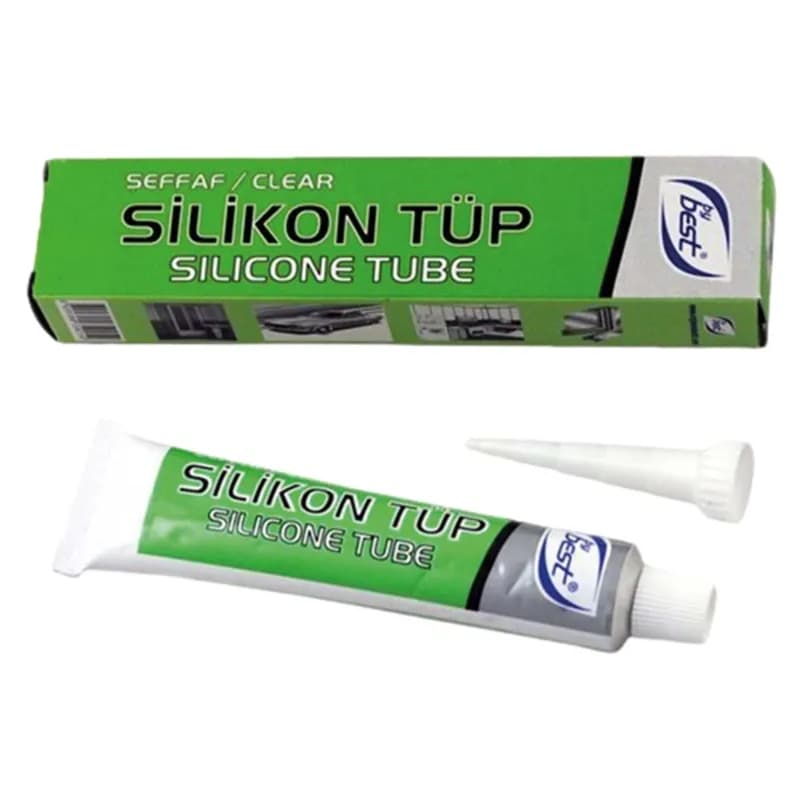
ByBest Silicone in a Tube 50 g Clear
BYBEST · Silicone Sealants
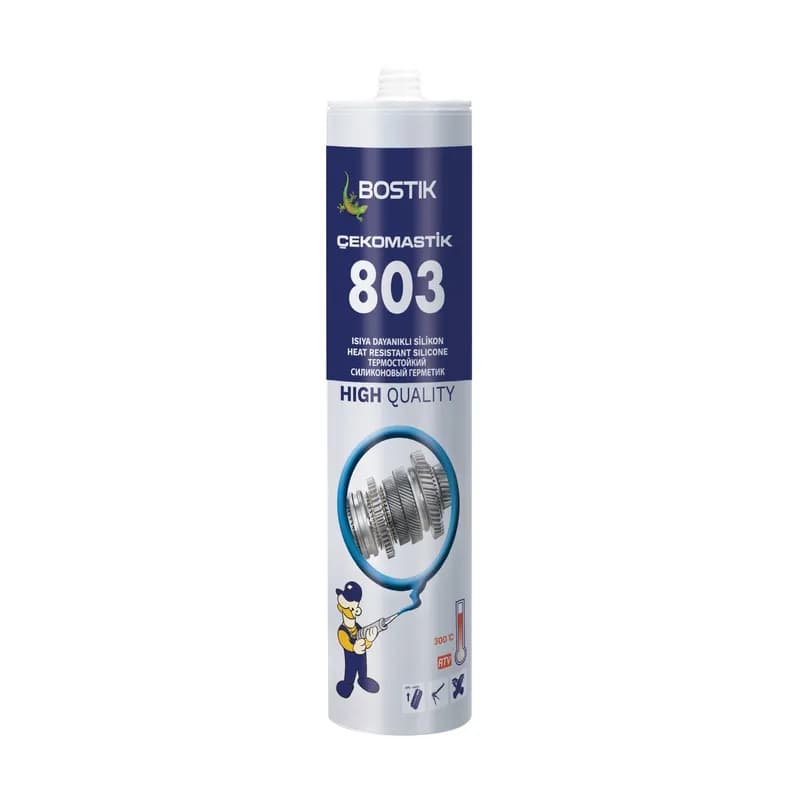
Ceko Heat Resistant Silicone 310 ml Red
Silicone Sealants
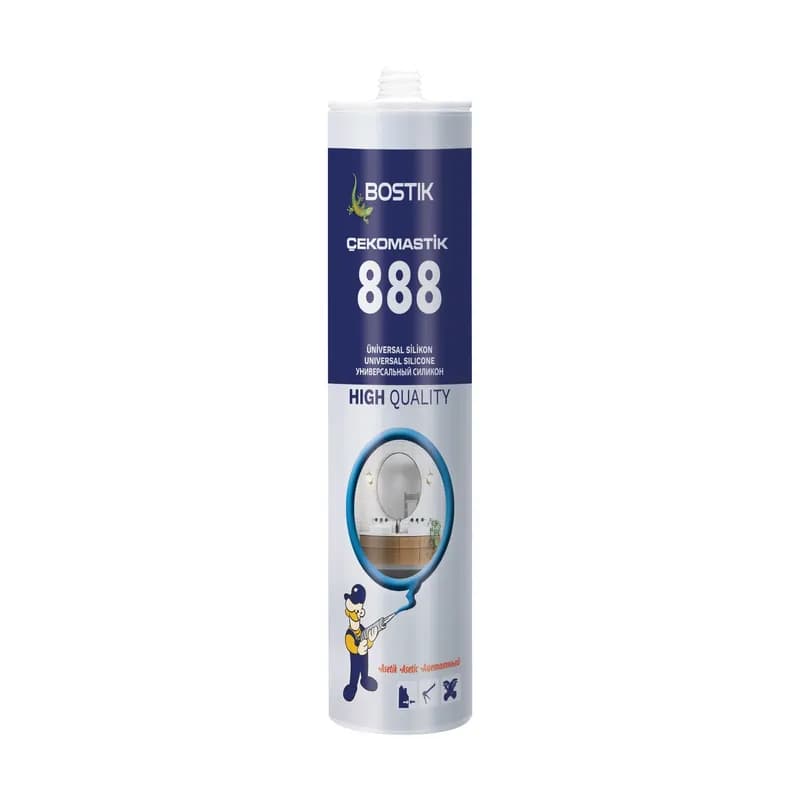
Ceko Silicone Sealant 280 ml White
Silicone Sealants
Ceko Silicone Sealant 280 ml Grey
Silicone Sealants
Ceko Silicone Sealant 280 ml Clear
Silicone Sealants
Ceko Silicone Sealant 280 ml Black
Silicone Sealants
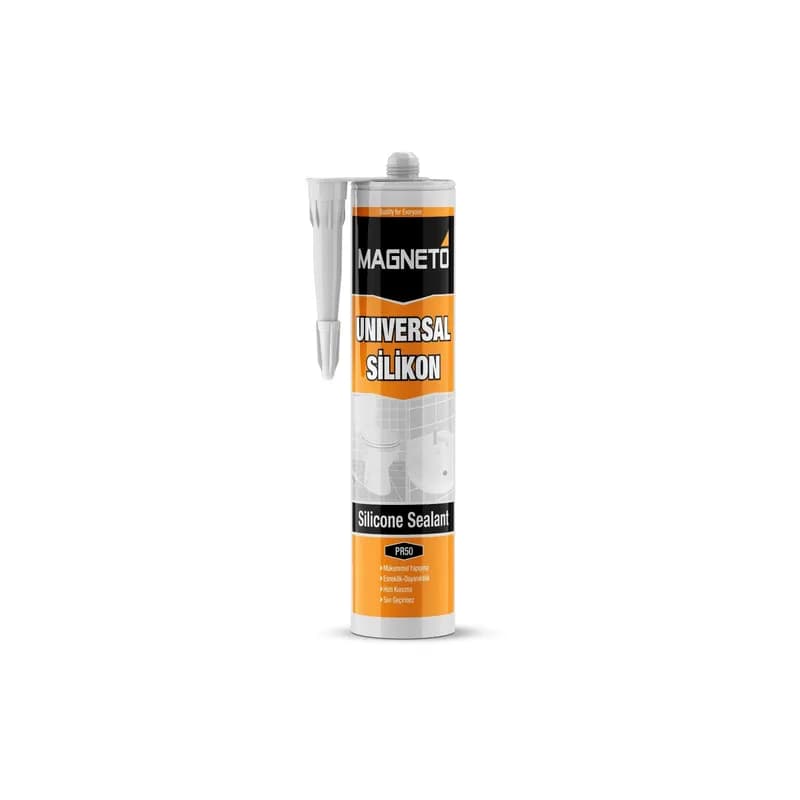
Magneto Silicone Sealant 280 g Clear
MAGNETO · Silicone Sealants
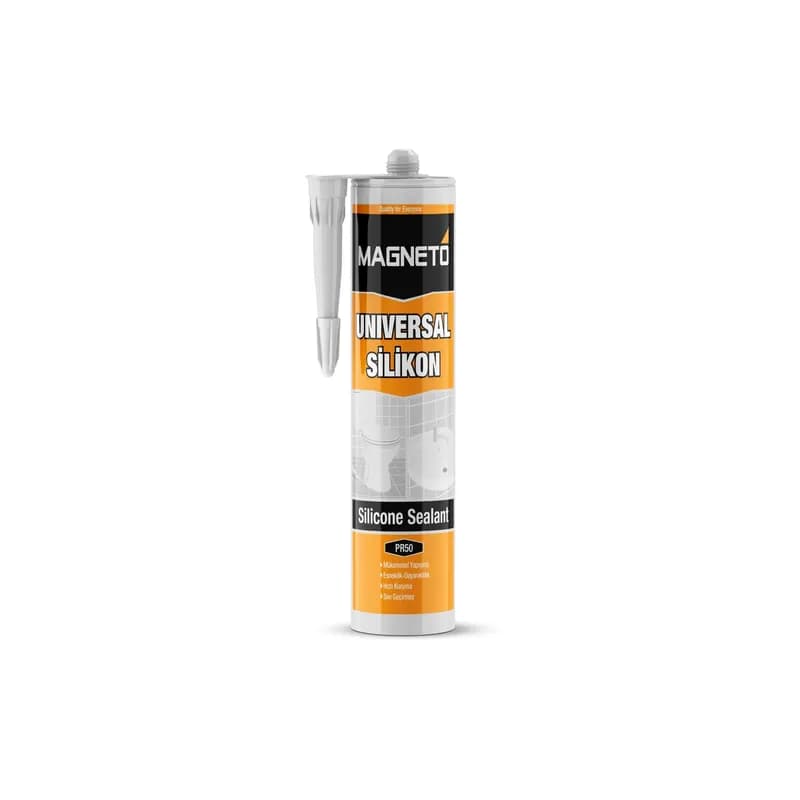
Magneto Silicone Sealant 280 g Black
MAGNETO · Silicone Sealants
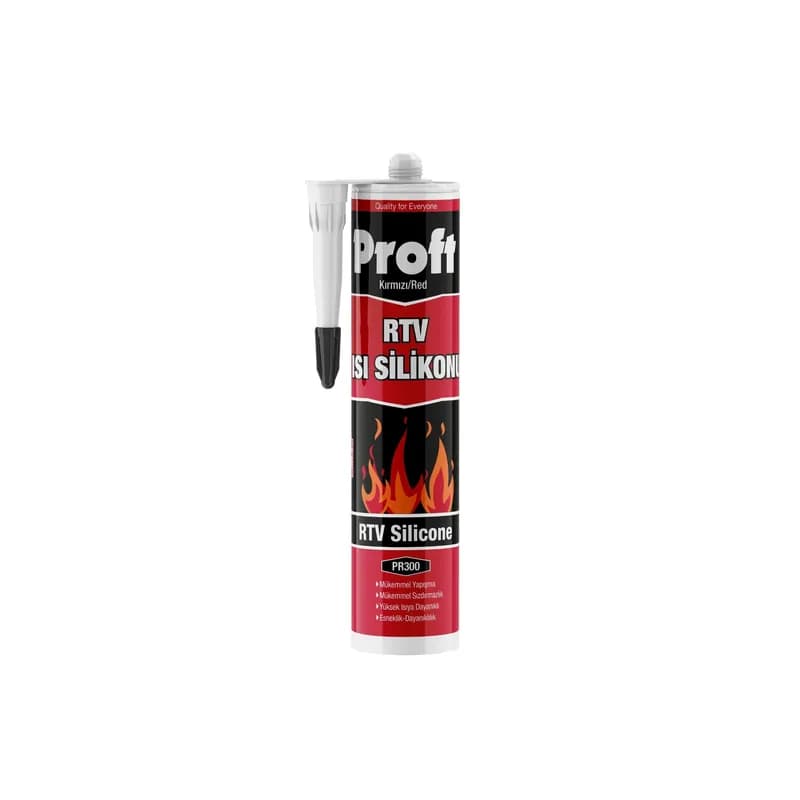
Proft Heat Resistant Silicone 310 ml Red
Proft · Silicone Sealants
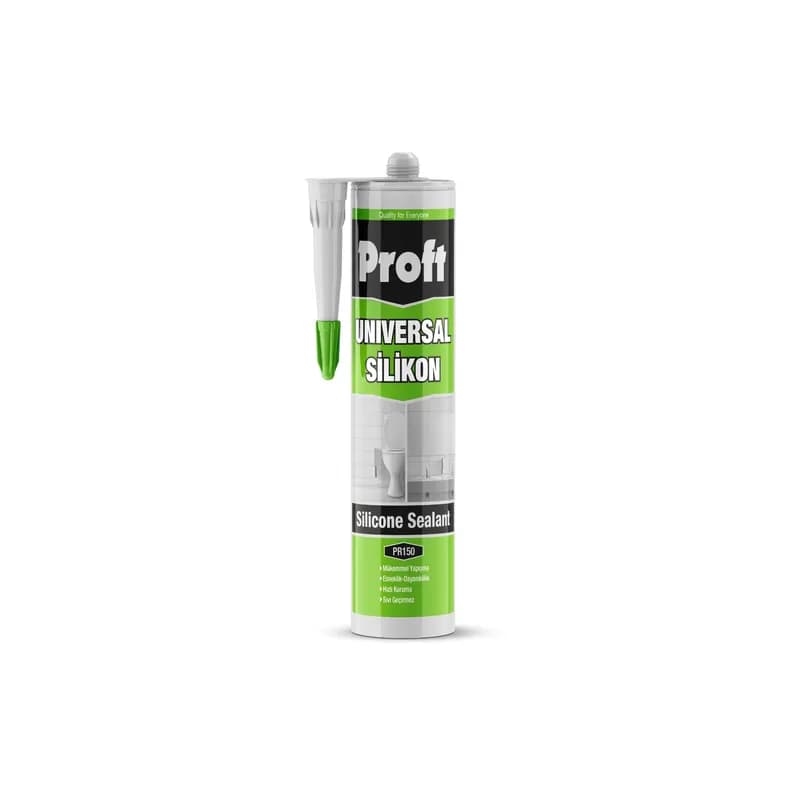
Proft Universal Silicone Sealant 280 ml Black
Proft · Silicone Sealants
Proft Universal Silicone Sealant 300 g Anthracite Grey
Proft · Silicone Sealants
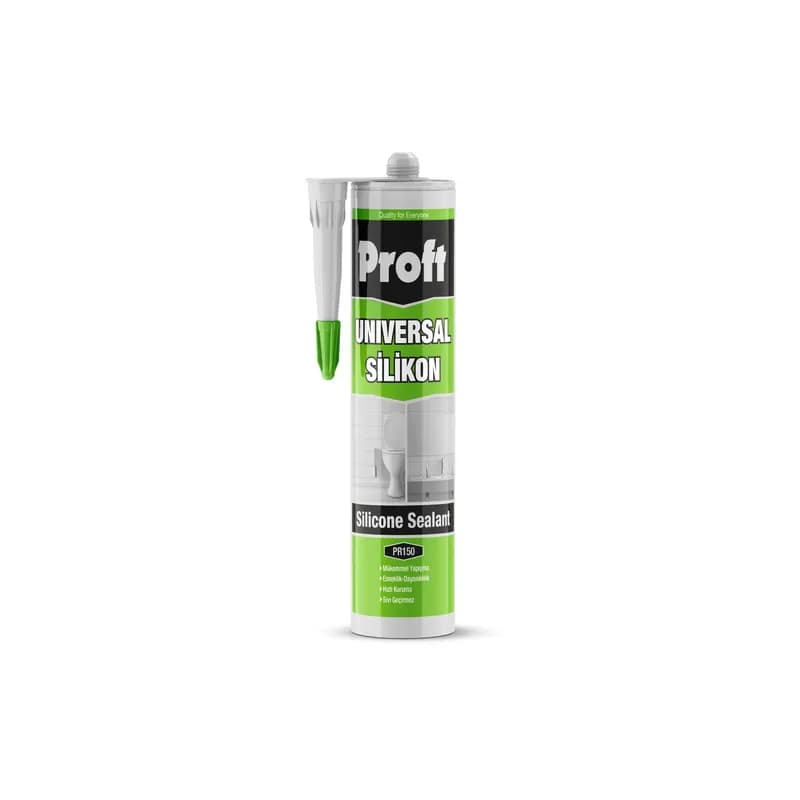
Proft Universal Silicone Sealant 300 g Grey
Proft · Silicone Sealants
Proft Universal Silicone Sealant 300 g Cream RAL 1013
Proft · Silicone Sealants
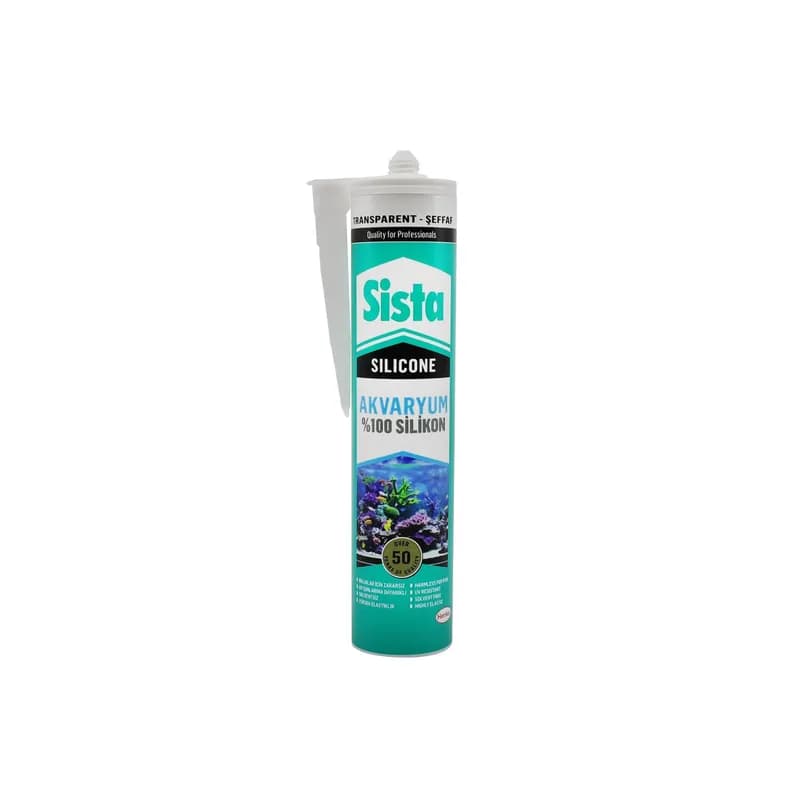
Sista Aquarium Silicone 280 ml Clear
Silicone Sealants
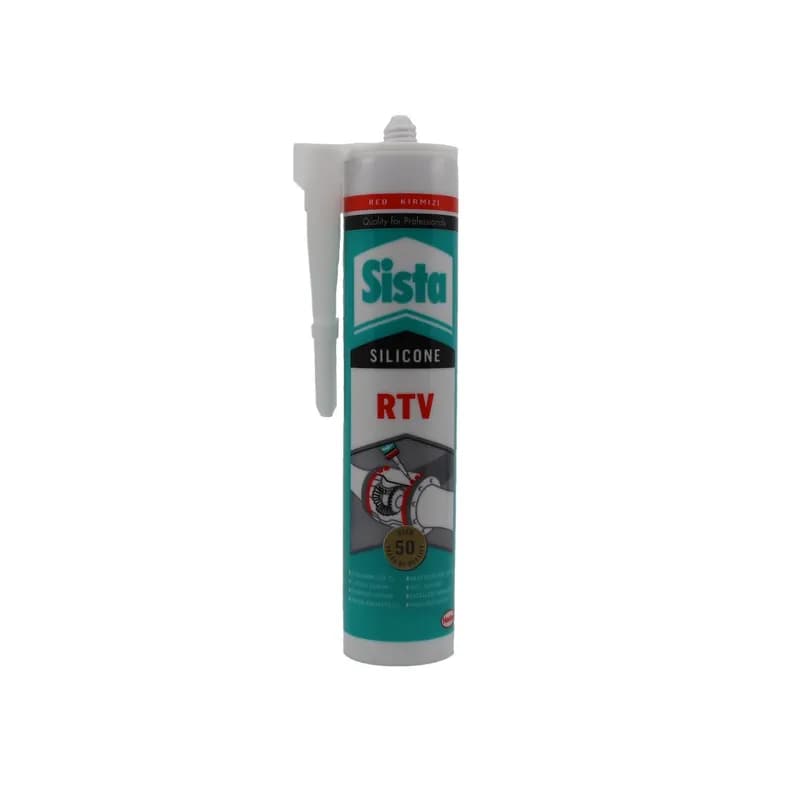
Sista Heat Resistant Silicone 310 ml Red
Silicone Sealants
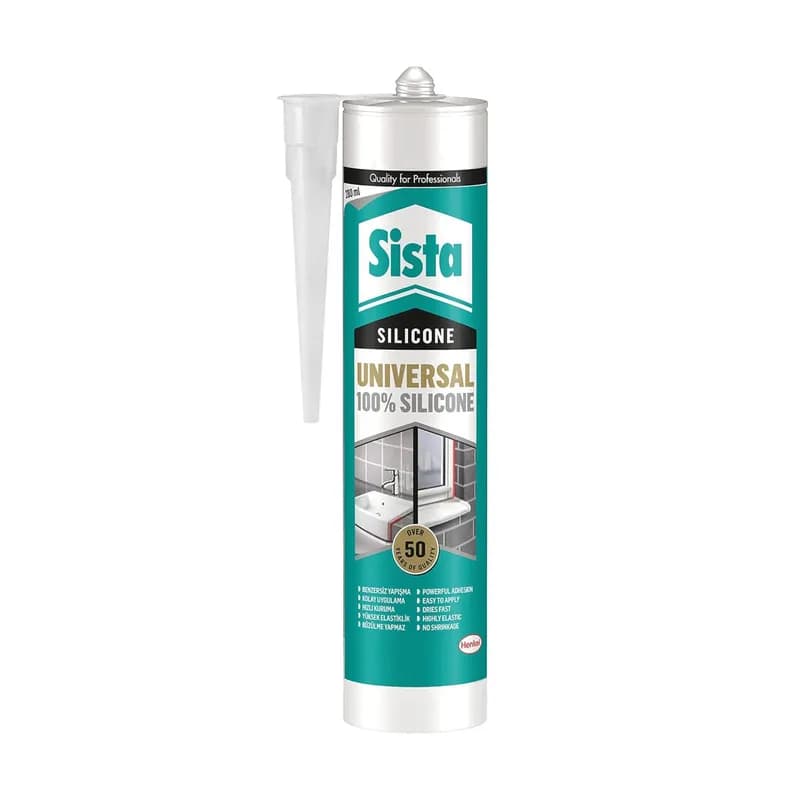
Sista Silicone Sealant 280 ml White
Silicone Sealants
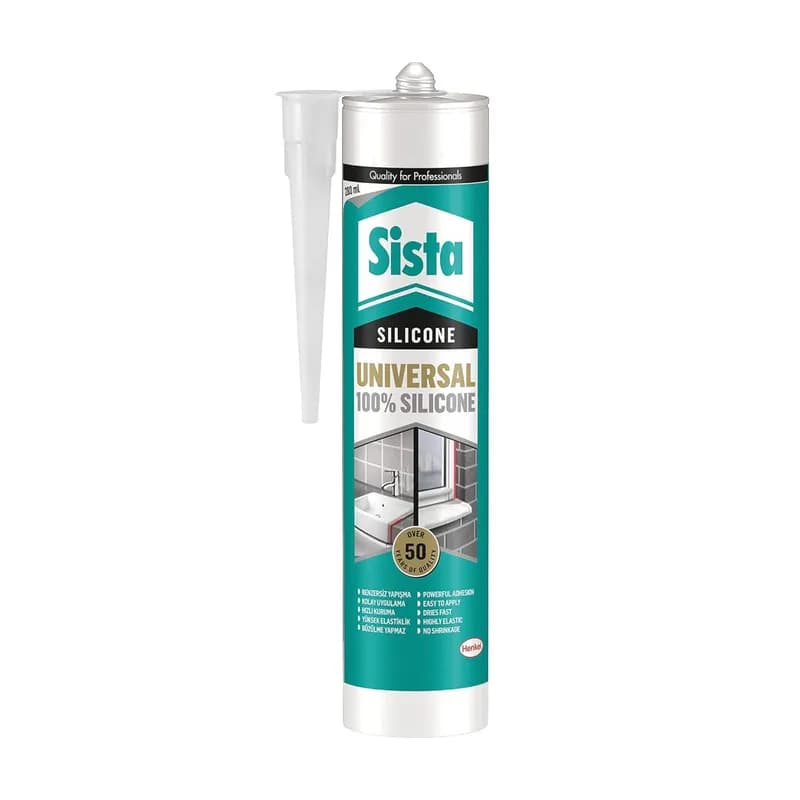
Sista Silicone Sealant 280 ml Clear
Silicone Sealants
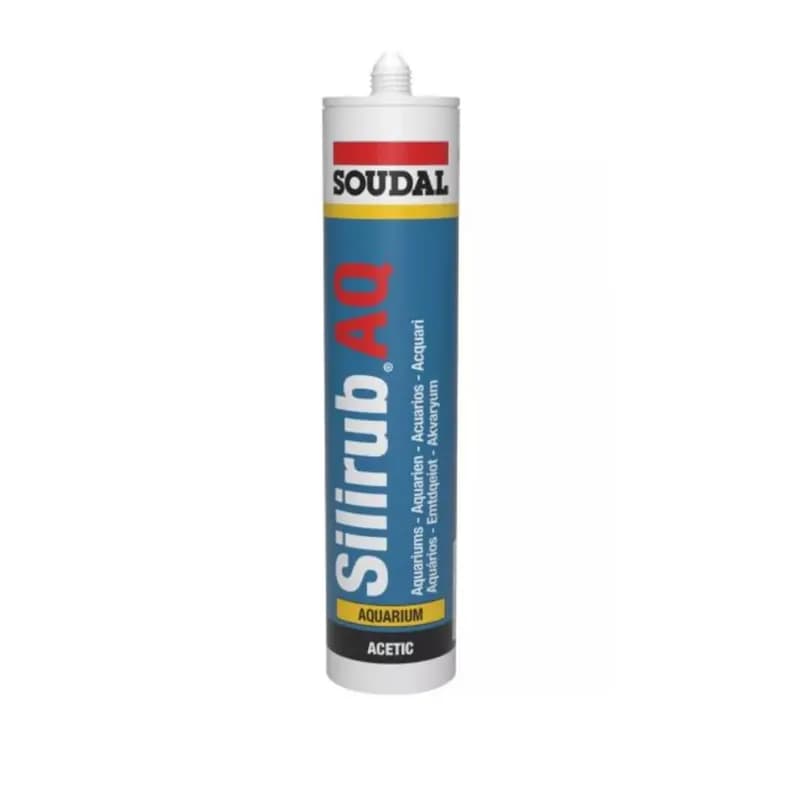
Soudal Aquarium Silicone 300 ml Clear
Soudal · Silicone Sealants
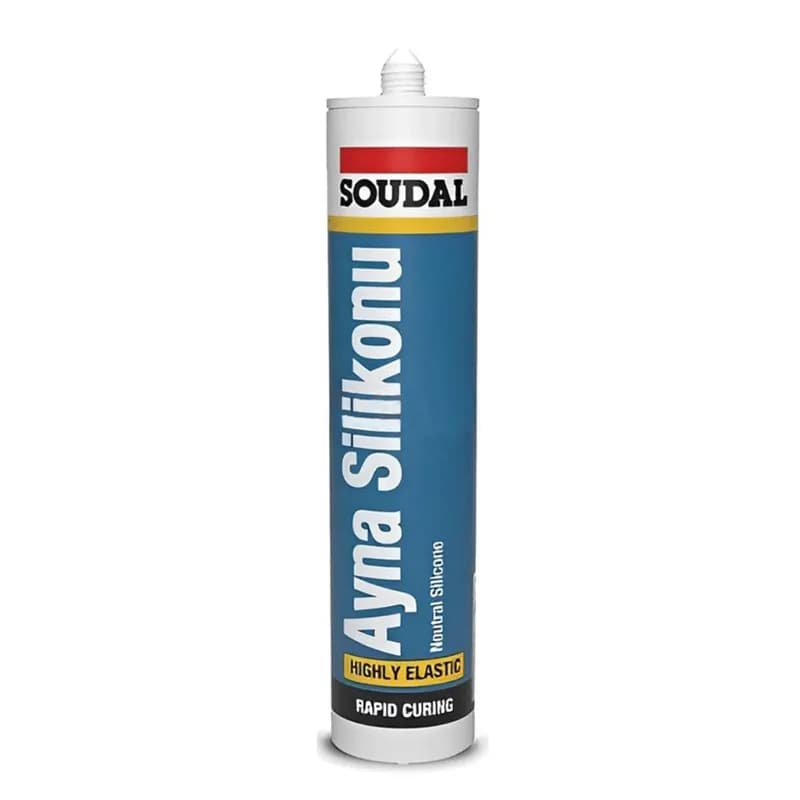
Soudal Mirror Silicone 280 ml Clear
Soudal · Silicone Sealants
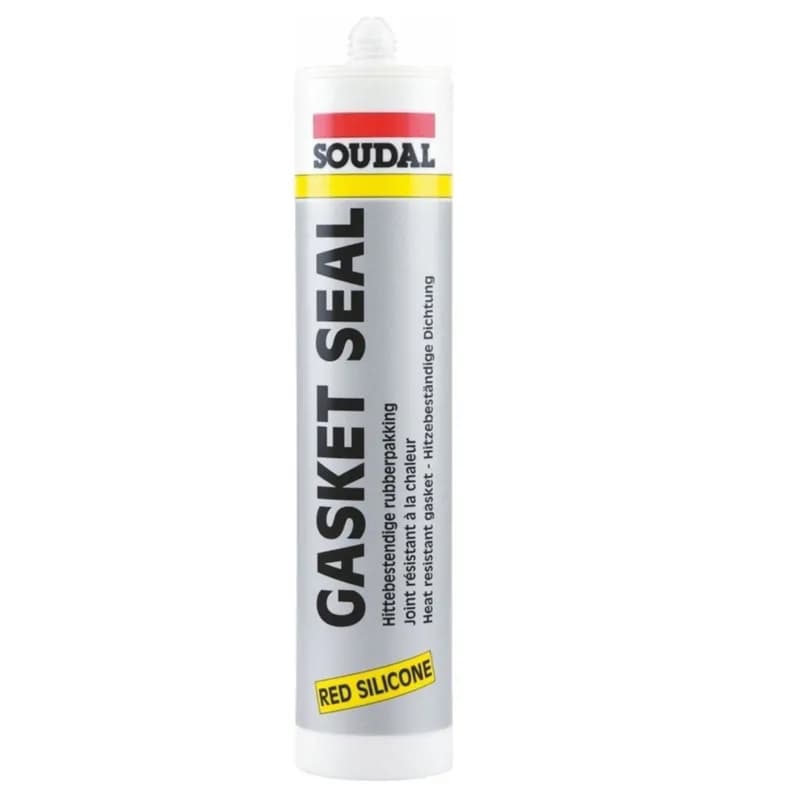
Soudal Gasket Heat Resistant Silicone 310 ml Red
Soudal · Silicone Sealants
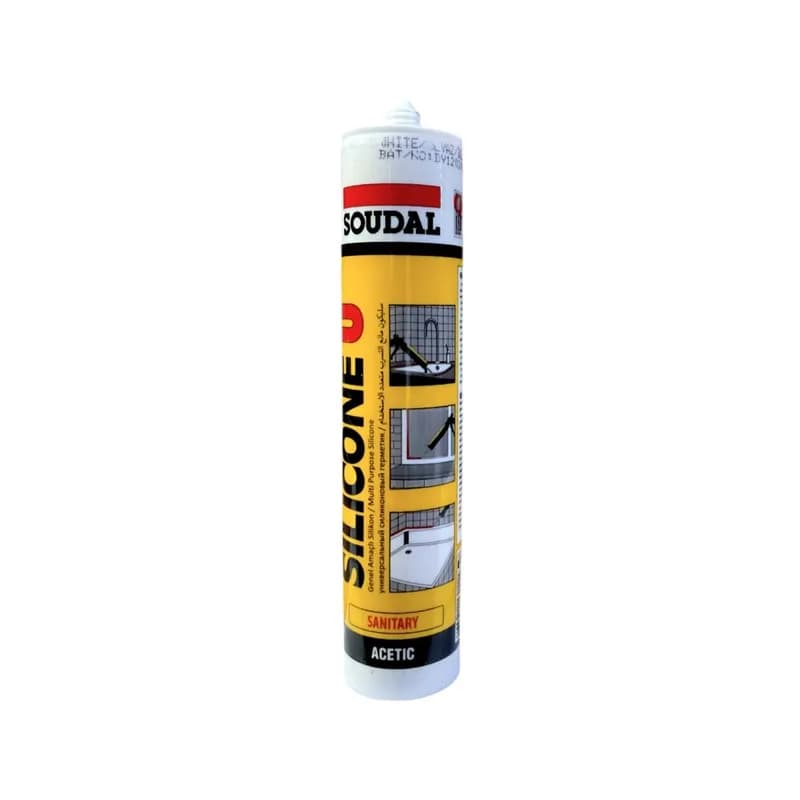
Soudal Silicone Sealant 280 g Grey
Soudal · Silicone Sealants
Soudal Silicone Sealant 280 g Brown
Soudal · Silicone Sealants
Soudal Silicone Sealant 280 g Clear
Soudal · Silicone Sealants
Soudal Silicone Sealant 280 g Black
Soudal · Silicone Sealants
1–24 of 28 · page 1 / 2
Cure type: acetic and neutral
The by-product released during cure decides which surfaces a silicone belongs on. Acetic silicone gives off acetic acid — the source of the vinegar smell; it cures fast and grips non-porous surfaces very well. Neutral grades (oxime, alkoxy) are not corrosive.
Using acetic silicone on metal, concrete, marble or a mirror damages the surface: corrosion on metal, staining at the edges of marble, and breakdown of a mirror's backing.
| Surface | Silicone | Why |
|---|---|---|
| Glass, ceramics, tile | Acetic | Best adhesion on non-porous surfaces |
| Aluminium, zinc, metal | Neutral | Acetic acid causes corrosion |
| Concrete, marble, natural stone | Neutral | Acetic acid attacks the surface and edges |
| Mirrors | Mirror silicone (neutral) | Leaves the backing intact |
| Aquariums | Aquarium silicone | No fungicide, safe for livestock |
| Exhausts, ovens, gaskets | Heat silicone | Withstands high temperatures |
Special-purpose grades
Heat (gasket) silicone is made for engine gaskets and ovens and is usually red. Aquarium silicone leaves out the mould inhibitor found in ordinary sanitary grades, because that additive leaches into water and harms livestock.
Sanitary grades for bathrooms and kitchens carry the opposite requirement: a fungicide, precisely because they live in permanently damp air.
Application and cure
The surface must be dry, clean and free of grease; running new silicone over old without stripping it out is the most common cause of failure. Masking tape either side of the joint, removed straight after tooling, leaves a clean edge.
A skin forms within minutes; full cure takes days depending on thickness — around 2 mm of depth per day as a rule of thumb. Water on uncured silicone ruins adhesion, so leave a shower 24 hours before use.
Frequently Asked Questions
Can I use acetic silicone on metal?
No. Acetic silicone releases acetic acid as it cures and corrodes metal. Use neutral cure silicone on metal, aluminium and zinc.
Why has my silicone yellowed?
Usually a product with low UV resistance used outdoors, or a chemical reaction with an unsuitable surface. Outdoors, choose a product that states UV resistance.
Can new silicone go over old?
No. New silicone will not bond to cured silicone; strip the old joint out completely, then clean and degrease the surface.
How do I slow mould growth in a bathroom?
Use a sanitary grade with a fungicide, keep water off it until it has cured, and ventilate. Mould usually grows in the soap residue on the silicone rather than in the silicone itself.
What temperature does heat silicone withstand?
It varies by product and is printed on the cartridge; the red gasket grades are formulated for engine and exhaust temperatures. Inside a fireplace, use a dedicated high-temperature sealant instead.
How long until silicone is fully cured?
The skin forms in minutes; full cure advances at roughly 2 mm of depth per day. In a deep joint that means several days, and temperature and humidity affect it directly.