Categories
Solar Flashers
Solar flashers charge during the day and flash after dark to mark working areas and obstacles. The catalog lists red and yellow units in 200 and 300 sizes plus high-brightness power LED models.
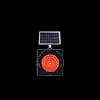
200'LÜK Flaşör Kırmızı
Solar Flashers
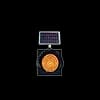
200'LÜK Flaşör Sarı
Solar Flashers
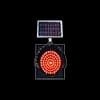
300'LÜK Flaşör Kırmızı
Solar Flashers
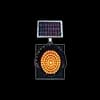
300'LÜK Flaşör Sarı
Solar Flashers
Power Led'li Solar Flaşör Kırmızı
Solar Flashers
Power Led'li Solar Flaşör Sarı
Solar Flashers
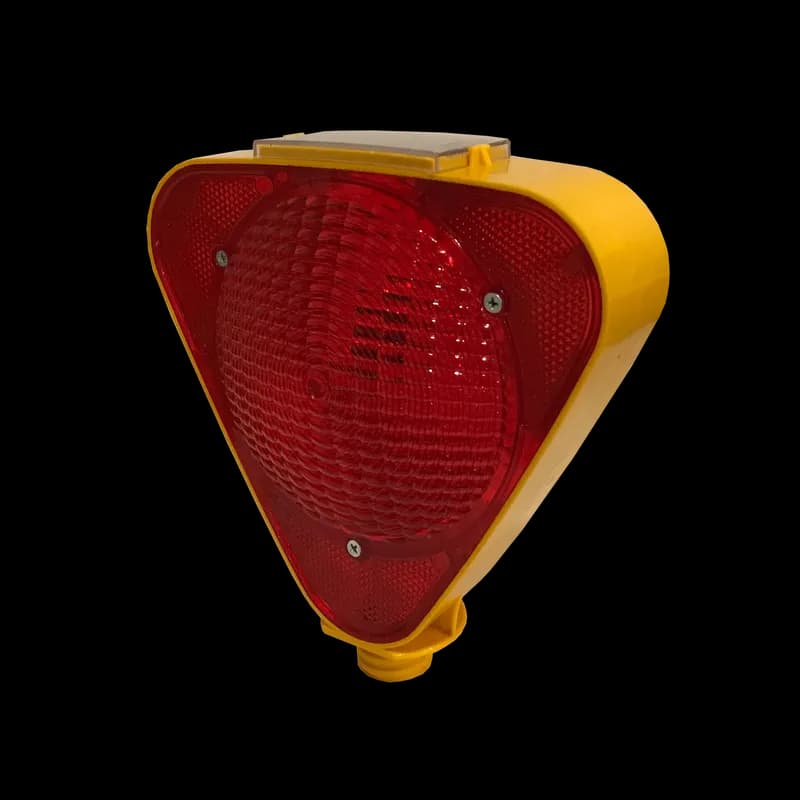
Solar Flaşör Kırmızı
Solar Flashers
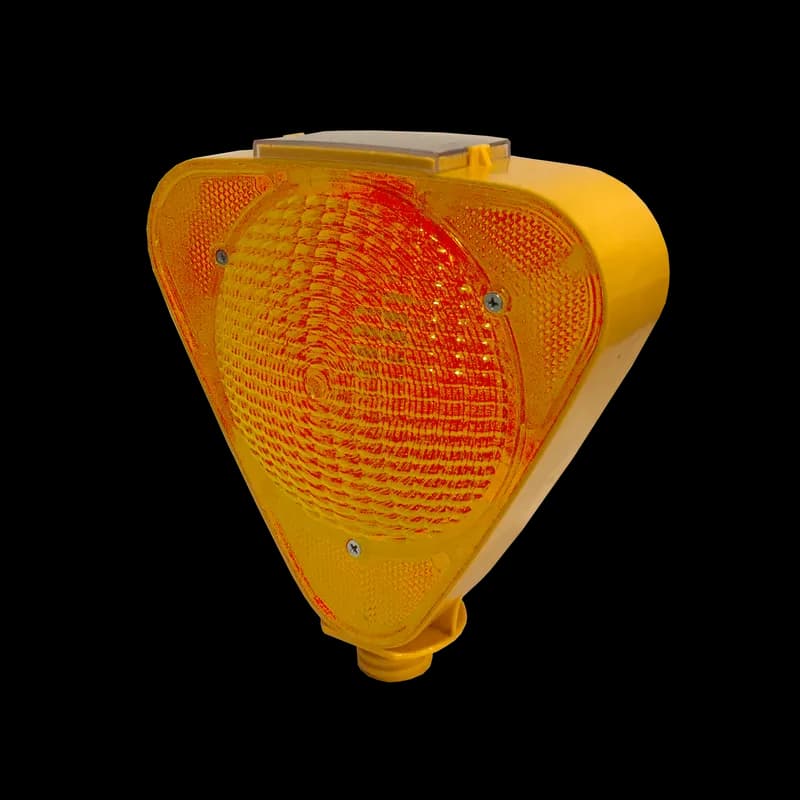
Solar Flaşör Sarı
Solar Flashers
Models and Brightness
The 200 and 300 units differ in body and lens size: a larger lens is picked up from a wider angle and a greater distance. Power LED models deliver higher brightness for critical positions that must register in daylight too, and for open stretches with long sight lines.
Colour carries the meaning: yellow flashers for general warning and attention, red for closures, obstacles and stop positions. With no cabling or mains connection, installation takes minutes.
- 200 solar flasher (red, yellow) — compact, everyday site use
- 300 solar flasher (red, yellow) — larger lens, visible further away
- Power LED solar flasher (red, yellow) — high brightness, critical positions
- Charges by day, runs automatically after dark — no cabling or meter
- Mounted on barriers, cones and signs
Where They Are Used
They mark the start and end of a closed lane at roadworks, site entrances and exits, open excavation and trench edges, temporary closures and mine site routes. Placed along a barrier or cone line, they keep the line readable through the night.
Keeping the panel out of shade and free of dust directly affects run time. On long installations, periodic cleaning is the simplest maintenance step that keeps a flasher running all night.
Frequently Asked Questions
Do solar flashers need power?
No. They charge from the solar panel during the day and start flashing automatically after dark — no cable, meter or generator. That is why they go up in minutes on sites and rural locations with no power infrastructure.
What is the difference between the 200 and 300 units?
Body and lens size. The 300 units have a larger lens and are picked up from a wider angle and greater distance; the 200 units are more compact and economical. Where the unit must register in daylight too, choose a power LED model.
Red or yellow?
Yellow flashers are for general warning and attention; red marks closures, obstacles and stop positions. On public roads, follow the marking rules of the responsible authority.