Categories
Specialty Paint Brushes
The brushes for where a flat brush will not do: a long-handled radiator brush that reaches between panel sections, a stubby block brush held in the palm that works paint into rough surfaces, and a bitumen brush kept for waterproofing material.
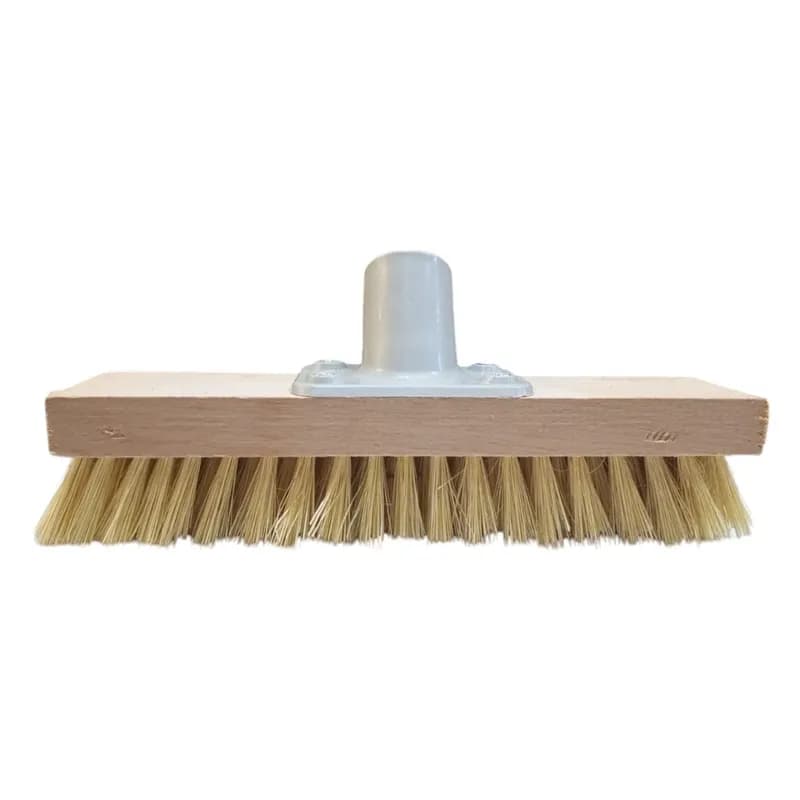
YILDIRIM İzolasyon Zift Fırça KOD:418
YILDIRIM · Specialty Paint Brushes
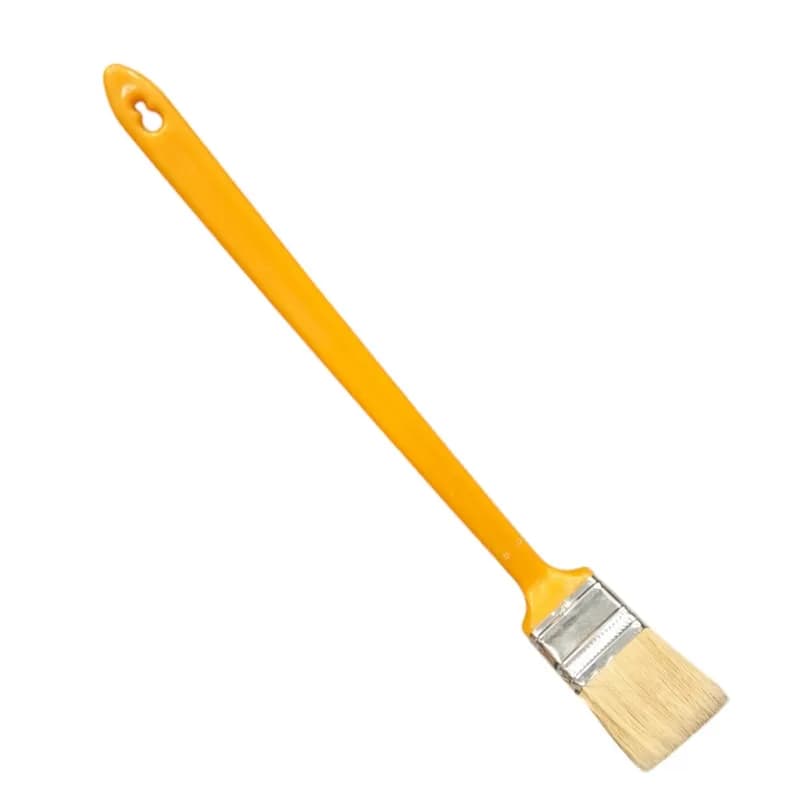
YILDIRIM Kalorifer Fırça KOD:315 NO:2
YILDIRIM · Specialty Paint Brushes
YILDIRIM Kalorifer Fırça KOD:317 NO:3
YILDIRIM · Specialty Paint Brushes
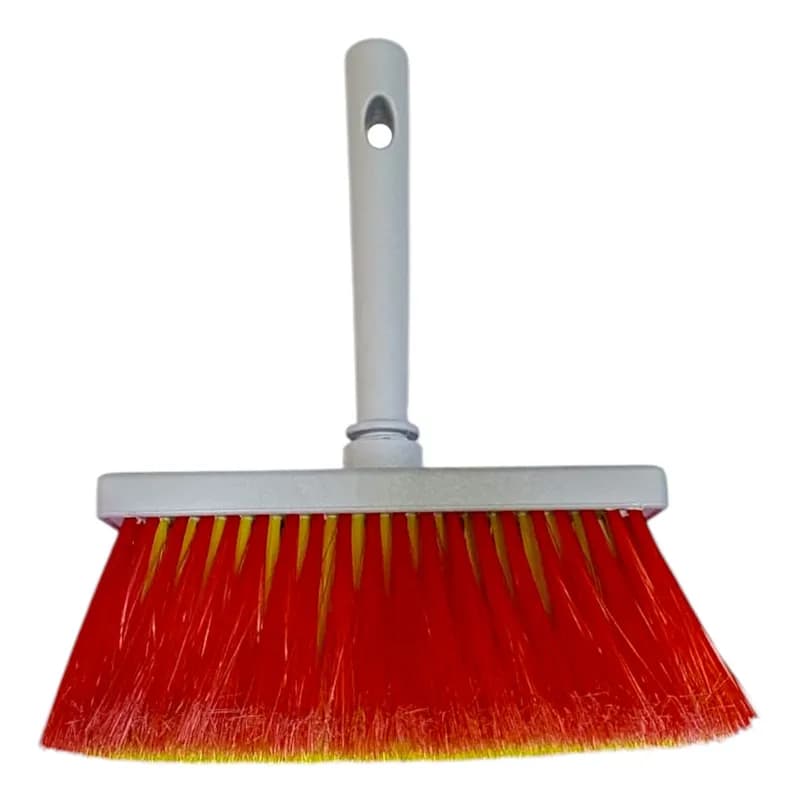
YILDIRIM Takoz Fırça Plastik Ekstra KOD:420
YILDIRIM · Specialty Paint Brushes
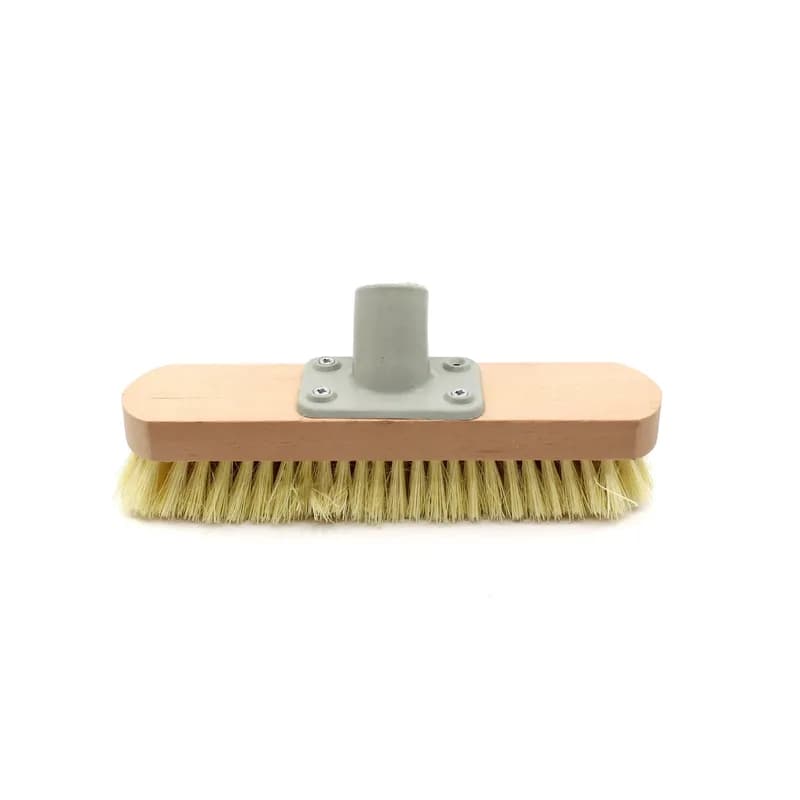
Yılsan Bitumen & Waterproofing Brush
Yılsan · Specialty Paint Brushes
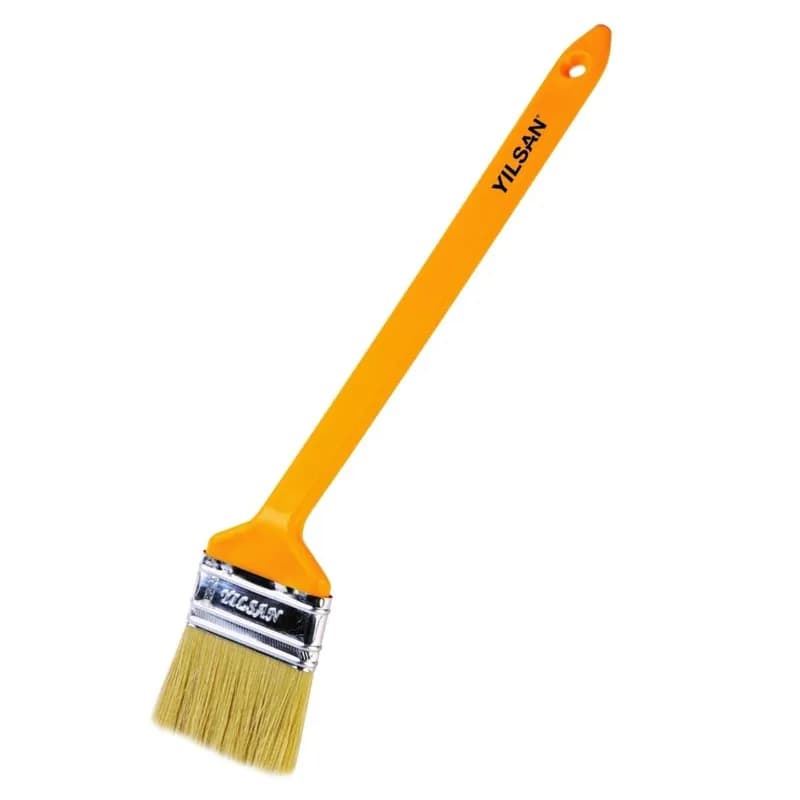
Yılsan Radiator Paint Brush No 2
Yılsan · Specialty Paint Brushes
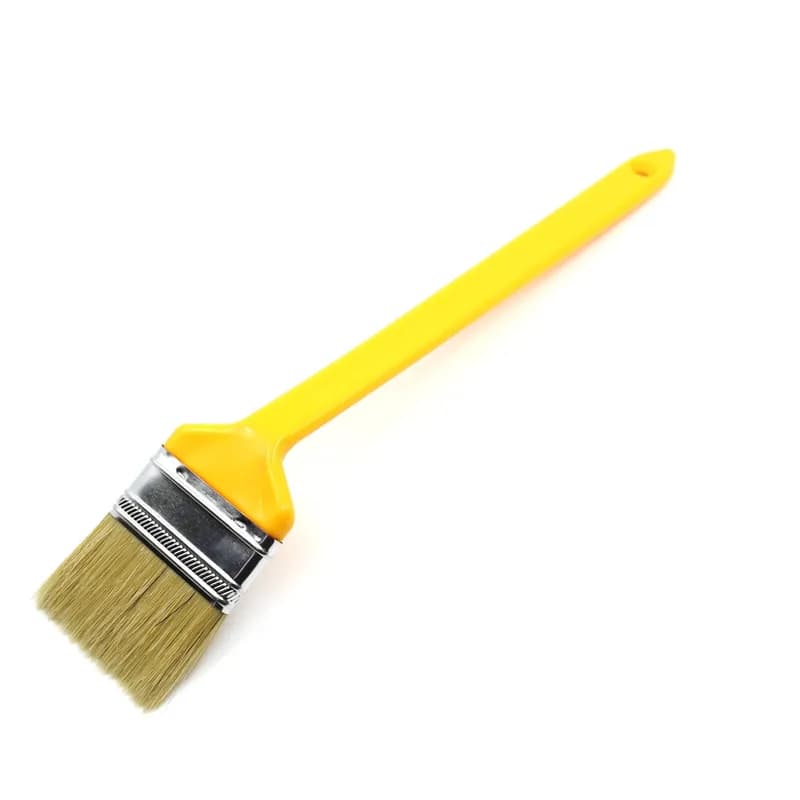
Yılsan Radiator Paint Brush No 3
Yılsan · Specialty Paint Brushes
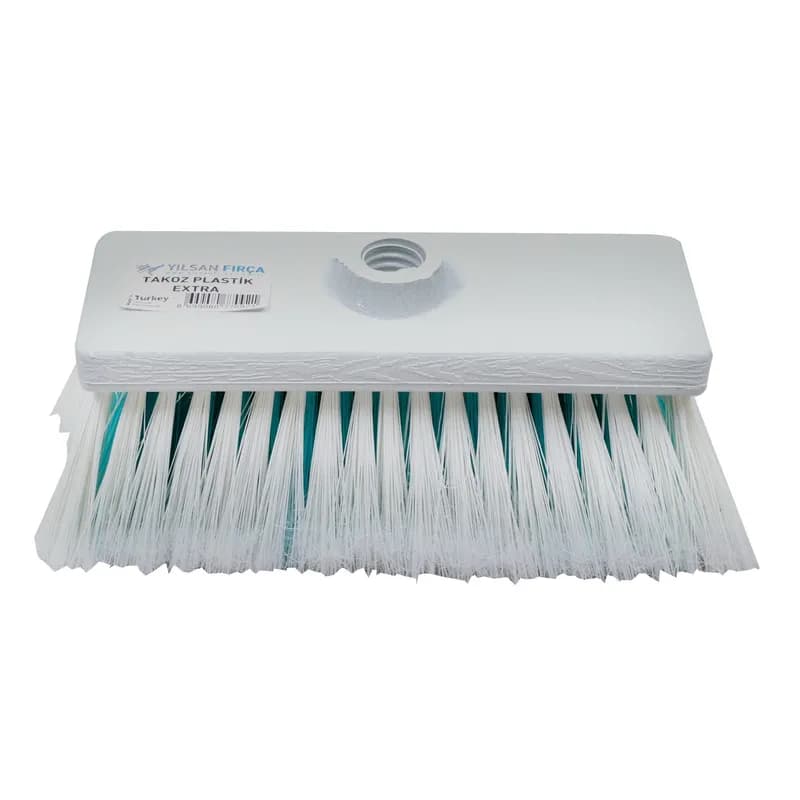
Yılsan Plastic Stubby Block Paint Brush Extra
Yılsan · Specialty Paint Brushes
Radiator brush
The bristle block sits at an angle on the end of a long, thin handle. The gaps between radiator sections, the space between a panel and the wall and the back of pipework cannot be painted with a flat brush; this one pushes the block into the gap and the angle brings it onto the face behind.
Radiator paint, pipe paint and heat resistant paint are applied with it, and the same shape works anywhere else the hand does not fit -- behind a cabinet, inside a narrow duct.
Stubby block brush
It has no handle: the short body sits in the palm. Because the body is short, the force goes straight into the bristle block -- the brush does not splay under pressure and it works the paint into the surface.
That makes it the brush for absorbent, rough surfaces: bare concrete, coarse render, block, stone walls and priming work. It is also chosen for low, tight spaces where a long handle cannot turn -- a loft, the inside of a cupboard.
Bitumen brush
Kept for bitumen based waterproofing: liquid bitumen, bituminous primer, mastic and membrane primer. That material is thick and sticky and will set a normal paint brush solid in short order; this brush is built for it, with a stiff block and a heavy body.
It is used on foundation walls, terraces, wet rooms and water tanks. On waterproofing work the brush is usually a consumable: unless it is washed out in the right solvent straight away it will not open again, so it is bought by the box.
Frequently Asked Questions
Can I not paint a radiator with an ordinary brush?
The front face, yes -- but the gaps between sections and the space between the panel and the wall are where a flat brush does not reach, and those unpainted faces are what rust in damp air. The long thin handle and angled block of a radiator brush exist for exactly that gap.
What number does a stubby block brush come in?
It is sold by body size rather than by number, because it has no handle and the whole body sits in the palm. The choice follows how rough the surface is.
Can a bitumen brush be used for painting?
Better not. Bitumen stays at the base of the block and bleeds black into the next coat. A waterproofing brush is kept on waterproofing work, then washed in the right solvent or discarded.