Categories
Wheel Stops
Wheel stops set the parking limit physically and keep vehicles from overrunning into walls, columns or pedestrian areas. The catalog lists rubber wheel stops, Ø60 and Ø76 steel stops, short stops and a 15x100x6 cm lane divider.
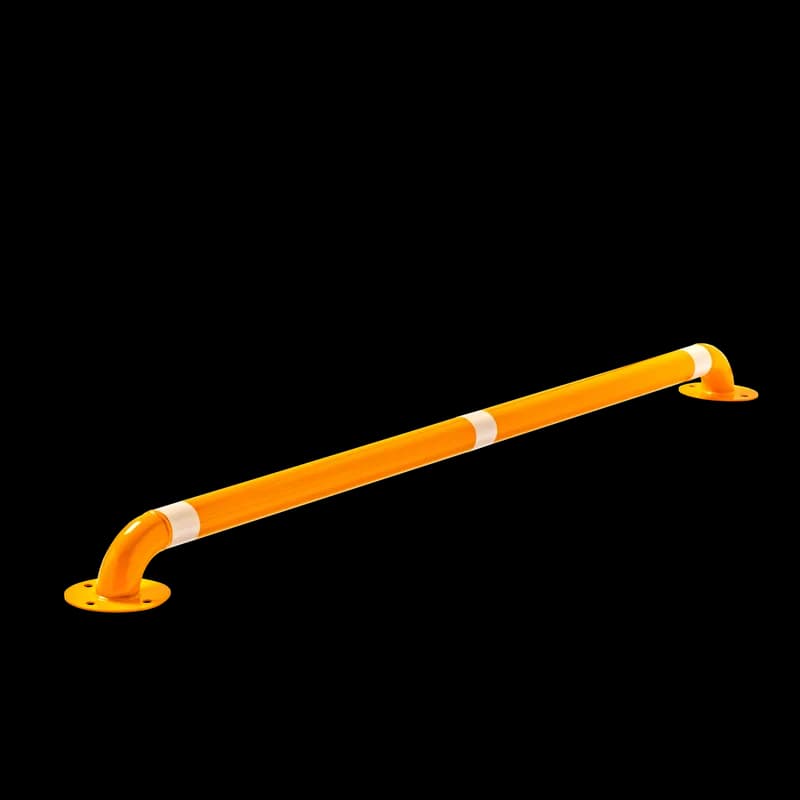
Demir Araç Stoperi 60 Ø
Wheel Stops
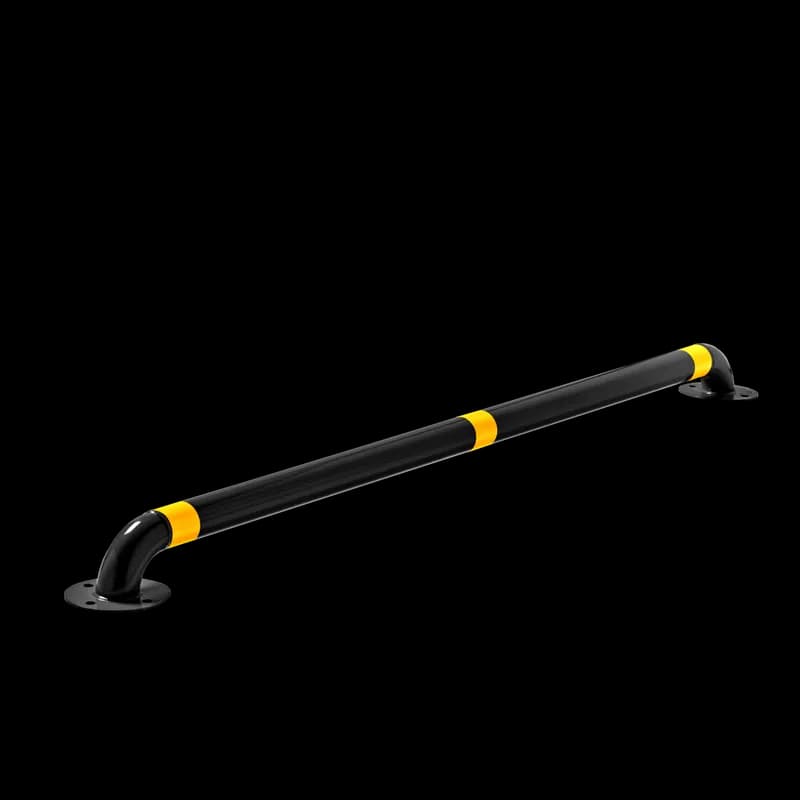
Demir Araç Stoperi Ø60 Siyah
Wheel Stops
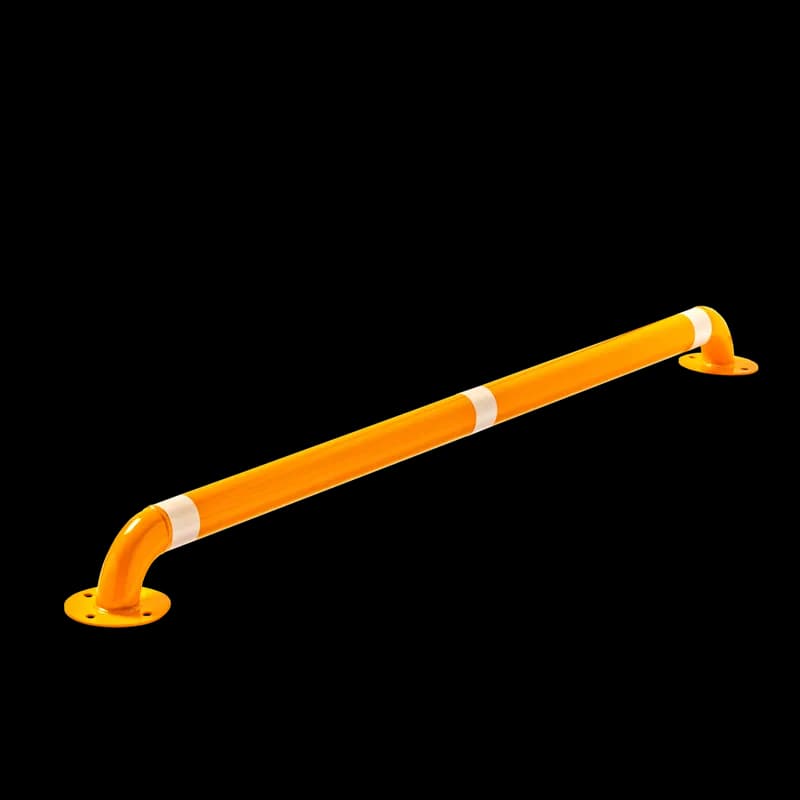
Demir Araç Stoperi 76 Ø
Wheel Stops
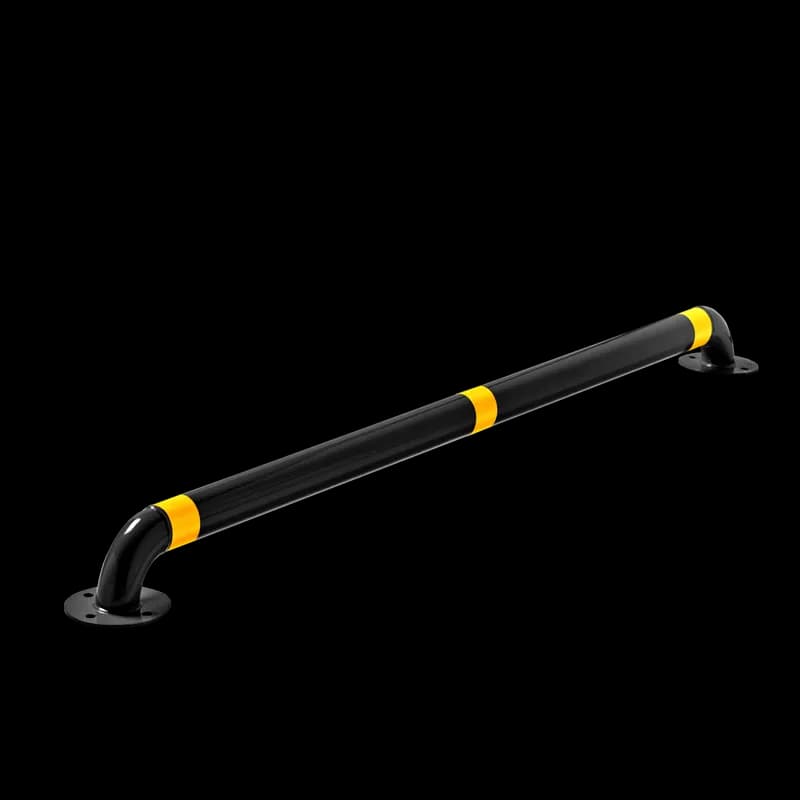
Demir Araç Stoperi Ø76 Siyah
Wheel Stops
Kauçuk Araç Stoperi
Wheel Stops
Kauçuk Araç Stoperi
Wheel Stops
Kauçuk Araç Stoperi
Wheel Stops
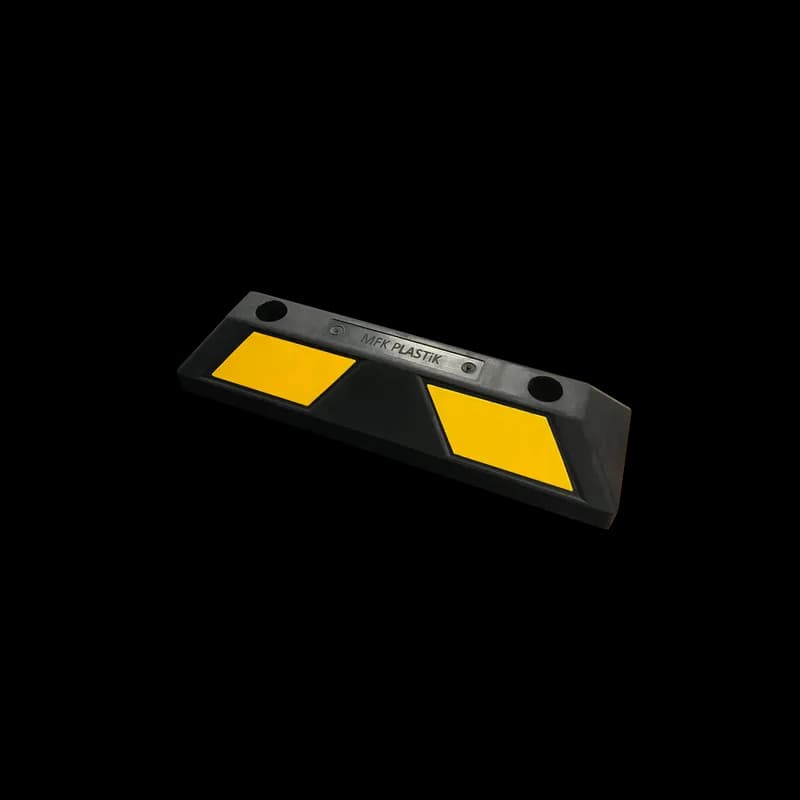
Kısa Stoper
Wheel Stops
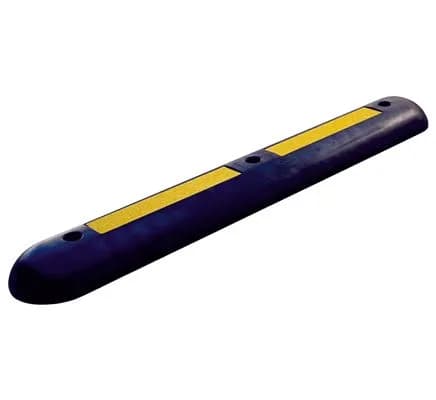
Yol Ayracı 15*100*6 cm
Wheel Stops
Rubber and Steel Stops
Rubber stops absorb the impact where the tyre meets them, sparing both vehicle and floor, and are the standard answer in covered and open car parks. Steel tube stops (Ø60 and Ø76) form a harder limit and suit yards with tall and commercial vehicle traffic; black and coated finishes are available.
Short stops suit motorcycle bays and narrow spaces, while the 15x100x6 cm lane divider builds a continuous line on the floor for lane and area separation.
- Rubber wheel stop — impact absorbing, the default in car parks
- Steel wheel stop Ø60 — mid-level hard limit
- Steel wheel stop Ø76 — commercial and tall vehicle traffic
- Short stop — motorcycle bays and narrow spaces
- Lane divider 15x100x6 cm — continuous line for area separation
Positioning and Fixing
Position the stop so that when the tyre rests against it, safe clearance remains between the bumper and the wall. Too far forward and the vehicle still overruns; too far back and parking depth is lost for no reason.
Fixing is by anchor into the surface. In covered car parks, planning stops together with column and wall protection gives coherent cover at the points that take damage most often.
Frequently Asked Questions
Rubber or steel wheel stops?
Rubber stops absorb impact and spare both vehicle and floor, which makes them the standard for car parks dominated by passenger cars. Steel Ø60 and Ø76 stops form a harder limit and suit yards with commercial and tall vehicle traffic.
Where should a wheel stop be positioned?
So that with the tyre against it, safe clearance remains between the bumper and the wall or column. Too far forward the vehicle overruns; too far back and the bay loses usable depth.
What is the lane divider for?
The 15x100x6 cm divider forms a continuous line on the floor to separate lanes or areas. It is used where the need is route and zone separation rather than limiting individual bays.