Categories
Lathe Chucks
The chuck is what holds the work on the lathe, and the jaw count decides how: three jaws self-centre round and hexagonal stock, four jaws move independently and grip square and irregular work.

GFB Chuck Key 100 mm
GFB · Lathe Chucks
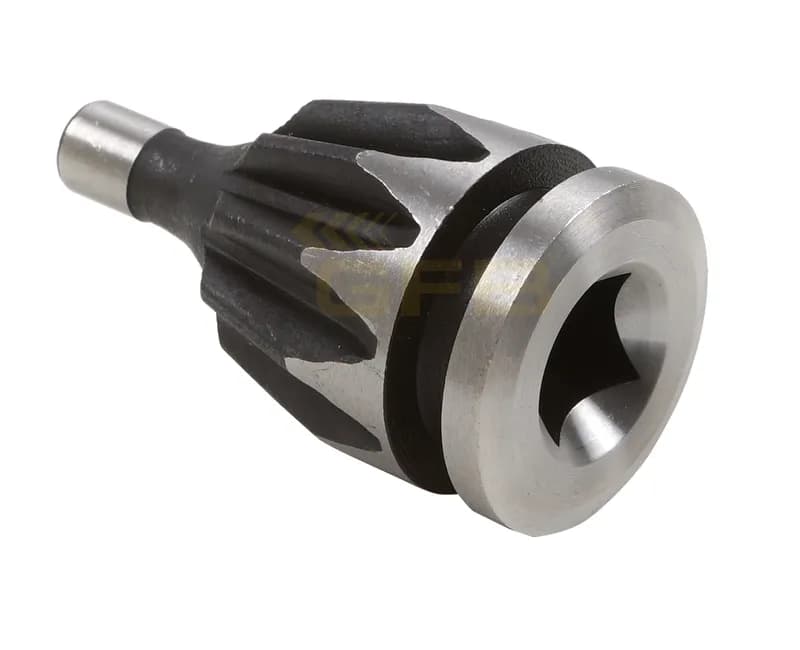
GFB Chuck Pinion 100 mm
GFB · Lathe Chucks
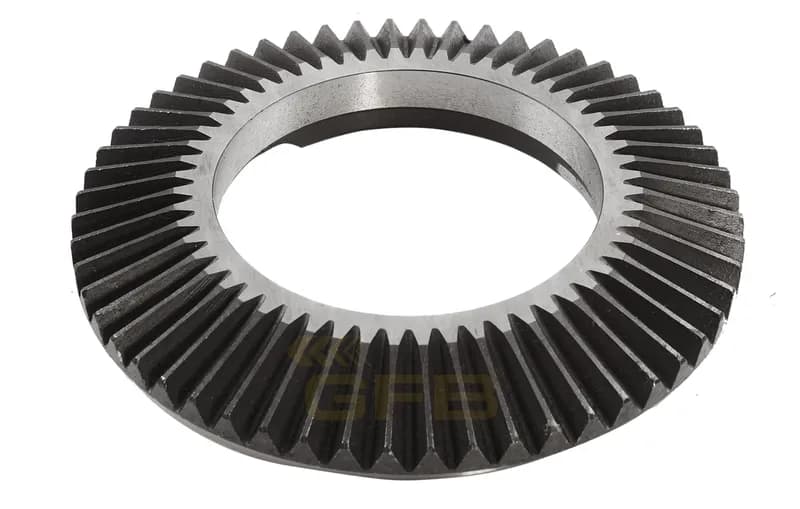
GFB Chuck Scroll 100 mm
GFB · Lathe Chucks
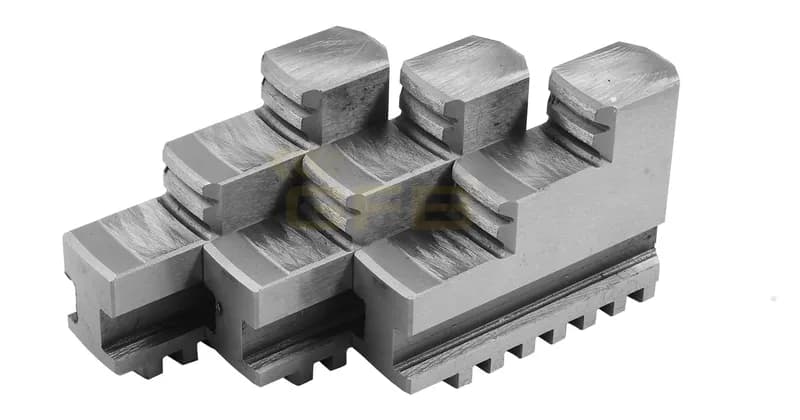
GFB Standard Jaw Set 100 mm 3 Jaw
GFB · Lathe Chucks
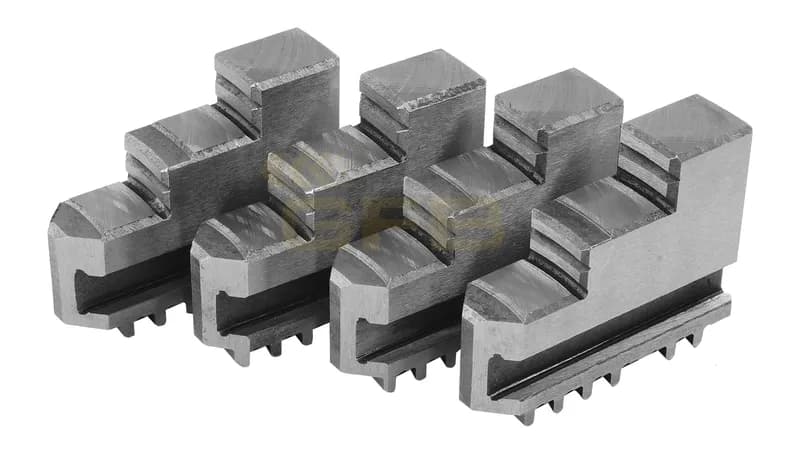
GFB Reversed Jaw Set 100 mm 3 Jaw
GFB · Lathe Chucks
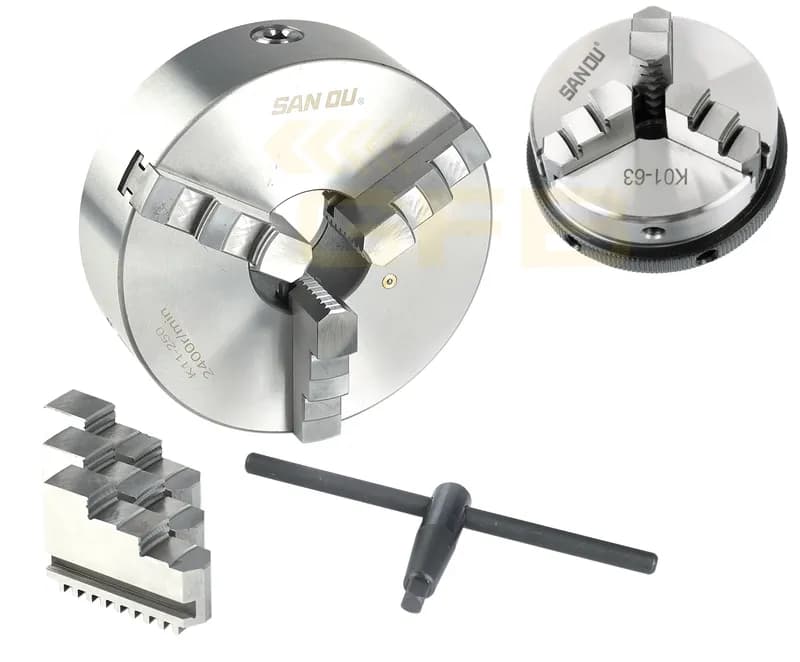
GFB Lathe Chuck 100 mm 3 Jaw
GFB · Lathe Chucks
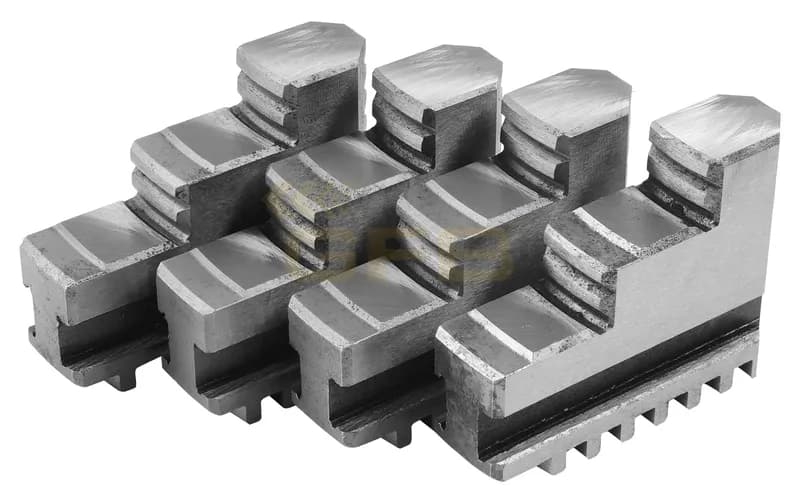
GFB Standard Jaw Set 100 mm 4 Jaw
GFB · Lathe Chucks
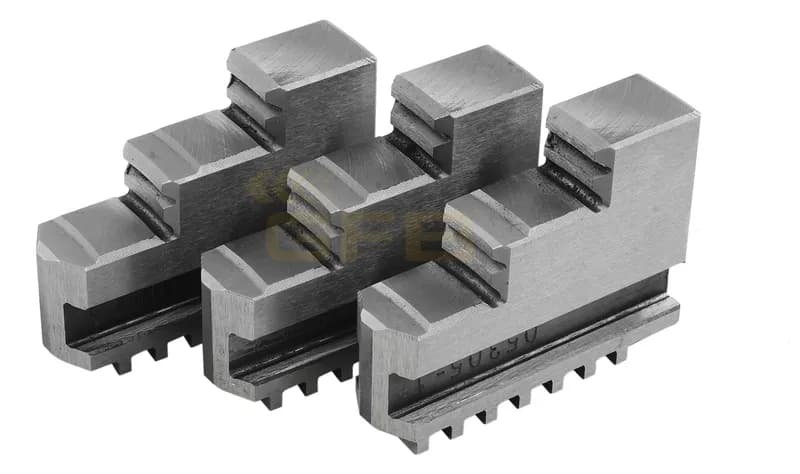
GFB Reversed Jaw Set 100 mm 4 Jaw
GFB · Lathe Chucks
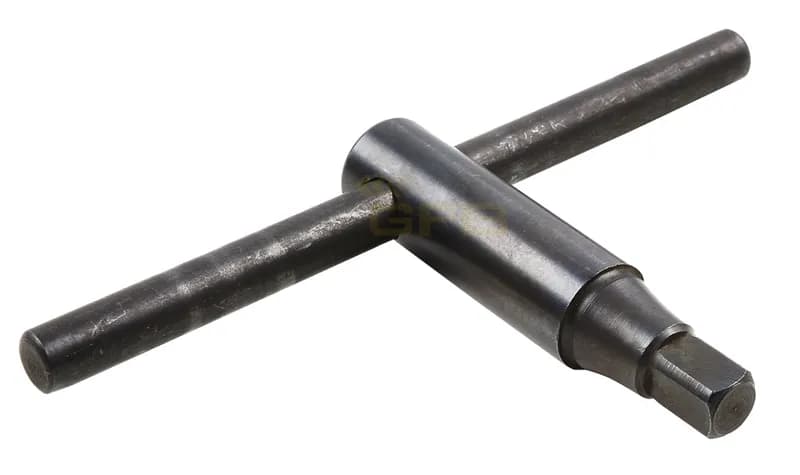
GFB Chuck Key 125 mm
GFB · Lathe Chucks
GFB Chuck Pinion 125 mm
GFB · Lathe Chucks
GFB Chuck Scroll 125 mm
GFB · Lathe Chucks
GFB Standard Jaw Set 125 mm 3 Jaw
GFB · Lathe Chucks
GFB Reversed Jaw Set 125 mm 3 Jaw
GFB · Lathe Chucks
GFB Lathe Chuck 125 mm 3 Jaw
GFB · Lathe Chucks
GFB Standard Jaw Set 125 mm 4 Jaw
GFB · Lathe Chucks
GFB Reversed Jaw Set 125 mm 4 Jaw
GFB · Lathe Chucks
GFB Chuck Key 160 mm
GFB · Lathe Chucks
GFB Chuck Pinion 160 mm
GFB · Lathe Chucks
GFB Chuck Scroll 160 mm
GFB · Lathe Chucks
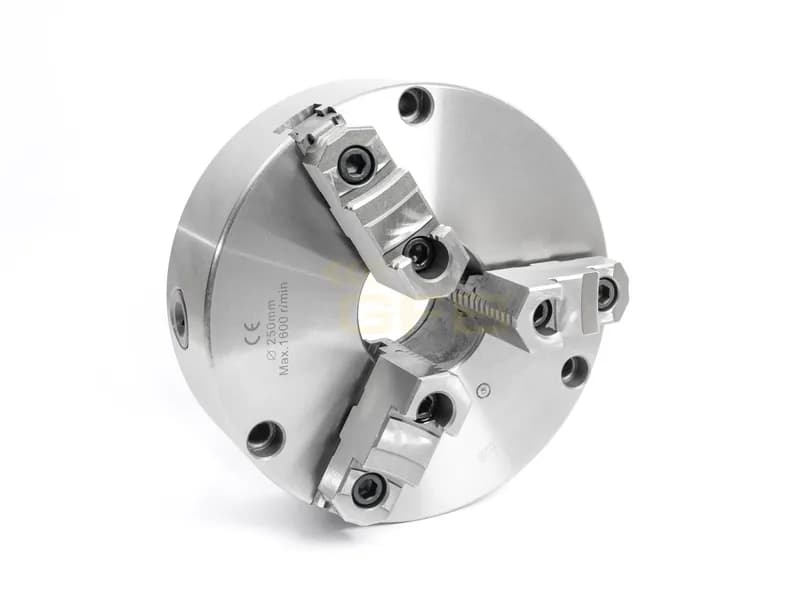
GFB Indexing Lathe Chuck 160 mm 3 Jaw
GFB · Lathe Chucks
GFB Standard Jaw Set 160 mm 3 Jaw
GFB · Lathe Chucks
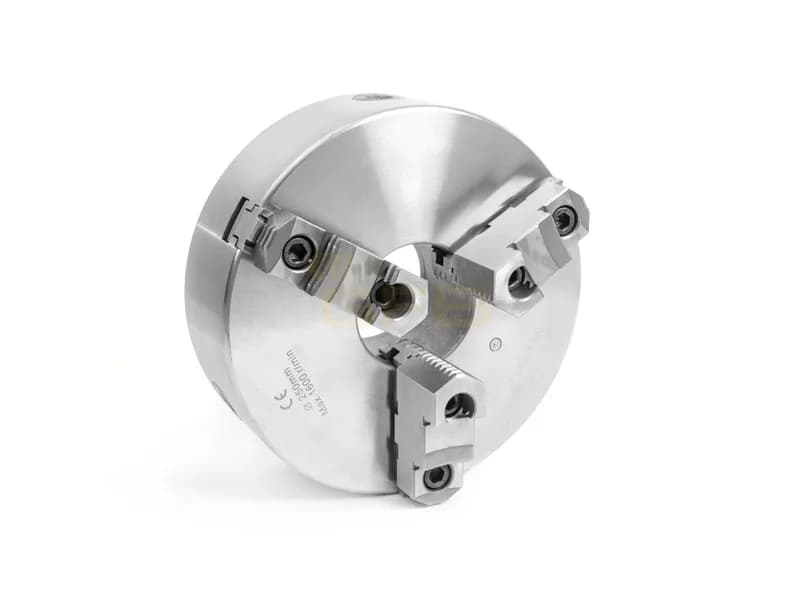
GFB Jawed Lathe Chuck 160 mm 3 Jaw
GFB · Lathe Chucks
GFB Reversed Jaw Set 160 mm 3 Jaw
GFB · Lathe Chucks
GFB Lathe Chuck 160 mm 3 Jaw
GFB · Lathe Chucks
1–24 of 152 · page 1 / 7
Three jaws or four
A three-jaw chuck is quick: one key moves all three jaws together and round stock seats itself on centre. It is the standard for round and hexagonal work.
In a four-jaw independent chuck every jaw is set separately. Setting up takes longer, but it holds square, rectangular and irregular work — and it is the only way to hold a part deliberately off centre.
Run-out and drill chucks
Run-out is how far the turning part wanders off axis, and it goes straight into the diameter produced. It grows in a three-jaw chuck over time; for precise work, a four-jaw set with a dial indicator, or a collet, is used.
A drill chuck holds twist drills and shafted tools. A keyed chuck covers a wide range; a taper chuck seats directly in the tailstock and is more rigid.
Frequently Asked Questions
Which lathe does a chuck fit?
The mounting follows the spindle nose; Proxxon chucks are made for named models (PD 250/E, PD 400, FD 150/E). The product name and spec table say which.
Can a three-jaw chuck hold square stock?
Three jaws cannot centre a square. Square and irregular work needs a four-jaw independent chuck.
Is the chuck key sold separately?
It normally comes with the chuck; spare keys are listed separately by article number.