Categories
Lathe Tools
The lathe tool does the cutting, and its geometry decides the surface produced. Shank size follows the tool post; material is a choice between HSS and carbide.

Proxxon 24557 Lathe Tool 10 pcs
Proxxon · Lathe Tools
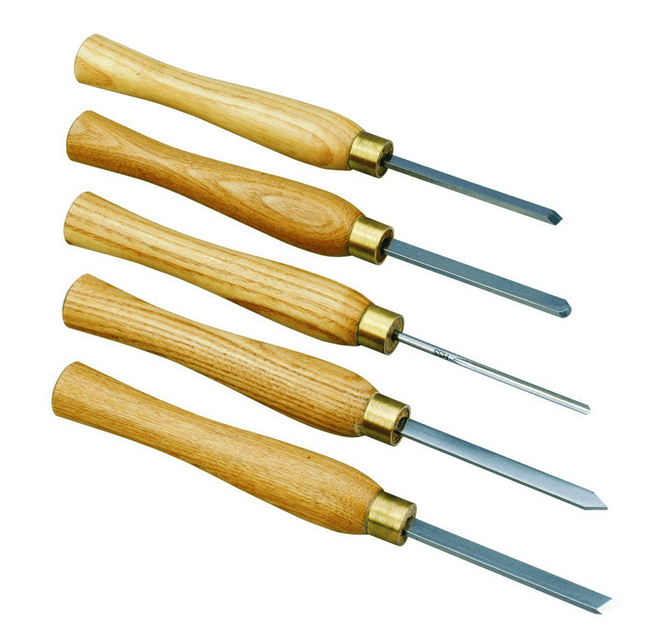
Proxxon 27023 Hss, pencil Lathe Tool 5 pcs
Proxxon · Lathe Tools
Proxxon 24524 Hss Lathe Tool 6 pcs
Proxxon · Lathe Tools
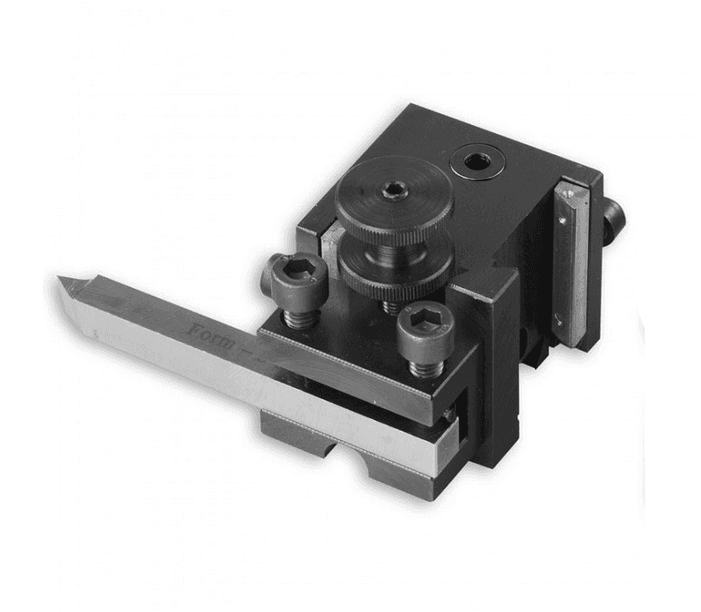
Proxxon 24026 Pencil Lathe Tool
Proxxon · Lathe Tools
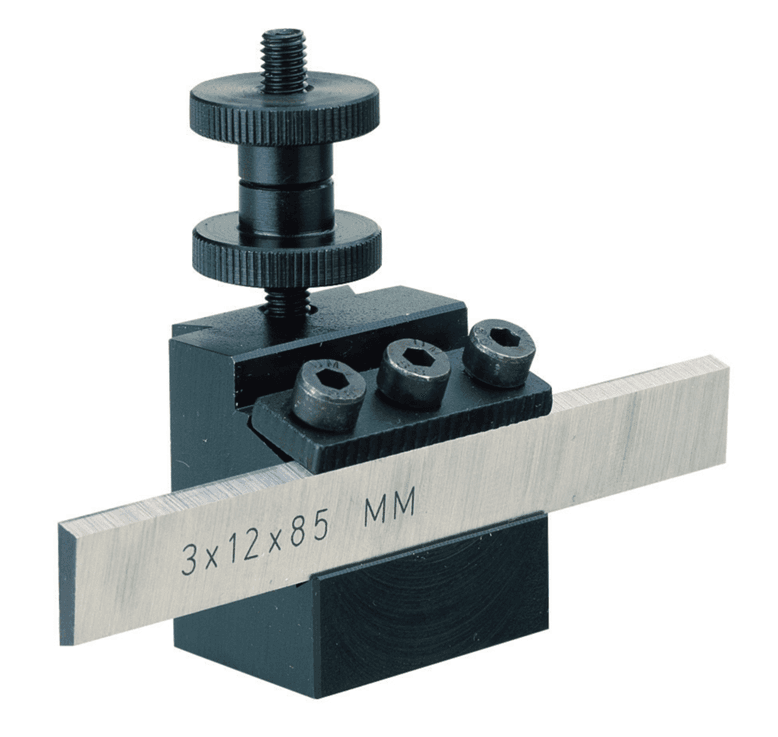
Proxxon 24417 Pencil Lathe Tool
Proxxon · Lathe Tools
Proxxon 24560 Pencil Lathe Tool
Proxxon · Lathe Tools
Proxxon 24562 Pencil Lathe Tool
Proxxon · Lathe Tools
Proxxon 24217 Pencil Lathe Tool
Proxxon · Lathe Tools
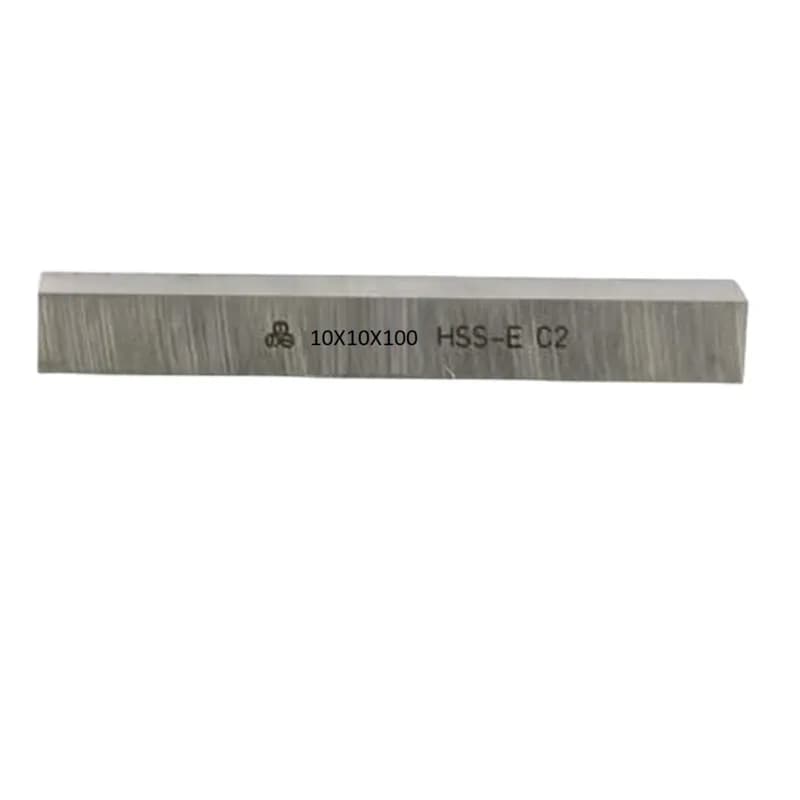
MTE HSS-E Lathe Tool Bit DIN 4964 B 10x10x100 mm
MTE · Lathe Tools
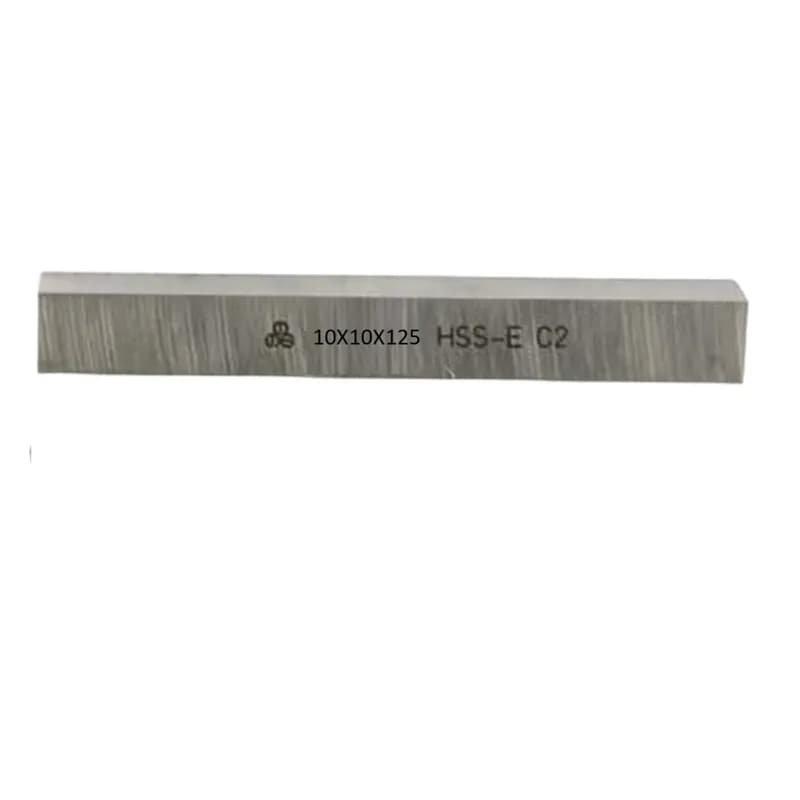
MTE HSS-E Lathe Tool Bit DIN 4964 B 10x10x125 mm
MTE · Lathe Tools
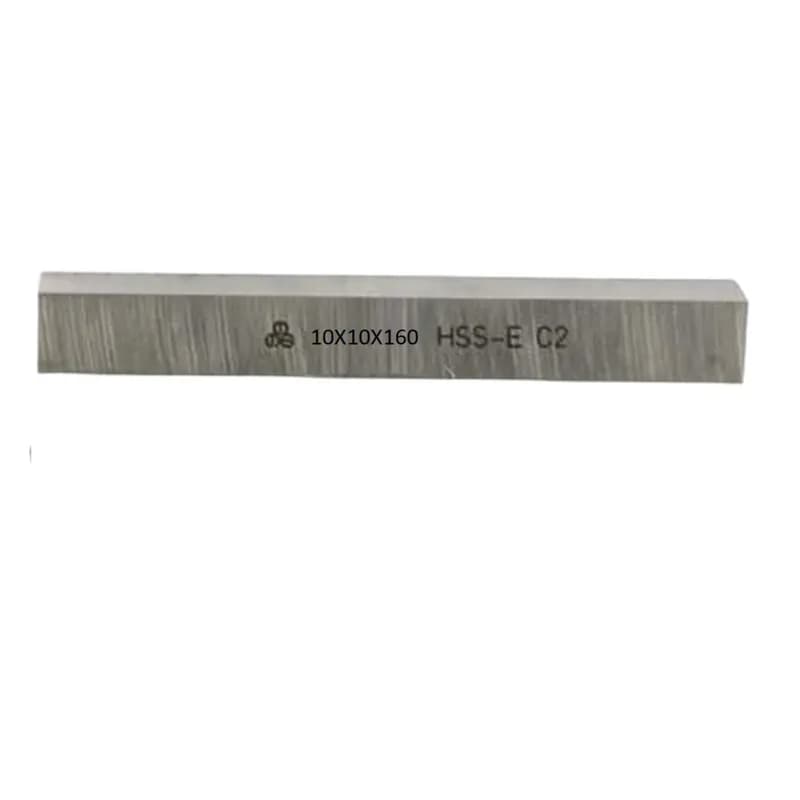
MTE HSS-E Lathe Tool Bit DIN 4964 B 10x10x160 mm
MTE · Lathe Tools
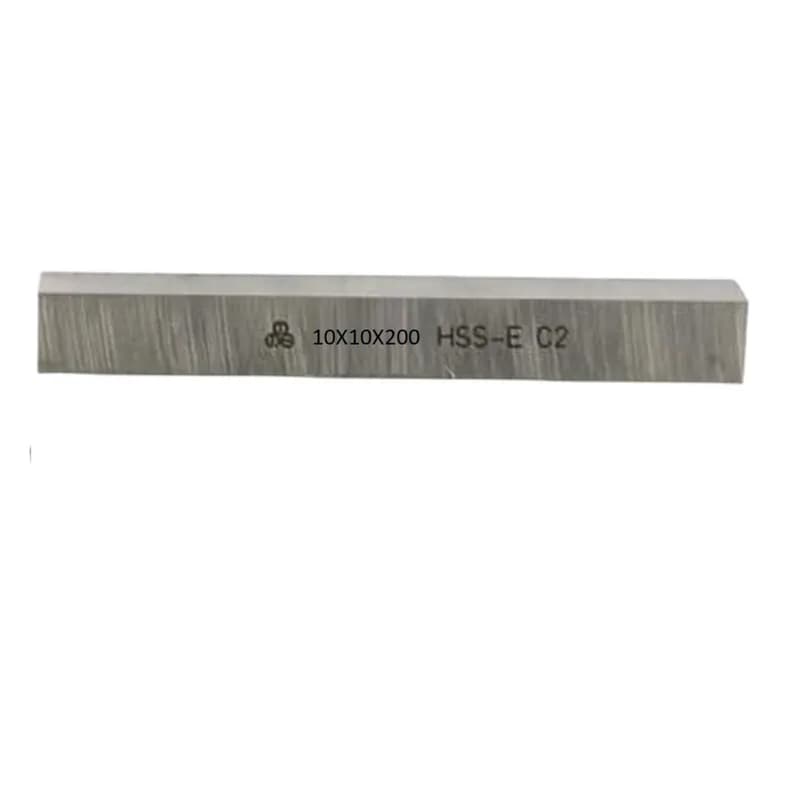
MTE HSS-E Lathe Tool Bit DIN 4964 B 10x10x200 mm
MTE · Lathe Tools
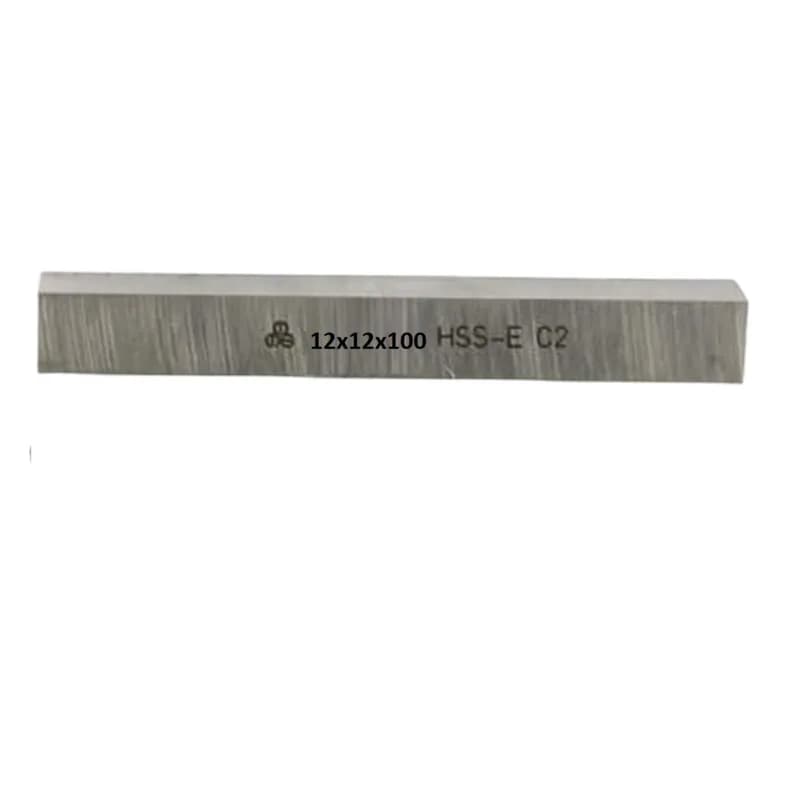
MTE HSS-E Lathe Tool Bit DIN 4964 B 12x12x100 mm
MTE · Lathe Tools
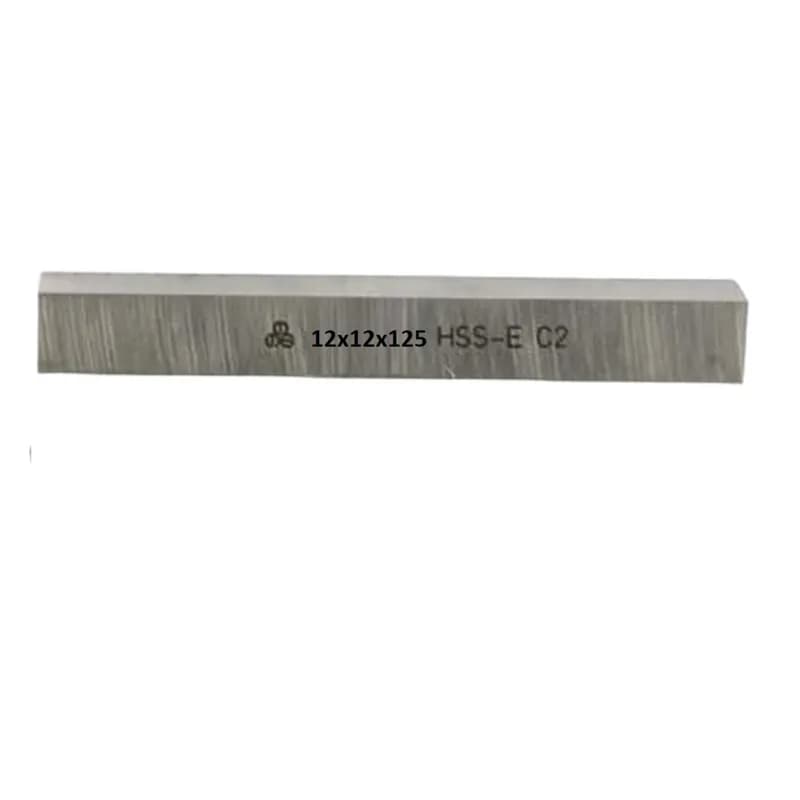
MTE HSS-E Lathe Tool Bit DIN 4964 B 12x12x125 mm
MTE · Lathe Tools
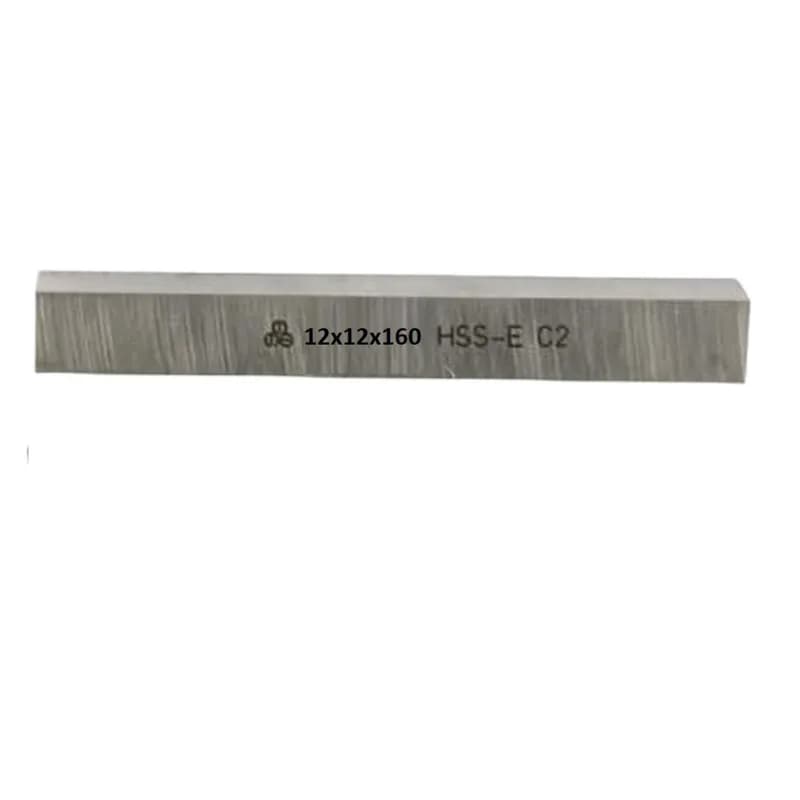
MTE HSS-E Lathe Tool Bit DIN 4964 B 12x12x160 mm
MTE · Lathe Tools
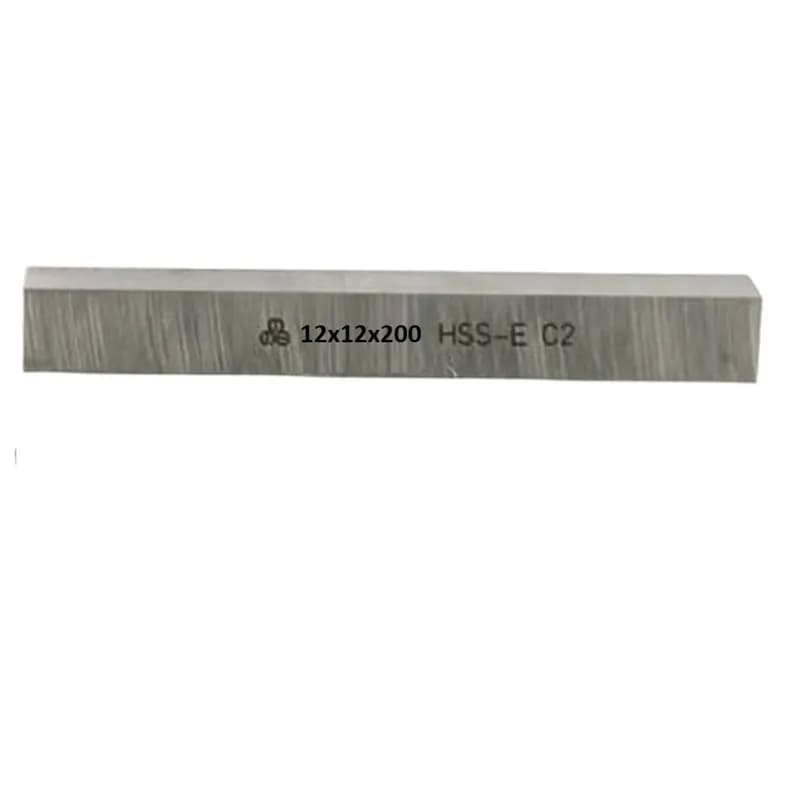
MTE HSS-E Lathe Tool Bit DIN 4964 B 12x12x200 mm
MTE · Lathe Tools
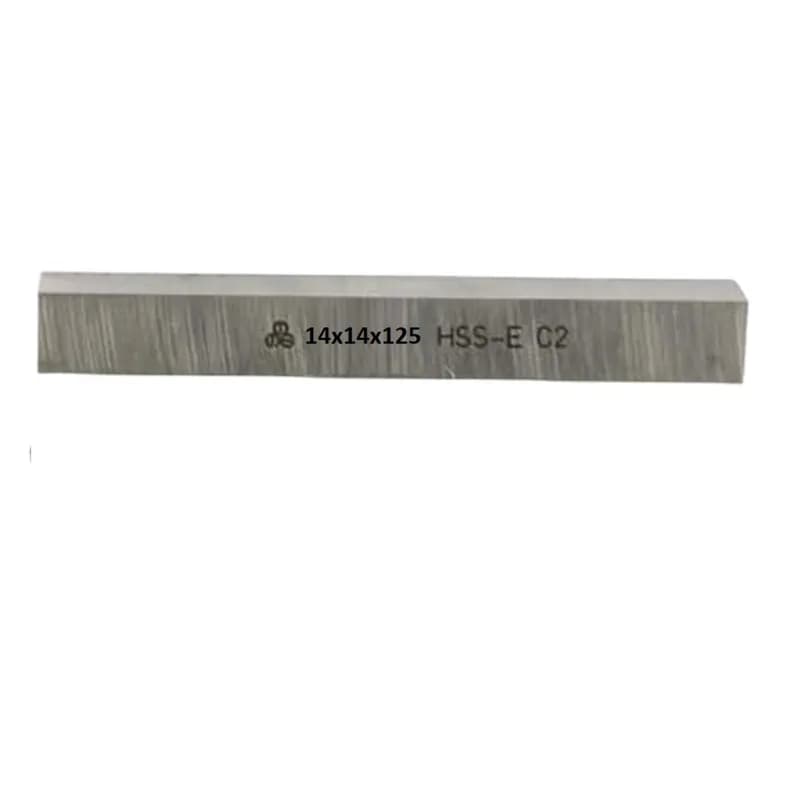
MTE HSS-E Lathe Tool Bit DIN 4964 B 14x14x125 mm
MTE · Lathe Tools
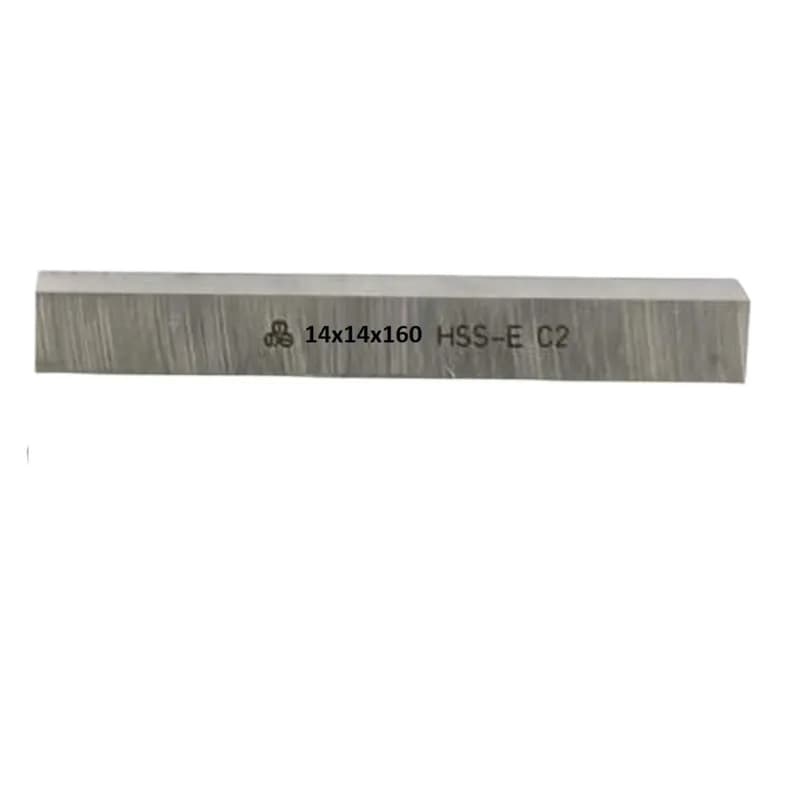
MTE HSS-E Lathe Tool Bit DIN 4964 B 14x14x160 mm
MTE · Lathe Tools
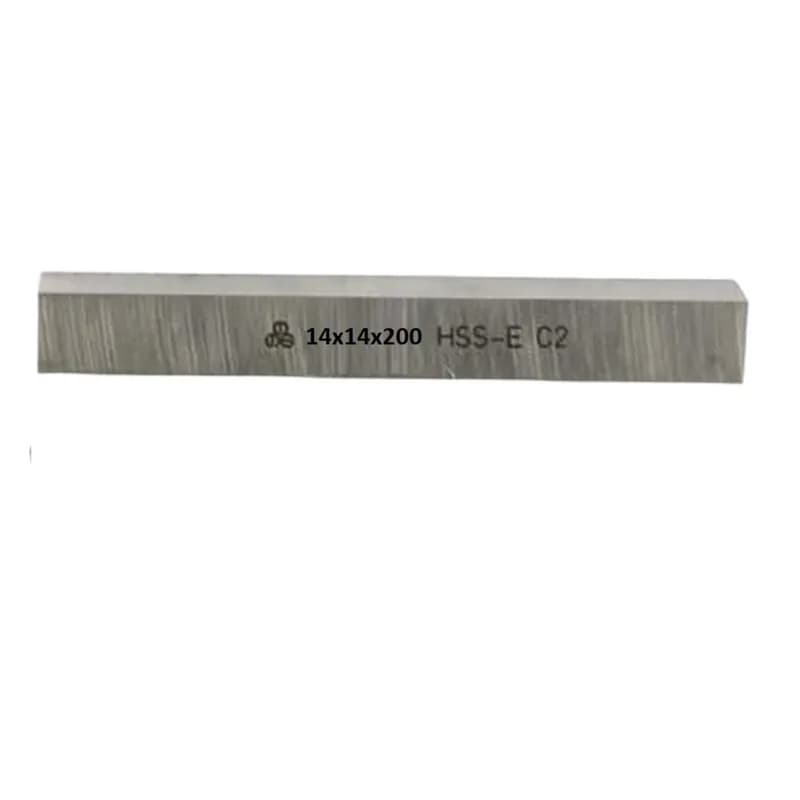
MTE HSS-E Lathe Tool Bit DIN 4964 B 14x14x200 mm
MTE · Lathe Tools
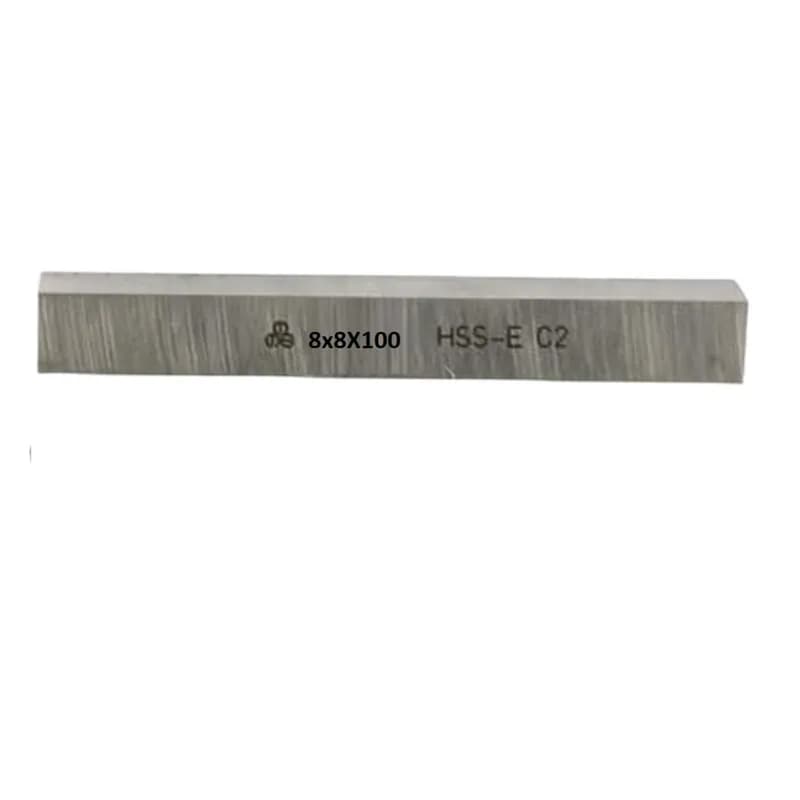
MTE HSS-E Lathe Tool Bit DIN 4964 B 8x8x100 mm
MTE · Lathe Tools
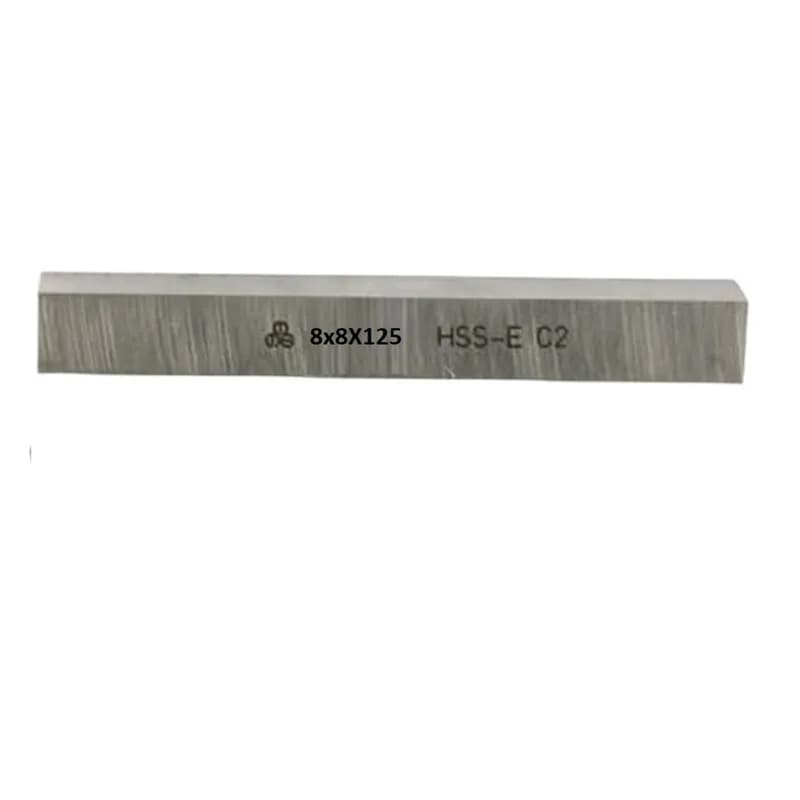
MTE HSS-E Lathe Tool Bit DIN 4964 B 8x8x125 mm
MTE · Lathe Tools
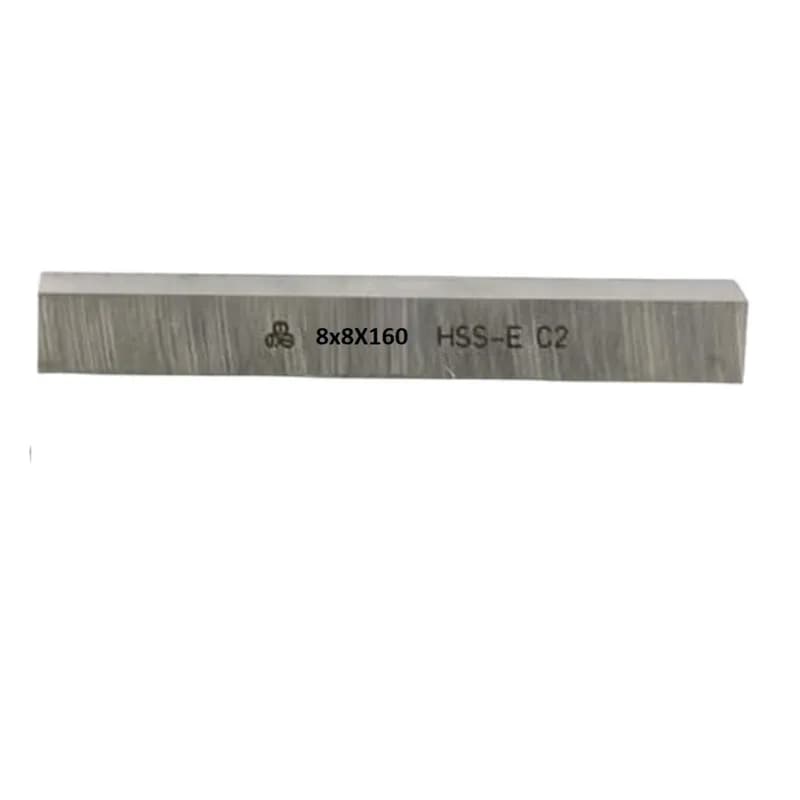
MTE HSS-E Lathe Tool Bit DIN 4964 B 8x8x160 mm
MTE · Lathe Tools
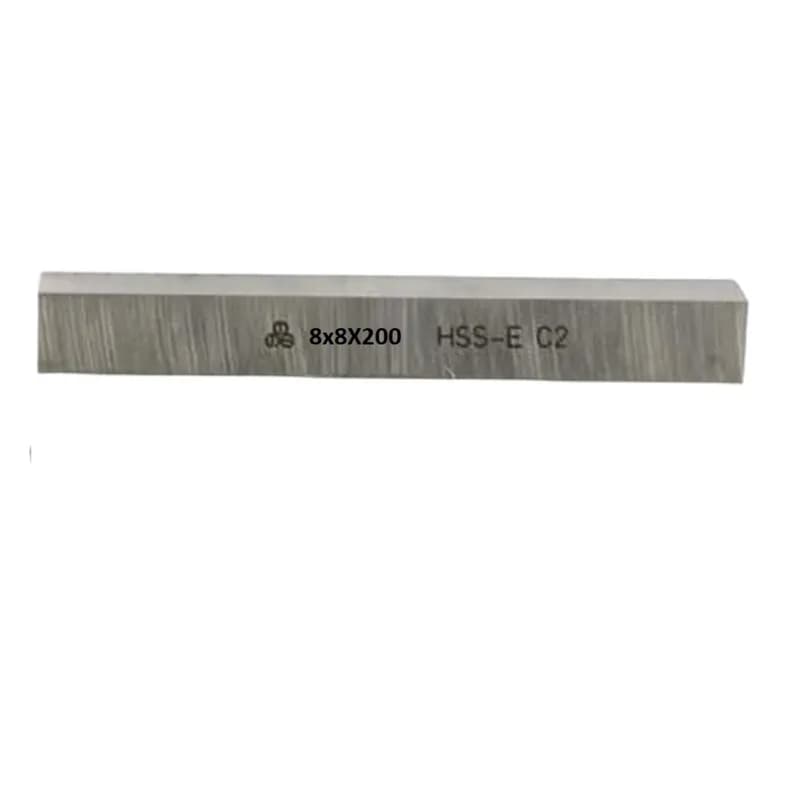
MTE HSS-E Lathe Tool Bit DIN 4964 B 8x8x200 mm
MTE · Lathe Tools
Proxxon 24530 Lathe Tool 8x8x80mm
Proxxon · Lathe Tools
1–24 of 40 · page 1 / 2
Geometry decides the surface
A straight tool turns the cylinder. An offset tool, left or right, can come square into a shoulder or a face and leaves the corner clean. A parting tool cuts a narrow deep groove and is what parts the work off.
Boring and internal threading tools work inside the hole, and the length of their shank governs chatter: a shank longer than it needs to be leaves a rippled surface.
HSS or carbide
HSS can be reground and is cheap; it works well in mild steel, aluminium, brass and plastic. Because it runs at a lower cutting speed it is the common choice on a small lathe.
Carbide is harder and takes more heat: it is what high cutting speeds and hard material call for, but it is brittle and does not take shock.
Frequently Asked Questions
How is shank size chosen?
By what the tool post accepts: 8x8 mm and 10x10 mm are common on mini lathes. The tip also has to be set to centre height.
Why must the tool be set to centre height?
Above or below centre the rake changes: the surface suffers, facing leaves a pip in the middle, and a parting tool breaks its tip.
How is an HSS tool reground?
On a bench grinder, keeping the rake and clearance angles; if it heats, cool it in air rather than quenching. Check the cutting edge by eye afterwards.