Categories
TPU Delineators
TPU delineator posts are listed in 30, 45, 75 and 100 cm with Ø90 and Ø110 diameter options. The flexible TPU body lies down and springs back when struck, and metallised or yellow reflective variants raise night visibility.
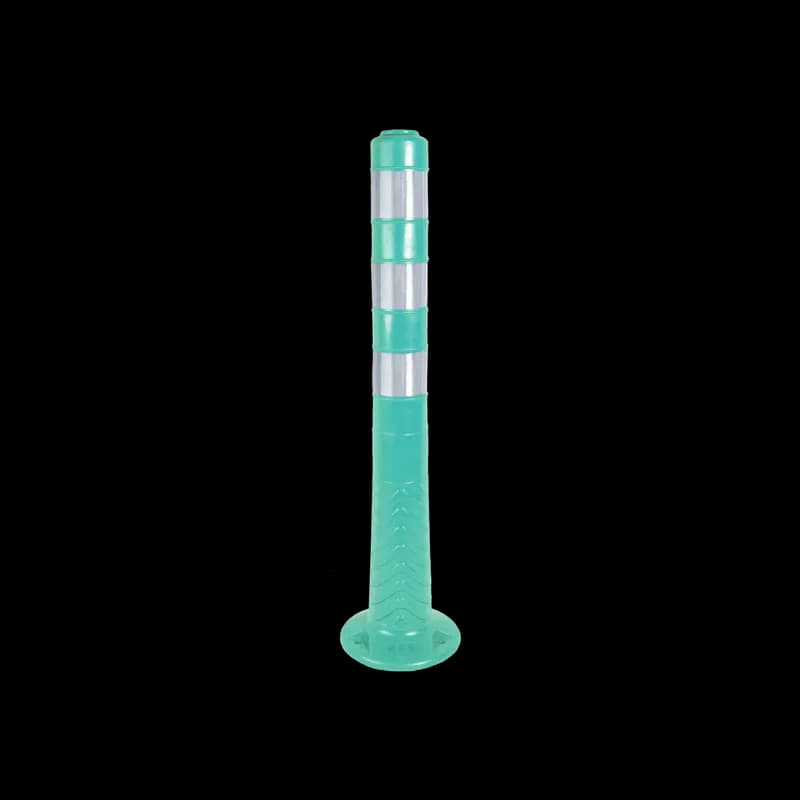
73 cm Delinatör Cam Göbeği - TPU - Metalize Reflektif - Esnek
TPU Delineators
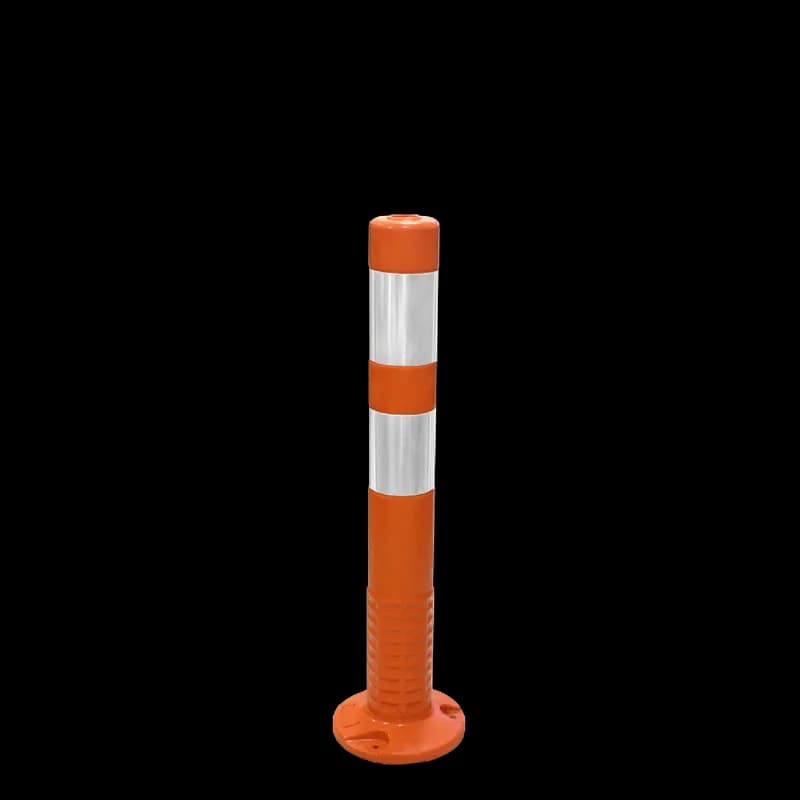
75 cm Delinatör 90 Çap
TPU Delineators
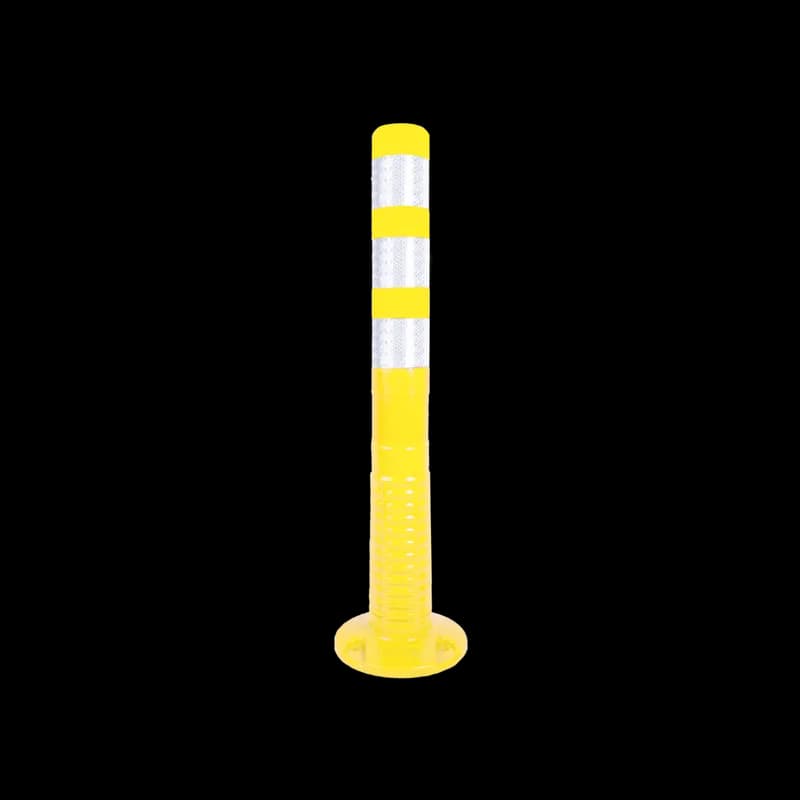
75 cm Delinatör Sarı - TPU - Metalize
TPU Delineators
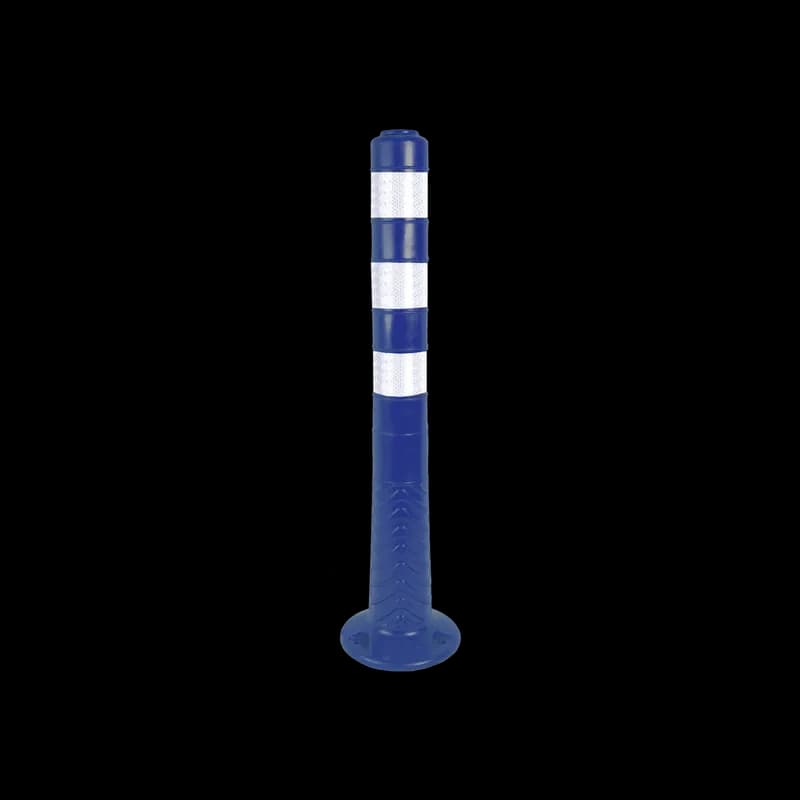
75 cm Delinatör TPU Mavi
TPU Delineators
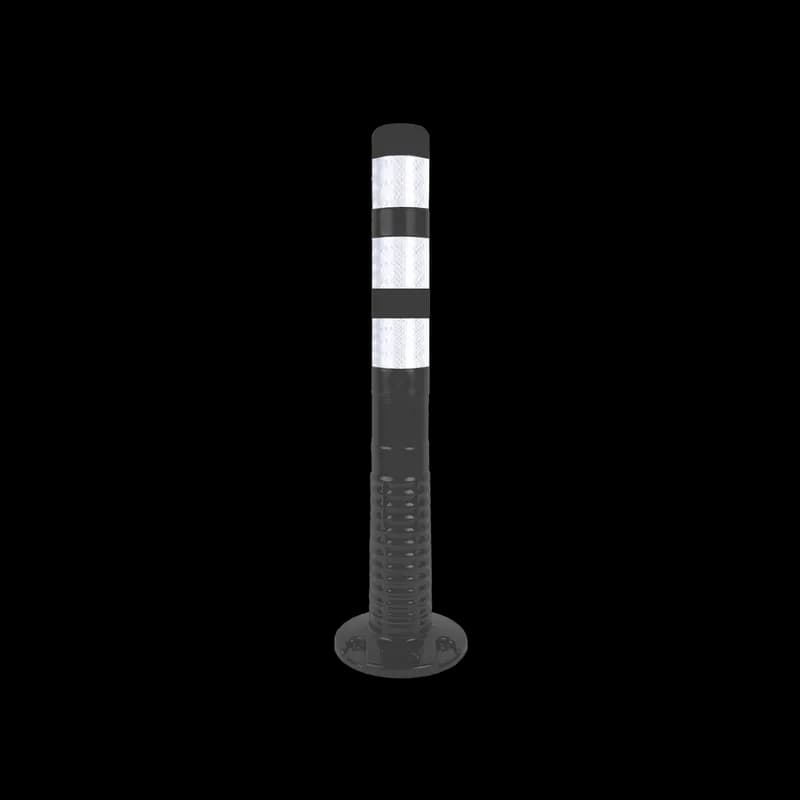
75 cm Siyah TPU Delinatör (Metalize)
TPU Delineators
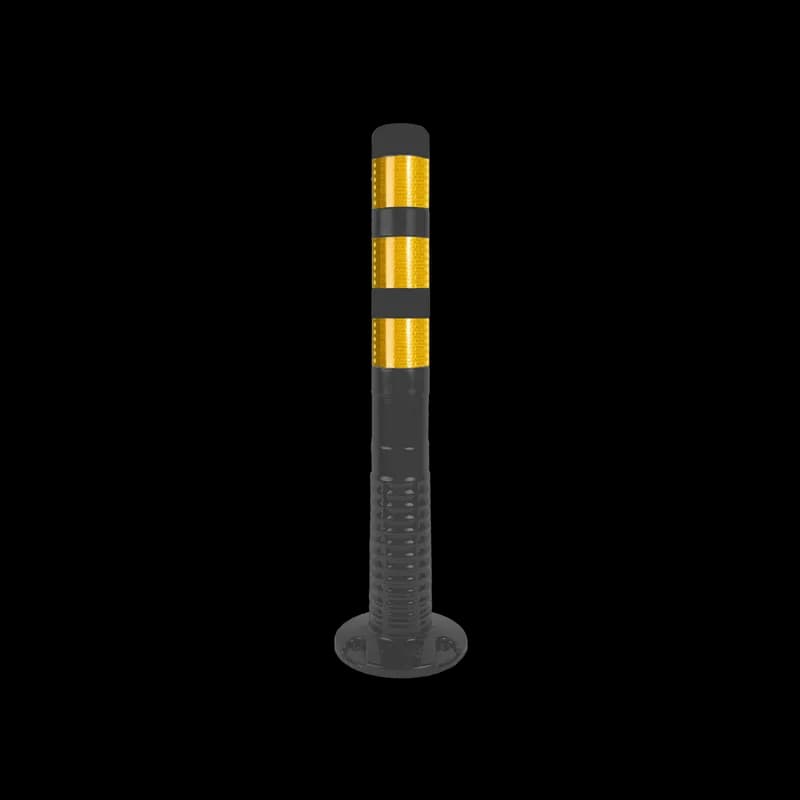
75 cm TPU Siyah Delinatör (Sarı Reflektif)
TPU Delineators
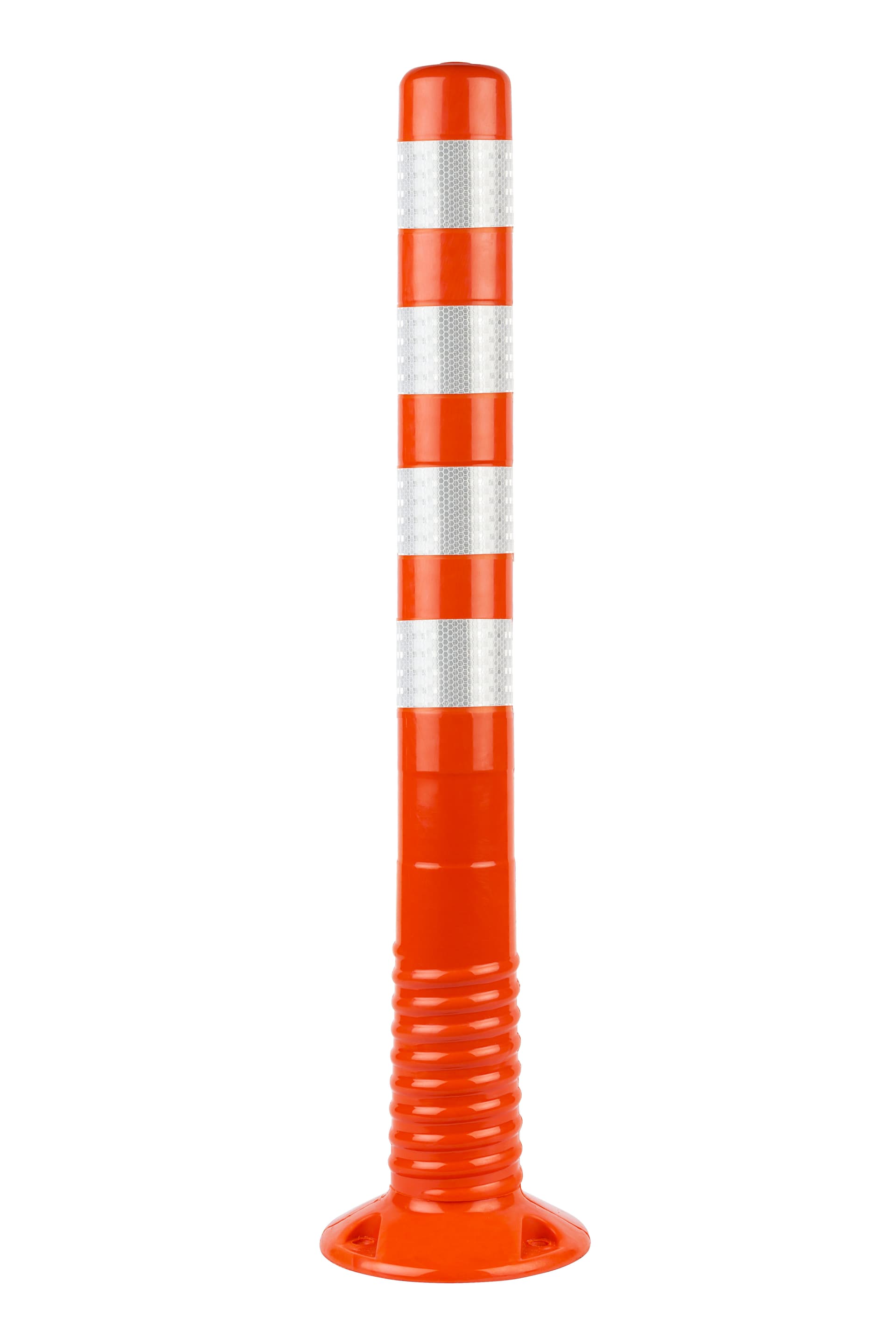
Delinatör 100 cm
Max Safety · TPU Delineators
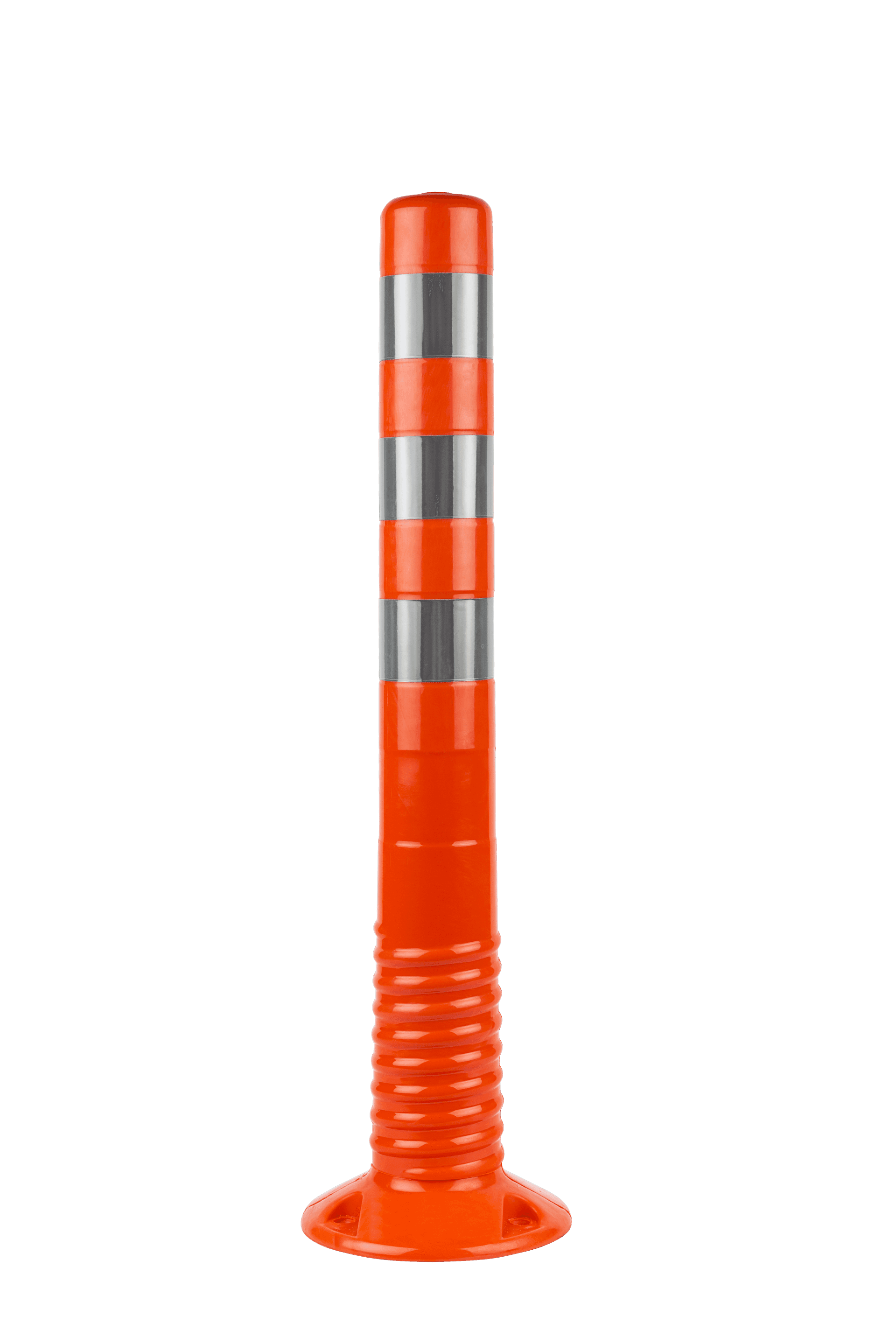
Eko Delinatör 75 cm
Max Safety · TPU Delineators
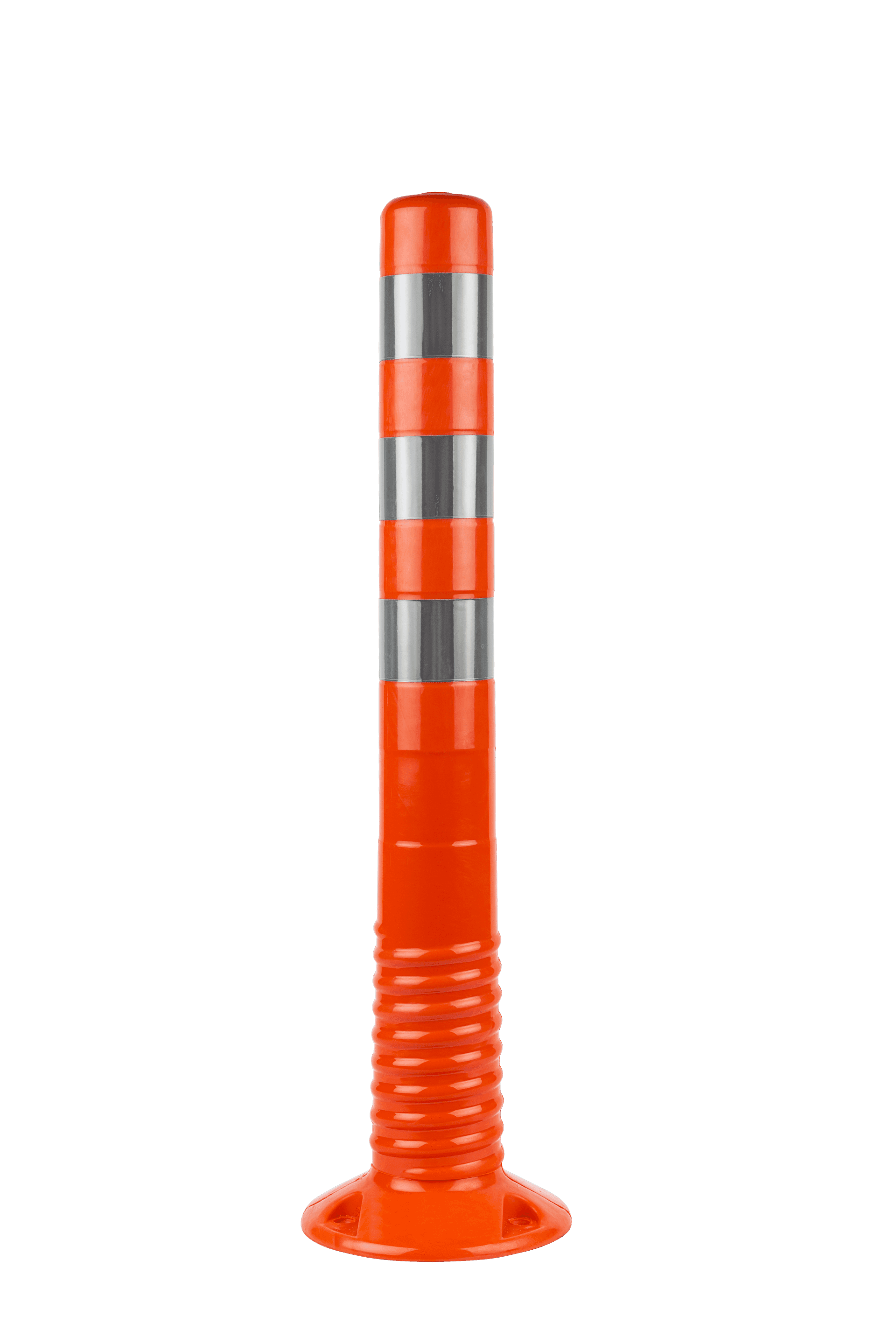
Maxsafety MS1 - 2501 Flexıble Delıneator
Max Safety · TPU Delineators
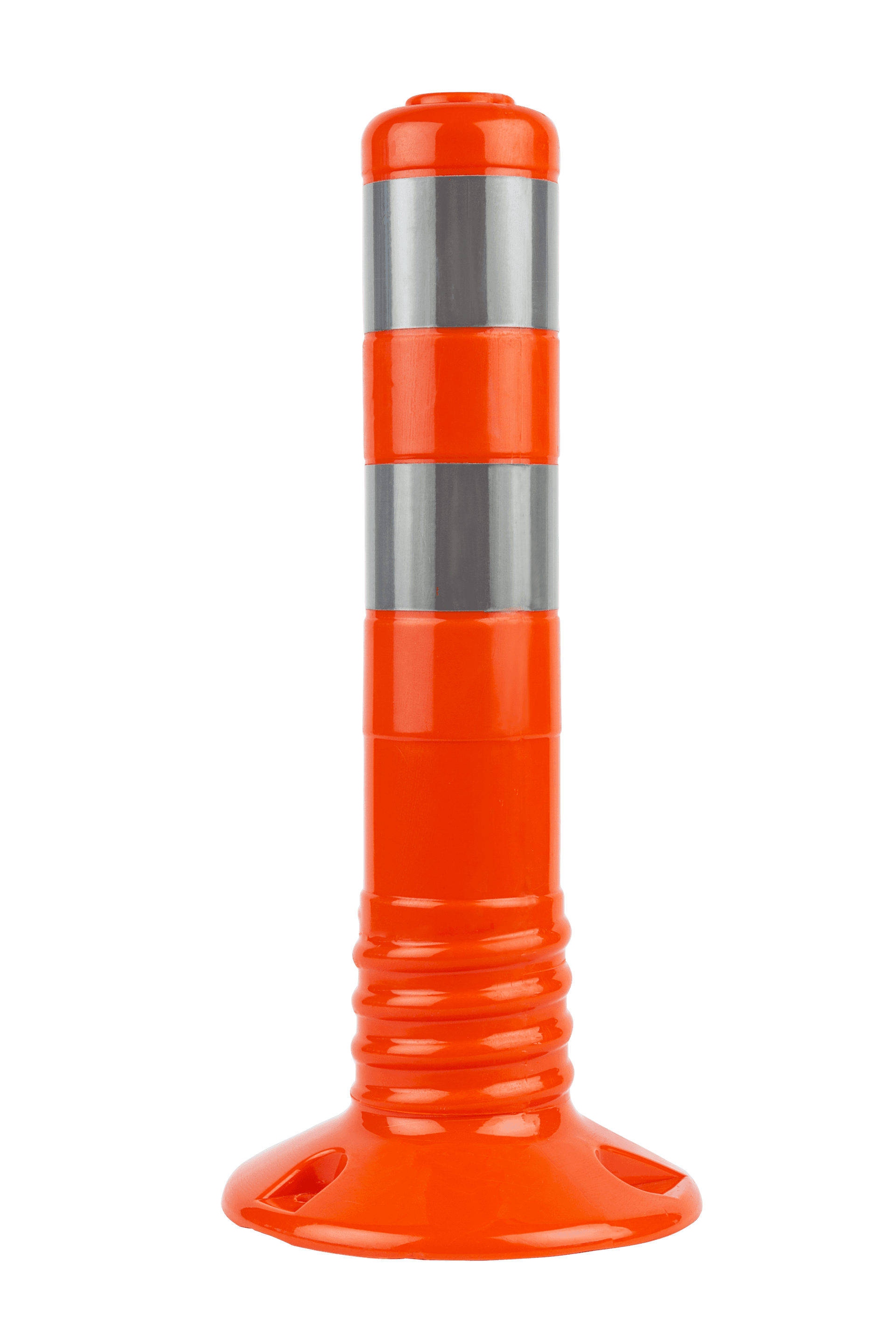
Maxsafety MS1 - 2502 Flexıble Delıneator
Max Safety · TPU Delineators
TPU Delinatör 100 cm
TPU Delineators

TPU Delinatör 30 cm
TPU Delineators
TPU Delinatör 45 cm (Ø 90)
TPU Delineators
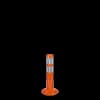
TPU Delinatör 45 cm
TPU Delineators
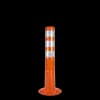
TPU Delinatör 75 cm (Ø 110)
TPU Delineators
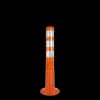
TPU Delinatör 75 cm (Ø 90)
TPU Delineators

TPU Delinatör 75 cm
TPU Delineators
What the TPU Body Changes
TPU (thermoplastic polyurethane) bodies differ from economy plastics on two points: they return to shape more completely after impact, and they keep their flexibility in cold weather. That removes the shattering and replacement cycle common to bodies that turn brittle in winter.
Diameter sets stiffness and visibility. Ø90 bodies are slim and economical; Ø110 bodies are more visible and more resistant. On height, 30 cm suits low separation, 45 cm car parks and service roads, 75 cm urban lane separation, and 100 cm locations that need visibility at distance.
- TPU delineator 30 cm — low-profile area separation
- TPU delineator 45 cm (including Ø90) — car parks and service roads
- TPU delineator 75 cm (Ø90 and Ø110) — urban lane separation
- TPU delineator 100 cm — lines needing visibility at distance
- Metallised and yellow reflective options; black body variants
Mounting and Use
TPU delineators are either anchored directly into the surface or mounted on a rubber base. Base mounting suits sites where the surface cannot be drilled or the layout changes often; anchored mounting suits permanent lines.
Main uses are lane separation, median edges, car park entry and exit lanes, toll approaches and routing inside construction sites. The height and colour of the reflective sleeve decide how the line reads at night.
Frequently Asked Questions
How do TPU and economy delineators differ?
TPU bodies return to shape more completely after impact and stay flexible in the cold, so they last longer on sites with frequent contact and hard winters. Economy delineators cost less and are enough on sheltered lines where contact is rare.
Ø90 or Ø110?
Ø90 bodies are slim and economical, suited to low-speed lines with infrequent contact. Ø110 bodies are more visible and more resistant, which is what live traffic and frequently struck positions need.
Which height should I choose?
30 cm for low area separation, 45 cm for car parks and service roads, 75 cm for urban lane separation and median edges, 100 cm where the line must be seen from a distance. The higher the speed, the taller the body.