Categories
Wood Varnish
Spray varnish lays a protective clear coat over paint or bare wood. In practice the difference between the two binders comes down to one thing: nitrocellulose varnish gives high gloss and dries fast, acrylic varnish does not yellow.
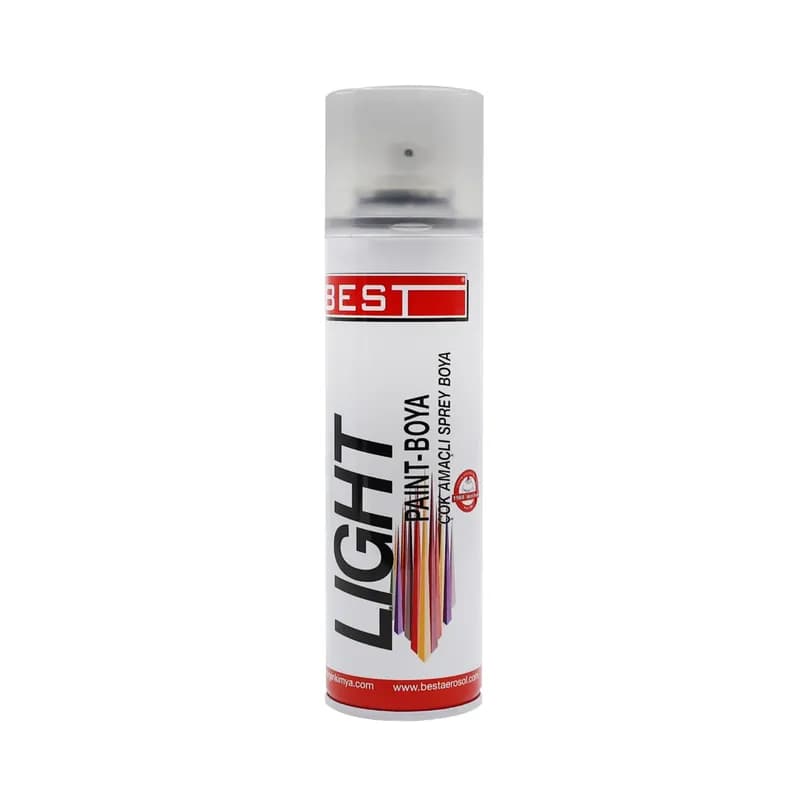
Best Light Spray Varnish 250 ml Clear
Best · Wood Varnish
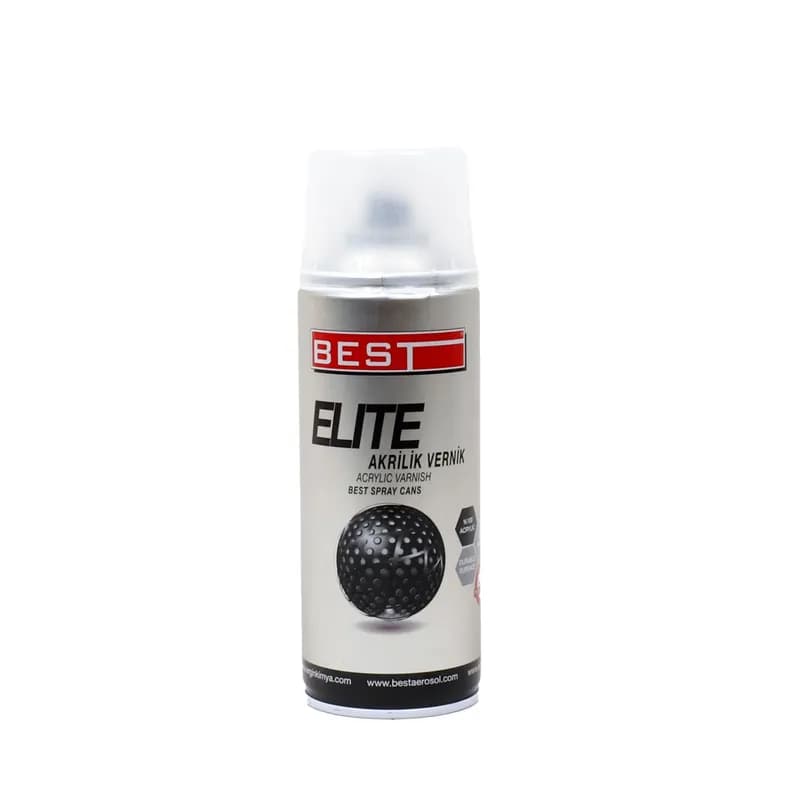
Best Elite Acrylic Spray Varnish 400 ml Clear
Best · Wood Varnish
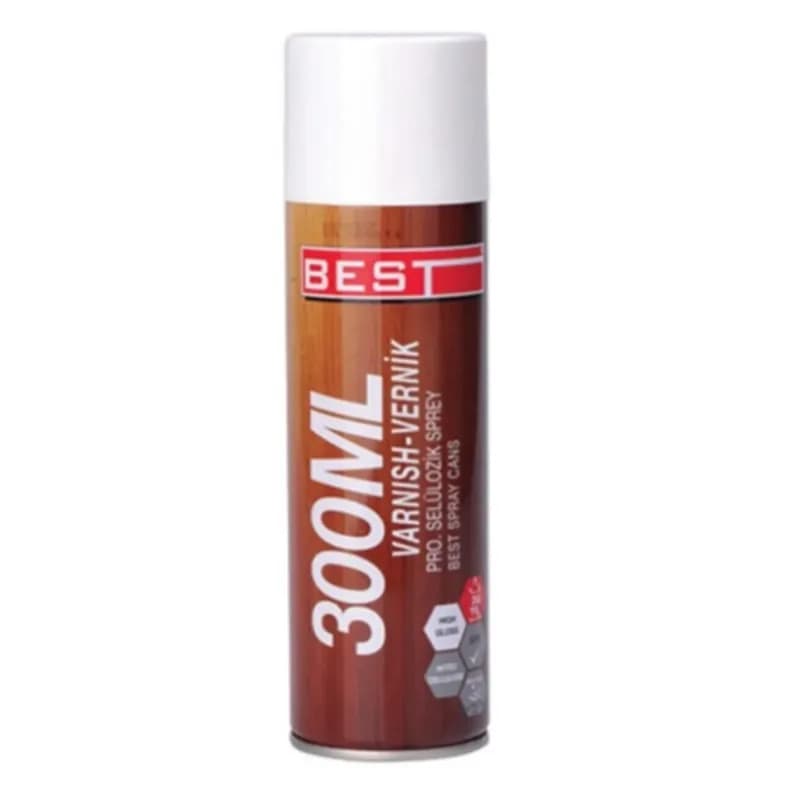
Best Spray Varnish 300 ml Walnut
Best · Wood Varnish
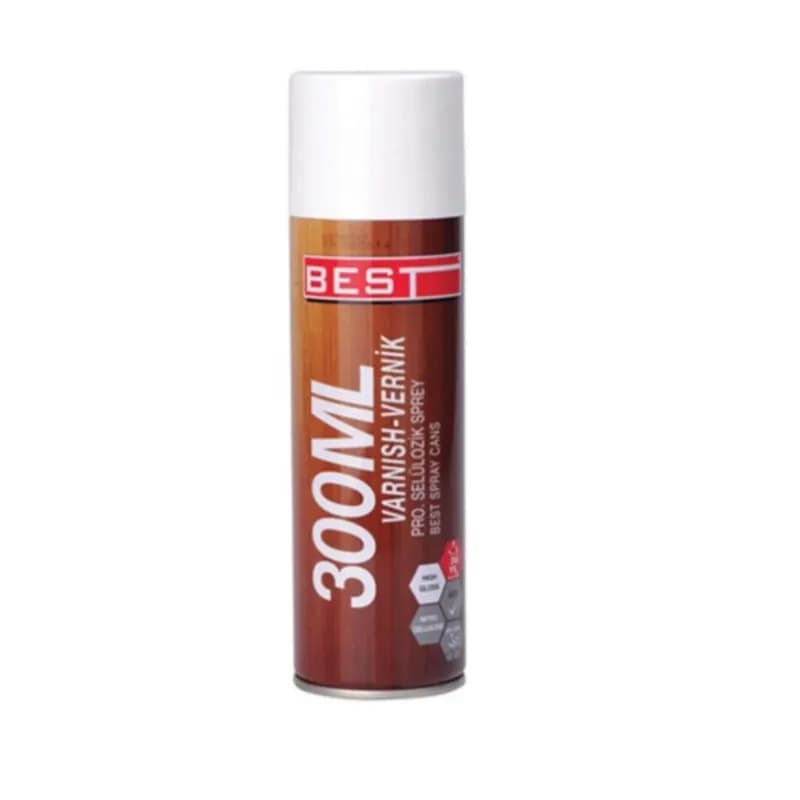
Best Spray Varnish 300 ml Matt
Best · Wood Varnish
Best Spray Varnish 300 ml Oak
Best · Wood Varnish
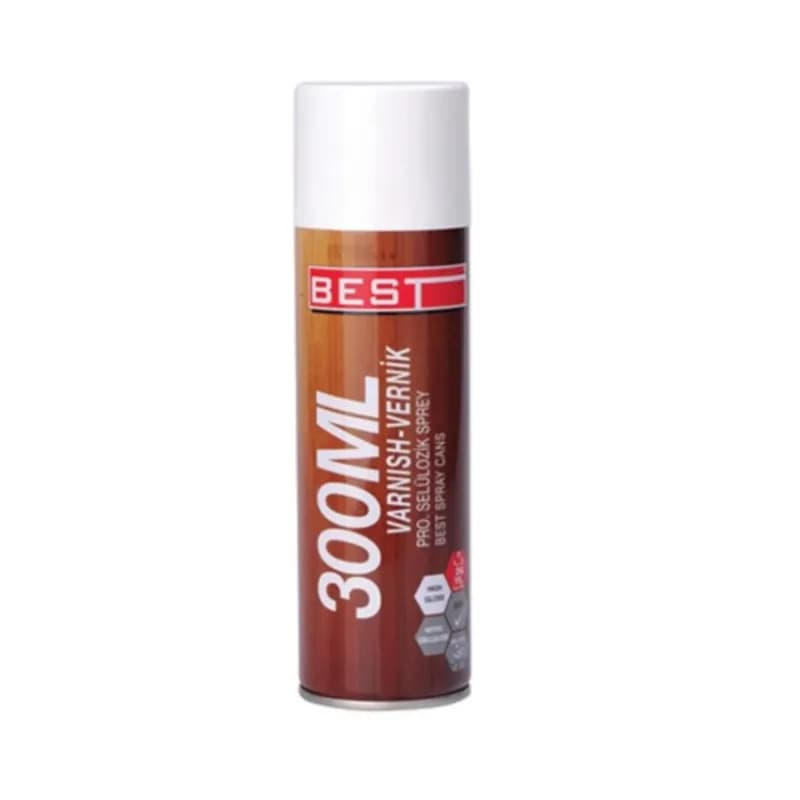
Best Spray Varnish 300 ml Clear
Best · Wood Varnish
The yellowing question
Nitrocellulose varnish takes on a slight yellow cast over time and under light. On dark timber that goes unnoticed, and is even wanted because it deepens the colour; on pale timber, over white paint and on metallic finishes it spoils the result.
That is what acrylic varnish (BEV-400) is for: it leaves a lasting, protective gloss, does not yellow and resists damp. It gives full performance on metal and dries in minutes.
Tinted versus clear
Walnut and oak varnishes both colour and protect: they change the tone of the wood without hiding the grain. The clear and matt versions are protection only.
The choice between matt and gloss is not only cosmetic: a matt surface shows scratches and fingerprints less, a gloss surface is easier to clean.
Frequently Asked Questions
Can varnish go over paint?
Yes, and it is worth doing on painted surfaces that stay outdoors. Apply it only once the paint has fully cured; varnish over uncured paint causes wrinkling.
Which finishes are available?
In the 300 ml range: walnut, oak, matt and clear; plus 250 ml Light clear and 400 ml Elite acrylic clear varnish.
Can it be used outdoors?
Nitrocellulose varnish is for interior and exterior use. On surfaces in constant sun and rain, non-yellowing acrylic varnish performs better and periodic renewal is needed.
How many coats?
Two to three thin coats with a short wait between them. One heavy coat runs, and the trapped solvent stretches the full cure into days.