Categories
Floor Marking Tape
Floor marking tapes separate walkways, work areas and storage zones on warehouse, factory and workshop floors. They are listed in 5 cm and 10 cm widths in yellow, red, white, green, navy and orange, plus yellow-black and red-white hazard patterns.
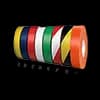
yer-isaretleme-bandi-beyaz-5-cm-mfk8200-d
Floor Marking Tape
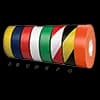
yer-isaretleme-bandi-kirmizi-10-cm-mfk8250-c
Floor Marking Tape
yer-isaretleme-bandi-kirmizi-5-cm-mfk8200-c
Floor Marking Tape
yer-isaretleme-bandi-kirmizi-beyaz-10-cm-mfk8250-f
Floor Marking Tape
yer-isaretleme-bandi-kirmizi-beyaz-5-cm-mfk8200-f
Floor Marking Tape
yer-isaretleme-bandi-lacivert-10-cm-mfk8250-b
Floor Marking Tape
yer-isaretleme-bandi-lacivert-5-cm-mfk8200-b
Floor Marking Tape
yer-isaretleme-bandi-sari-10-cm-mfk8250-a
Floor Marking Tape
yer-isaretleme-bandi-sari-5-cm-mfk8200-a
Floor Marking Tape
yer-isaretleme-bandi-sari-siyah-10-cm-mfk8250-g
Floor Marking Tape
yer-isaretleme-bandi-sari-siyah-5-cm-mfk8200-g
Floor Marking Tape
yer-isaretleme-bandi-turuncu-10-cm-mfk8250-h
Floor Marking Tape
yer-isaretleme-bandi-yesil-10-cm-mfk8250-e
Floor Marking Tape
yer-isaretleme-bandi-yesil-5-cm-mfk8200-e
Floor Marking Tape
Colour Coding and Width
On a floor, colour carries the meaning. Common practice uses yellow for walkways and general boundaries, white for machine and equipment positions, red for scrap and non-conforming material, green for finished goods and safe zones, navy for raw material and work in progress, and orange for material awaiting inspection. Yellow-black and red-white patterns mark hazards and areas needing caution.
Width follows what the line has to say: 5 cm suits rack, bench and equipment outlines, while 10 cm reads better on walkways, forklift routes and main aisles. Permanent lines are usually 10 cm, temporary layouts 5 cm.
- Yellow 5/10 cm — walkways and general area boundaries
- Red and red-white 5/10 cm — restricted zones and caution lines
- Yellow-black 5/10 cm — hazard and warning areas
- Green, navy, orange and white — stock, product and equipment zones
- 5 cm for equipment and rack outlines; 10 cm for aisles and forklift routes
5S and Floor Layout
Floor marking tape is the visible output of 5S and lean work: every item gets a defined place on the floor, walkways are separated from forklift routes, and the clear space in front of fire equipment and emergency exits is protected. Its advantage over painted lines is that it goes down within the same shift, with no drying time, and comes up again when the layout changes.
For adhesion life the floor must be clean, dry and dust-free, and the tape pressed down along its run. On heavy forklift routes, a wider tape and angled cuts at corners delay lifting at the edges.
Frequently Asked Questions
Which colour goes where on a warehouse floor?
Common practice: yellow for walkways and general boundaries, white for equipment and machine positions, red for restricted and scrap areas, green for finished goods and safe zones, navy for raw material, yellow-black for hazards. Keeping one scheme across the whole site is what makes the marking readable.
Tape or floor paint?
Tape is applied within the same shift, needs no drying time and can be lifted when the layout changes — which is why it wins on floors that get rearranged. Paint can last longer on extremely high-wear runs, but costs more to apply and to change.
How long does the tape last?
Life depends on floor type, cleaning method and traffic density. Tape applied to a clean, dry, dust-free floor and cut at an angle at corners lasts markedly longer; forklift turning points may need refreshing sooner.