Categories
Road Studs
Solar, glass-lens, metal, oval, reflective and classic road studs, along with 30 cm lane separator studs, are listed for wholesale supply. They keep lane separation, curve geometry and junction approaches visible at night.
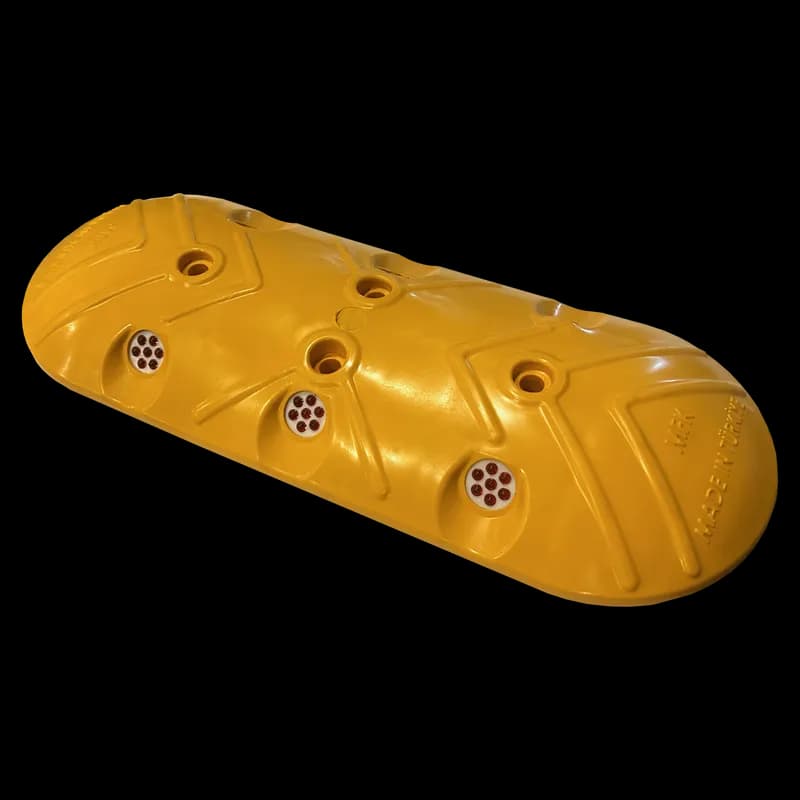
30 cm Yol Butonu
Road Studs
Cam Mercekli Yol Butonu
Road Studs
Klasik Yol Butonu
Road Studs
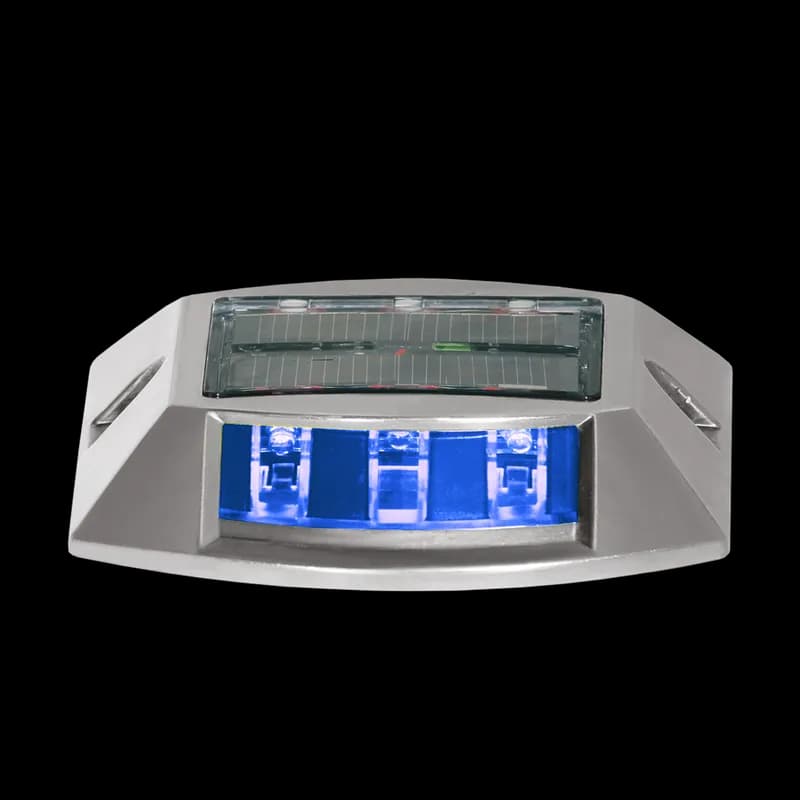
Mavi Solar Yol Butonu
Road Studs
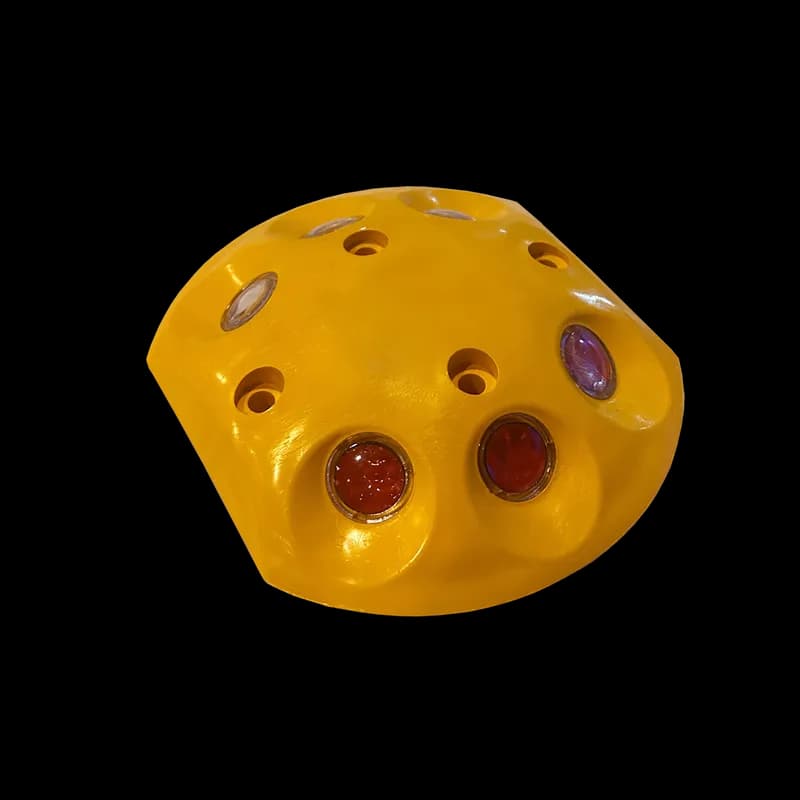
Mercekli Yol Butonu
Road Studs
Metal Yol Butonu
Road Studs

Oval Yol Butonu
Road Studs

Reflektifli Yol Butonu
Road Studs

Solar Yol Butonu Kırmızı
Road Studs
Solar Yol Butonu Kırmızı
Road Studs
Solar Yol Butonu Sarı
Road Studs
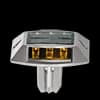
Solar Yol Butonu Sarı
Road Studs
Yol Butonu
Road Studs
Reflective, Glass-Lens and Solar Road Studs
Reflective and glass-lens studs need no power: they return light from vehicle headlights to make the line visible. A glass lens resists abrasion and surface scratching better than a plastic reflector, while metal-bodied studs suit locations with heavy vehicle traffic.
Solar road studs charge during the day and light their own LEDs at night. We stock red and yellow solar studs plus a blue version; active light is noticed earlier than a passive reflector in fog and rain. TS EN 1463 is the sector's reference standard for retroreflecting road studs.
- Classic and reflective plastic studs: lane separation and general line marking
- Glass-lens studs: high abrasion resistance, long-lived optics
- Metal-bodied studs: heavy vehicles and high-traffic crossings
- Solar studs (red, yellow, blue): active warning with no power feed
- 30 cm lane separators and oval models: long runs and wider marking surfaces
Installation and Applications
Road studs are bonded or anchored to asphalt and concrete; on routes that are snow-ploughed, low-profile bodies are preferred. Typical uses are curve lines, median edges, crossing approaches, car park lane separation and marking routes inside facilities.
Colour carries meaning: yellow generally marks separation and warning, red marks wrong-way and stop positions, blue marks hydrants and special areas. Our sales team can help match type and quantity to your layout.
Frequently Asked Questions
What is the difference between solar and reflective road studs?
A reflective stud is passive — it only returns light when headlights fall on it. A solar stud charges by day and lights its own LEDs at night, so it does not depend on headlight angle and is noticed earlier on bends and in fog or rain. Solar models need no cabling or mains supply.
Why choose a glass-lens stud?
A glass lens resists abrasion, dulling from sand and dust, and scratching better than a plastic reflector, so it holds its optical performance longer on heavily trafficked routes.
How are road studs installed?
They are bonded to the surface with adhesive or fixed with anchors into asphalt or concrete. A clean, dry surface directly affects bond life, and low-profile bodies are preferred on roads that are snow-ploughed.
Which colour goes where?
Yellow is generally used for lane separation and warning, red for wrong-way and stop positions, white for lane lines, and blue for hydrants and special areas. On public roads, colour selection should follow the marking rules of the responsible authority.