Categories
Round Signs
Round signs carry prohibitions and mandatory instructions: speed limits of 10, 20, 30, 50 and 60 km/h, stop, no parking, no through road, compulsory direction right and left, and keep right or left, in single and double sided versions.

Azami Hız Tabelası 10 km Tek Taraflı
Round Signs
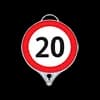
Azami Hız Tabelası 20 km Tek Taraflı
Round Signs
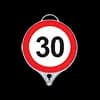
Azami Hız Tabelası 30 km Tek Taraflı
Round Signs
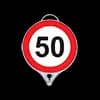
Azami Hız Tabelası 50 km Tek Taraflı
Round Signs
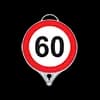
Azami Hız Tabelası 60 km Tek Taraflı
Round Signs

Dur Tabelası Tek Taraflı
Round Signs

Girişi Olmayan Yol Tek Taraflı
Round Signs

Park Yapılmaz Tabelası Çift Taraflı
Round Signs

Sağa Mecburi Yön Tabelası Çift Taraflı
Round Signs

Sağdan Gidiniz Tabelası Tek Taraflı
Round Signs

Sola Mecburi Yön Tabelası Çift Taraflı
Round Signs

Soldan Gidiniz Tabelası Tek Taraflı
Round Signs
Trafik Uyarı Tabelası Dikdörtgen Beyaz 35x41 cm
Round Signs
Trafik Uyarı Tabelası Yuvarlak Beyaz 28x39 cm
Round Signs

Yuvarlak Tabela
Round Signs
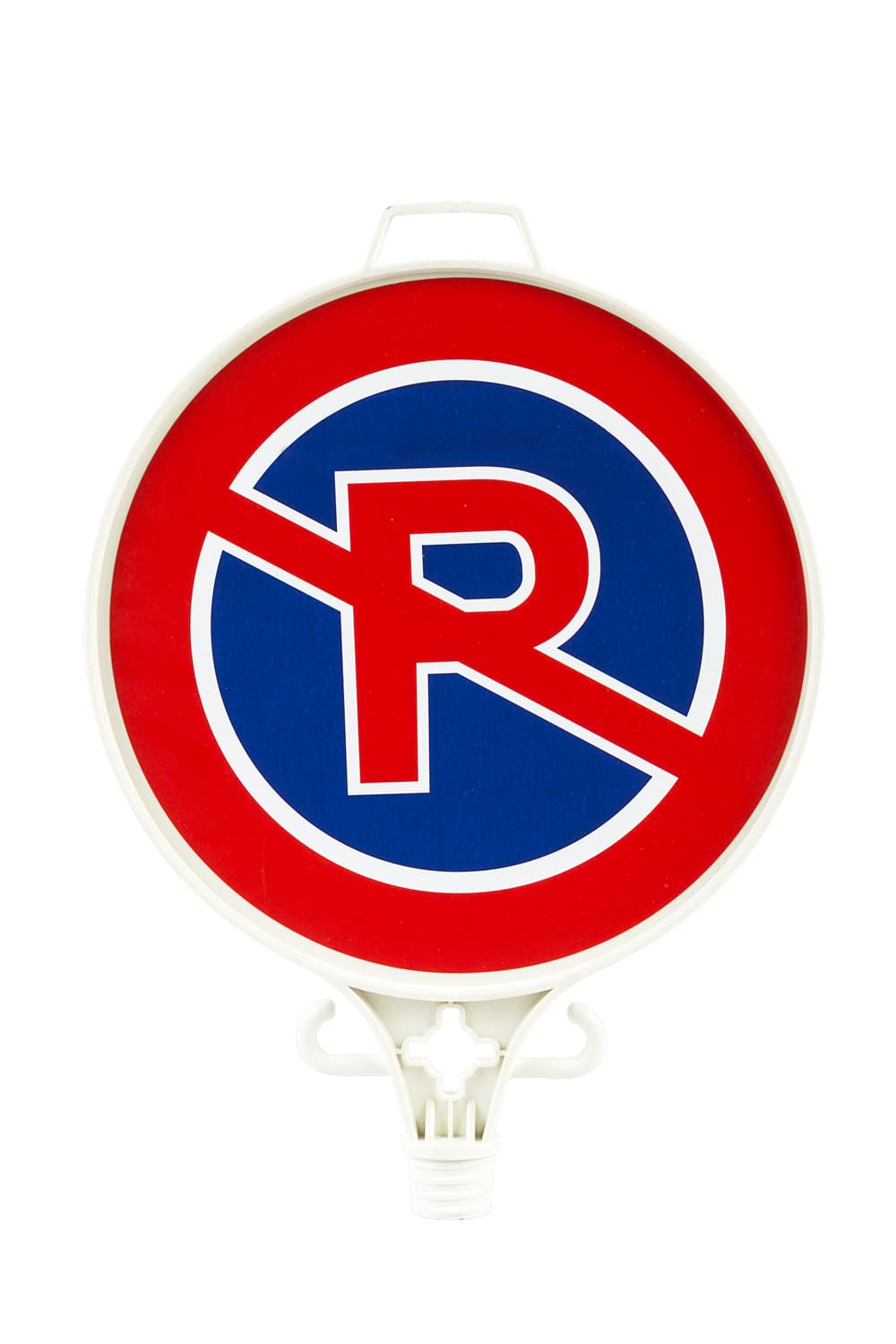
Yuvarlak Trafik Uyarı Levhası 280 mm
Max Safety · Round Signs
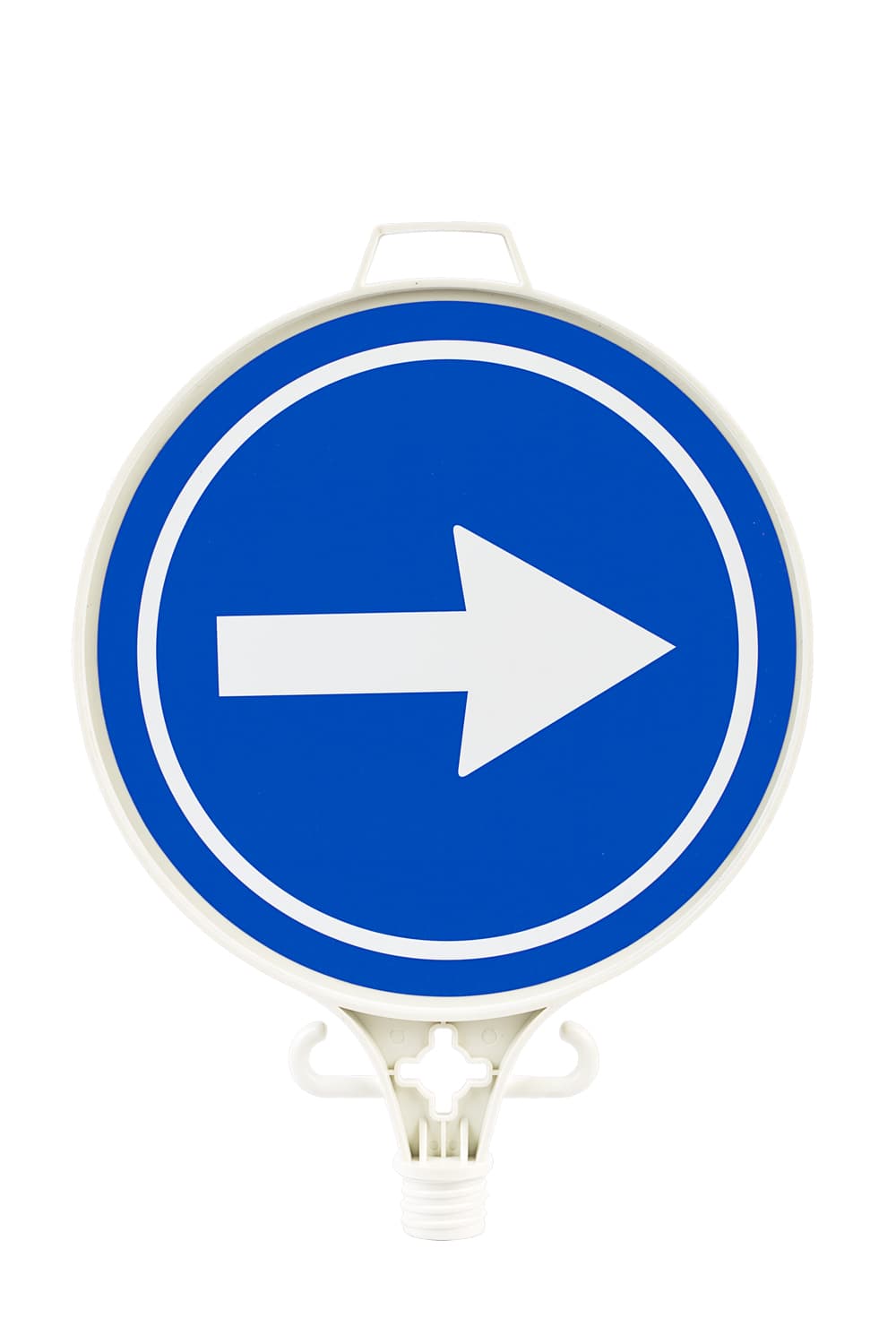
Yuvarlak Trafik Uyarı Levhası 280 mm
Max Safety · Round Signs
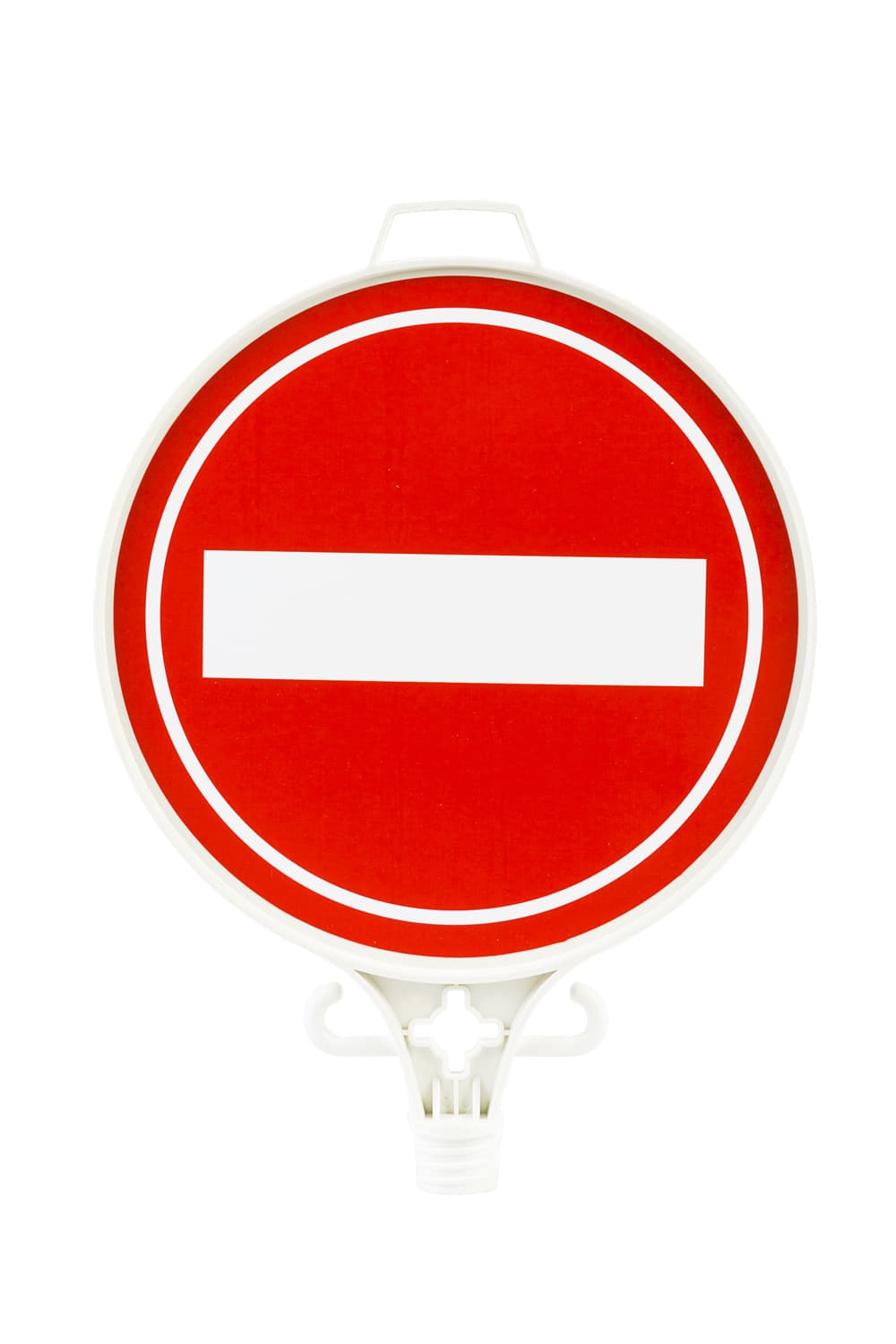
Yuvarlak Trafik Uyarı Levhası 280 mm
Max Safety · Round Signs
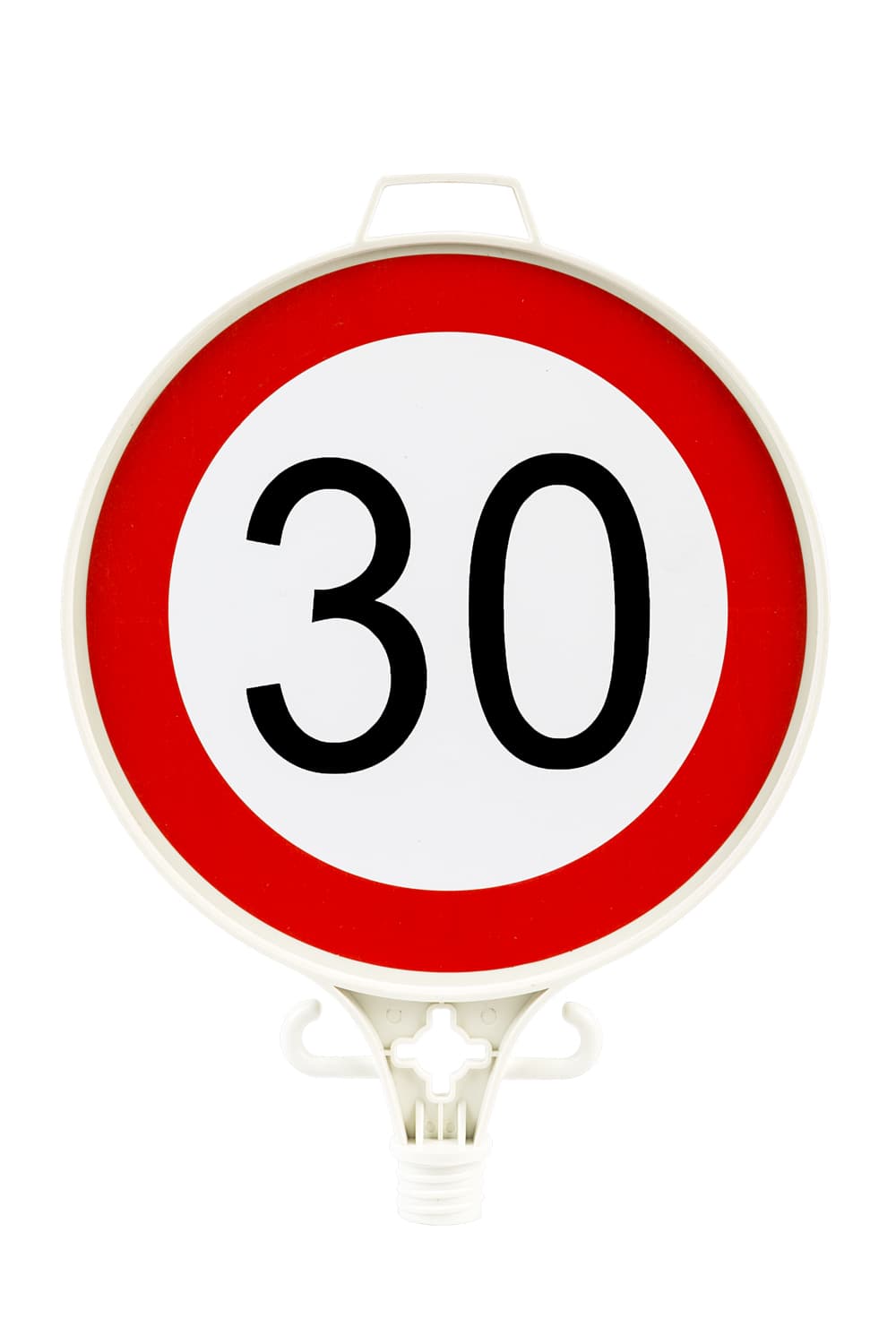
Yuvarlak Trafik Uyarı Levhası 280 mm
Max Safety · Round Signs
Speed Limit and Prohibition Signs
Speed limit faces are the most-used content on private roads, car parks, factory and logistics yards and campuses. We list 10, 20, 30, 50 and 60 km/h: 10-20 km/h is common inside yards, 30 km/h on service roads, and 50-60 km/h on wide internal routes.
Stop, no parking and no through road signs make access control visible. At facility gates in particular, a stop sign planned together with a wheel stop, speed bump and lockable bollard turns a rule into a physically managed flow.
- Speed limit 10 / 20 / 30 / 50 / 60 km/h — single sided
- Stop and no through road — gate control and junction approaches
- No parking — double sided, car park and fire lane order
- Compulsory direction right and left — double sided routing
- Keep right and keep left — one-way flow layouts
Traffic Order Inside Facilities
A sign alone rarely holds inside a factory, warehouse or car park. Pair the speed limit with a speed bump, the compulsory direction sign with a delineator line, the no parking sign with a wheel stop or lockable bollard, and the rule is both stated and physically supported.
Where the sign has to be read at night or in poor visibility, solar LED signs are the answer; for permanent, daytime-dominant use, standard reflective-faced signs are sufficient. TS EN 12899-1 is the reference standard for fixed vertical signs.
Frequently Asked Questions
Which speed limit sign suits a factory yard?
Where pedestrians and vehicles mix inside the yard, 10-20 km/h is common; 30 km/h on separated service roads; 50-60 km/h on wide, separated internal routes. Backing the sign with a physical measure such as a speed bump or wheel stop is what makes it effective.
What is the difference between round and triangular signs?
Round signs carry prohibitions and mandatory instructions (stop, no parking, compulsory direction, speed limit). Triangular signs warn of a hazard ahead (speed bump, lane narrowing, works). Rectangular signs give information. On public roads the choice follows the marking rules.
When do I need a double sided sign?
Wherever the sign has to be read from both directions: two-way roads with signs on feet, islands and medians inside car parks, facility gates used in both directions. Where approach is from one side only, single sided is enough.