Categories
Zinc & Galvanising Spray
Galvanising protects steel with a layer of zinc. Welding, cutting and drilling burn that layer away; the protection ends at that spot and rust starts there. Zinc and zinc-aluminium sprays re-coat the bare area, restoring both the protection and the appearance of the coating around it.
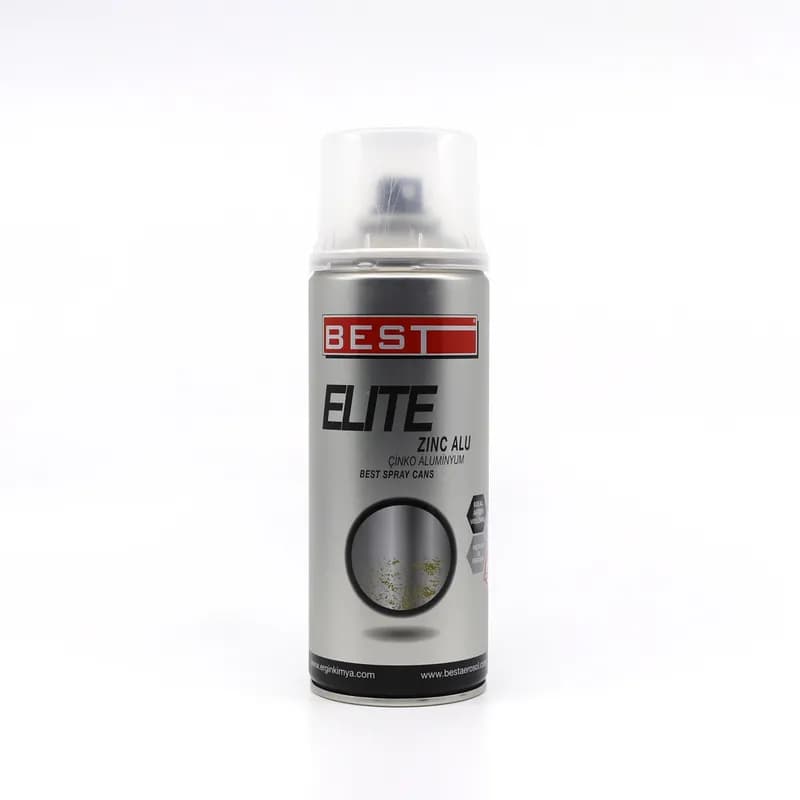
Best Elite Zinc Aluminium Spray Paint 400 ml
Best · Zinc & Galvanising Spray
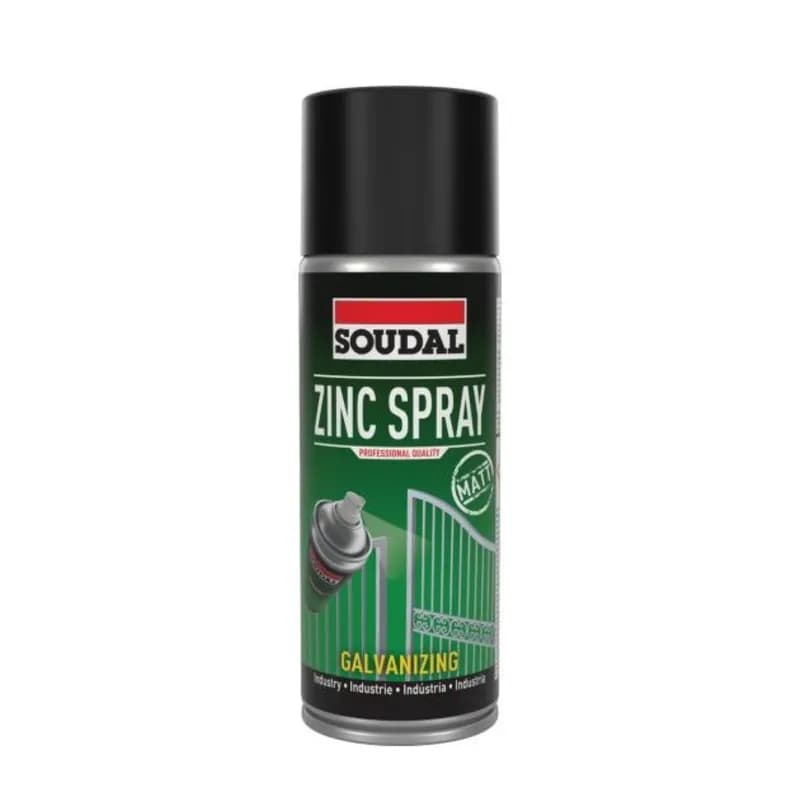
Soudal Zinc Aluminium Spray Paint 400 ml
Soudal · Zinc & Galvanising Spray
How cold galvanising works
Hot dip galvanising coats steel by immersing it in molten zinc, which cannot be repeated on site. A sprayed zinc-rich coating works on the same electrochemical principle: zinc is more active than steel, so it corrodes first and protects the steel beneath it.
What matters, then, is not thickness but continuity and a clean substrate. Zinc spray laid over rust, oil or slag cannot make contact and cannot give cathodic protection.
Where it is used
Post-weld repair on galvanised railings, roof structures, greenhouse and barn profiles, cable trays, posts and site fabrications; and sealing the cut ends of tube and profile.
The second use is cosmetic: matching the grey of the surrounding coating so the fabrication reads as one piece.
Frequently Asked Questions
Does it replace hot dip galvanising?
Not in service life; it is made for repair in the field. The point is to bring a local area opened by welding or cutting back under protection, not to galvanise a whole part.
What preparation does it need?
The surface must be free of rust, slag, oil and moisture. Wire brush the weld slag off; wipe an oily surface with solvent or degreaser.
Can it be painted over?
Yes. A topcoat can go over the zinc coating after a suitable primer; RAL-system acrylic spray paint suits the job.
What is the difference between zinc and zinc-aluminium?
The aluminium content gives a lighter, brighter grey and matches zinc-aluminium coated (galvalume type) surfaces better. The protective principle is the same.