Categories
Abrasive Mops & Flap Wheels
An abrasive mop is a rotating tool made from slit abrasive or non-woven leaves set around a hub. It works where a flat disc cannot bear, and a fresh leaf comes through as the face wears. This page lists shank mounted, flanged and slotted bodies in non-woven and combi forms.
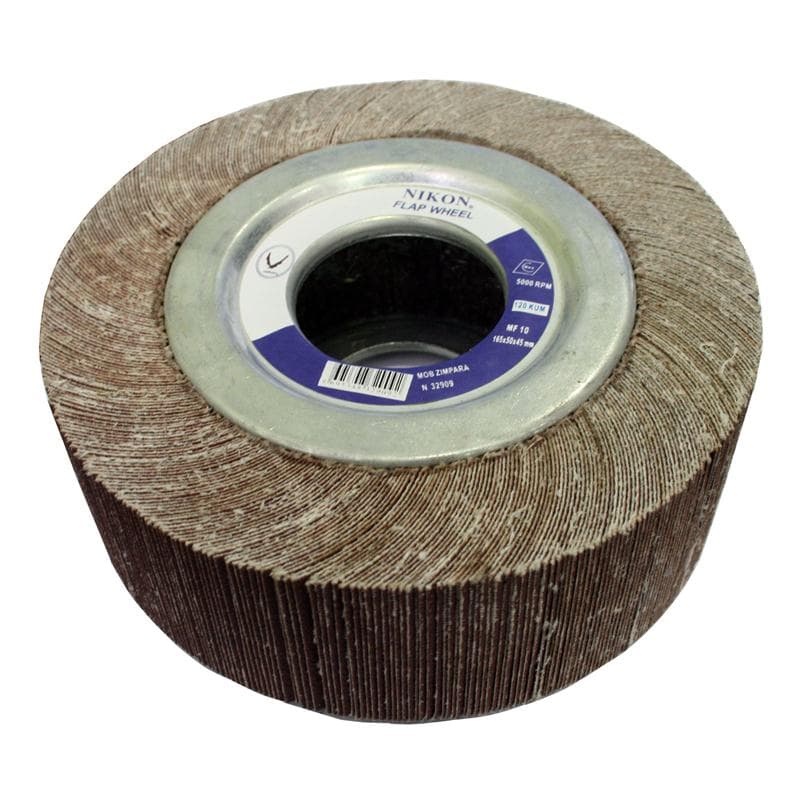
Nikon Flanged Mop Wheel 300x35x45 mm 100 Grit
Nikon · Abrasive Mops & Flap Wheels
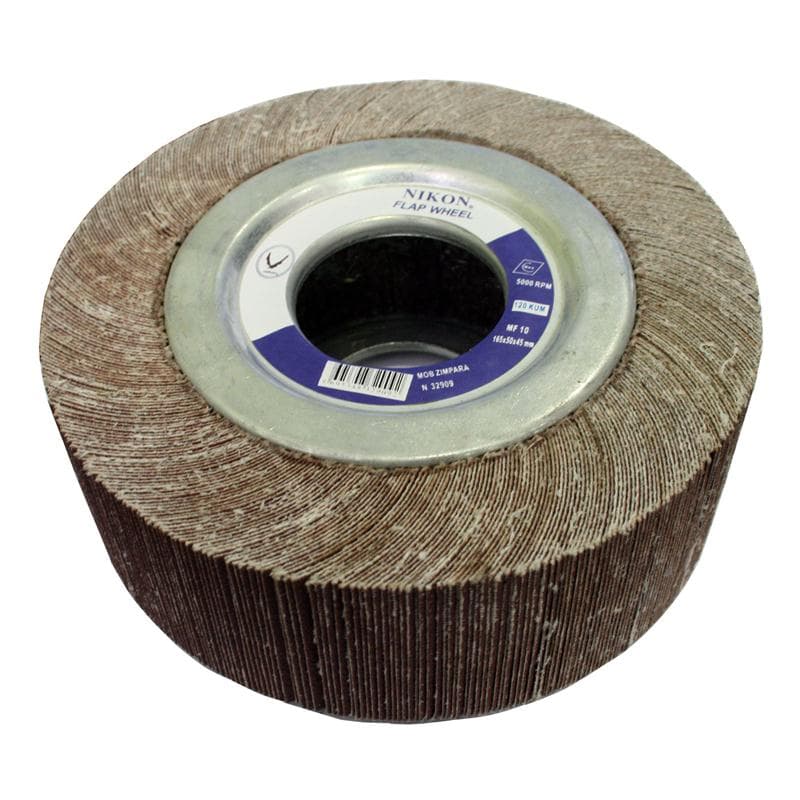
Nikon Flanged Mop Wheel 165x50x45 mm 100 Grit
Nikon · Abrasive Mops & Flap Wheels
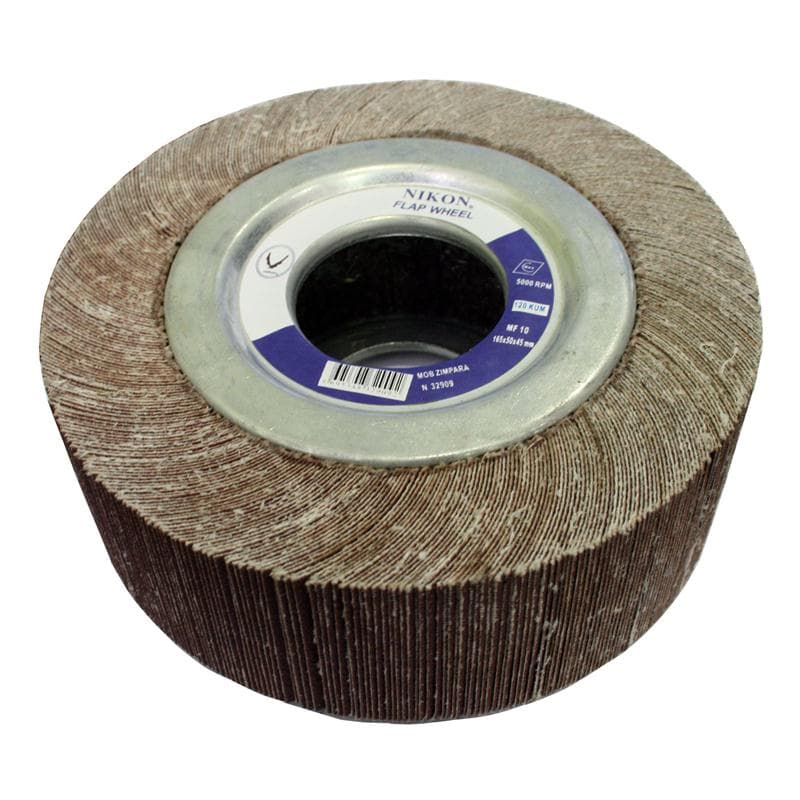
Nikon Flanged Mop Wheel 165x50x45 mm 120 Grit
Nikon · Abrasive Mops & Flap Wheels
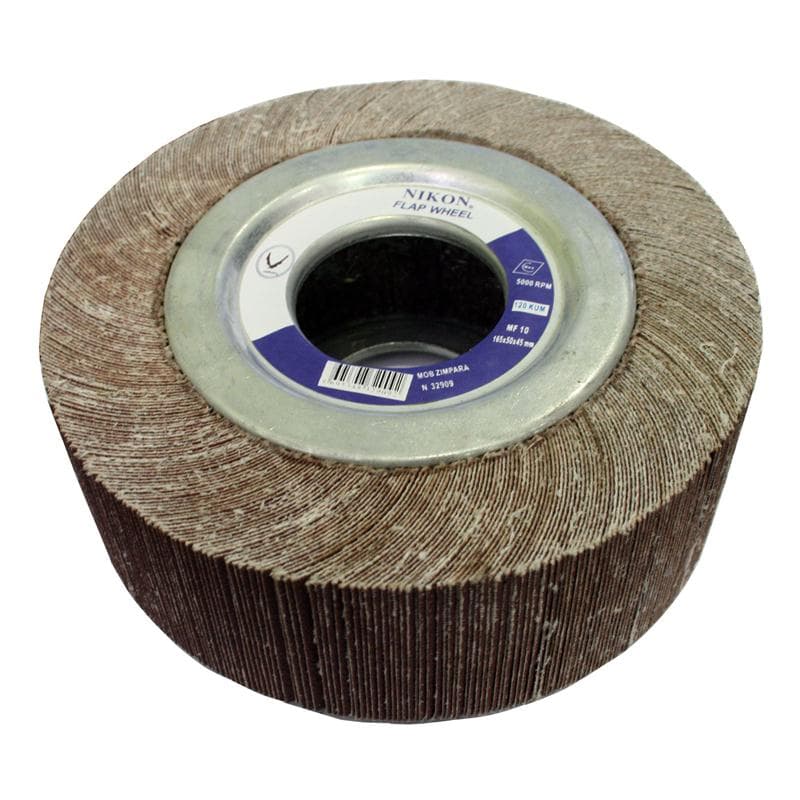
Nikon Flanged Mop Wheel 165x50x45 mm 150 Grit
Nikon · Abrasive Mops & Flap Wheels
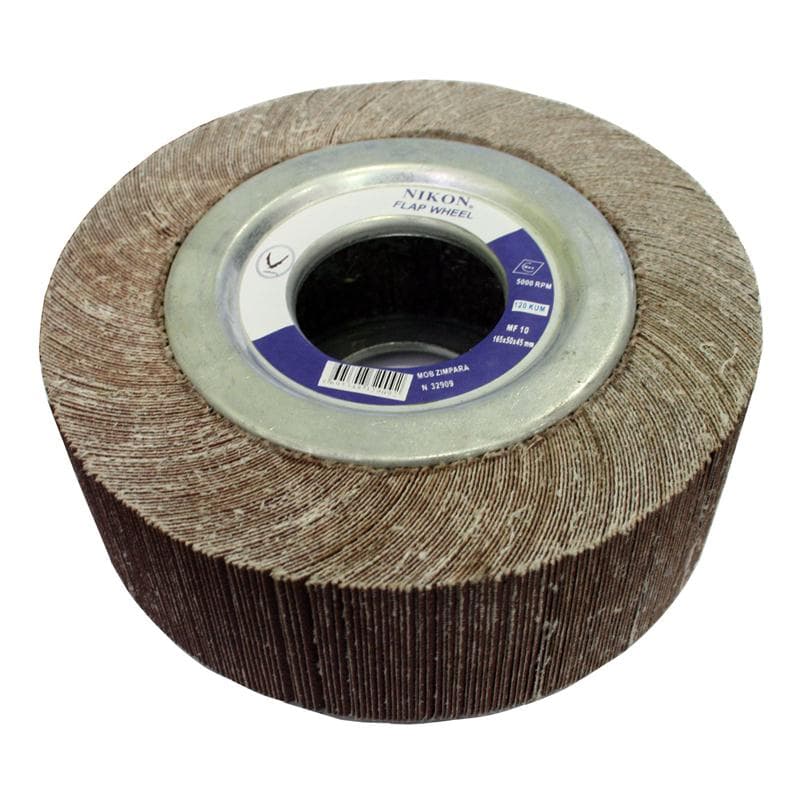
Nikon Flanged Mop Wheel 165 x 50 x 25 mm 240 Grit
Nikon · Abrasive Mops & Flap Wheels
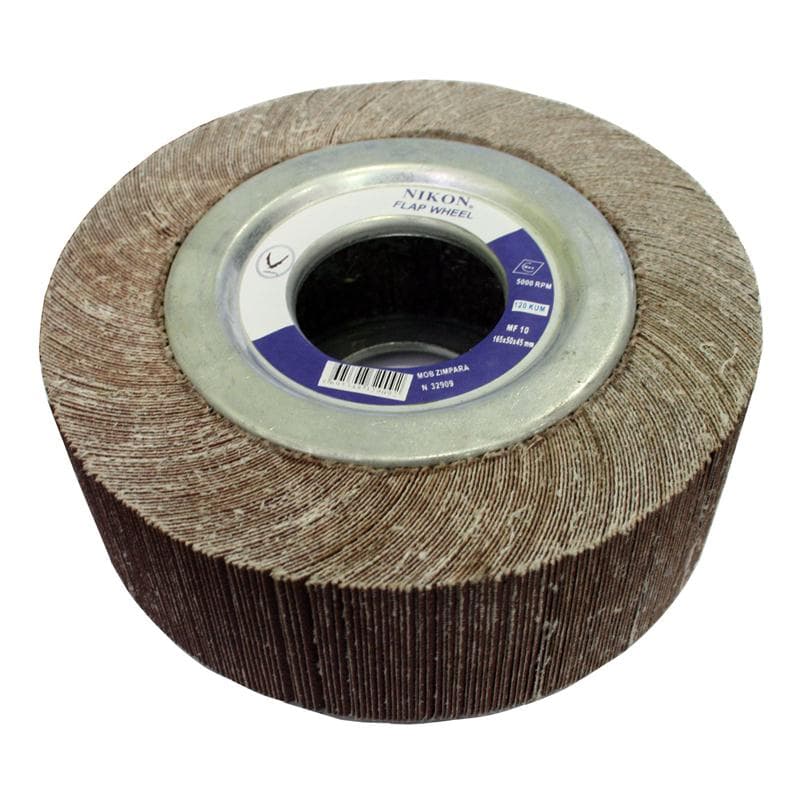
Nikon Flanged Mop Wheel 165 x 50 x 25 mm 320 Grit
Nikon · Abrasive Mops & Flap Wheels
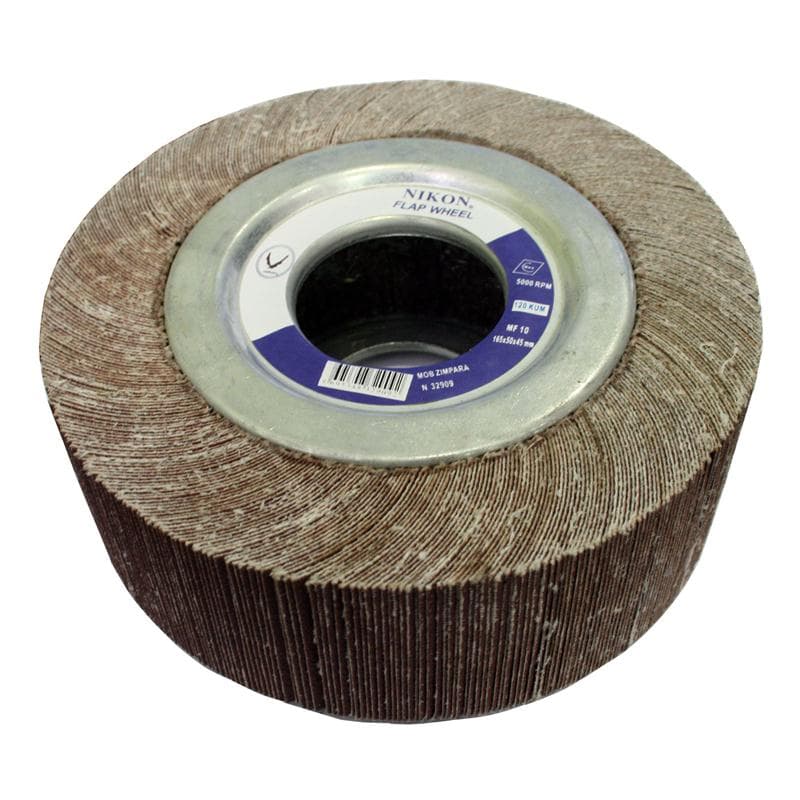
Nikon Flanged Mop Wheel 165 x 50 x 25 mm 400 Grit
Nikon · Abrasive Mops & Flap Wheels
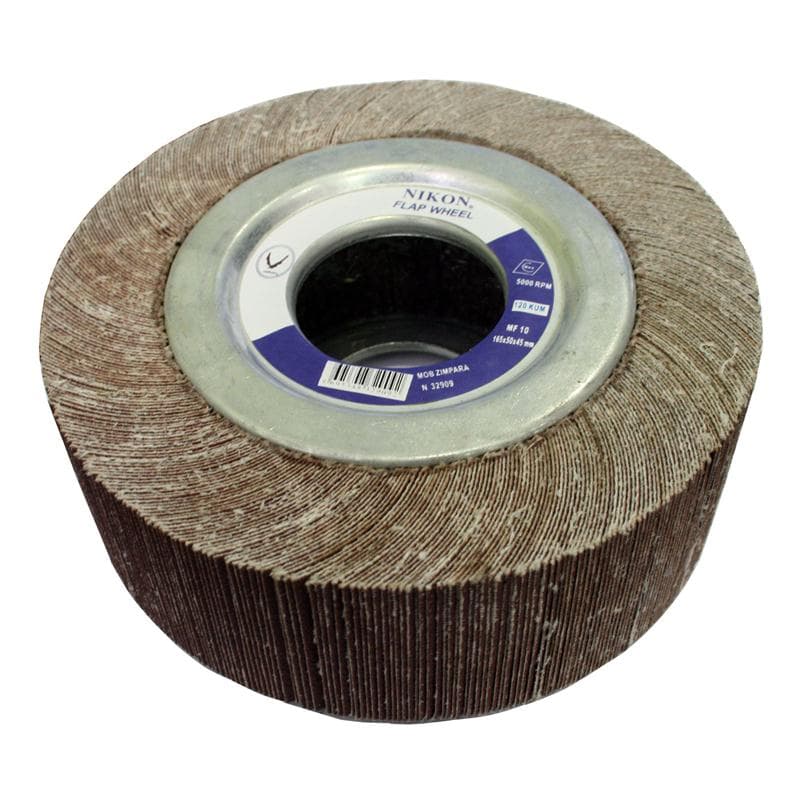
Nikon Flanged Mop Wheel 165x50x45 mm 60 Grit
Nikon · Abrasive Mops & Flap Wheels
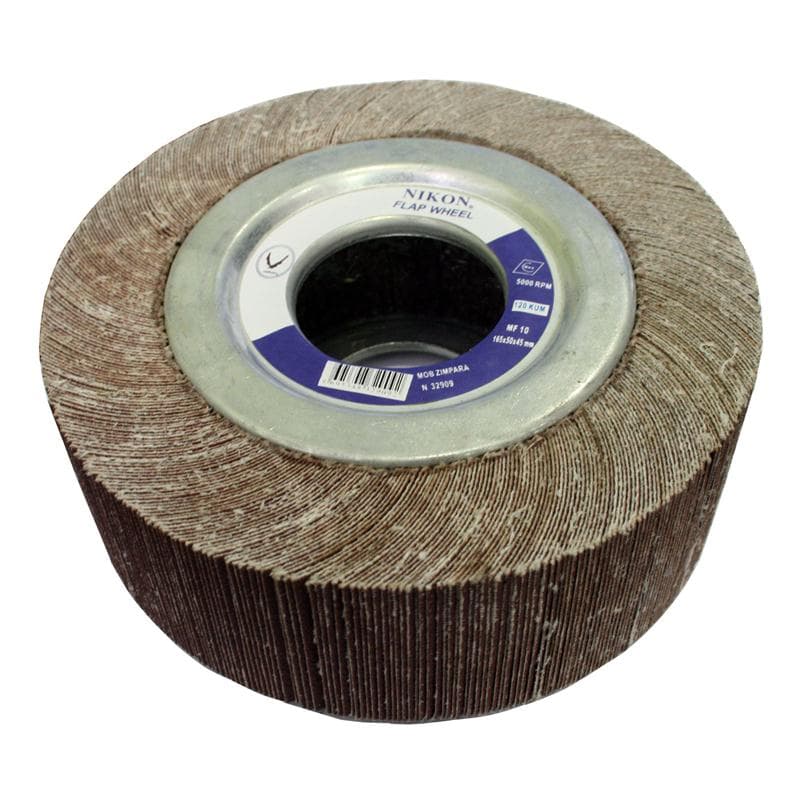
Nikon Flanged Mop Wheel 250x30x45 mm 80 Grit
Nikon · Abrasive Mops & Flap Wheels
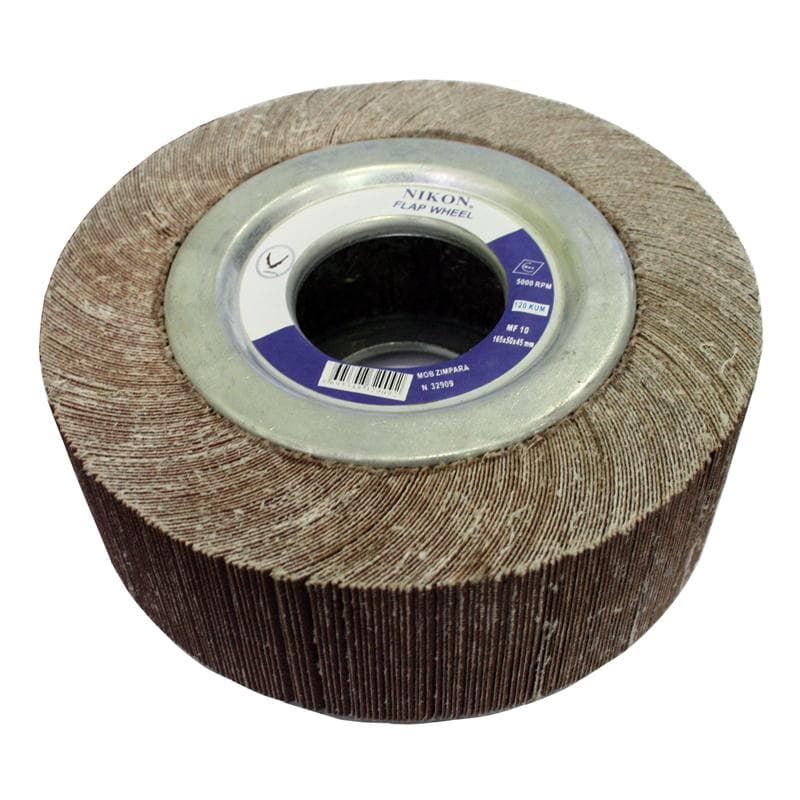
Nikon Flanged Mop Wheel 165x50x45 mm 80 Grit
Nikon · Abrasive Mops & Flap Wheels
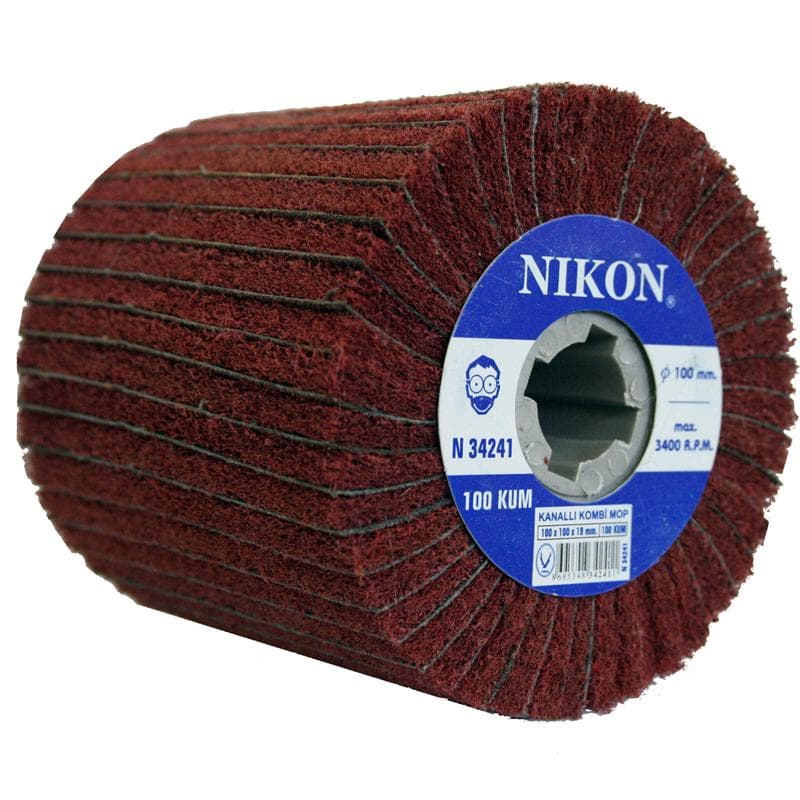
Nikon Combi Slotted Non-Woven Mop Wheel ø100 x 100 x ø19 mm 100 Grit
Nikon · Abrasive Mops & Flap Wheels
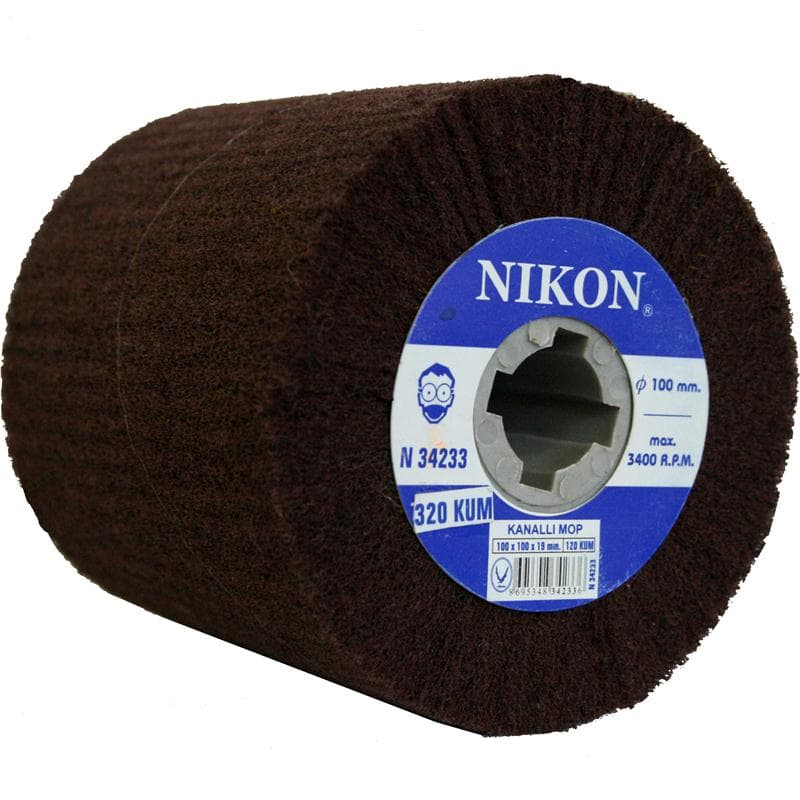
Nikon Slotted Non-Woven Mop Wheel ø100 x 100 x ø19 mm 120 Grit
Nikon · Abrasive Mops & Flap Wheels
Nikon Slotted Non-Woven Mop Wheel ø100 x 100 x ø19 mm 320 Grit
Nikon · Abrasive Mops & Flap Wheels
Nikon Slotted Non-Woven Mop Wheel ø100 x 100 x ø19 mm 400 Grit
Nikon · Abrasive Mops & Flap Wheels
Nikon Slotted Non-Woven Mop Wheel ø100 x 100 x ø19 mm 80 Grit
Nikon · Abrasive Mops & Flap Wheels
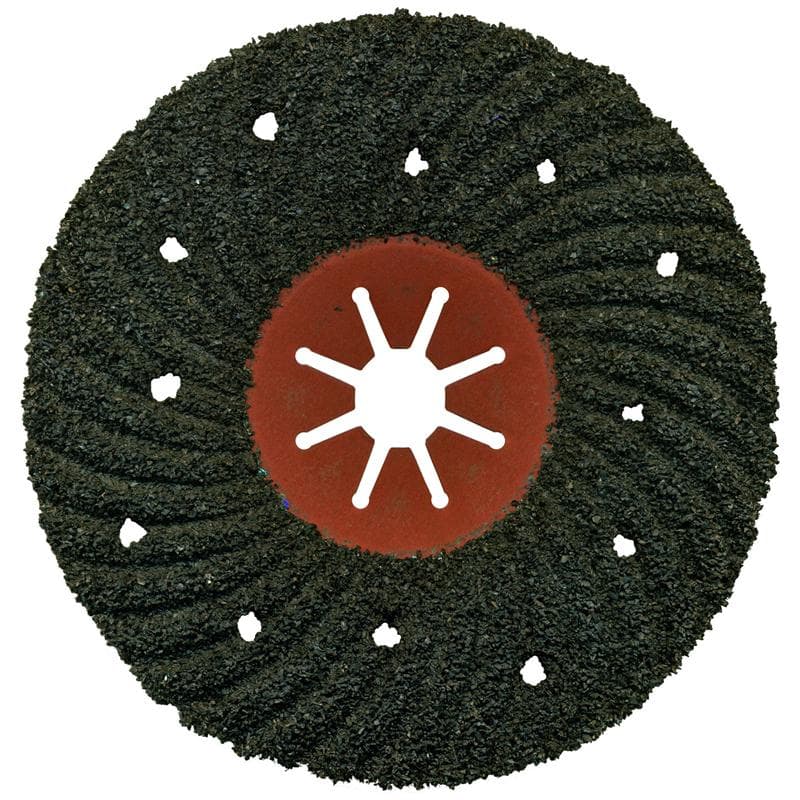
Nikon Super Flex Slotted Flex Wheel 115 x 22 - 8 Delik mm 120 Grit
Nikon · Abrasive Mops & Flap Wheels
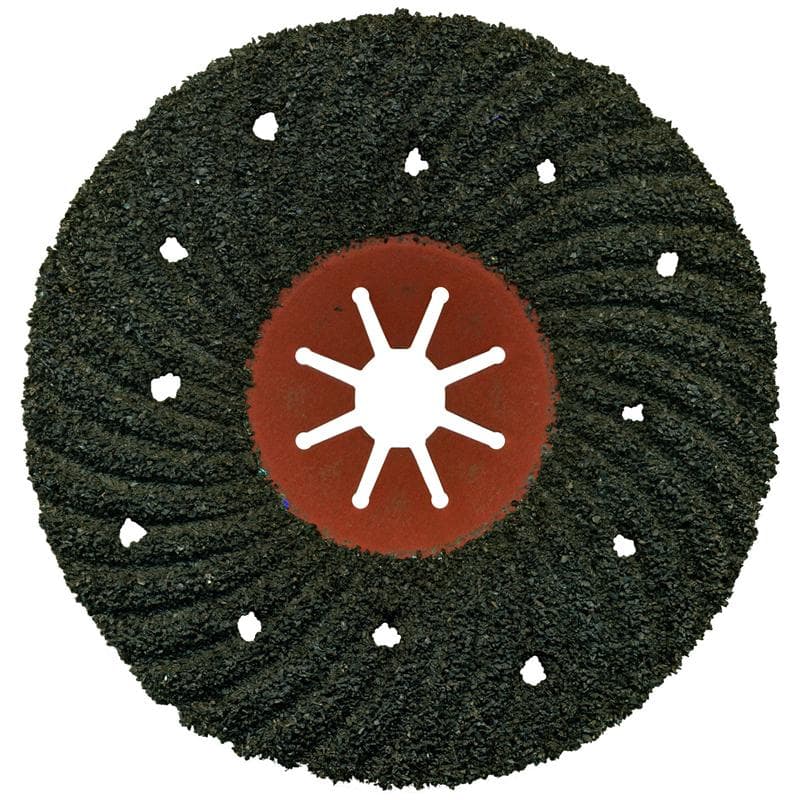
Nikon Super Flex Slotted Flex Wheel 180 x 22 - 12 Delik mm 120 Grit
Nikon · Abrasive Mops & Flap Wheels
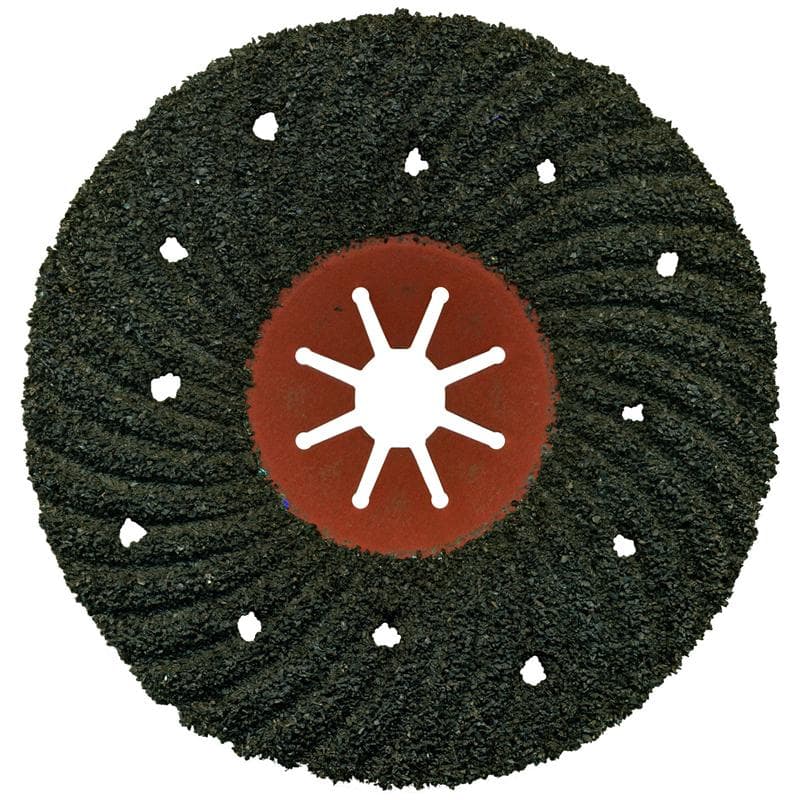
Nikon Super Flex Slotted Flex Wheel 180 x 22 - 12 Delik mm 16 Grit
Nikon · Abrasive Mops & Flap Wheels
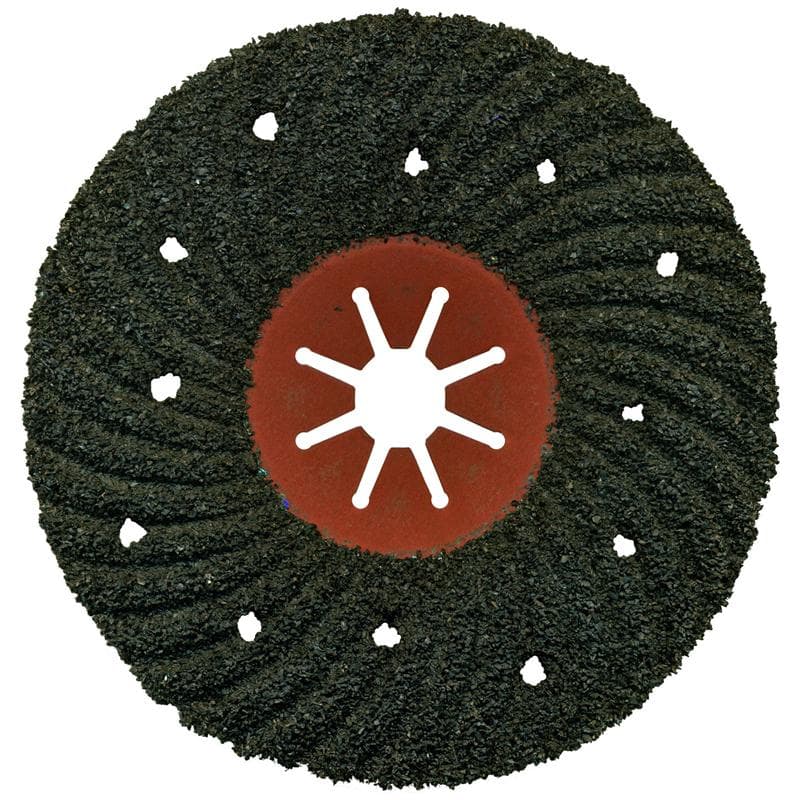
Nikon Super Flex Slotted Flex Wheel 115 x 22 - 8 Delik mm 16 Grit
Nikon · Abrasive Mops & Flap Wheels
Nikon Super Flex Slotted Flex Wheel 115 x 22 - 8 Delik mm 24 Grit
Nikon · Abrasive Mops & Flap Wheels
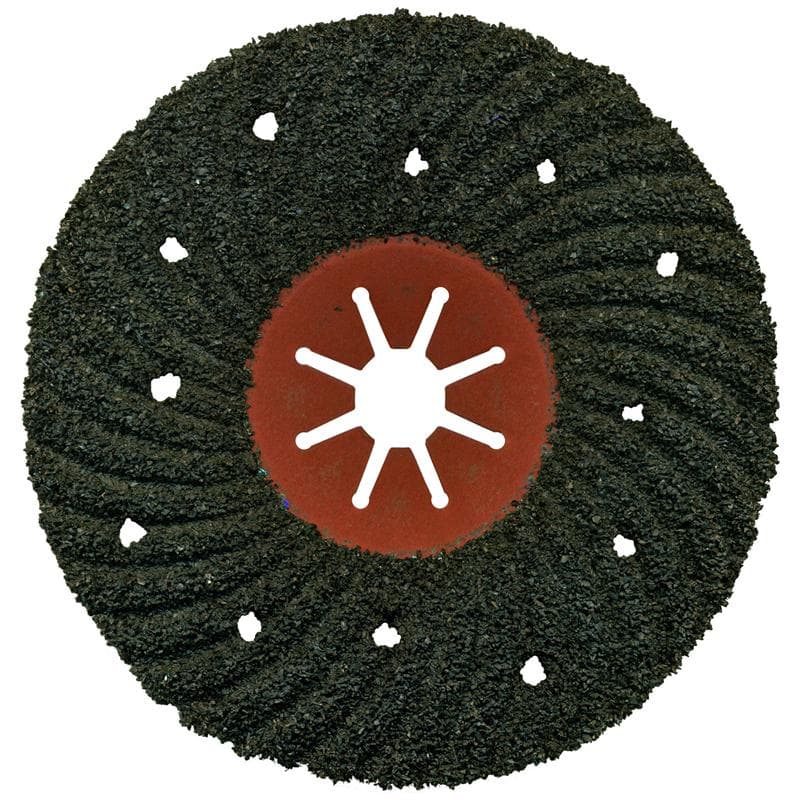
Nikon Super Flex Slotted Flex Wheel 180 x 22 - 12 Delik mm 24 Grit
Nikon · Abrasive Mops & Flap Wheels
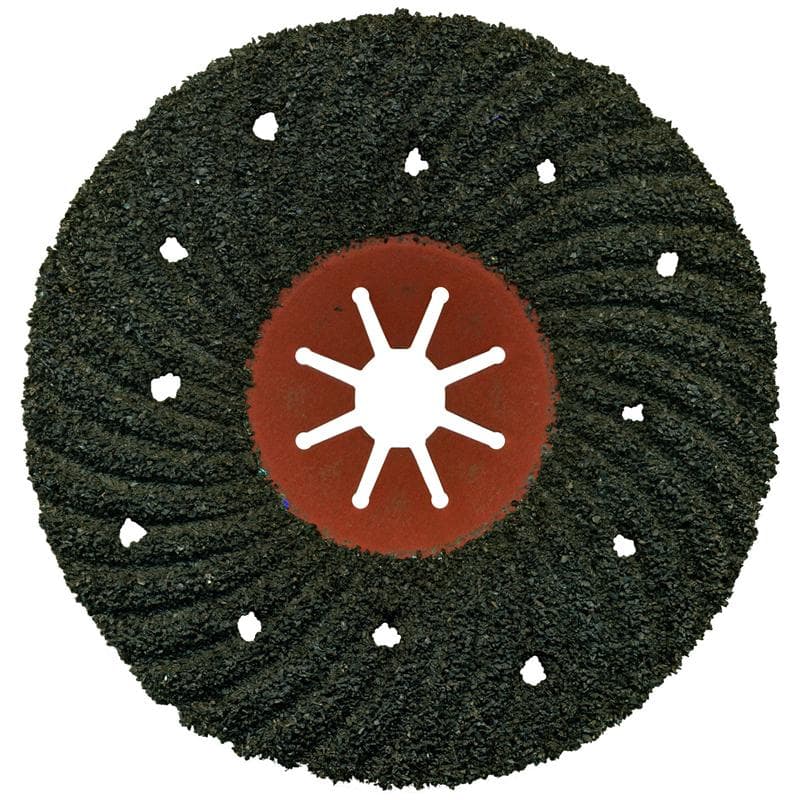
Nikon Super Flex Slotted Flex Wheel 180 x 22 - 12 Delik mm 36 Grit
Nikon · Abrasive Mops & Flap Wheels
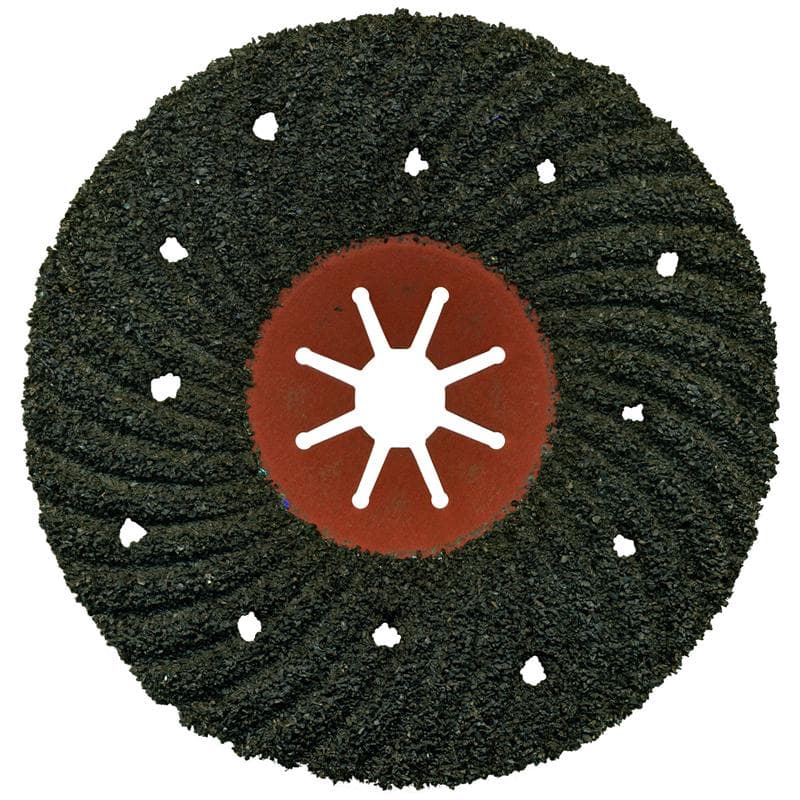
Nikon Super Flex Slotted Flex Wheel 180 x 22 - 12 Delik mm 40 Grit
Nikon · Abrasive Mops & Flap Wheels
Nikon Super Flex Slotted Flex Wheel 115 x 22 - 8 Delik mm 40 Grit
Nikon · Abrasive Mops & Flap Wheels
1–24 of 79 · page 1 / 4
What a mop does that a disc cannot
A flat disc only works on the plane it touches: it catches its edge in an internal corner, cannot bear on both sides of a weld at once, and never reaches into the hollow of a profile. The leaves of a mop are free; they open under centrifugal force and lay onto whatever shape they meet.
The second difference is life. As a leaf wears it shortens and the next one comes through, so the cutting rate stays close to constant through the life of the mop. A grinding wheel goes blunt; a mop simply gets smaller.
Body and choice
Shank mounted mops are held by the shank in a grinder or a flexible shaft and are the tool for tight work such as die finishing. Flanged mops go on a spindle and work across their full width on wide surfaces. Slotted bodies are made to follow curves.
On material, the split is between abrasive and non-woven. Aluminium oxide leaves remove stock: rust, slag and burrs. Non-woven mops open the surface without cutting it, which is what gives stainless its satin finish and prepares it for polishing. Combi models set abrasive strips between the fibre leaves and do both.
| Body | Where it is used |
|---|---|
| Shank mounted | Die work, welds and tight gaps; held by the shank in a grinder or a flexible shaft |
| Flanged | Wide surfaces and pipe; mounted on a spindle by its flange, in contact across its full width |
| Slotted | Curved and profiled surfaces; the slots let the leaf follow the shape |
| Non-woven | Cleaning, satin finishing and pre-polish preparation on stainless and steel; opens the surface without cutting it |
| Combi | Abrasive strips set between the fibre leaves: it cuts and finishes in one pass |
The body decides where the mop can reach.
Speed and pressure
Unlike a grinding wheel a mop works by contact, not pressure. Pushing harder crushes the leaf, enlarges the contact patch and heats the mop — faster wear and burn marks on the surface. It should be moved across the work under little more than its own weight.
Speed follows diameter: the larger the body the higher its peripheral speed, so large mops are run slower. The maximum speed marked on the product must not be exceeded.
Frequently Asked Questions
What is the difference between an abrasive mop and a flap disc?
A flap disc is a flat disc on an angle grinder and works on a plane. A mop is a rotating body with free leaves: it makes contact in internal corners, along welds and around profiles where a disc cannot. They do not substitute for each other.
Non-woven or abrasive leaves?
Abrasive leaves to remove stock — rust, slag and burrs. Non-woven to open the surface without cutting it: satin finish on stainless, and pre-polish preparation without a scratch. Combi models do both in one pass.
What machine takes a shank mounted mop?
A grinder, die grinder or flexible shaft with a chuck or collet matching the shank. The size row on each product page gives the wheel diameter, its width and the shank diameter together.
Which grit should I start with?
40-60 grit for weld slag and rust, 80-120 for levelling, 180 and above for satin finish and pre-polish. Abrasive and non-woven mops do not share a grit scale: on non-woven the number stands for fibre density.