Categories
Diesel Generators
A diesel generator produces electricity from a synchronous alternator driven by a diesel engine. It does more work per litre of fuel, lasts longer and can run for hours without interruption, which is why it is the standard standby source in industry, healthcare, data centres and infrastructure. The range here runs from 10 kVA to 2500 kVA in canopy and open-set configurations.
Factor FCMD295FG Generator-type Diesel Engine
Factor · Diesel Generators
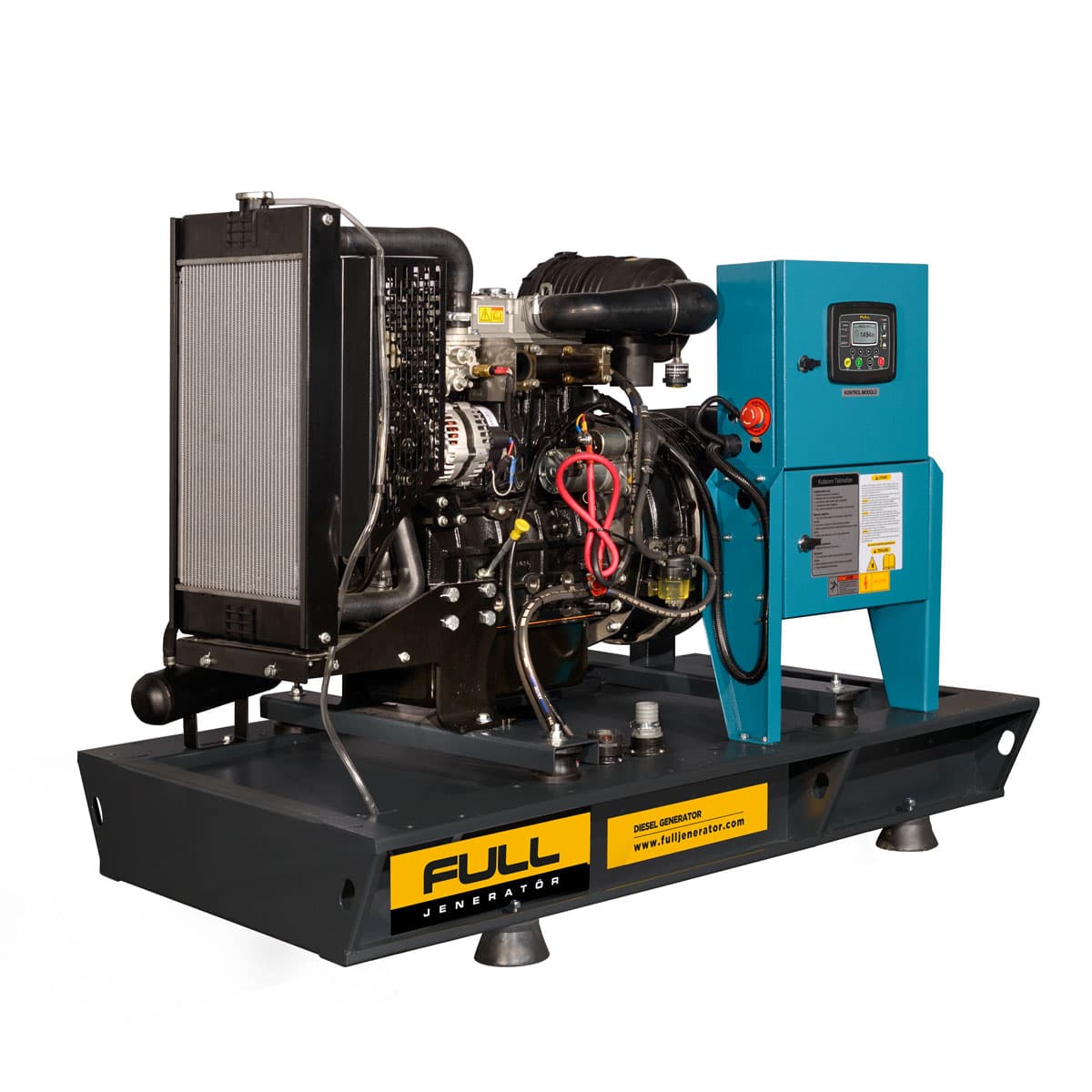
Full Jeneratör FP 10 Diesel Generator 10 kVA
Full Jeneratör · Diesel Generators
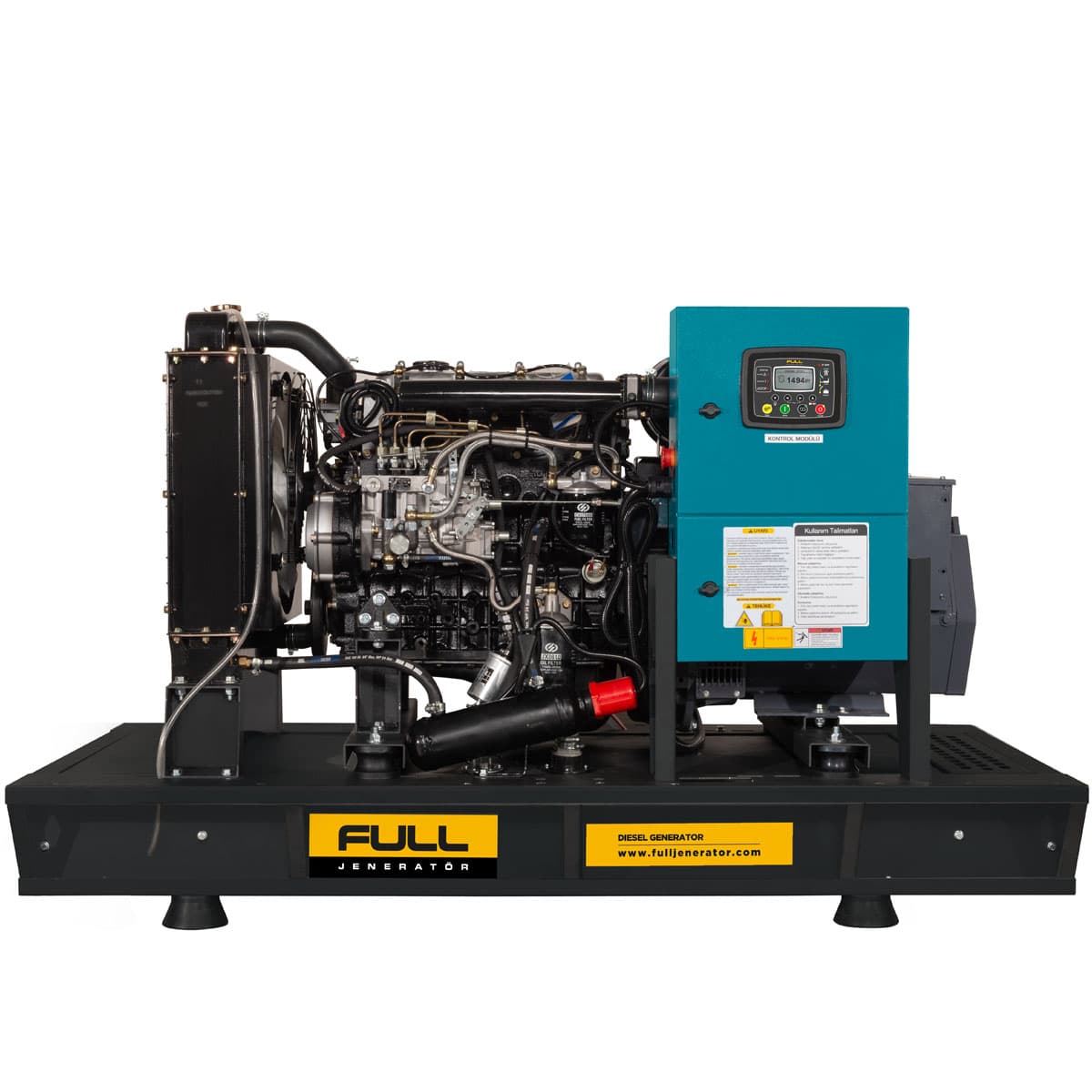
Full Jeneratör FN 12 Diesel Generator 12 kVA
Full Jeneratör · Diesel Generators
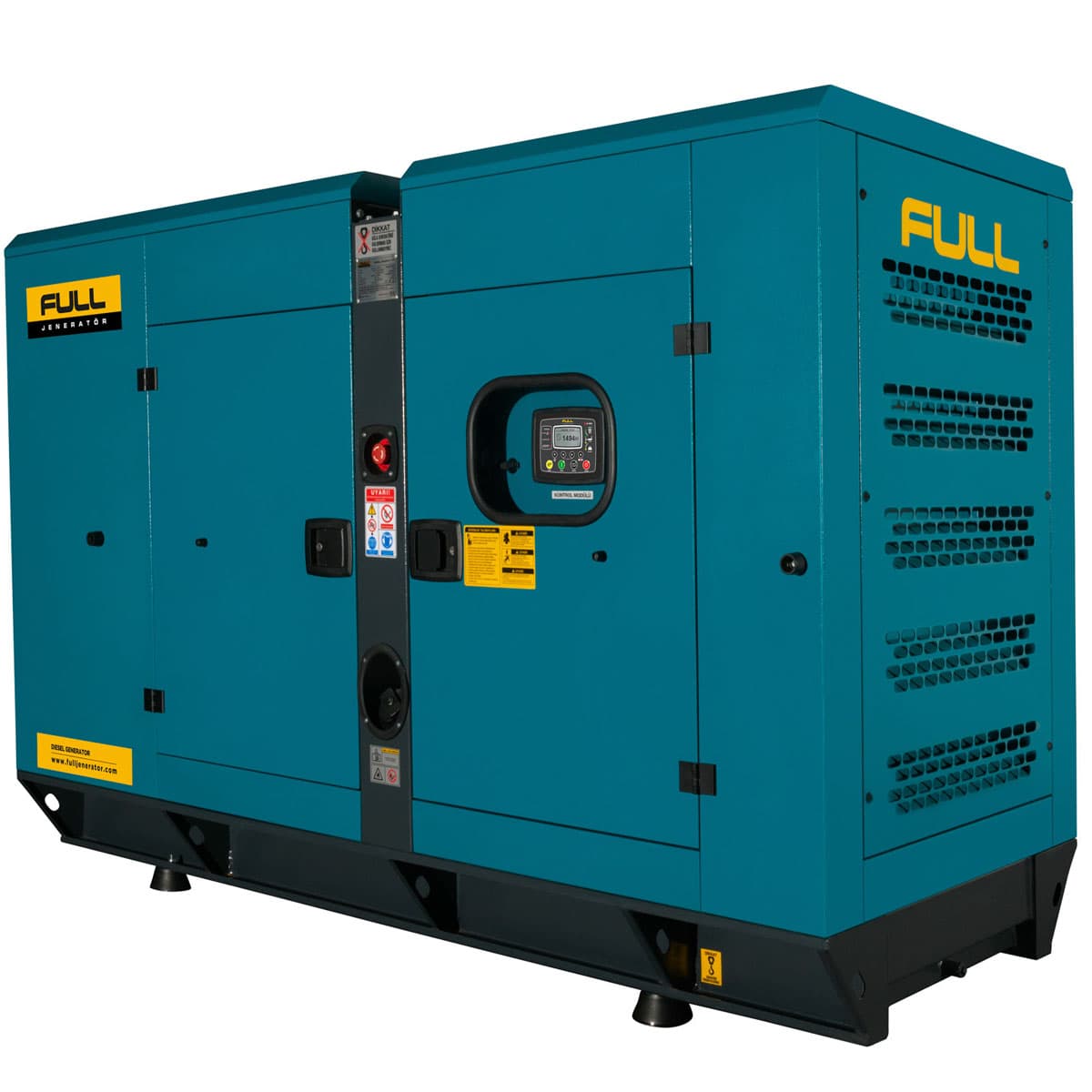
Full Jeneratör FN 17 Diesel Generator 17 kVA
Full Jeneratör · Diesel Generators
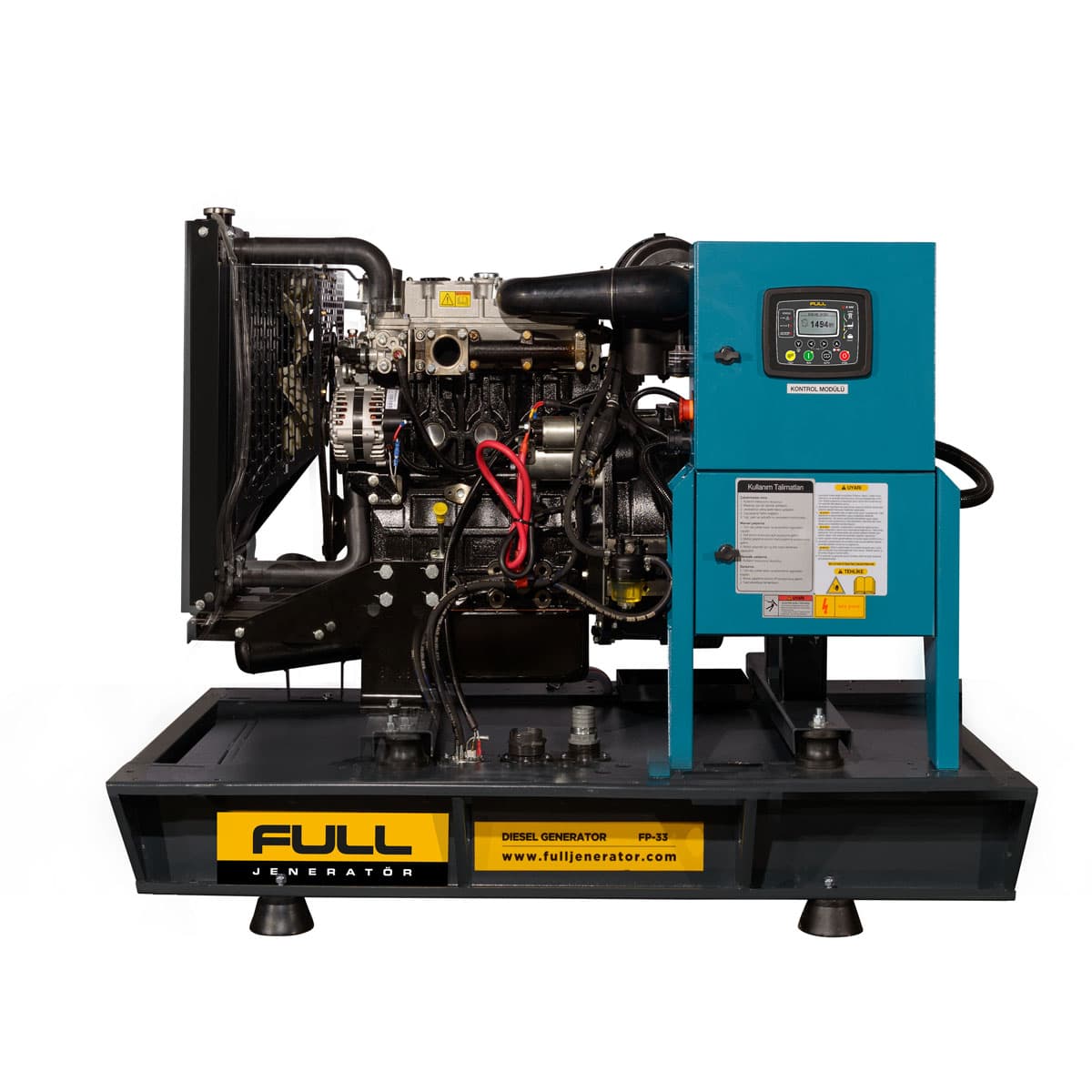
Full Jeneratör FP 17 Diesel Generator 17 kVA
Full Jeneratör · Diesel Generators
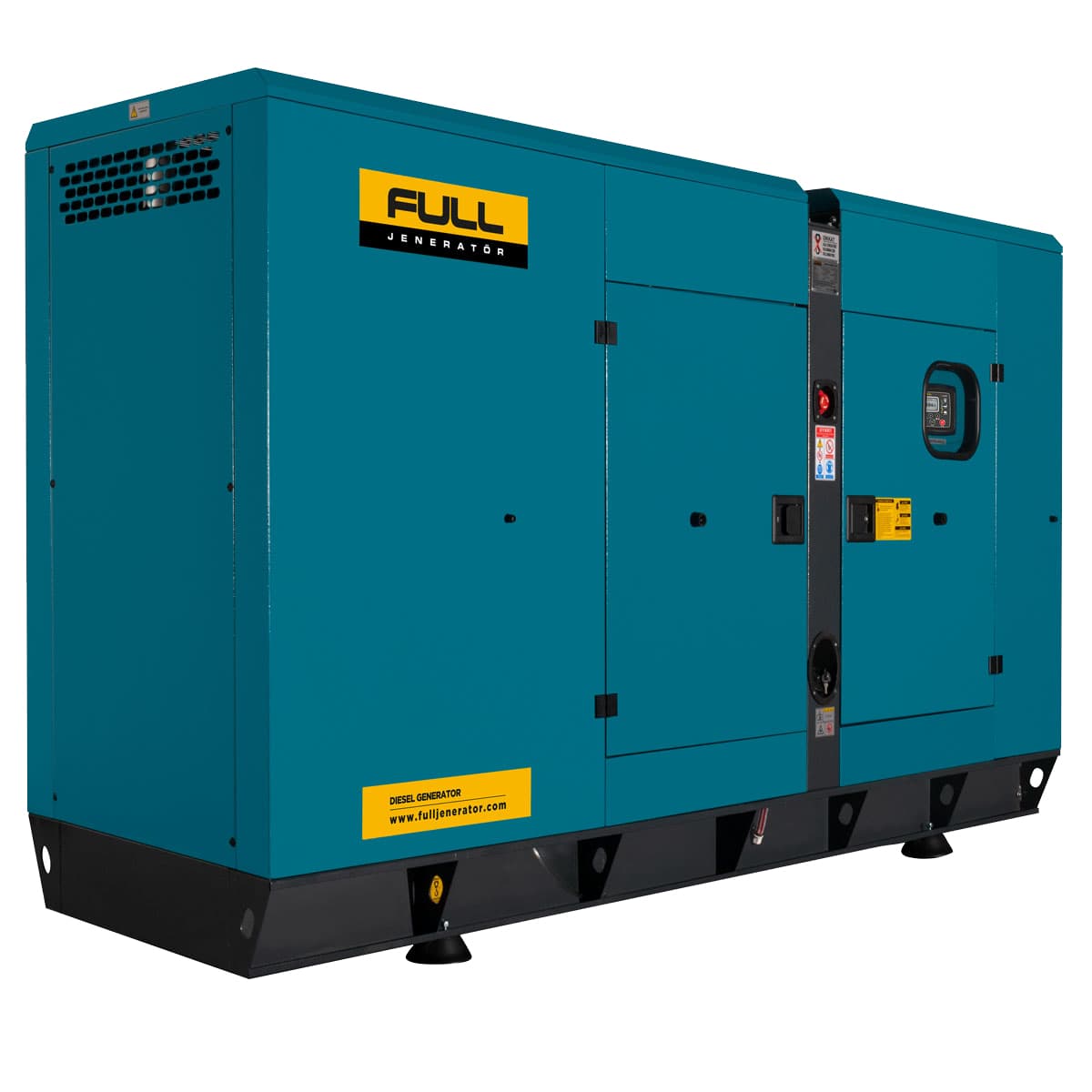
Full Jeneratör FB 20 Diesel Generator 20 kVA
Full Jeneratör · Diesel Generators
Full Jeneratör FN 22 Diesel Generator 22 kVA
Full Jeneratör · Diesel Generators
Full Jeneratör FP 22 Diesel Generator 22 kVA
Full Jeneratör · Diesel Generators
Full Jeneratör FB 25 Diesel Generator 25 kVA
Full Jeneratör · Diesel Generators
Full Jeneratör FN 28 Diesel Generator 28 kVA
Full Jeneratör · Diesel Generators
Full Jeneratör FC 30 Diesel Generator 30 kVA
Full Jeneratör · Diesel Generators
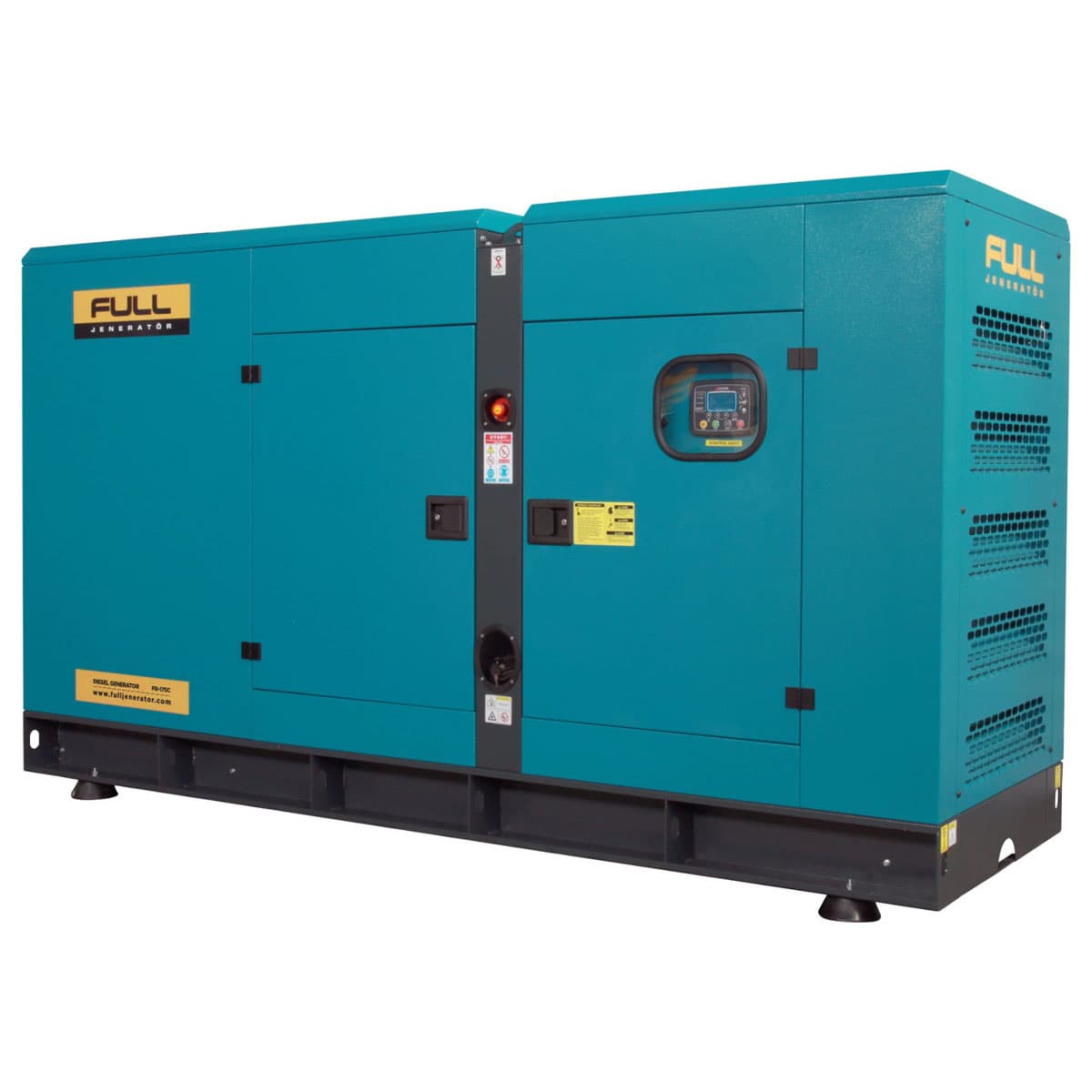
Full Jeneratör FN 33 Diesel Generator 33 kVA
Full Jeneratör · Diesel Generators
Full Jeneratör FP 33 Diesel Generator 33 kVA
Full Jeneratör · Diesel Generators
Full Jeneratör FB 35 Diesel Generator 35 kVA
Full Jeneratör · Diesel Generators
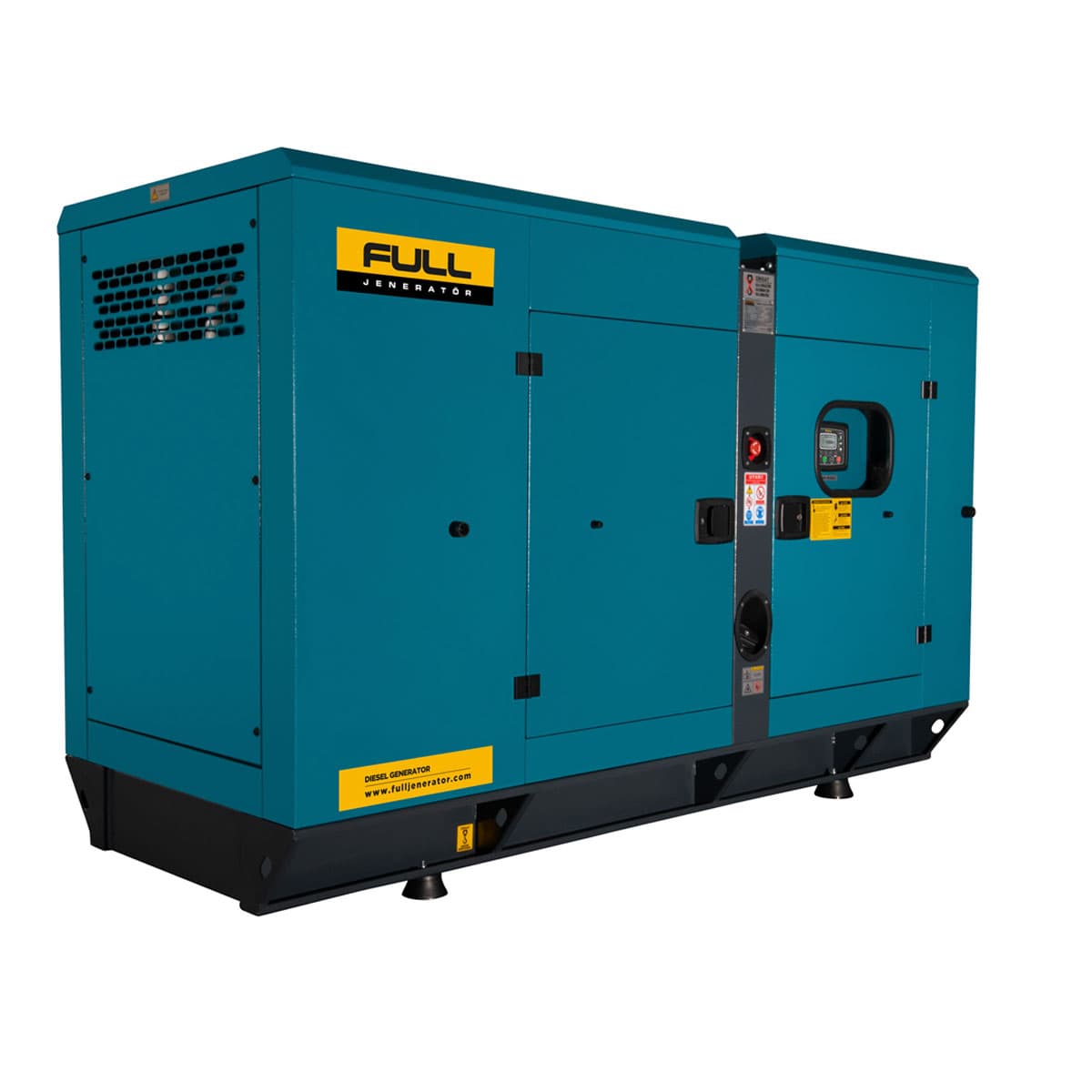
Full Jeneratör FK 35 Diesel Generator 35 kVA
Full Jeneratör · Diesel Generators
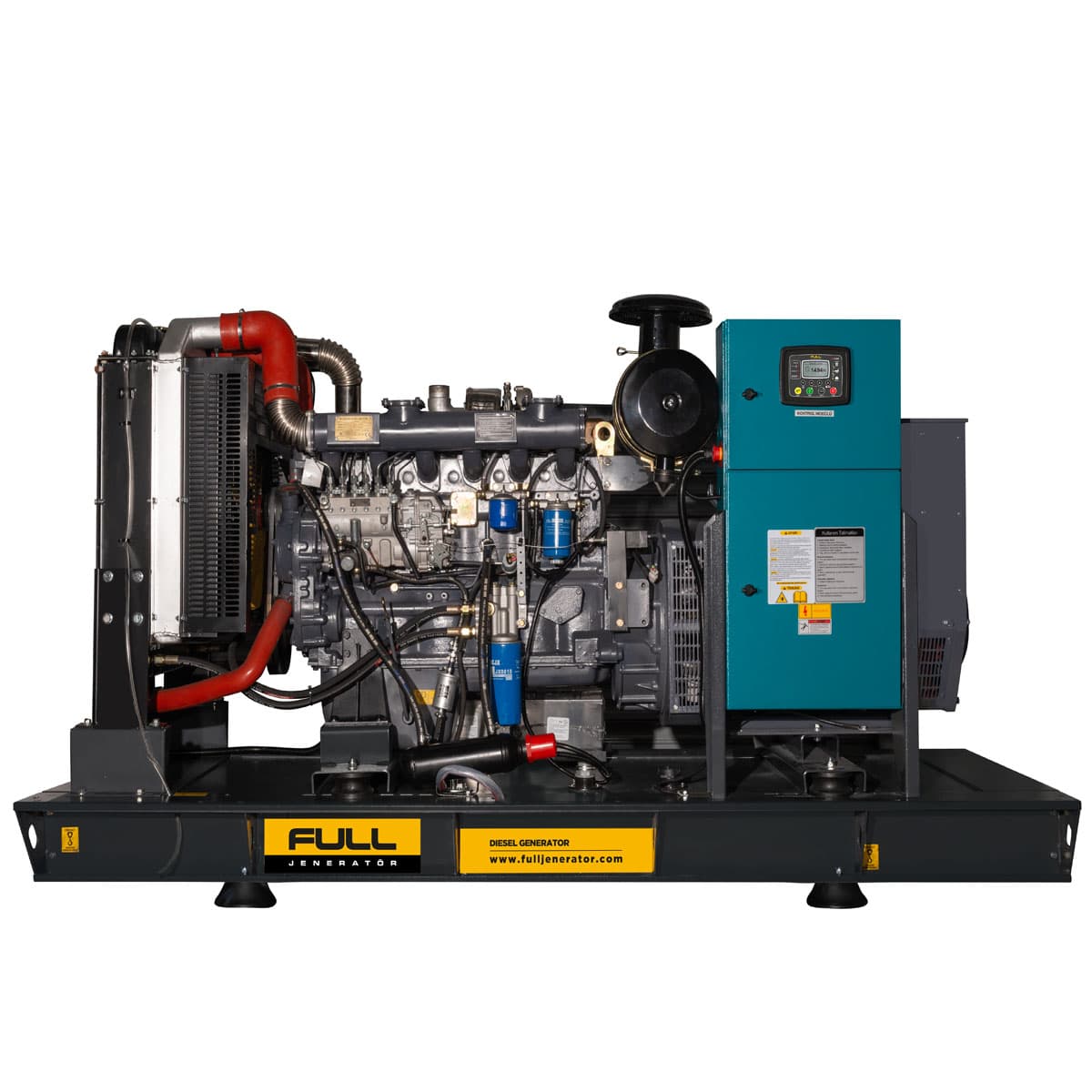
Full Jeneratör FR 35 Diesel Generator 35 kVA
Full Jeneratör · Diesel Generators
Full Jeneratör FN 40 Diesel Generator 40 kVA
Full Jeneratör · Diesel Generators
Full Jeneratör FB 44 Diesel Generator 44 kVA
Full Jeneratör · Diesel Generators
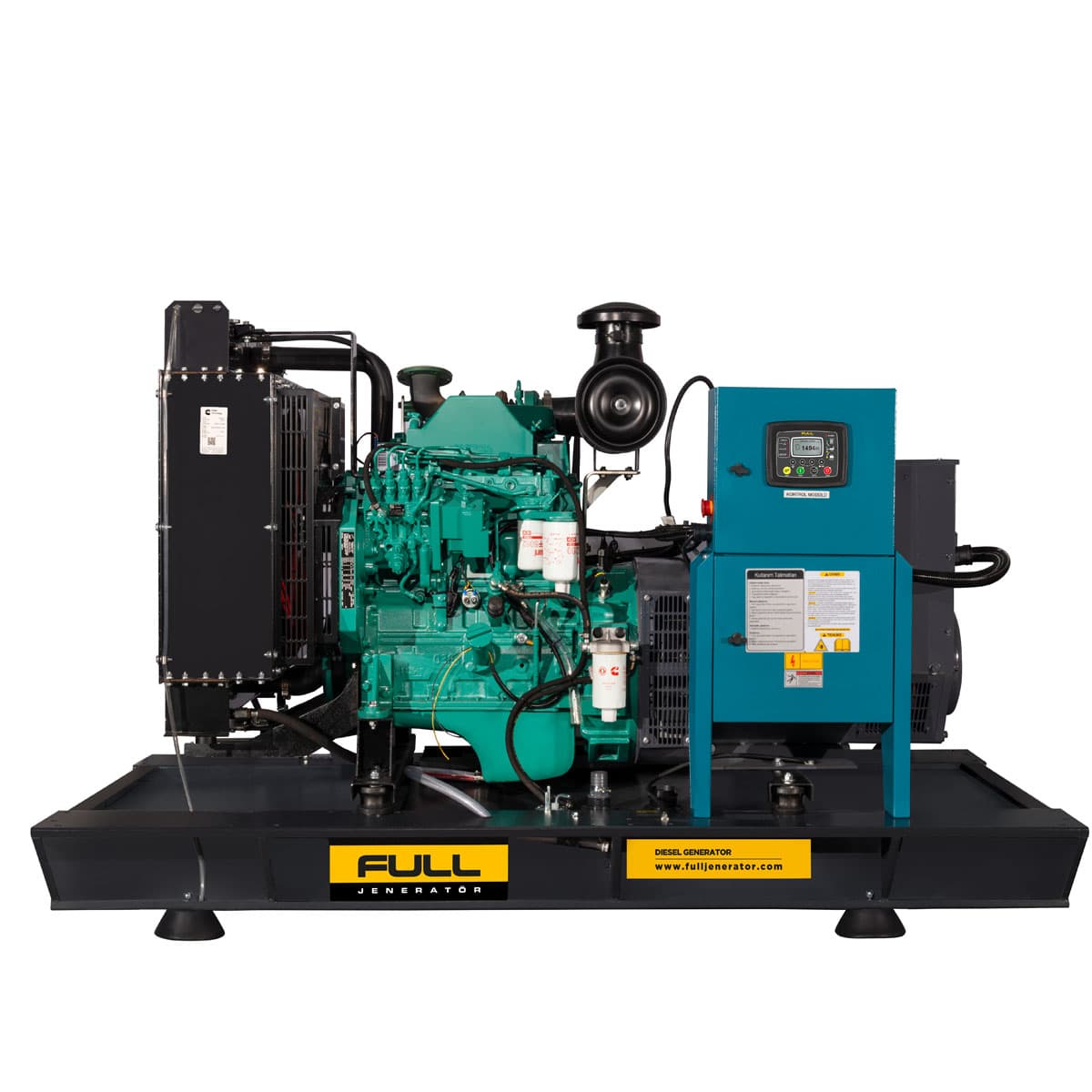
Full Jeneratör FC 44 Diesel Generator 44 kVA
Full Jeneratör · Diesel Generators
Full Jeneratör FK 44 Diesel Generator 44 kVA
Full Jeneratör · Diesel Generators
Full Jeneratör FR 44 Diesel Generator 44 kVA
Full Jeneratör · Diesel Generators
Full Jeneratör FB 50 Diesel Generator 50 kVA
Full Jeneratör · Diesel Generators
Full Jeneratör FK 50 Diesel Generator 50 kVA
Full Jeneratör · Diesel Generators
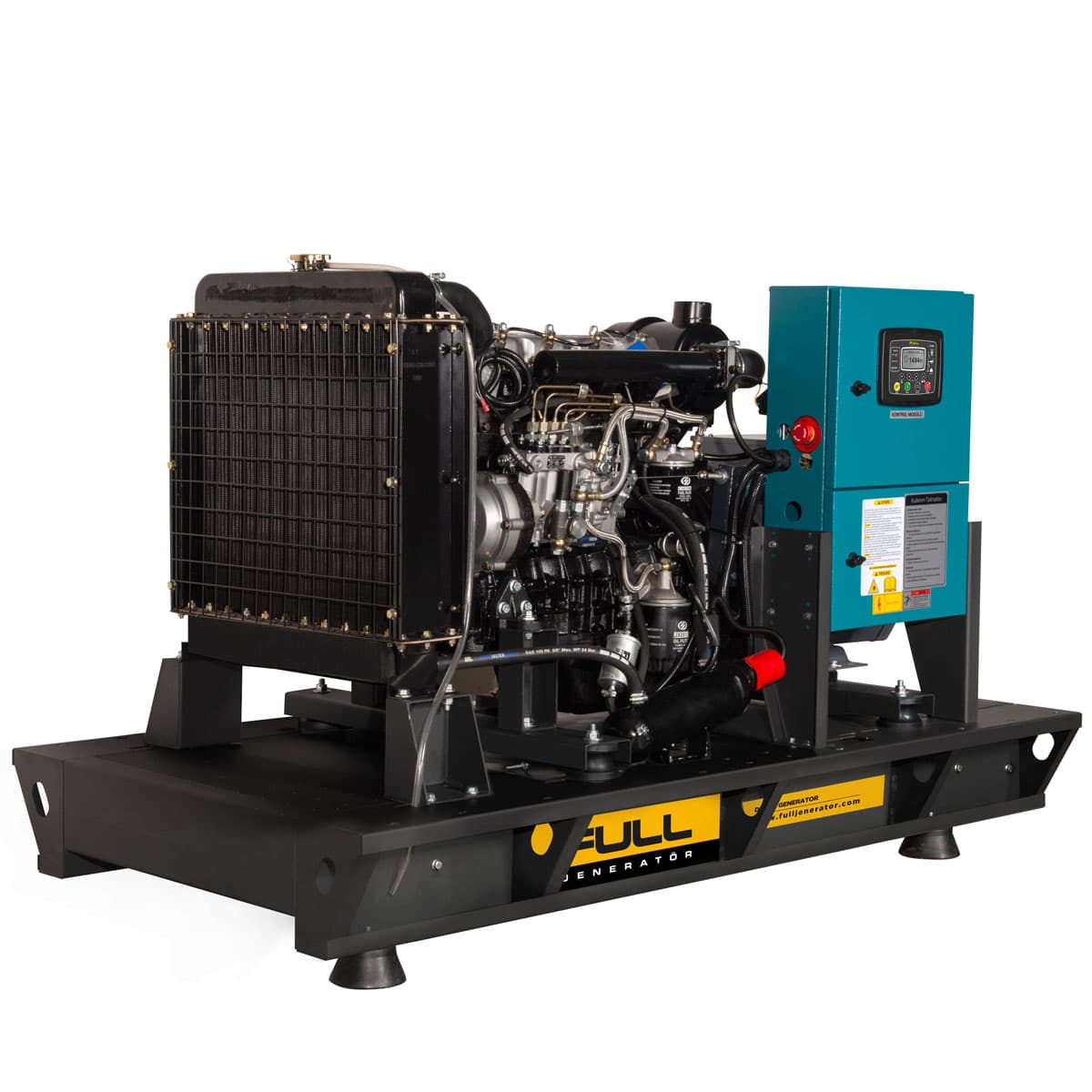
Full Jeneratör FN 50 Diesel Generator 50 kVA
Full Jeneratör · Diesel Generators
1–24 of 139 · page 1 / 6
How to choose a diesel generator
Three inputs decide the choice: total load, duty cycle and phase configuration. Add the loads in kW, allow for the starting current of motors, add about 20% for growth, then divide by 0.8 to get the kVA. If the set only runs during outages, size against standby; if it runs continuously, size against prime.
The engine make is the second factor. Cummins, Perkins and Baudouin engines are specified for heavy-duty service and wide parts availability; Yangdong, Kofo and Full engines for a lower capital cost. Every product page publishes the engine make and model, cylinder count, aspiration and fuel consumption figures.
- Total the loads in kW and divide by 0.8 to get kVA
- Size against prime for continuous duty, standby for backup
- Specify three-phase (400/230 V) if the site has three-phase motors
- Canopy for outdoor installation, open set if you have a plant room
- Add an automatic transfer switch if it must start without an operator
Canopy and open-set configurations
A canopy set is enclosed in a sound-attenuated, powder-coated housing with lockable doors, a viewing window onto the control panel and a fuel tank inside the base frame. It can be installed outdoors and typically measures 65–85 dBA at 7 m.
An open set offers the same engine and alternator without the enclosure: lighter and cheaper, but it needs a plant room with ventilation, exhaust routing and acoustic treatment. Product pages publish both canopy and open-set weights.
Fuel consumption and run time
As a rule of thumb a diesel set burns about 0.25 litres per kW per hour at full load: a 100 kVA (80 kW) set uses roughly 20 l/h. Each model publishes the manufacturer's figures at full, 75% and 50% load separately, because installations usually run at part load rather than flat out.
Run time is the base-frame tank capacity divided by full-load consumption. For long outages, an external tank with automatic refuelling extends it.
Frequently Asked Questions
What kVA diesel generator do I need?
Add the loads in kW, allow for starting current and about 20% growth, then divide by 0.8. For a 40 kW total, 40 ÷ 0.8 = 50 kVA.
Which engine makes are available?
The sets in this range are offered with Cummins, Perkins, Baudouin, Yangdong, Kofo and Full engines. The engine make and model appear in the specification table on every product page.
Can a diesel generator run continuously?
Yes, under variable load within its prime rating, typically with 10% overload permitted for one hour in twelve. Refuelling, oil and filter servicing and regular checks on the cooling system are essential.
How often does a diesel generator need servicing?
An oil and filter change every 250–500 running hours as a general rule. Standby sets also need regular battery, block heater and coolant checks and an on-load test run at least once a year.
Canopy or open set?
Canopy if the set is installed outdoors or noise is a constraint. Open set if you already have a plant room with ventilation and exhaust in place — it is lighter and cheaper.
Do you supply sets above the listed ratings?
Yes. Beyond the listed models, sets up to 2500 kVA, synchronised parallel systems and trailer-mounted configurations are supplied on a project basis.
Can I get a price list or dealer pricing?
Yes. Dealers and project customers are priced by quantity. Request a quote from any product page or apply through the dealer application form.