Categories
Grinding Wheels & Points
A grinding wheel and a mounted point work on the face, the opposite of a cutting disc: they remove material, dress a weld, take off a burr and true a mould surface. The mounted versions run in micro tools and die grinders.
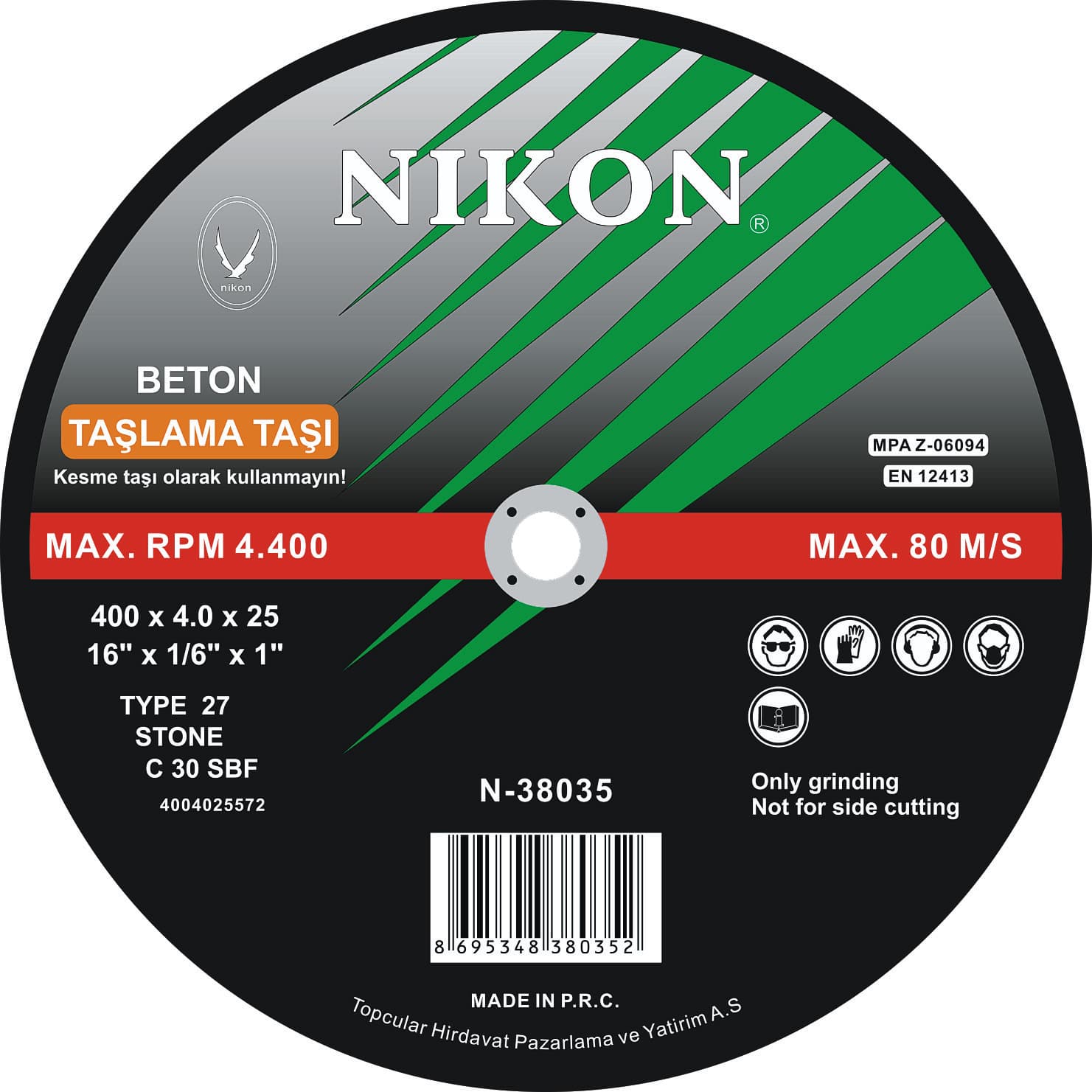
Nikon Concrete Grinding Disc 400x4.0x25 mm
Nikon · Grinding Wheels & Points
Makita 7940617 Knife Bileme Wheel
Makita · Grinding Wheels & Points
Proxxon 28578 Sharpening Grinding Point
Proxxon · Grinding Wheels & Points
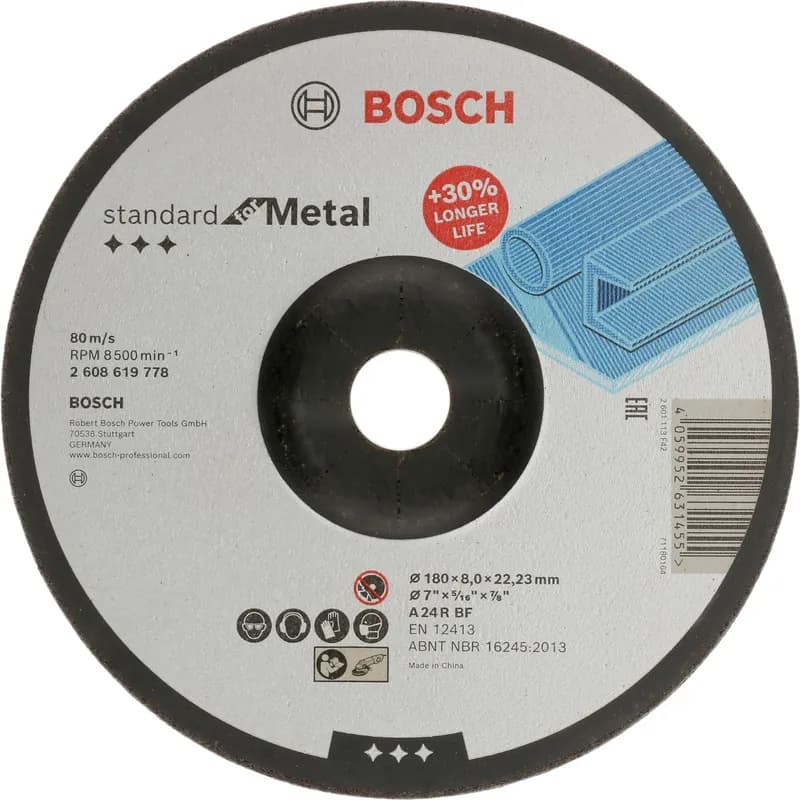
Bosch Grinding Disc 180x8 2608619778
Bosch · Grinding Wheels & Points
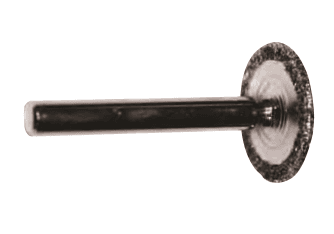
Makita D-25046 GD0800C and GD0801C for Pimli Diamond Grinding Disc 22 mm
Makita · Grinding Wheels & Points
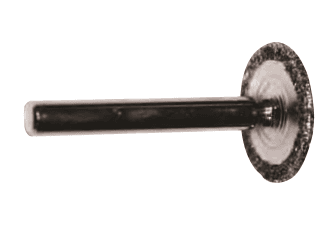
Makita D-25052 GD0800C and GD0801C for Pimli Diamond Grinding Disc 25 mm
Makita · Grinding Wheels & Points
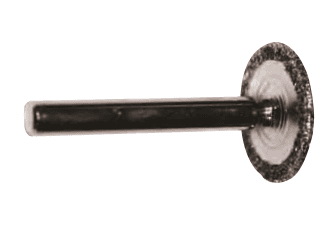
Makita D-25068 GD0800C and GD0801C for Pimli Diamond Grinding Disc 45 mm
Makita · Grinding Wheels & Points
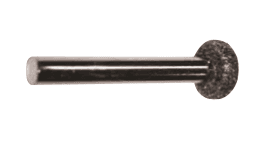
Makita D-25074 GD0800C and GD0801C for Pimli Diamond Grinding Disc 6.35 mm
Makita · Grinding Wheels & Points
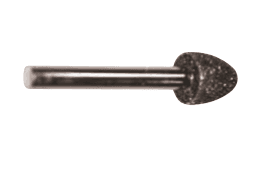
Makita D-25080 GD0800C and GD0801C for Pimli Diamond Grinding Disc 6.35 mm
Makita · Grinding Wheels & Points
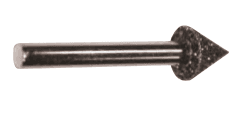
Makita D-25096 GD0800C and GD0801C for Pimli Diamond Grinding Disc 6.35 mm
Makita · Grinding Wheels & Points
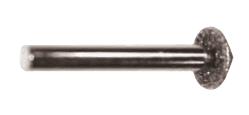
Makita D-25105 GD0800C and GD0801C for Pimli Diamond Grinding Disc 6.35 mm
Makita · Grinding Wheels & Points
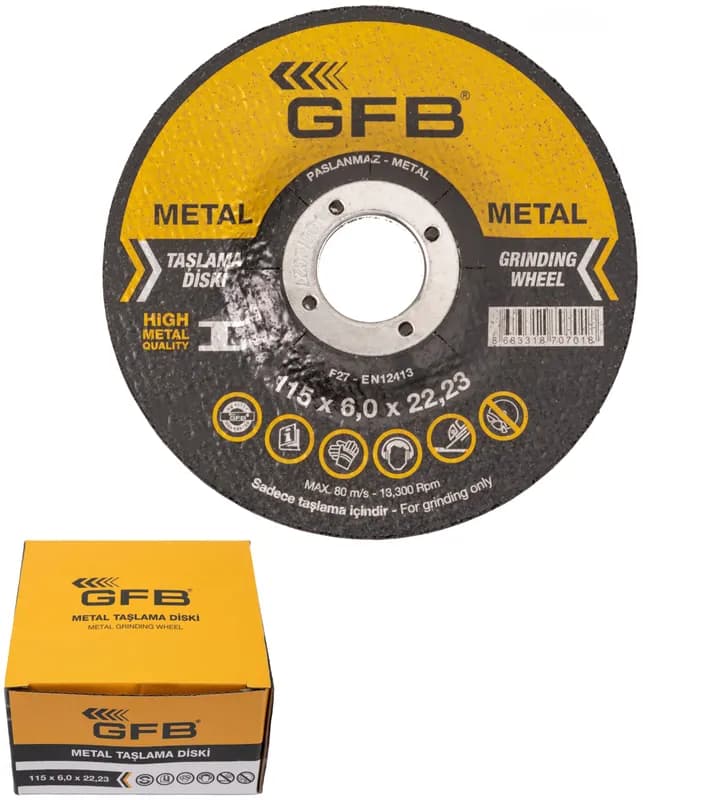
GFB Grinding Disc 115 mm x 6 mm
GFB · Grinding Wheels & Points
GFB Grinding Disc 180 mm x 8 mm
GFB · Grinding Wheels & Points
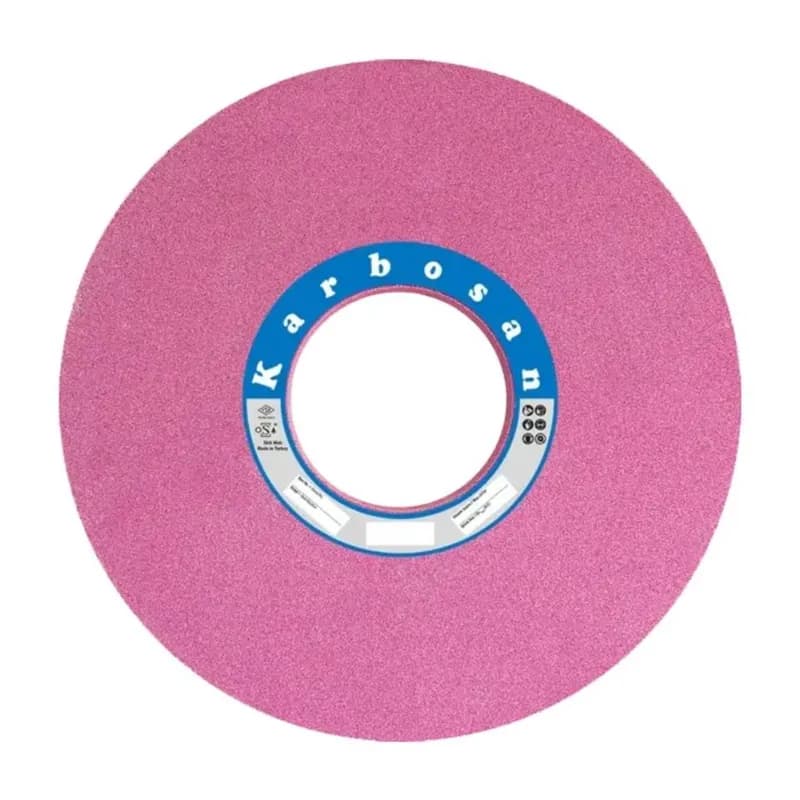
Karbosan Çelik Taşlama Taşı 250x32x76.2 (914550)
Karbosan · Grinding Wheels & Points
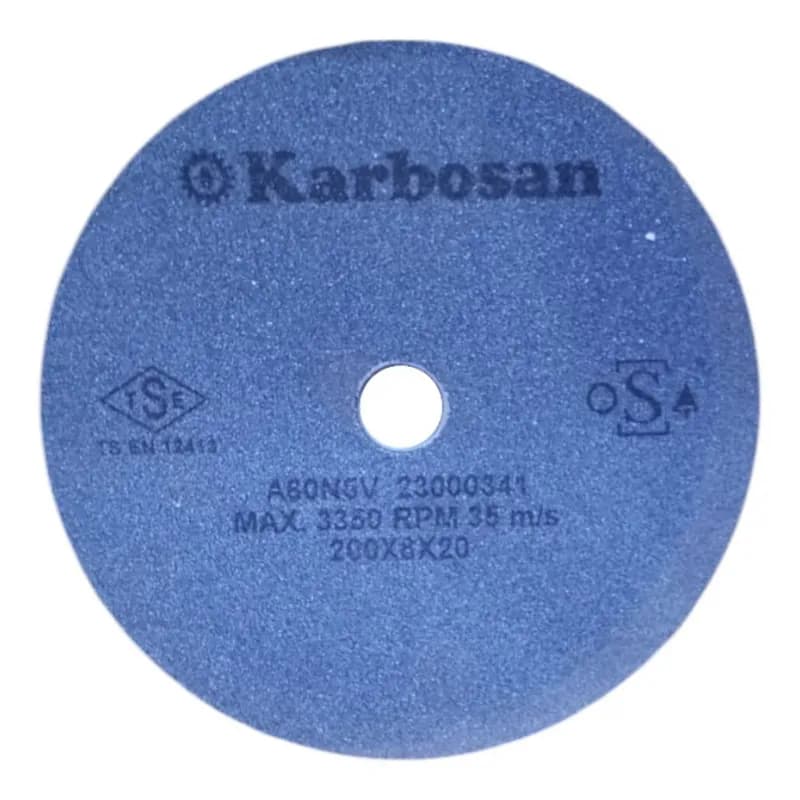
Karbosan Düz Taş 200x8x20 NK60 920770
Karbosan · Grinding Wheels & Points
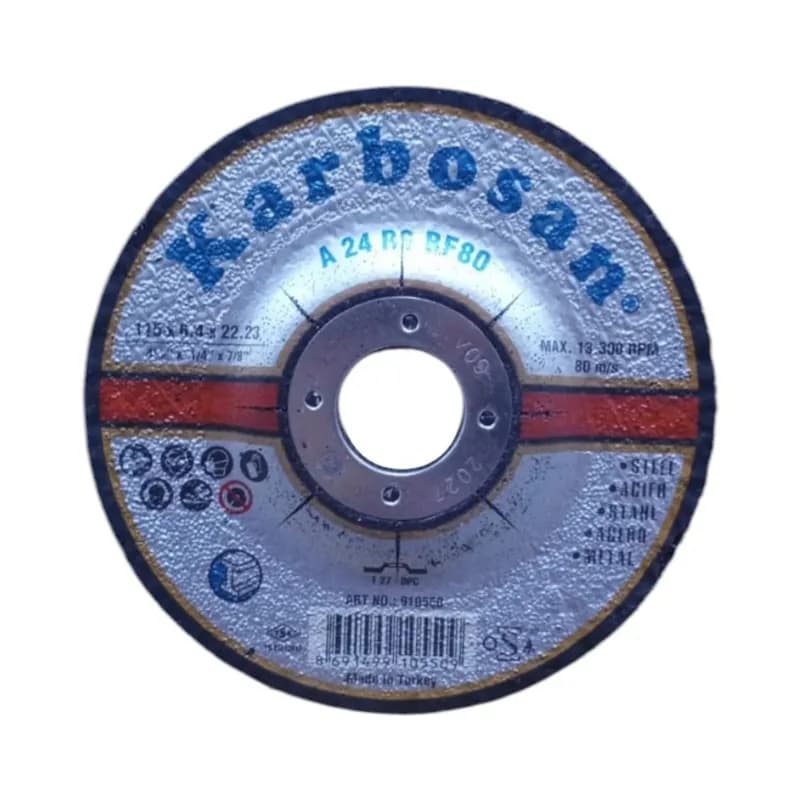
Karbosan NK Flex Taşlama 115x6.4x22 (910550)
Karbosan · Grinding Wheels & Points
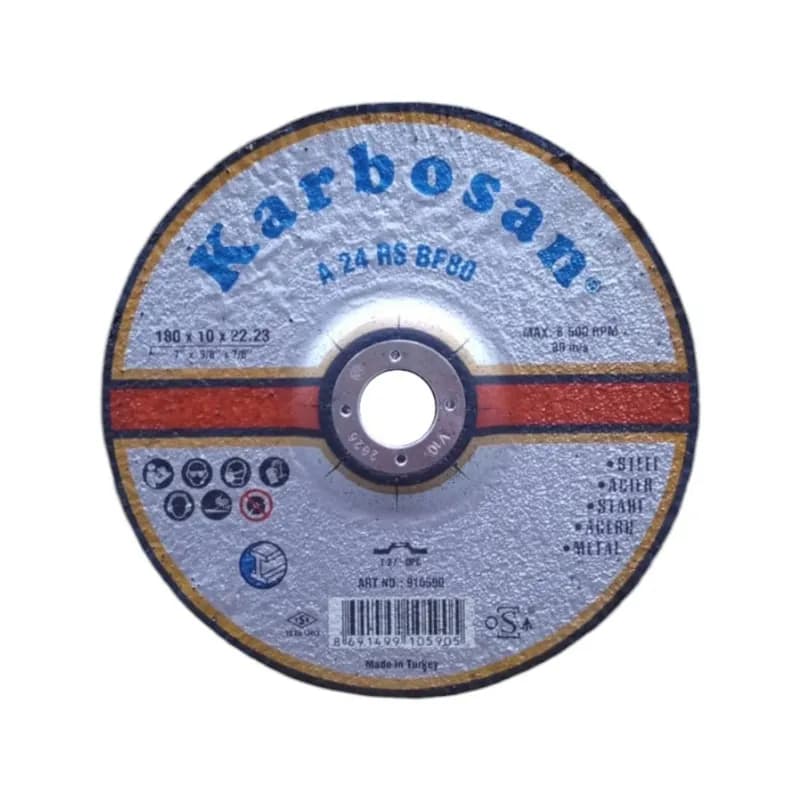
Karbosan NK Flex Taşlama 180x10x22 (910590)
Karbosan · Grinding Wheels & Points
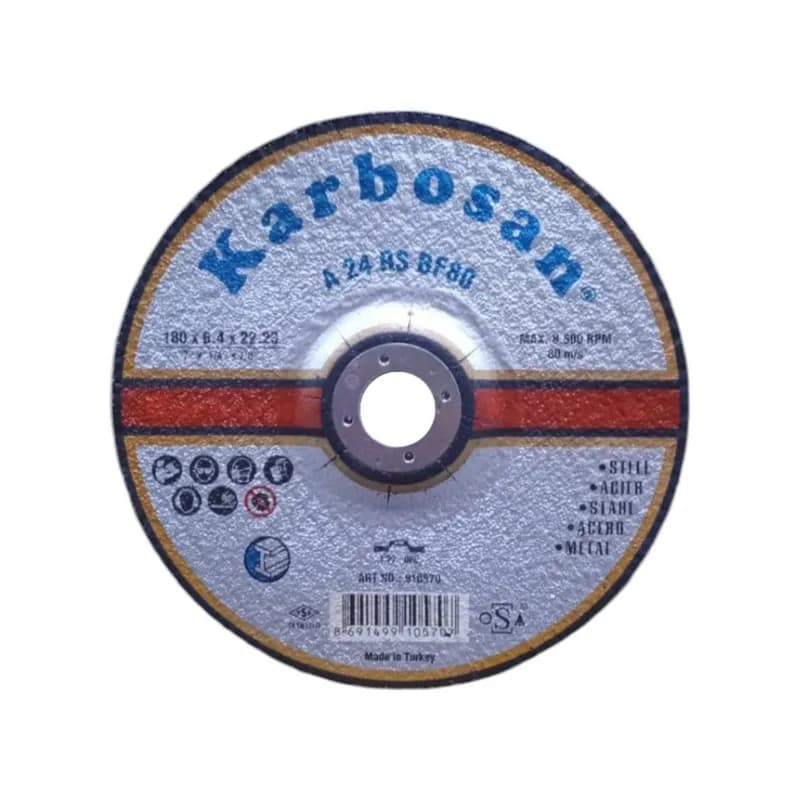
Karbosan NK Flex Taşlama 180x6.4x22 (910570)
Karbosan · Grinding Wheels & Points
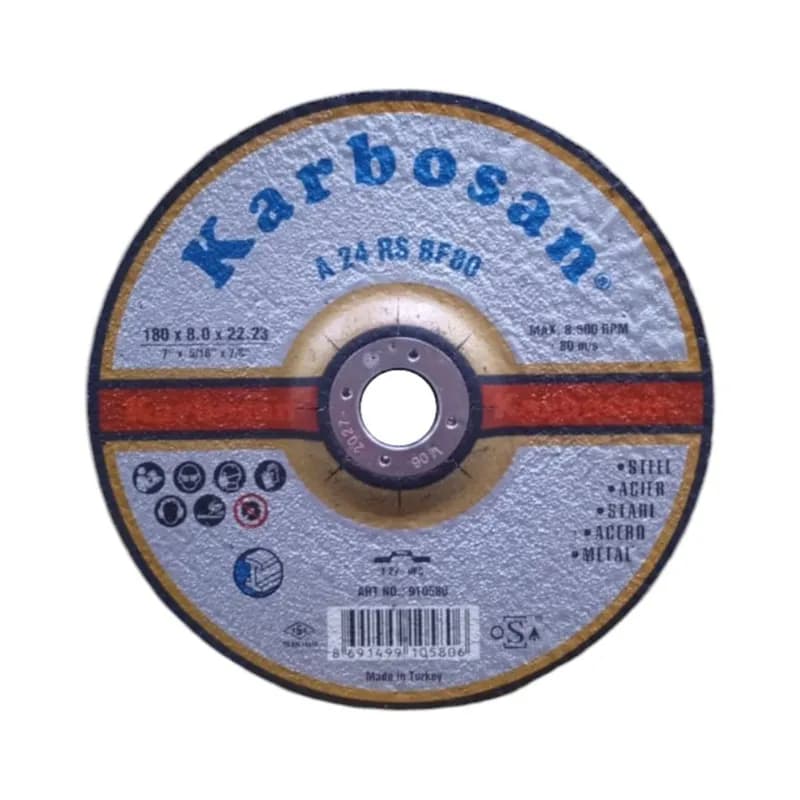
Karbosan NK Flex Taşlama 180x8.0x22 (910580)
Karbosan · Grinding Wheels & Points
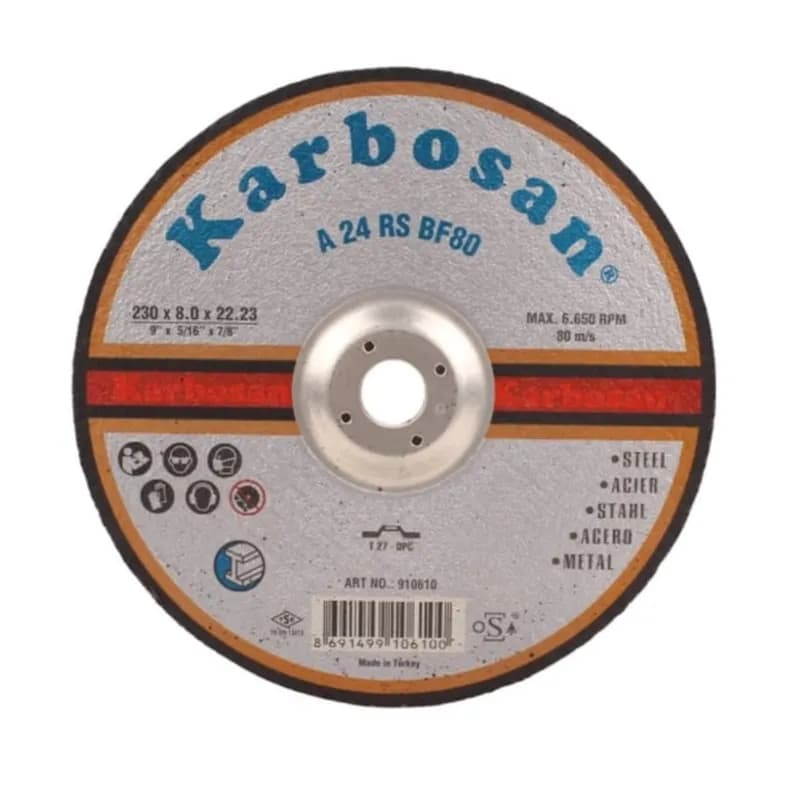
Karbosan NK Flex Taşlama 230x8.0x22 (910610)
Karbosan · Grinding Wheels & Points
Karbosan SC Flex Taşlama 180x10x22 (911730)
Karbosan · Grinding Wheels & Points
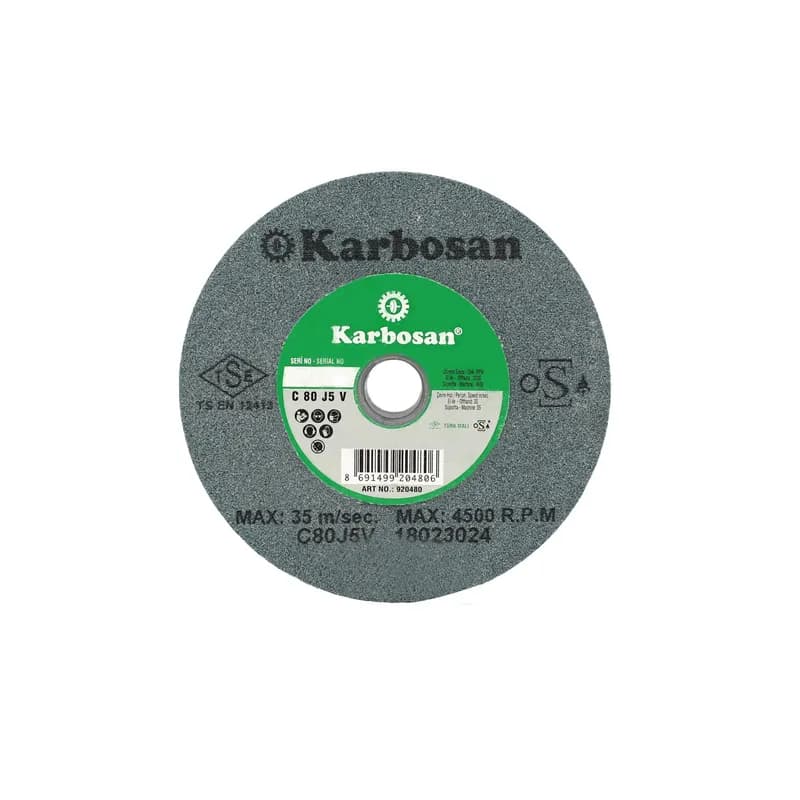
Karbosan SCG Taşlama Taşı 150x25x20 (920480)
Karbosan · Grinding Wheels & Points
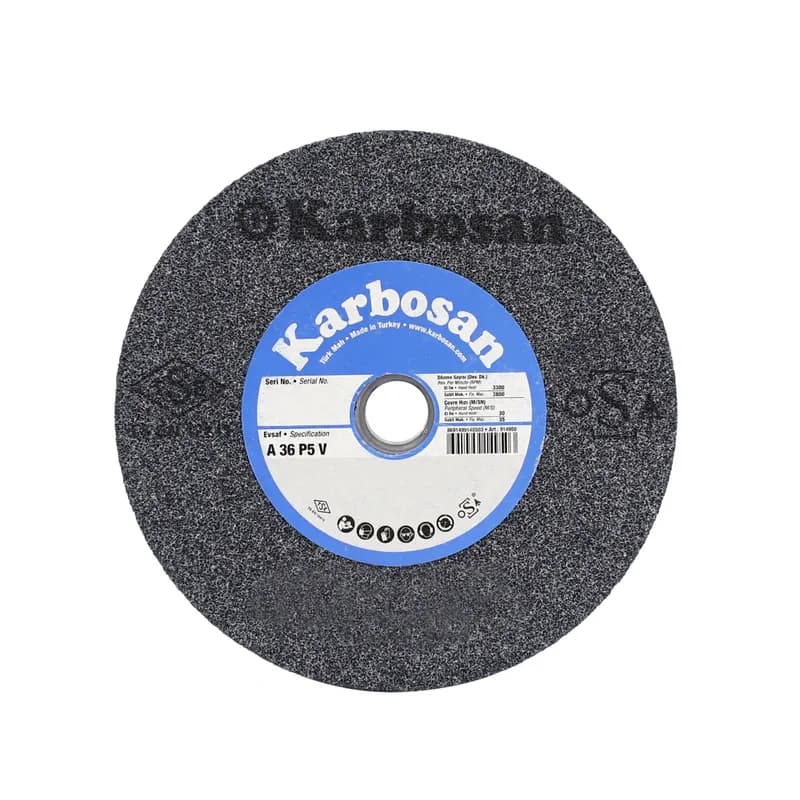
Karbosan Taşlama Taşı NK 36 150x20x20 (914870)
Karbosan · Grinding Wheels & Points
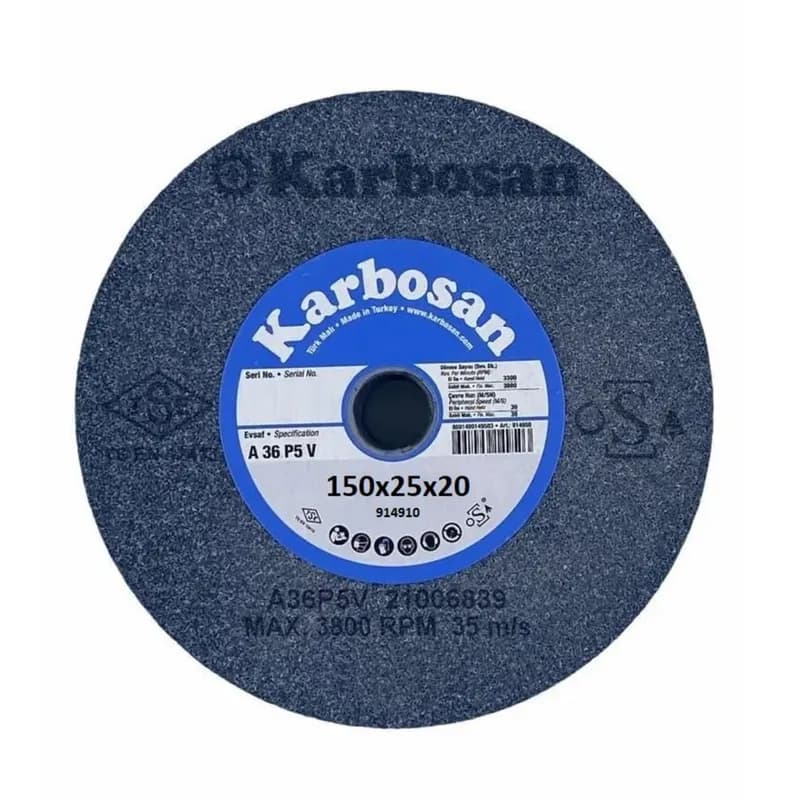
Karbosan Taşlama Taşı NK 36 150x25x20 (914910)
Karbosan · Grinding Wheels & Points
1–24 of 69 · page 1 / 3
What working on the face means
A grinding wheel is thick and built to take side load; the face is presented to the work at 15-30 degrees. Held flat it both cuts less and wears the wheel unevenly.
Mounted points do the same job at small scale. Cylinder, ball, cone and bullet shapes exist for different geometries: a ball follows a concave surface, a cone reaches an internal corner, a cylinder sits on a flat.
Grain and bond
Corundum is the general purpose grain and is what works on steel. Silicon carbide is sharper and is the choice on cast iron, stone, glass and hard coatings.
A dressing diamond opens fresh grain when a wheel glazes over — how long a bench wheel lasts depends largely on that maintenance.
Frequently Asked Questions
What is the difference from a cutter?
A grinding point removes material by abrading, a cutter by shearing. Abrading is more effective in hard, brittle material; cutting is more effective in soft, ductile material.
At what speed is it run?
Every point has a maximum permitted speed and it falls as the diameter rises; exceed it and the point disintegrates. Small points in a micro tool run fast, but the figure on the product page governs.
How is shank diameter chosen?
By the collet in the tool. On micro tools 2.35 and 3.2 mm are the common shanks; die grinders use 6 mm.