Categories
Markers & Pens
With a marking pen the question is always the same: on what surface, and for how long. This page separates permanent, opaque paint and dry-wipe inks, covers nib widths, and says which ink holds on which surface. The catalogue holds 83 products from Edding, Munhwa and Milwaukee.
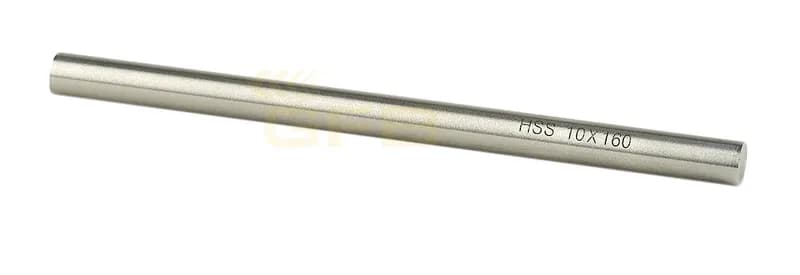
GFB Scriber 10 x 160 mm
GFB · Markers & Pens
GFB Scriber 12 x 160 mm
GFB · Markers & Pens
GFB Scriber 6 x 160 mm
GFB · Markers & Pens
GFB Scriber 8 x 160 mm
GFB · Markers & Pens
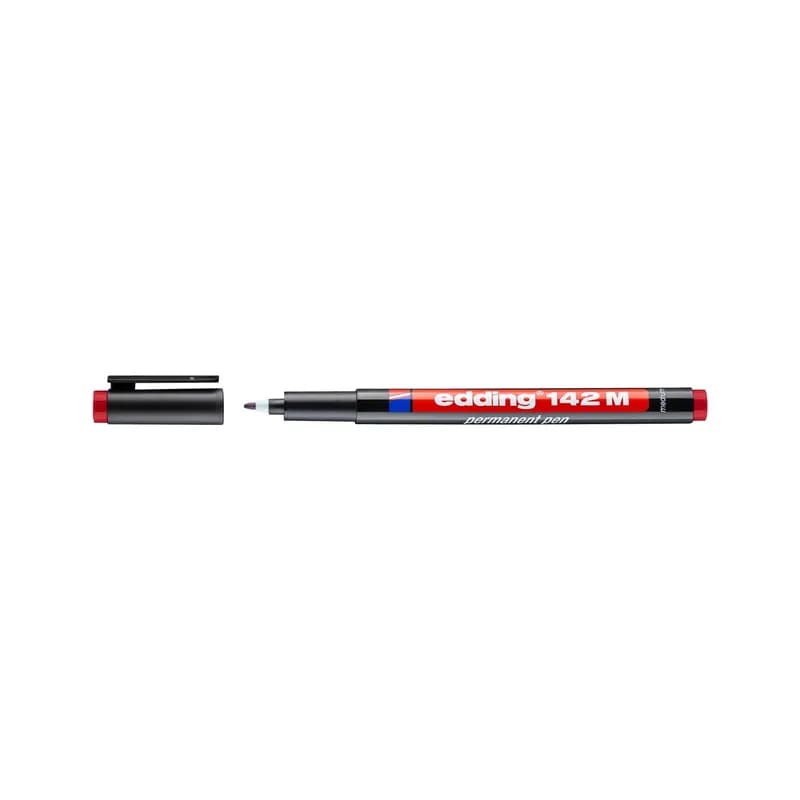
EDDİNG 142 m Ohp Asetat Kalemi Kırmızı
EDDİNG · Markers & Pens
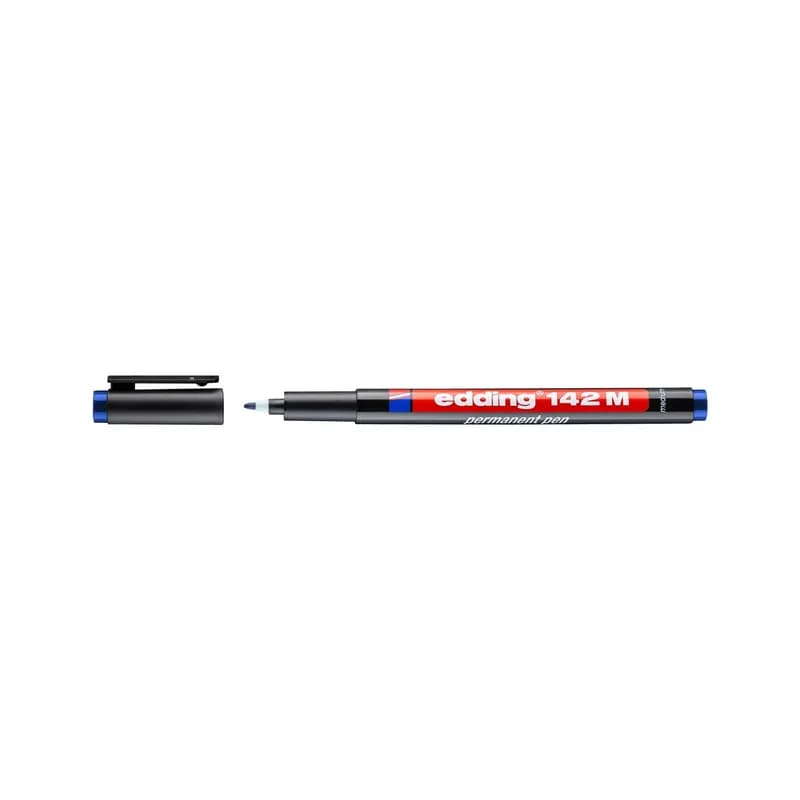
EDDİNG 142 m Ohp Asetat Kalemi Mavi
EDDİNG · Markers & Pens
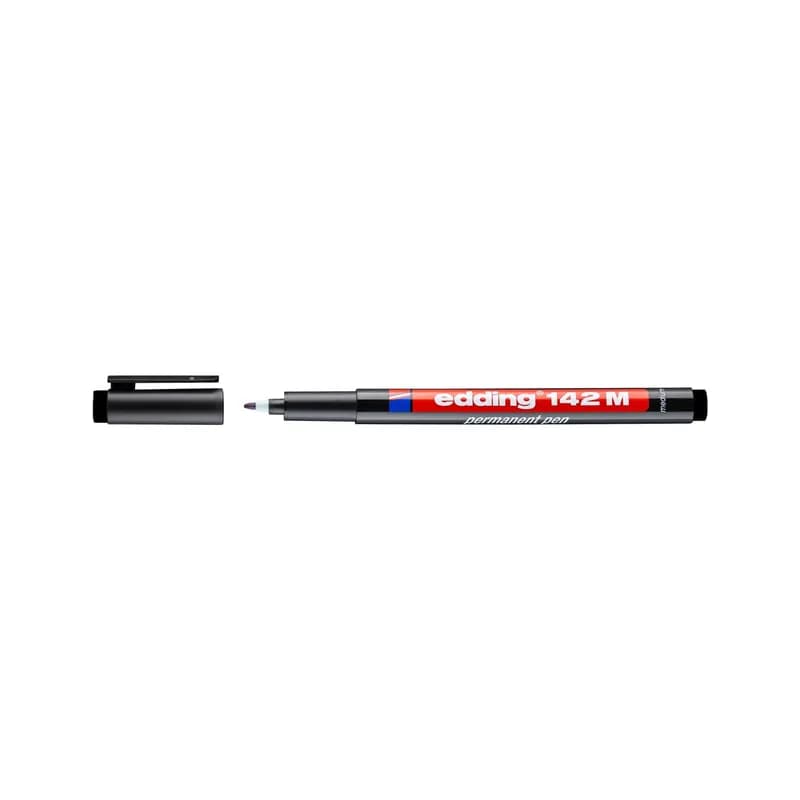
EDDİNG 142 m Ohp Asetat Kalemi Siyah
EDDİNG · Markers & Pens
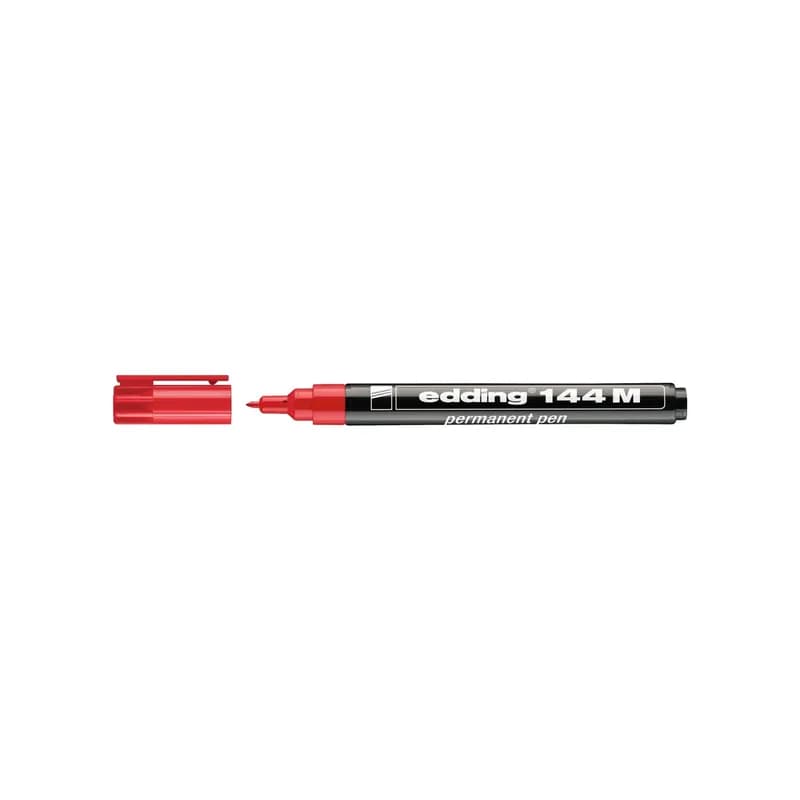
EDDİNG 144 m Kırmızı Asetat Kalemi
EDDİNG · Markers & Pens
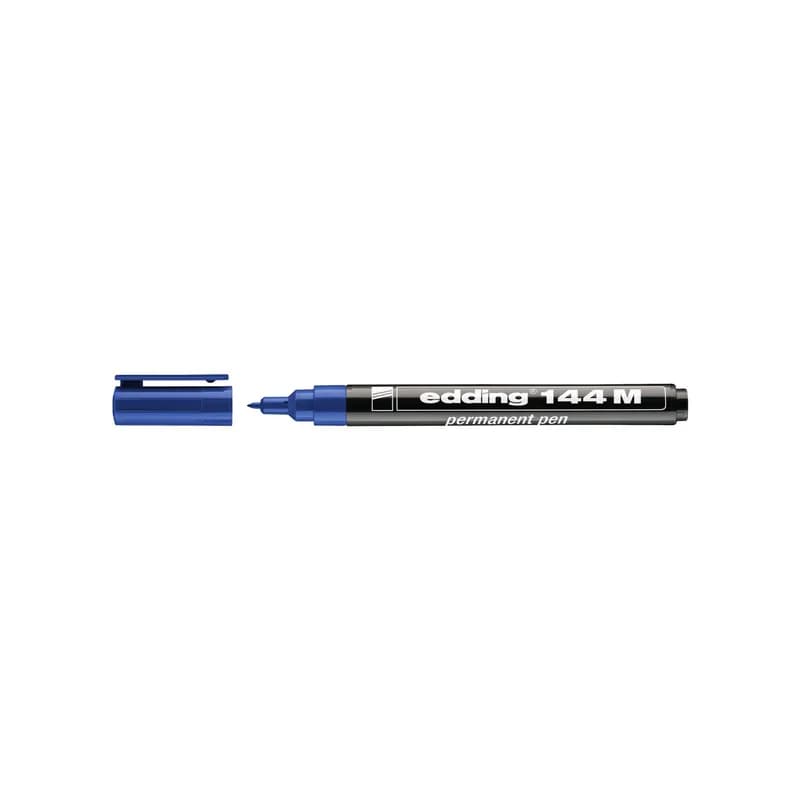
EDDİNG 144 m Mavi Asetat Kalemi
EDDİNG · Markers & Pens
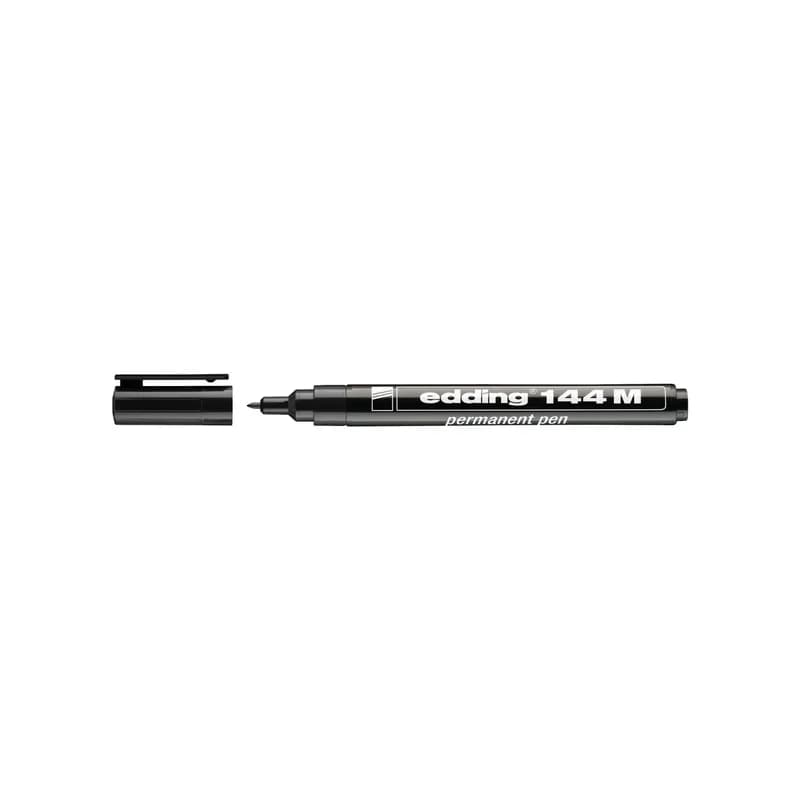
EDDİNG 144 m Siyah Asetat Kalemi
EDDİNG · Markers & Pens
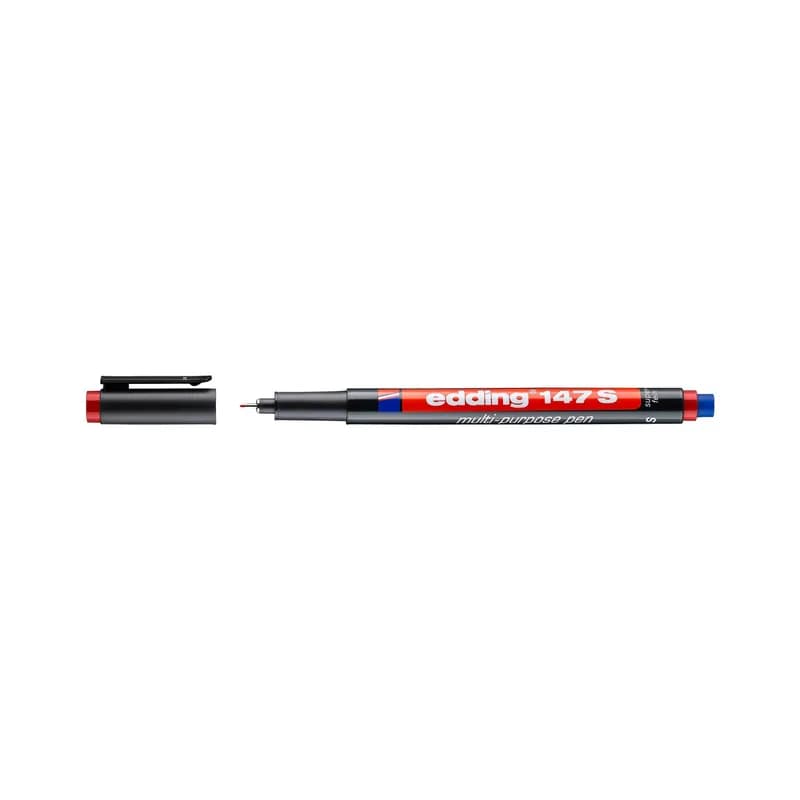
EDDİNG 147 S Silgili Asetat Kalemi Kırmızı
EDDİNG · Markers & Pens
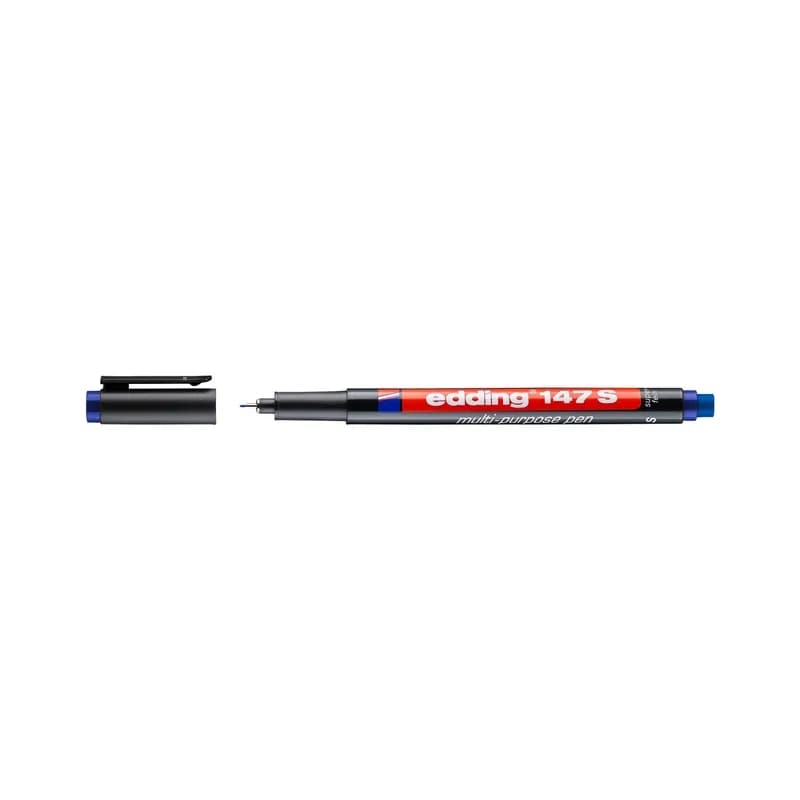
EDDİNG 147 S Silgili Asetat Kalemi Mavi
EDDİNG · Markers & Pens
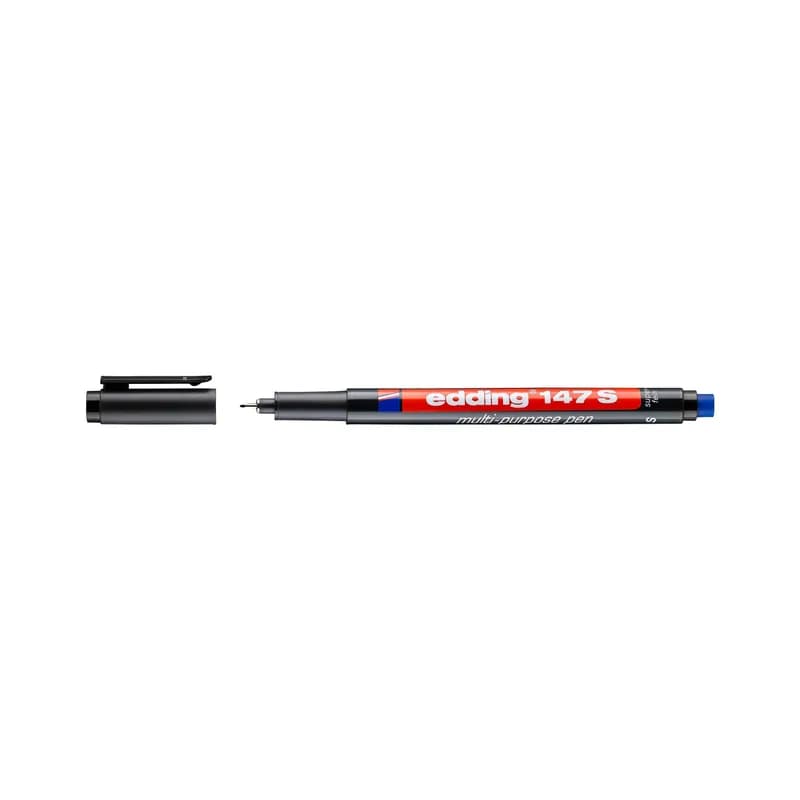
EDDİNG 147 S Silgili Asetat Kalemi Siyah
EDDİNG · Markers & Pens
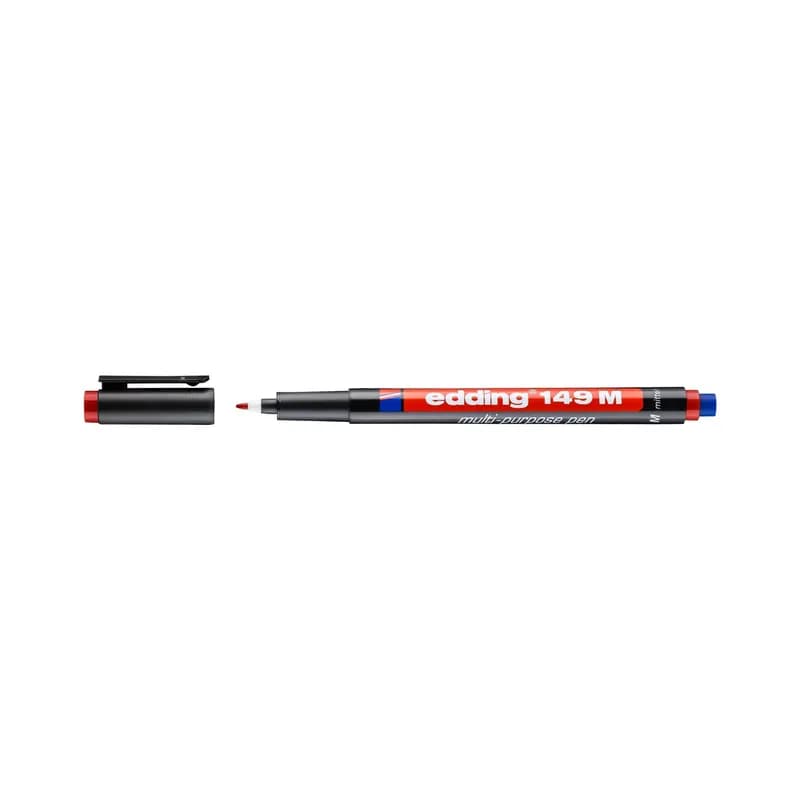
EDDİNG 149 m Silgili Asetat Kalemi Kırmızı
EDDİNG · Markers & Pens
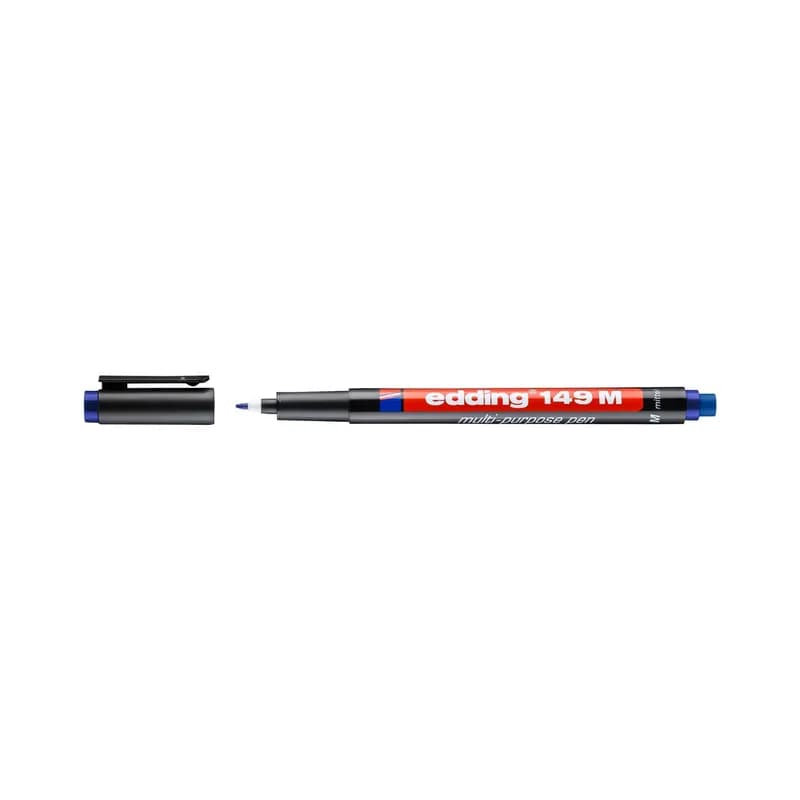
EDDİNG 149 m Silgili Asetat Kalemi Mavi
EDDİNG · Markers & Pens
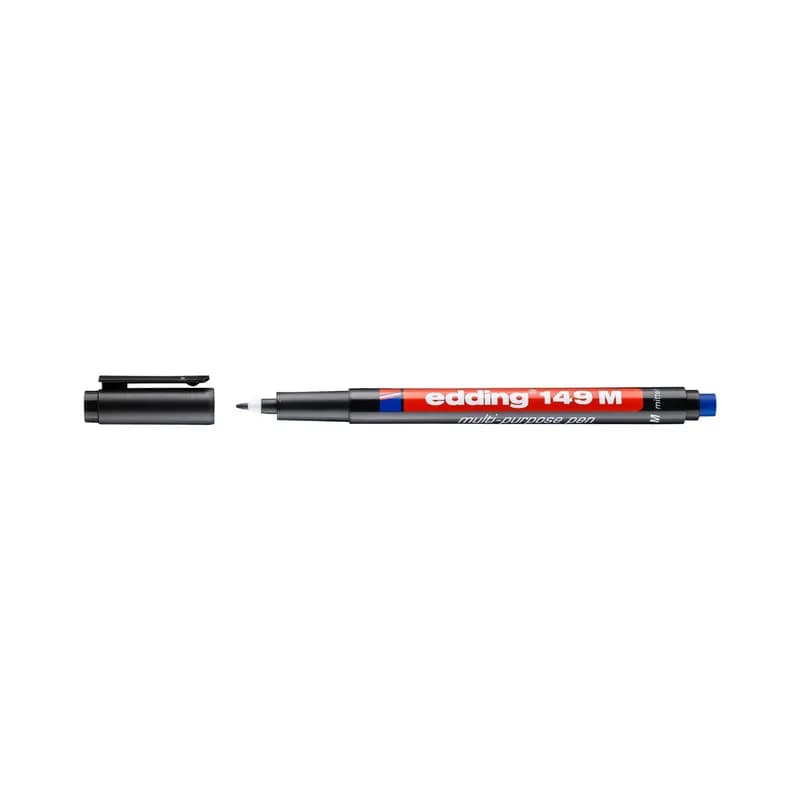
EDDİNG 149 m Silgili Asetat Kalemi Siyah
EDDİNG · Markers & Pens
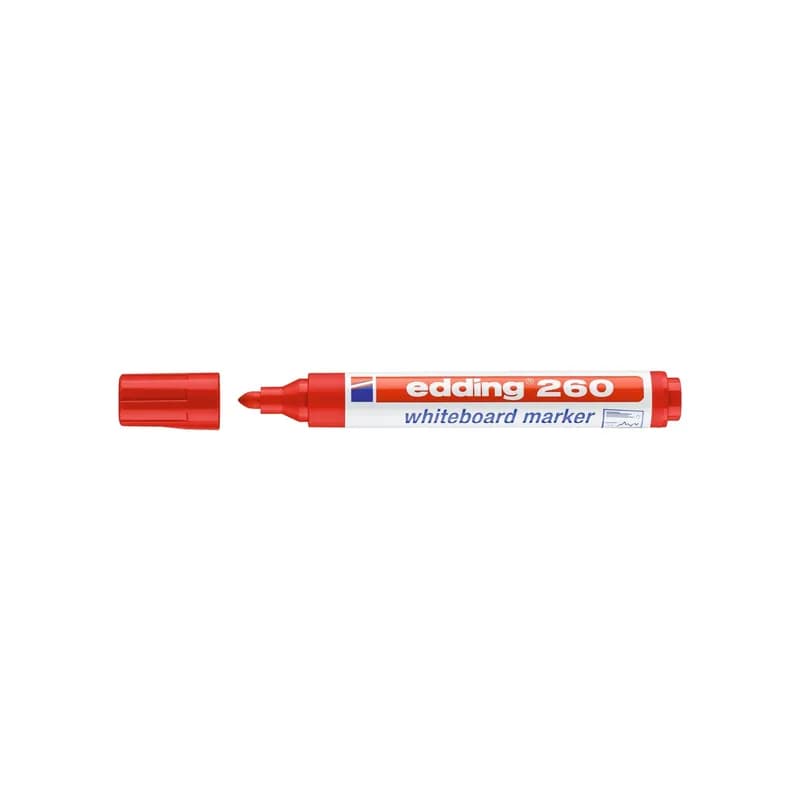
EDDİNG 260 Yazı Tahtası Kalemi Kırmızı
EDDİNG · Markers & Pens
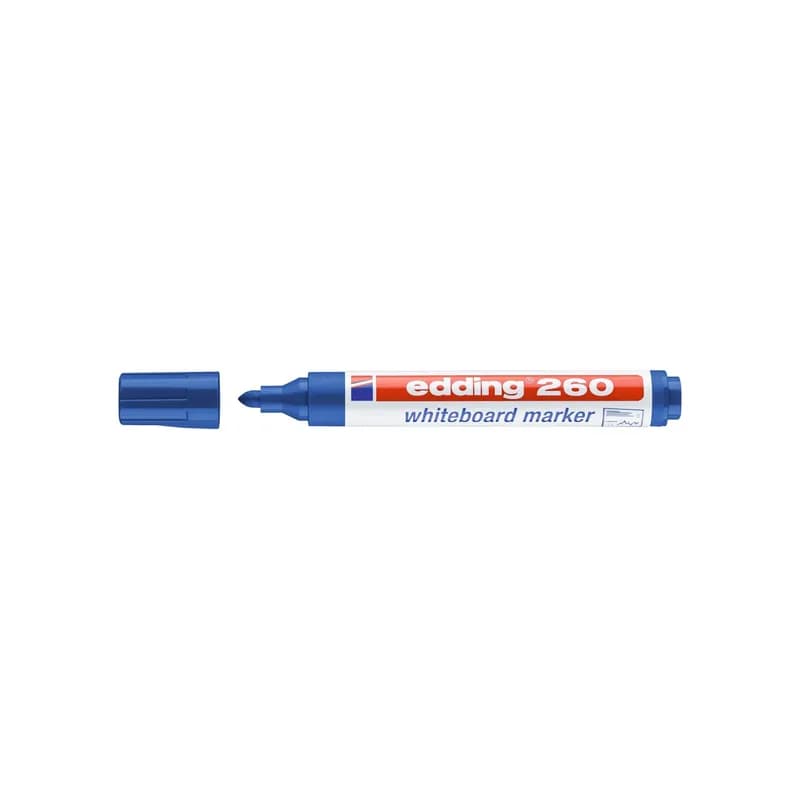
EDDİNG 260 Yazı Tahtası Kalemi Mavi
EDDİNG · Markers & Pens
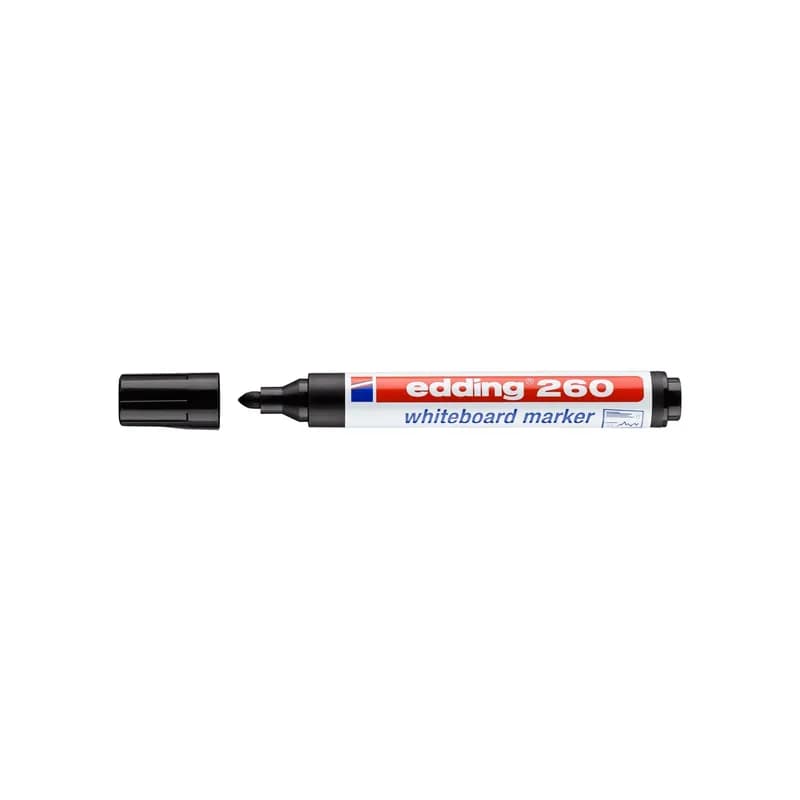
EDDİNG 260 Yazı Tahtası Kalemi Siyah
EDDİNG · Markers & Pens
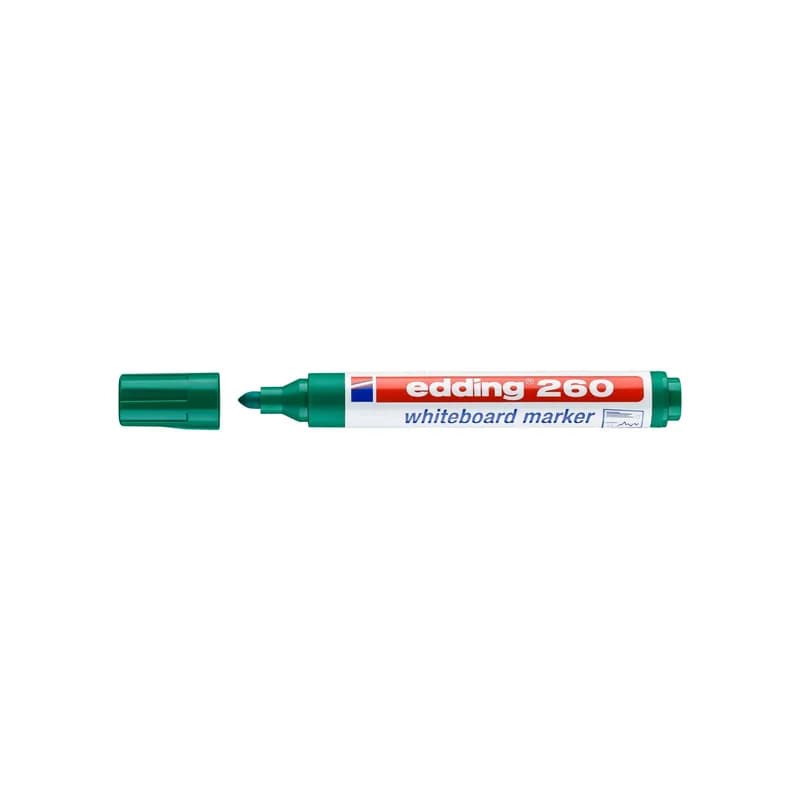
EDDİNG 260 Yazı Tahtası Kalemi Yeşil
EDDİNG · Markers & Pens
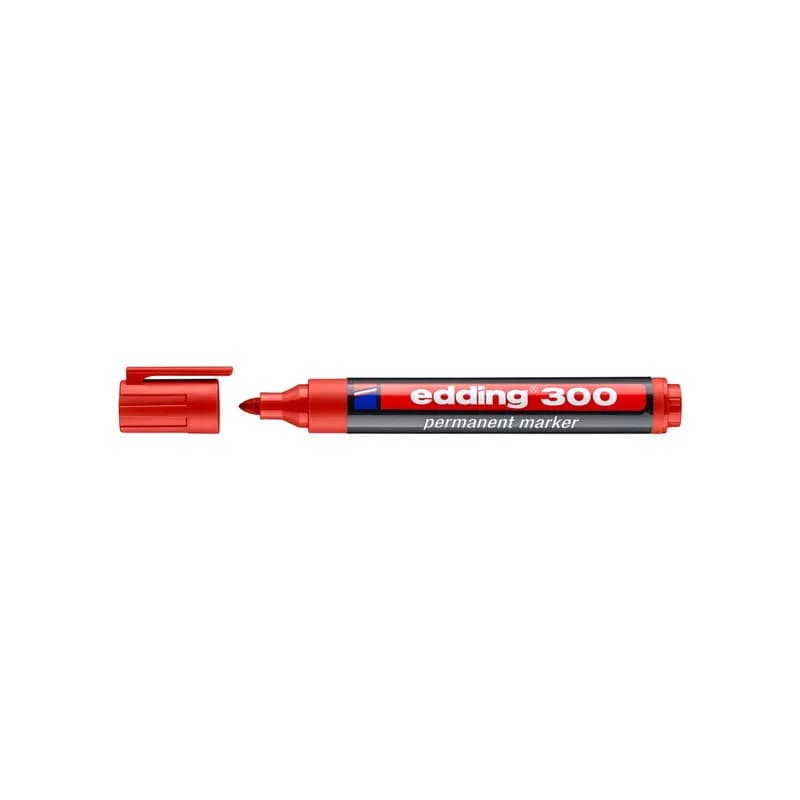
EDDİNG 300 Koli Kalemi Kırmızı
EDDİNG · Markers & Pens
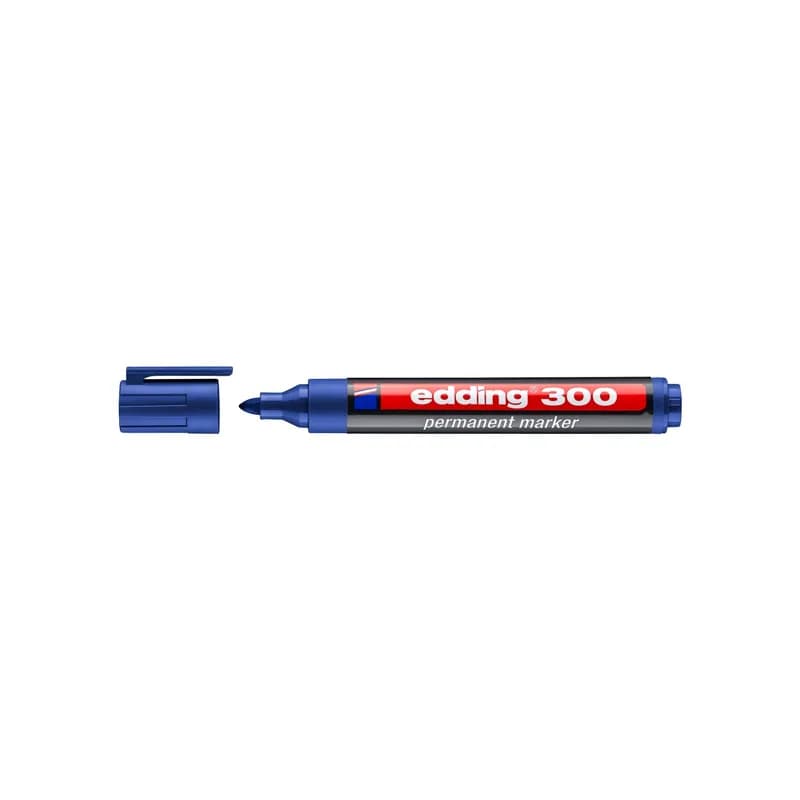
EDDİNG 300 Koli Kalemi Mavi
EDDİNG · Markers & Pens
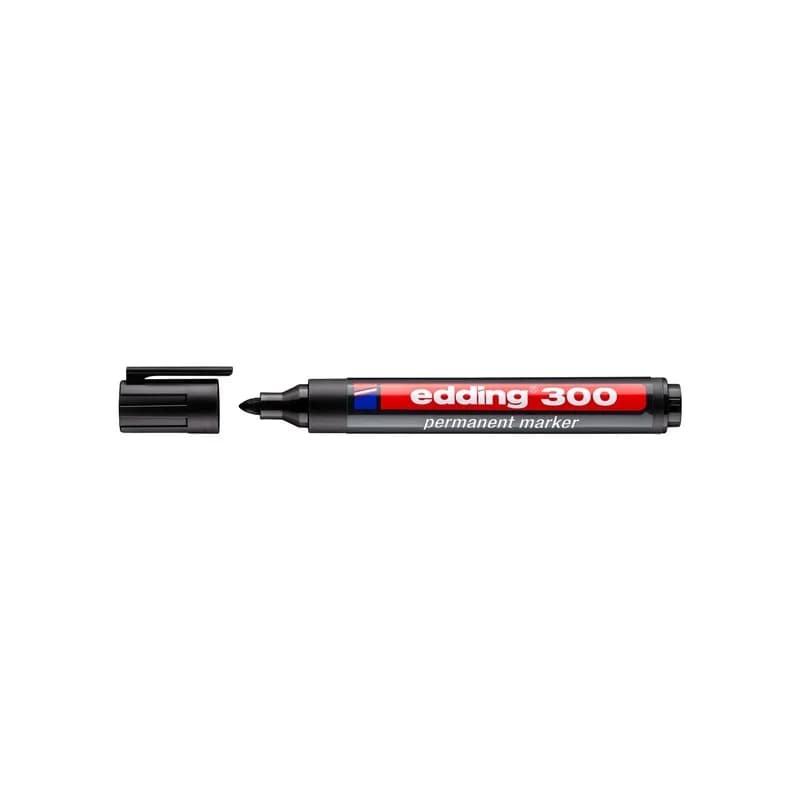
EDDİNG 300 Koli Kalemi Siyah
EDDİNG · Markers & Pens
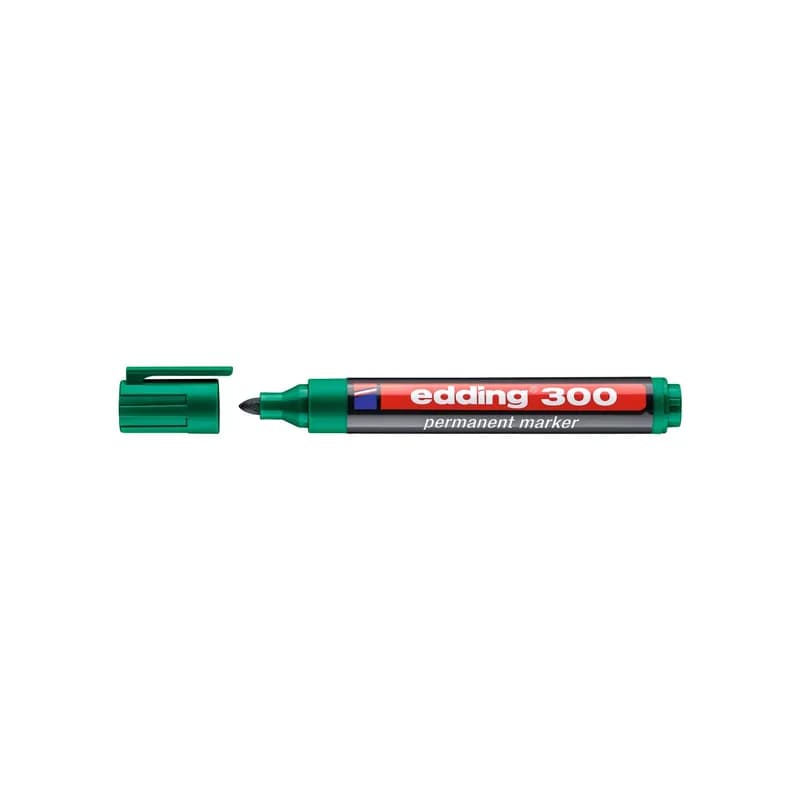
EDDİNG 300 Koli Kalemi Yeşil
EDDİNG · Markers & Pens
1–24 of 88 · page 1 / 4
Three families, by ink
Permanent markers use a solvent ink that writes durably on metal, glass, plastic and card and is unaffected by water, though it fades outdoors under sunlight over time. It is the standard for packaging and stores marking.
Opaque paint markers carry paint rather than ink: shaken before use and primed by pressing the nib, they leave a covering mark even on rusty, oily, wet or dark surfaces. On steel, rubber, concrete and outdoor work they replace the permanent marker entirely.
Dry-wipe pens belong on whiteboards; used on a permanent surface the mark rubs away within days. A separate group is furniture touch-up pens, carrying wood-toned pigment for covering scratches.
| Type | Surface | Durability |
|---|---|---|
| Permanent | Card, plastic, glass, metal | Permanent, indoors |
| Opaque paint | Rust, oil, concrete, rubber, dark surfaces | Permanent, outdoors |
| Packaging marker | Card, cartons | Permanent |
| Whiteboard | Whiteboard, laminate | Dry-wipe |
| Touch-up pen | Wood, furniture | Permanent, coloured |
Nib width and deep-hole nibs
Nib width decides both legibility and use. Extra fine (0.3-0.5 mm) suits cable labels and small-part numbering; fine (0.8-1 mm) general writing; a 2-5 mm chisel nib cartons and stores; and a 5-15 mm broad chisel marks meant to be read from a distance.
Construction markers use a different nib geometry: a long tapered tip reaches inside a drilled hole to leave a mark. They are also built to survive being left uncapped for a while, because on site the cap always goes missing.
- Extra fine: cables, labels, small parts.
- Fine: general writing and numbering.
- 2-5 mm chisel: cartons, packaging, rack labels.
- 5-15 mm broad chisel: pallets, despatch, read from a distance.
- Long tapered nib: marking inside a drilled hole.
Frequently Asked Questions
What is the difference between a permanent marker and a paint marker?
A permanent marker writes with solvent ink and lasts on clean, dry surfaces. A paint marker carries actual paint, covers rust, oil, damp and dark surfaces, and lasts far longer outdoors.
What writes on wet or oily metal?
An opaque paint marker. Permanent ink will not key to oil or moisture, whereas paint leaves a covering layer on top of the surface.
Why is my paint marker not writing?
A paint marker has to be shaken, then primed by pressing the nib against a surface several times to draw paint down. Skipping that on first use leaves the nib dry.
Which nib for site work?
Fine for general writing, chisel for cartons and pallets. If you need to mark inside a drilled hole, use a construction marker with a long tapered nib.
Can a whiteboard pen be used on a permanent surface?
It can, but it will not stay; dry-wipe ink comes off with friction and moisture. Permanent marking needs a permanent or paint marker.