Categories
Multimeters
Choosing a multimeter comes down to two things: whether the reading is true (True RMS) and whether the instrument is safe where you will use it (the CAT rating). This page covers why True RMS is needed, what separates CAT II, III and IV, and how a clamp meter differs from a multimeter. The catalogue holds 42 products from UNI-T, Milwaukee and Mastech.
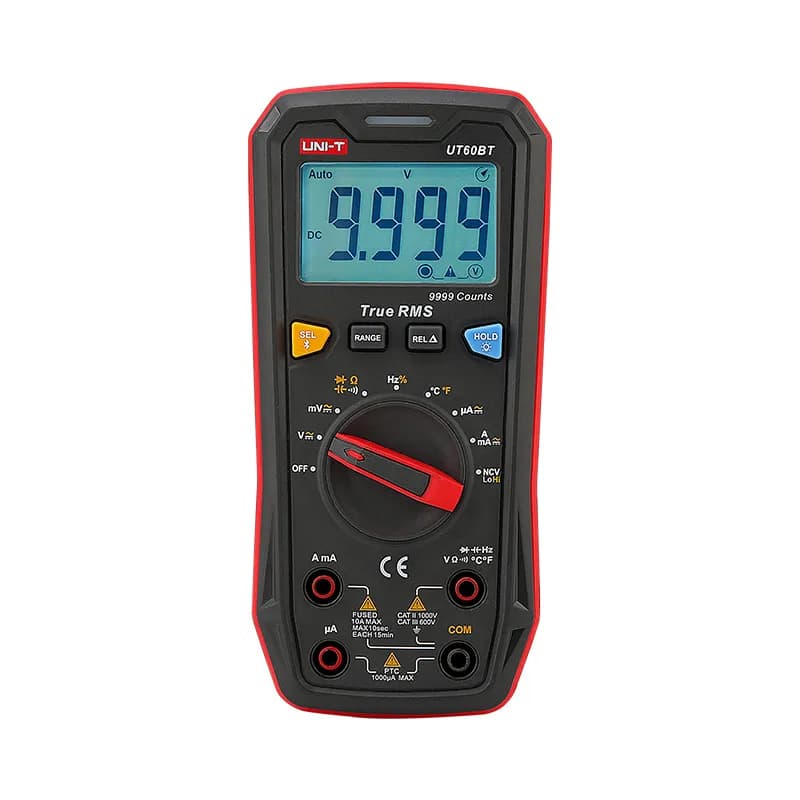
Bluetoothlu Dijital True RMS Multimetre
Uni-T · Multimeters
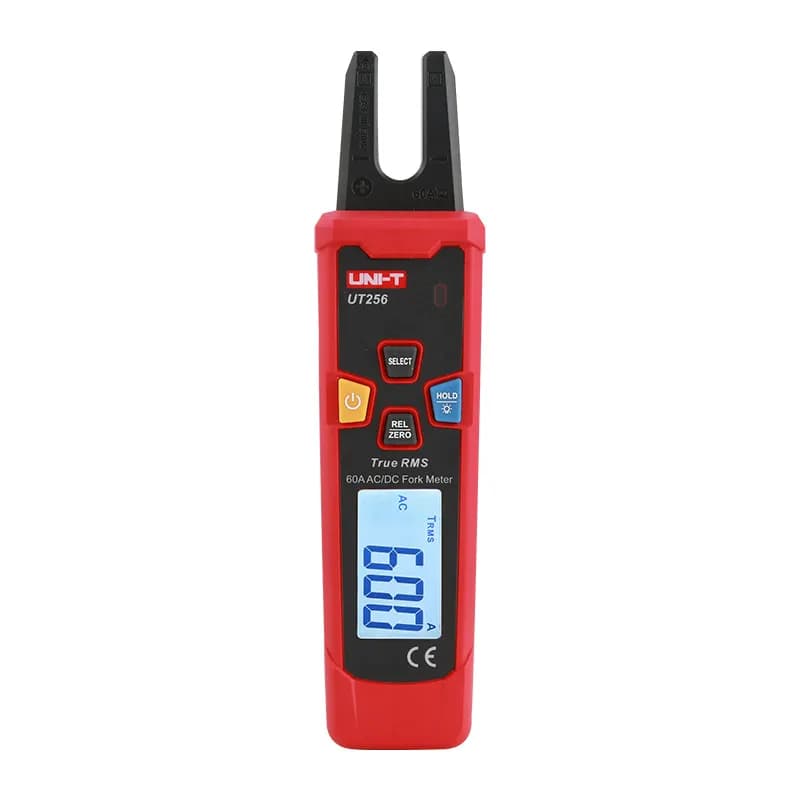
Çatal Tip Ampermetre
Uni-T · Multimeters
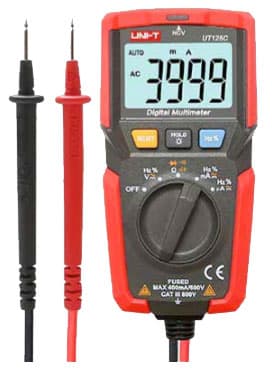
Cep Tipi Dijital Multimetre
Uni-T · Multimeters
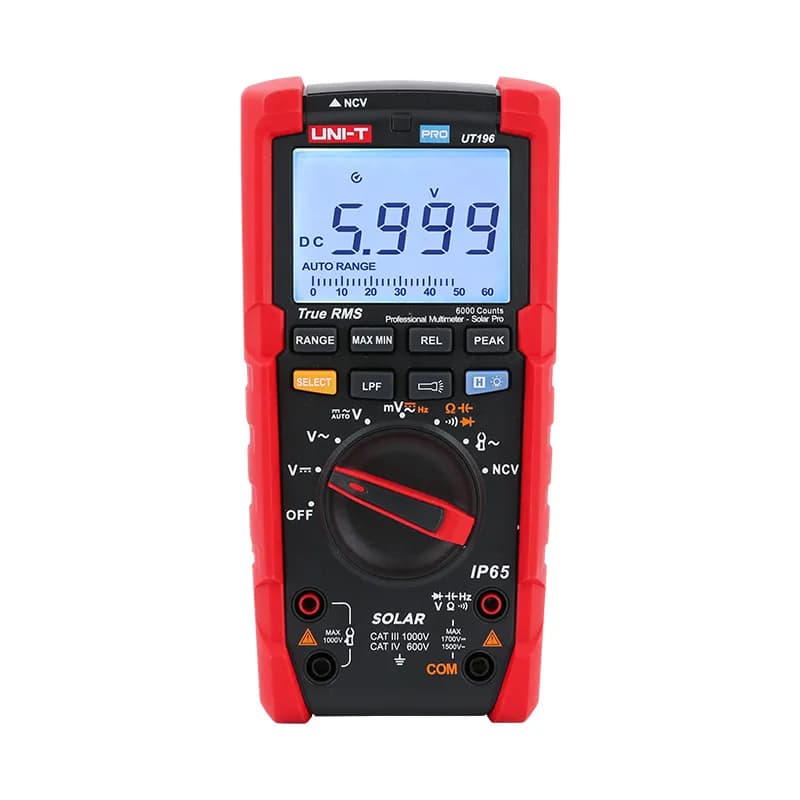
DC SOLAR 1700V True RMS Profesyonel Multimetre
Uni-T · Multimeters
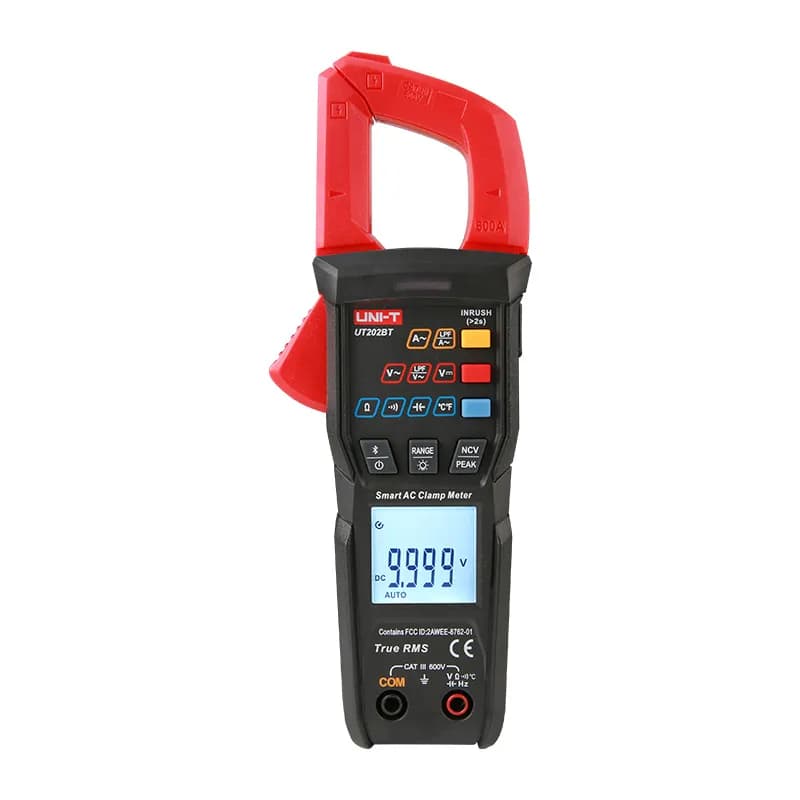
Dijital Bluetooth Bağlantılı True RMS Pens Ampermetre
Uni-T · Multimeters
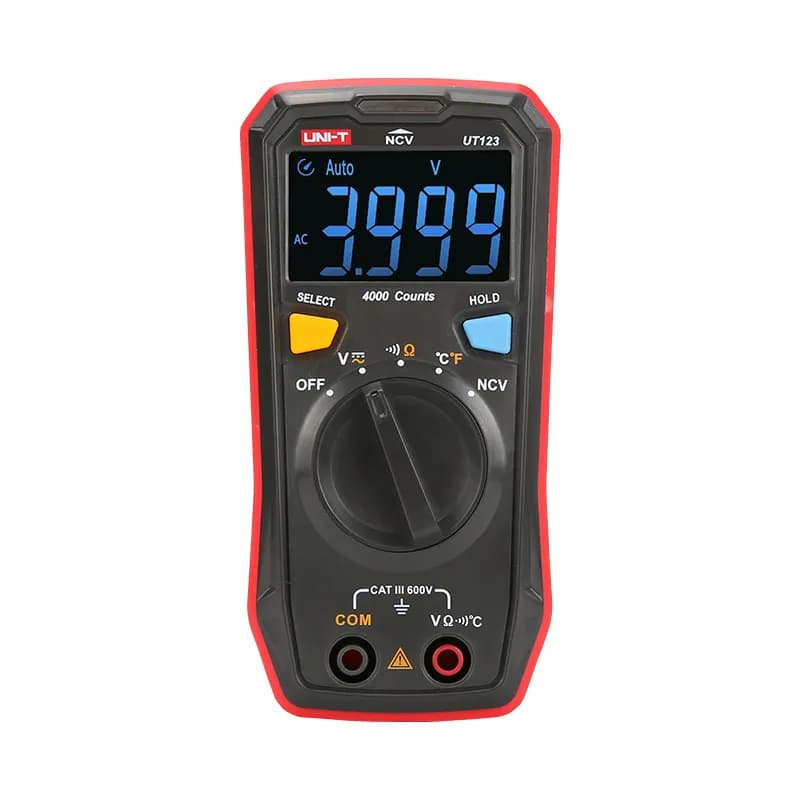
Dijital Mini Multimetre
Uni-T · Multimeters
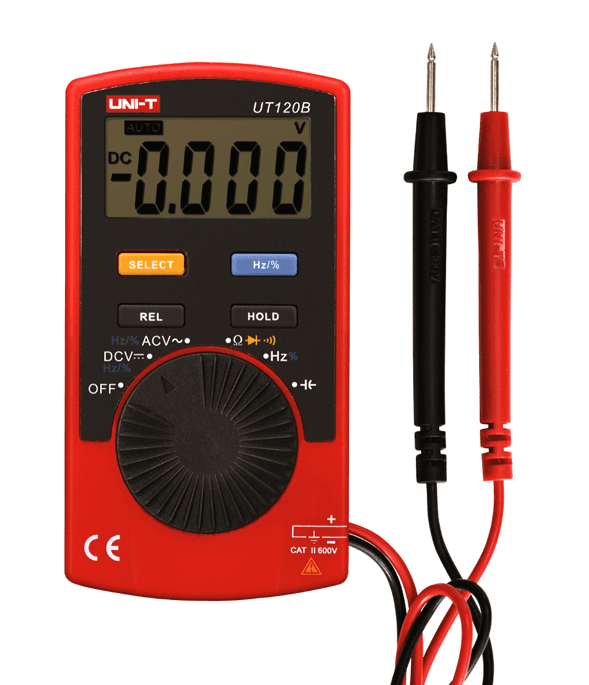
Dijital Multimetre
Uni-T · Multimeters
Dijital Multimetre
Uni-T · Multimeters
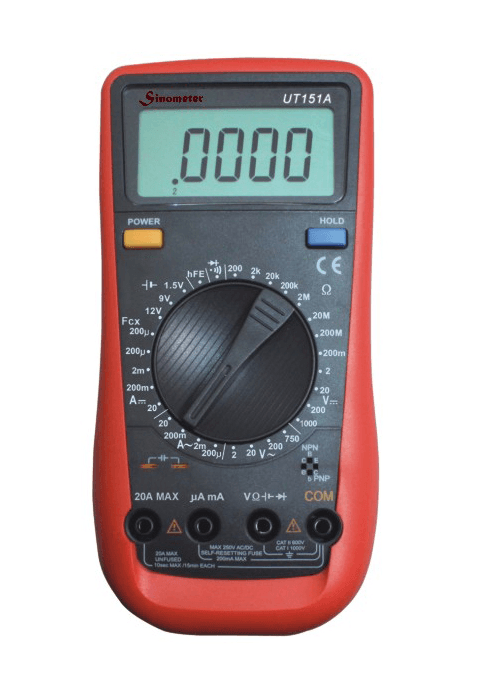
Dijital Multimetre
Uni-T · Multimeters
Dijital Multimetre
Uni-T · Multimeters
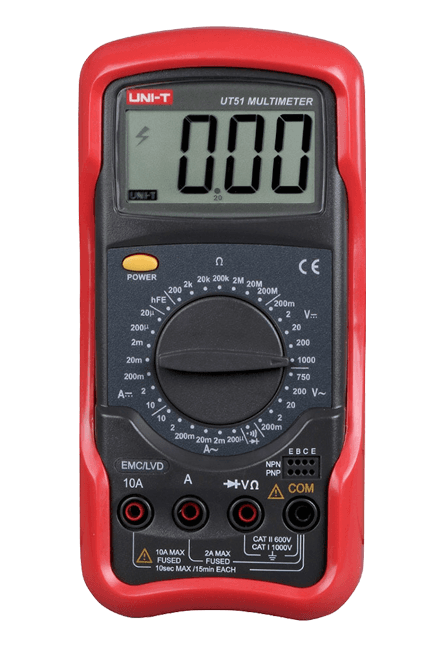
Dijital Multimetre
Uni-T · Multimeters
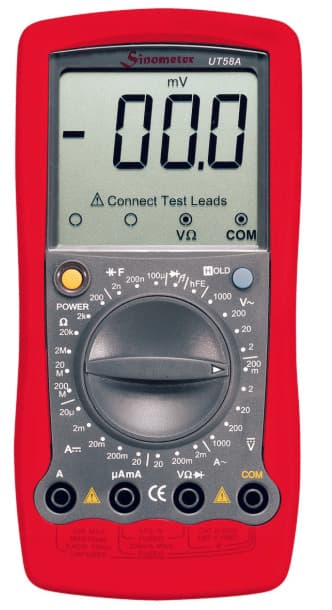
Dijital Multimetre
Uni-T · Multimeters
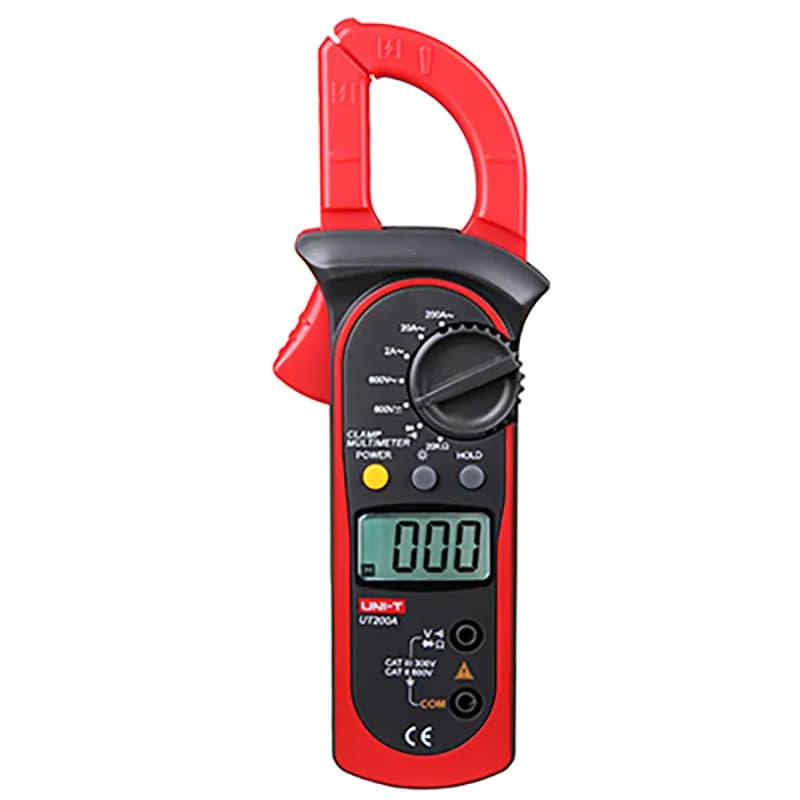
Dijital Pens Ampermetre
Uni-T · Multimeters
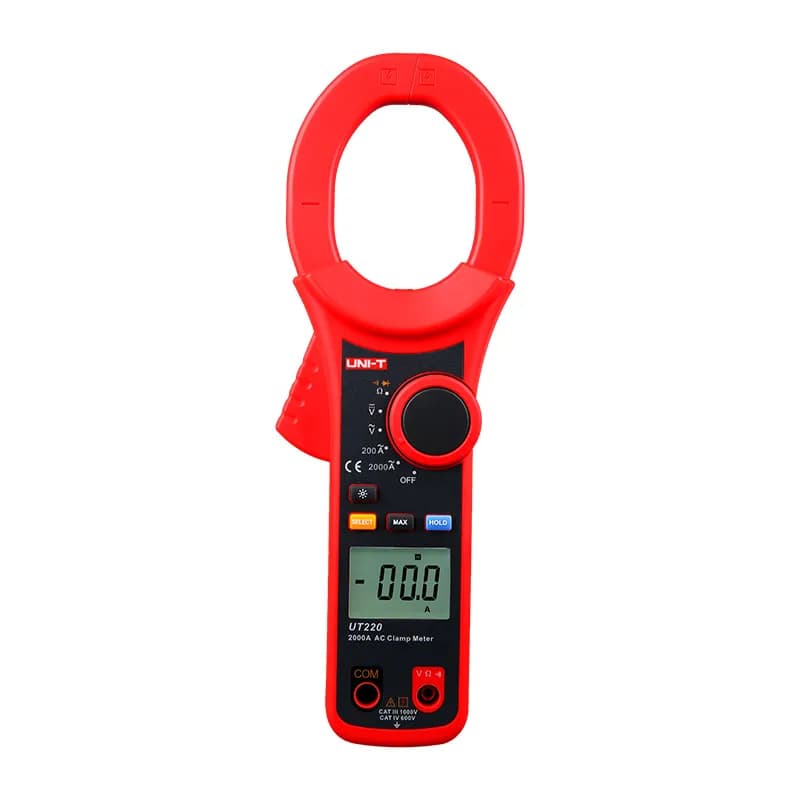
Dijital Pens Ampermetre
Uni-T · Multimeters
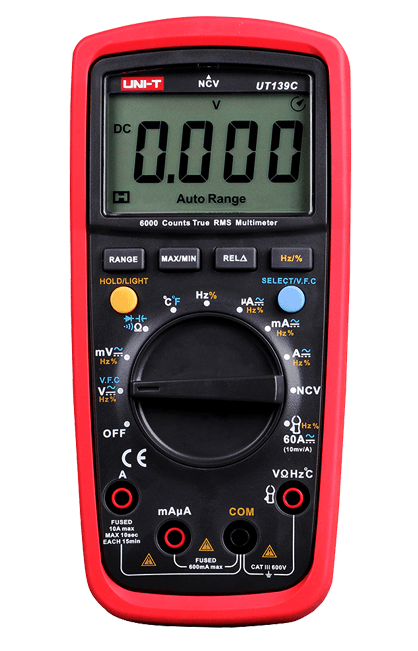
Dijital True RMS Multimetre
Uni-T · Multimeters
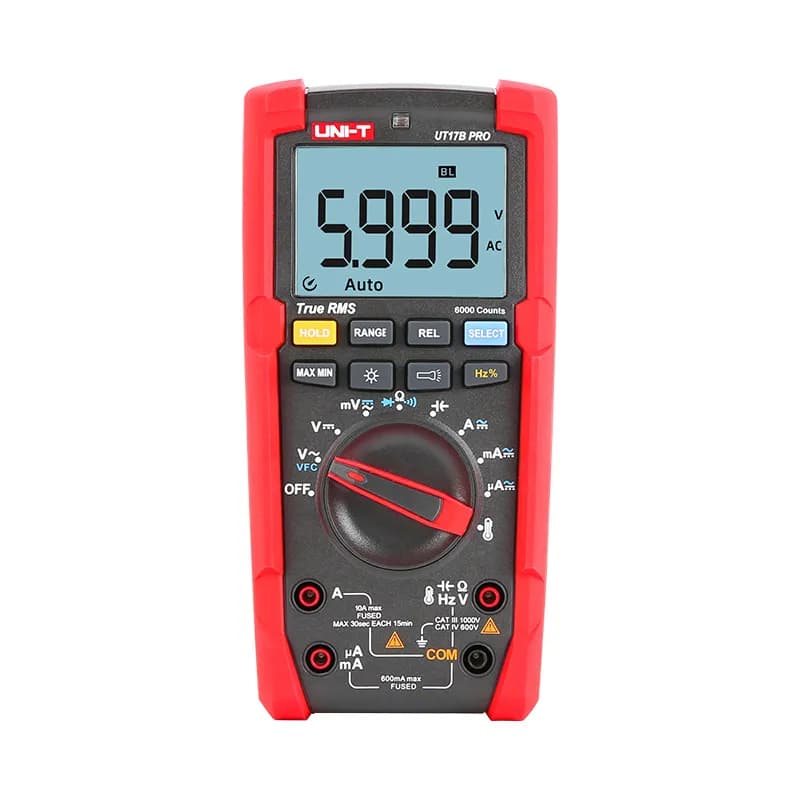
Dijital True RMS Multimetre
Uni-T · Multimeters
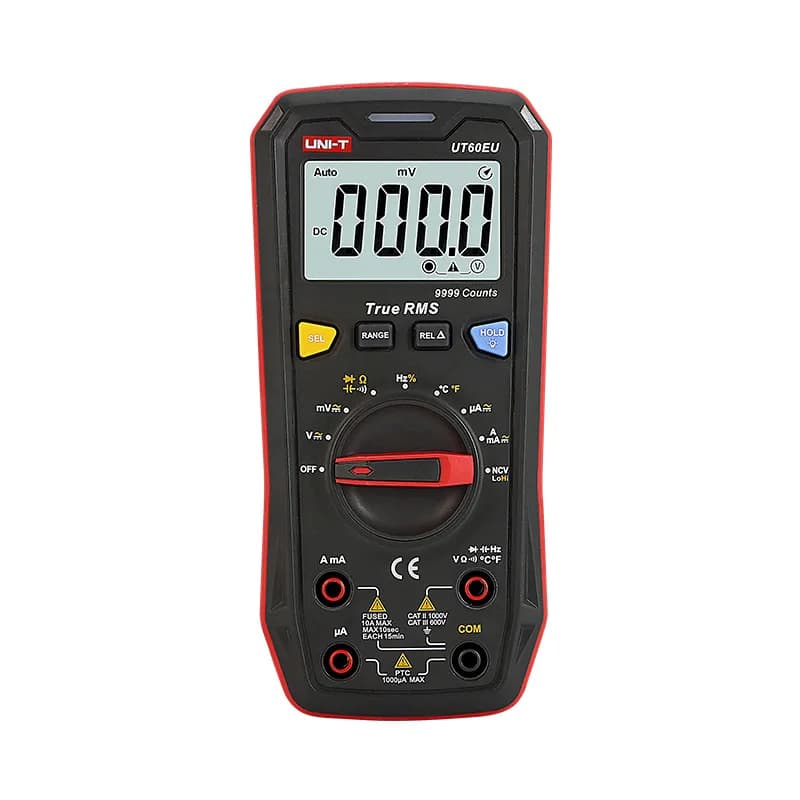
Dijital True RMS Multimetre
Uni-T · Multimeters
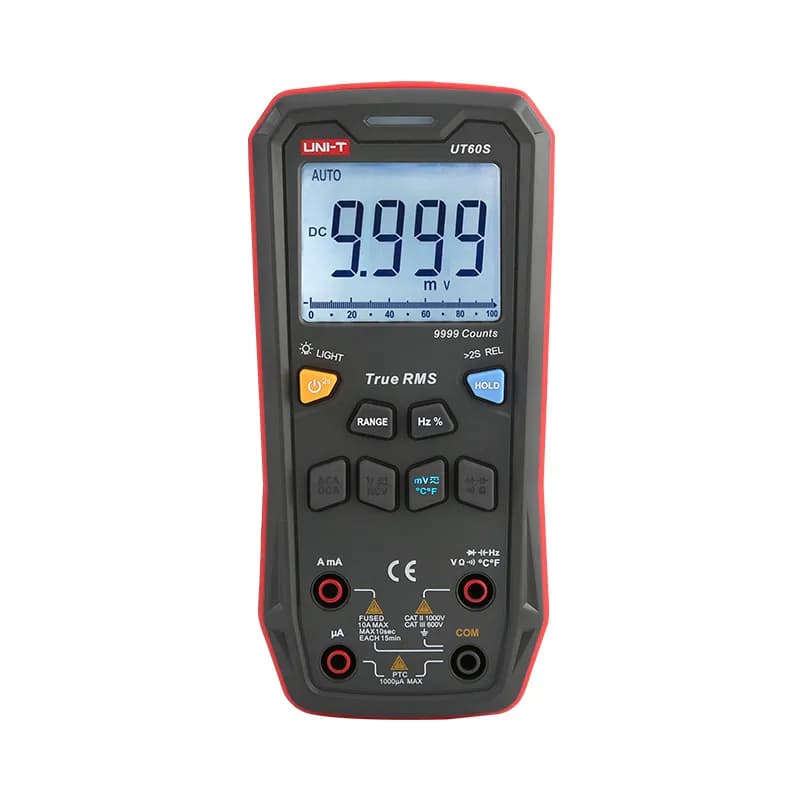
Dijital True RMS Multimetre
Uni-T · Multimeters
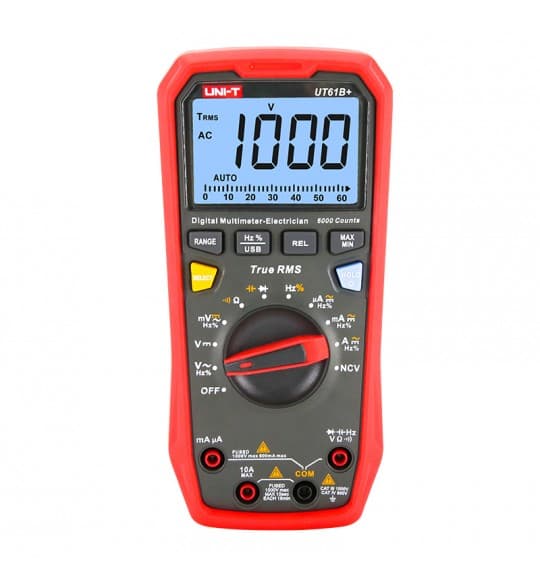
Dijital True RMS Multimetre
Uni-T · Multimeters
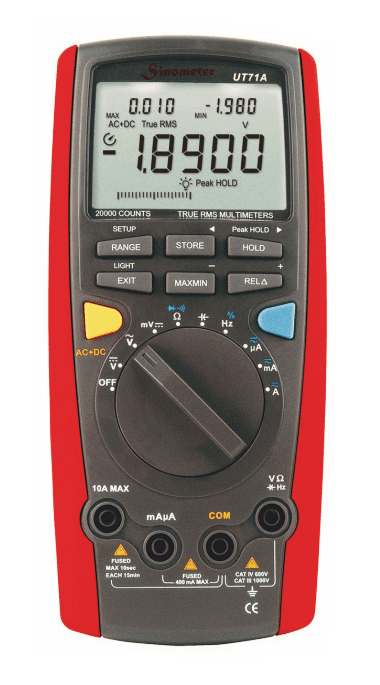
Dijital True RMS Multimetre
Uni-T · Multimeters
Dijital True RMS Multimetre
Uni-T · Multimeters
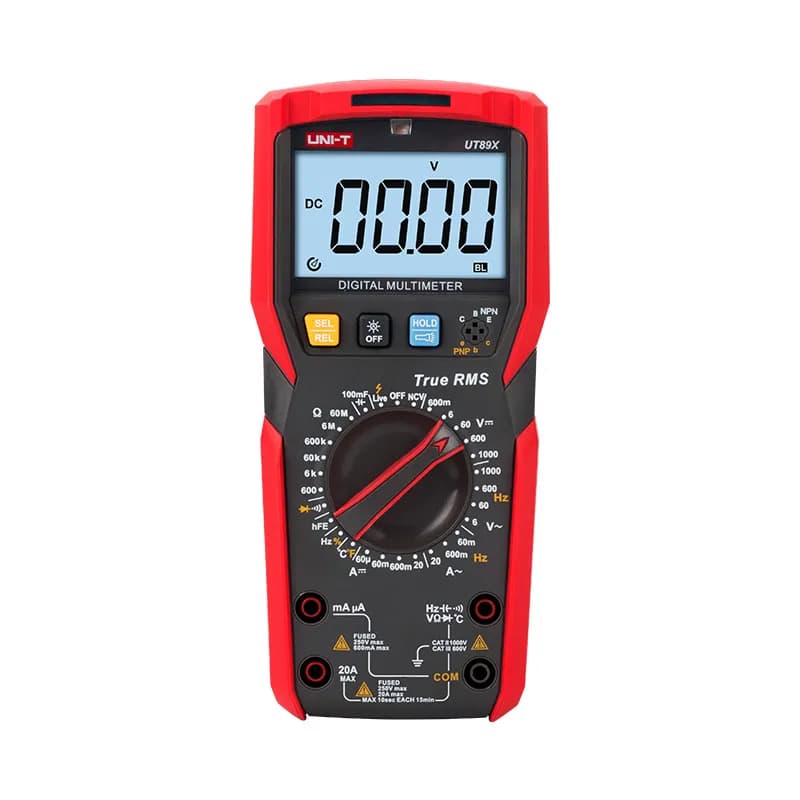
Dijital True RMS Multimetre
Uni-T · Multimeters
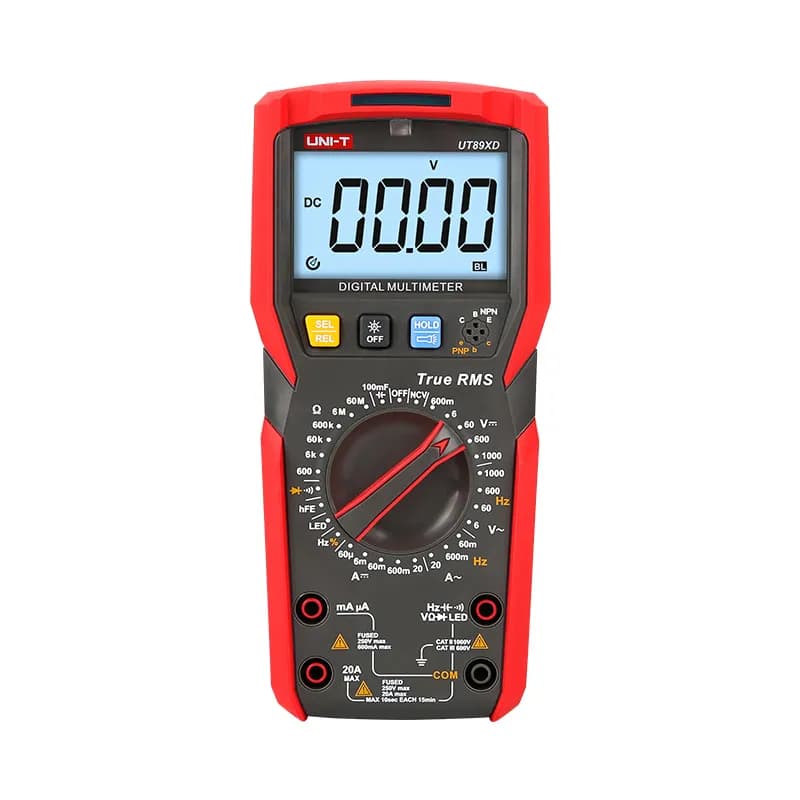
Dijital True RMS Multimetre
Uni-T · Multimeters
Dijital True RMS Pens Ampermetre
Uni-T · Multimeters
1–24 of 46 · page 1 / 2
True RMS and the CAT rating
An averaging multimeter is only correct on a clean sine wave. Where there are variable-speed drives, LED drivers, switched-mode supplies or dimmers the waveform is distorted, and an averaging instrument reads noticeably above or below the real value. A True RMS instrument measures the actual effective value, which today's installations make close to mandatory.
The CAT rating is the safety side, stating where the instrument may be used. CAT II covers socket circuits, CAT III distribution boards and fixed installation, CAT IV the service entrance. The voltage printed alongside the category binds just as tightly, and the test leads must carry the same rating.
| Category | Where | Common rating |
|---|---|---|
| CAT II | Socket circuits, single-phase loads | 600 V |
| CAT III | Distribution boards, fixed installation | 600 / 1000 V |
| CAT IV | Service entrance, ahead of the meter | 600 V |
When a clamp meter is the right tool
Measuring current with a multimeter means breaking into the circuit in series, which on a live installation is rarely practical. A clamp meter reads the current by encircling the conductor, without opening anything, and that makes it the primary instrument for board work.
The AC/DC distinction matters on clamps: a conventional current-transformer clamp reads AC only, and DC current needs a Hall-effect model — essential on batteries, solar and DC drives. An inrush function captures the surge as a motor or compressor starts.
- True RMS: the real effective value on a distorted waveform.
- Hall-effect clamp: DC current (batteries, PV, drives).
- Inrush: motor and compressor starting current.
- Bluetooth: logging readings and reading from a distance.
Frequently Asked Questions
Do I really need True RMS?
On any installation with variable-speed drives, LED drivers, switched-mode supplies or dimmers, yes. On a distorted waveform an averaging instrument departs noticeably from the true value.
Which CAT rating should I choose?
The one matching the most exposed point you will measure: CAT II at socket level, CAT III for distribution boards and fixed installation, CAT IV at the service entrance. The leads must share the rating.
What is the difference between a clamp meter and a multimeter?
A multimeter has to be put in series with the circuit to read current; a clamp meter encircles the conductor and reads without opening anything. On a live board the clamp is the practical tool.
Why will my clamp meter not read DC current?
Conventional current-transformer clamps read AC only. Batteries, solar arrays and DC drives need a Hall-effect (AC/DC) clamp.
What makes an automotive multimeter different?
It adds functions specific to vehicle electrics — RPM, dwell angle, pulse width and low-voltage measurement — that a general-purpose meter does not provide.