Categories
Oil Paint Brushes
An oil paint brush is a flat brush for synthetic and alkyd paints, varnish, primer and any finish thinned with solvent. The handle is wood, because solvent and thinner soften a plastic one over time. Joinery, door and window frames, radiators, railings and steelwork are painted with it.
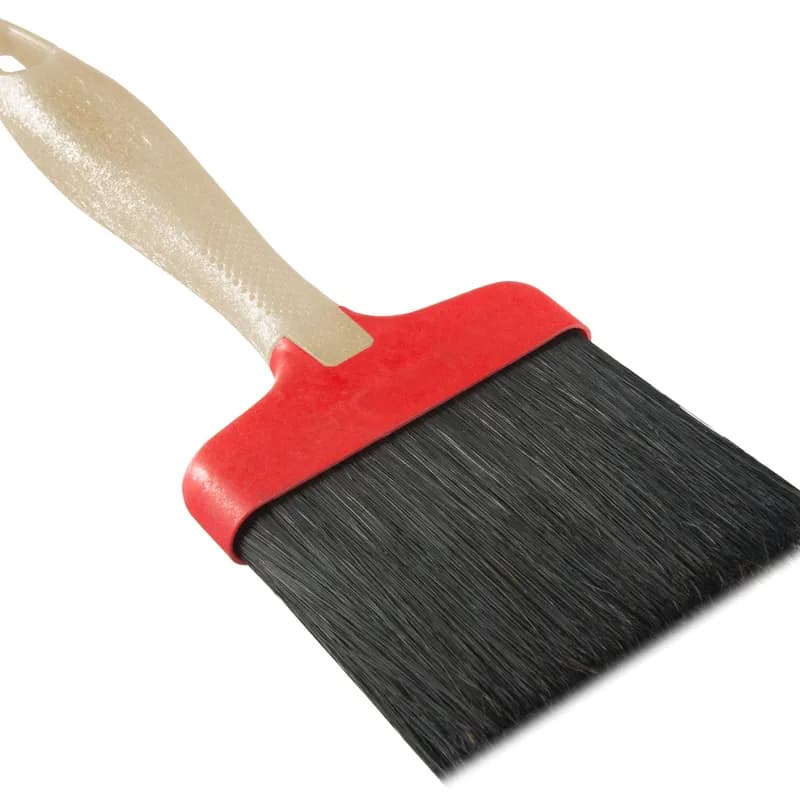
Dekor Yağlı Boya Fırçaları 80 mm 6063
Dekor · Oil Paint Brushes
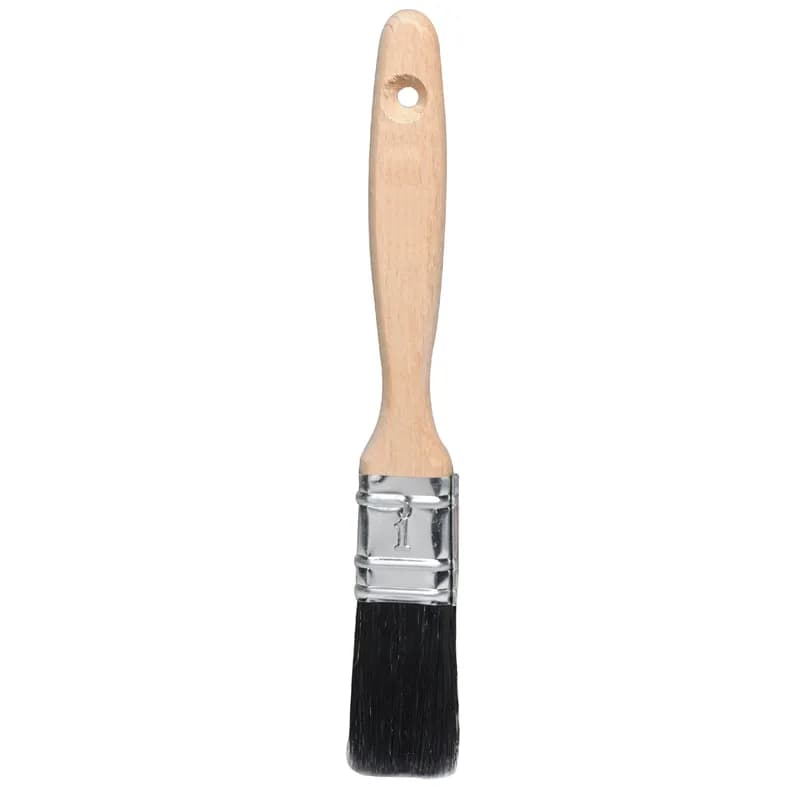
YILDIRIM Ahşap Sap Yağlı Boya Fırça KOD:401 NO:1
YILDIRIM · Oil Paint Brushes
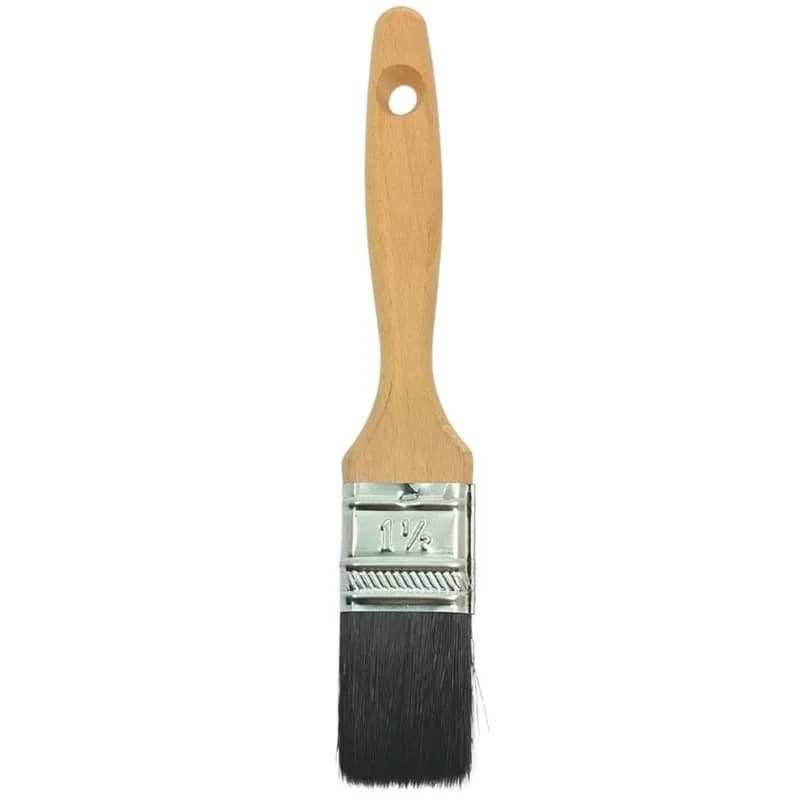
YILDIRIM Ahşap Sap Yağlı Boya Fırça KOD:402 NO:1.5
YILDIRIM · Oil Paint Brushes
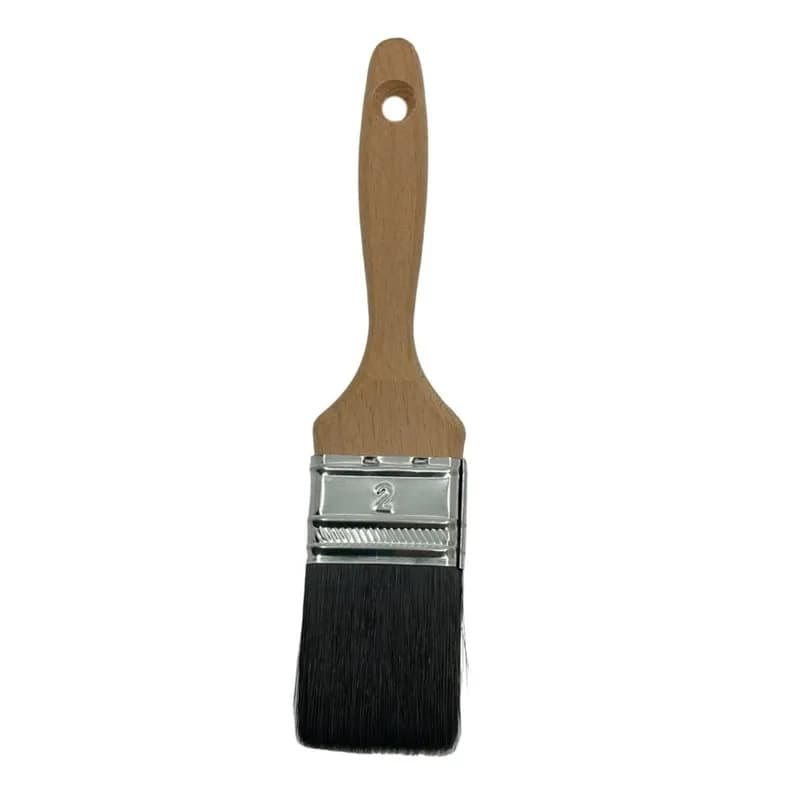
YILDIRIM Ahşap Sap Yağlı Boya Fırça KOD:403 NO:2
YILDIRIM · Oil Paint Brushes
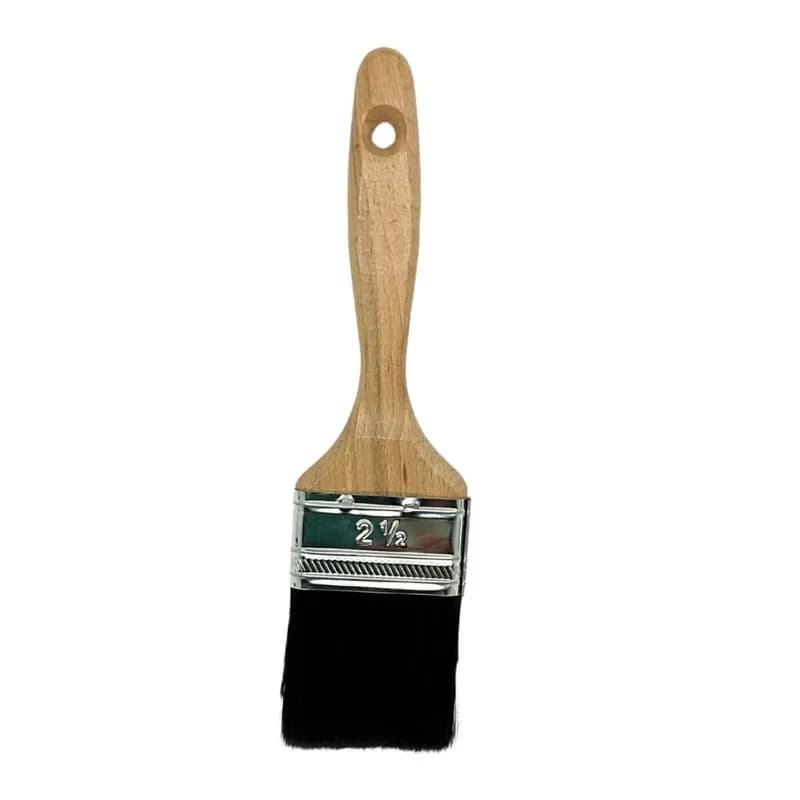
YILDIRIM Ahşap Sap Yağlı Boya Fırça KOD:404 NO:2.5
YILDIRIM · Oil Paint Brushes
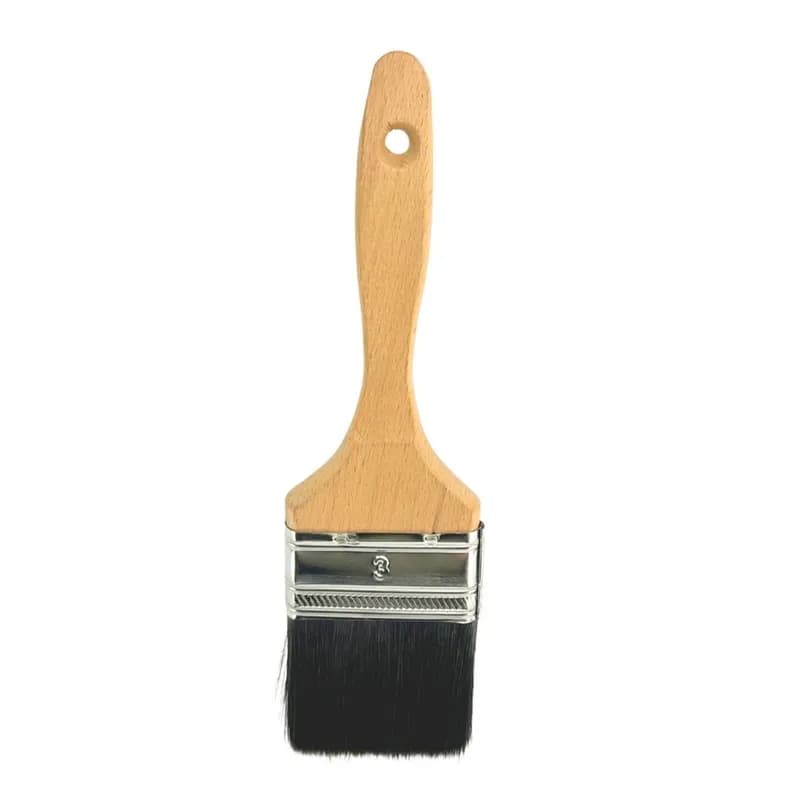
YILDIRIM Ahşap Sap Yağlı Boya Fırça KOD:405 NO:3
YILDIRIM · Oil Paint Brushes
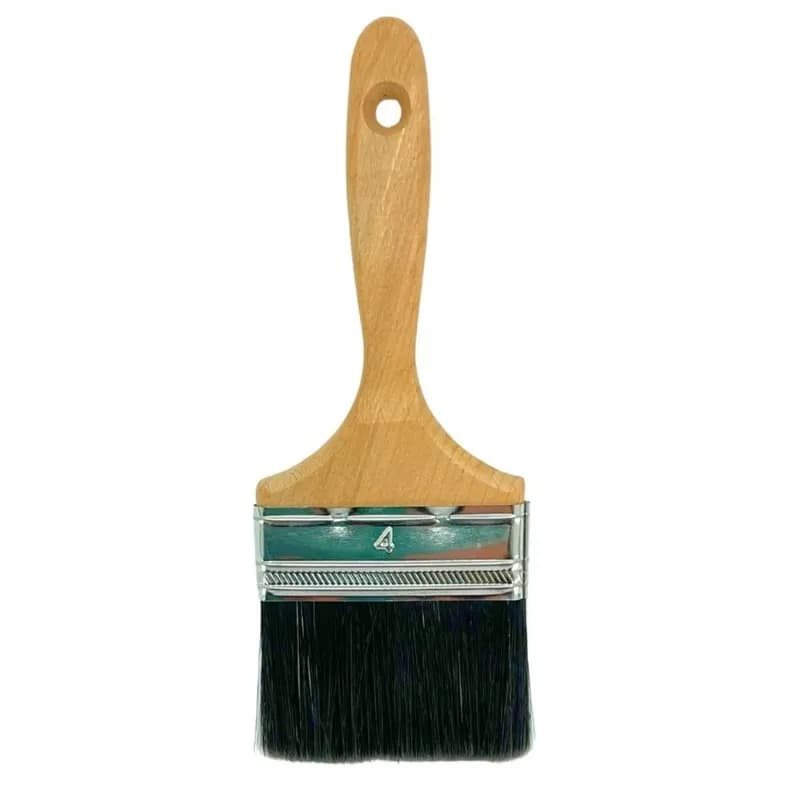
YILDIRIM Ahşap Sap Yağlı Boya Fırça KOD:406 NO:4
YILDIRIM · Oil Paint Brushes
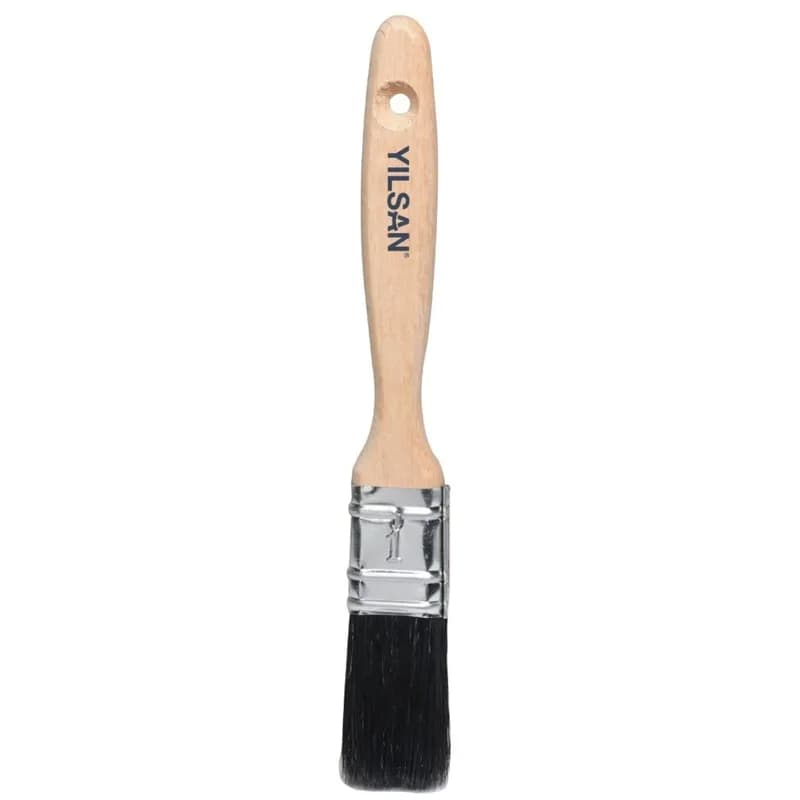
Yılsan Wooden Handle Oil Paint Brush No 1
Yılsan · Oil Paint Brushes
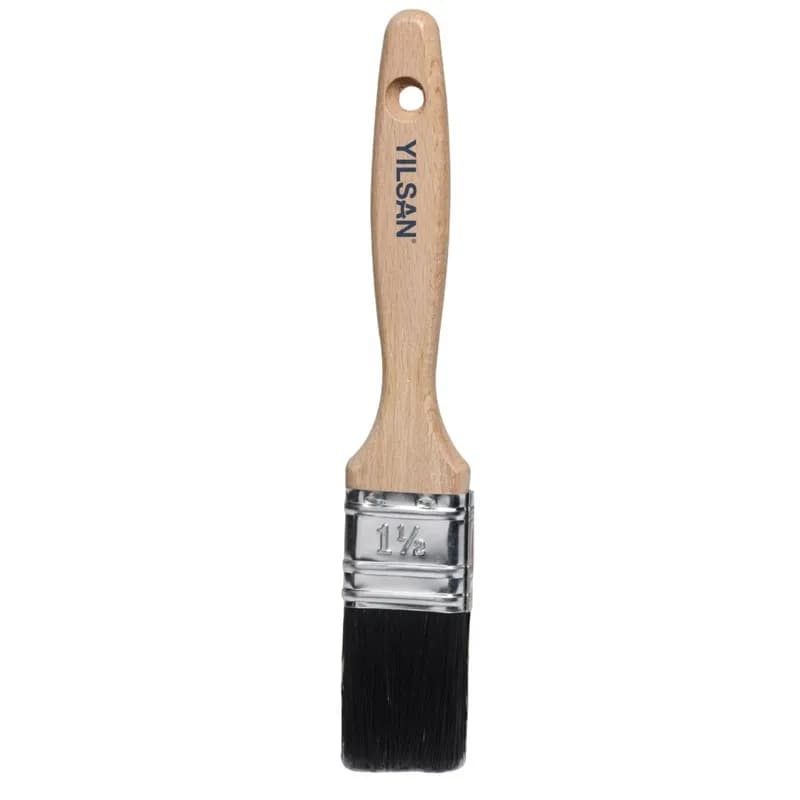
Yılsan Wooden Handle Oil Paint Brush No 1.5
Yılsan · Oil Paint Brushes
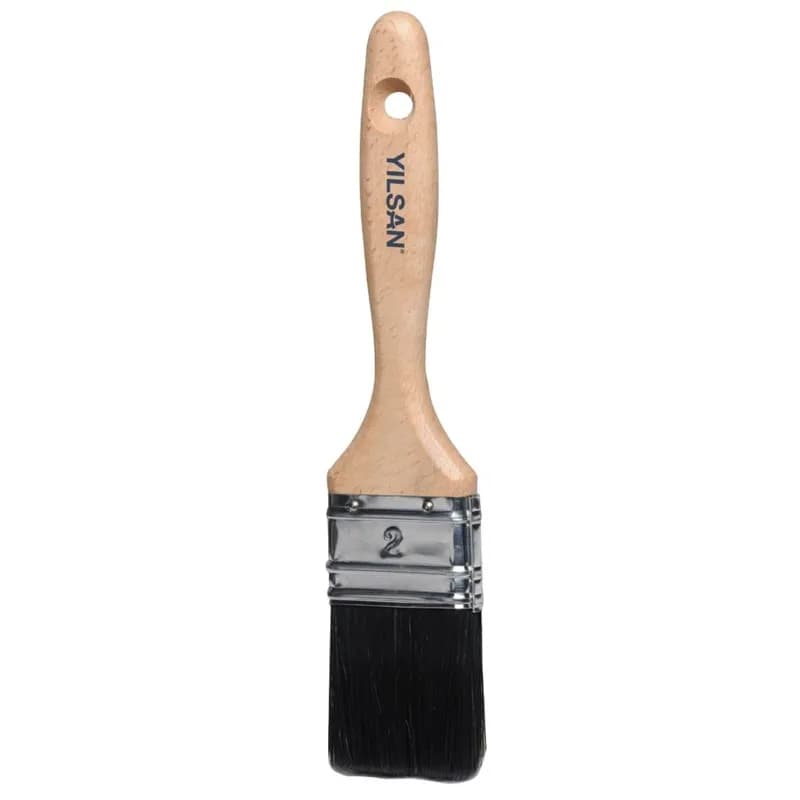
Yılsan Wooden Handle Oil Paint Brush No 2
Yılsan · Oil Paint Brushes
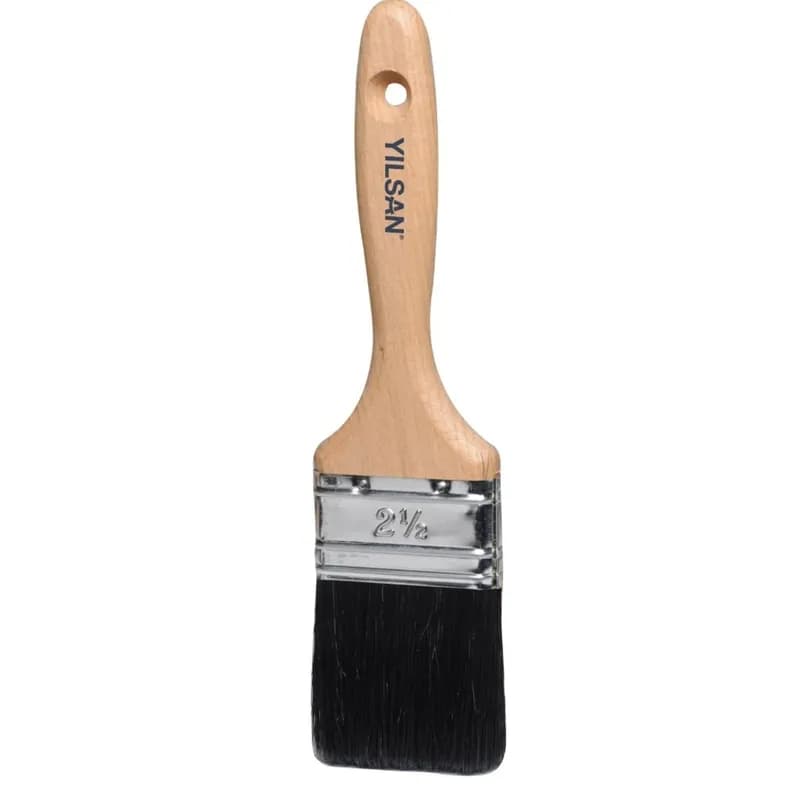
Yılsan Wooden Handle Oil Paint Brush No 2.5
Yılsan · Oil Paint Brushes
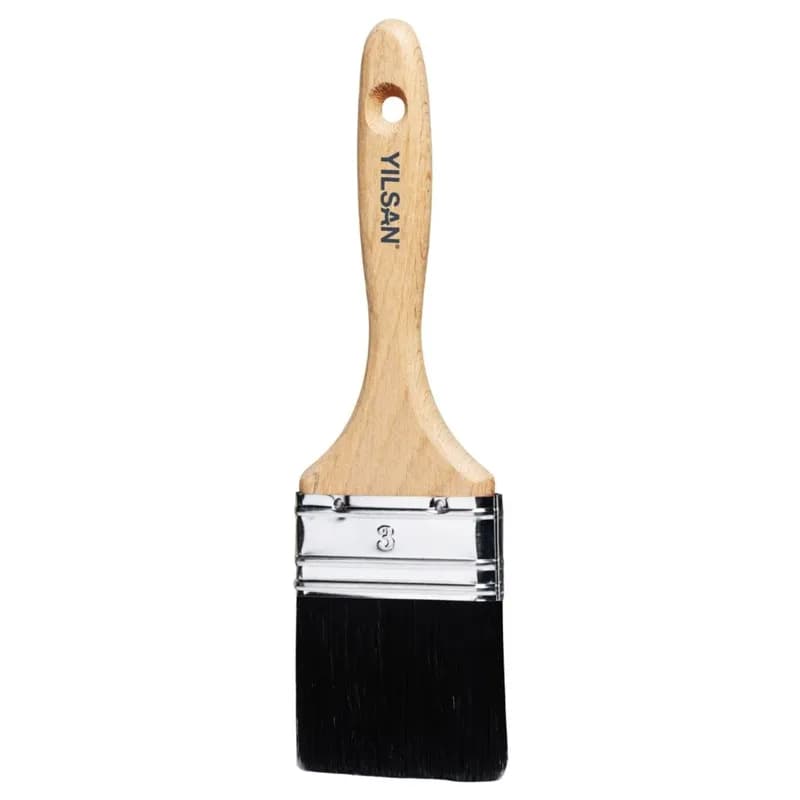
Yılsan Wooden Handle Oil Paint Brush No 3
Yılsan · Oil Paint Brushes
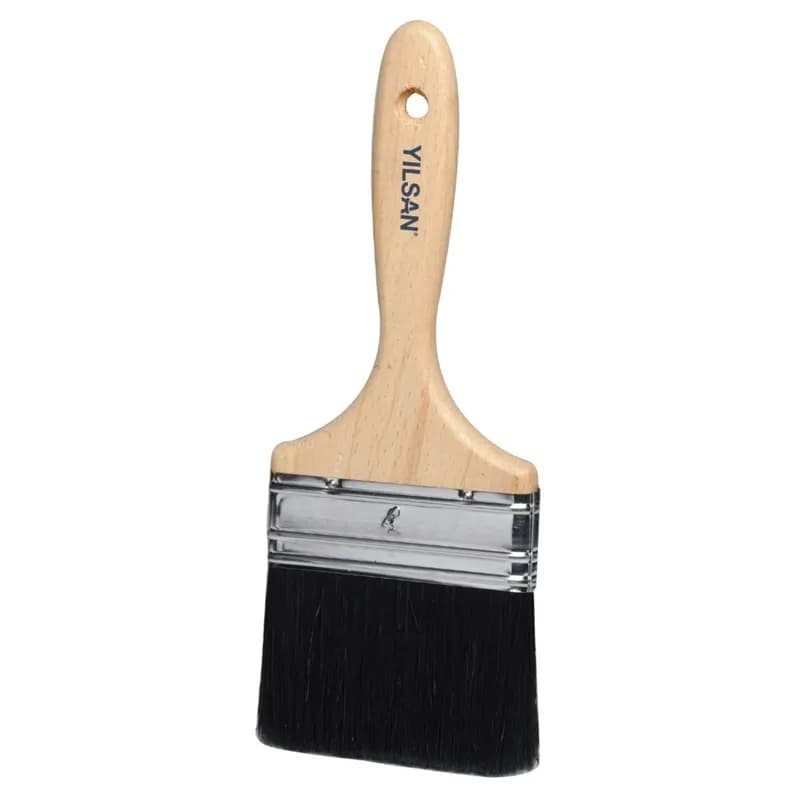
Yılsan Wooden Handle Oil Paint Brush No 4
Yılsan · Oil Paint Brushes
Why it is a separate brush
Oil paint is heavier and flows more slowly than emulsion. The brush has to spread it and leave the film open enough for the brush marks to close by themselves, and that asks for a different block than water based paint does.
The second difference is the handle. Solvent and thinner soften plastic over time and loosen the block's grip in the ferrule, so oil paint brushes are made with wooden handles and metal ferrules.
Where it is used
On joinery, door and window frames, skirting and beading -- the surfaces that are seen -- and on radiators, railings, door leaves, steel doors and structural steel.
Synthetic and alkyd paints, every kind of varnish, wood preservative and solvent-thinned primers are applied with it. On narrow surfaces such as pipework and heat-resistant paint a radiator brush works more easily.
Looking after the brush
Wash the brush in thinner as soon as the job ends. Oil paint left in the block sets and the brush will not open again -- unlike water based paint, a cured alkyd film does not come out easily even with solvent.
Straighten the bristles by hand after washing and hang the brush bristles-down to dry. During breaks within the same day, wrap it in plastic or suspend it in thinner with the bristles clear of the bottom.
Frequently Asked Questions
Can I use an oil paint brush with water based paint?
You can, but the block is not built for it: the paint pulls sooner and brush marks can stay. The real problem is cleaning -- moving one brush between the two paint types leaves residue in the block. In practice separate brushes are kept for solvent and water based work.
How is the number chosen?
The number is the width of the brush. No 1 and No 1.5 on narrow surfaces such as joinery and frames, No 2 and No 2.5 on medium surfaces such as door leaves and railings, No 3 and No 4 on wide steelwork and flat panels.
Do I need a separate brush for varnish?
The same type of brush is used, but keeping one brush for varnish gives a better result: pigment residue left from paint shows through a clear varnish. A varnish brush is washed thoroughly in thinner after every job and stored free of dust.
Do you supply wholesale?
Yes. Wooden handle oil paint brushes are supplied wholesale by number. A number not listed can be requested by order code.