Categories
Sanding Belts
Sanding belts are the jointed endless belts a belt sander runs. This page lists sizes from the 10x330 and 13x457 mm belts of handheld machines to the 7100x150 mm belts of pallet and wide belt sanders.
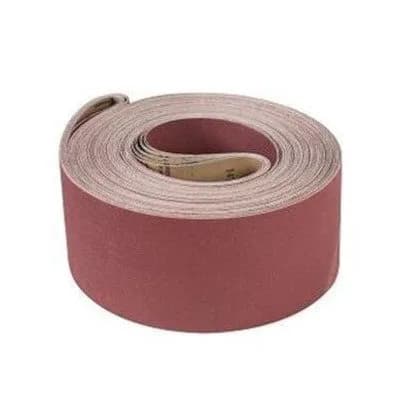
Atlas Endless Sanding Belt 147 Grade 7100x150 mm 150 Grit
Atlas · Sanding Belts
Makita 7942203 Sanding Belt C100 Grit 180 mm
Makita · Sanding Belts
Makita 7942211 Sanding Belt C120 Grit 180 mm
Makita · Sanding Belts
Makita 7940950 Sanding Belt C80 Grit 180 mm
Makita · Sanding Belts
Makita 7941223 Sanding Belt WA100 Grit 76x533 mm
Makita · Sanding Belts
Makita 7941231 Sanding Belt WA120 Grit 76x533 mm
Makita · Sanding Belts
Makita 7942415 Sanding Belt WA120 Grit 76x610 mm
Makita · Sanding Belts
Makita 7941249 Sanding Belt WA150 Grit 76x533 mm
Makita · Sanding Belts
Makita 7942423 Sanding Belt WA150 Grit 76x610 mm
Makita · Sanding Belts
Makita 7945560 Sanding Belt WA180 Grit 76x457 mm
Makita · Sanding Belts
Makita 7942431 Sanding Belt WA180 Grit 76x610 mm
Makita · Sanding Belts
Makita 7945578 Sanding Belt WA240 Grit 76x457 mm
Makita · Sanding Belts
Makita 7941257 Sanding Belt WA240 Grit 76x533 mm
Makita · Sanding Belts
Makita 7942449 Sanding Belt WA240 Grit 76x610 mm
Makita · Sanding Belts
Makita 7941192 Sanding Belt WA40 Grit 76x533 mm
Makita · Sanding Belts
Makita 7942376 Sanding Belt WA40 Grit 76x610 mm
Makita · Sanding Belts
Makita 7941215 Sanding Belt WA80 Grit 76x533 mm
Makita · Sanding Belts
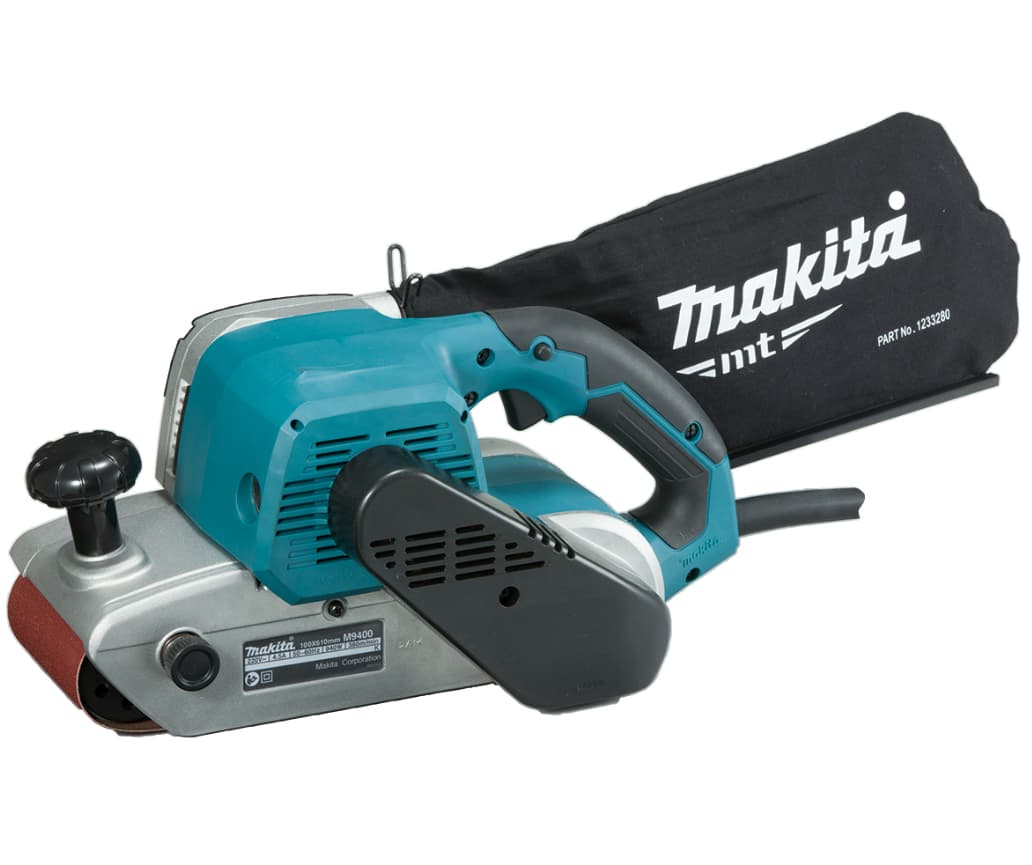
BANT ZIMPARA 100x610 mm
Makita MT · Sanding Belts
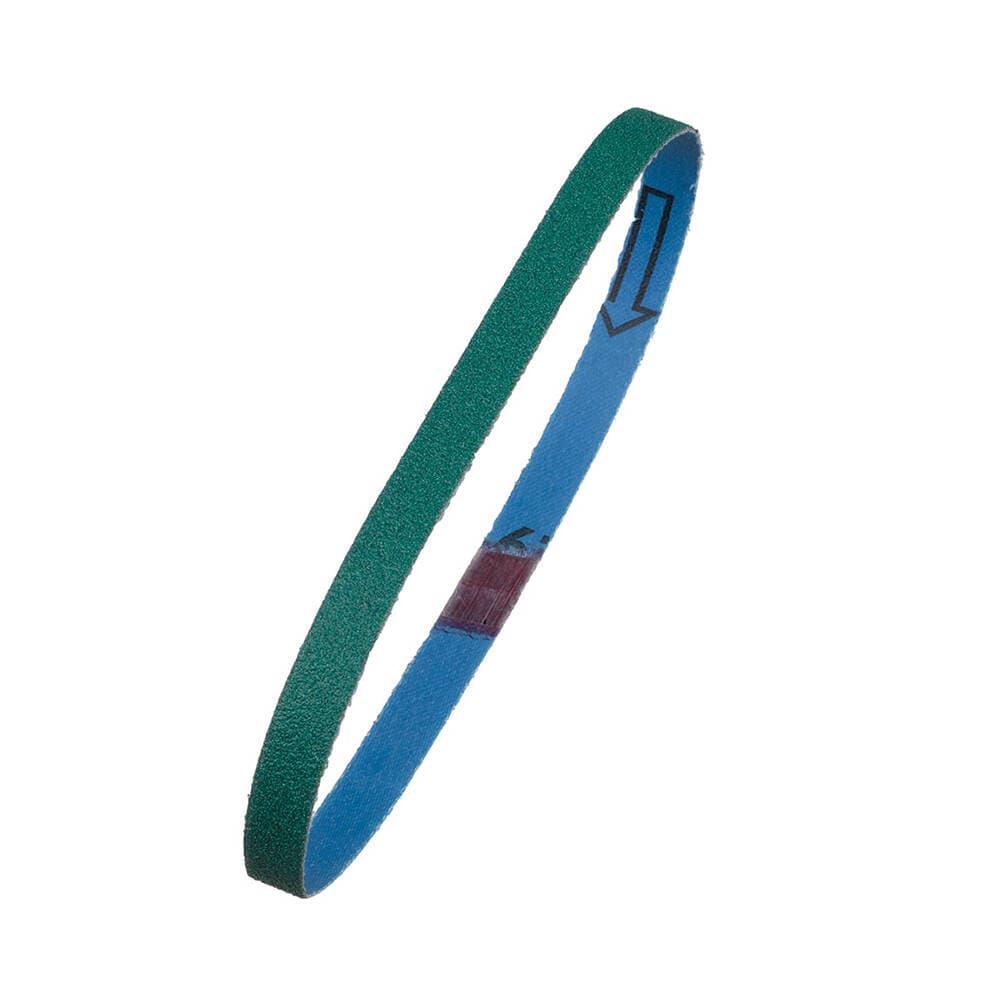
Milwaukee 10x330 G120 Tape Tape Sandpaper - 10'lu
Milwaukee · Sanding Belts
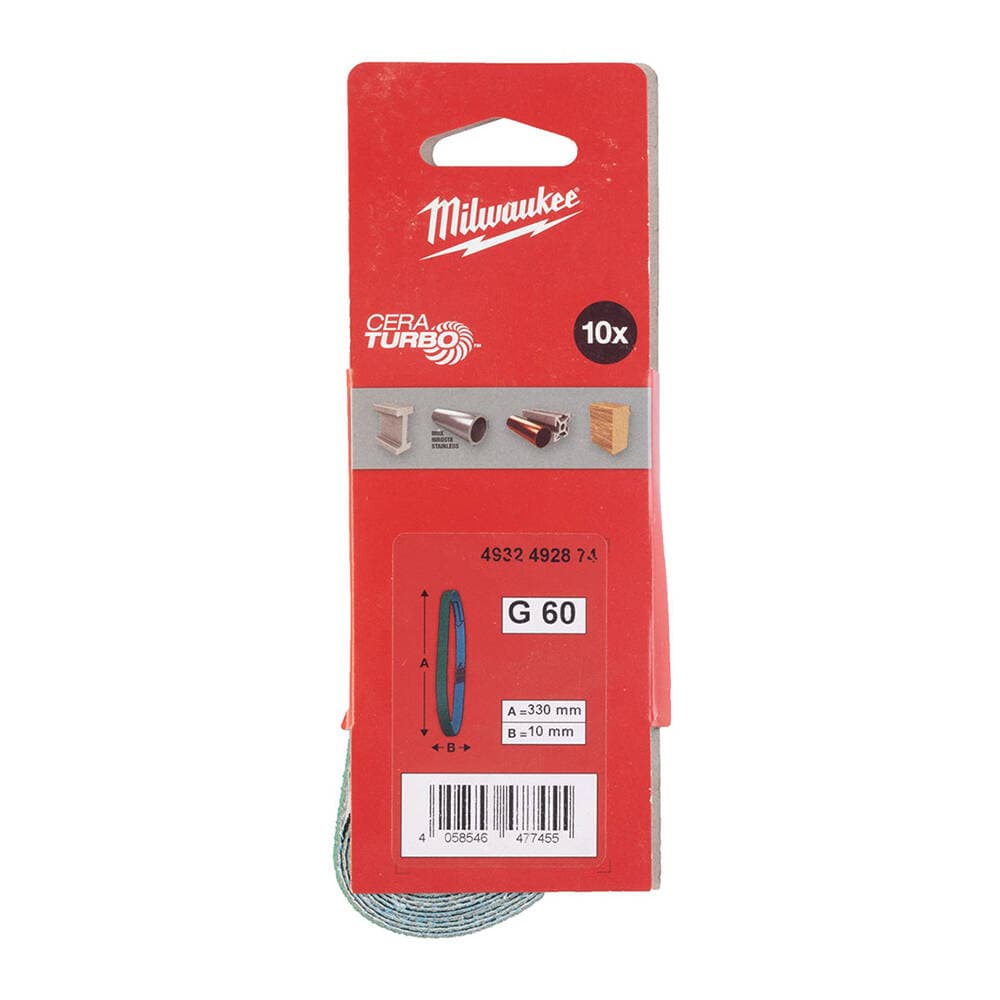
Milwaukee 10x330 G60 Tape Tape Sandpaper - 10'lu
Milwaukee · Sanding Belts
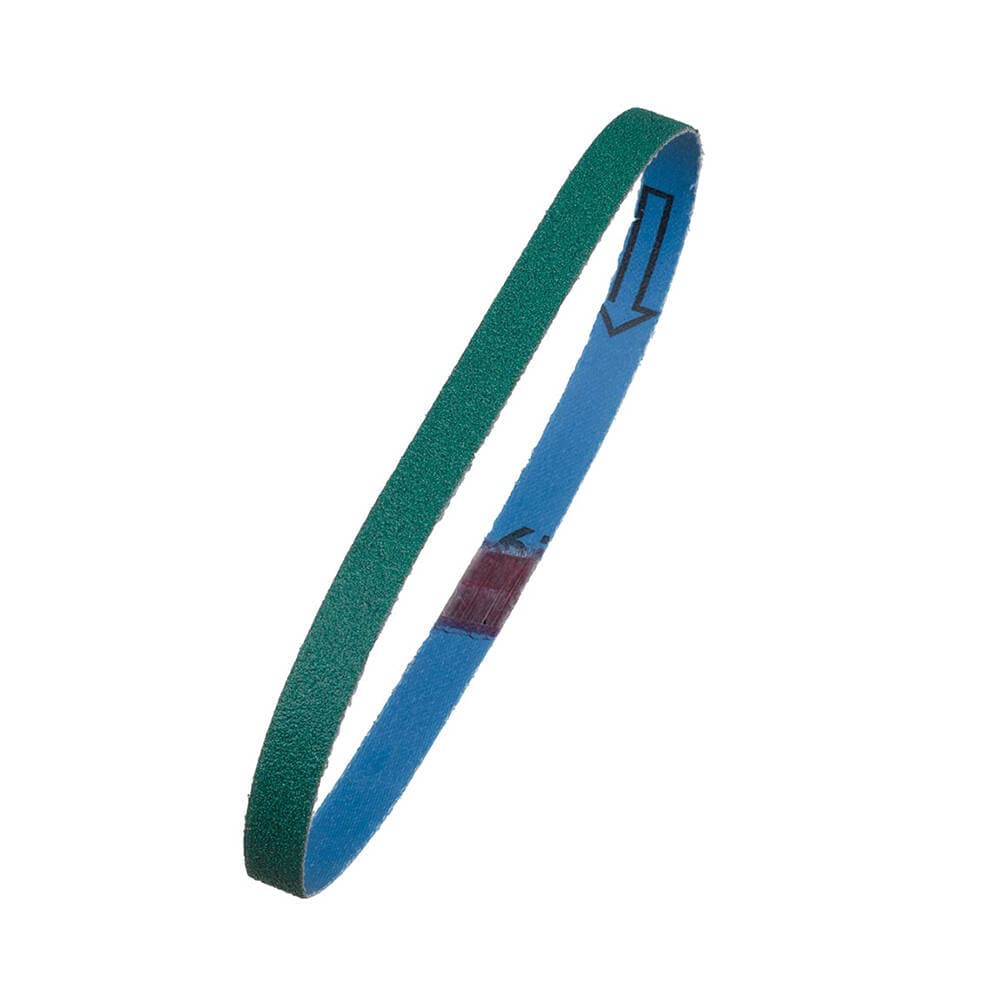
Milwaukee 10x330 G80 Tape Tape Sandpaper - 10'lu
Milwaukee · Sanding Belts
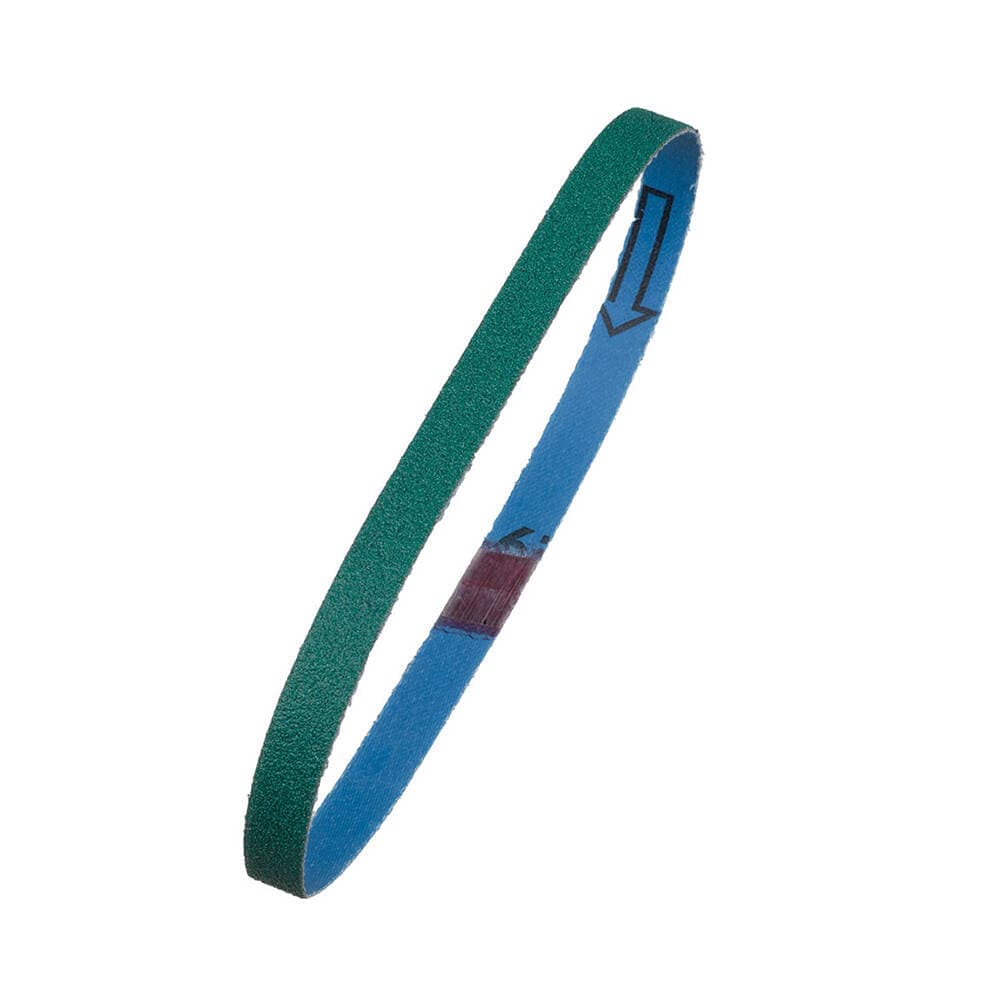
Milwaukee 13x457 G120 Tape Tape Sandpaper - 10'lu
Milwaukee · Sanding Belts
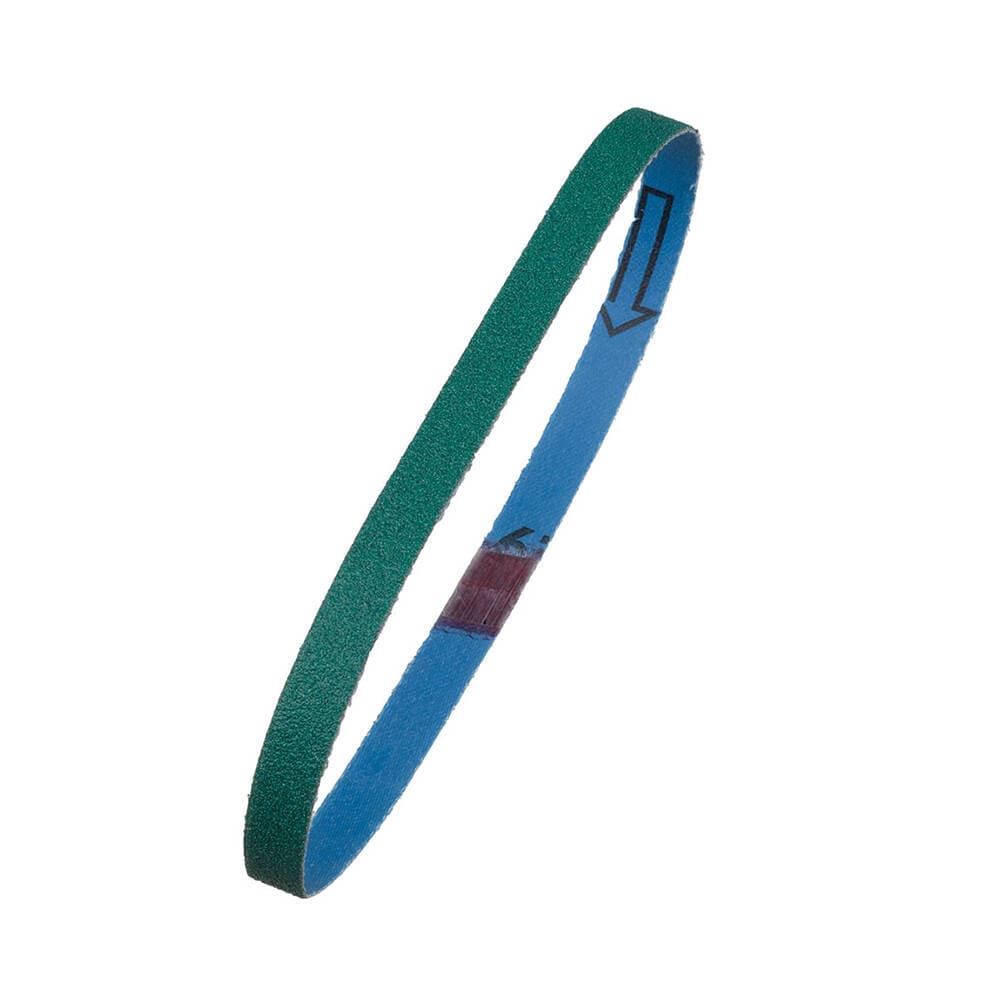
Milwaukee 13x457 G60 Tape Tape Sandpaper - 10'lu
Milwaukee · Sanding Belts
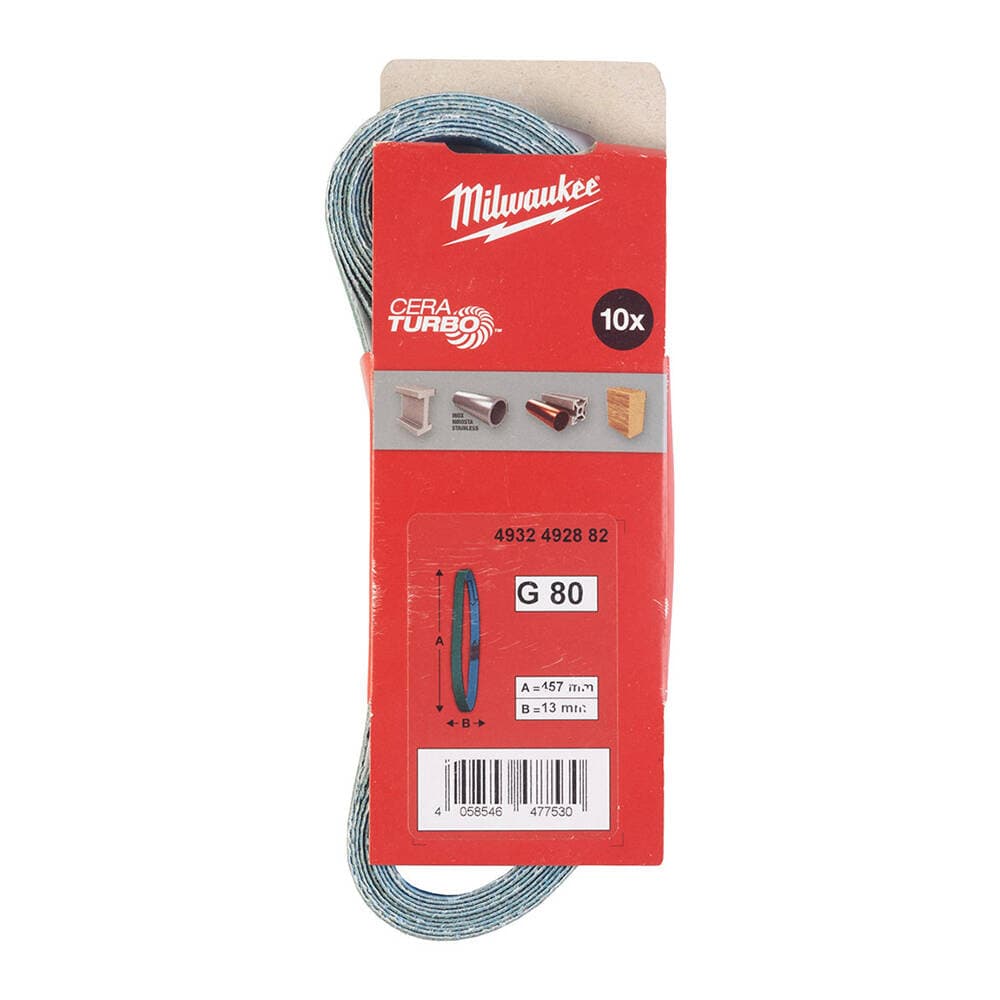
Milwaukee 13x457 G80 Tape Tape Sandpaper - 10'lu
Milwaukee · Sanding Belts
1–24 of 32 · page 1 / 2
How a belt size is read
A belt size is two numbers and both have to match the machine: the width, and the circumference of the closed loop. A 76x533 mm belt is 76 mm wide with a 533 mm circumference; a belt whose circumference is wrong either will not tension onto the machine or takes the tension spring to the end of its travel.
The fastest way to the right size is to read the printing on the belt being replaced; failing that, the machine's manual gives the belt size.
On directional belts the arrow on the inside shows the running direction. Fitted the wrong way round a belt can open at the joint — the joint is fitted trailing, not leading.
Choosing grit on a belt sander
A belt sander removes material far faster than hand sanding, so starting too coarse risks a hollow that is hard to take back out. On timber, starting at 60-80 and finishing at 120-180 is the usual sequence.
On pallet and wide belt machines the belt runs continuously and heats up; there, the cloth backing is what carries the tension and the heat. The 147 grade cotton-polyester backing is made for that duty.
| Grit range | Class | Where it is used |
|---|---|---|
| 36-60 | Coarse | Stripping old paint and rust, dressing welds, stock removal |
| 80-120 | Medium | Levelling filler, removing the coarse grit scratch |
| 150-240 | Fine | Last pass before primer, closing cut on timber |
| 280-600 | Very fine | Flatting primer, levelling before paint |
| 800-2500 | Extra fine | Wet sanding, paint defect correction, before polish |
Grit bands and what each is typically used for.
Frequently Asked Questions
Where do I find my belt size?
Fastest is to read the printing on the belt being replaced. Otherwise the machine's manual gives the belt width and circumference.
What happens if a belt is fitted the wrong way round?
On directional belts the joint must trail, not lead. Fitted the wrong way a belt can open at the joint; the arrow on the inside shows the correct direction.
Which machine takes a 7100x150 mm belt?
That is a pallet and wide belt sander size. Handheld belt sanders take far smaller belts — 10x330, 13x457, 76x533 and 76x610 mm, for example.
The belt keeps tearing — why?
Most often wrong tension, tracking out of adjustment, or the belt catching on the machine's table. If the size is wrong the tension spring runs out of travel and the belt separates at the joint.