Categories
Sanding Sponges
A sanding sponge is abrasive bonded to a flexible foam body — blocks and flat pads. It does two things a sheet cannot: it follows the shape of the surface, and it can be washed and used again.
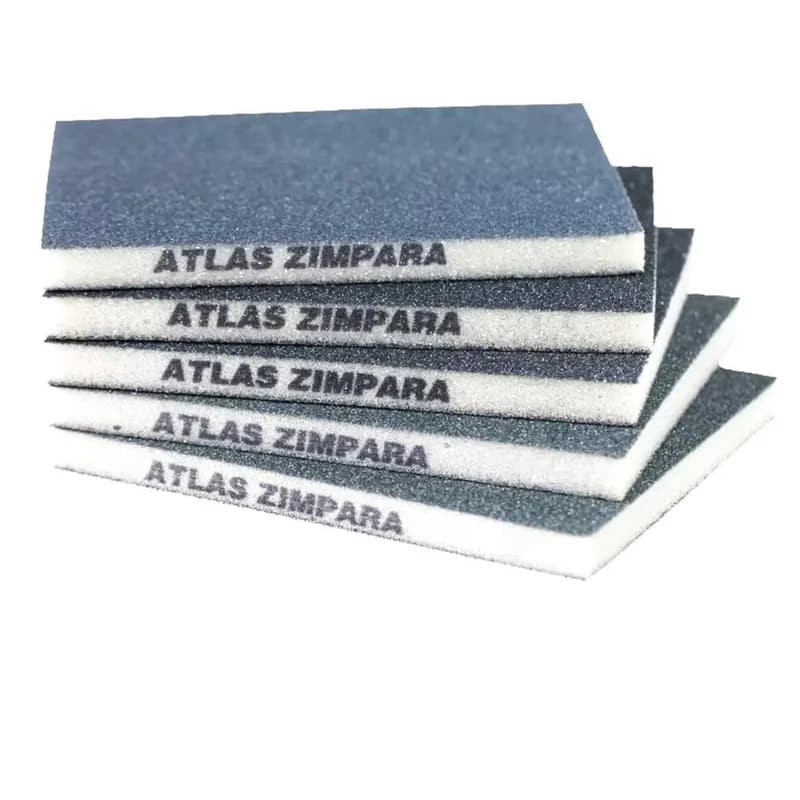
Atlas Flat Sanding Pad 98x123x10 mm 100 Grit
Atlas · Sanding Sponges
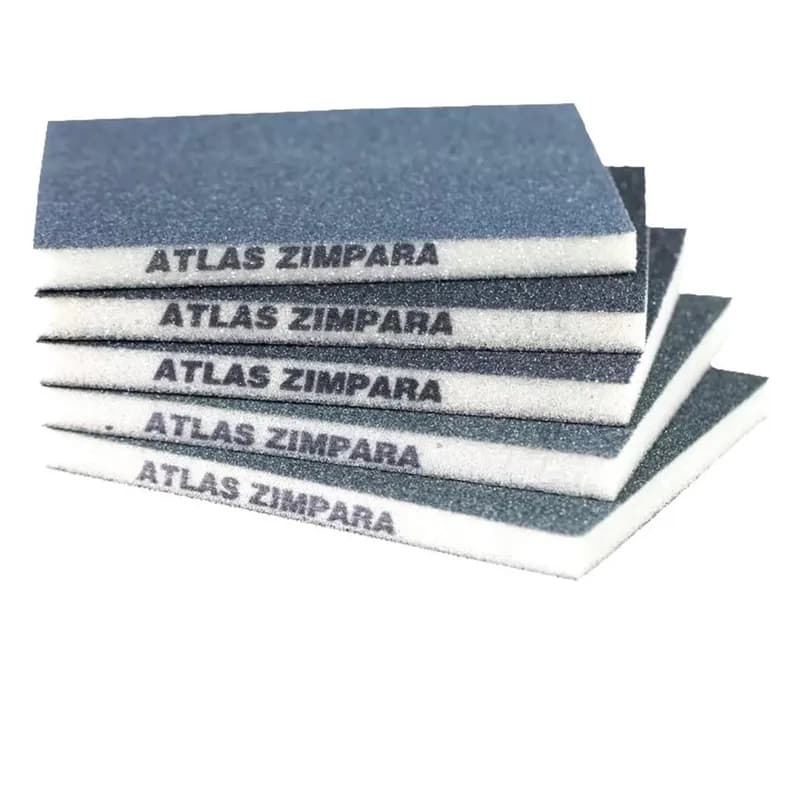
Atlas Flat Sanding Pad 98x123x10 mm 120 Grit
Atlas · Sanding Sponges
Atlas Flat Sanding Pad 98x123x10 mm 150 Grit
Atlas · Sanding Sponges
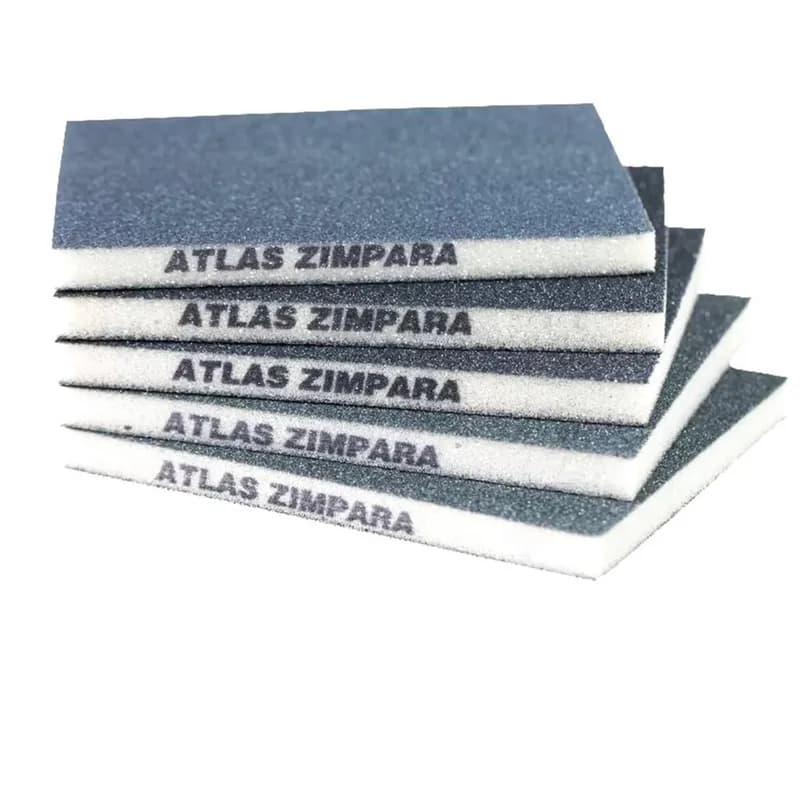
Atlas Flat Sanding Pad 98x123x10 mm 180 Grit
Atlas · Sanding Sponges
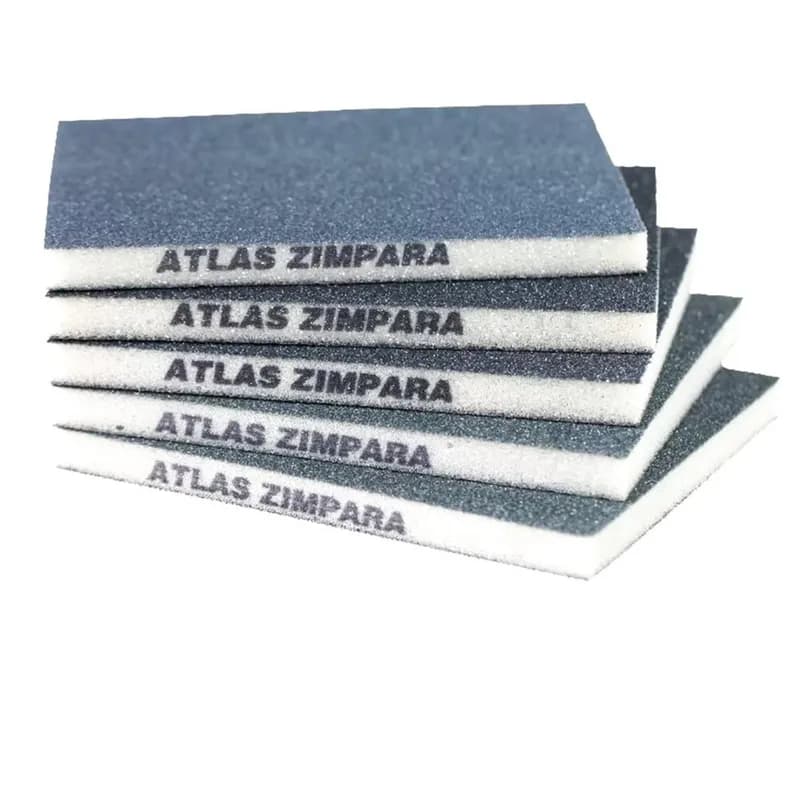
Atlas Flat Sanding Pad 98x123x10 mm 220 Grit
Atlas · Sanding Sponges
Atlas Flat Sanding Pad 98x123x10 mm 46 Grit
Atlas · Sanding Sponges
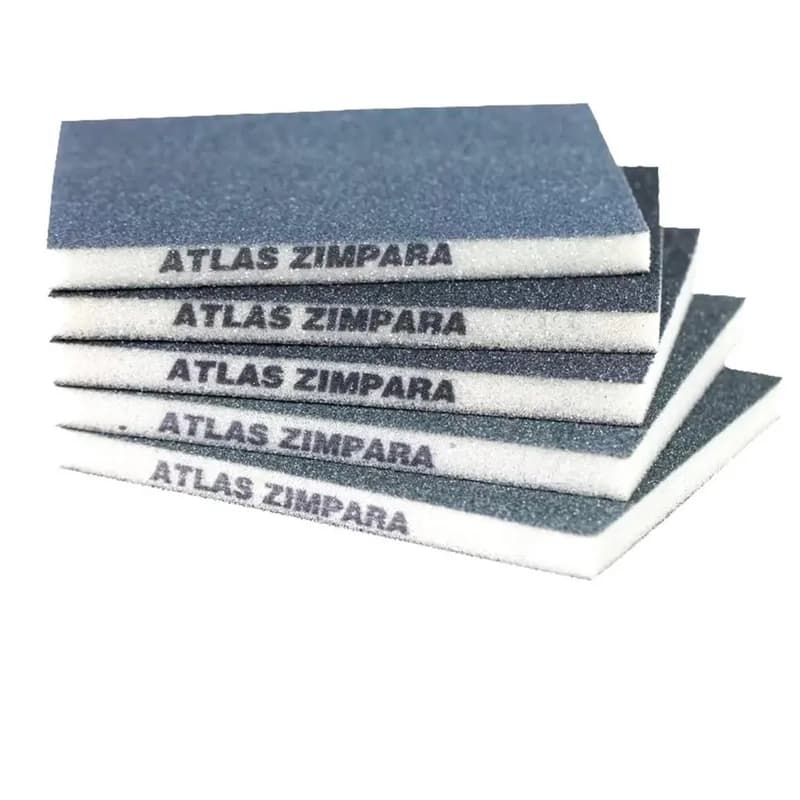
Atlas Flat Sanding Pad 98x123x10 mm 60 Grit
Atlas · Sanding Sponges
Atlas Flat Sanding Pad 98x123x10 mm 80 Grit
Atlas · Sanding Sponges
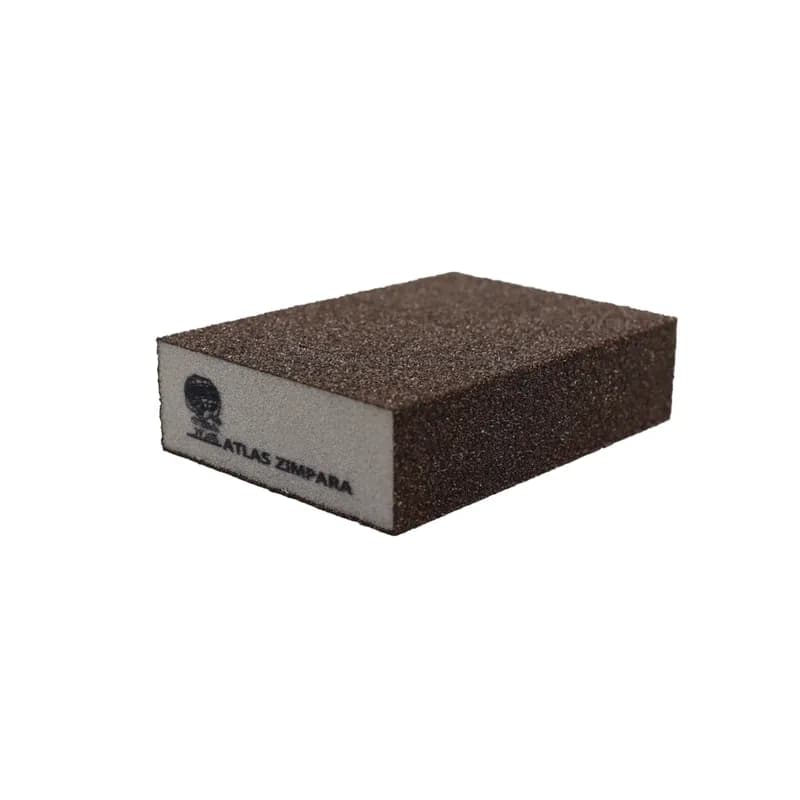
Atlas Sanding Block 98x68x26 mm 100 Grit
Atlas · Sanding Sponges
Atlas Sanding Block 98x68x26 mm 120 Grit
Atlas · Sanding Sponges
Atlas Sanding Block 98x68x26 mm 150 Grit
Atlas · Sanding Sponges
Atlas Sanding Block 98x68x26 mm 180 Grit
Atlas · Sanding Sponges
Atlas Sanding Block 98x68x26 mm 220 Grit
Atlas · Sanding Sponges
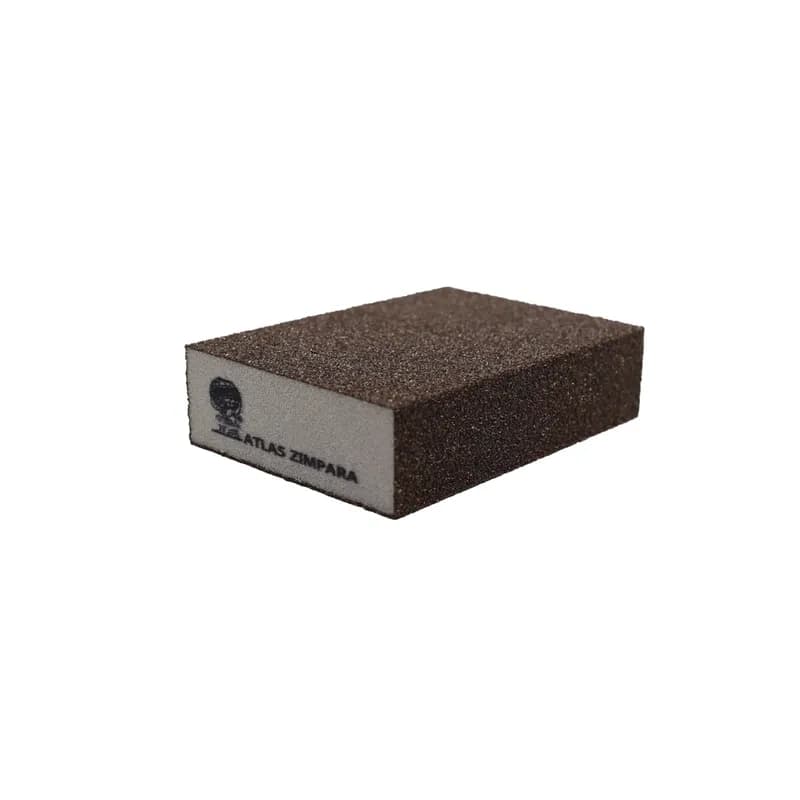
Atlas Sanding Block 98x68x26 mm 46 Grit
Atlas · Sanding Sponges
Atlas Sanding Block 98x68x26 mm 60 Grit
Atlas · Sanding Sponges
Atlas Sanding Block 98x68x26 mm 80 Grit
Atlas · Sanding Sponges
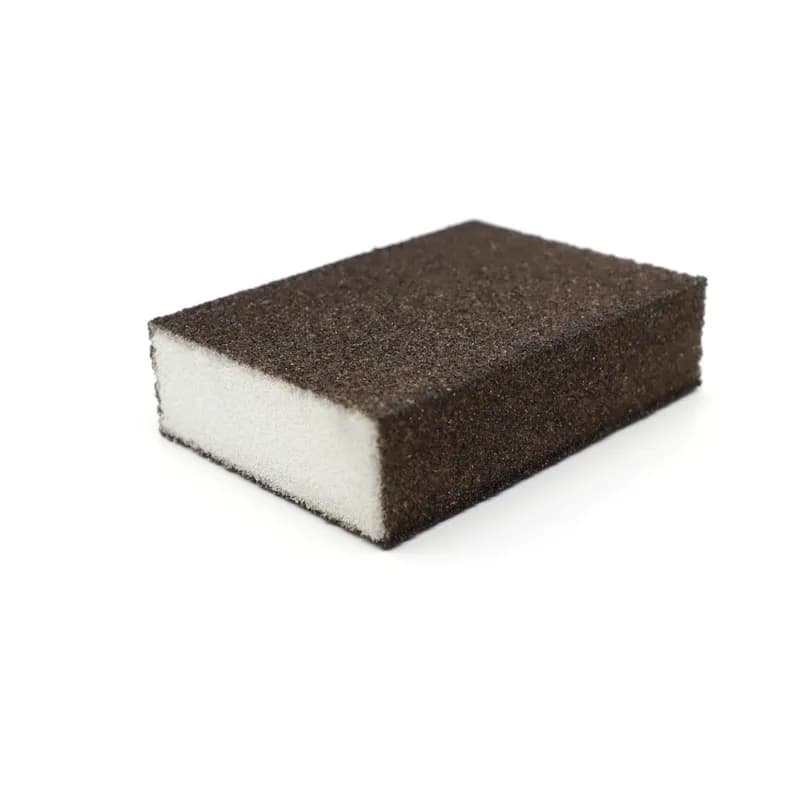
AZS Sünger Zımpara Takoz 100 Kum
AZS · Sanding Sponges
AZS Sünger Zımpara Takoz 120 Kum
AZS · Sanding Sponges
AZS Sünger Zımpara Takoz 150 Kum
AZS · Sanding Sponges
AZS Sünger Zımpara Takoz 180 Kum
AZS · Sanding Sponges
AZS Sünger Zımpara Takoz 220 Kum
AZS · Sanding Sponges
AZS Sünger Zımpara Takoz 60 Kum
AZS · Sanding Sponges
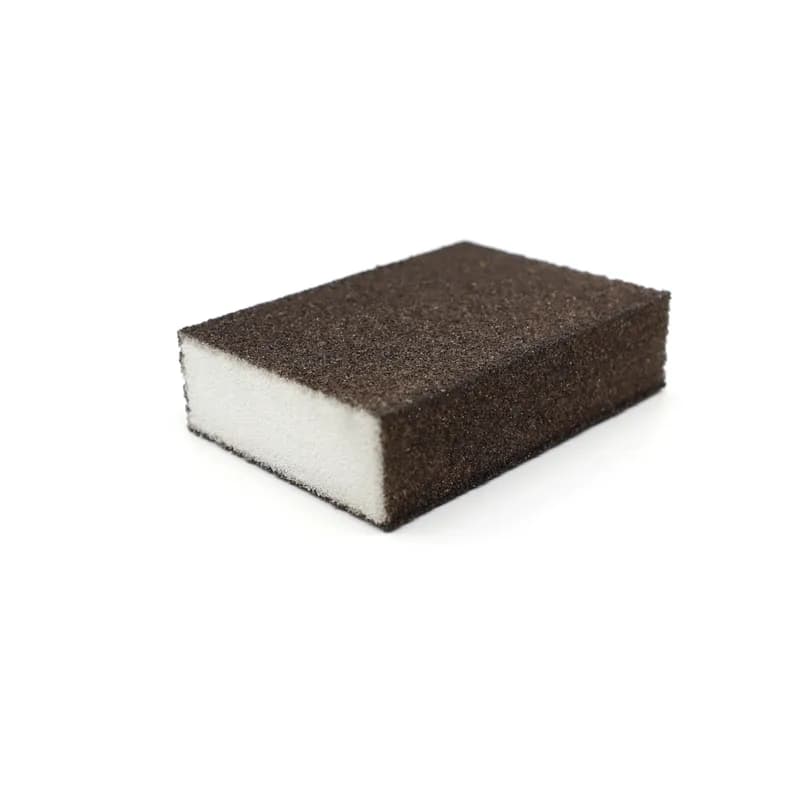
AZS Sünger Zımpara Takoz 80 Kum
AZS · Sanding Sponges
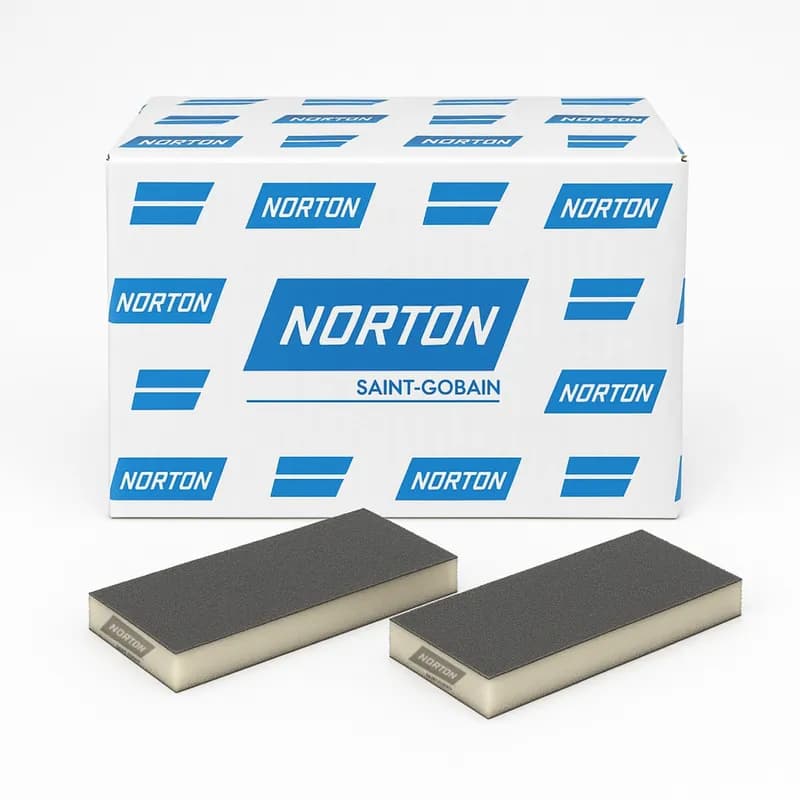
NORTON Sünger Zımpara 100x123x10 150 Kum (Yassı)
NORTON · Sanding Sponges
1–24 of 34 · page 1 / 2
Block or flat pad?
The difference is body thickness. The block (98x68x26 mm) is thick, abrasive on all four faces, and gives the hand its own grip: no separate block, no sheet to cut, nothing to clamp. This is the body that carries pressure on wide, flat work.
The flat pad (98x123x10 mm) is thin and bends. Folded, it goes into narrow gaps, grooves and the inside of profiles — the places a thick block cannot reach. Held flat, it also works like a sheet.
Why foam
With a rigid block the pressure bears only on the high points of the surface; on curved and profiled work that means the peaks are cut too much and the hollows not at all. A foam body settles onto the shape, spreading the pressure so the whole surface is worked at the same rate.
The second difference is life. Silicon carbide takes wet use, and the dust and paint packed into the pores wash out; dried, the block cuts again. That can be repeated until the grain is genuinely worn — a sheet has no equivalent.
Grit sequence: why a grit is not skipped
Sanding is not removal so much as scratch replacement. Each grit replaces the scratch the last one left with its own finer scratch, and what remains at the end is the scratch of the last grit used.
That is why skipping a grit spoils the result. Going from 80 straight to 400, the fine grain cannot reach the bottom of the deeper scratch and only polishes its edges — the surface feels smooth to the hand but the scratch reappears under paint or polish. The practical sequence runs 60-80-120-180-240-320-400, each grit worked until the previous one's scratch is no longer visible.
| Grit range | Class | Where it is used |
|---|---|---|
| 36-60 | Coarse | Stripping old paint and rust, dressing welds, stock removal |
| 80-120 | Medium | Levelling filler, removing the coarse grit scratch |
| 150-240 | Fine | Last pass before primer, closing cut on timber |
| 280-600 | Very fine | Flatting primer, levelling before paint |
| 800-2500 | Extra fine | Wet sanding, paint defect correction, before polish |
Grit bands and what each is typically used for.
Frequently Asked Questions
Can a sanding sponge be used wet?
Yes. The silicon carbide grain takes wet use, and working wet also delays the pores loading.
Does washing really make it usable again?
Yes. Washed out and dried, the dust and paint packed into the pores are cleared and the surface cuts again. The block is finished only when the grain itself is worn.
Which sizes are listed?
Blocks in 98x68x26 and 100x68x26 mm, flat pads in 98x123x10 and 100x123x10 mm.
Which grits are available?
36 to 220 grit. Sponges are mostly used in the medium and fine bands; for heavy stock removal a cloth roll or a sheet is the better choice.