Categories
Socket Fusion Machines
Socket fusion heats the outside of the pipe and the inside of the fitting at the same time in a socket, then joins them. It is the standard method for Ø 16-125 mm PP-R and PE plumbing, and the catalog covers bench and on-site machines, manual socket welders, sockets and saddle fusion systems.
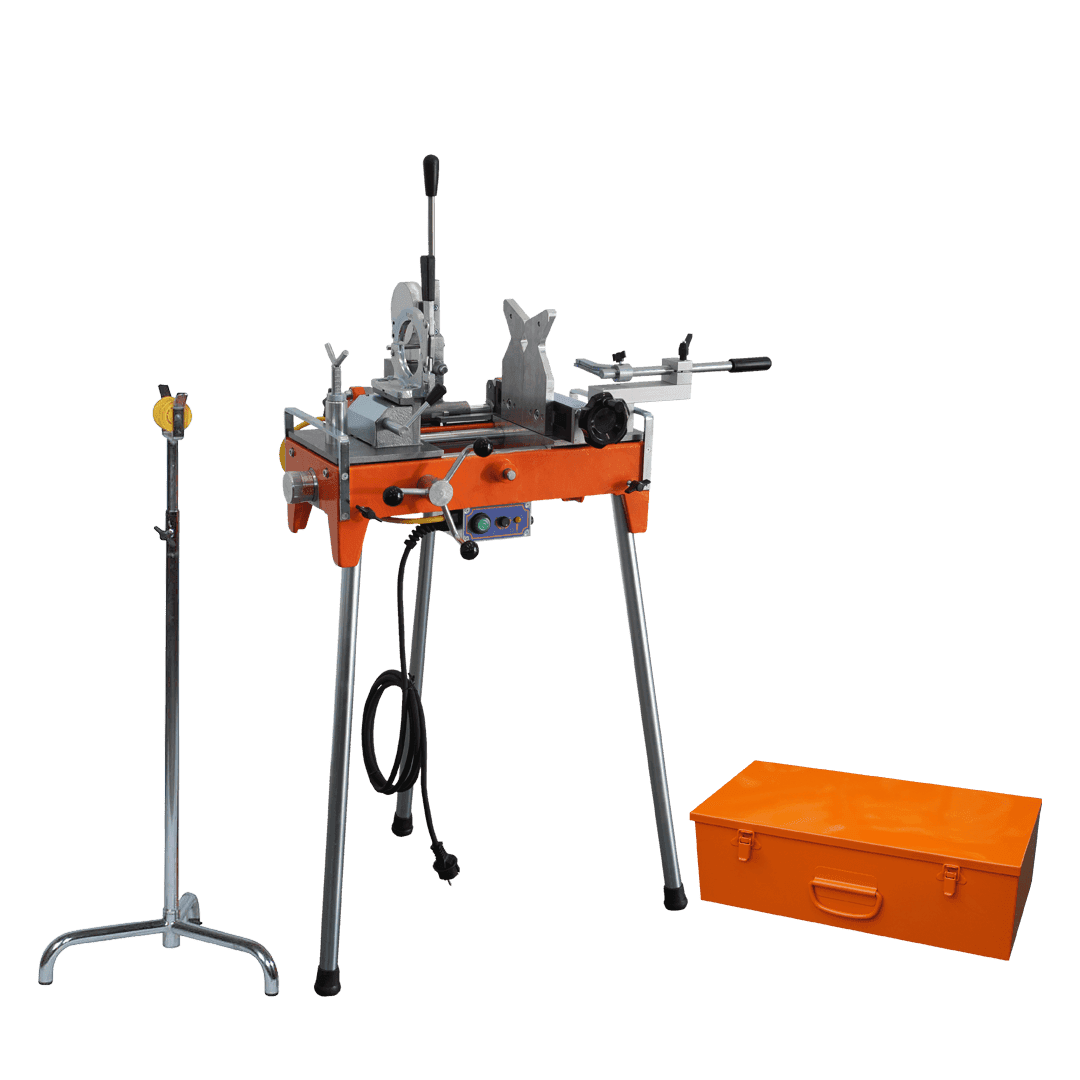
Ritmo Prisma 90 Socket Fusion Machine Ø 20-90 mm
Ritmo · Socket Fusion Machines
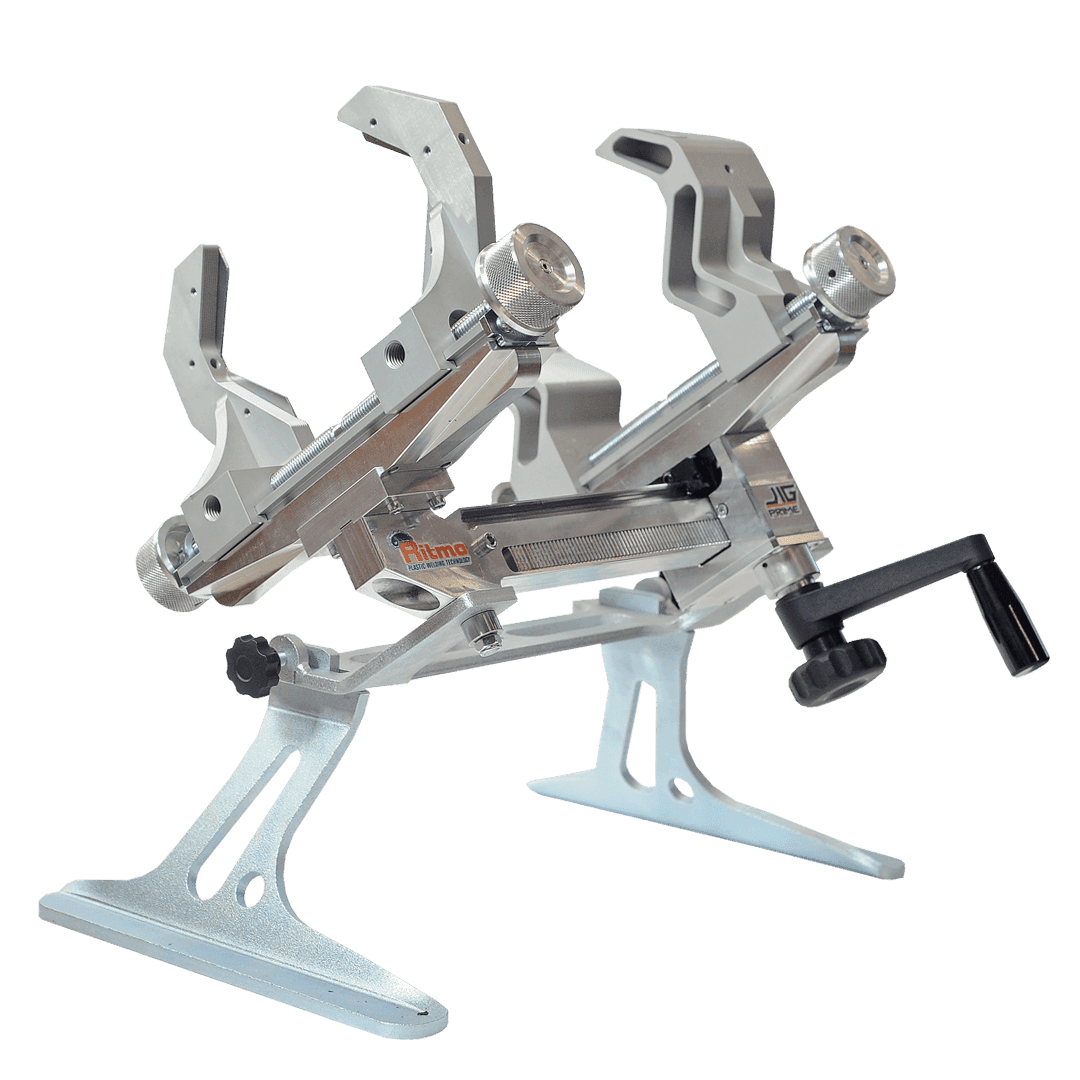
Ritmo JIG Prime Socket Fusion Machine Ø 25-125 mm
Ritmo · Socket Fusion Machines
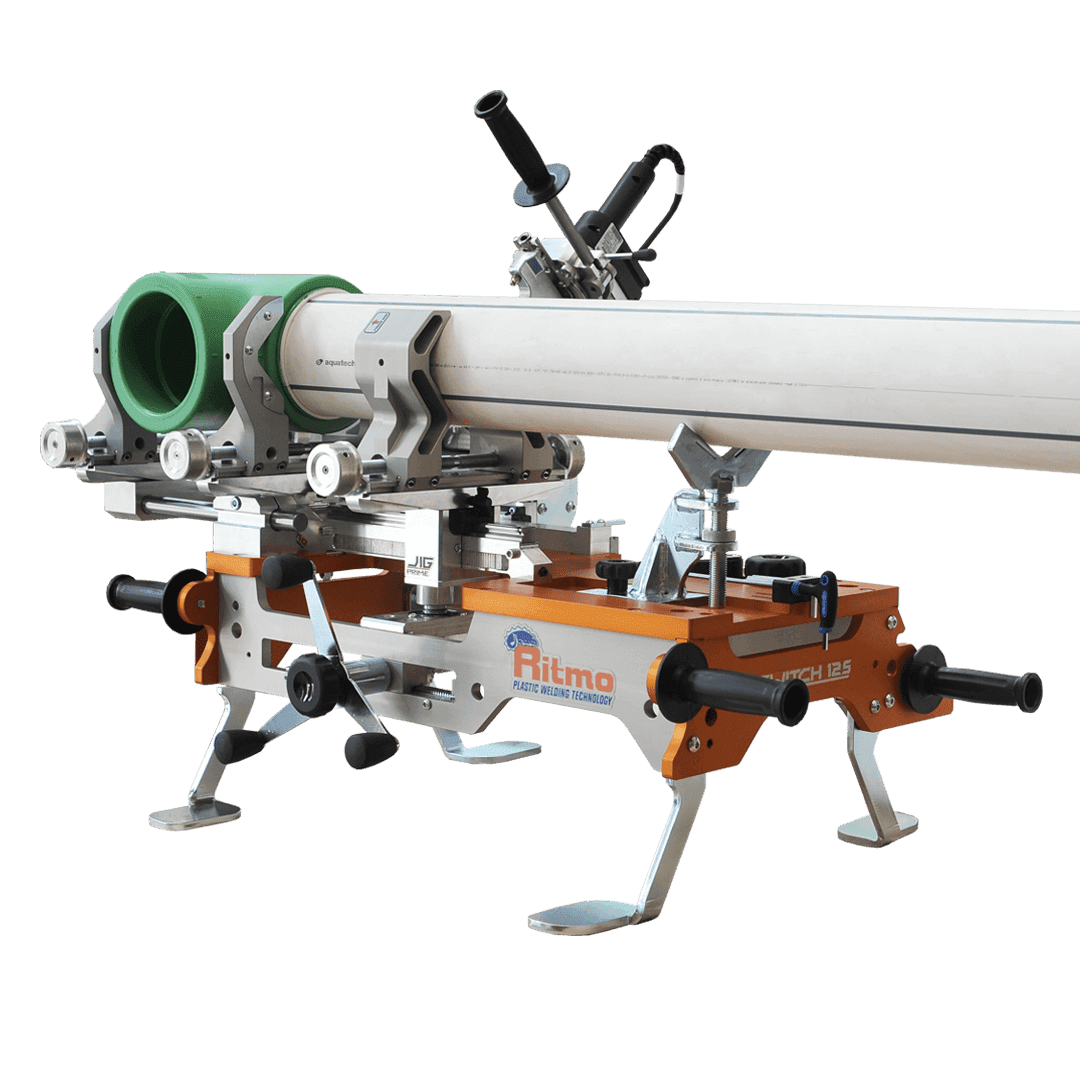
Ritmo Switch 125 Socket Fusion Machine Ø 25-125 mm
Ritmo · Socket Fusion Machines
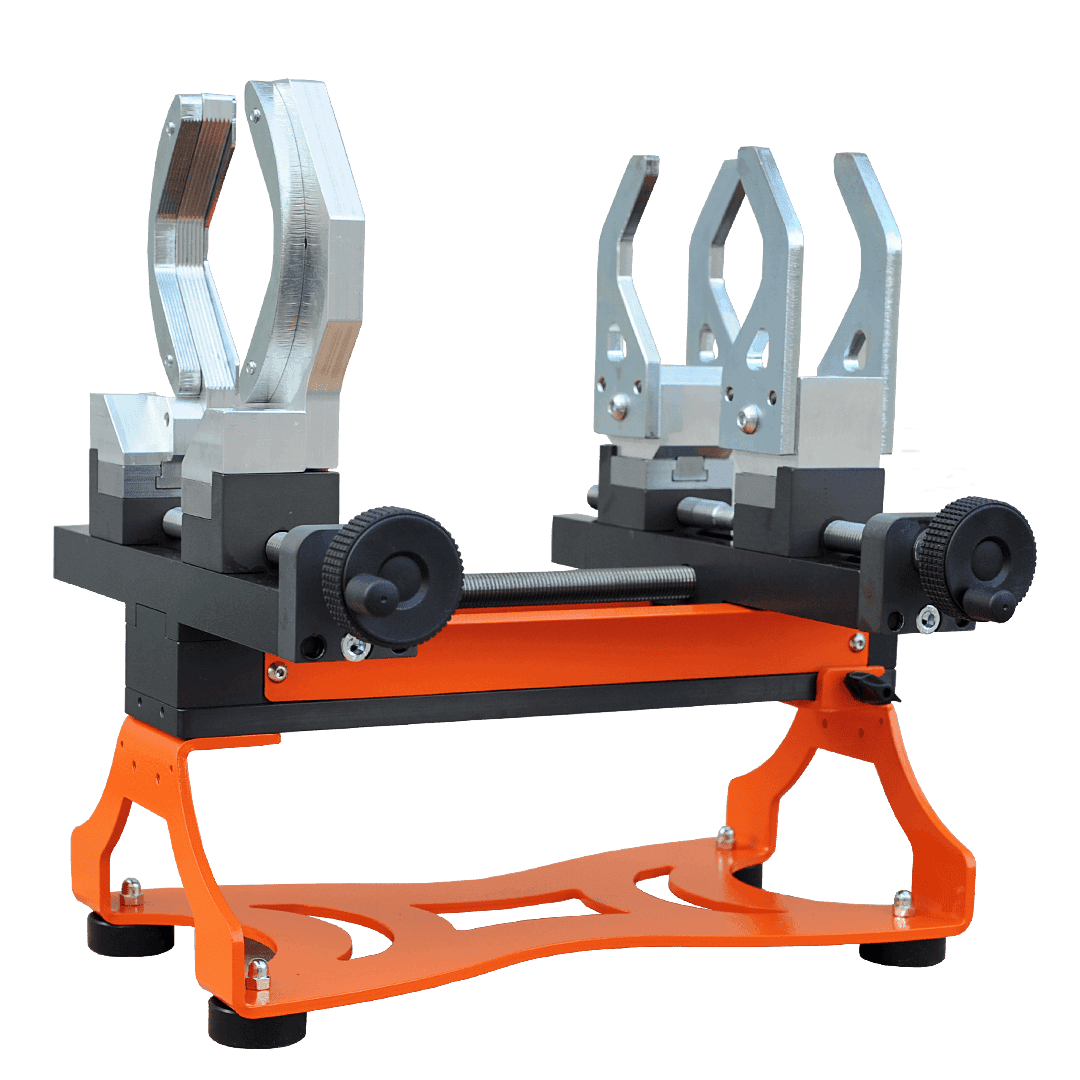
Ritmo Prisma JIG Socket Fusion Machine Ø 63-125 mm
Ritmo · Socket Fusion Machines
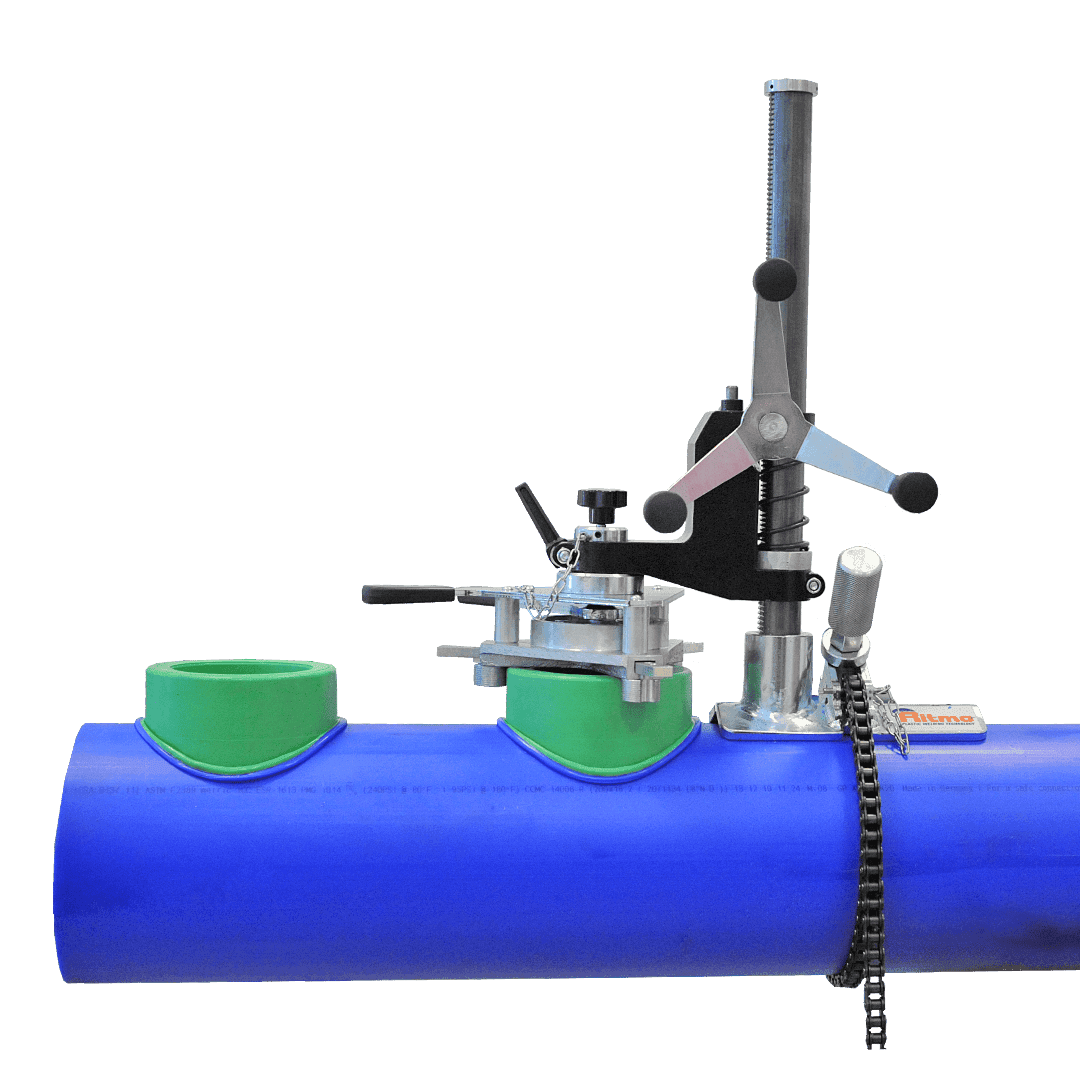
Ritmo UP 125 Saddle Fusion Machine Ø 63-630 mm
Ritmo · Socket Fusion Machines
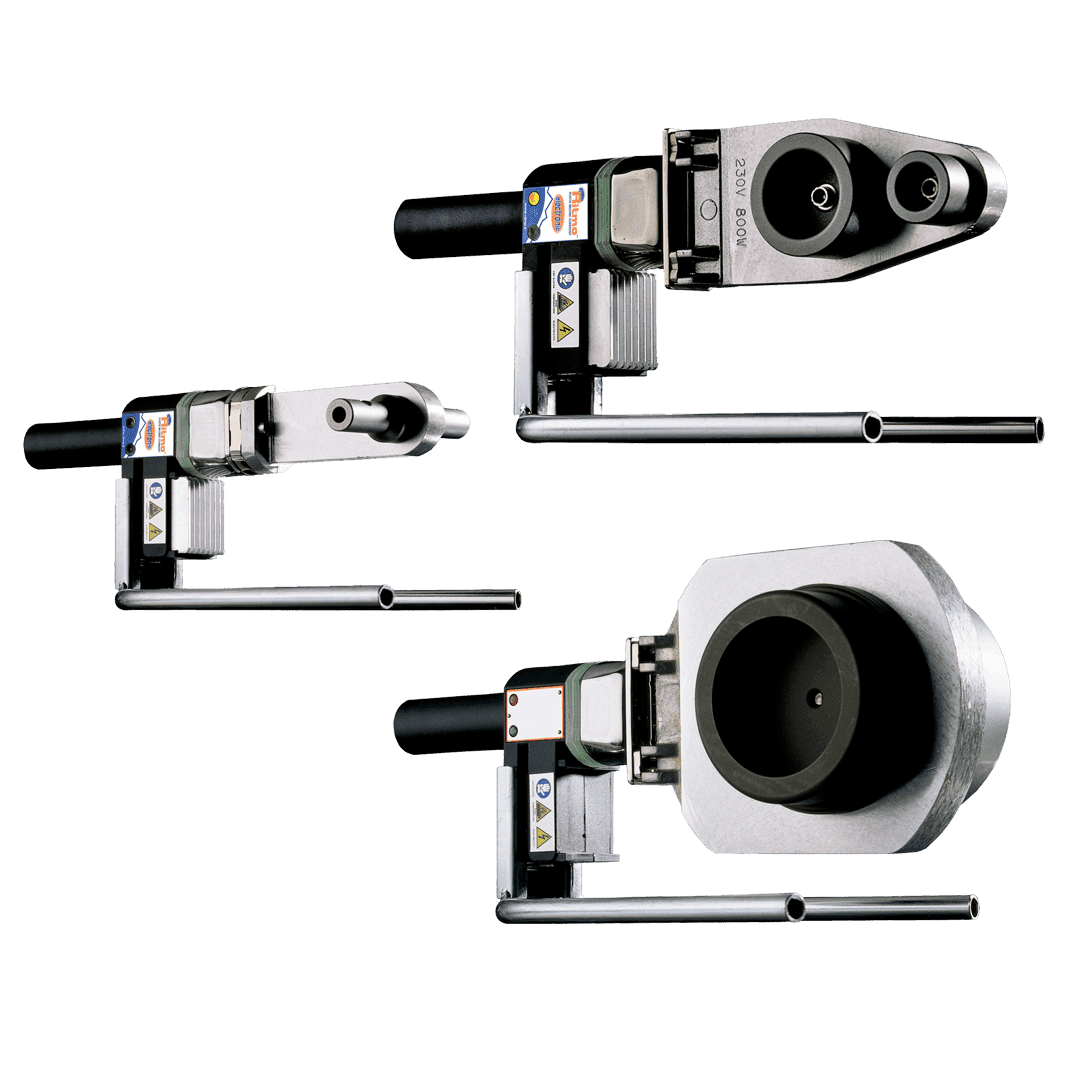
Ritmo Socket Welders R25 / R63 / R125 Q (TE and TFE)
Ritmo · Socket Fusion Machines
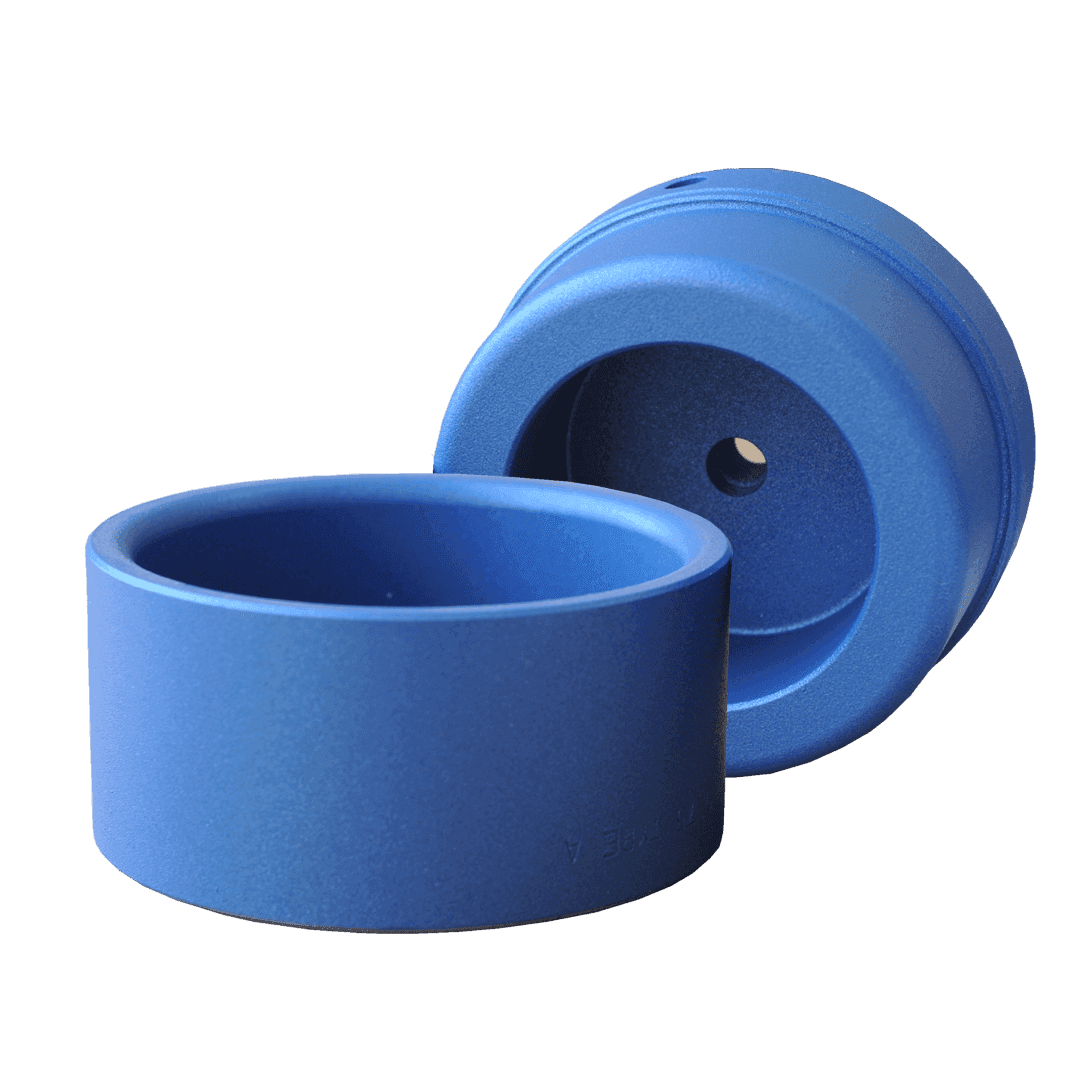
Ritmo Sockets — Type A, Type B, Type AQ, CTS and IPS
Ritmo · Socket Fusion Machines
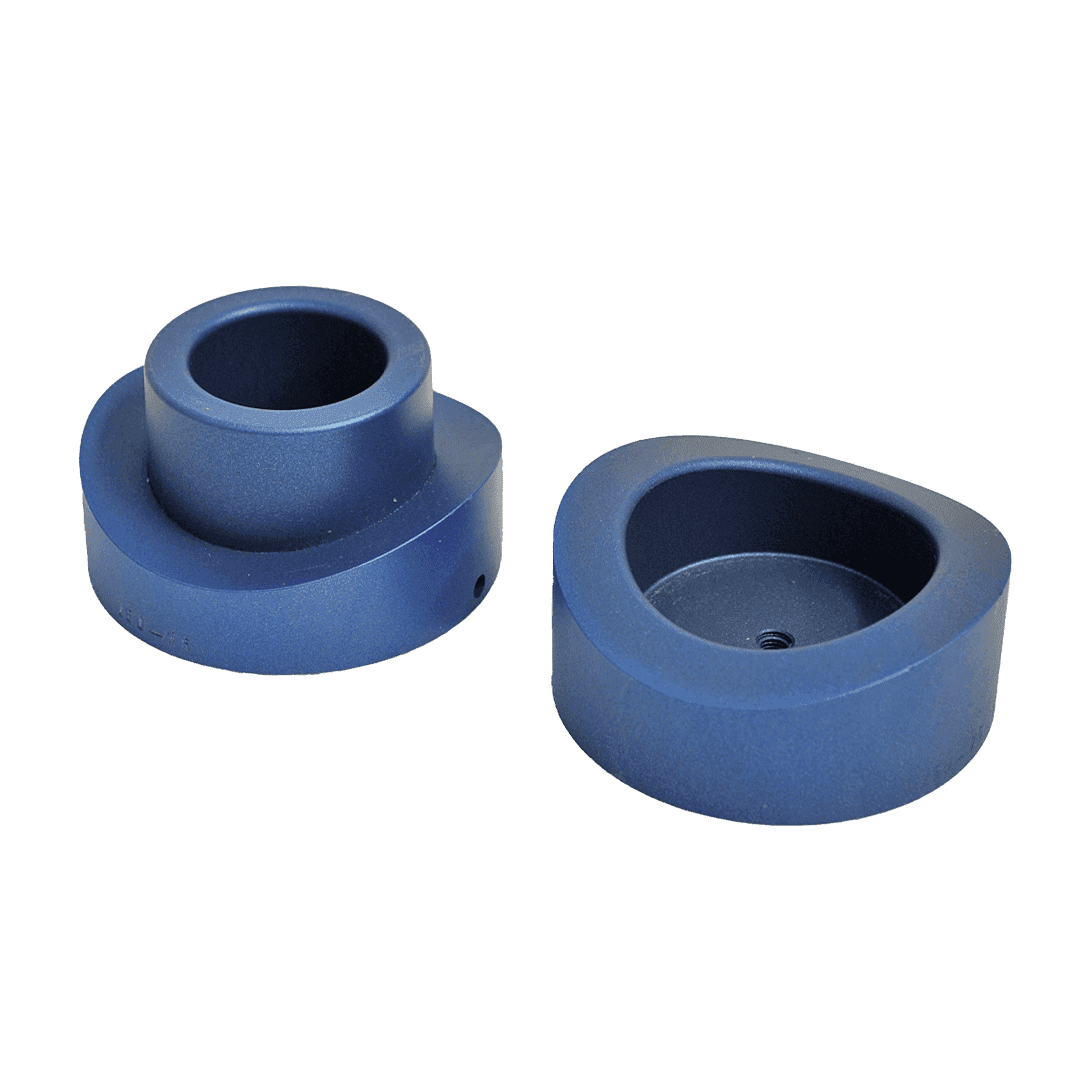
Ritmo Saddle Sockets — Type AQ and Type N
Ritmo · Socket Fusion Machines
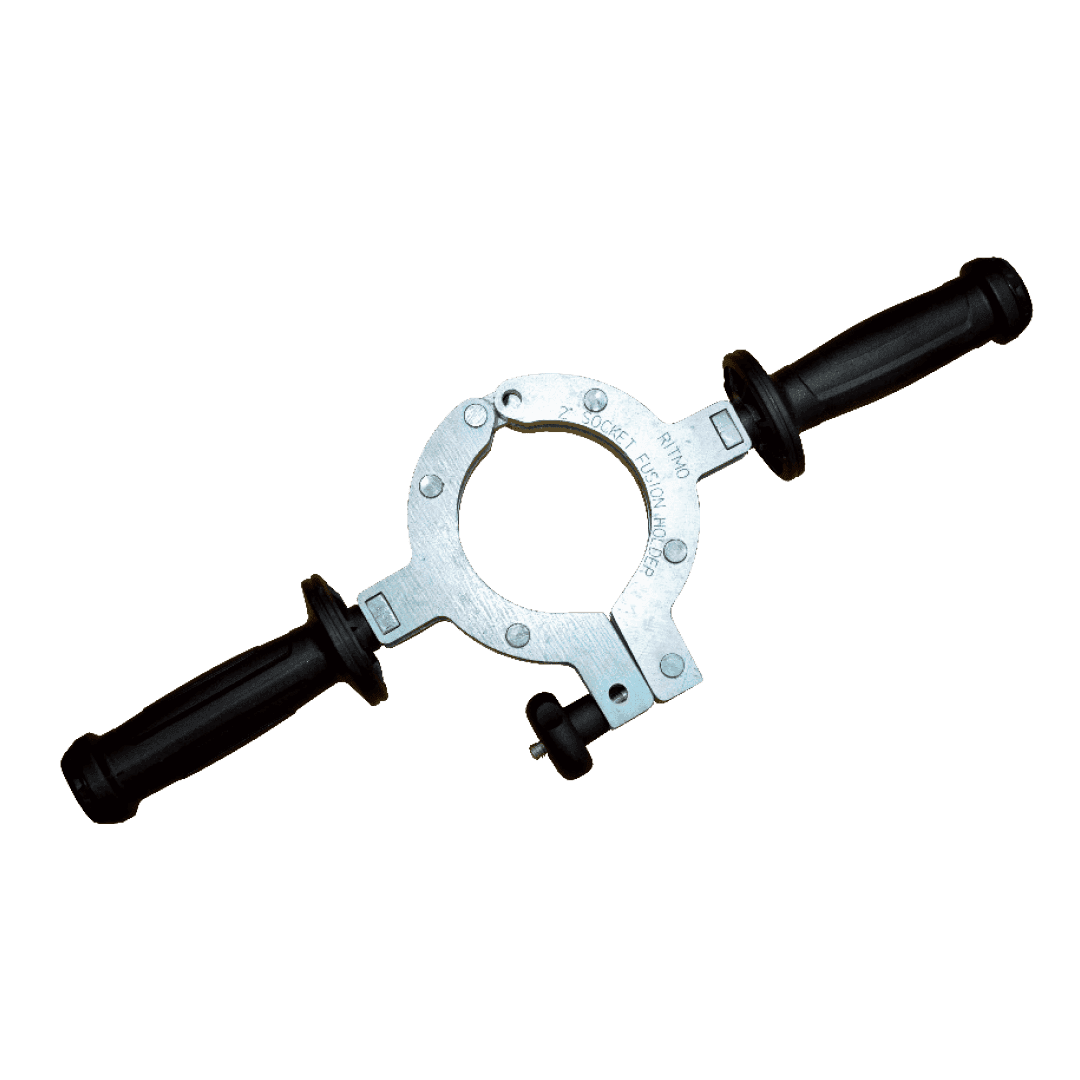
Ritmo Cold Ring and Fitting Holder
Ritmo · Socket Fusion Machines
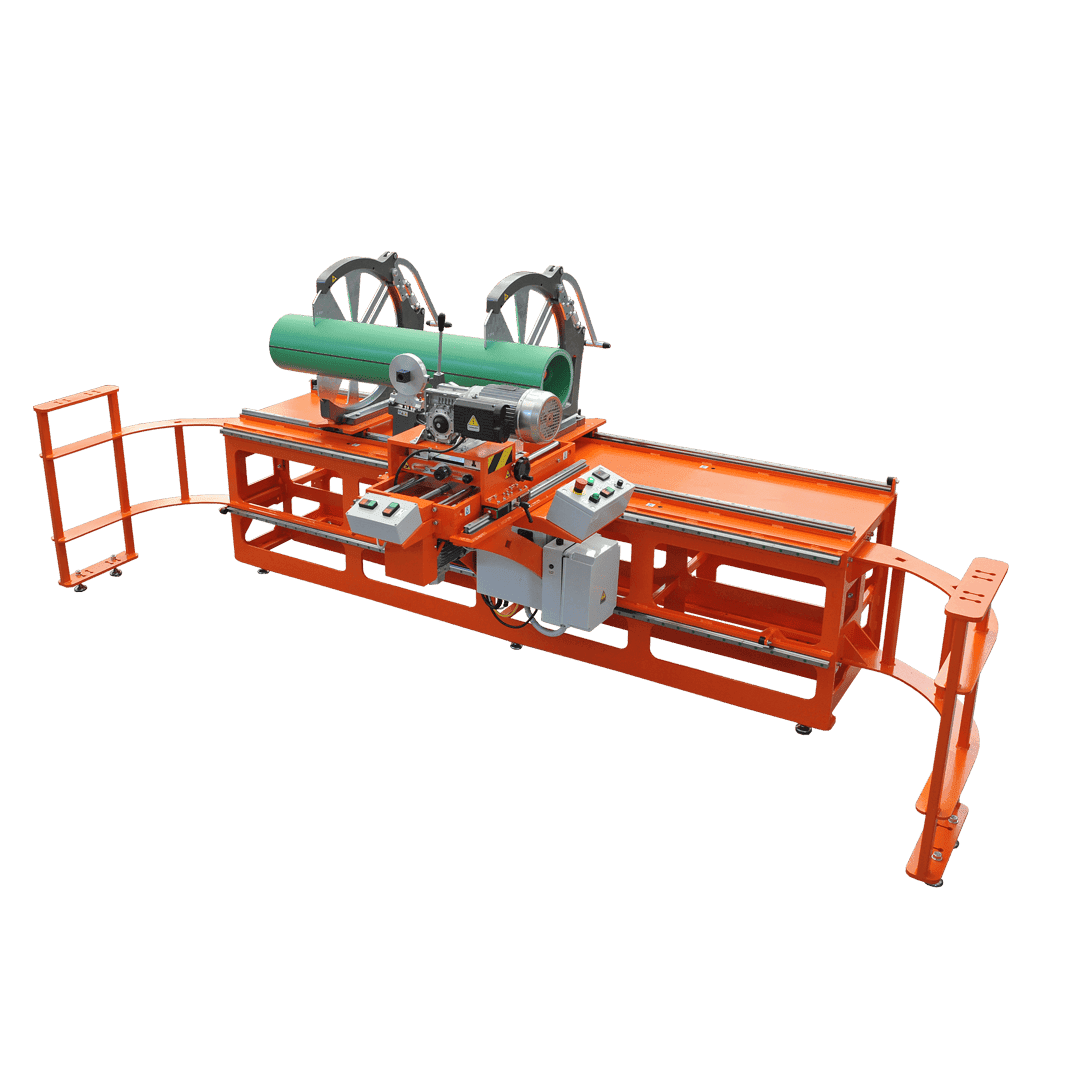
Ritmo FM 630/125 Manifold Fabrication Machine Ø 50-630 mm
Ritmo · Socket Fusion Machines
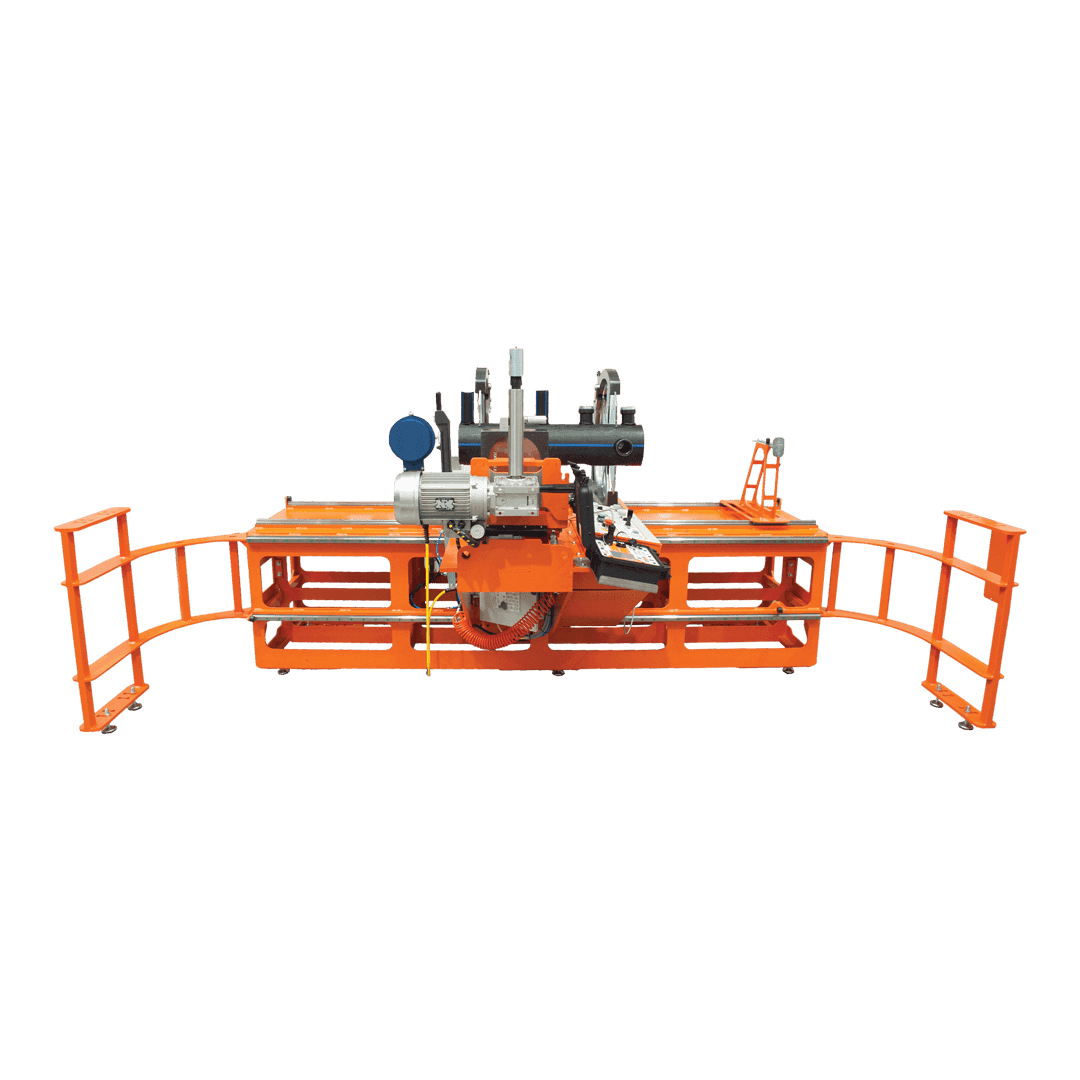
Ritmo FM 630/180 Butt and Socket Fusion Manifold Machine
Ritmo · Socket Fusion Machines
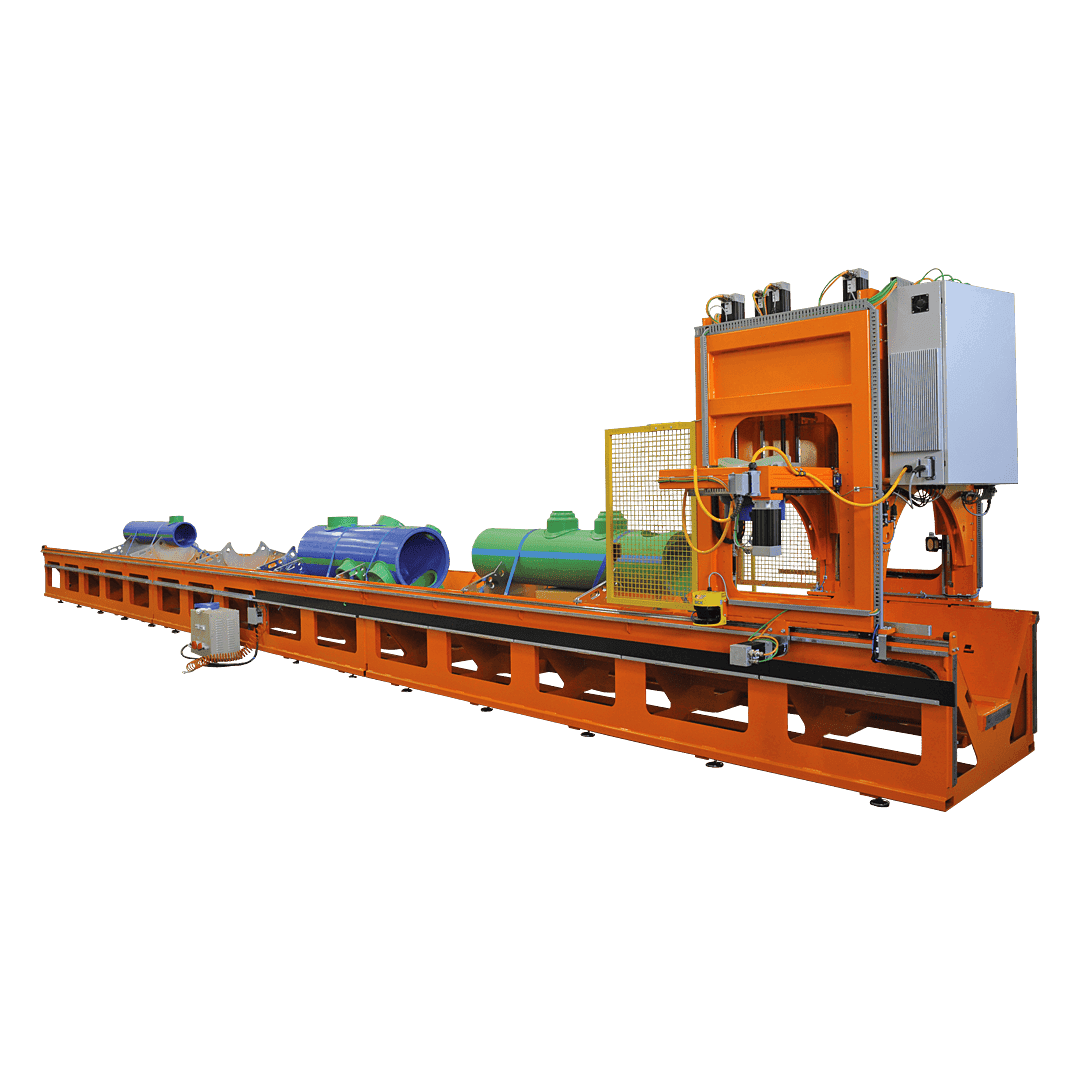
Ritmo FM 630/315 Manifold Fabrication Line Ø 200-630 mm
Ritmo · Socket Fusion Machines
Manual Welders, Bench Machines and Site Machines
At small diameters (Ø 25-63 mm) a manual socket welder handles most work: the welder is fixed in place and pipe and fitting are pushed onto the socket by hand. As diameter grows, hand force and alignment stop being enough, and clamped machines take over — clamps hold pipe and fitting on axis, advance is controlled, and the joint becomes repeatable.
On site, vertical welds are their own problem: if the carriage slides under its own weight, the joint opens. The lockable friction system on models such as JIG Prime and Switch 125 prevents exactly that. Where a branch is taken off a main pipe, saddle fusion systems (UP 125) are used instead.
- Manual welders: R25 (to Ø 25 mm), R63 (Ø 63 mm), R125 Q (Ø 125 mm)
- Bench machines: Prisma 90 (Ø 20-90 mm), Prisma JIG (Ø 63-125 mm)
- Site and vertical work: JIG Prime and Switch 125 (Ø 25-125 mm)
- Saddle fusion: UP 125 — Ø 32-125 mm branches on Ø 63-630 mm main pipe
- Manifold fabrication: the FM 630 series
Socket Type and Temperature Control
The socket is the surface where the weld happens, and its type has to match the pipe and fitting brand in use. Type A and Type B sockets, compliant with DV2208, cover Ø 16-125 mm; Type AQ sockets for Aquatherm fittings cover Ø 20-125 mm; CTS and IPS sockets cover imperial sizes. The wrong type produces a weak joint because the surfaces never seat fully.
Two control systems exist. TE gives adjustable electronic control across 180-290 °C. TFE holds a fixed 260 °C (±10 °C) with microcontroller PID control and a platinum sensor for fast response, shutting down automatically with an audible alarm on a fault. On sites with several operators, fixed-temperature TFE removes the risk of a mis-set dial.
Frequently Asked Questions
What is the correct socket fusion temperature?
For PP-R pipe the welding temperature is typically around 260 °C. Ritmo's TE welders adjust across 180-290 °C, while TFE versions hold a fixed 260 °C (±10 °C). Heating and cooling times vary with diameter and wall thickness and should follow the manufacturer's table.
How do Type A and Type B sockets differ?
Both comply with DV2208 but seat dimensionally on different fitting families, so the choice follows the pipe and fitting brand. Machines such as Prisma 90 convert between the two by changing the selector and the sockets. Type AQ sockets exist separately for Aquatherm fittings.
Manual welder or machine?
Up to Ø 63 mm and at low repetition, a manual welder is usually enough. Above that, or where many joints are made per day, a clamped machine is needed: controlled alignment and advance make the joint repeatable and cut the errors that come with operator fatigue.
Can joints be welded on vertical lines?
Yes. The lockable friction system on JIG Prime and Switch 125 stops the carriage sliding under its own weight and opening the joint, which is what makes vertical work on walls and columns possible.
How is a branch taken off a main pipe?
By saddle fusion: the main pipe is drilled with a hole saw, then the branch fitting is welded using a welder fitted with a saddle socket. The UP 125 system takes Ø 32-125 mm branches off Ø 63-630 mm main pipe and positions 360° around the pipe on a chain closure.