Categories
Spirit Levels
Spirit levels are the largest group in this tree, and the choice comes down to two numbers: accuracy in mm/m and length. This page covers the deviation the eye can actually catch, where a magnetic or cast body earns its cost, how to pick a length from torpedo to 240 cm, and what a digital model adds. The catalogue holds over 180 products from BMI, Milwaukee, GFB, Proft, Bosch and Metresan.
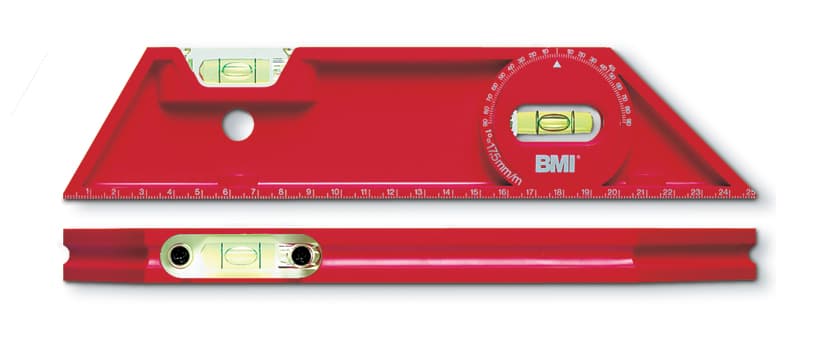
BMI 683 Unıversal Plastik Su Terazısı
BMI · Spirit Levels
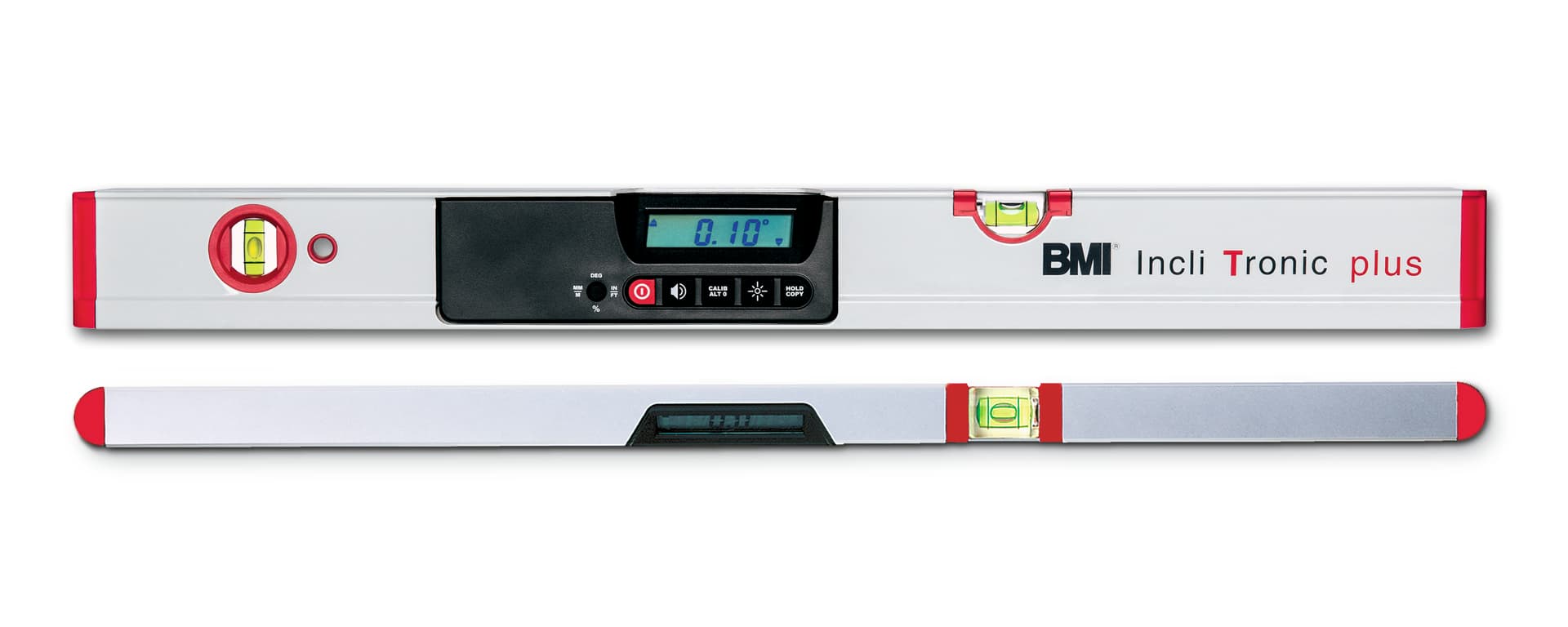
BMI 601060 Inclıtronıc Dijital Eğim Ölçerli Su Terazisi 60 cm
BMI · Spirit Levels
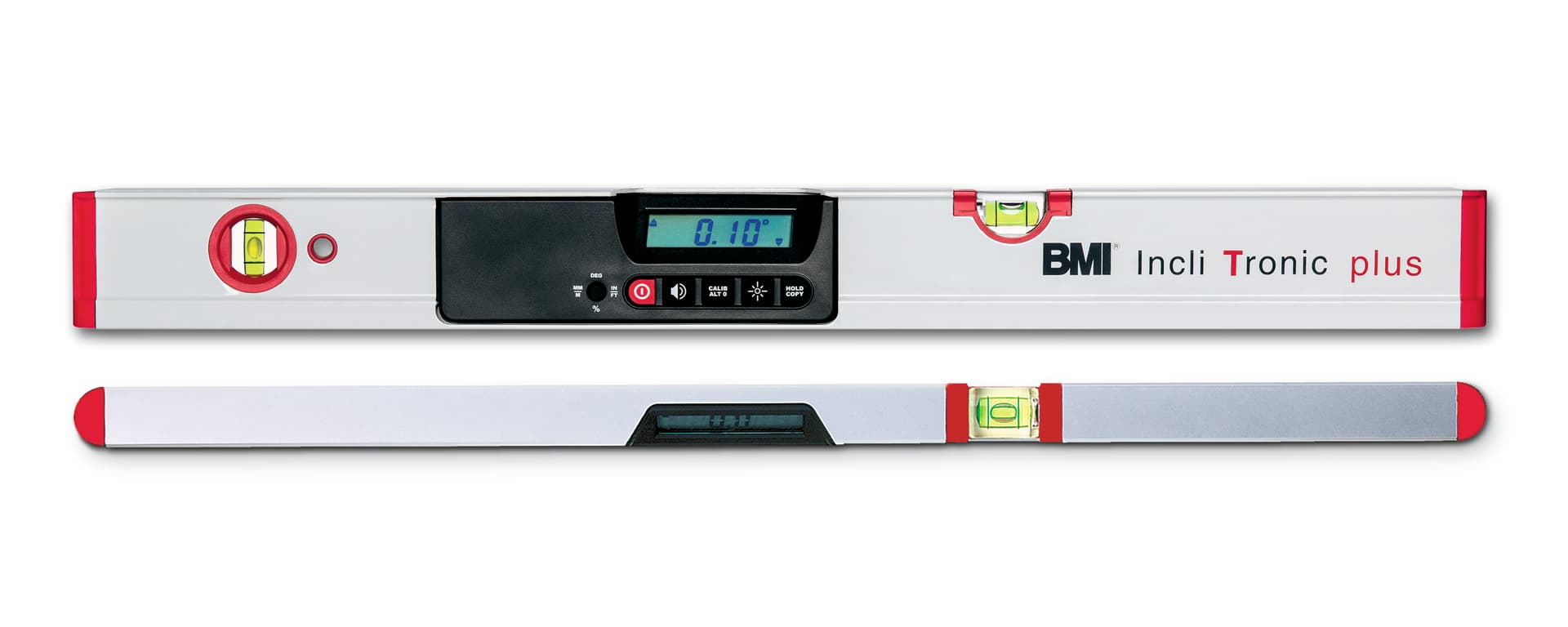
BMI 601080 Inclıtronıc Dijital Eğim Ölçerli Su Terazisi 80 cm
BMI · Spirit Levels
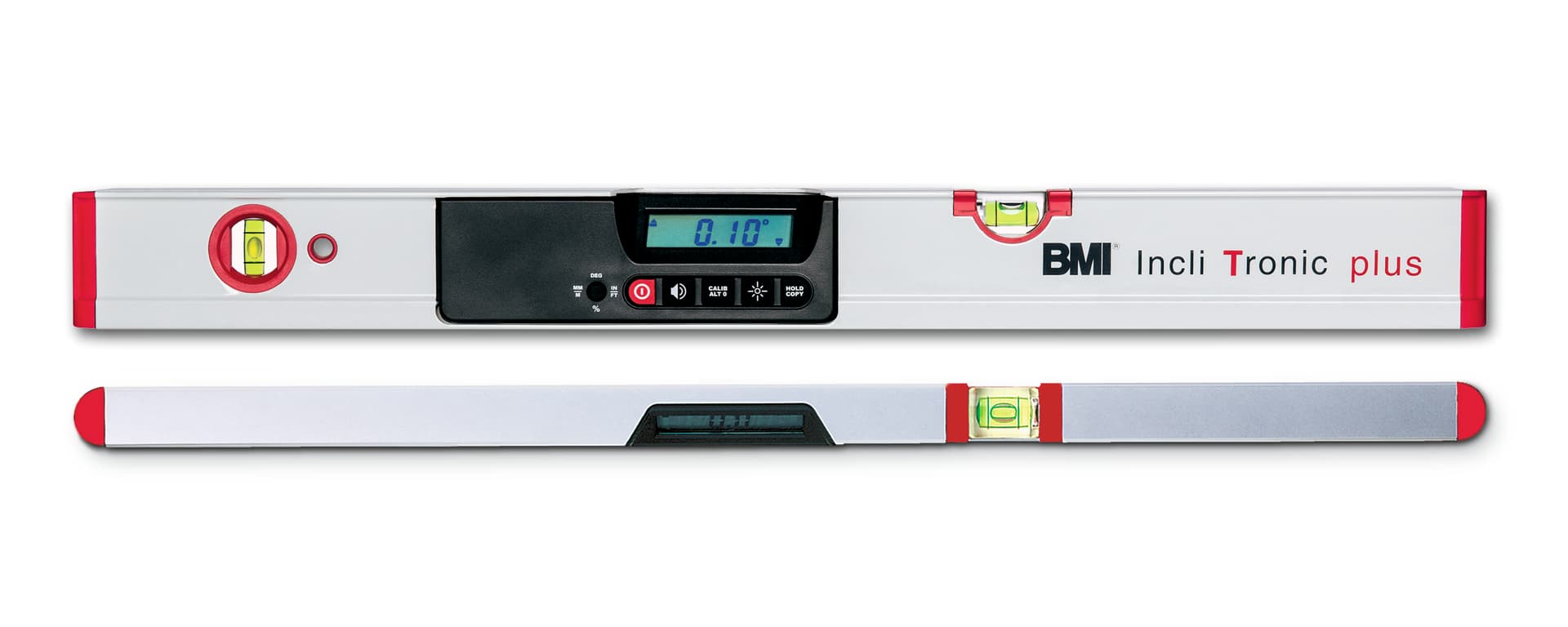
BMI 601120 Inclıtronıc Dijital Eğim Ölçerli Su Terazisi 120 cm
BMI · Spirit Levels
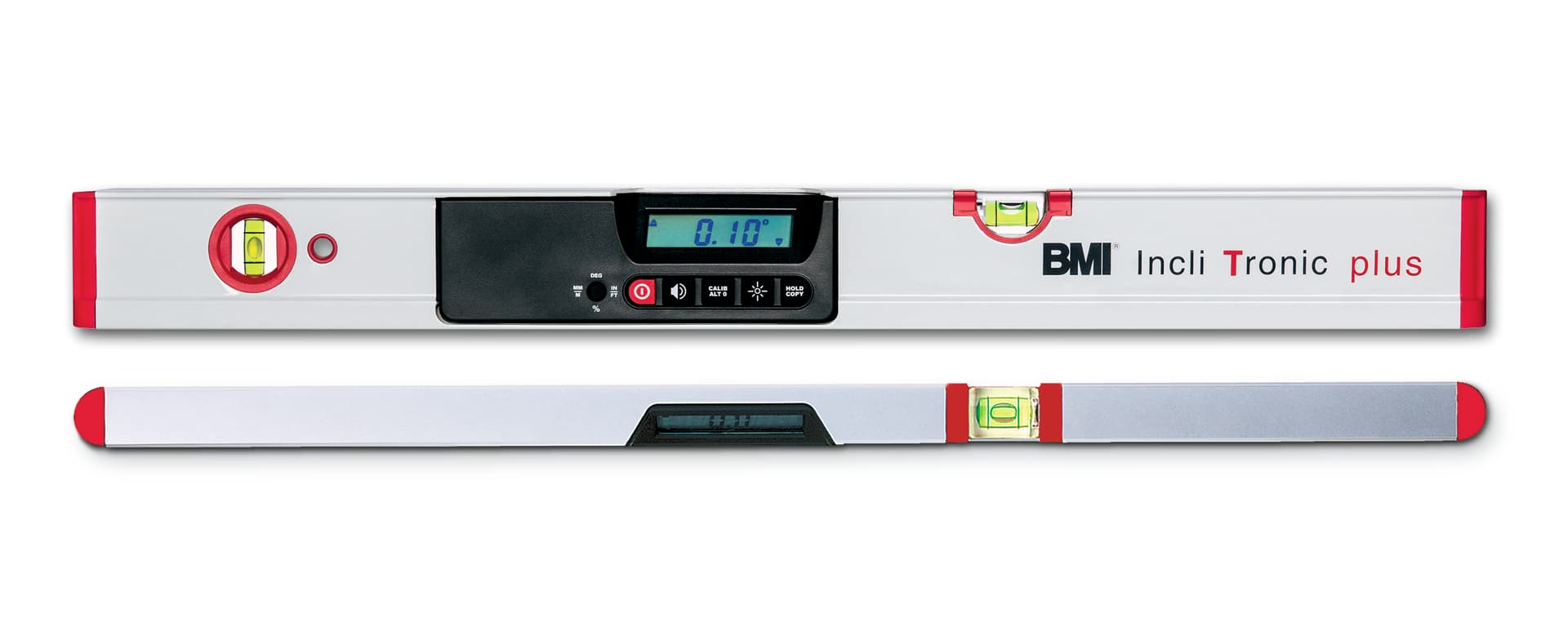
BMI 601180 Inclıtronıc Dijital Eğim Ölçerli Su Terazisi 180 cm
BMI · Spirit Levels
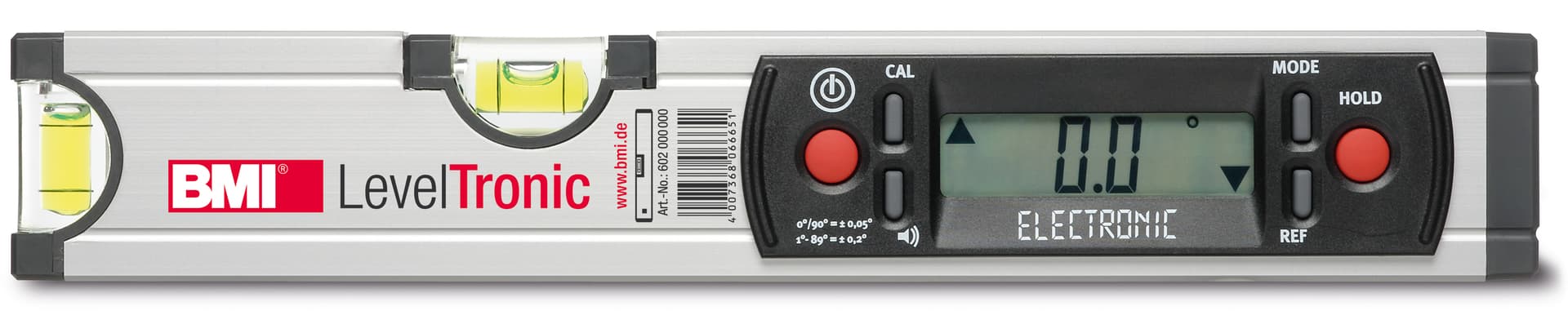
BMI 604030 Levertronic Elektronik Su Terazisi
BMI · Spirit Levels
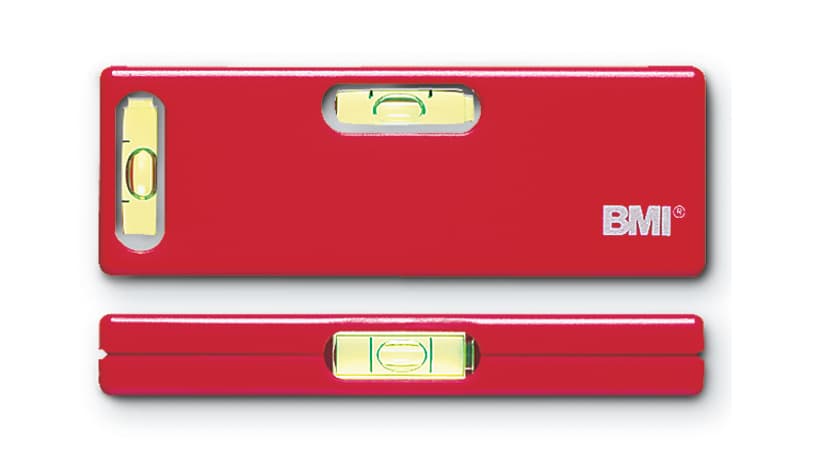
BMI 670 Pocket Plastik Su Terazisi
BMI · Spirit Levels
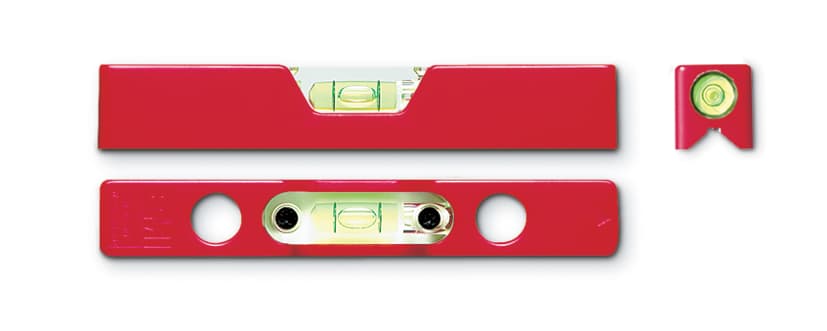
BMI 671 Nıvelle Plastik Su Terazisi
BMI · Spirit Levels
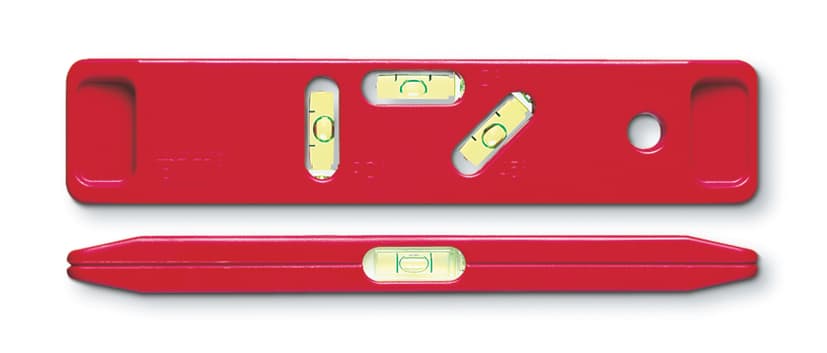
BMI 674 m Trıvelle Plastik Su Terazisi
BMI · Spirit Levels
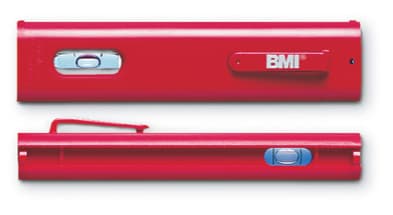
BMI 675 Lıne - Level Plastik Su Terazisi
BMI · Spirit Levels
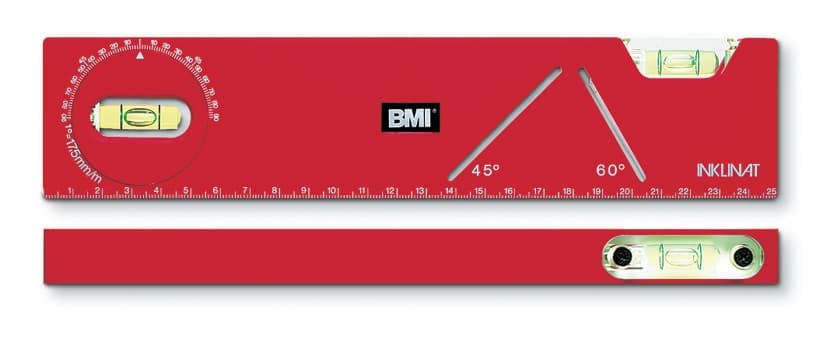
BMI 682 Inklınat Plastik Su Terazisi
BMI · Spirit Levels
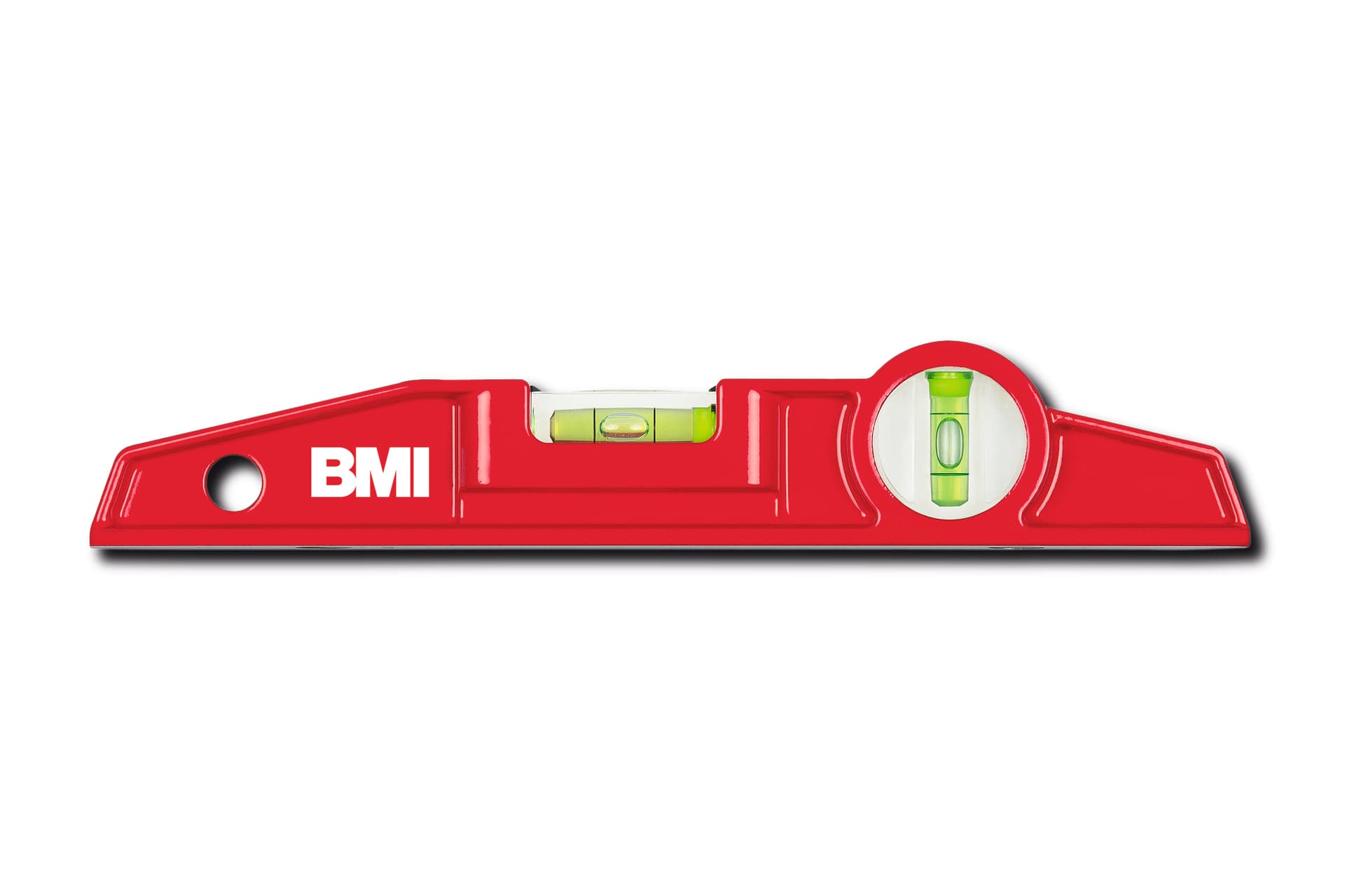
BMI 689025TM Torpedo Cep Tipi Su Terazisi
BMI · Spirit Levels
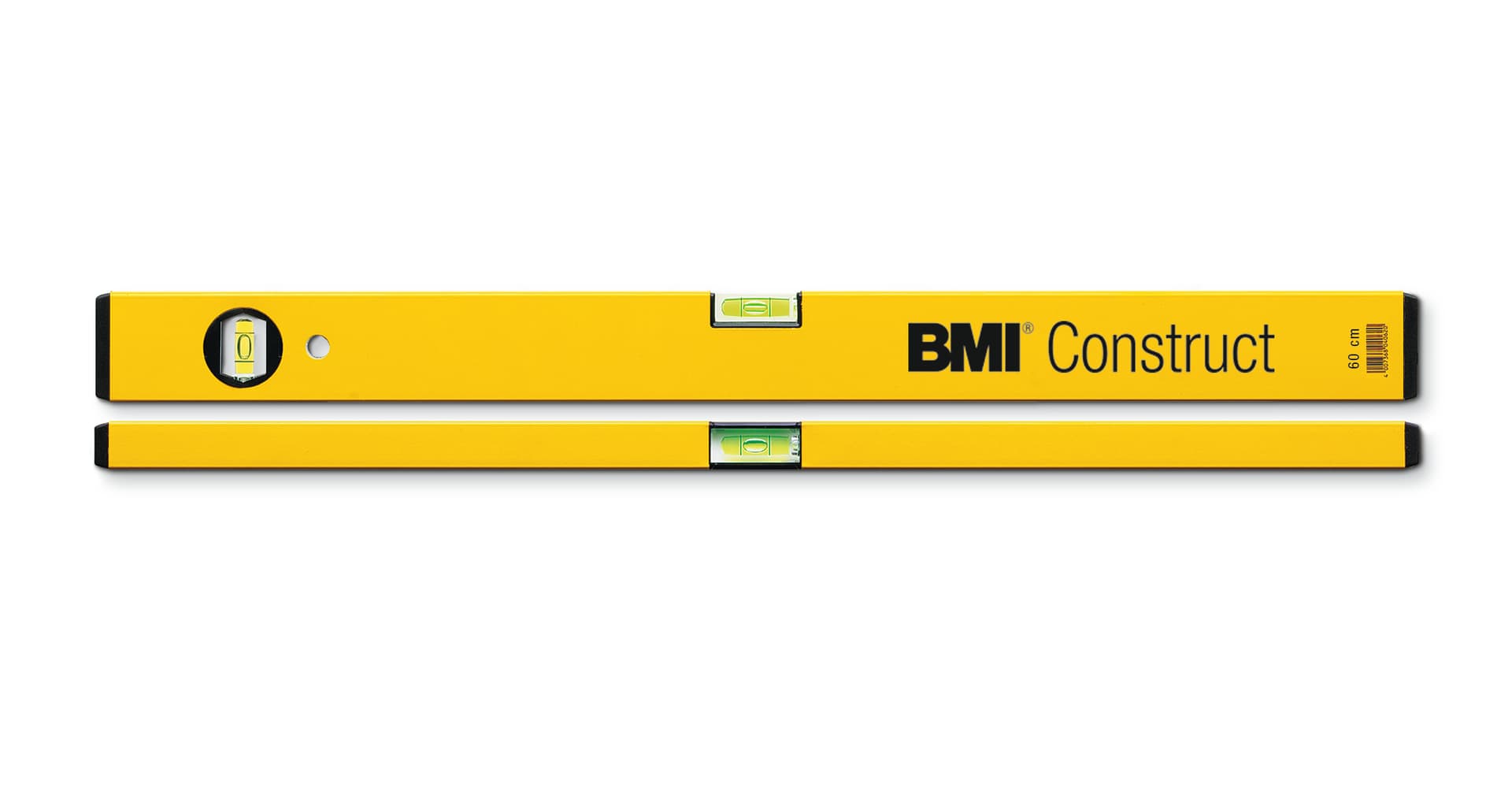
BMI 689040 Alüminyum Su Terazisi 40 cm
BMI · Spirit Levels
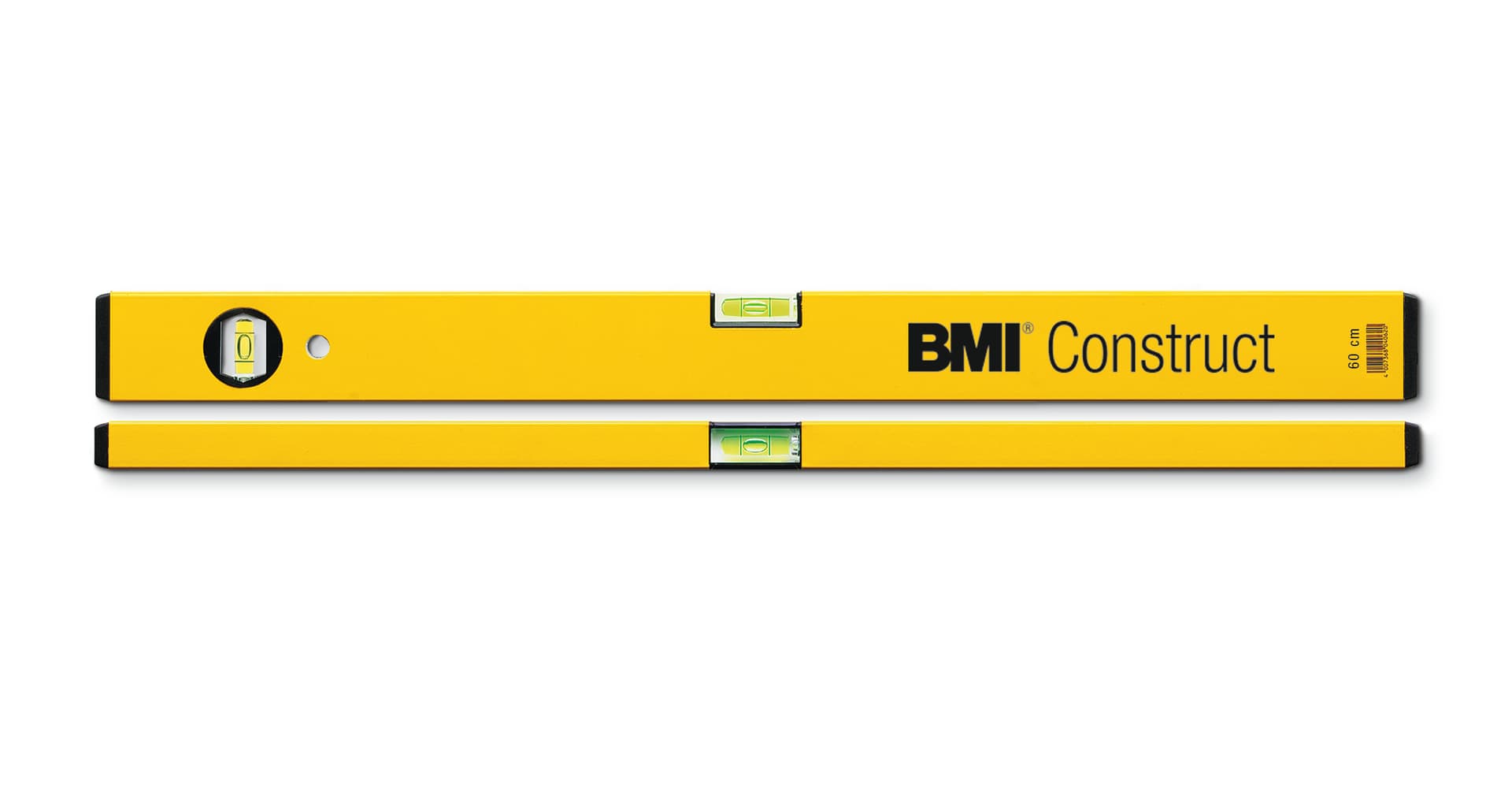
BMI 689050 Alüminyum Su Terazisi 50 cm
BMI · Spirit Levels
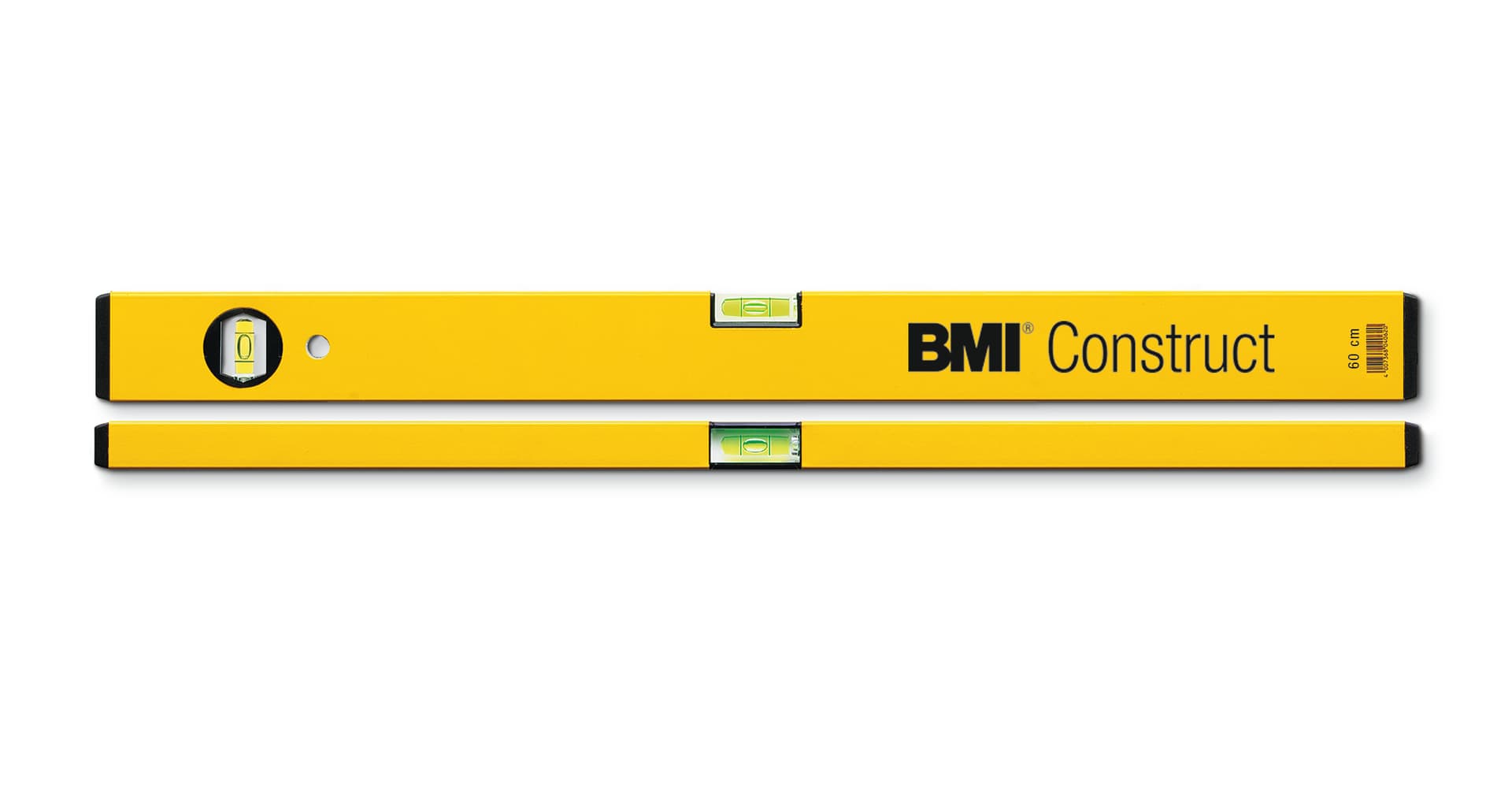
BMI 689060 Alüminyum Su Terazisi 60 cm
BMI · Spirit Levels
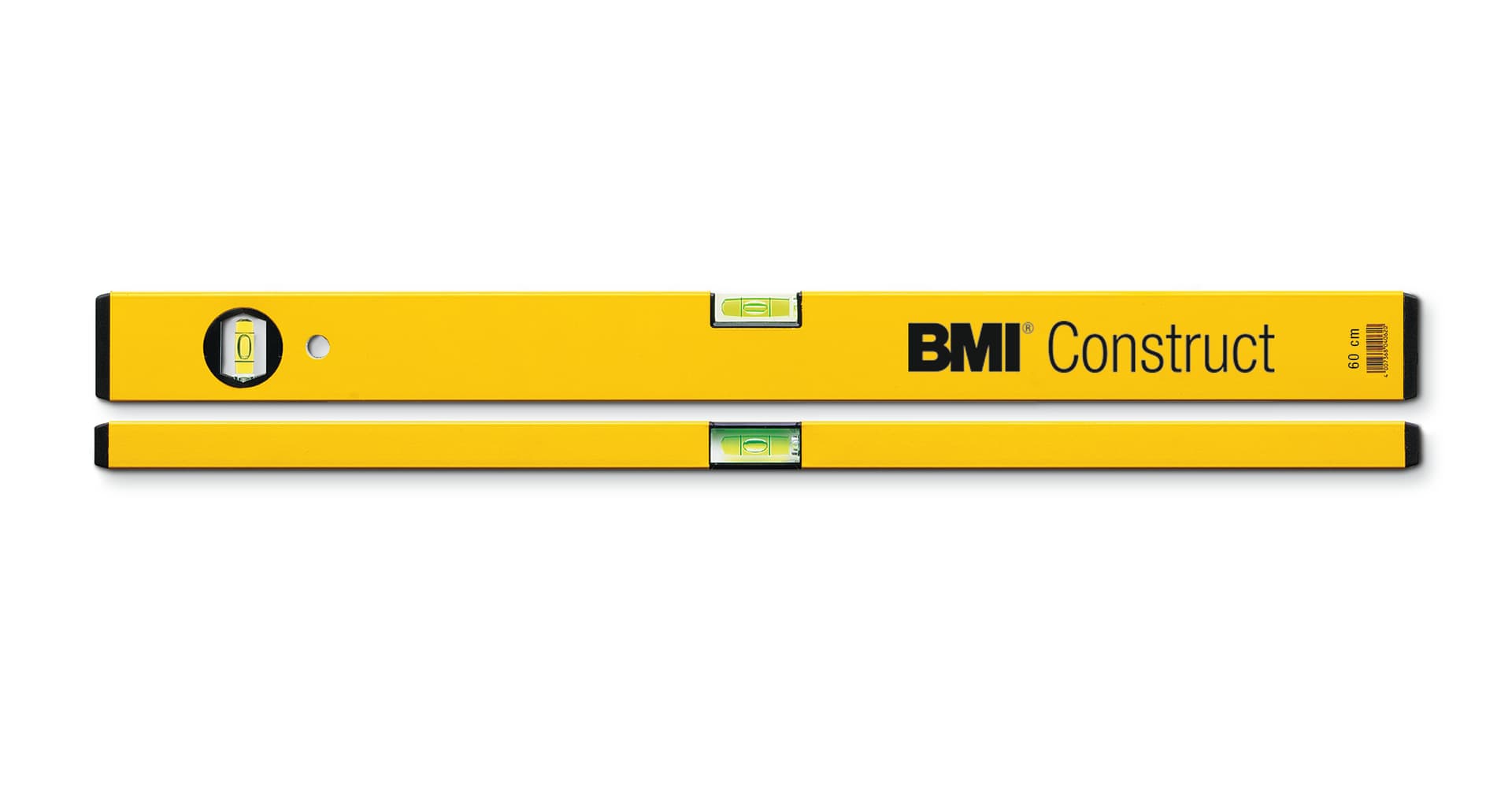
BMI 689080 Alüminyum Su Terazisi 80 cm
BMI · Spirit Levels
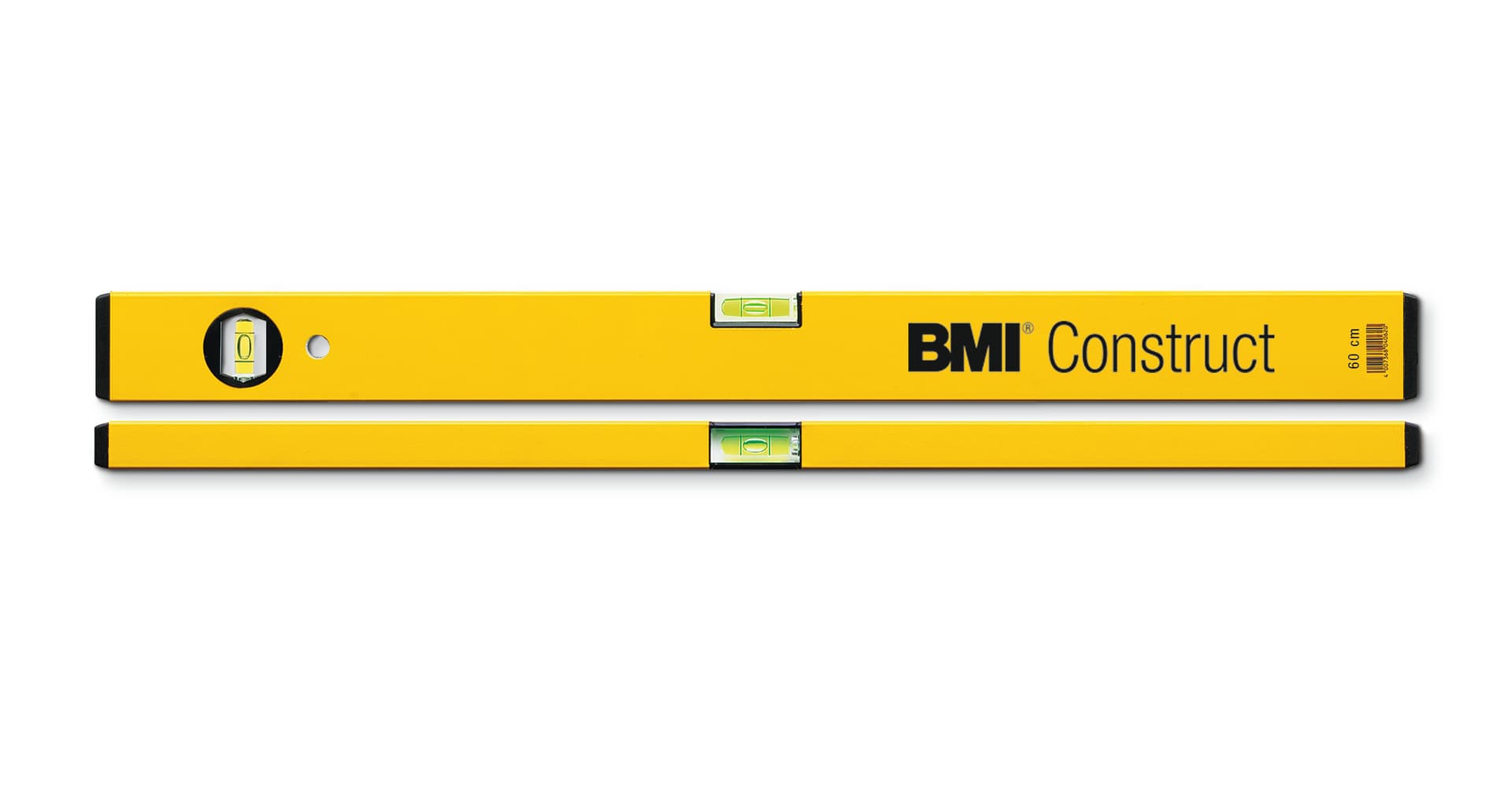
BMI 689100 Alüminyum Su Terazisi 100 cm
BMI · Spirit Levels
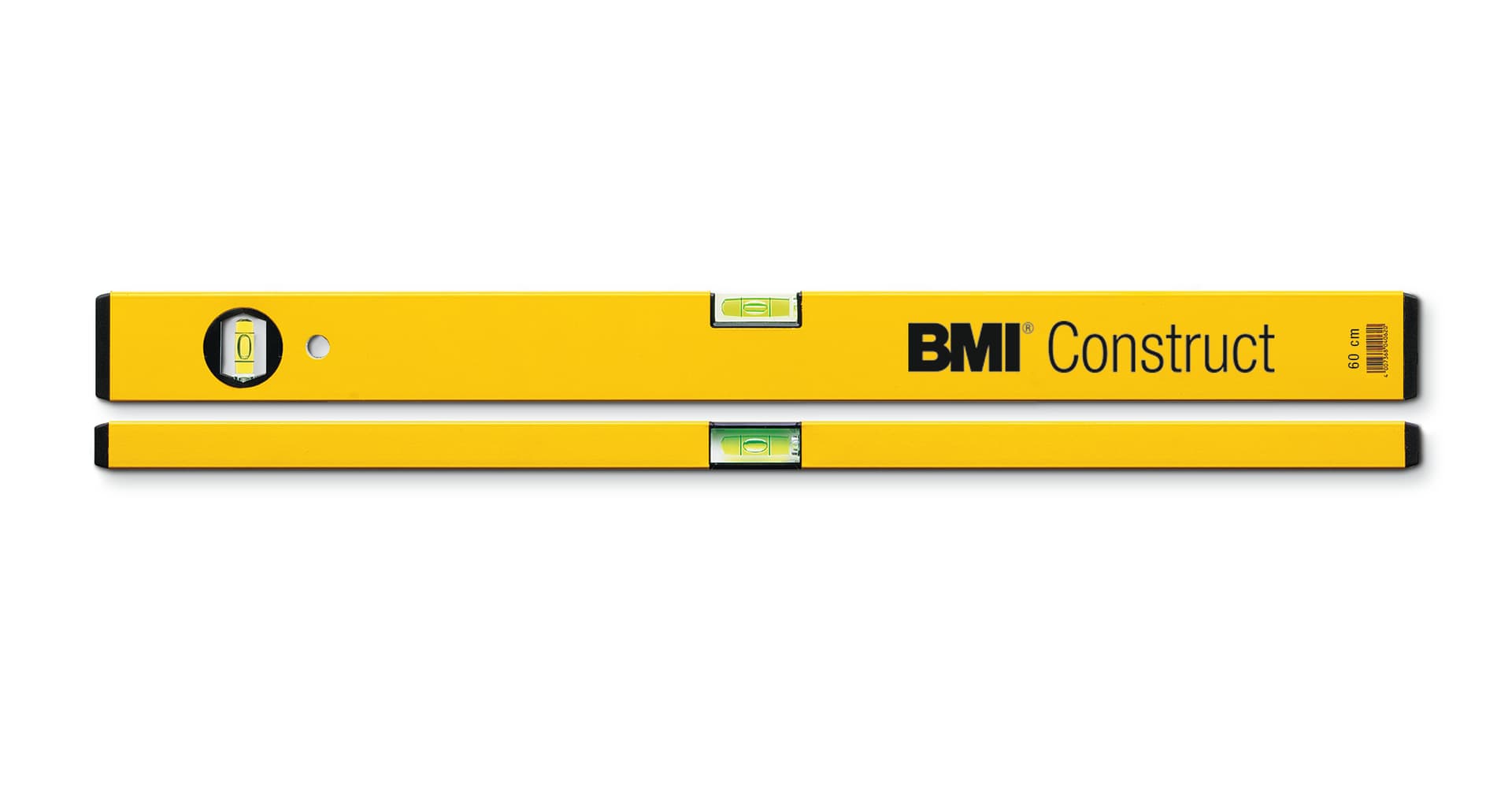
BMI 689120 Alüminyum Su Terazisi 120 cm
BMI · Spirit Levels
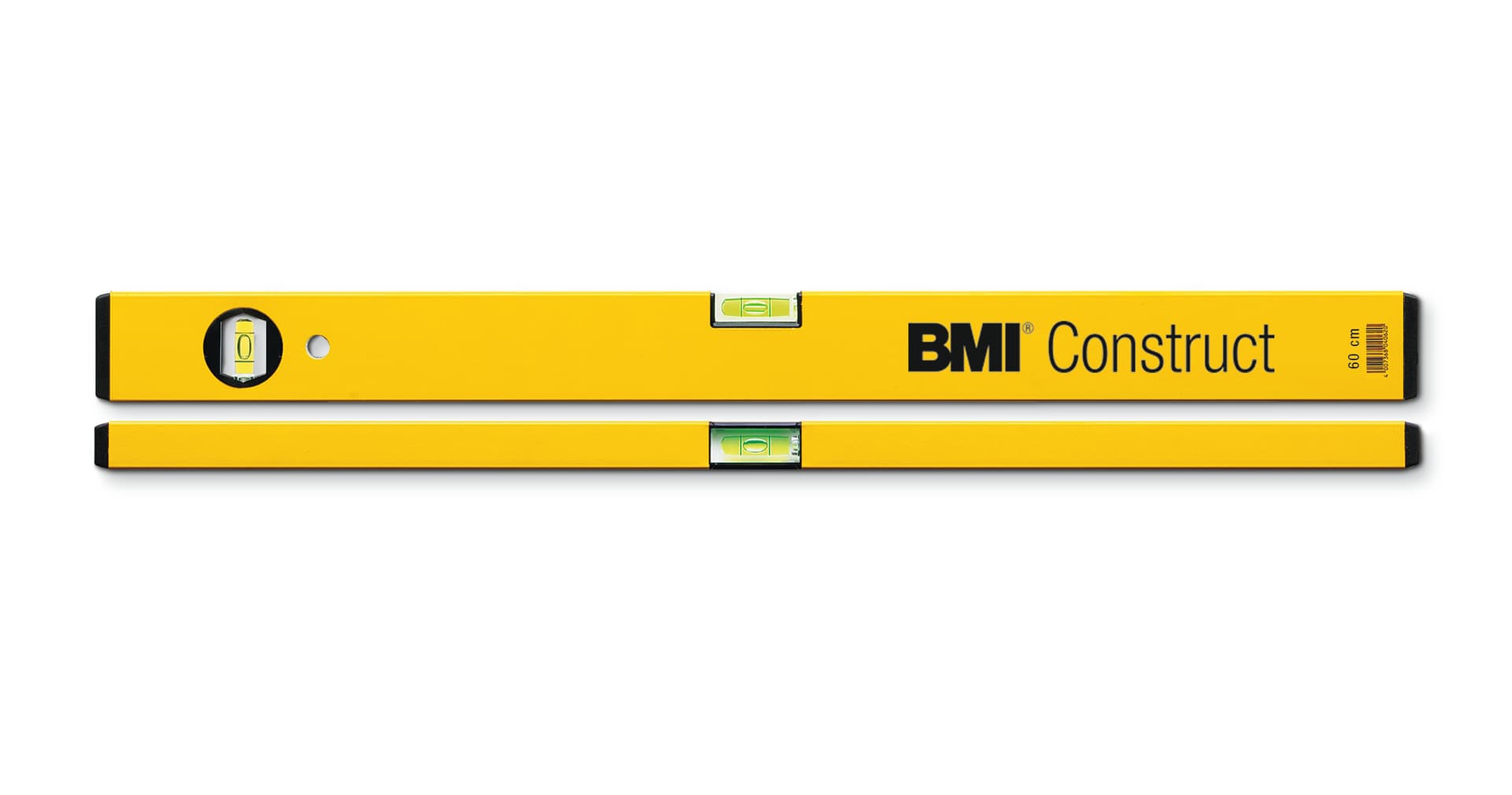
BMI 689150 Alüminyum Su Terazisi 150 cm
BMI · Spirit Levels
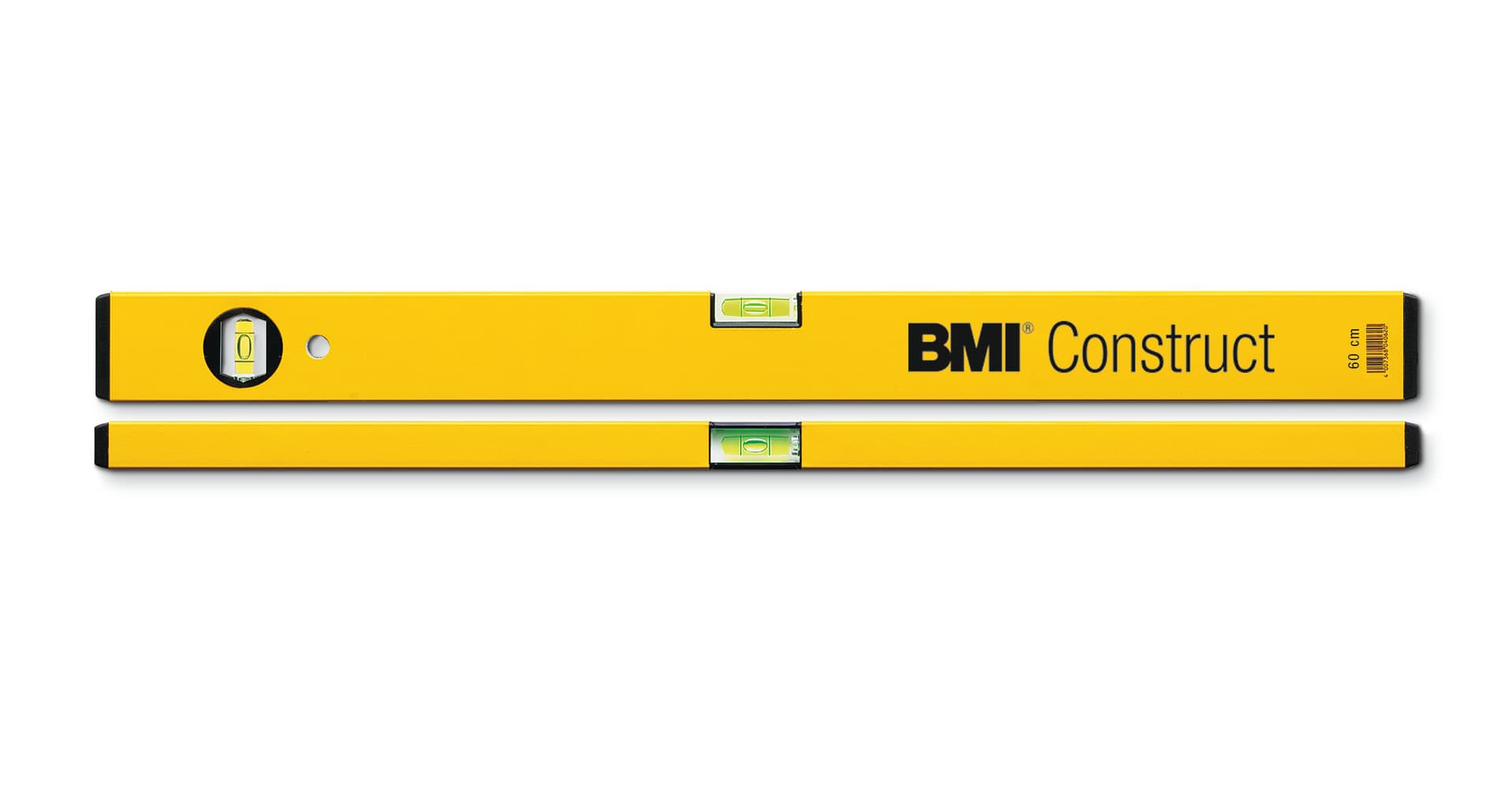
BMI 689200ALÜMİNYUM Su Terazisi 200 cm
BMI · Spirit Levels
BMI 691M050 Alüminyum Mıknatıslı Su Terazi 50 cm
BMI · Spirit Levels
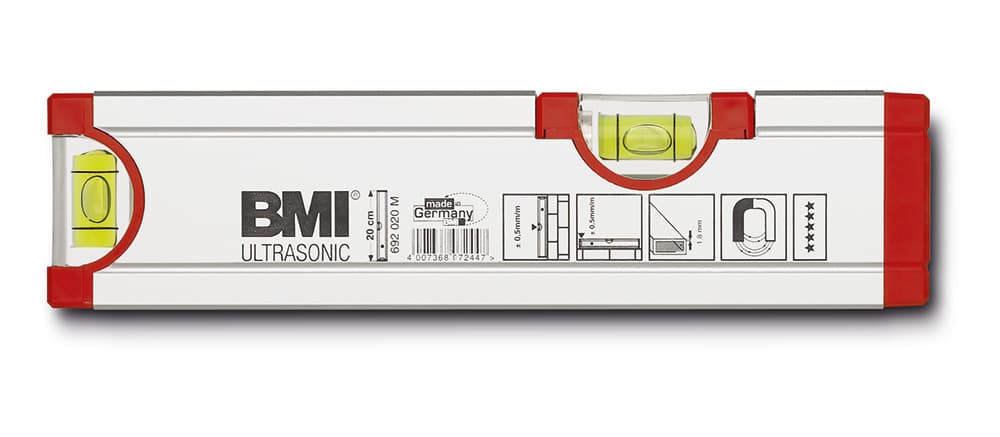
BMI 692020 m Ultrasonıc Cep Tipi Su TERAZİSİ20CM
BMI · Spirit Levels

BMI 695 Hıghprecısıon Su Terazisi 100 cm
BMI · Spirit Levels

BMI 695 Hıghprecısıon Su Terazisi 120 cm
BMI · Spirit Levels
1–24 of 206 · page 1 / 9
Accuracy: mm/m and the limit of the eye
A level's accuracy is stated in millimetres per metre and describes the smallest deviation readable from the bubble. 0.5 mm/m is the standard for general building work; 0.75 and 1.0 mm/m appear on economy models, and 0.3 mm/m or better belongs to precision fitting.
The figure applies in the normal position; inverted — ceiling work, under a beam — the permitted deviation usually doubles. If a ceiling line has to hold, choose one grade tighter than the job would otherwise need.
The vial itself is part of the choice: solid block acrylic vials resist heat and knocks and hold their setting, while adjustable vials can be re-aligned after a drop but may drift over time.
| Accuracy | Deviation over 1 m | Typical work |
|---|---|---|
| 0.3 mm/m | 0.3 mm | Machine bases, precision fitting |
| 0.5 mm/m | 0.5 mm | Walls, formwork, joinery — standard |
| 0.75 mm/m | 0.75 mm | General site, rough work |
| 1.0 mm/m | 1 mm | Economy, intermediate checks |
Choosing a length, and the body
A longer level does not read more accurately — it reads a wider surface. A 20 cm level counts a local bulge in the render as a slope; a 200 cm level gives the plane of the wall. As a rule the level should span at least two thirds of the surface being aligned.
An extruded aluminium body is the standard: light, and rigid enough to resist bending. Reinforced bodies such as Backbone add a spine inside the extrusion to limit bending after a drop. Cast bodies are heavier but the most dimensionally stable, which is why they are the workshop choice.
Magnetic models hold themselves on steel sections, box profile and pipe, which makes single-handed work possible in welding, steel erection and pipework. The magnets are recessed into the measuring face, so they do not spoil the reference plane.
| Length | Where it is used |
|---|---|
| 20 - 25 cm (torpedo) | Between units, on pipe, tight spaces |
| 40 - 60 cm | Electrical, plumbing, back boxes |
| 80 - 100 cm | Doors, windows, kitchen units |
| 120 - 200 cm | Walls, formwork, joinery planes |
| 240 cm | Long walls, suspended ceilings, columns |
Digital inclinometers and optical levels
Digital levels show the angle in degrees or percent fall alongside the bubble. That decides the job wherever a specific fall, rather than dead level, has to be held: waste pipe runs, ramps, roofs and drainage. Some models store a target angle and sound an alert when it is reached.
Transferring a datum over distance is not a level's job. Beyond ten metres the work belongs to an optical level set or a rotary laser, and the spirit level becomes the final check only.
- Percent fall: waste, drainage, ramps.
- Degrees: roofs, stairs, brackets.
- Audible alert: holding a line single-handed without watching the vial.
- Ultrasonic / distance models: alignment and distance in one tool.
Frequently Asked Questions
What length of level should I buy?
At least two thirds of the surface being aligned. Walls and joinery want 120-200 cm, doors and units 80-100 cm, electrical and plumbing 40-60 cm, and tight spaces a 20-25 cm torpedo.
What is the practical difference between 0.5 and 1.0 mm/m?
A 1.0 mm/m level reads a one-millimetre deviation over a metre as flat. Along a wall that error accumulates, so formwork, joinery and kitchen fitting call for 0.5 mm/m.
What does a magnetic level gain me?
It holds itself on steel and iron, freeing both hands in welding, steel erection and pipework. The magnets are recessed into the measuring face, so the reference plane stays true.
Does a drop knock a level out of true?
It can. The check is simple: read the bubble on a flat surface, then turn the level end for end in the same place. If the two readings differ, the level is out.
Is the accuracy the same upside down?
No — inverted, the permitted deviation usually doubles. For ceiling and under-beam work, choose one grade tighter than you otherwise would.
When is a digital level worth it?
When the job needs a specific fall rather than dead level: waste runs, drainage, ramps and roofs. It reads the angle in degrees or percent, and some models sound an alert at a stored target.