Categories
Spray Paint
Choosing a spray paint comes down to two questions: which binder and which colour system. Nitrocellulose dries fast and covers general work; the acrylic Elite range is ordered by RAL number and stands the weather better. The can size follows the size of the job: 250 ml for hobby work, 300-400 ml general, 500 ml for larger areas.
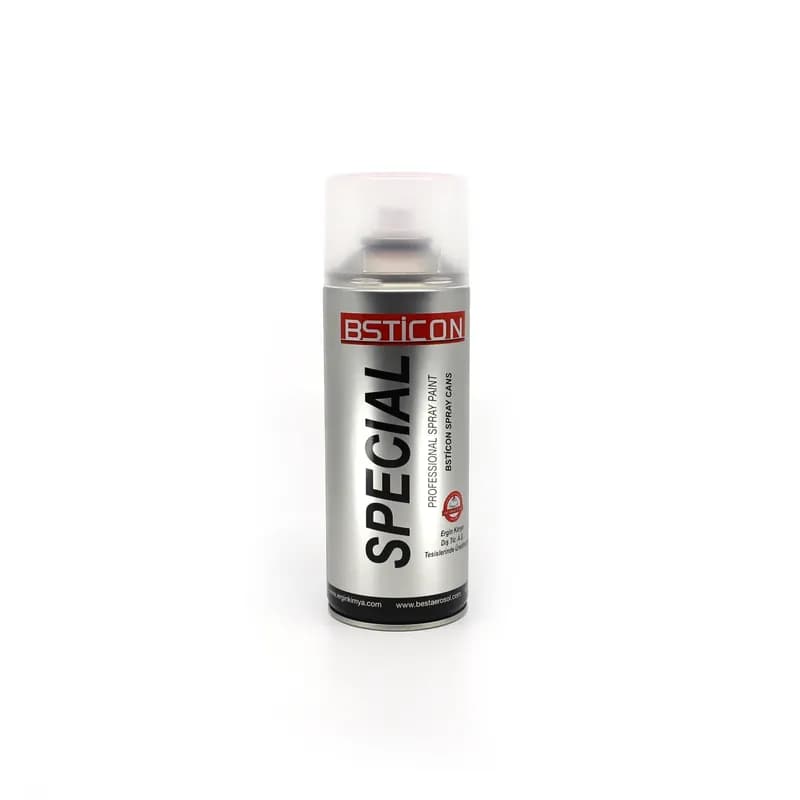
Best BSTicon Spray Paint 400 ml White
Best · Spray Paint
Best BSTicon Spray Paint 400 ml Grey
Best · Spray Paint
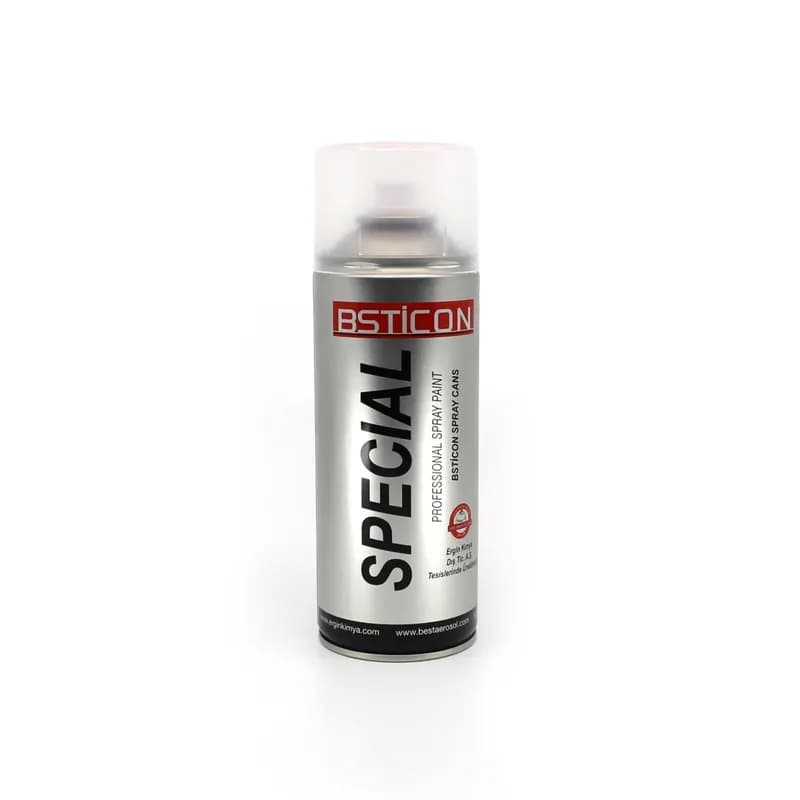
Best BSTicon Spray Paint 400 ml Silver
Best · Spray Paint
Best BSTicon Spray Paint 400 ml Red
Best · Spray Paint
Best BSTicon Spray Paint 400 ml Matt Black
Best · Spray Paint
Best BSTicon Spray Paint 400 ml Blue
Best · Spray Paint
Best BSTicon Spray Paint 400 ml Yellow
Best · Spray Paint
Best BSTicon Spray Paint 400 ml Black
Best · Spray Paint
Best BSTicon Spray Paint 400 ml Green
Best · Spray Paint
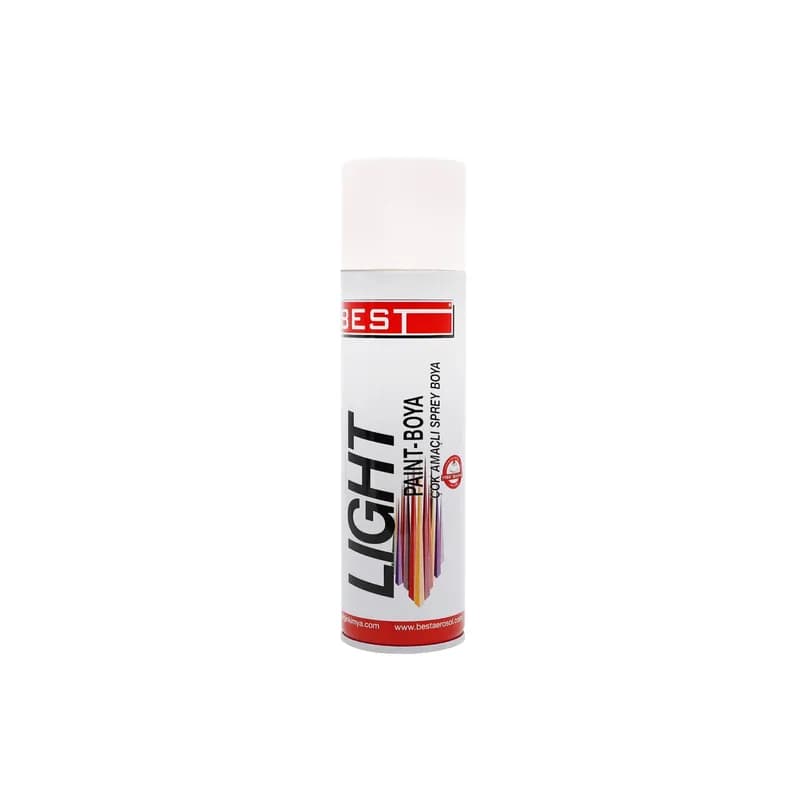
Best Light Spray Paint 250 ml White
Best · Spray Paint
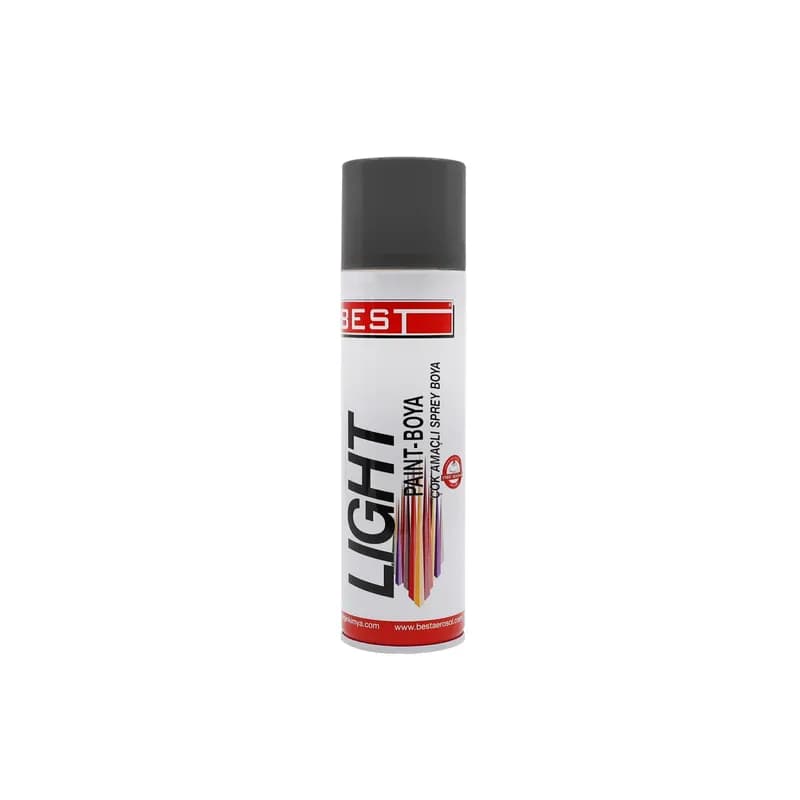
Best Light Spray Paint 250 ml Silver
Best · Spray Paint
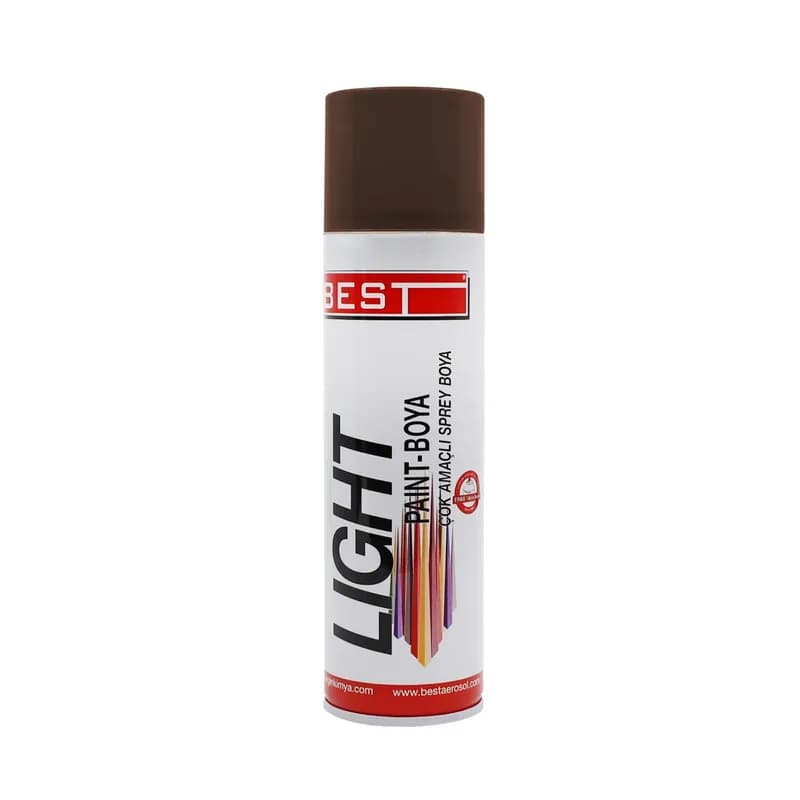
Best Light Spray Paint 250 ml Brown
Best · Spray Paint
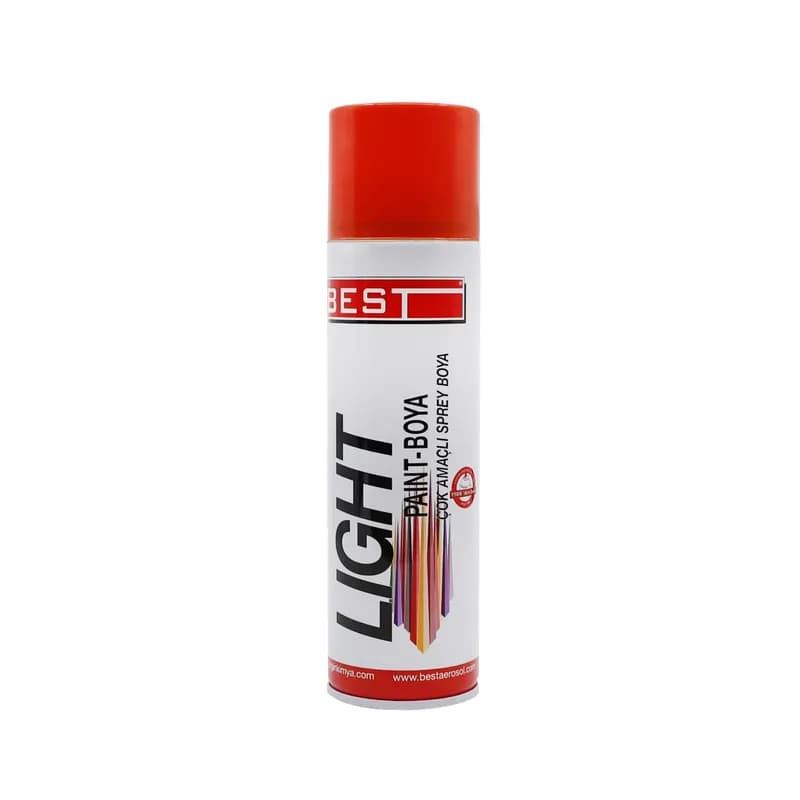
Best Light Spray Paint 250 ml Red
Best · Spray Paint
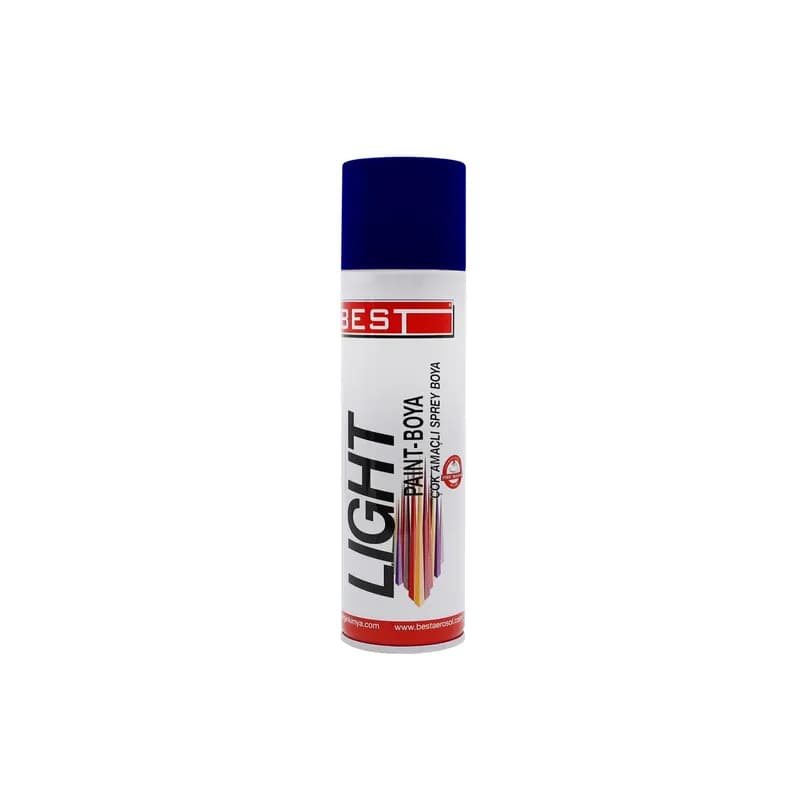
Best Light Spray Paint 250 ml Navy Blue
Best · Spray Paint
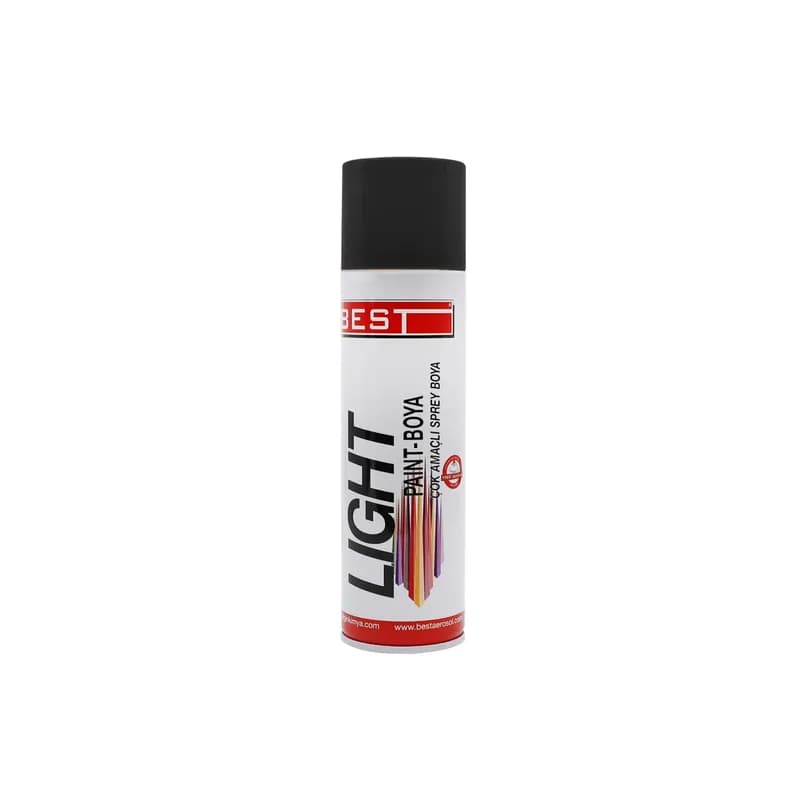
Best Light Spray Paint 250 ml Matt Black
Best · Spray Paint
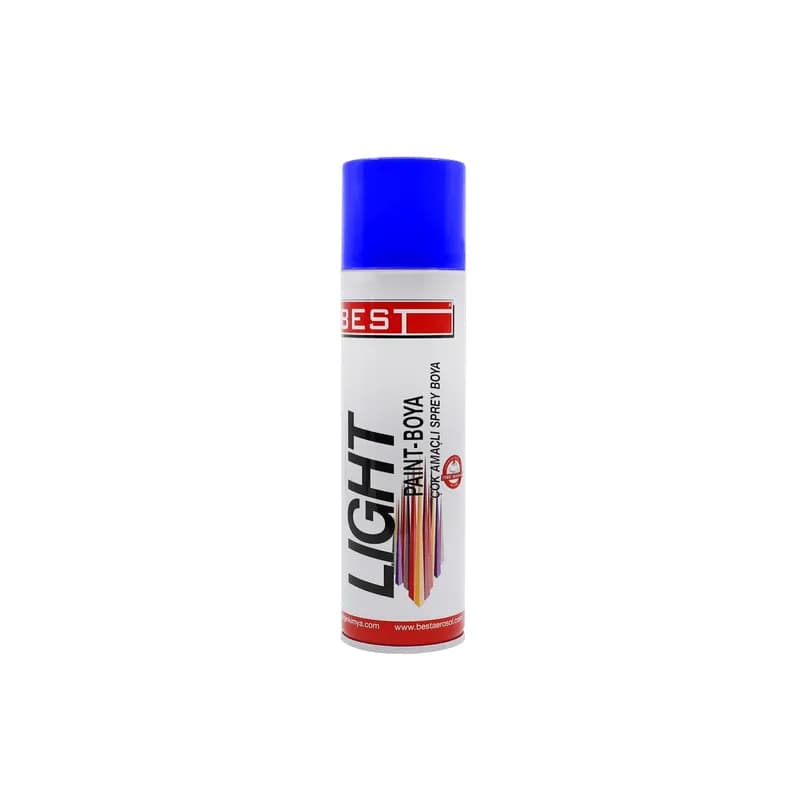
Best Light Spray Paint 250 ml Blue
Best · Spray Paint
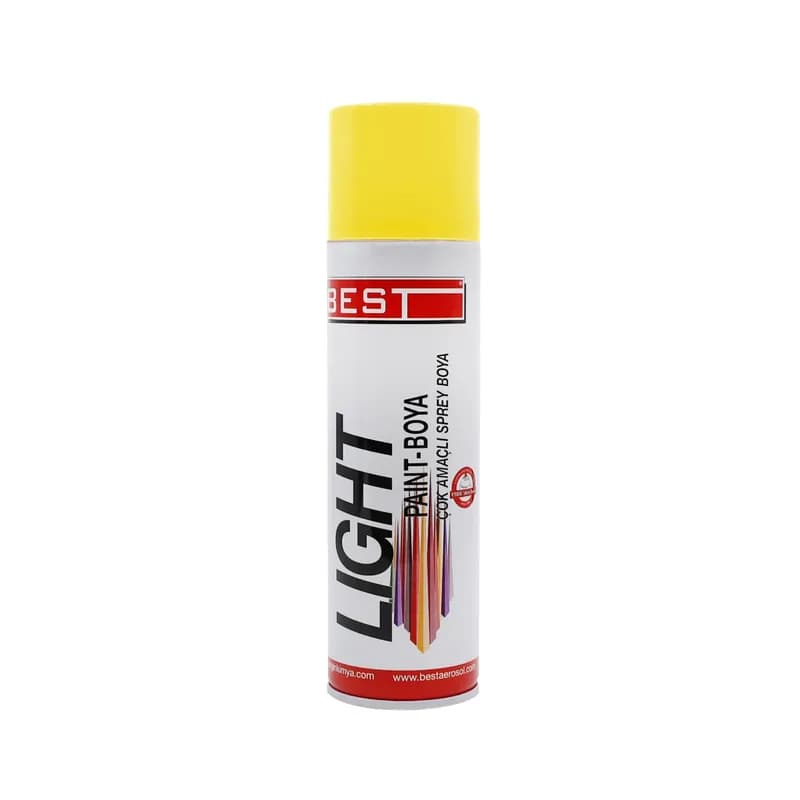
Best Light Spray Paint 250 ml Yellow
Best · Spray Paint
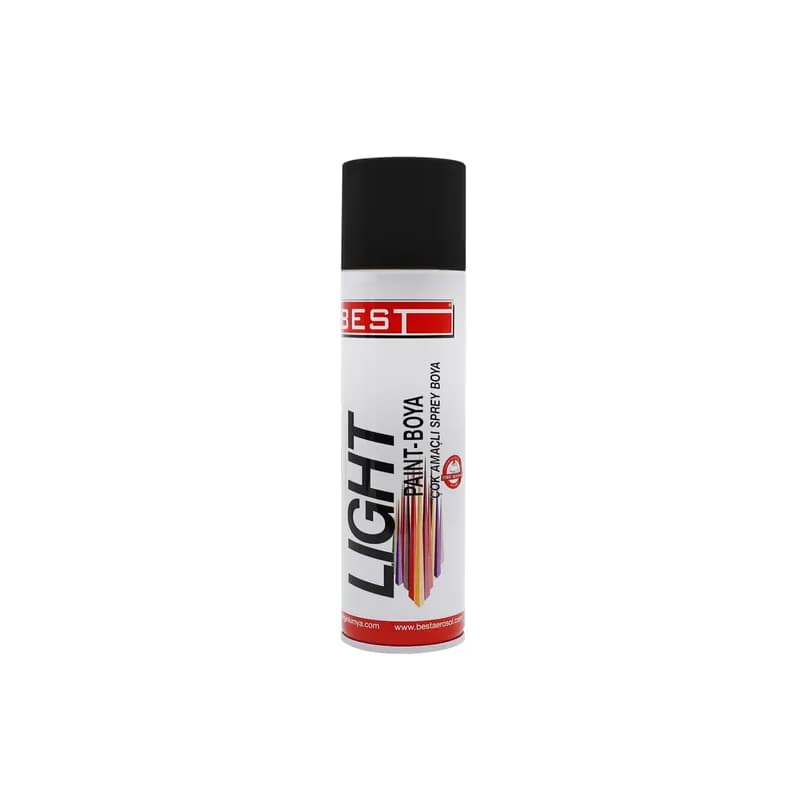
Best Light Spray Paint 250 ml Black
Best · Spray Paint
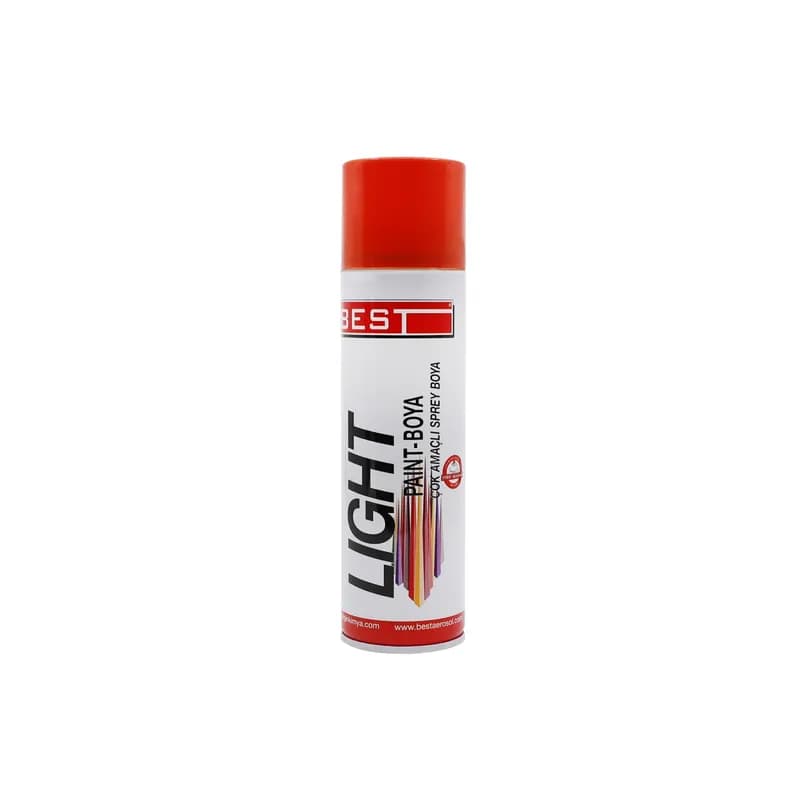
Best Light Spray Paint 250 ml Orange
Best · Spray Paint
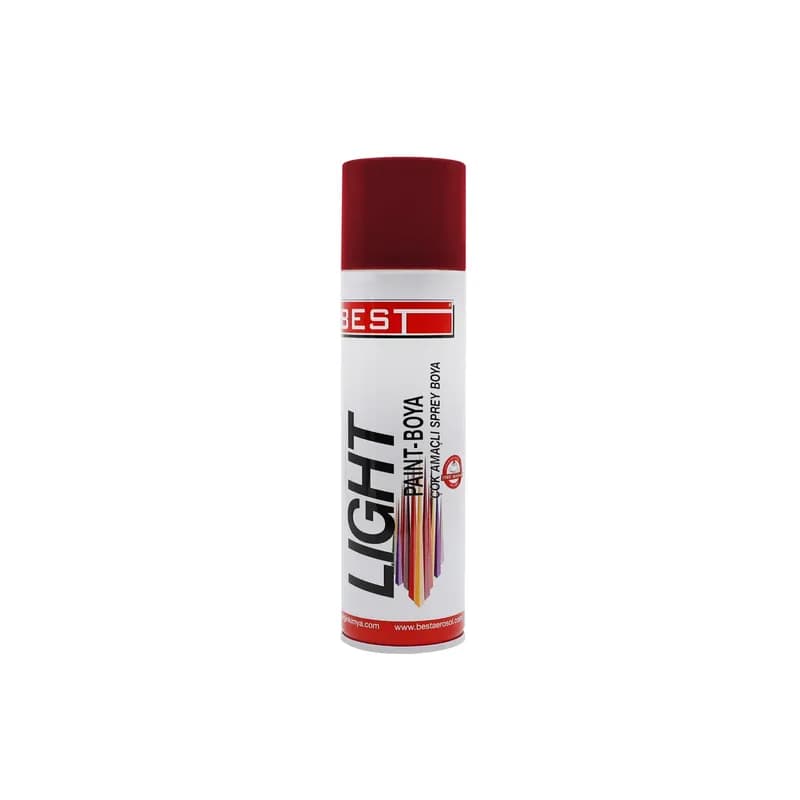
Best Light Spray Paint 250 ml Cherry
Best · Spray Paint
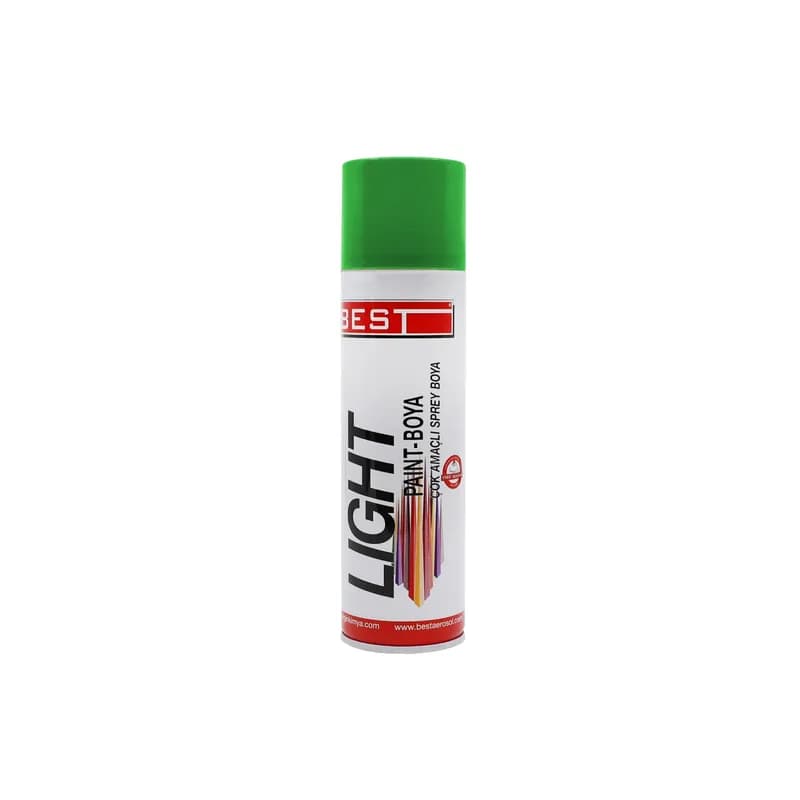
Best Light Spray Paint 250 ml Green
Best · Spray Paint
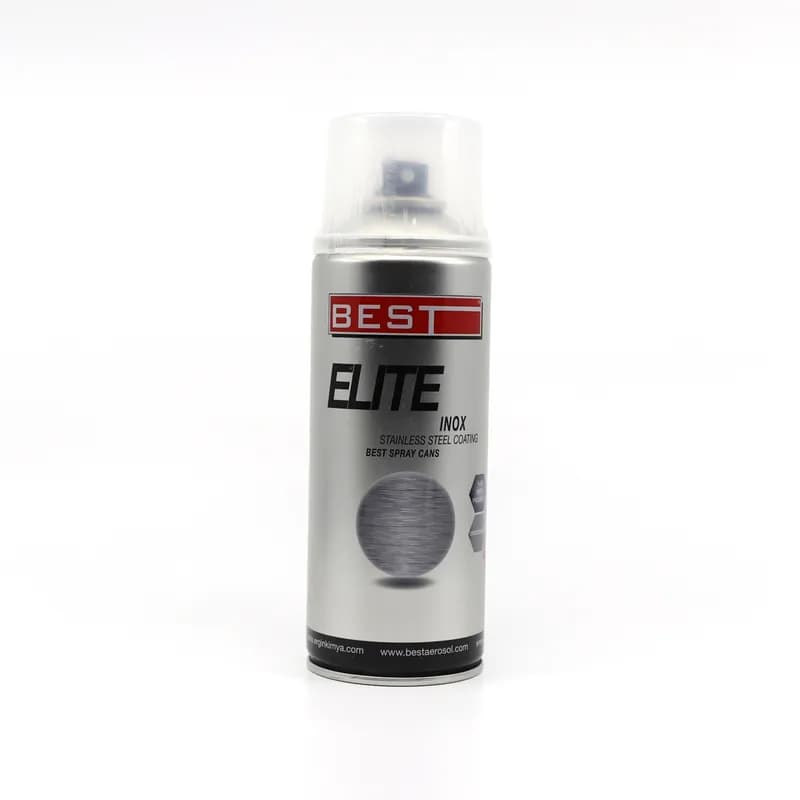
Best Elite Stainless Steel Paint 400 ml
Best · Spray Paint
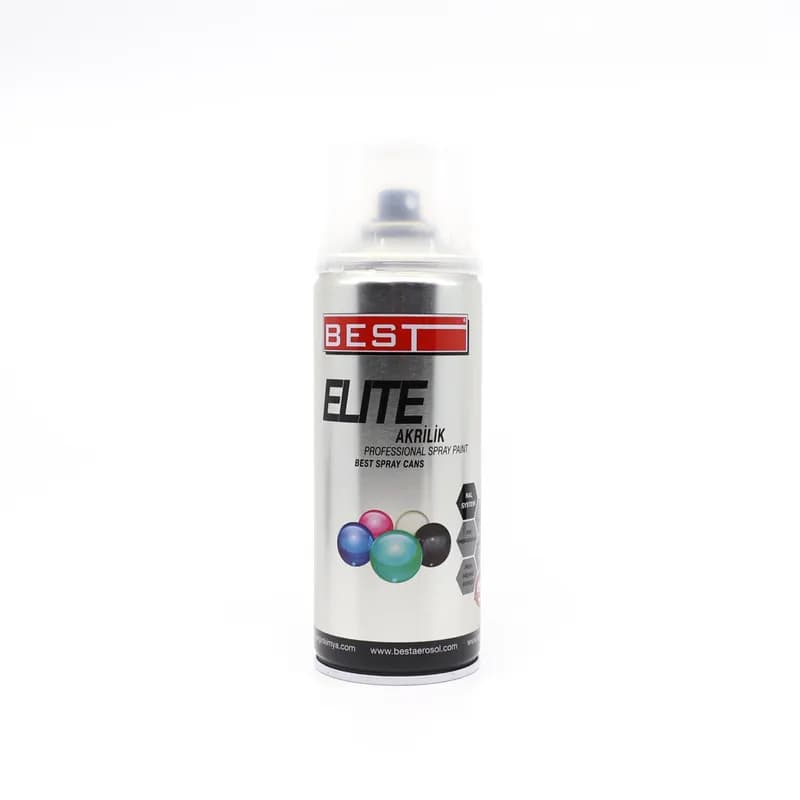
Best Elite Radiator Paint 400 ml White
Best · Spray Paint
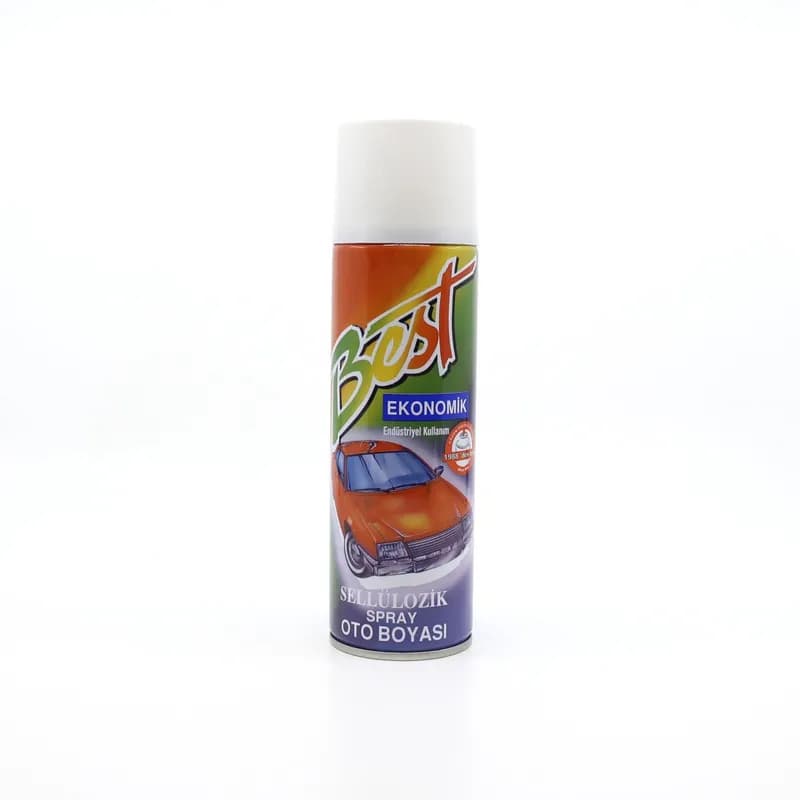
Best Spray Paint 300 ml Wine Red
Best · Spray Paint
1–24 of 98 · page 1 / 5
Nitrocellulose or acrylic?
Nitrocellulose (cellulosic) paint dries as its solvent evaporates. It is very fast — touch dry in 10 minutes, hard dry in 1 hour, fully cured in 8 — and the most practical choice for general work. In exchange the film is harder and dulls under UV over time.
Acrylic paint also cures chemically. Drying takes a little longer (10 minutes touch, 2 hours hard, 12 hours full) but the film is more flexible and stands the weather better. For surfaces that live outdoors, and where matching a colour matters, the acrylic Elite range is the one.
Ordering by RAL number
RAL is a chart system that identifies a colour by number rather than by name. Order RAL 7016 and the can that arrives is the same shade as the one that arrived six months ago — which on machinery, panels, railings and furniture repair is the deciding factor on its own.
The Elite range in the catalogue spans RAL 1013 ivory to RAL 9016 traffic white, with matt and gloss versions of the same RAL number listed as separate products (RAL 9005 matt black and gloss black, for instance). Shades outside the chart may be available among the special-order colours.
Application: why not one heavy coat
The commonest mistake with aerosol paint is one heavy coat laid on to get coverage: the paint runs, solvent is trapped under the film and drying stretches into days. The right way is several thin coats from 20-25 cm, with a short wait between them.
Shake the can well before use, and after use invert it and spray until the tube clears; paint left in the valve is what blocks the can next time.
Frequently Asked Questions
How much does one can cover?
A 400 ml can covers roughly half a square metre in two thin coats; for 300 ml the figure drops by about a third. Colours that hide poorly (bright red, yellow) may need more coats.
Is a primer needed?
Not on sound, previously painted surfaces. Bare metal, areas stripped of rust, wood and rigid plastic all need primer, and plastic needs a dedicated plastic primer.
How long does spray paint take to dry?
The nitrocellulose range is touch dry in 10 minutes, hard dry in 1 hour and fully cured in 8. The acrylic Elite range: 10 minutes, 2 hours and 12 hours. The figures are for 20 °C and normal humidity; cold and damp lengthen them.
Can different ranges be sprayed over each other?
Acrylic can go over cured nitrocellulose. The other way round is risky: the solvent in nitrocellulose paint can soften the acrylic film underneath and cause wrinkling. When in doubt, test on a hidden area.
What is the difference between Elite and Classic?
Classic is nitrocellulose and sold by colour name; Elite is acrylic and sold by RAL number. Elite resists the weather better and repeats a colour reliably; Classic dries faster and is enough for general work.