Categories
Tape Measures
The tape measure is the most bought and most lost measuring tool, so the choice is made on durability as much as accuracy. This page covers the accuracy class, why blade width matters, what standout means and how the end hook is supposed to work. The catalogue holds over 110 products from Milwaukee, BTS, Hassan, Fisco, GFB, BMI and Bosch.
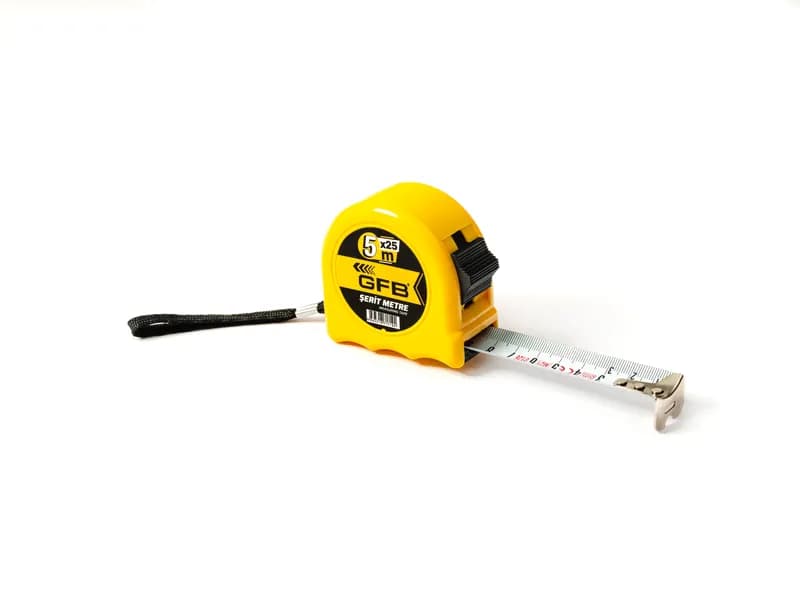
GFB Tape Measure 5 m x 25 mm Economy
GFB · Tape Measures
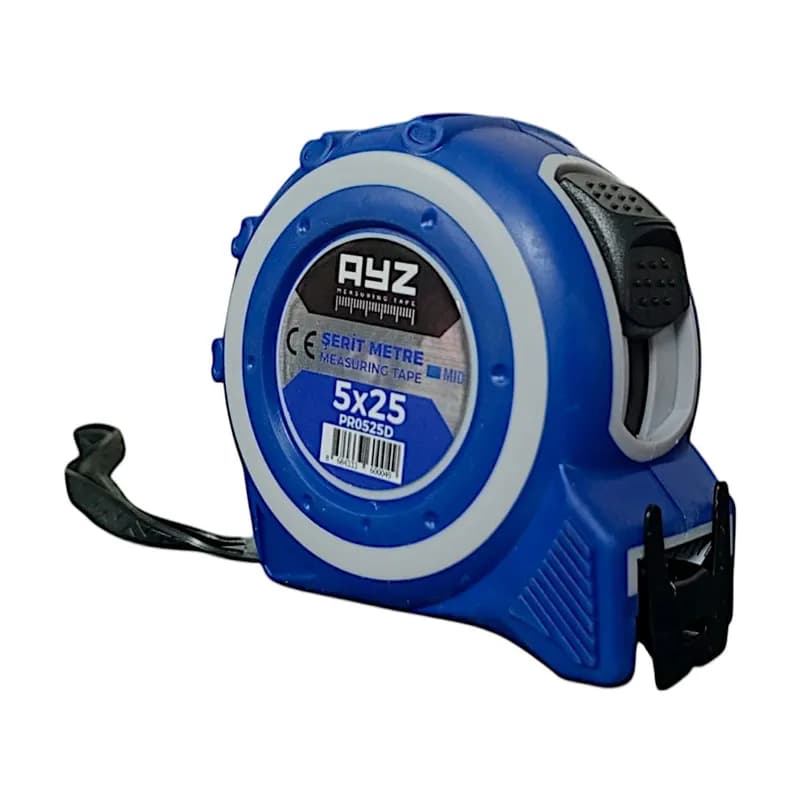
Ayz Muhafazalı Şerit Metre (PR0525D) 5x25 mt
Tape Measures
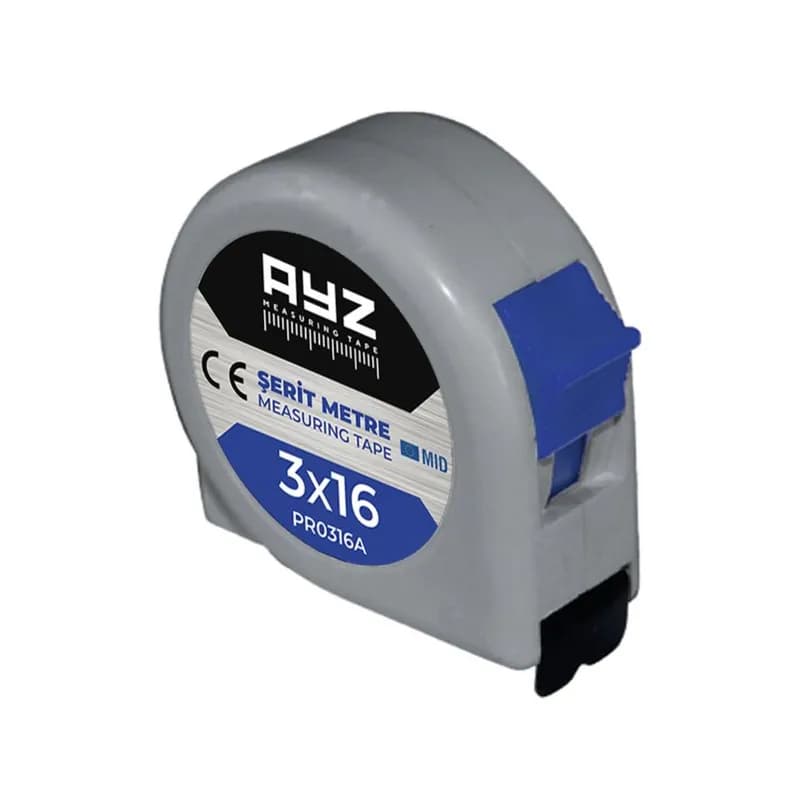
Ayz Şerit Metre Gri (PR0316A) 3x16 mt
Tape Measures
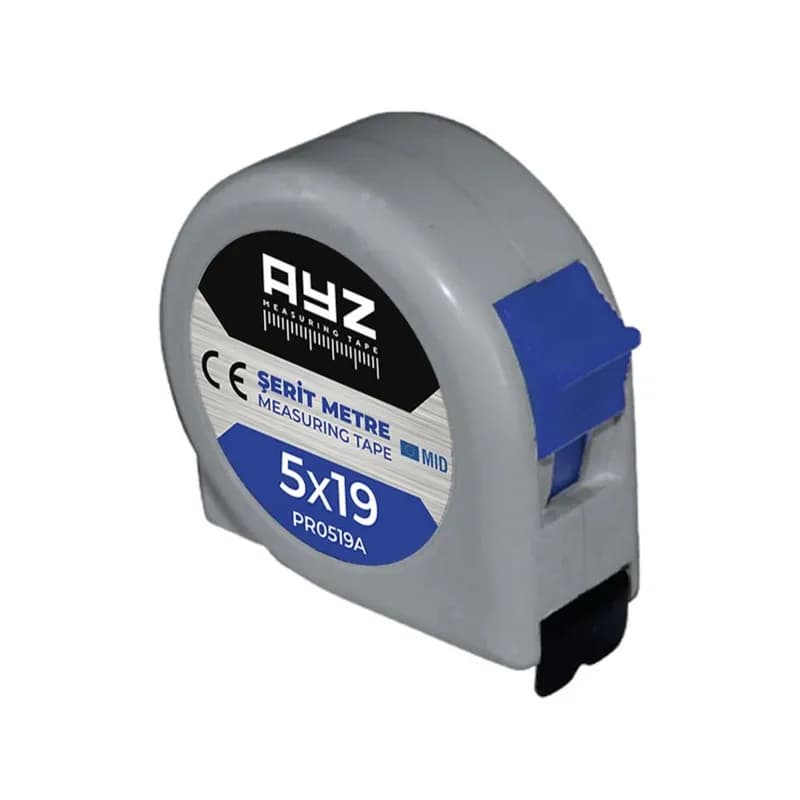
Ayz Şerit Metre Gri (PR0519A) 5x19 mt
Tape Measures
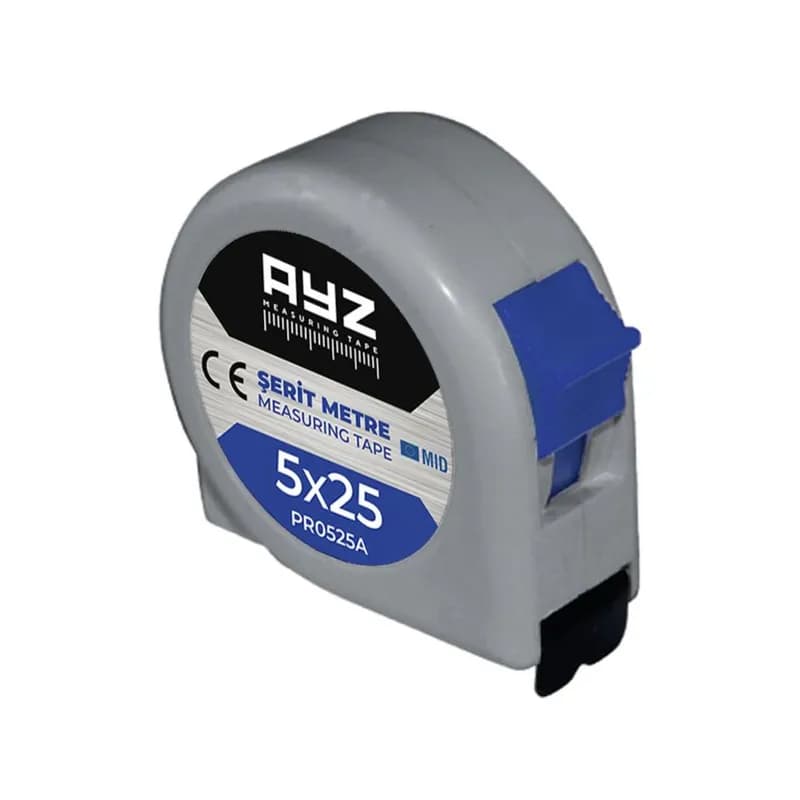
Ayz Şerit Metre Gri (PR0525A) 5x25 mt
Tape Measures
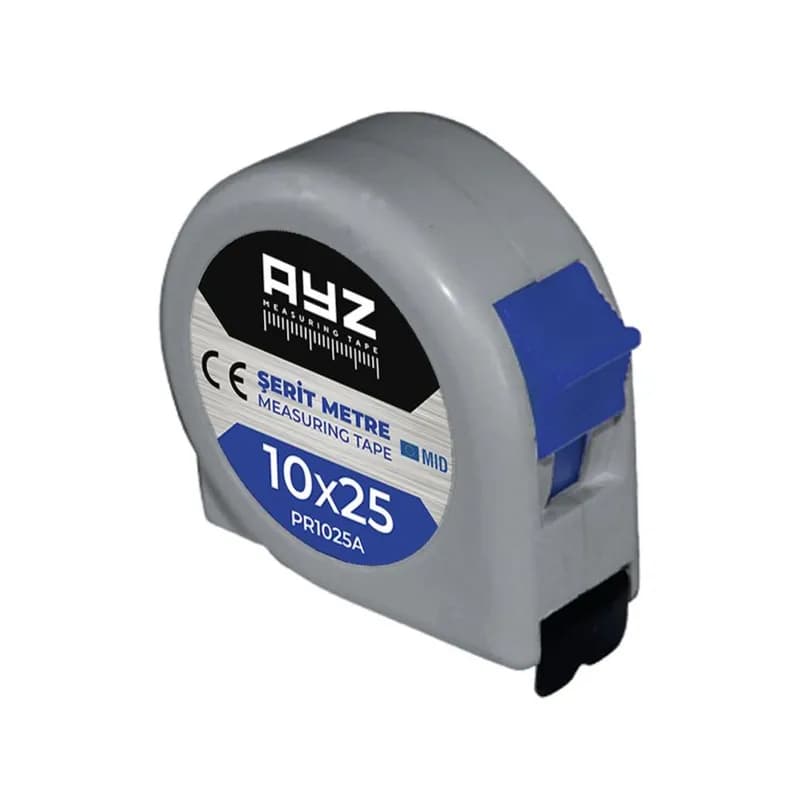
Ayz Şerit Metre Gri (PR1025A) 10x25 mt
Tape Measures
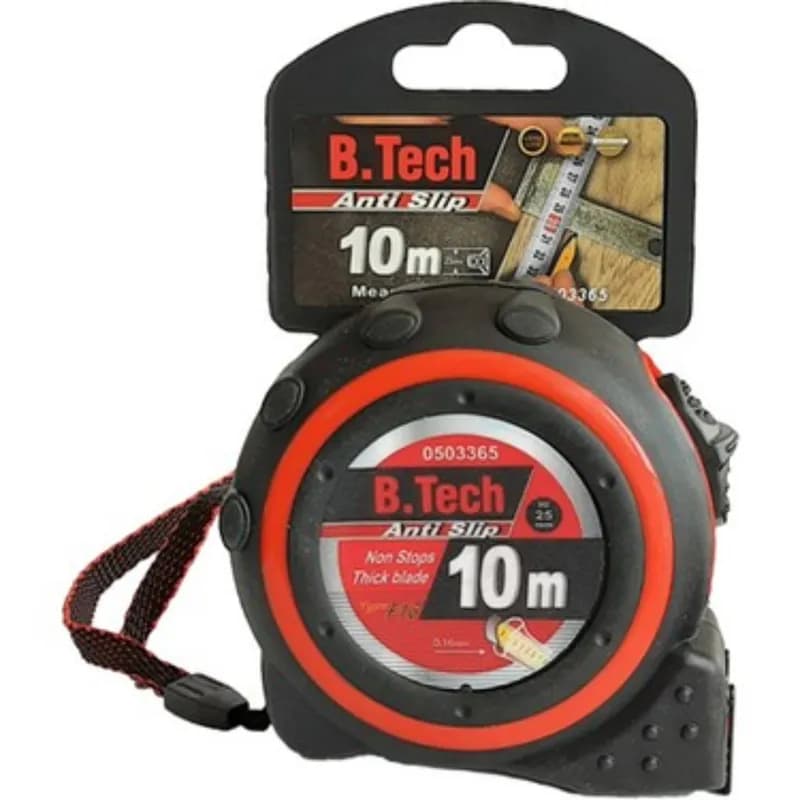
B-Tech Prof. Muhafazalı Şerit Metre 10X25MM 503365
Tape Measures
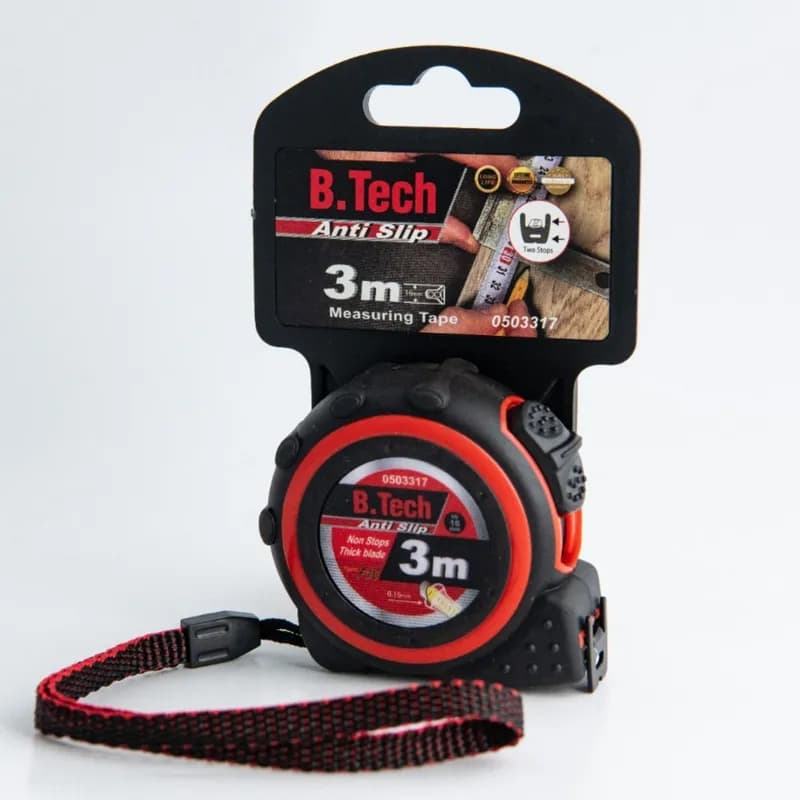
B-Tech Prof. Muhafazalı Şerit Metre 3x16 mm 503317
Tape Measures
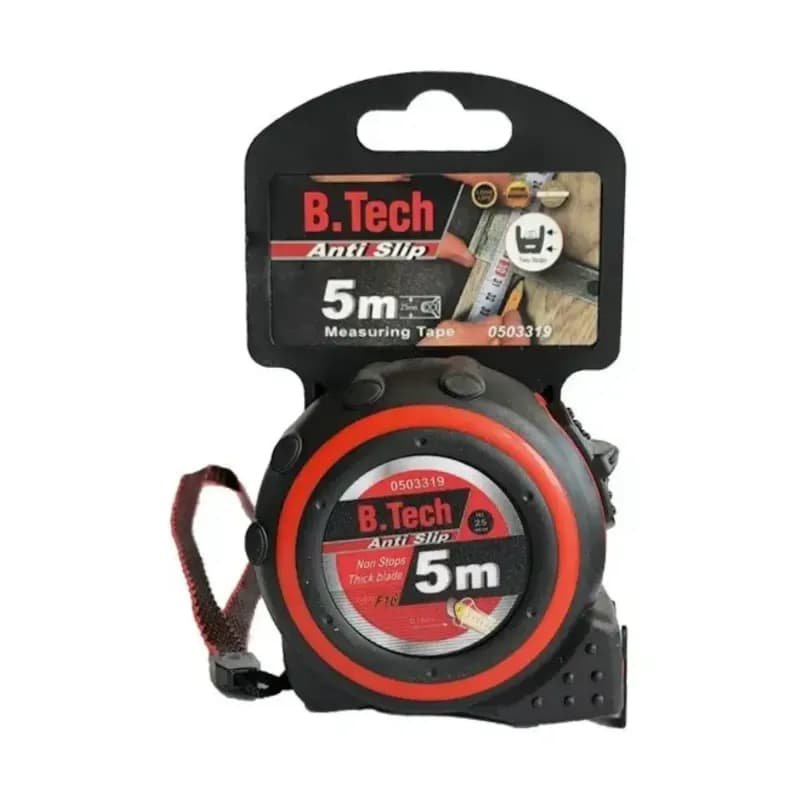
B-Tech Prof. Muhafazalı Şerit Metre 5x19 mm 503318
Tape Measures
BMI 501214010A Model Yuvarlak Tip Şerit Metre 10 m
BMI · Tape Measures
BMI 501214020A Yuvarlak Tip Şerit Metre 20 m
BMI · Tape Measures
BMI 501224030A Yuvarlak Tip Şerit Metre 30 m
BMI · Tape Measures
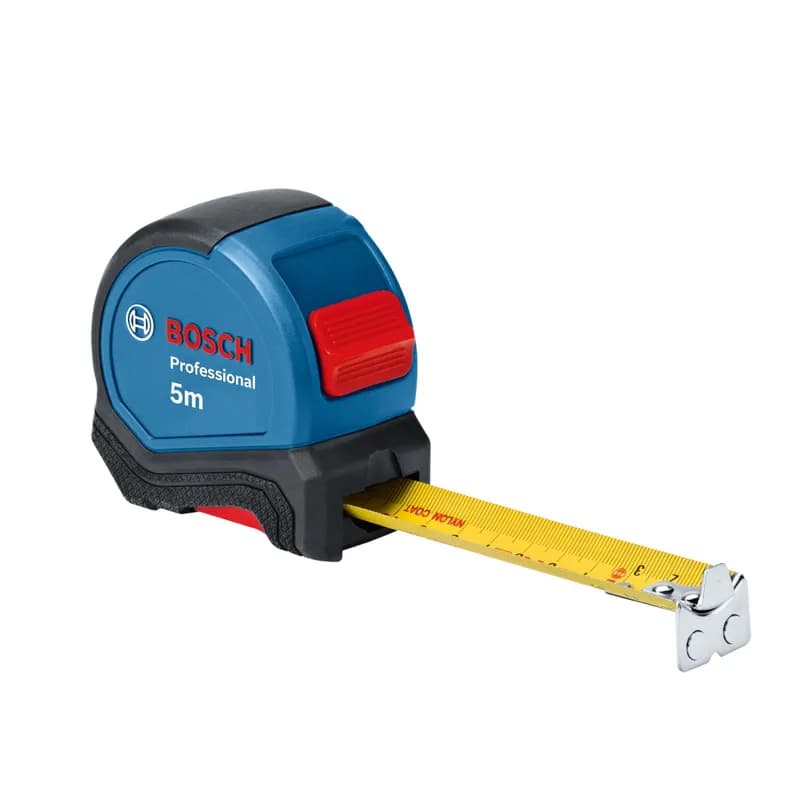
Bosch Housing Tape Measure 5x27 mm 1600A016BH
Bosch · Tape Measures
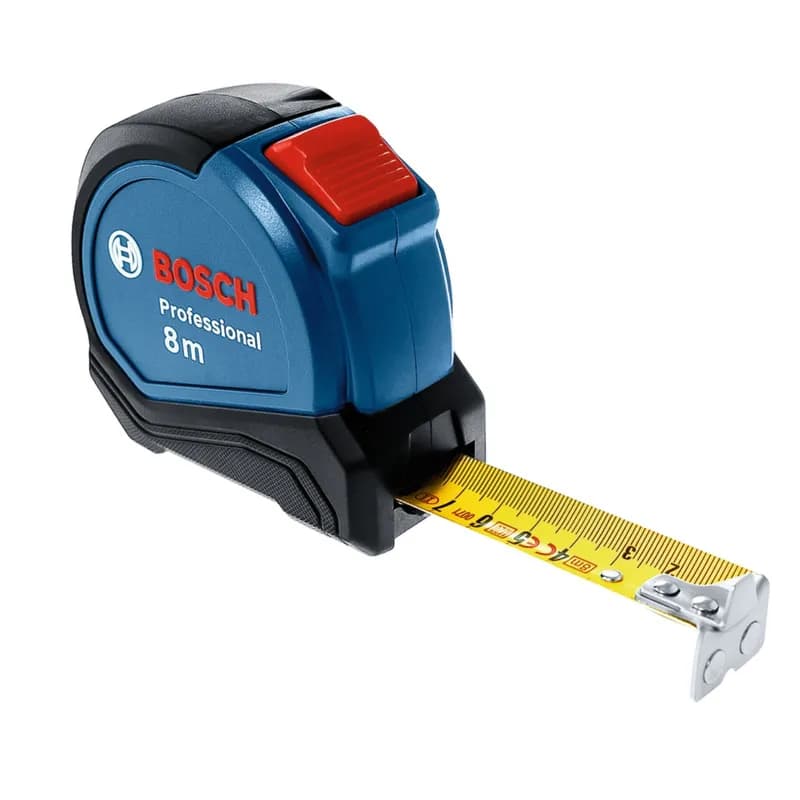
Bosch Housing Tape Measure 8x50 mm 1600A01V3S
Bosch · Tape Measures
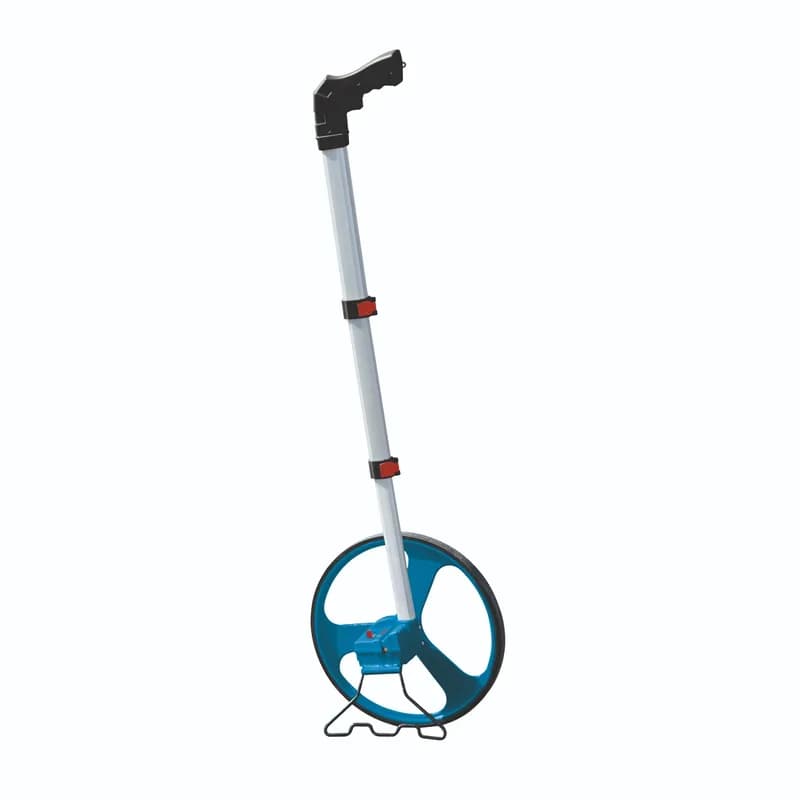
Bosch Professional Measuring Wheel GWM 32 0601074000
Bosch · Tape Measures
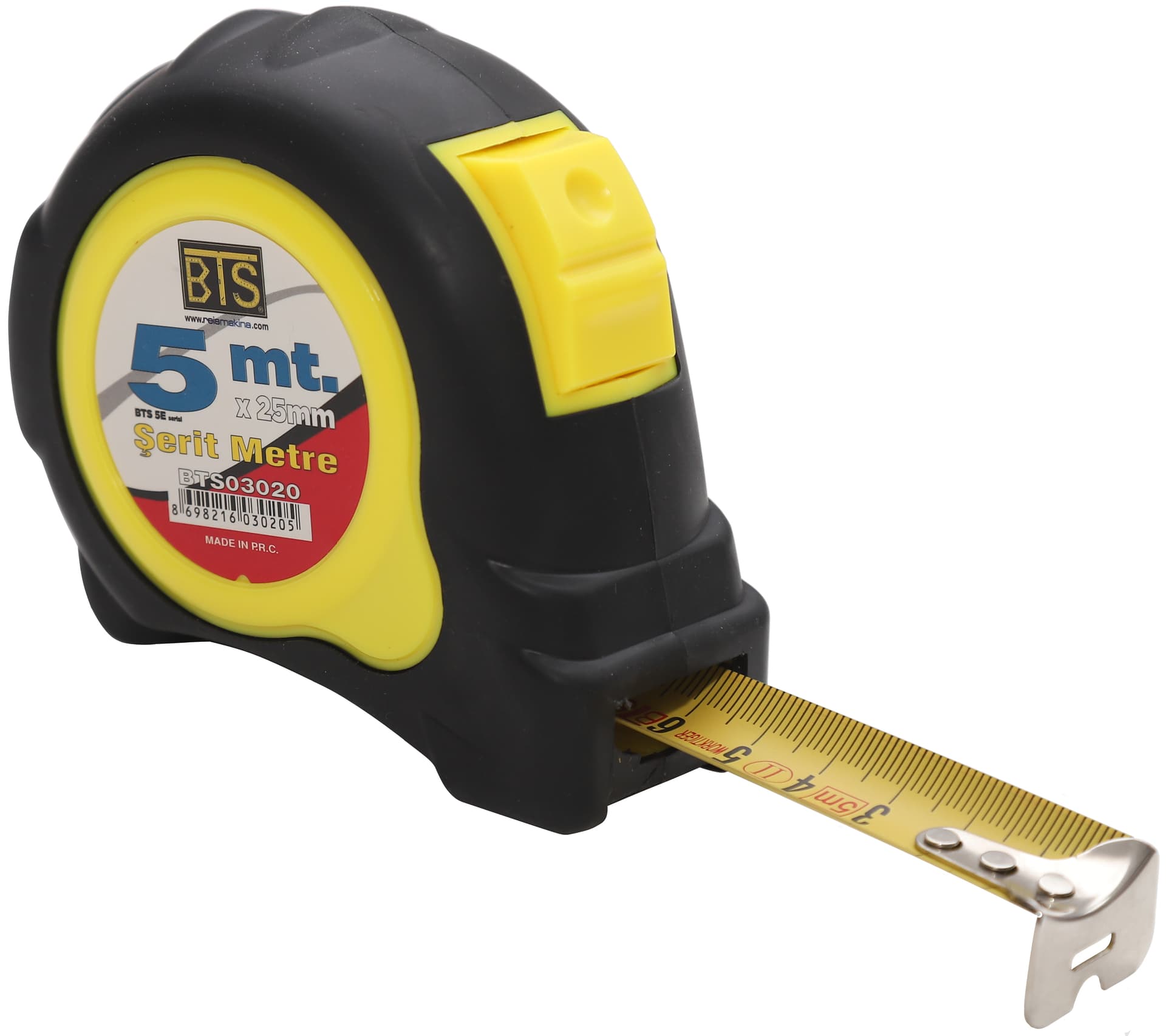
Bts 5E Serisi Şerit Metre 3 mt x 16 mm
Bts · Tape Measures
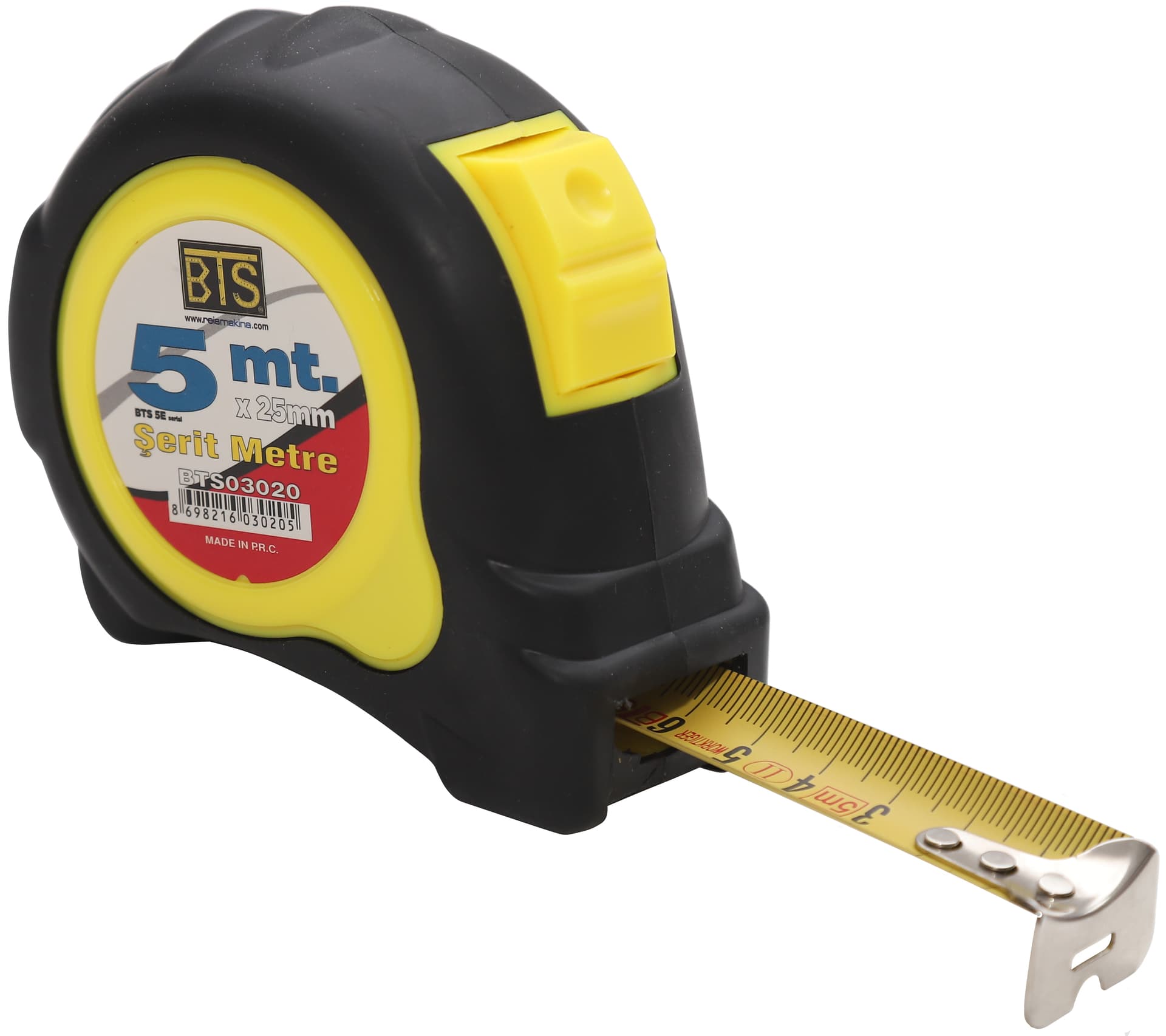
Bts 5E Serisi Şerit Metre 5 mt x 25 mm
Bts · Tape Measures
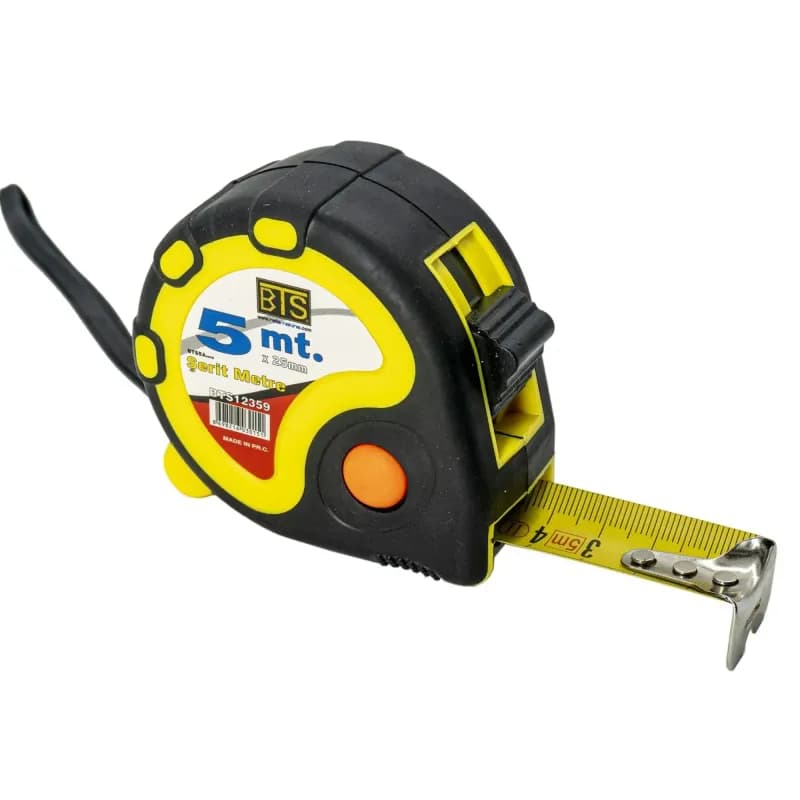
BTS Muhafazalı Şerit Metre 5x25 mt BTS12359
Tape Measures
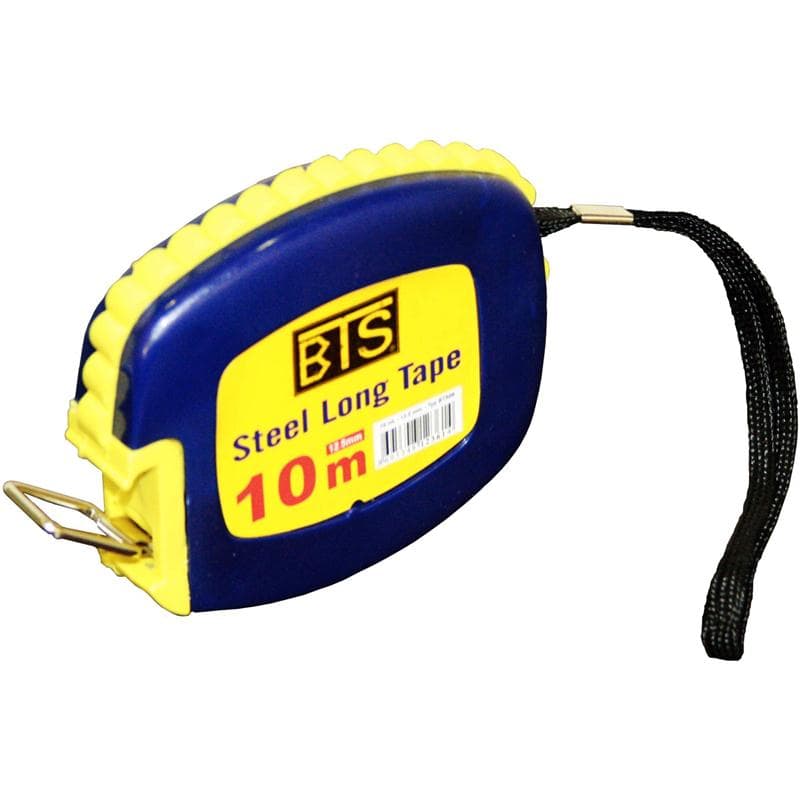
BTS09 SERİSİ ŞERİT METRE 10mt x 12.5mm
Bts · Tape Measures
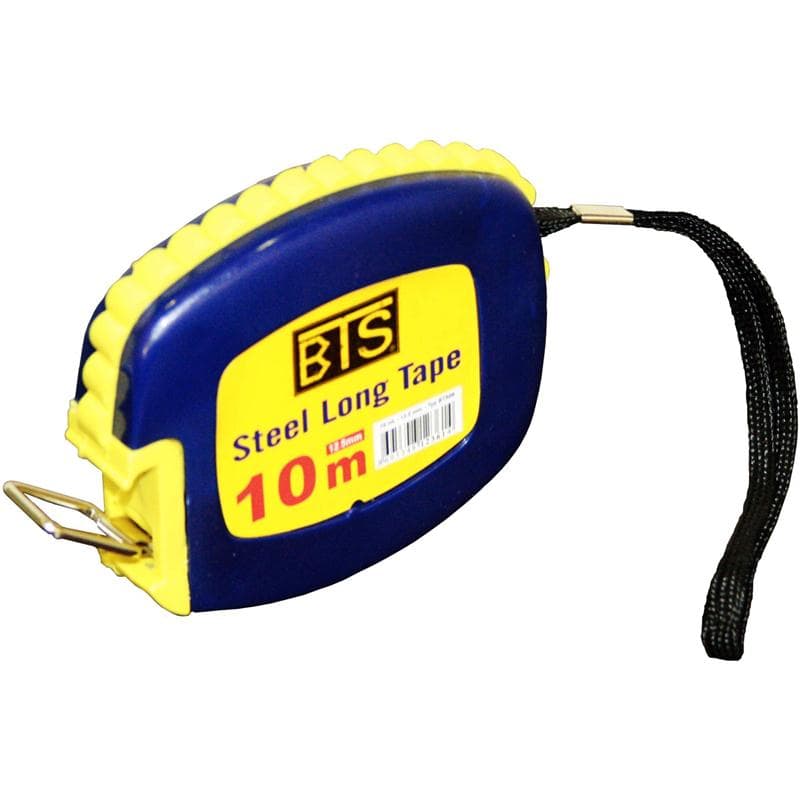
BTS09 SERİSİ ŞERİT METRE 20mt x 12.5mm
Bts · Tape Measures
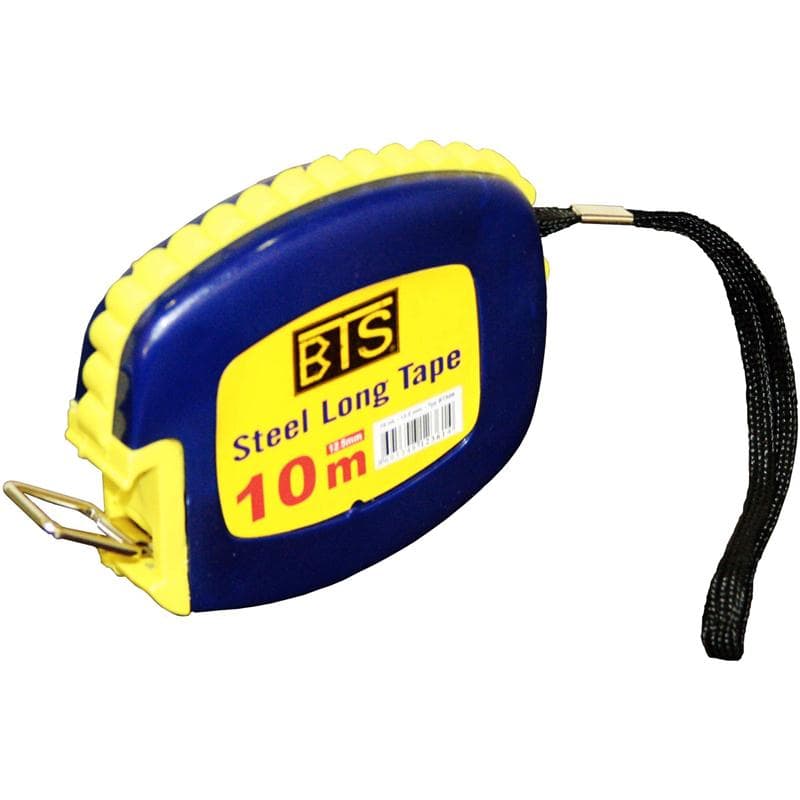
BTS09 SERİSİ ŞERİT METRE 50mt x 12.5mm
Bts · Tape Measures
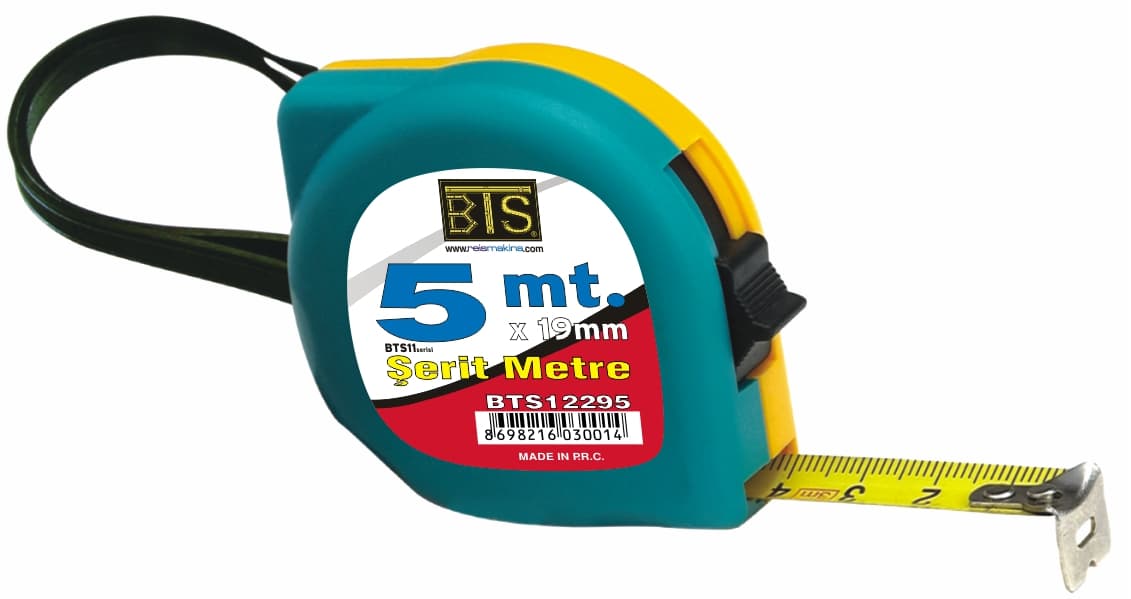
BTS11 SERİSİ ŞERİT METRE 2 mt x 12.5mm
Bts · Tape Measures
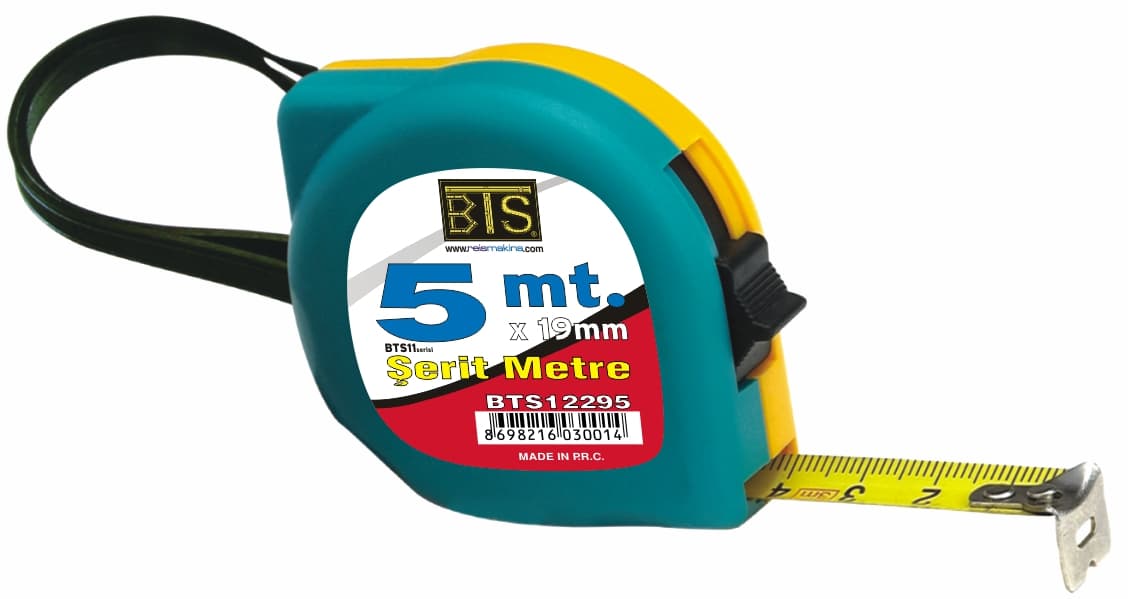
BTS11 SERİSİ ŞERİT METRE 3mt x 16mm
Bts · Tape Measures
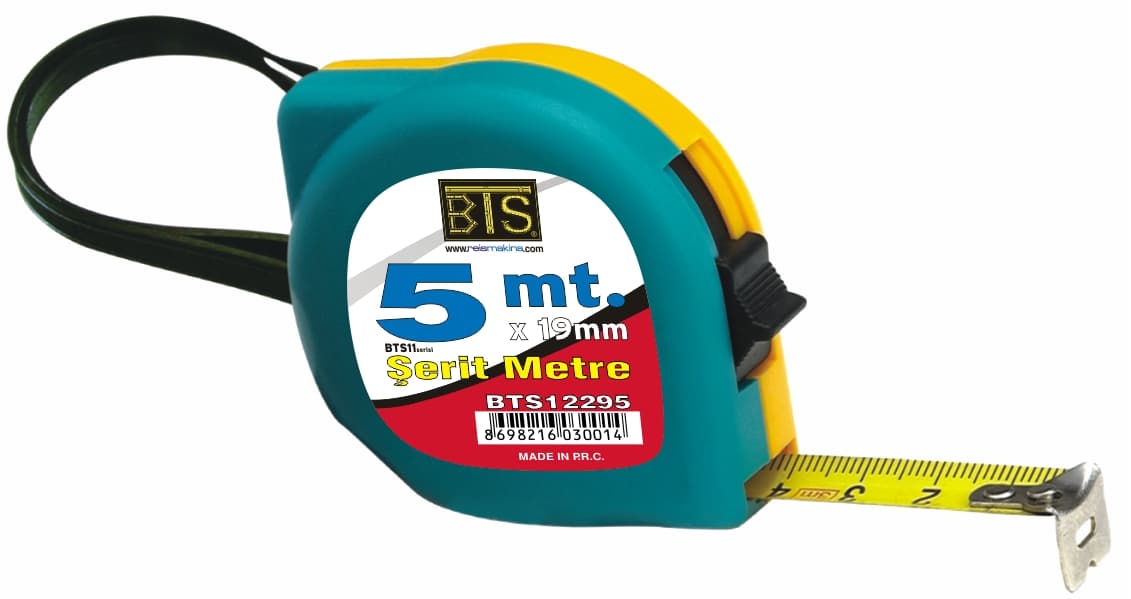
BTS11 SERİSİ ŞERİT METRE 5mt x 19mm
Bts · Tape Measures
1–24 of 125 · page 1 / 6
Accuracy class and length
The I, II or III beside the CE mark on the blade is the legal accuracy class. Class II is the site and workshop standard; furniture, joinery and precision fitting call for class I. Because the allowance grows per metre, the gap between classes reaches several millimetres over an 8 or 10 metre run.
Length follows the scale of the work: 3 m for furniture and interiors, 5 m as the general-purpose standard, 8 and 10 m for site and external work. Closed-case long tapes of 30-50 m are for plots, fencing and rough setting out, with either fibreglass or steel blades.
| Length | Blade width | Where |
|---|---|---|
| 3 m | 16 mm | Furniture, interiors, pocket |
| 5 m | 19 - 25 mm | General purpose — the most common |
| 8 m | 25 - 27 mm | Site, external work |
| 10 m | 25 - 32 mm | Long spans, steelwork |
| 30 - 50 m | 13 mm (cased) | Plots, setting out, fencing |
Standout: how far the blade reaches unsupported
Standout is how far the blade carries its own weight before it buckles, and it is the feature that matters most when working alone. A wider, more deeply curved blade reaches further: roughly 1.5-2 m on a 16 mm blade, 3-4 m on 25 mm, and beyond 4 m on reinforced 27 mm blades.
The cost is bulk. A wide blade means a bigger case and a tape that no longer sits comfortably in a pocket. For a fitter working alone the wide blade is right; for a tape carried all day, 16-19 mm is the more usable choice.
What decides the blade's life is its coating. The first 15-20 cm take the most wear, and nylon or polyamide coated blades last markedly longer there. Stainless blades are the choice in wet and salt-laden environments.
End hook, magnets and case
A loose end hook is not a fault: it slides by exactly its own thickness, so it pulls out for an external measurement and pushes in for an internal one, keeping zero true in both. A hook that is jammed or bent measures wrong every single time.
A magnetic hook grips steel sections, box profile and channel, which is what makes single-handed measuring possible in steel erection and pipework. Double-hook (stud) models let you both pull and push between studs.
On the case, a rubber overmould buys drop resistance, while a belt clip and lanyard loop keep the tape in place when working at height. Slim-cased models give a smaller body for the same length and are built to be carried in a pocket.
- Hook movement: keeps zero true inside and out — it is not a fault.
- Magnetic hook: one-person measuring on steel sections and channel.
- Nylon-coated blade: extends life over the first 20 cm, where wear concentrates.
- Stainless blade: wet, salty and outdoor work.
Frequently Asked Questions
What length of tape should I buy?
5 m is the general-purpose standard. Furniture and interior work manage with 3 m, while site and external work want 8-10 m. Plots and setting out call for a 30-50 m closed-case long tape.
Why does blade width matter?
A wider blade reaches further unsupported: about 1.5-2 m at 16 mm, 3-4 m at 25 mm. Working alone that decides the tool — but a wide blade also means a bigger case and more bulk in the pocket.
The end hook moves. Is it broken?
No. It is designed to slide by its own thickness: it pulls out for external measurements and pushes in for internal ones, so zero stays true either way. A jammed or bent hook, on the other hand, gives a constant error.
How much difference is there between class I and class II?
The allowance accumulates per metre. Over 8 metres class II permits roughly 1.9 mm of deviation against about 0.9 mm for class I, and in furniture and joinery that difference shows.
What is a magnetic hook for?
It grips steel and iron so no second person is needed to hold the blade. It is used for single-handed measuring in steel erection, ducting and pipework.
Are nylon-coated blades really longer lived?
The first 15-20 cm of blade goes in and out most and wears fastest. Nylon or polyamide coating delays both abrasion and the loss of the printed markings there, and under heavy use the difference is obvious.