Categories
Test & Measurement Instruments
This group is not one tool family but a collection of instruments reading different quantities: temperature, light, moisture, sound, gas, continuity and what lies beneath a surface. This page covers what the common instruments measure, the mistakes that spoil a reading — emissivity, distance, calibration — and the CAT rating on anything electrical. The catalogue holds 59 products from UNI-T, Milwaukee and Bosch.
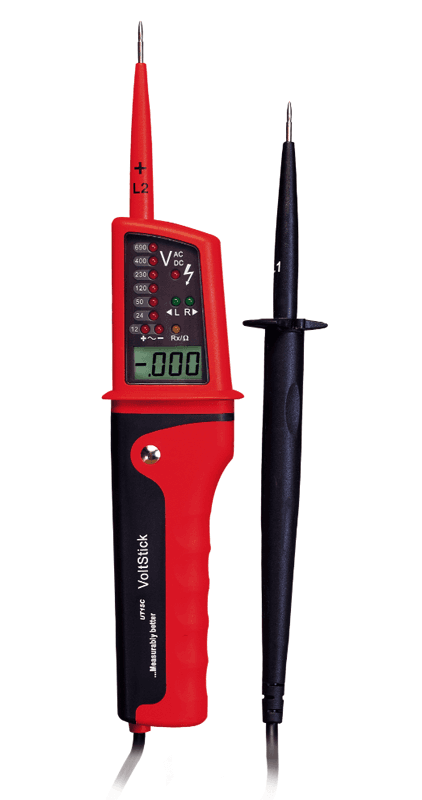
AC Voltaj Dedektörü
Uni-T · Test & Measurement Instruments
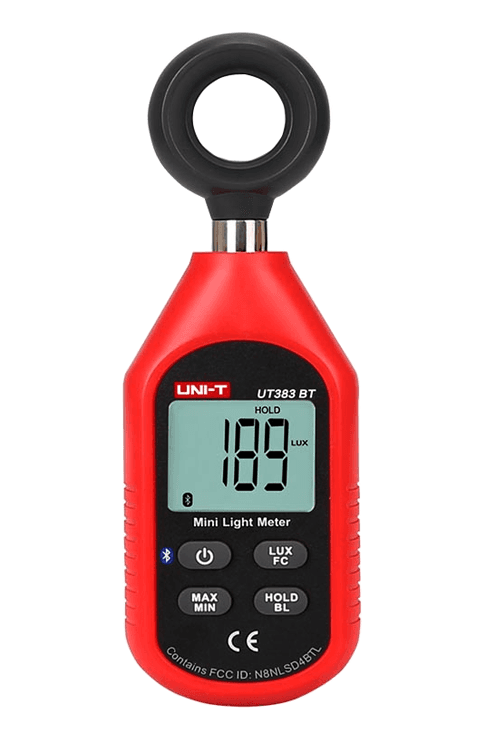
Bluetooth Bağlantılı Mini Işık Ölçer
Uni-T · Test & Measurement Instruments
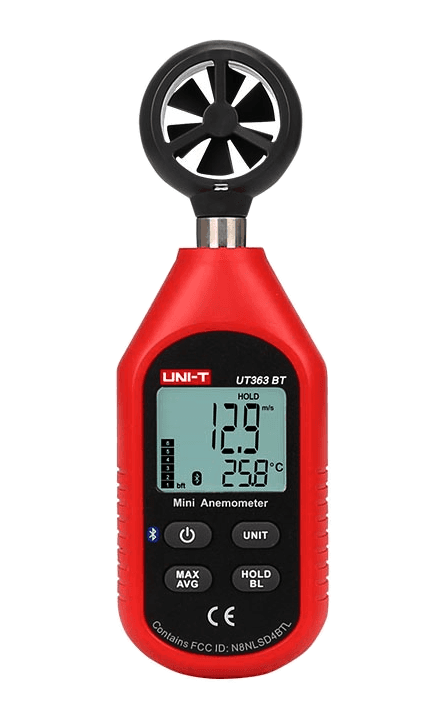
Bluetooth Bağlantılı Mini Rüzgar Ölçer
Uni-T · Test & Measurement Instruments
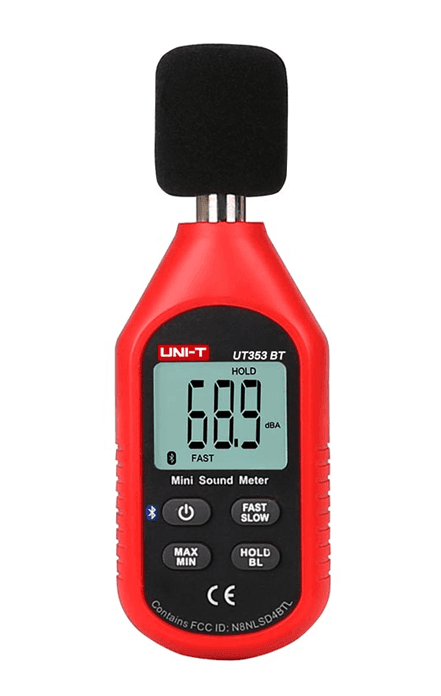
Bluetooth Bağlantılı Mini Ses Ölçer
Uni-T · Test & Measurement Instruments
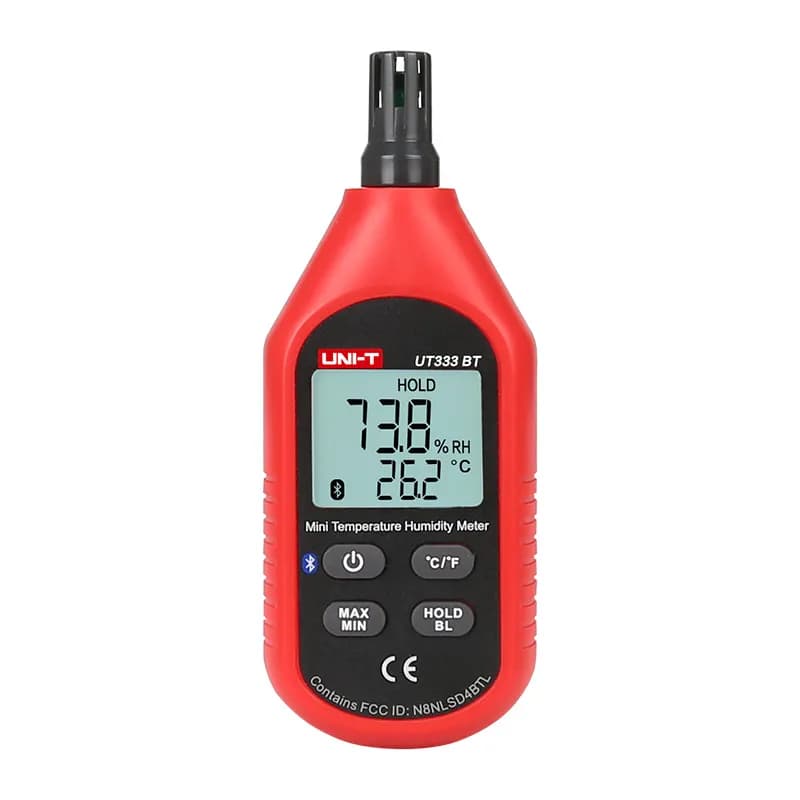
Bluetooth Bağlantılı Mini Sıcaklık ve Nem Ölçer
Uni-T · Test & Measurement Instruments
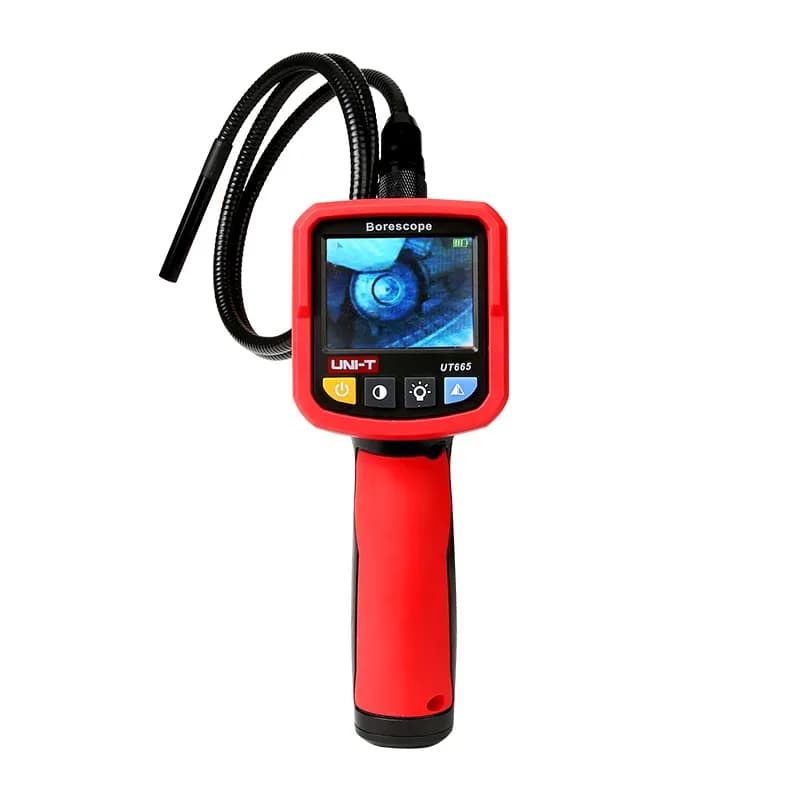
Boroskop Kamera
Uni-T · Test & Measurement Instruments
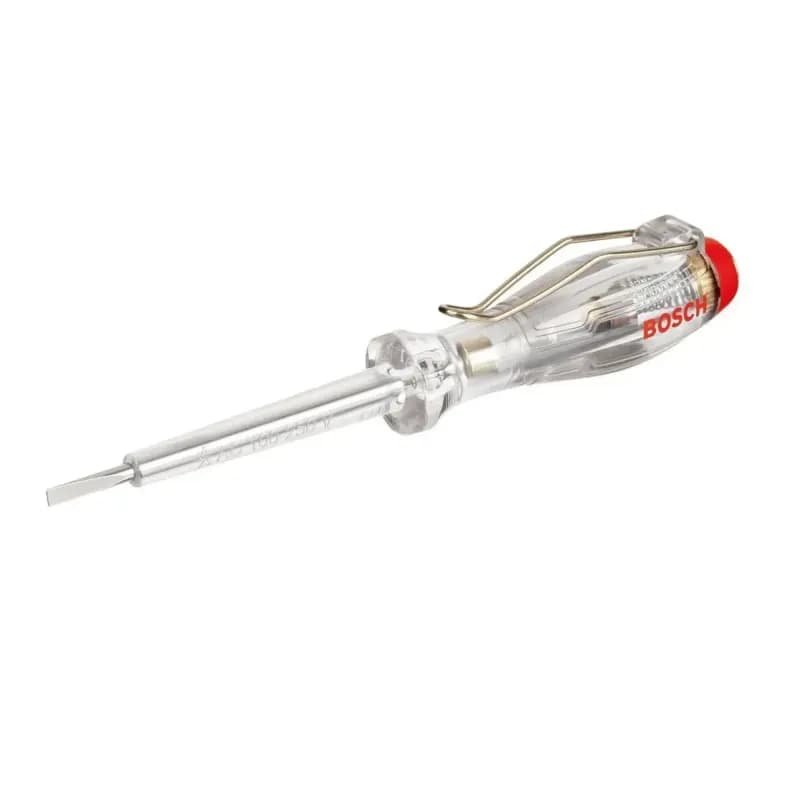
Bosch Elektrik Voltage Tester 140 mm 1600A02ND8
Bosch · Test & Measurement Instruments
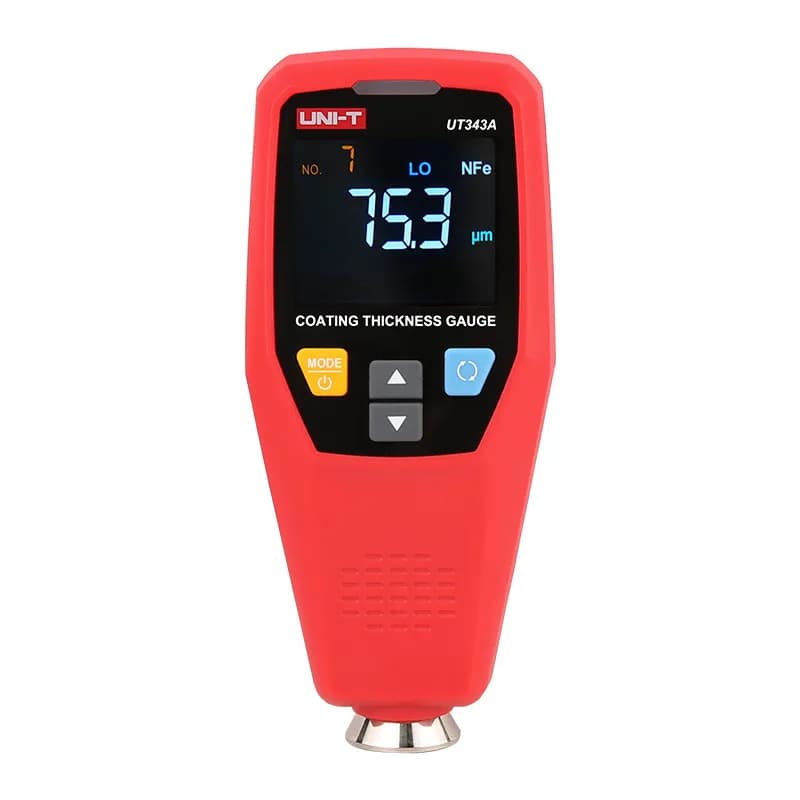
Boya Kalınlık Ölçer
Uni-T · Test & Measurement Instruments
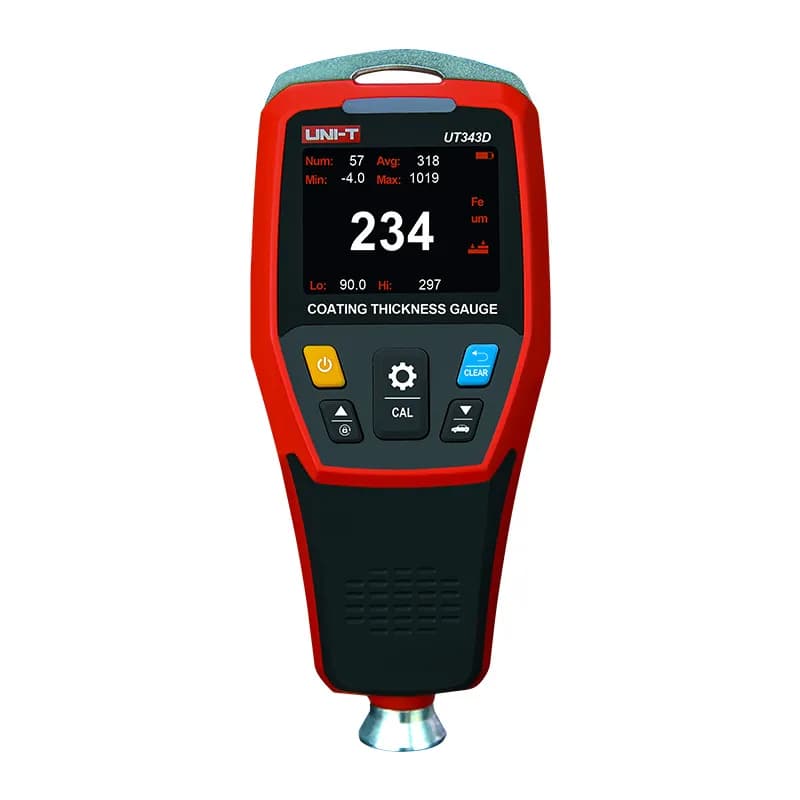
Boya Kalınlık Ölçer
Uni-T · Test & Measurement Instruments
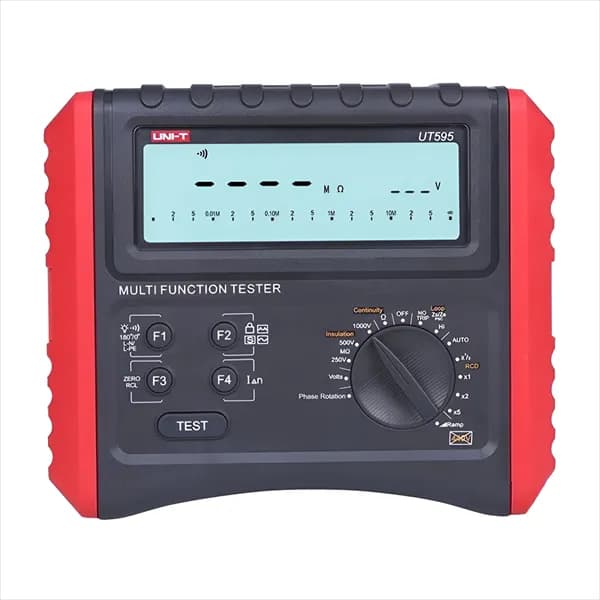
Çok Fonksiyonlu Tesisat Test Cihazı
Uni-T · Test & Measurement Instruments
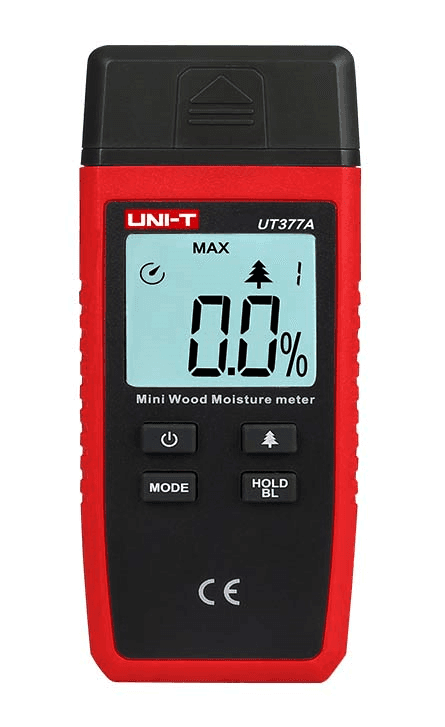
Dijital Ahşap Nemi, Ortam Sıcaklığı Ölçer
Uni-T · Test & Measurement Instruments
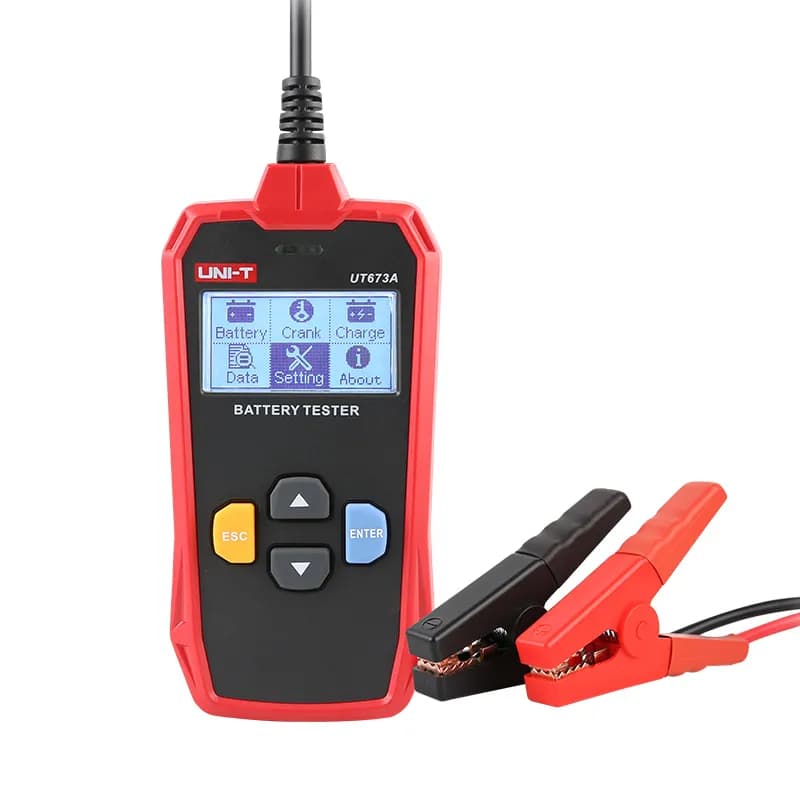
Dijital Akü-Pil Test Cihazı
Uni-T · Test & Measurement Instruments
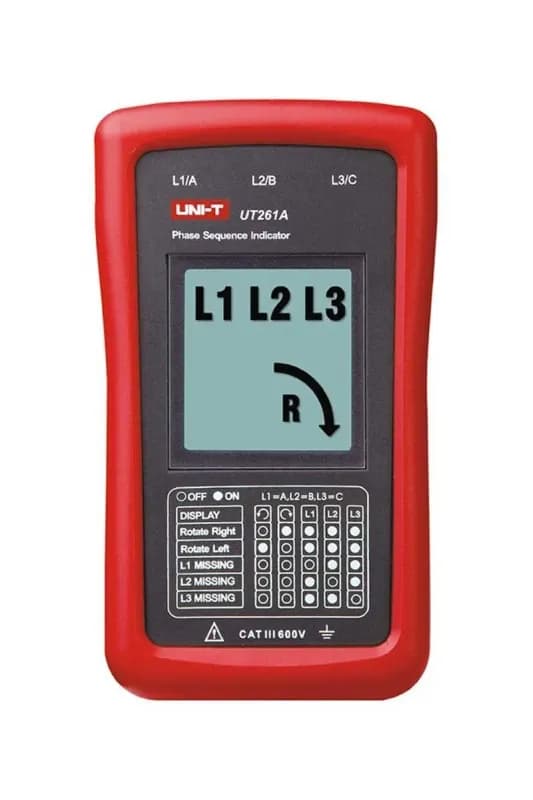
Dijital Faz Sırası Ölçer
Uni-T · Test & Measurement Instruments
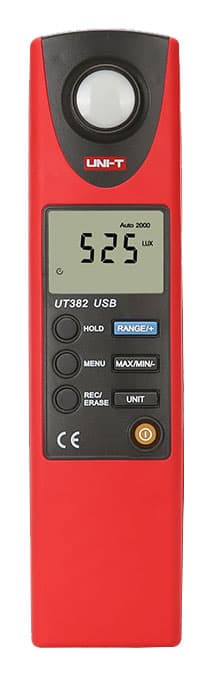
Dijital Luxmetre
Uni-T · Test & Measurement Instruments
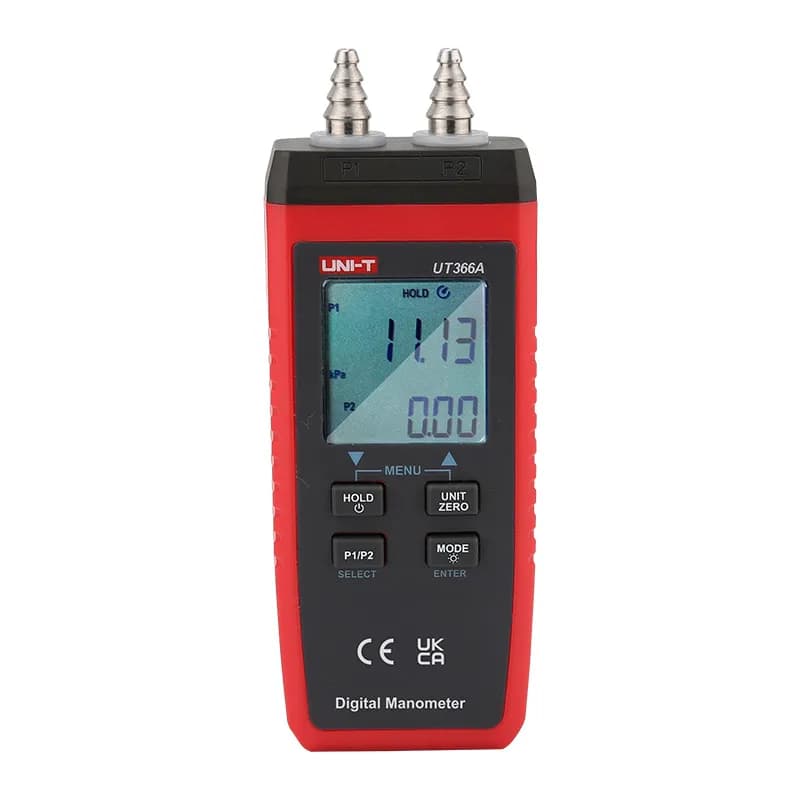
Dijital Manometre
Uni-T · Test & Measurement Instruments
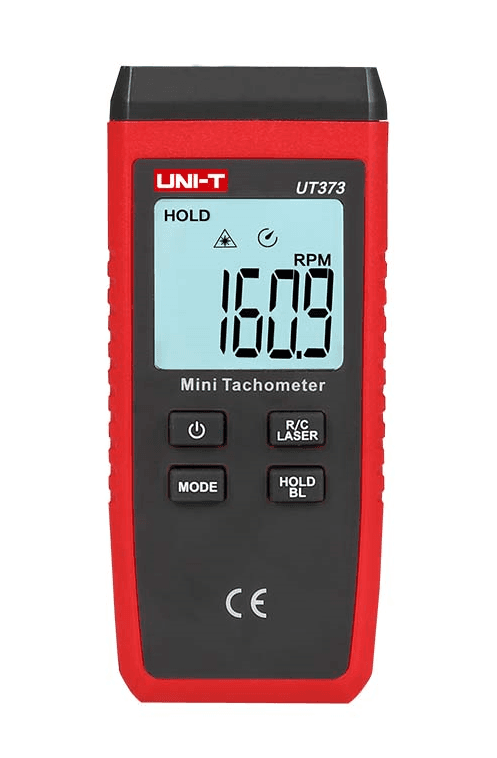
Dijital Temassız Takometre
Uni-T · Test & Measurement Instruments
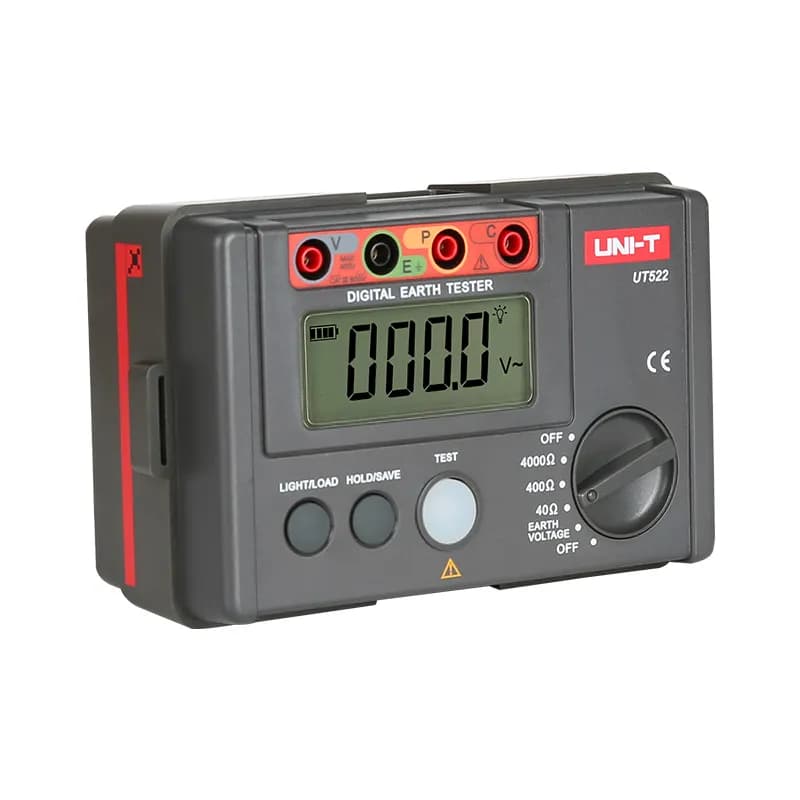
Dijital Topraklama Test Cihazı
Uni-T · Test & Measurement Instruments
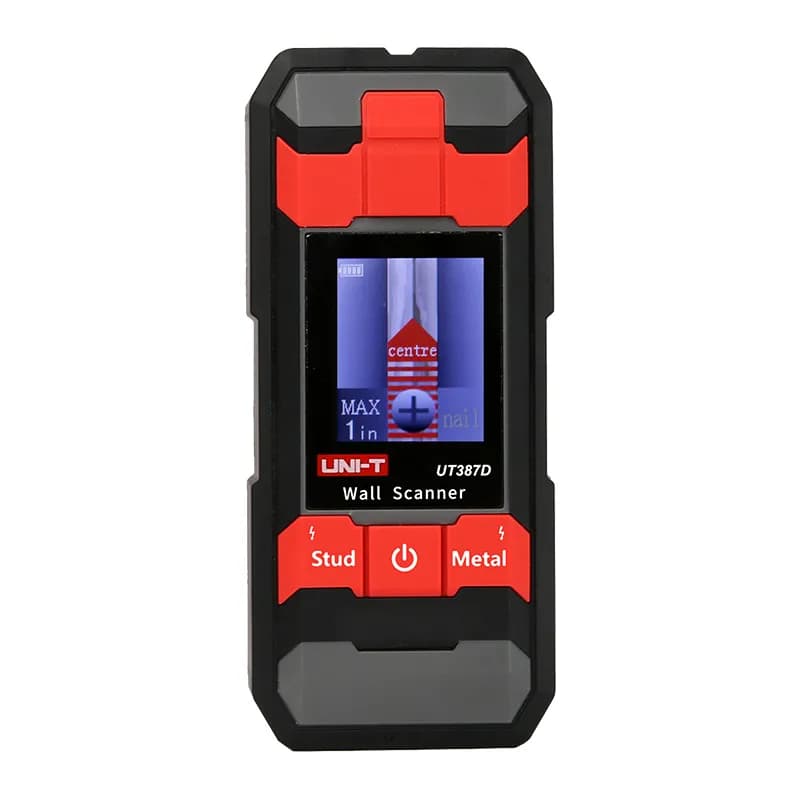
Duvar Tarama Cihazı
Uni-T · Test & Measurement Instruments
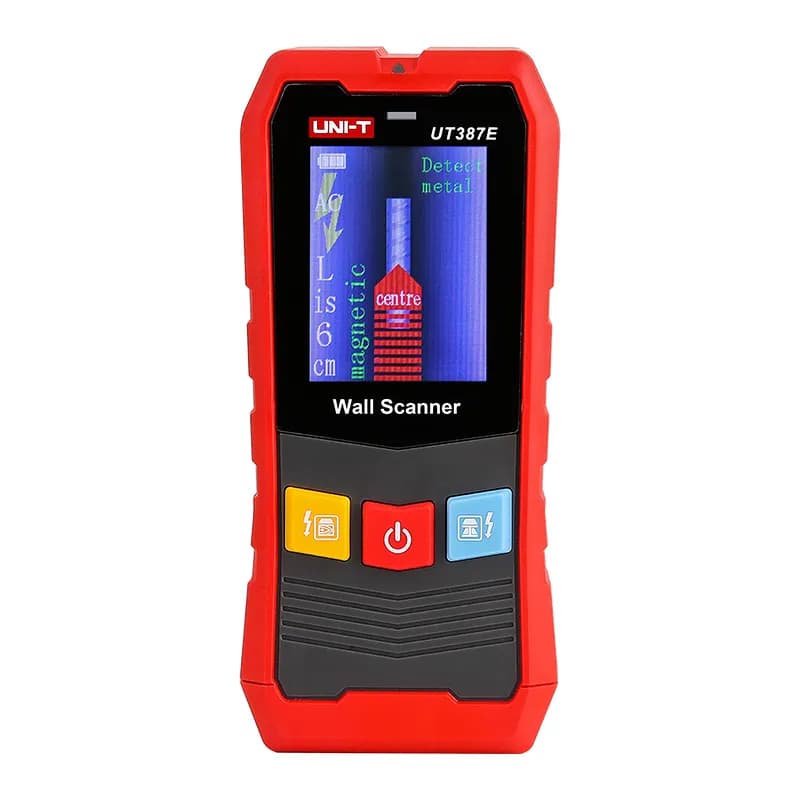
Duvar Tarama Cihazı
Uni-T · Test & Measurement Instruments
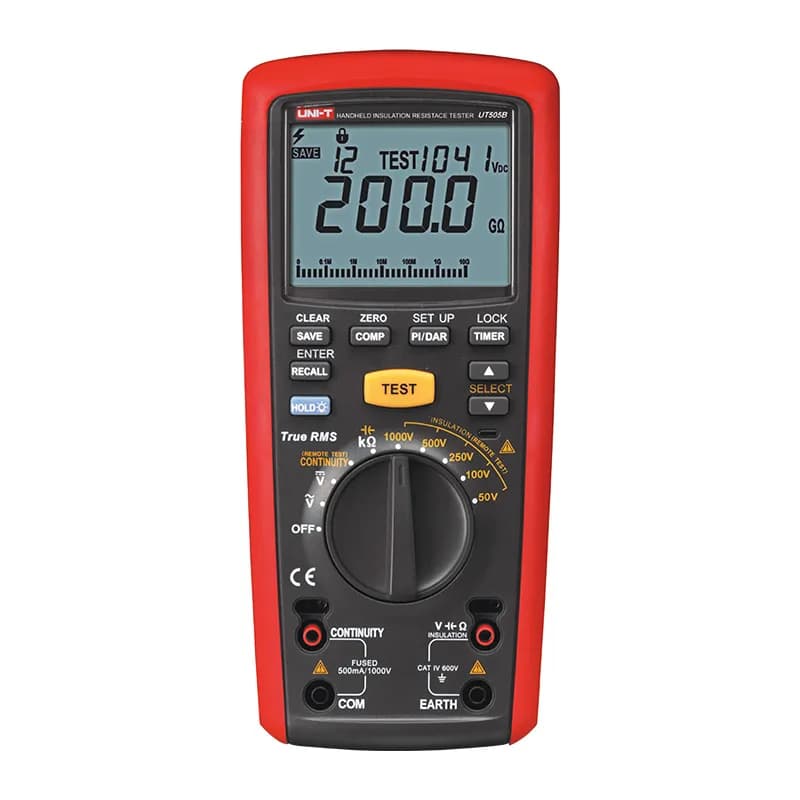
El Tipi İzolasyon Meğeri
Uni-T · Test & Measurement Instruments
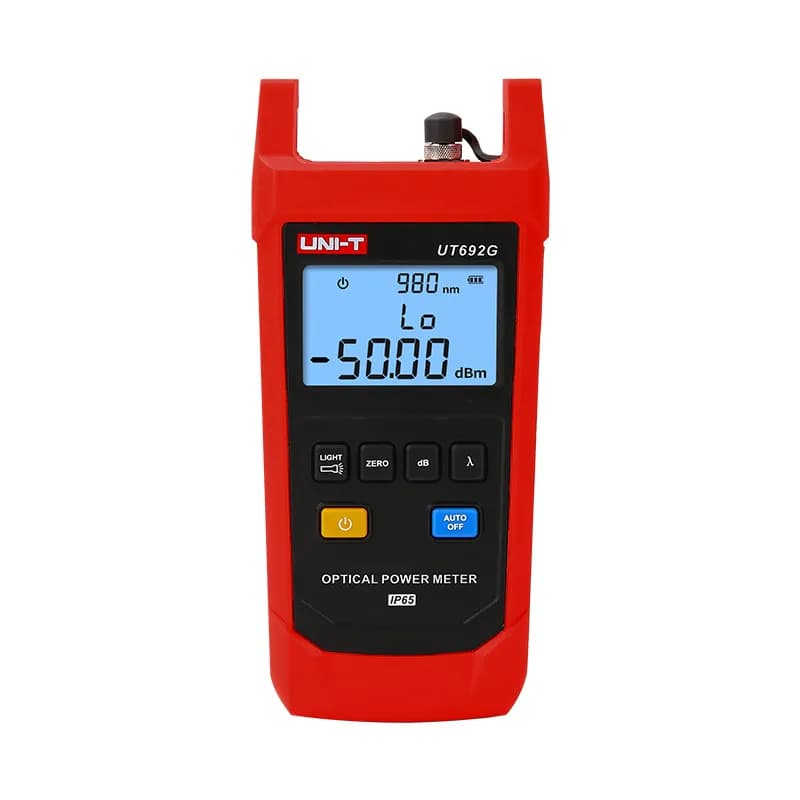
Fiber Optik Test Cihazı
Uni-T · Test & Measurement Instruments
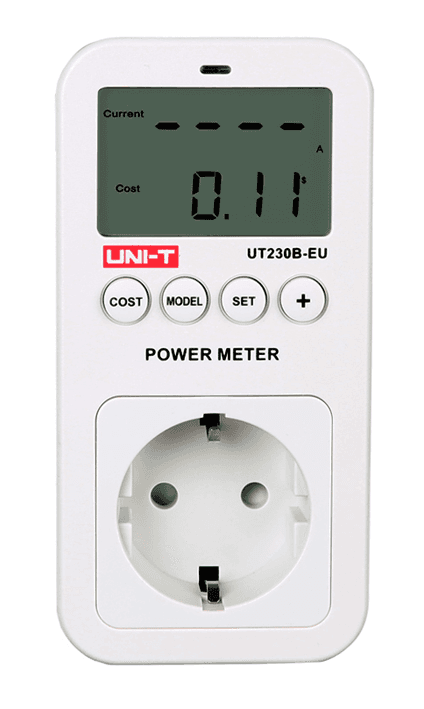
Fiş - Priz Güç Analizörü
Uni-T · Test & Measurement Instruments
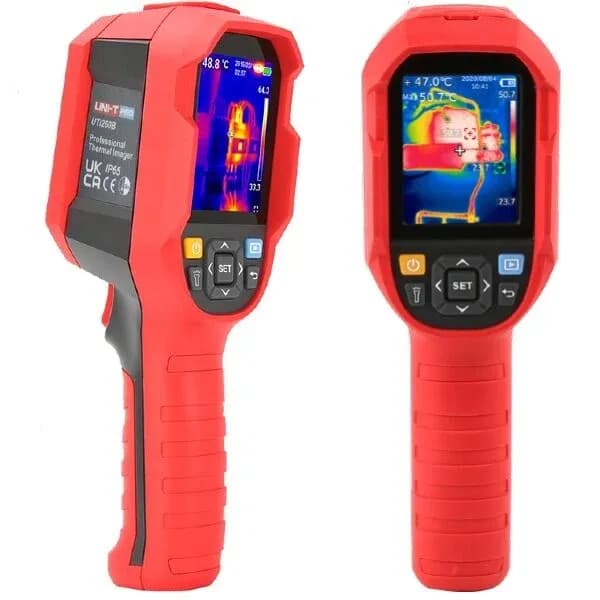
Gelişmiş Termal Kamera
Uni-T · Test & Measurement Instruments
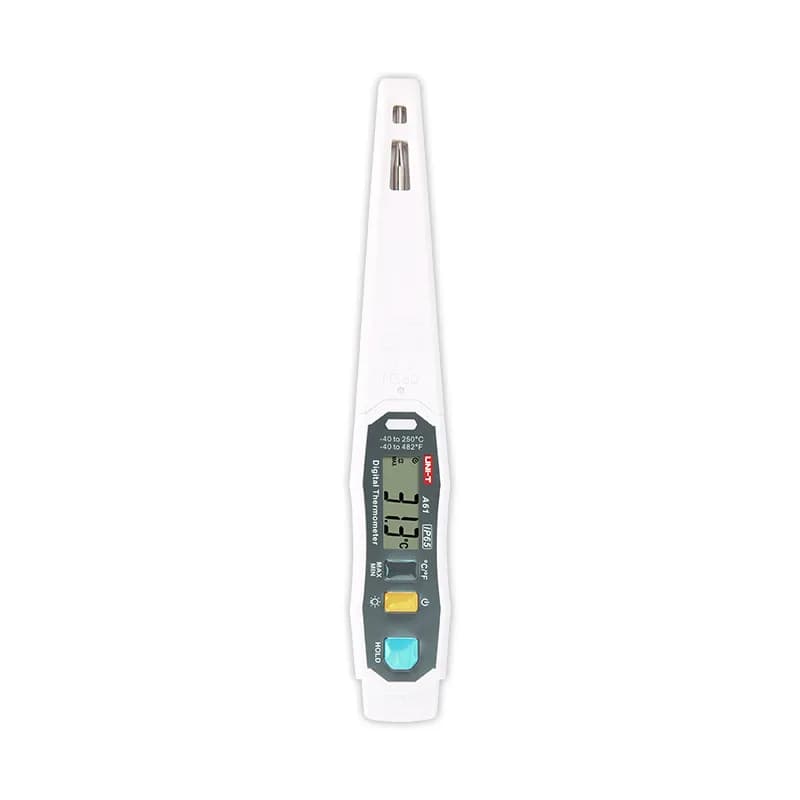
Gıda Sıcaklık Ölçer, Dijital Termometre
Uni-T · Test & Measurement Instruments
1–24 of 91 · page 1 / 4
Instruments by what they read
For temperature, an infrared thermometer reads a surface without contact, while a thermal camera returns the same information as an image and is used to find thermal bridges, an overheating terminal or a damp cold spot. Probe thermometers cover material cores and liquids.
On the electrical side a non-contact detector shows the presence of voltage and an insulation tester measures insulation resistance — the two are not interchangeable. A wire tracer follows a cable run, and a wall scanner finds rebar, pipe and cable behind plaster, which is the one protective step before drilling.
| Instrument | Reads | Typical work |
|---|---|---|
| Infrared thermometer | Surface temperature | Heating, motors, terminals |
| Thermal camera | Temperature distribution | Thermal bridges, board surveys |
| Lux meter | Illuminance (lux) | Workplace lighting checks |
| Moisture meter | Timber / ambient moisture | Flooring, plaster, storage |
| Sound level meter | Noise (dB) | Noise exposure |
| Insulation tester | Insulation resistance | Installation tests, motors |
| Wall scanner | Metal / cable below surface | Checks before drilling |
| Gas meter (CO, CO2) | Gas concentration | Boiler rooms, confined spaces |
Three things that spoil a reading
The commonest mistake with an infrared thermometer is ignoring emissivity. Bright metal reflects, so it reads far below its real temperature; either set the emissivity or stick matt tape on the surface and read that. The second mistake is distance: every instrument has a distance-to-spot ratio, and the further back you stand the larger the area it averages.
Calibration is the third. Measurements made for an audit, a report or a contract need a valid calibration; for internal checks, consistency between readings is usually enough. Decide which of the two the instrument is for before choosing it.
With a contact probe, patience matters: the probe needs time to reach thermal equilibrium with the surface, and a reading taken early always comes out low.
Frequently Asked Questions
Why is my infrared thermometer reading low?
Most likely the emissivity setting does not match the surface. Bright bare metal reflects and reads below its real temperature; the practical fix is to stick matt tape on the surface and read through that.
What is the difference between a thermal camera and an infrared thermometer?
The thermometer reads a single spot; the camera shows the temperature distribution across a whole surface as an image. Finding an overheating terminal or a thermal bridge needs the camera.
What should I use before drilling into a wall?
A wall scanner, which finds rebar, pipe and electrical cable behind plaster. Models that flag live cable separately are the safest option for a pre-drilling check.
Does a voltage detector replace an insulation test?
No. A voltage detector only shows whether voltage is present. Measuring whether the insulation is sound requires an insulation tester (megger) — they are different tests.
Does the instrument need to be calibrated?
For audits, reports and contractual measurements, yes. For internal checks and fault finding, an instrument that reads consistently with itself is generally enough.