Categories
Wet & Dry Sandpaper
Wet and dry paper is a sheet abrasive made to be sanded with water: silicon carbide grain on a waterproof backing, in a standard 230x280 mm sheet. This page lists sheets from 60 to 2500 grit, with a grit selection table.
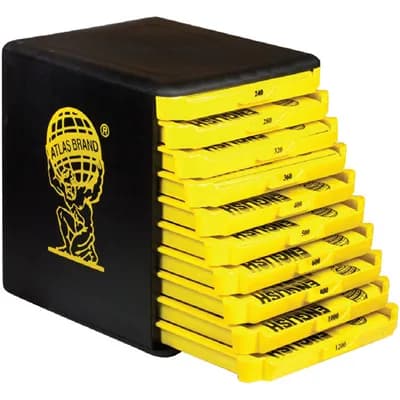
Atlas Wet & Dry Sandpaper Stand No:1 (240-1200 Grit)
Atlas · Wet & Dry Sandpaper
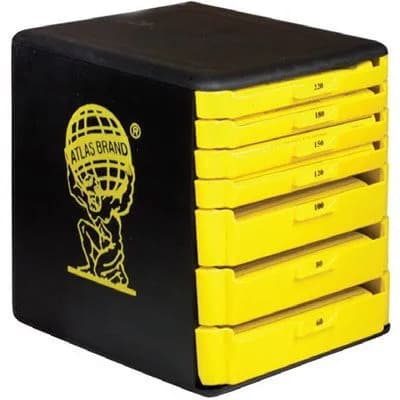
Atlas Wet & Dry Sandpaper Stand No:2 (60-220 Grit)
Atlas · Wet & Dry Sandpaper
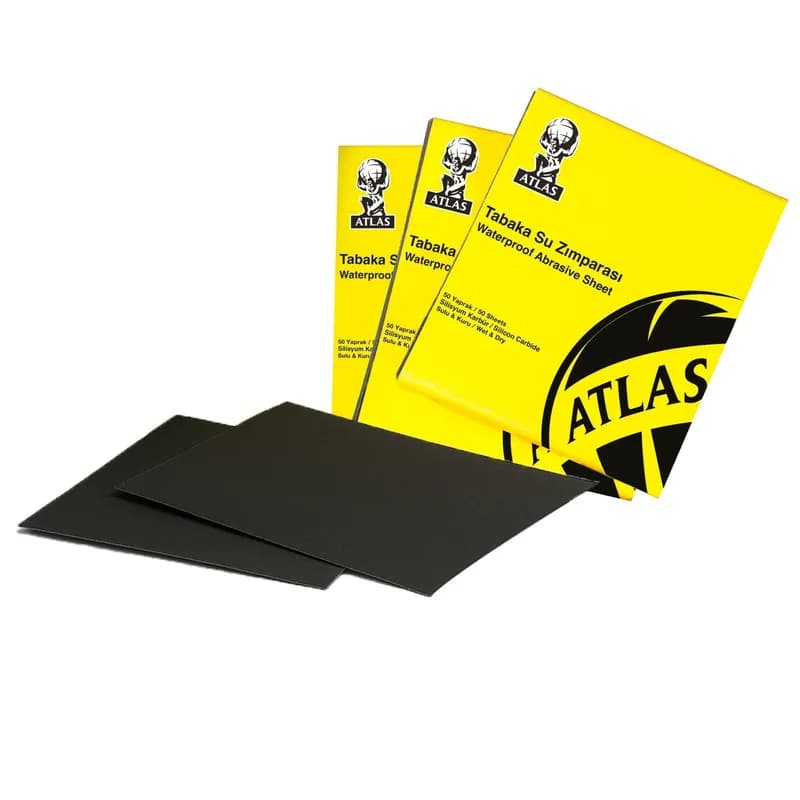
Atlas Wet & Dry Sandpaper 188 Silver 100 Grit 230x280 mm
Atlas · Wet & Dry Sandpaper
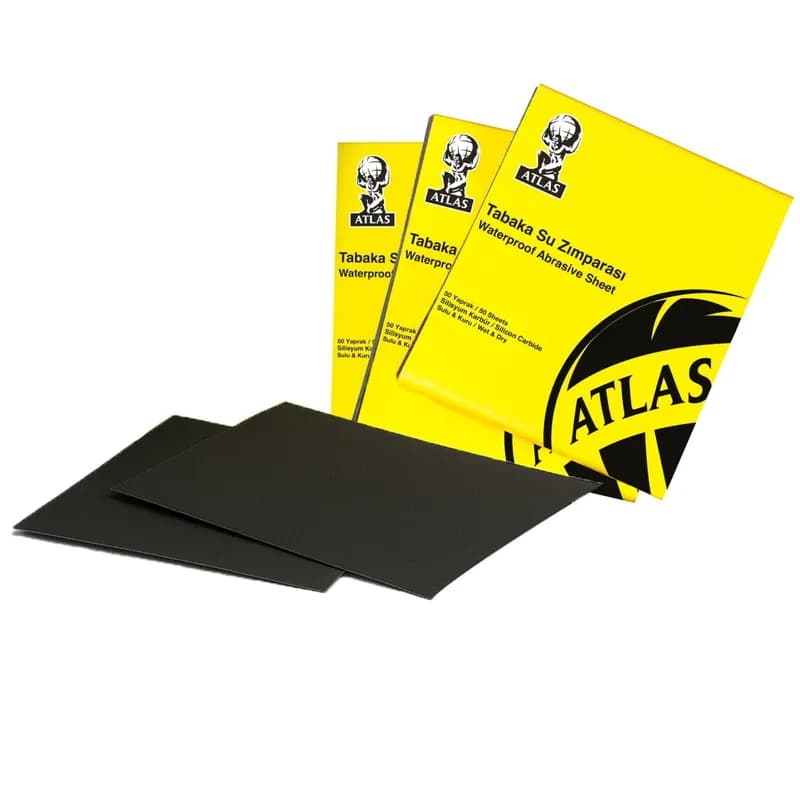
Atlas Wet & Dry Sandpaper 188 Silver 1000 Grit 230x280 mm
Atlas · Wet & Dry Sandpaper
Atlas Wet & Dry Sandpaper 188 Silver 120 Grit 230x280 mm
Atlas · Wet & Dry Sandpaper
Atlas Wet & Dry Sandpaper 188 Silver 1200 Grit 230x280 mm
Atlas · Wet & Dry Sandpaper
Atlas Wet & Dry Sandpaper 188 Silver 150 Grit 230x280 mm
Atlas · Wet & Dry Sandpaper
Atlas Wet & Dry Sandpaper 188 Silver 1500 Grit 230x280 mm
Atlas · Wet & Dry Sandpaper
Atlas Wet & Dry Sandpaper 188 Silver 180 Grit 230x280 mm
Atlas · Wet & Dry Sandpaper
Atlas Wet & Dry Sandpaper 188 Silver 2000 Grit 230x280 mm
Atlas · Wet & Dry Sandpaper
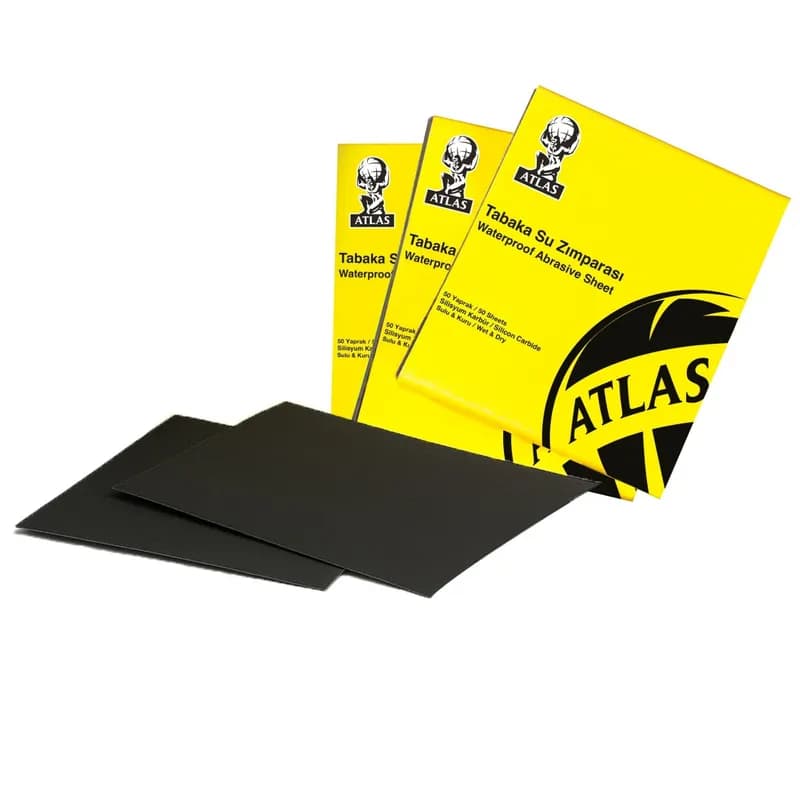
Atlas Wet & Dry Sandpaper 188 Silver 220 Grit 230x280 mm
Atlas · Wet & Dry Sandpaper
Atlas Wet & Dry Sandpaper 188 Silver 240 Grit 230x280 mm
Atlas · Wet & Dry Sandpaper
Atlas Wet & Dry Sandpaper 188 Silver 280 Grit 230x280 mm
Atlas · Wet & Dry Sandpaper
Atlas Wet & Dry Sandpaper 188 Silver 320 Grit 230x280 mm
Atlas · Wet & Dry Sandpaper
Atlas Wet & Dry Sandpaper 188 Silver 360 Grit 230x280 mm
Atlas · Wet & Dry Sandpaper
Atlas Wet & Dry Sandpaper 188 Silver 400 Grit 230x280 mm
Atlas · Wet & Dry Sandpaper
Atlas Wet & Dry Sandpaper 188 Silver 500 Grit 230x280 mm
Atlas · Wet & Dry Sandpaper
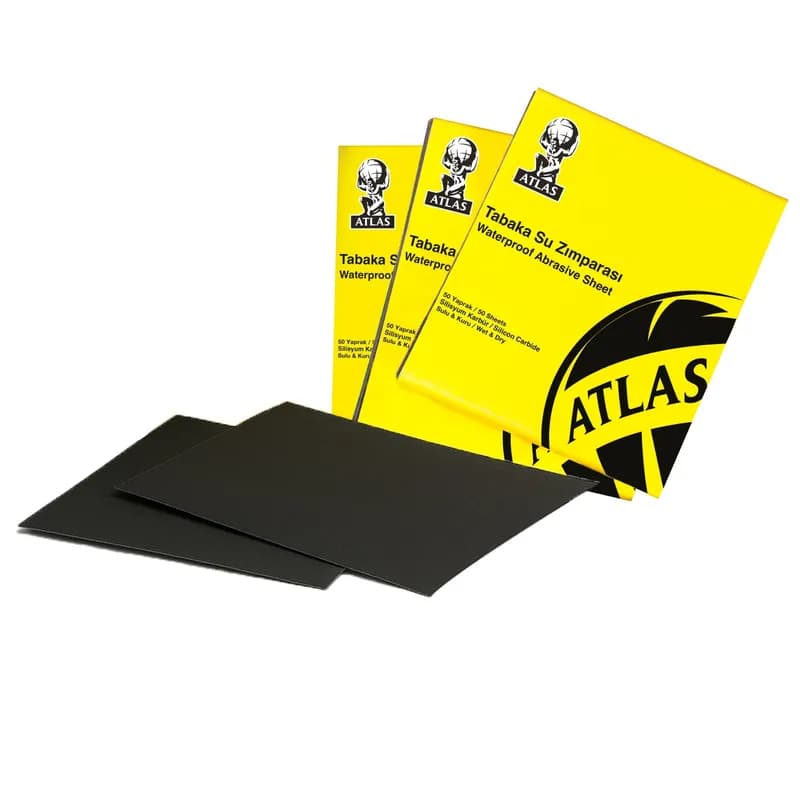
Atlas Wet & Dry Sandpaper 188 Silver 60 Grit 230x280 mm
Atlas · Wet & Dry Sandpaper
Atlas Wet & Dry Sandpaper 188 Silver 600 Grit 230x280 mm
Atlas · Wet & Dry Sandpaper
Atlas Wet & Dry Sandpaper 188 Silver 80 Grit 230x280 mm
Atlas · Wet & Dry Sandpaper
Atlas Wet & Dry Sandpaper 188 Silver 800 Grit 230x280 mm
Atlas · Wet & Dry Sandpaper
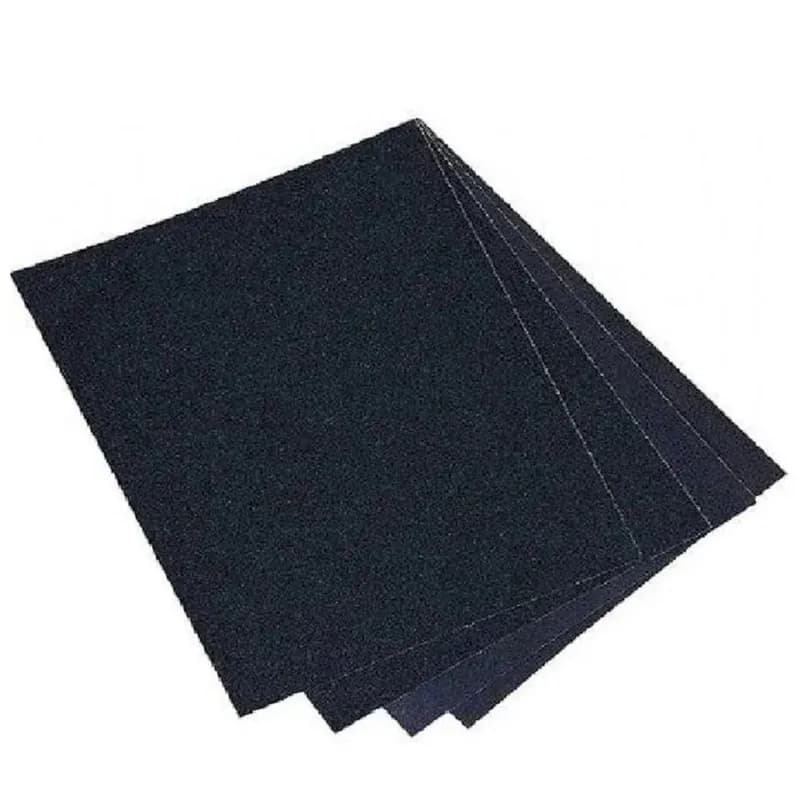
AZS Su Zımparası P100
AZS · Wet & Dry Sandpaper
AZS Su Zımparası P120
AZS · Wet & Dry Sandpaper
AZS Su Zımparası P150
AZS · Wet & Dry Sandpaper
1–24 of 85 · page 1 / 4
What the water does
Sanding dry, the paint and filler being cut packs in between the abrasive grains. Once the paper is loaded the grains no longer reach the surface: the abrasive stops cutting and starts rubbing, and the lumps score the surface as it heats.
Water floats that material away. The paper clogs later, the grain keeps cutting until it is genuinely worn, and the surface that results is visibly flatter than the same grit used dry. With no dust in the air, the work can be done indoors.
The waterproof backing is what makes wet use possible at all: ordinary sandpaper falls apart in water. The 188 Silver series is coated on that backing and works wet or dry.
Grit sequence: why a grit is not skipped
Sanding is not removal so much as scratch replacement. Each grit replaces the scratch the last one left with its own finer scratch, and what remains at the end is the scratch of the last grit used.
That is why skipping a grit spoils the result. Going from 80 straight to 400, the fine grain cannot reach the bottom of the deeper scratch and only polishes its edges — the surface feels smooth to the hand but the scratch reappears under paint or polish. The practical sequence runs 60-80-120-180-240-320-400, each grit worked until the previous one's scratch is no longer visible.
| Grit range | Class | Where it is used |
|---|---|---|
| 36-60 | Coarse | Stripping old paint and rust, dressing welds, stock removal |
| 80-120 | Medium | Levelling filler, removing the coarse grit scratch |
| 150-240 | Fine | Last pass before primer, closing cut on timber |
| 280-600 | Very fine | Flatting primer, levelling before paint |
| 800-2500 | Extra fine | Wet sanding, paint defect correction, before polish |
Grit bands and what each is typically used for.
How it is used
The sheet is usually folded in half or in quarters and worked by hand; on flat work it is wrapped round a block. A block spreads the pressure across the face instead of concentrating it under the fingertips — on paintwork that needs to be flat, this is where the difference shows.
Sanding wet, the surface is kept wet throughout and the paper rinsed from time to time. As soon as the surface dries the swarf sticks back onto the paper, which is the most common reason a sheet loads early in wet use.
Frequently Asked Questions
Can wet and dry paper be used dry?
Yes — but the same sheet loads far faster dry. The waterproof backing holds up either way; what is lost is sheet life and surface quality.
Which grit do I start with?
The condition of the surface decides: 60-80 for old paint and rust, 100-150 for levelling filler, 320-600 for flatting primer, 1000 and above before polishing. The table above gives the bands and their uses.
What is 2000 grit for?
Levelling defects in a paint surface — dust nibs, orange peel, runs — without cutting through the paint. Gloss is then brought back with compound and polish; 2000 grit does not add gloss itself, it prepares the ground for polishing.
What size are the sheets?
230x280 mm, the standard wet and dry sheet size. For an orbital sander the sheet is usually cut into halves or quarters.