Categories
Whitewash Brushes
A whitewash brush is a wide-bodied brush that covers a broad flat surface in a single pass -- whitewash, lime, silicone based exterior paint and primer, material laid on quickly and in quantity. The handle end is threaded, so an extension pole reaches a ceiling or a high wall from the ground.
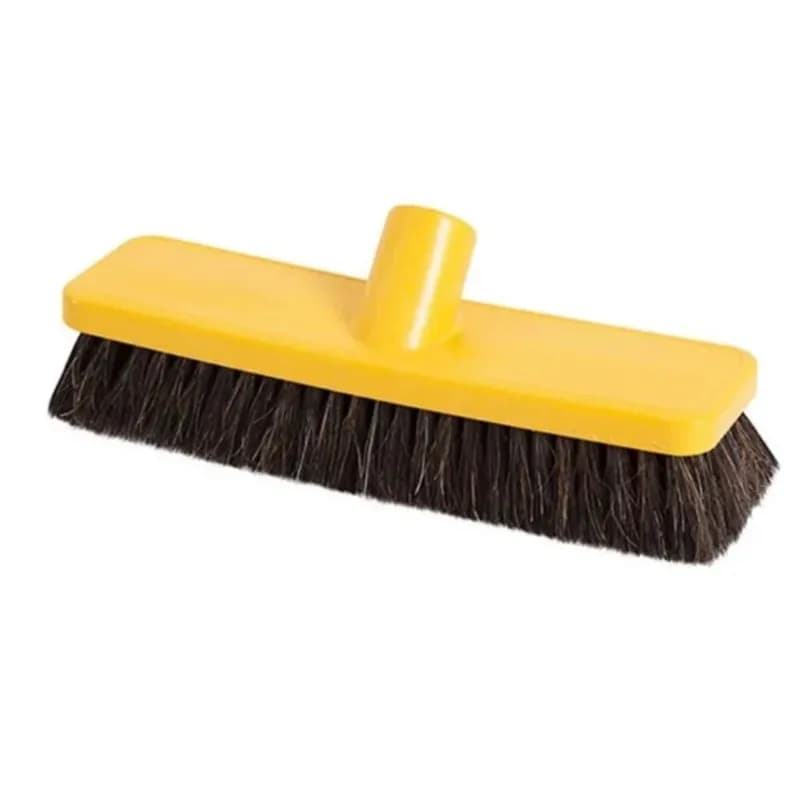
YILDIRIM Plastik Kısa Yele Badana Fırçası KOD:410
YILDIRIM · Whitewash Brushes
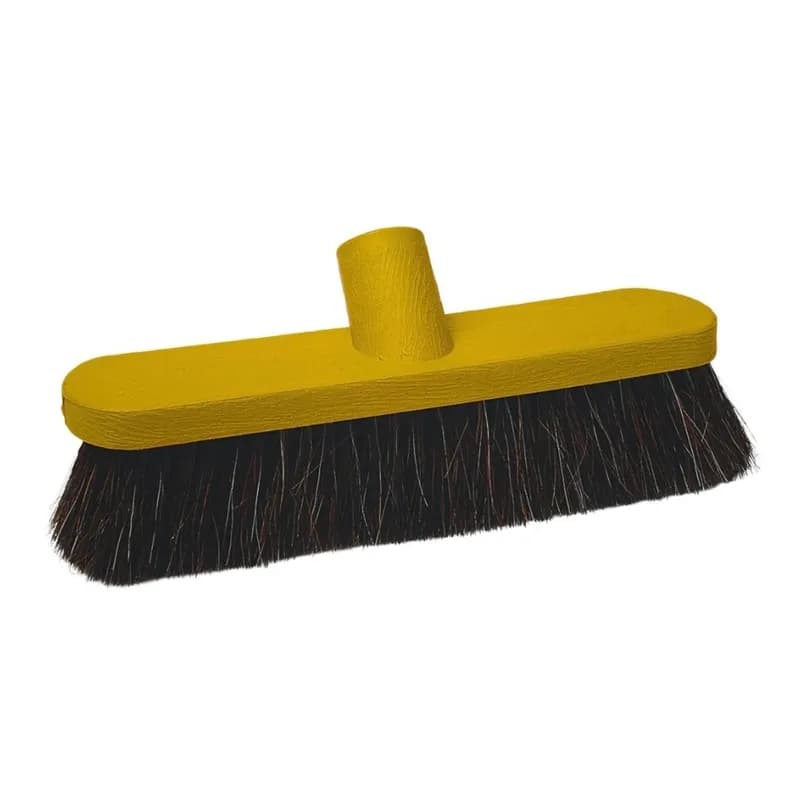
YILDIRIM Plastik Uzun Yele Badana Fırçası KOD:414
YILDIRIM · Whitewash Brushes
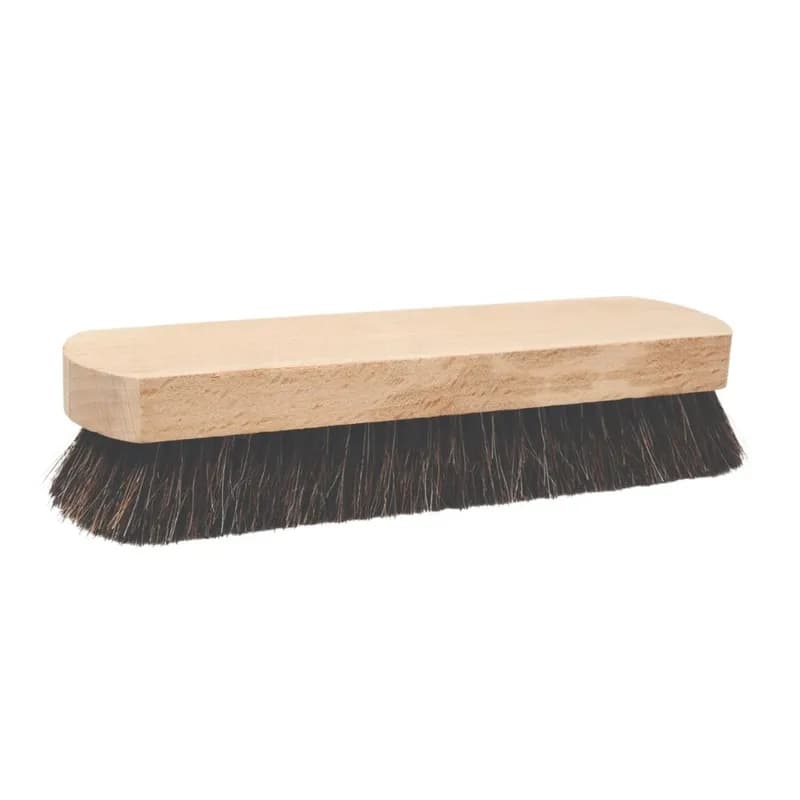
Yılsan Wooden Handle Super Lux Short Bristle Whitewash Brush
Yılsan · Whitewash Brushes
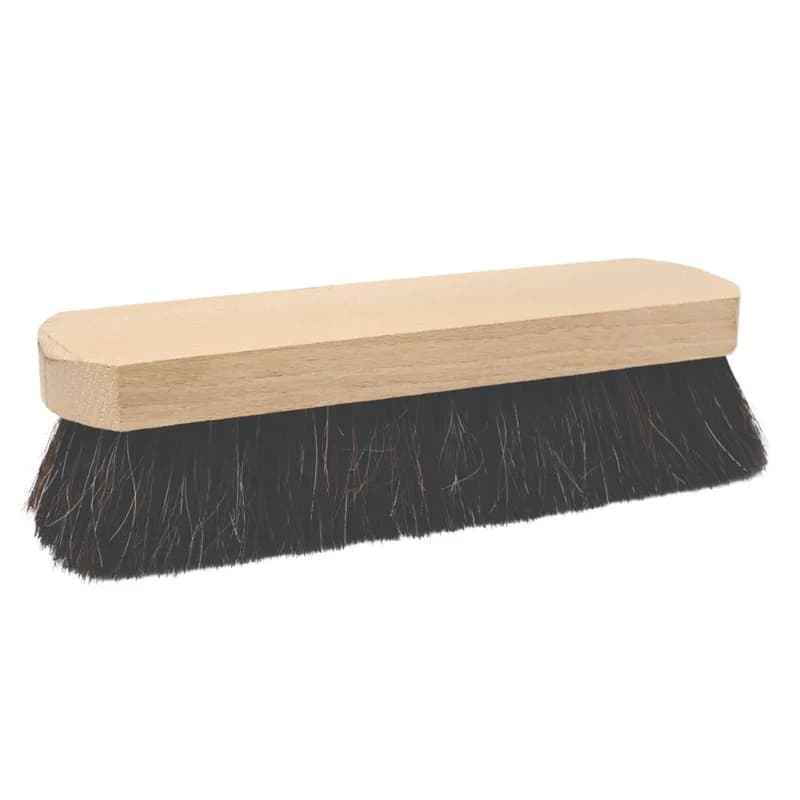
Yılsan Wooden Handle Super Lux Long Bristle Whitewash Brush
Yılsan · Whitewash Brushes
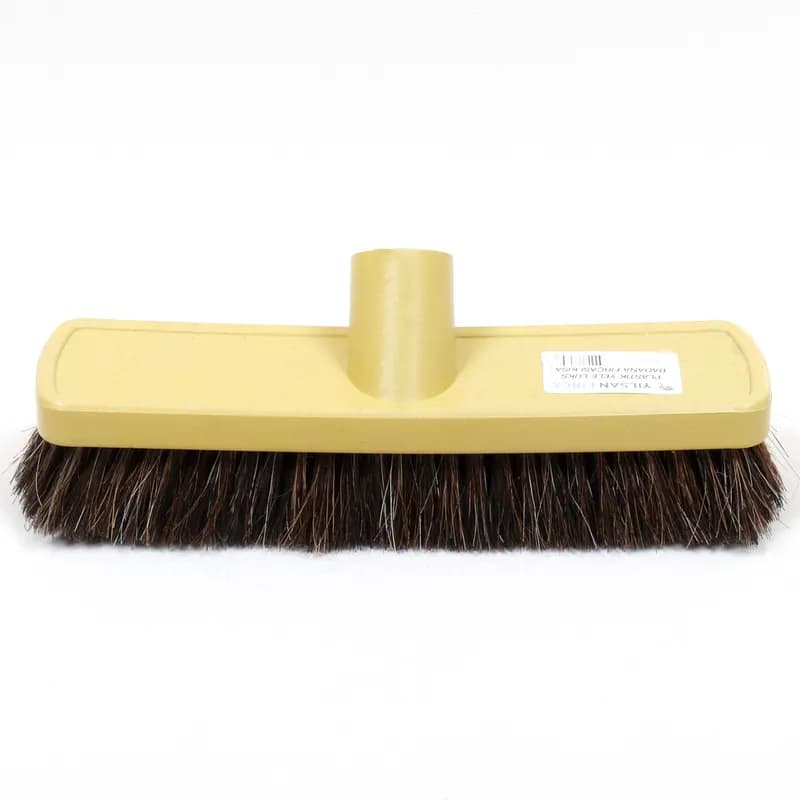
Yılsan Plastic Handle Lux Short Bristle Whitewash Brush
Yılsan · Whitewash Brushes
Yılsan Plastic Handle Lux Long Bristle Whitewash Brush
Yılsan · Whitewash Brushes
Short or long bristle?
Bristle length sets the stiffness. Short bristle does not splay under pressure: it works the material into the surface and pushes it into the pores of coarse render, bare concrete, blockwork and stone. That is the brush for facades and rough surfaces.
Long bristle is softer and carries more material. On a smooth interior wall or ceiling it covers a wide area without leaving marks, and there are fewer trips to the bucket.
Handle and pole
The handle socket is threaded and takes a standard paint pole or extension handle, so ceilings, stairwells and high facades can be painted without a scaffold.
The handle material is a choice too. A wooden handle does not slip in a wet hand and is not softened by solvent based material; a plastic handle is lighter and cleans up more easily after lime and water based work.
Frequently Asked Questions
How do I choose between a whitewash brush and a roller?
By the surface. A roller is faster and splashes less on a smooth, non-absorbent surface. A whitewash brush pushes material into the pores of coarse render, bare concrete and stone, which gives better adhesion, and a brush is also preferred for heavy material such as lime and whitewash.
Is the pole bought separately?
Yes. The brush handle has a threaded socket; poles and extension handles are sold separately. A standard paint pole fits.
How is the brush cleaned?
In plenty of water after whitewash, lime and water based paint -- and before the material dries, because setting lime stiffens the block. In thinner after solvent based exterior paint. Hang the washed brush bristles-down to dry.