Categories
Cutting-in Brushes
A cutting-in brush is the flat brush that draws paint along the line where wall meets ceiling, wall meets frame, or one colour meets another. A roller paints the field quickly but cannot work an edge; the cutting-in brush leaves the line. This page lists the Eco, Lux and Super series, wooden and plastic handles, No 1 to No 4.
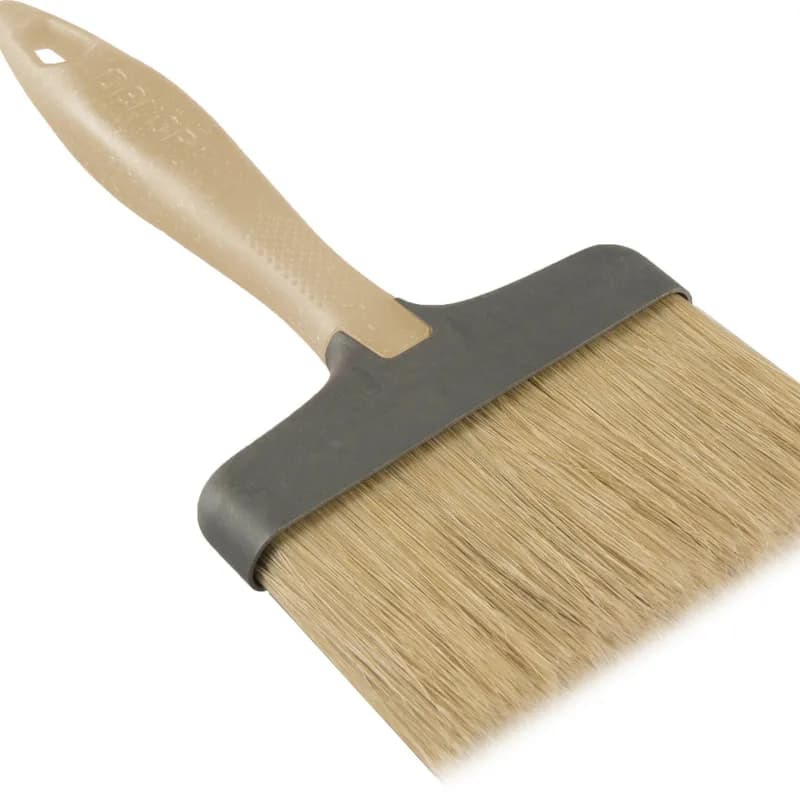
Dekor Doğal Kestirme Fırça 100 mm 6004
Dekor · Cutting-in Brushes
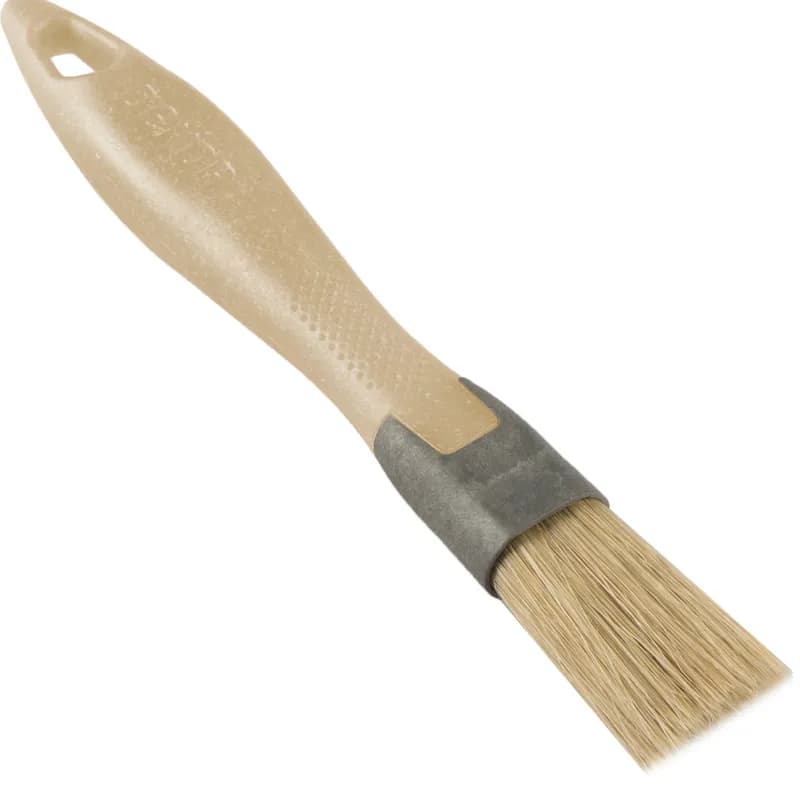
Dekor Doğal Kestirme Fırça 20 mm 6000
Dekor · Cutting-in Brushes
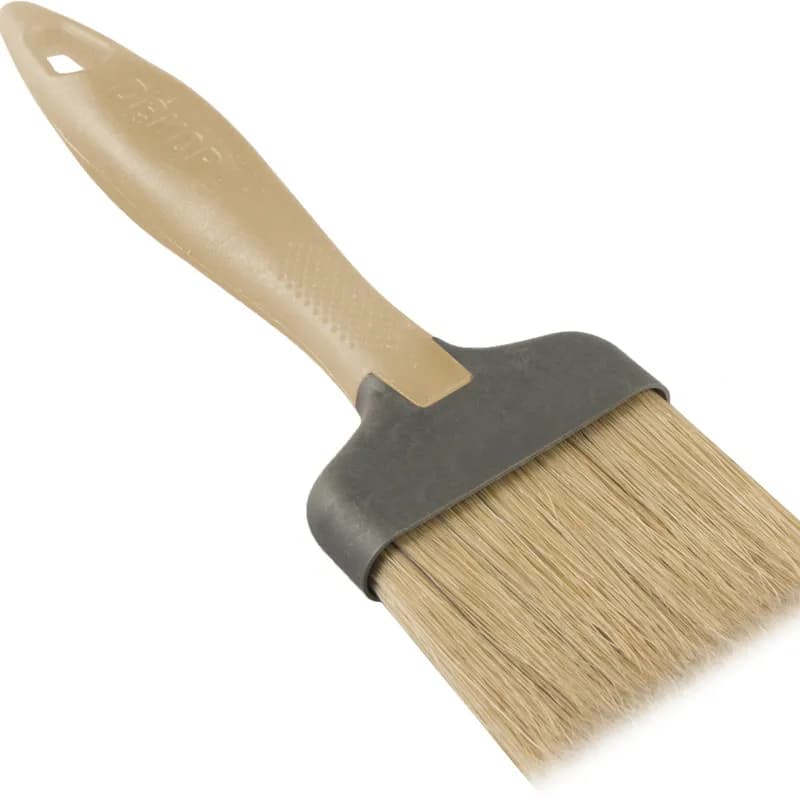
Dekor Doğal Kestirme Fırça 60 mm 6002
Dekor · Cutting-in Brushes
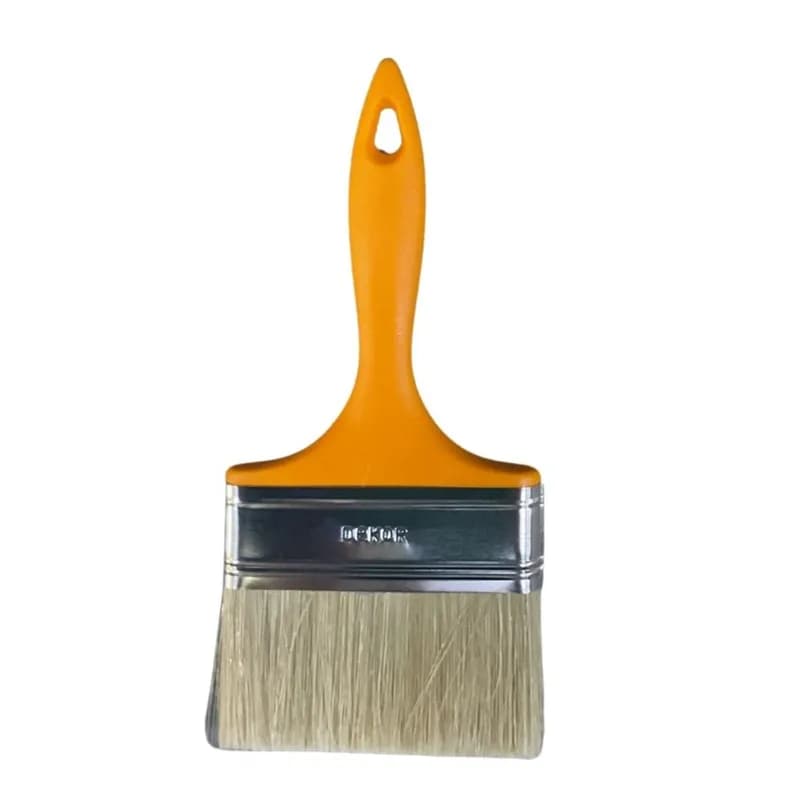
Dekor Kestirme Fırça 100 mm 6176
Dekor · Cutting-in Brushes
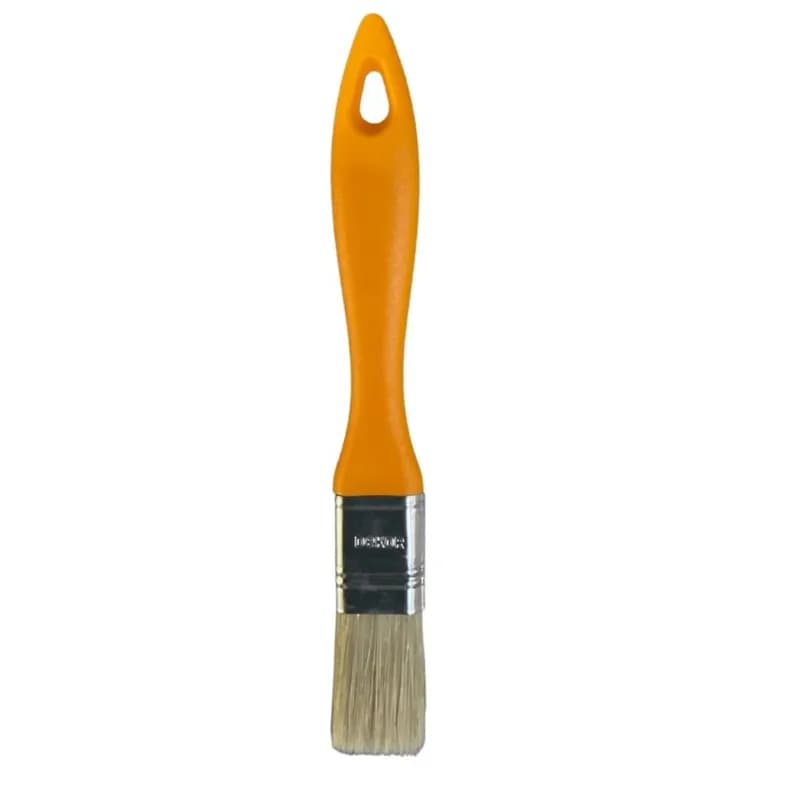
Dekor Kestirme Fırça 24 mm 6170
Dekor · Cutting-in Brushes
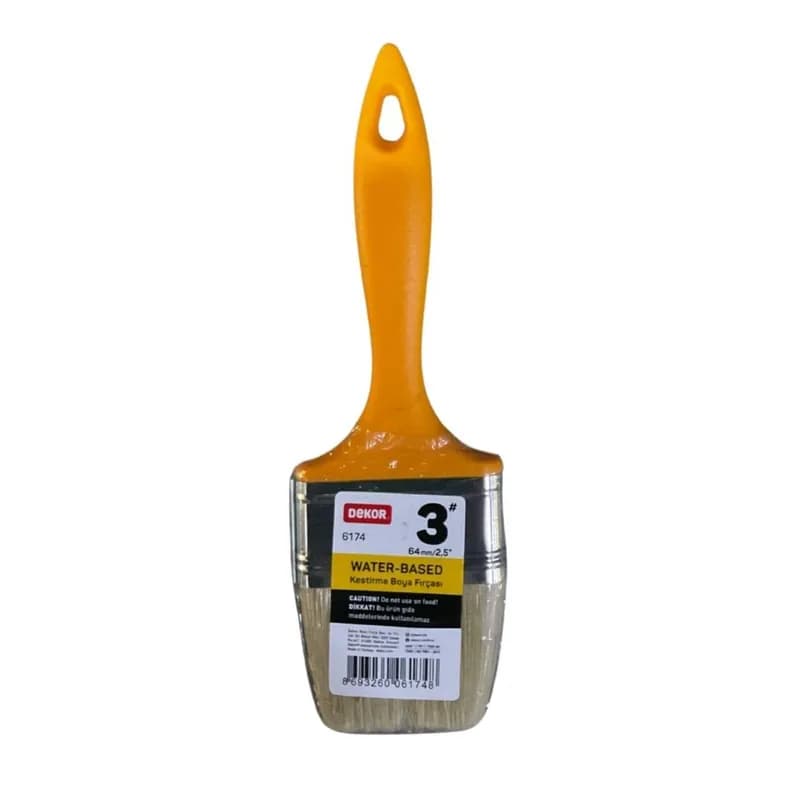
Dekor Kestirme Fırça 44 mm 6172
Dekor · Cutting-in Brushes
Dekor Kestirme Fırça 64 mm 6174
Dekor · Cutting-in Brushes
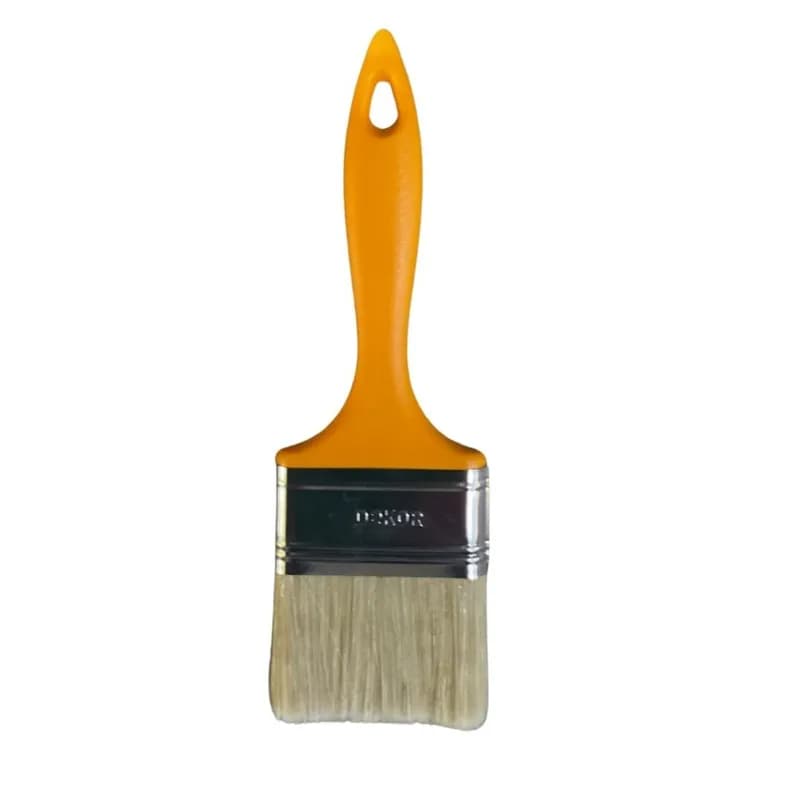
Dekor Kestirme Fırça 84 mm 6175
Dekor · Cutting-in Brushes
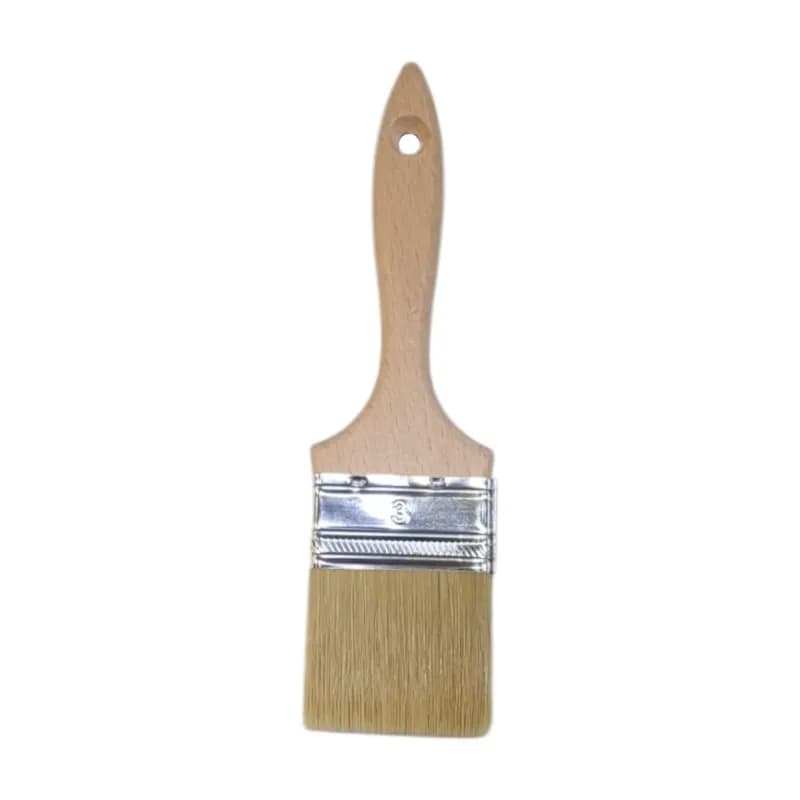
YILDIRIM Ahşap Süper Kestirme Fırça KOD:201 NO:3
YILDIRIM · Cutting-in Brushes
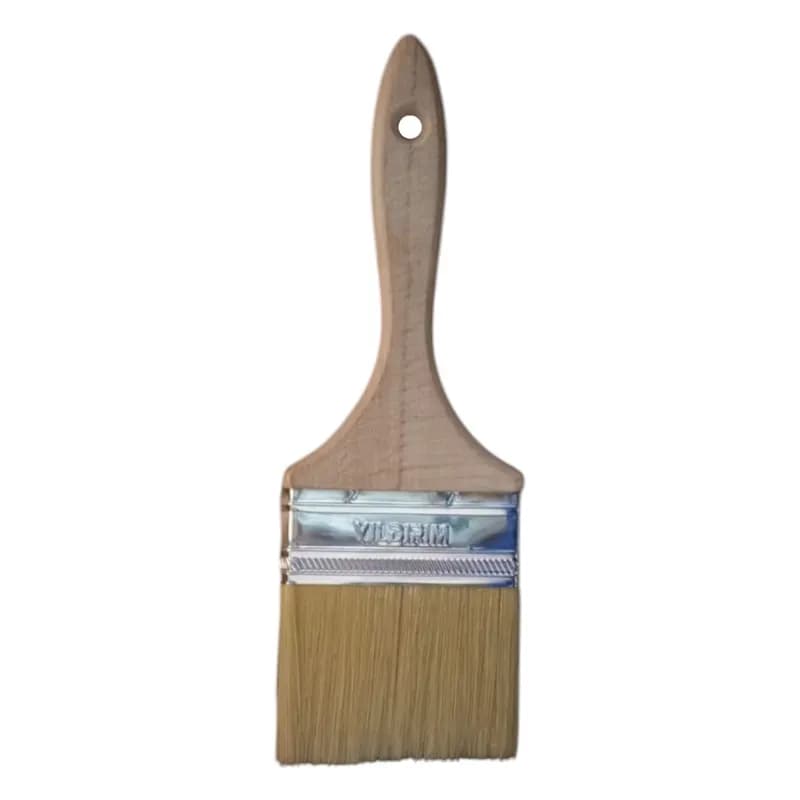
YILDIRIM Ahşap Süper Kestirme Fırça KOD:202 NO:4
YILDIRIM · Cutting-in Brushes
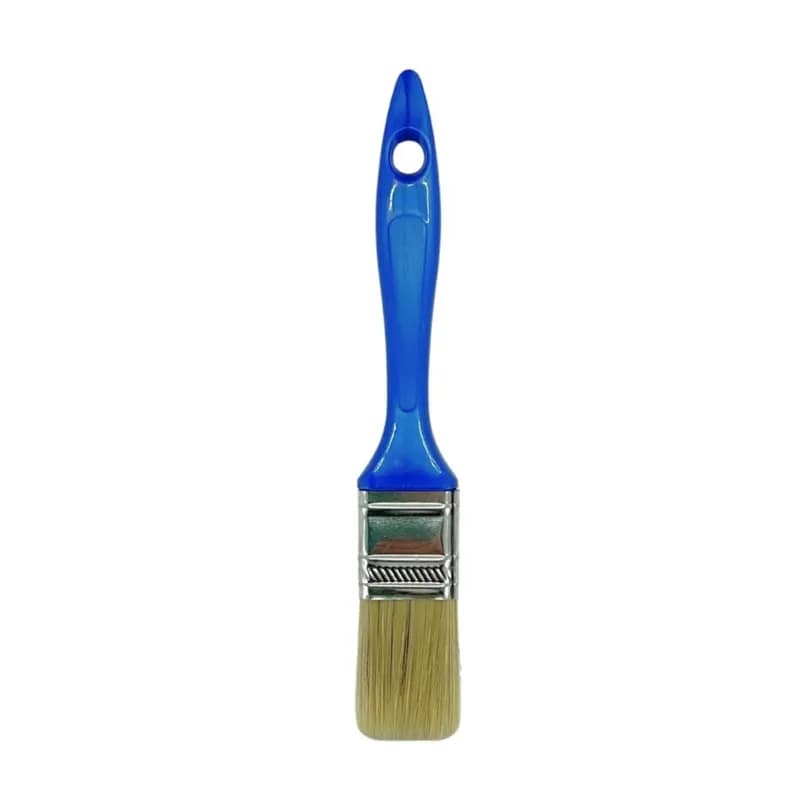
YILDIRIM Lüx Kestirme Fırça NO:1
YILDIRIM · Cutting-in Brushes
YILDIRIM Lüx Kestirme Fırça NO:1.5
YILDIRIM · Cutting-in Brushes
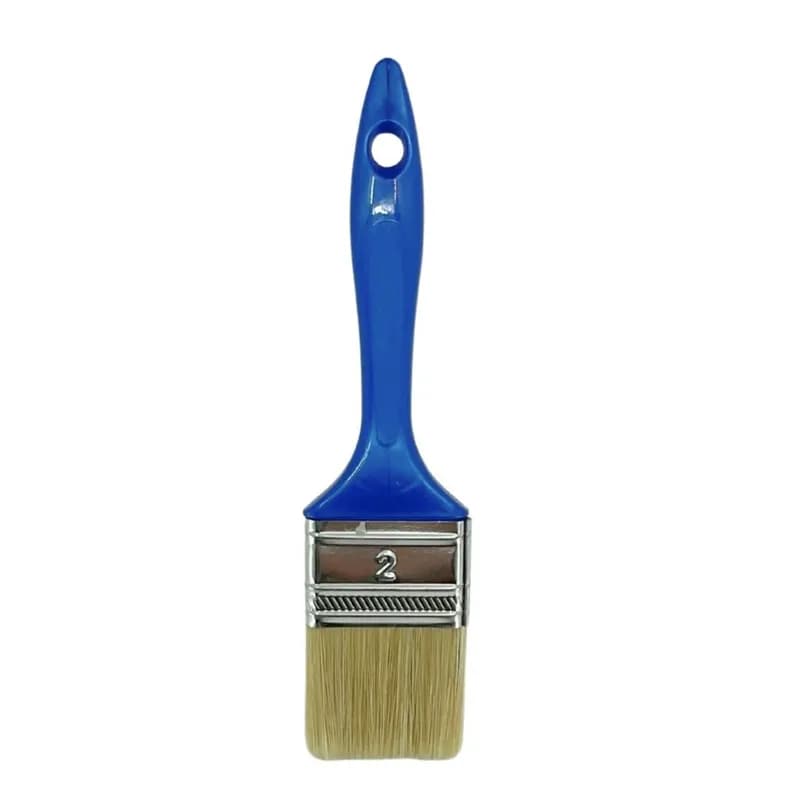
YILDIRIM Lüx Kestirme Fırça NO:2
YILDIRIM · Cutting-in Brushes
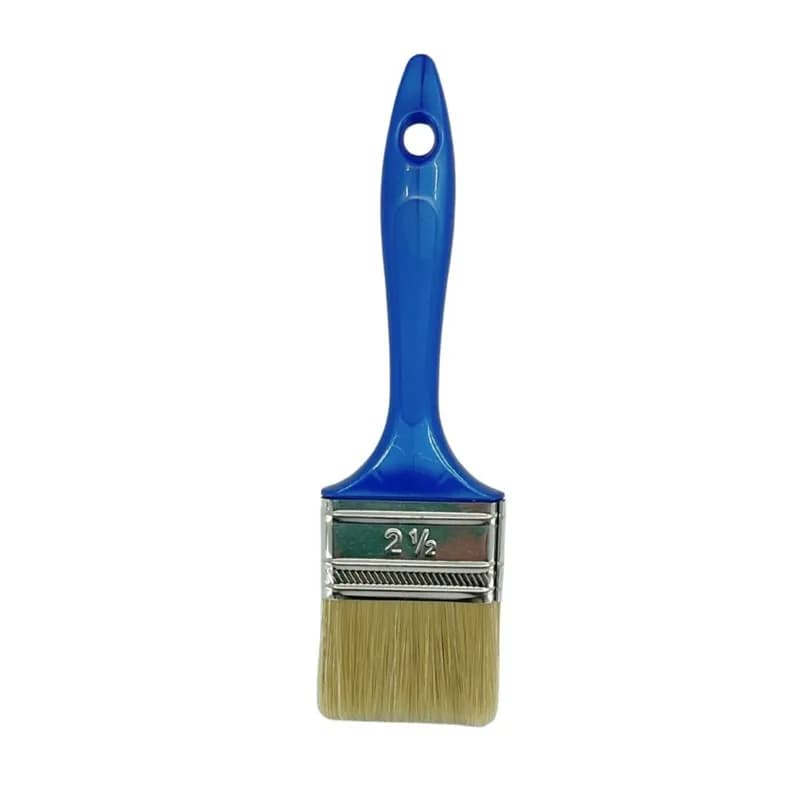
YILDIRIM Lüx Kestirme Fırça NO:2.5
YILDIRIM · Cutting-in Brushes
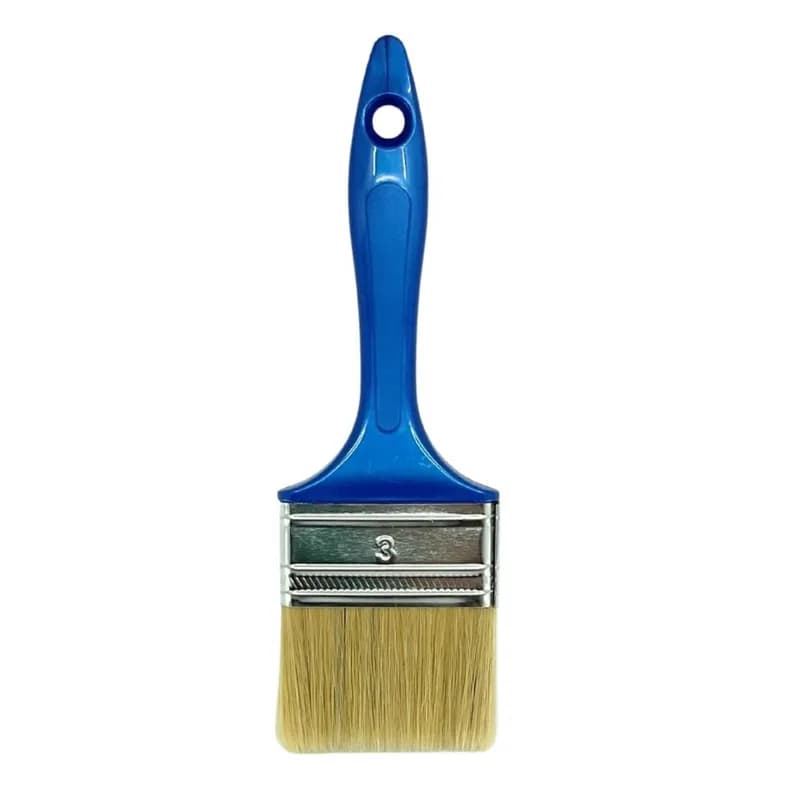
YILDIRIM Lüx Kestirme Fırça NO:3
YILDIRIM · Cutting-in Brushes
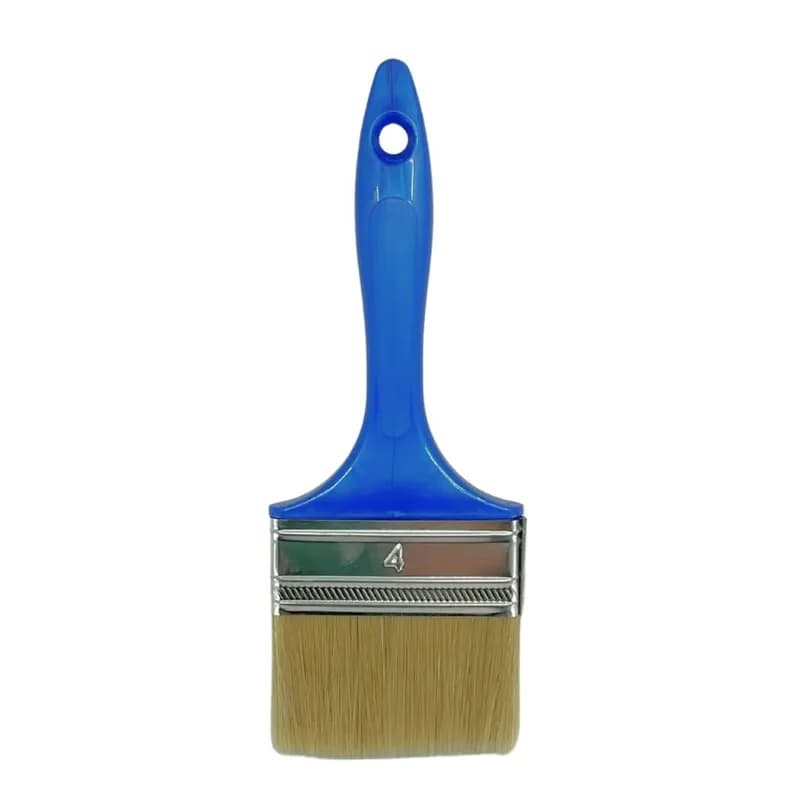
YILDIRIM Lüx Kestirme Fırça NO:4
YILDIRIM · Cutting-in Brushes
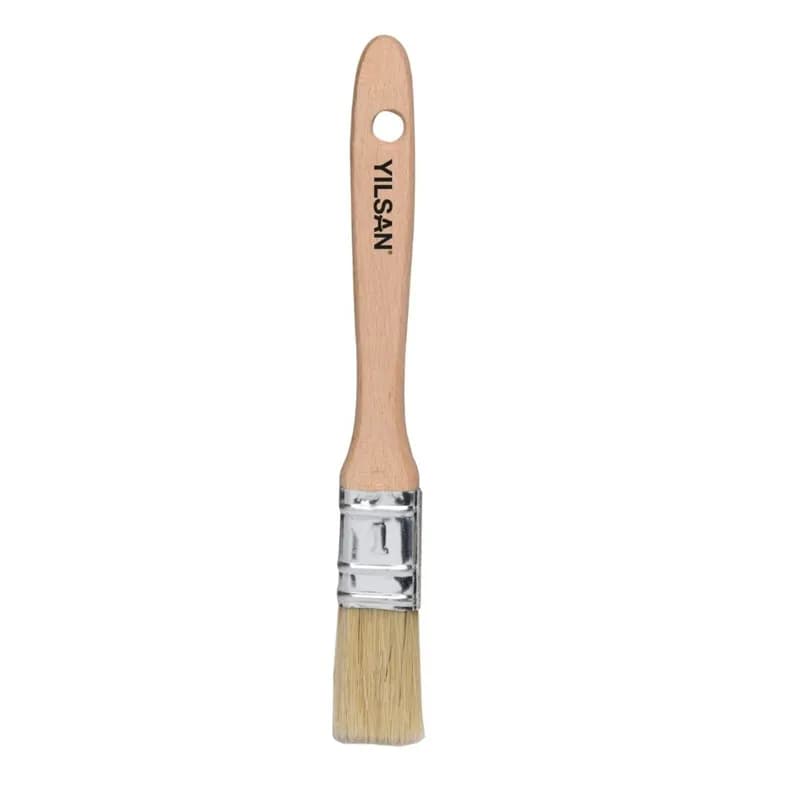
Yılsan Wooden Handle Cutting-in Paint Brush No 1
Yılsan · Cutting-in Brushes
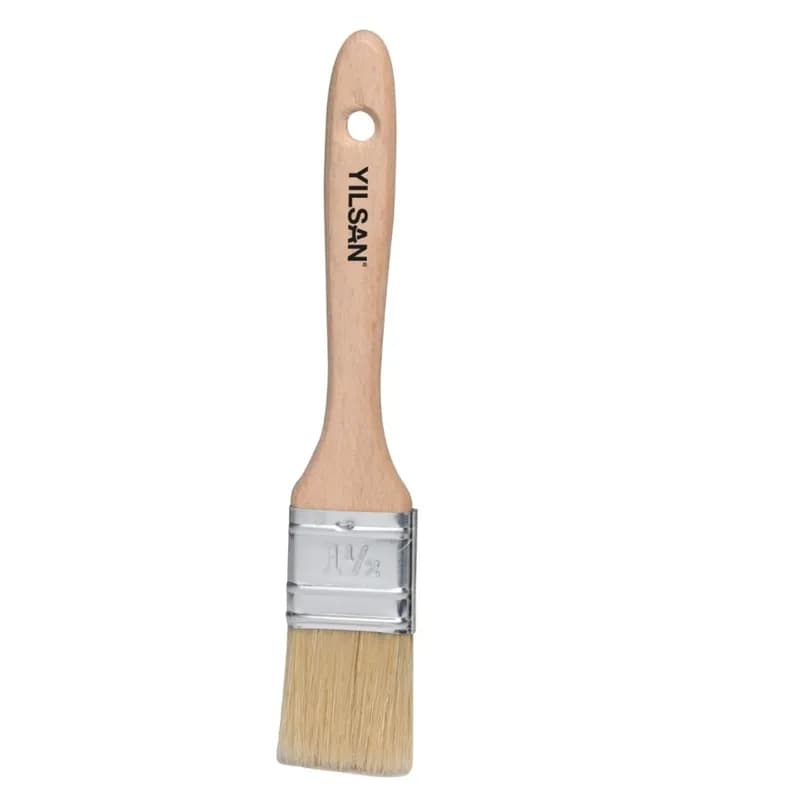
Yılsan Wooden Handle Cutting-in Paint Brush No 1.5
Yılsan · Cutting-in Brushes
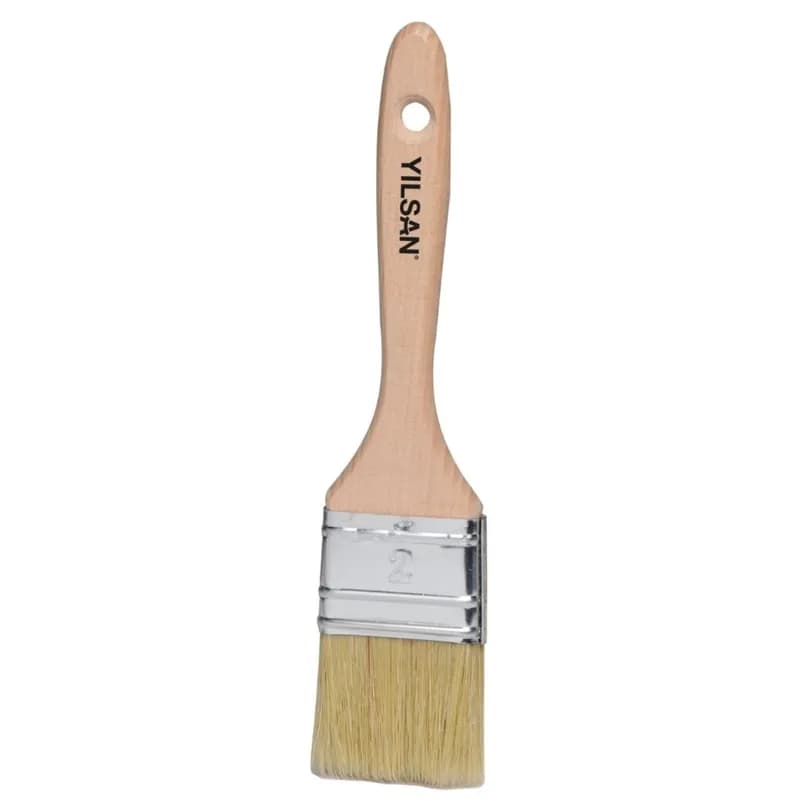
Yılsan Wooden Handle Cutting-in Paint Brush No 2
Yılsan · Cutting-in Brushes
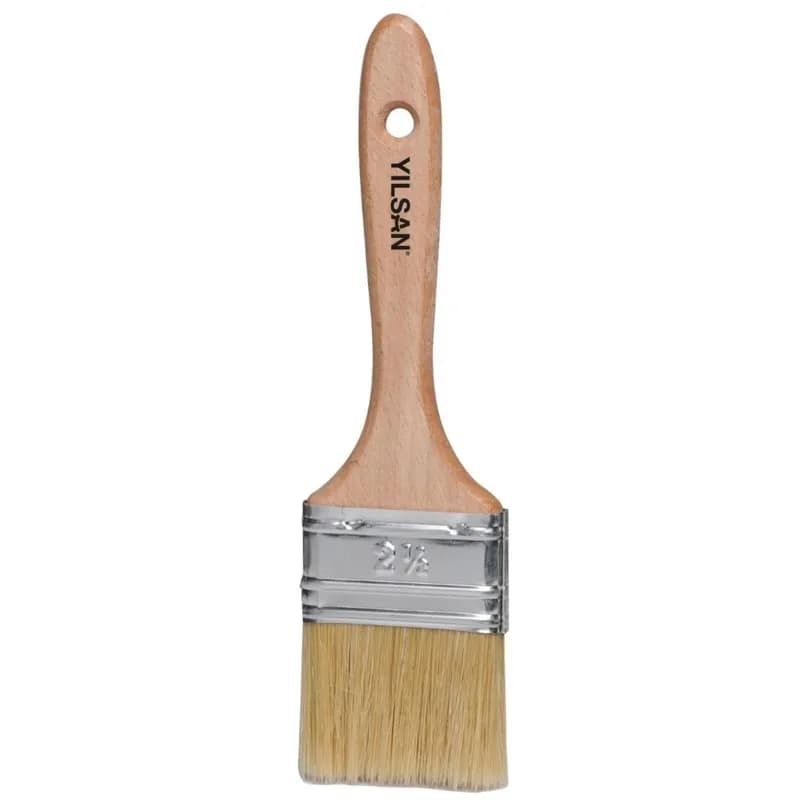
Yılsan Wooden Handle Cutting-in Paint Brush No 2.5
Yılsan · Cutting-in Brushes
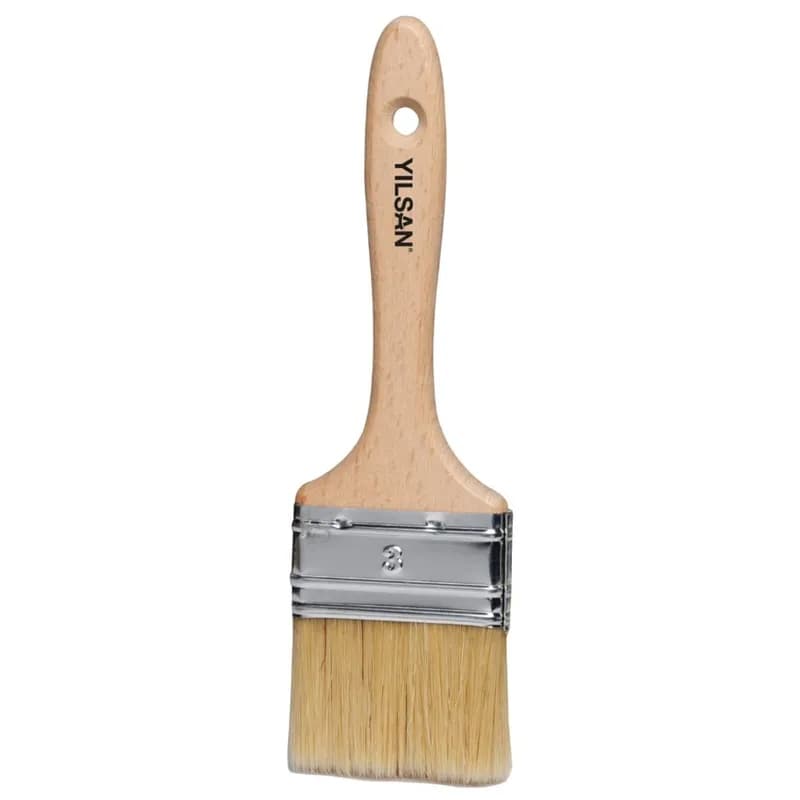
Yılsan Wooden Handle Cutting-in Paint Brush No 3
Yılsan · Cutting-in Brushes
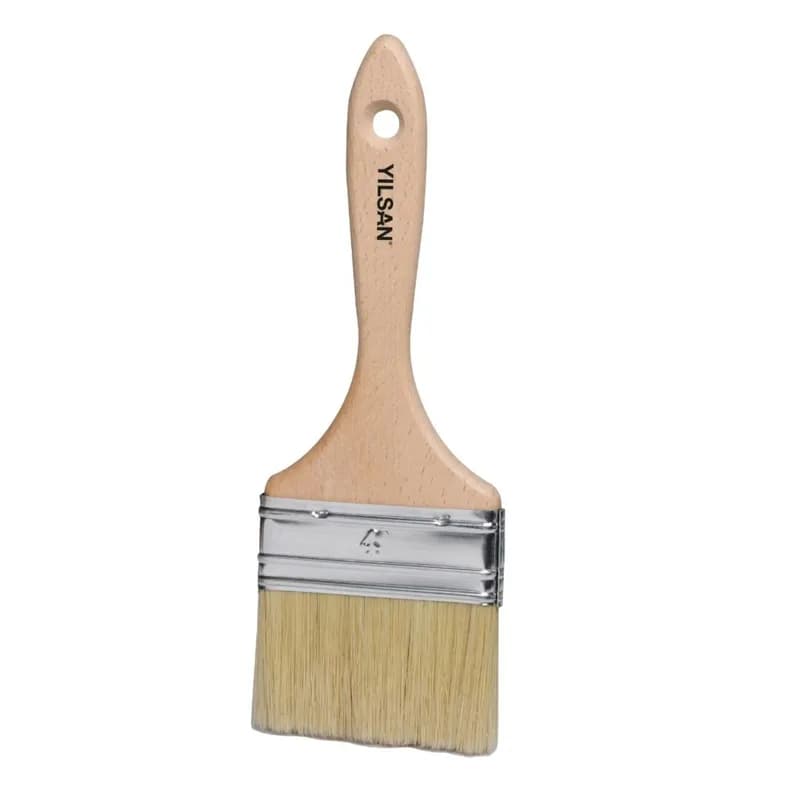
Yılsan Wooden Handle Cutting-in Paint Brush No 4
Yılsan · Cutting-in Brushes
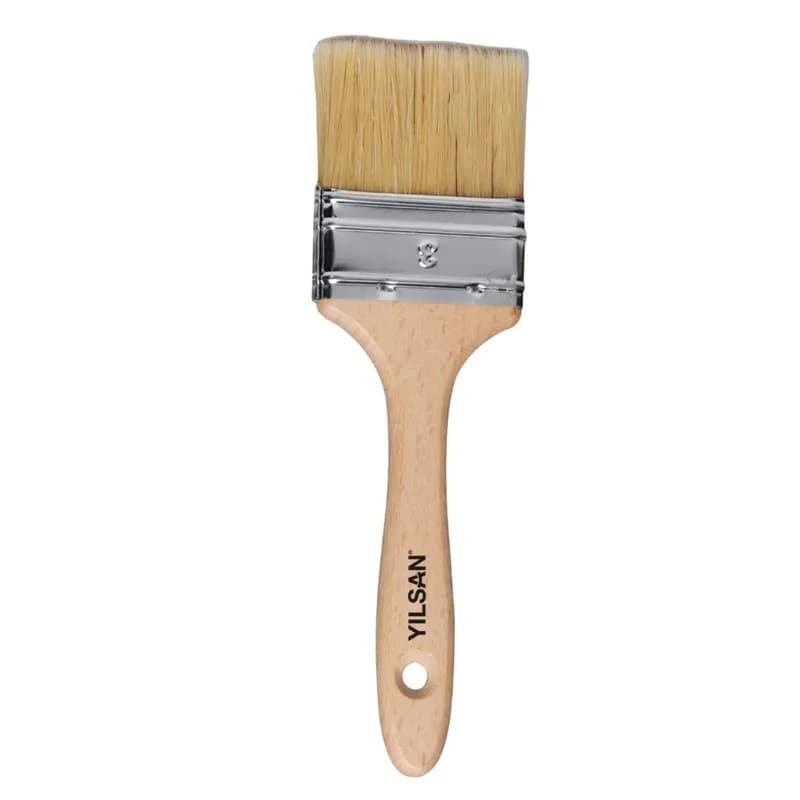
Yılsan Wooden Handle Super Cutting-in Paint Brush No 3
Yılsan · Cutting-in Brushes
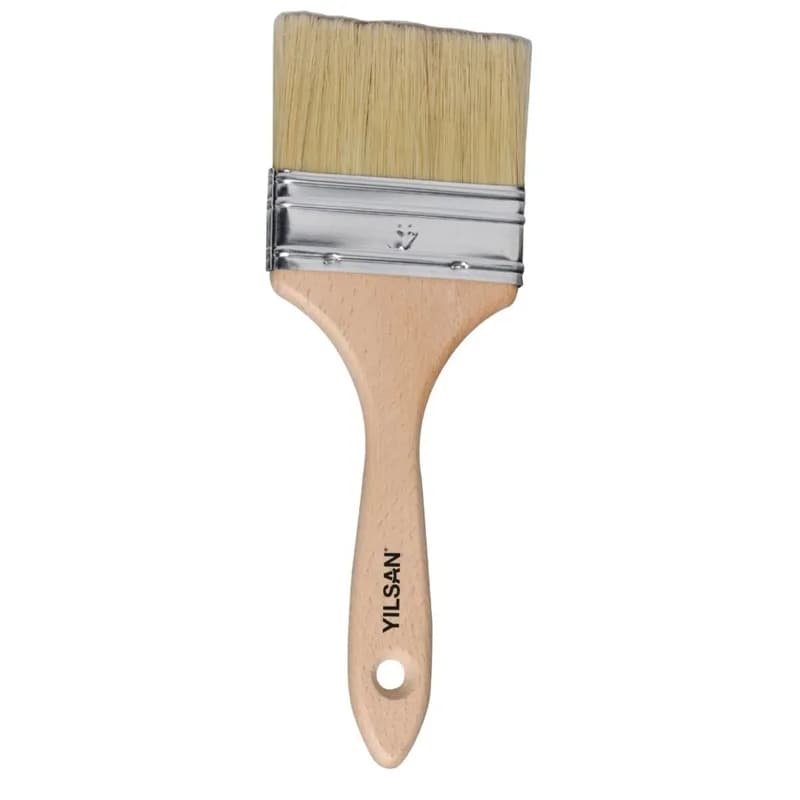
Yılsan Wooden Handle Super Cutting-in Paint Brush No 4
Yılsan · Cutting-in Brushes
1–24 of 36 · page 1 / 2
How the number is chosen
The number is the width of the brush. A small number is for narrow surfaces, edges and corners; a large number covers more area in the same time and leaves fewer joins along a long line.
A job runs with two numbers rather than one: the wide one for the field and the long passes, the narrow one to finish frames, skirting and around sockets. In practice No 1 and No 1.5 are edges and corners, No 2 and No 2.5 general work, No 3 and No 4 wide surfaces and long cutting-in passes.
The millimetre equivalent of a given number shifts by a few millimetres between manufacturers, so the catalogue quotes the number. A specific width can be asked for by order code.
Eco, Lux and Super
The difference is how full the bristle block is and how long it lasts, not its shape. The Eco series is the consumable brush for day-to-day interior work: bought by the box, washed out at the end of the job or replaced. It is the site brush.
The Lux series carries a fuller block. A fuller block holds more paint per load -- fewer trips to the pot, the line in one pass, and no shed bristles left in the wet film. It is chosen for finish work where the paint is seen close up.
The Super series makes that block fuller again and is produced only in the wide numbers, No 3 and No 4: for the long unbroken passes along a frame, a skirting board or a ceiling batten.
Wooden or plastic handle?
The handle follows the paint. Solvent and thinner soften a plastic handle over time and loosen the grip of the ferrule, which is why wooden handles are asked for on oil, synthetic and varnish work.
On water based emulsion and satin paint a plastic handle is fine, easier to clean and cheaper. A wooden handle does not slip in a wet hand and tires the hand less over a long session.
Frequently Asked Questions
Is a cutting-in brush the same as an oil paint brush?
The shapes are close but the jobs differ. A cutting-in brush tapers toward the tip and exists to leave a straight line. An oil paint brush is built to spread heavy synthetic and alkyd paint across a surface. A cutting-in brush is used on oil work too, but the handle should be wood.
How should a brush be stored after use?
Wash it in water on water based paint and in thinner on solvent based paint. Straighten the bristles by hand afterwards and hang the brush bristles-down to dry; paint left inside the block sets and the brush will not open again. For short breaks during a job, wrapping the brush in plastic avoids washing it at all.
Why does a new brush shed bristles?
A new brush holds a few loose bristles where the block was cut. Rolling it in the palm and making a few passes on a dry surface before use takes them out. A brush that keeps shedding through the job does not have a full enough block; this is where the Lux and Super series differ.
Can I buy wholesale?
Yes. Seza Global supplies cutting-in brushes wholesale by series, number and handle type, with per-unit pricing for sites and painting contractors. A number or series not listed can be requested by order code.