Categories
Electrofusion Machines
Electrofusion welds by passing current through a fitting with an embedded resistance wire. Because the pipe does not have to move along its axis, it is what you use in confined space, on repairs and tie-ins, and wherever butt fusion cannot reach. The catalog covers the Ritmo Elektra range across Ø 20-1600 mm, plus the Universal 315 and Mustang 160 units.
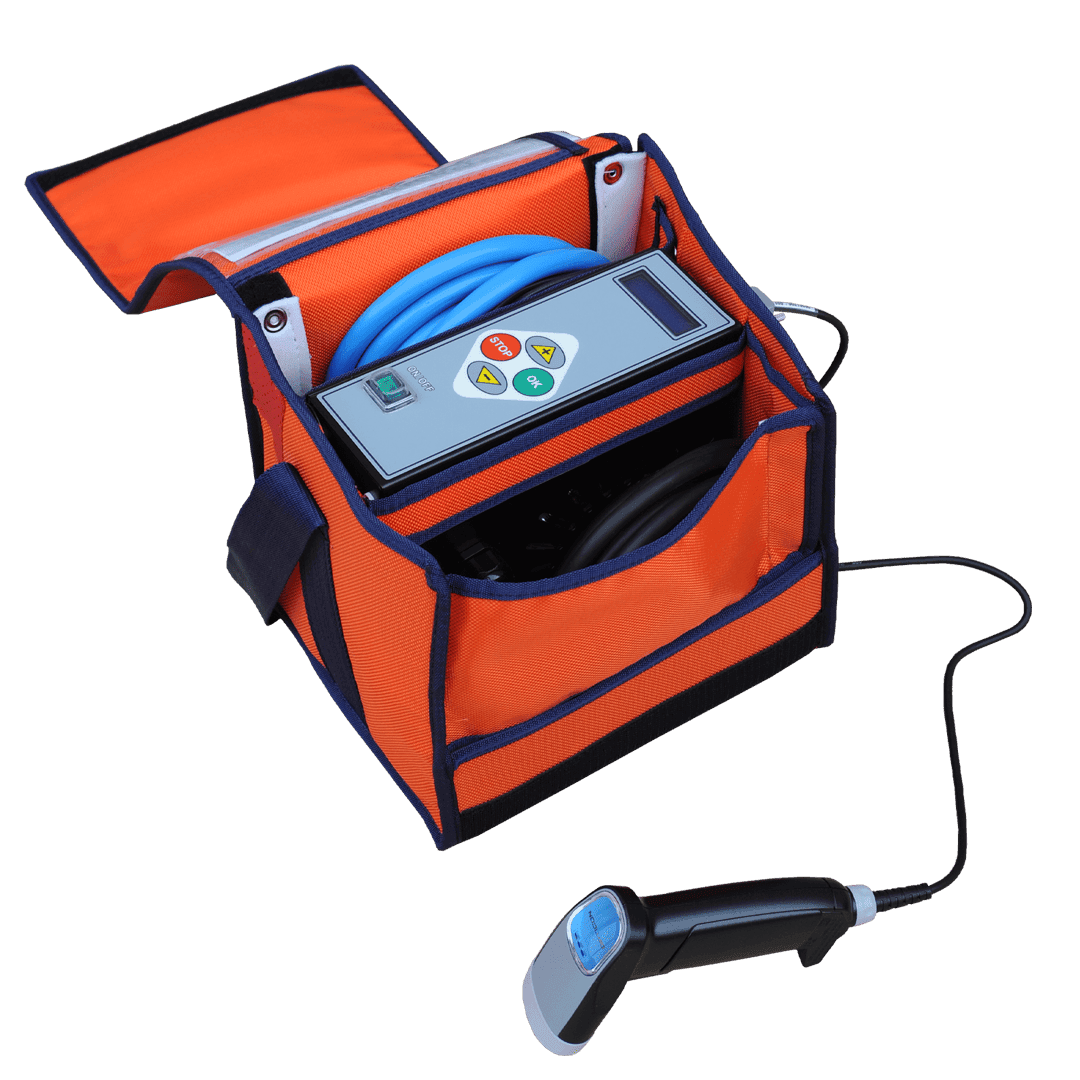
Ritmo Elektra Light Electrofusion Machine Ø 20-160 mm
Ritmo · Electrofusion Machines
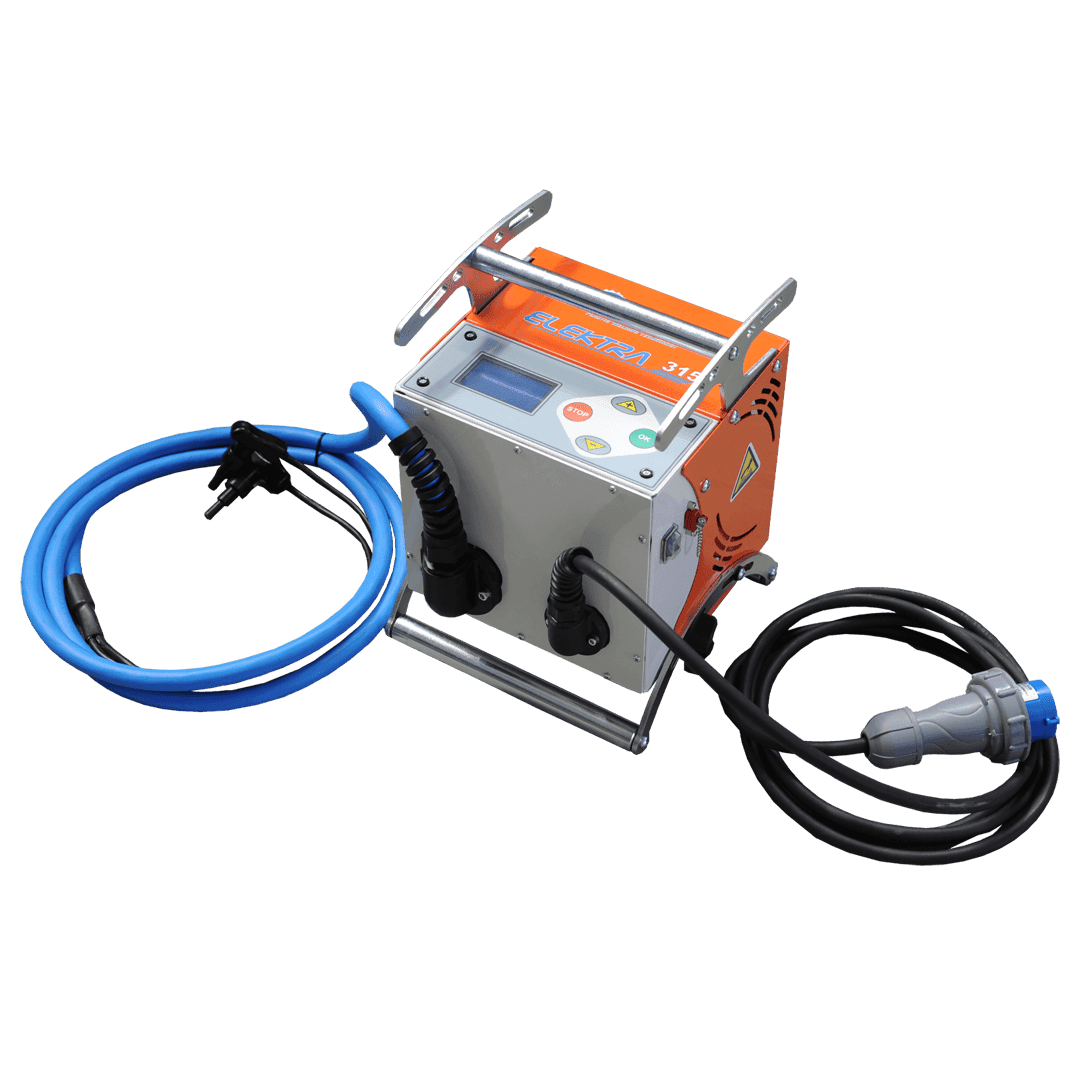
Ritmo Elektra 315 Electrofusion Machine Ø 20-315 mm
Ritmo · Electrofusion Machines
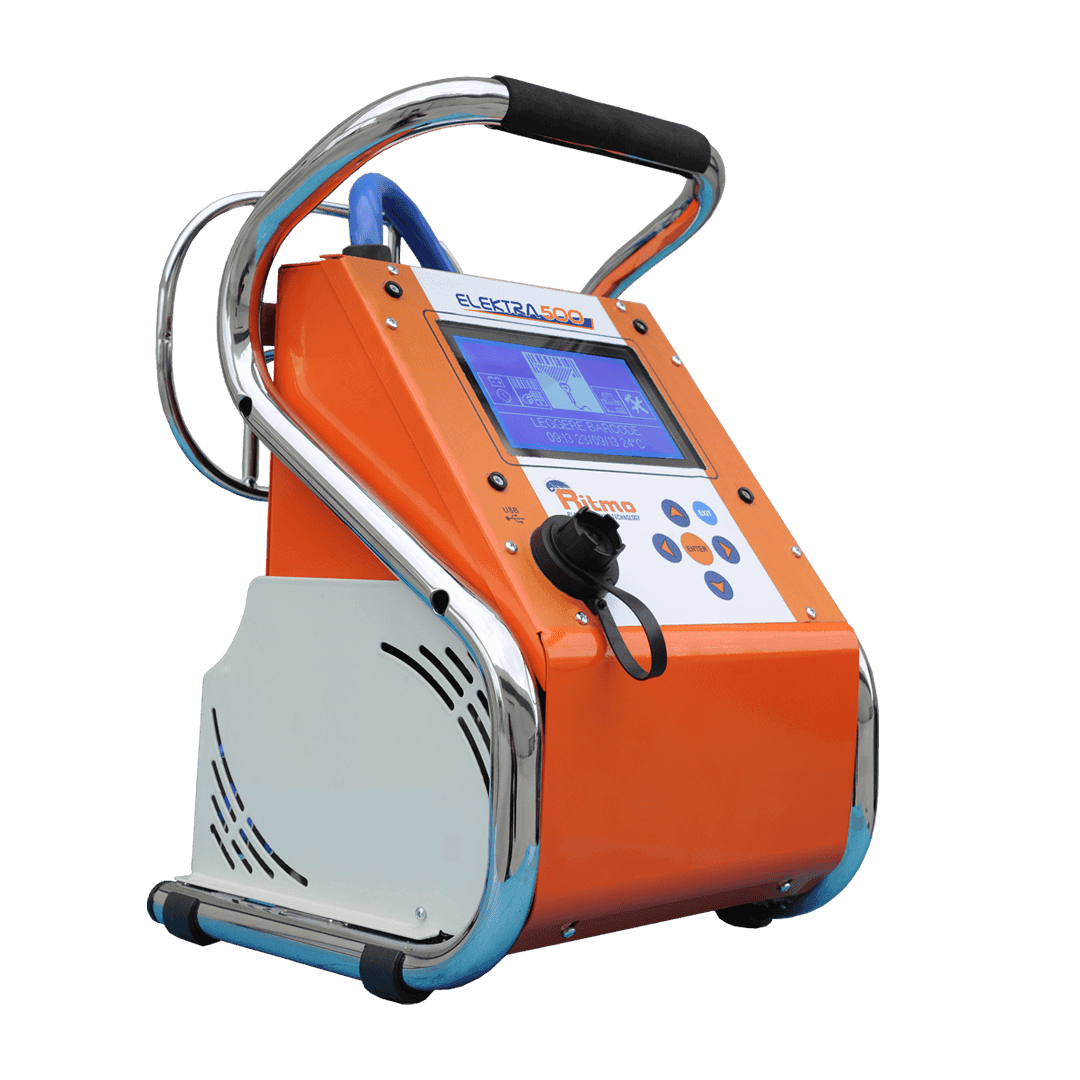
Ritmo Elektra 500 Electrofusion Machine Ø 20-500 mm
Ritmo · Electrofusion Machines
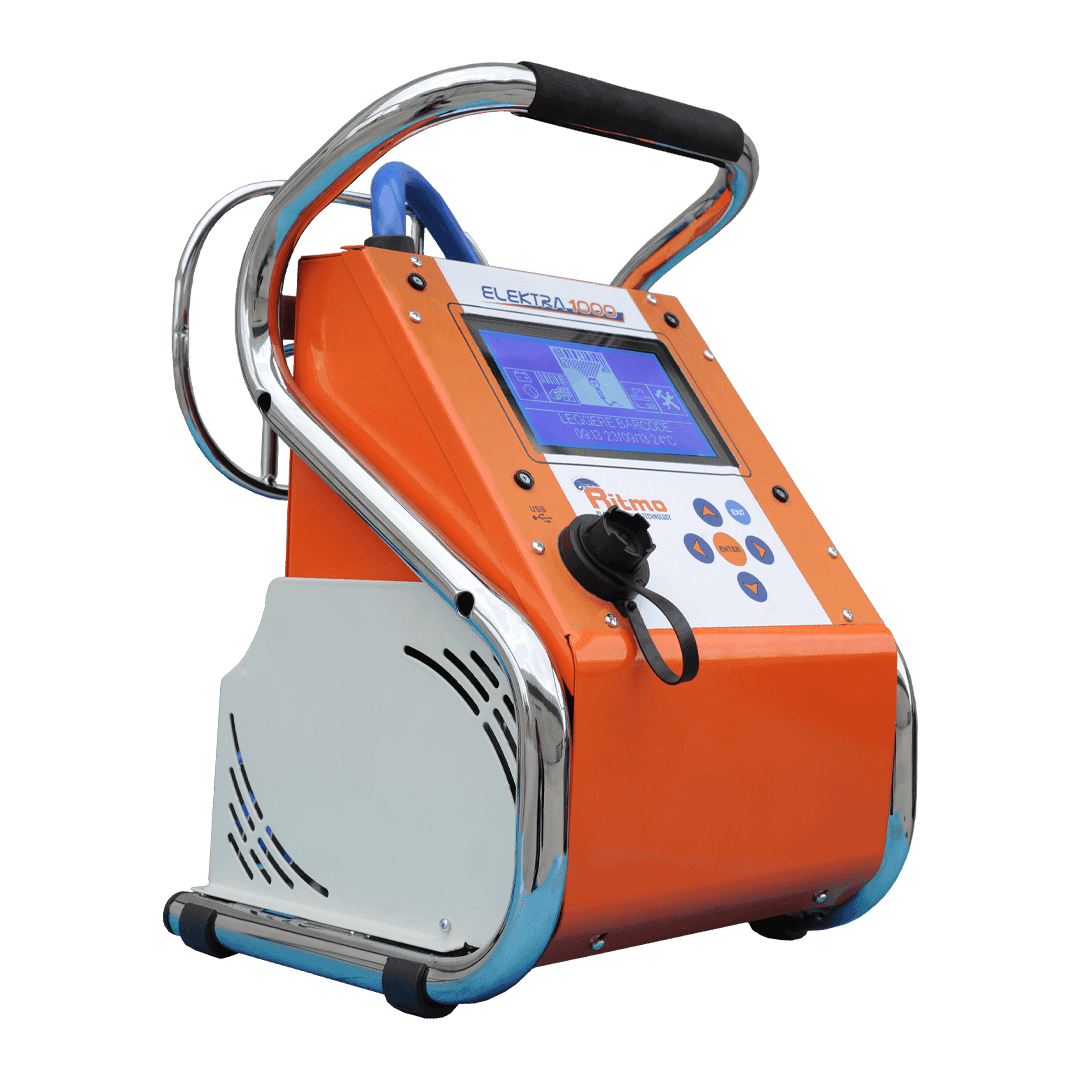
Ritmo Elektra 1000 Electrofusion Machine Ø 20-1600 mm
Ritmo · Electrofusion Machines
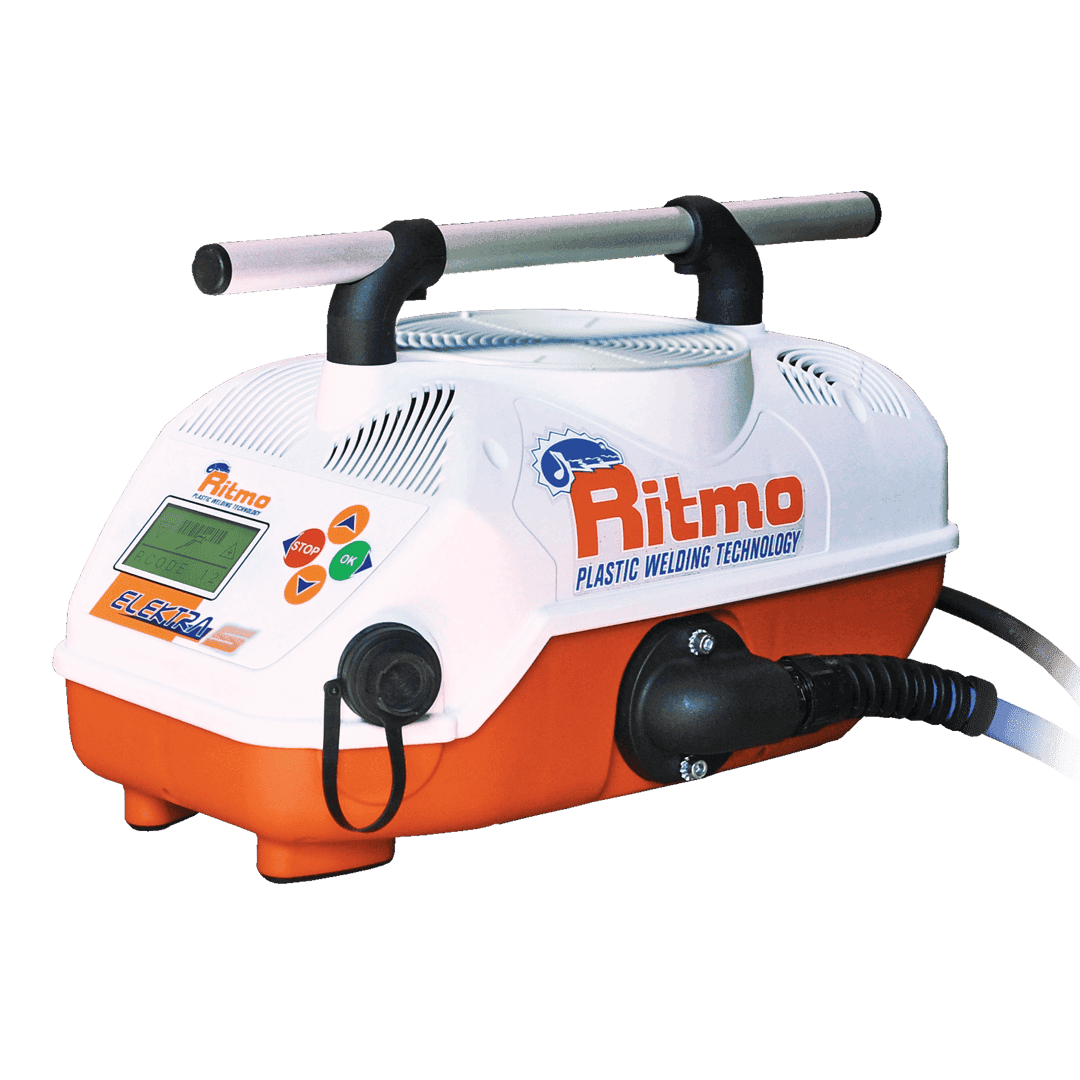
Ritmo Elektra S V1 Electrofusion Machine Ø 20-315 mm
Ritmo · Electrofusion Machines
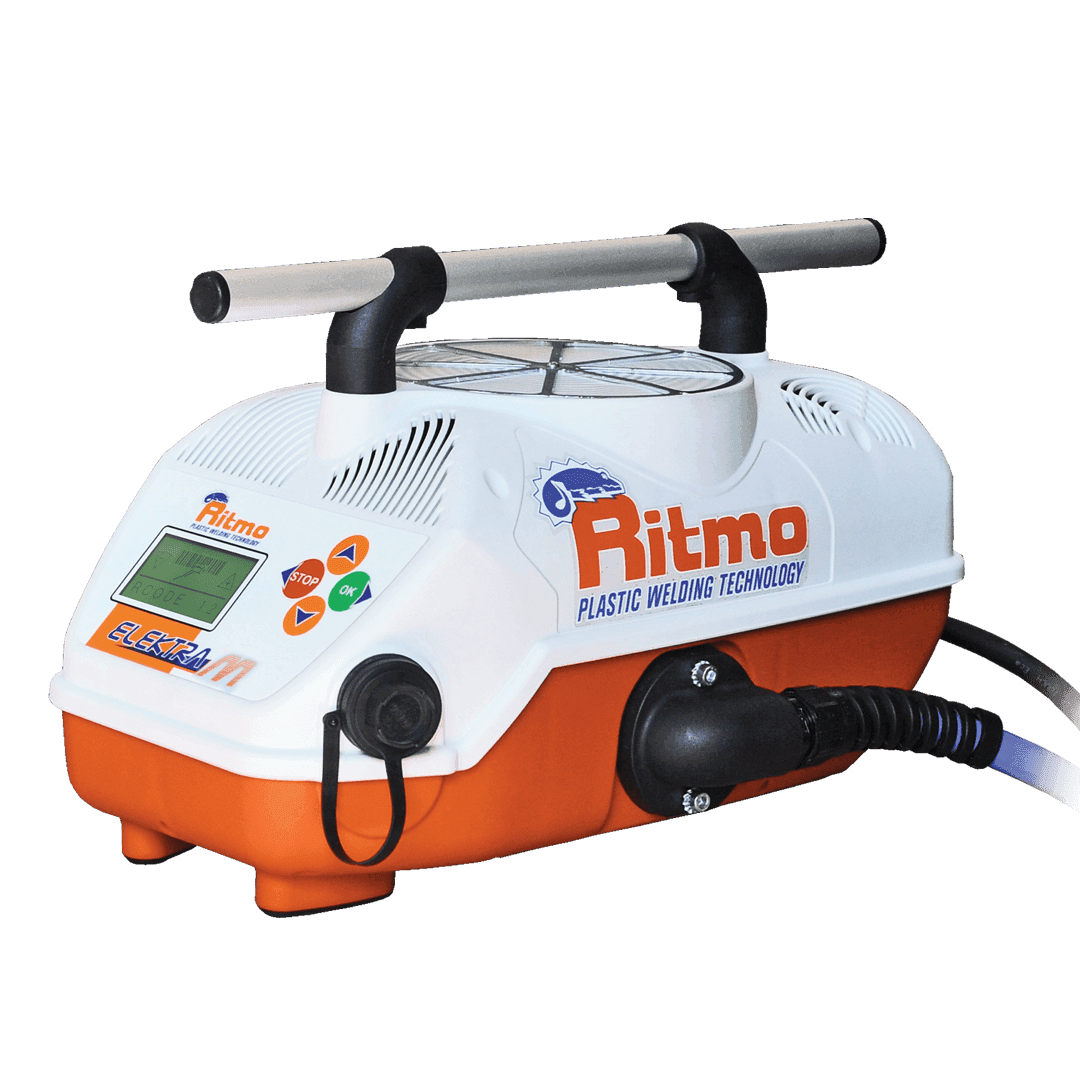
Ritmo Elektra M V1 Electrofusion Machine Ø 20-500 mm
Ritmo · Electrofusion Machines
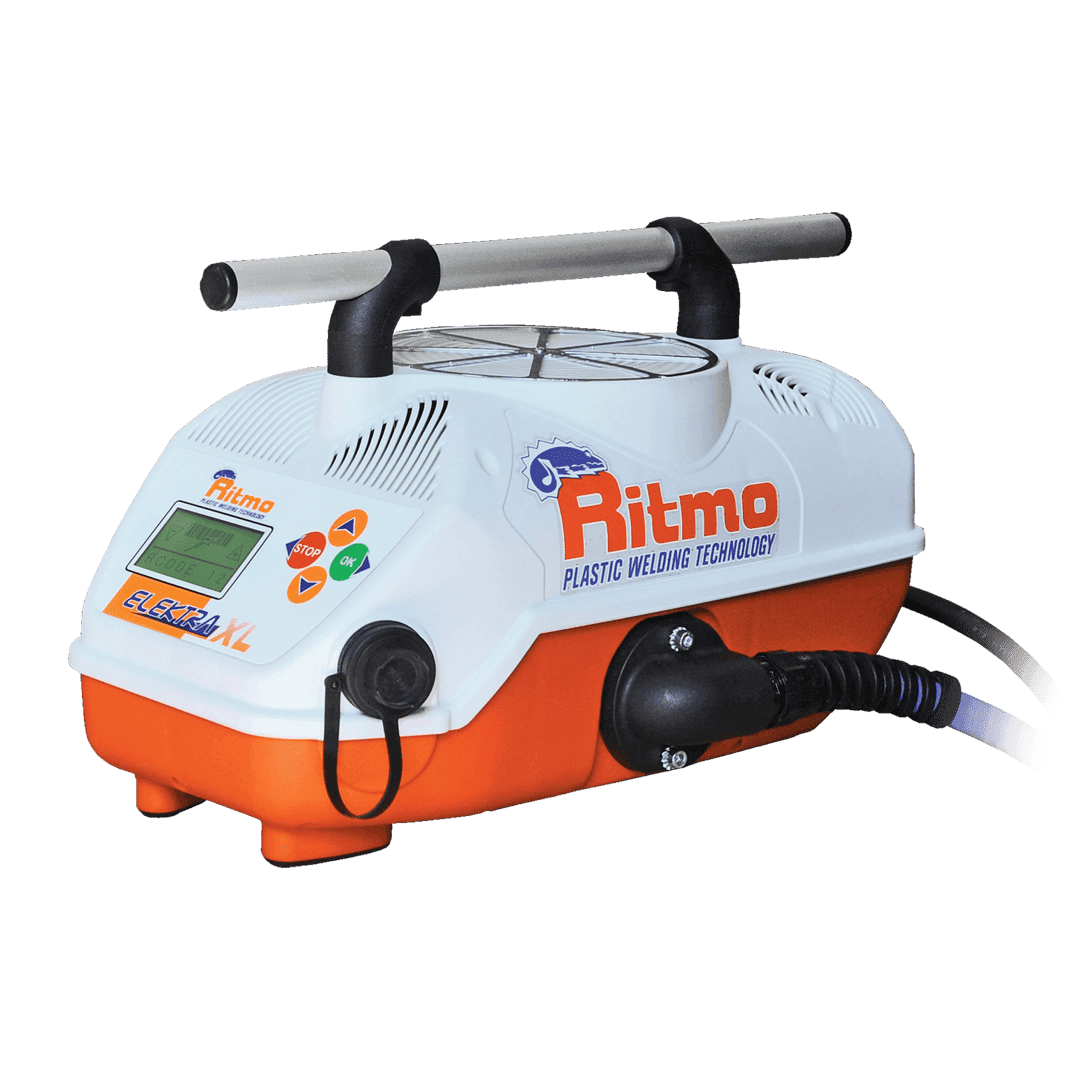
Ritmo Elektra XL V1 Electrofusion Machine Ø 20-1600 mm
Ritmo · Electrofusion Machines
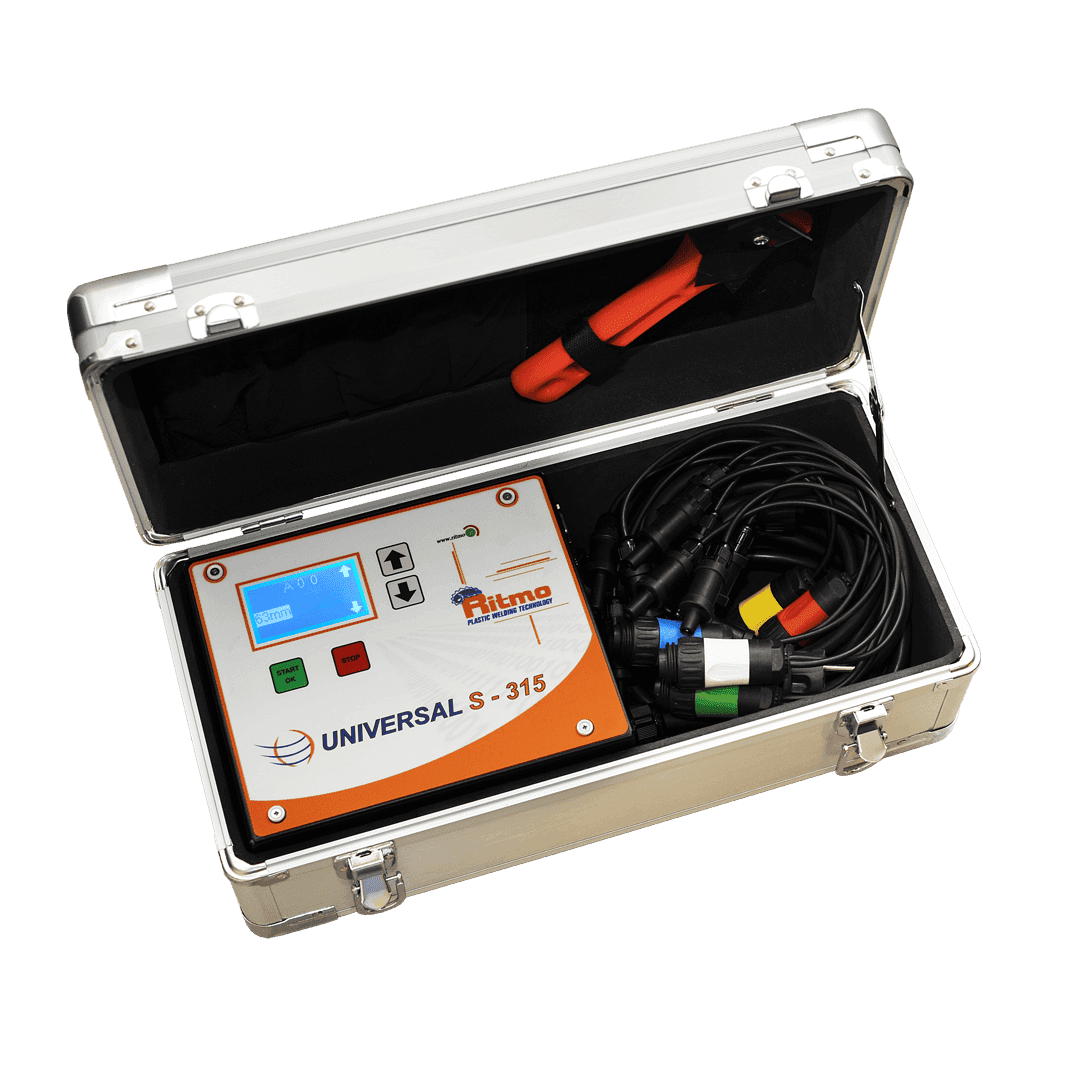
Ritmo Universal 315 V1 Electrofusion Machine Ø 20-315 mm
Ritmo · Electrofusion Machines
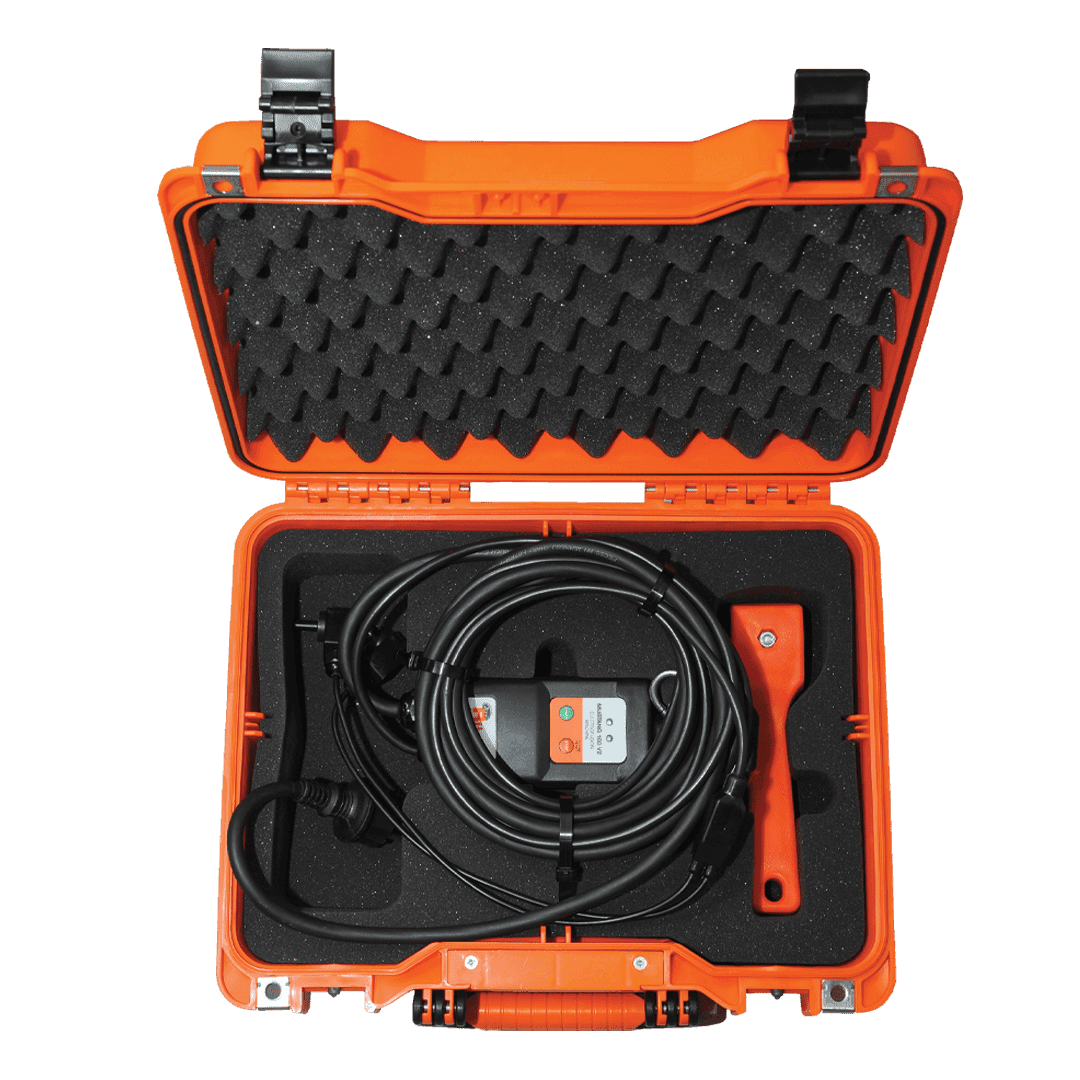
Ritmo Mustang 160 V2 Electrofusion Machine Ø 32-160 mm
Ritmo · Electrofusion Machines
Choosing a Control Unit
Diameter is the first criterion, but output is the real one: large couplers and saddles draw more current over a longer cycle. Elektra Light covers Ø 20-160 mm, Elektra 315 and Elektra S V1 cover Ø 20-315 mm, Elektra 500 and Elektra M V1 cover Ø 20-500 mm, and Elektra 1000 and Elektra XL V1 reach Ø 20-1600 mm.
The second criterion is recording and traceability. Every model reads the fitting barcode to ISO 13950 and sets parameters automatically; what differs is memory and report format. Elektra Light holds 325 cycles, Elektra 315 holds 500, Elektra 500 and 1000 hold 4,000 and the V1 units hold 8,000. ISO 12176-3 (operator) and ISO 12176-4 (pipe and fitting) traceability plus the GPS module decide the choice on projects that specify a welding record.
- Ø 20-160 mm: Elektra Light — plumbing and small-diameter networks
- Ø 20-315 mm: Elektra 315, Elektra S V1 — distribution mains
- Ø 20-500 mm: Elektra 500, Elektra M V1 — trunk mains
- Ø 20-1600 mm: Elektra 1000, Elektra XL V1 — large infrastructure
- Universal 315 V1 identifies fitting brands by cable; Mustang 160 V2 covers drainage
What Actually Decides the Joint: Preparation
The most common electrofusion failure has nothing to do with the control unit. The oxidised skin has to be scraped from the entire welding zone, the cut has to be square, the pipe has to hold its roundness, and it has to stay on axis with the fitting throughout the cycle.
That is why scrapers, aligners, re-rounders and bevelers are part of the same purchase as the unit. Scraping by hand with a blade is not repeatable — it always leaves untouched patches. The full range sits in the Pipe Preparation Tools category.
Frequently Asked Questions
When is electrofusion preferred over butt fusion?
Whenever the pipe cannot be moved along its axis: repairs in a trench, tie-ins to an existing main, confined space, joining different wall thicknesses, and taking saddle branches. Butt fusion is faster and cheaper on long straight runs, where there is no fitting to buy.
What does barcode reading do?
The barcode on the fitting carries the welding voltage and time that fitting needs (ISO 13950). The scanner reads it and sets the parameters, which removes the possibility of entering the wrong time or voltage. Parameters can still be entered by hand when needed.
Does ambient temperature affect the weld?
Yes — in cold weather the same energy produces less melt. The Elektra range compensates automatically using the data read from the fitting barcode, so the joint aims at the same quality in winter and summer.
How do I get the welding report?
The unit records every cycle and exports over USB as PDF, CSV or BIN. Memory runs from 325 to 8,000 cycles depending on model, and units supporting ISO 12176-3 and 12176-4 write operator and pipe identity into the report as well.
Can it run from a generator?
Yes, provided the generator suits the unit's absorbed power and inrush current — on large fittings absorbed power reaches 3.5 kW. Stability under load matters: an unstable supply can cut the welding cycle short.