Categories
Welding Machines
Welding machines are listed in the Seza Global catalogue for wholesale supply. The core of the range is MMA (stick) inverter welding machines running off a single-phase 230 V supply: portable models in the 140 amp class, and machines in the 200 amp class that will run a 4.00 mm electrode.
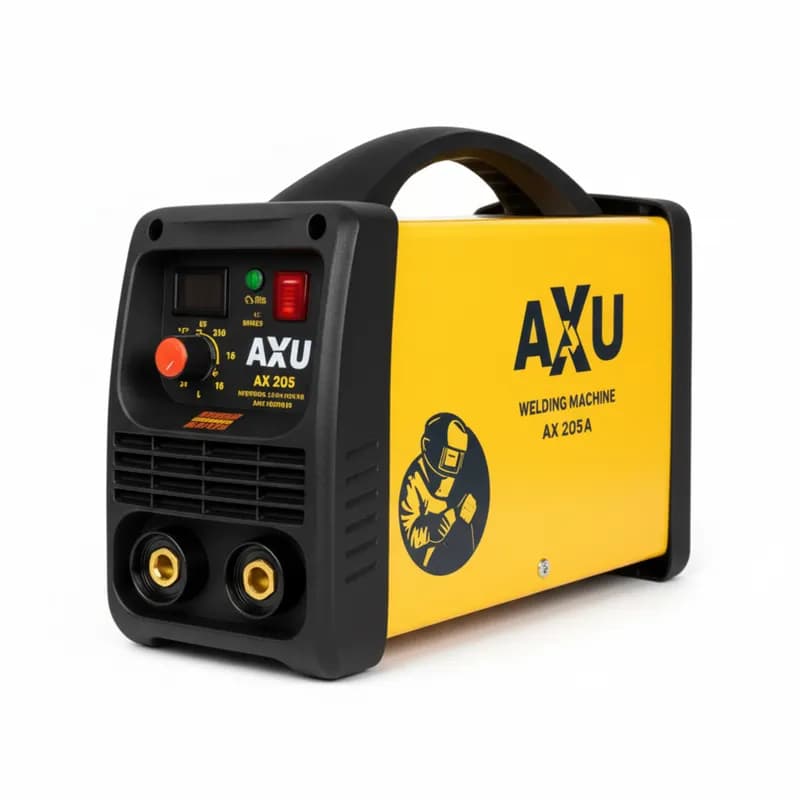
AXU İnverter Kaynak Makinesi 205 Amp. (AX205)
AXU · Welding Machines
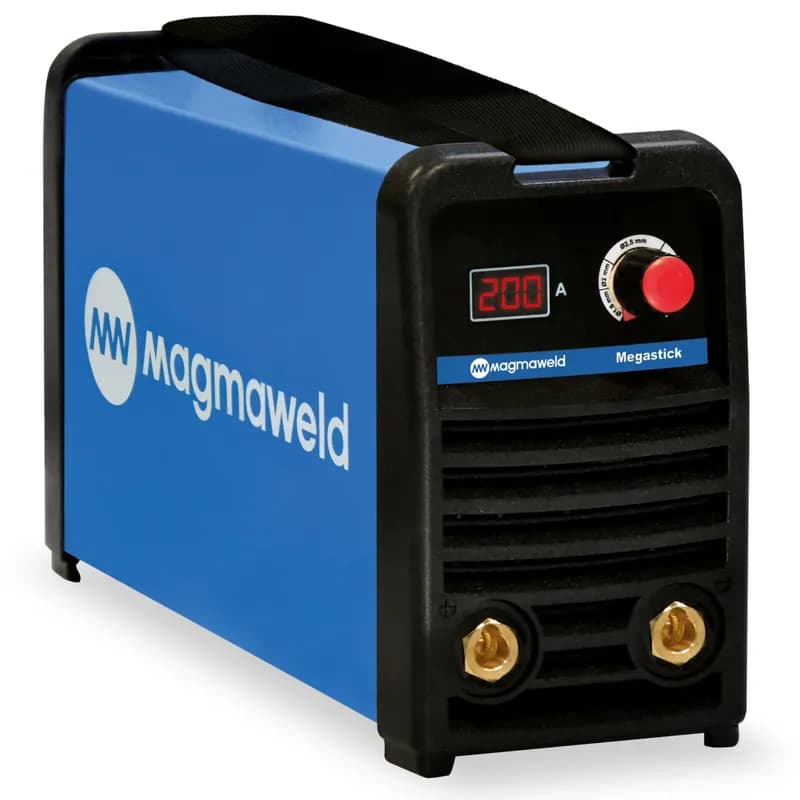
Magmaweld MegaSTICK 200 Inverter Welding Machine (200 A)
Magmaweld · Welding Machines
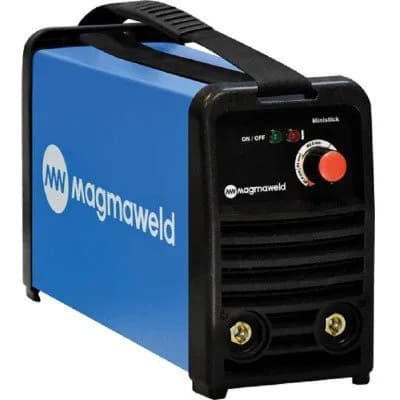
Magmaweld MiniSTICK 140 Inverter Welding Machine (140 A)
Magmaweld · Welding Machines
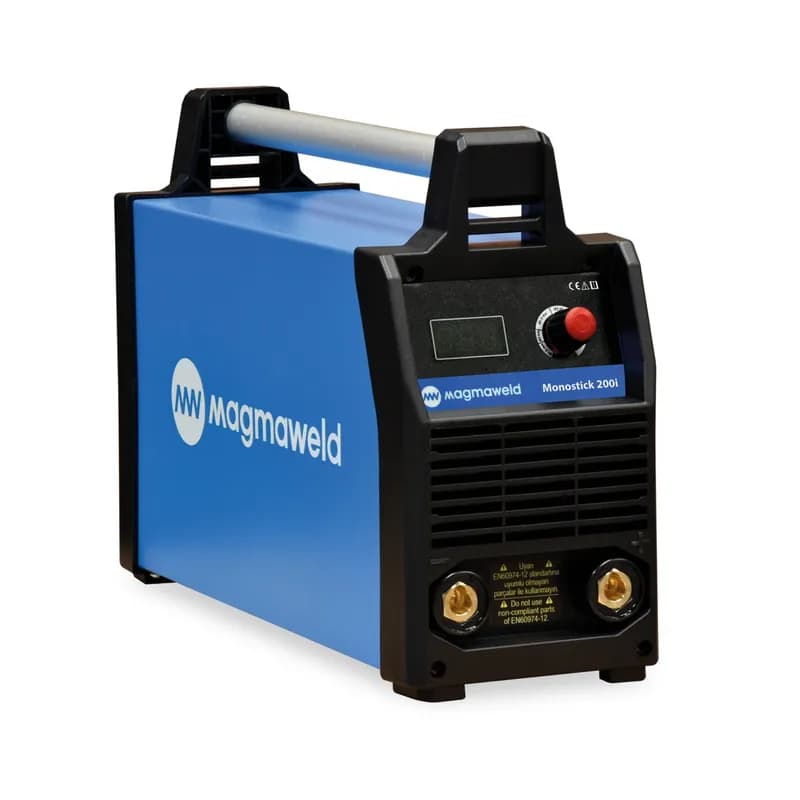
Magmaweld MonoSTICK 200i Inverter Welding Machine (200 A)
Magmaweld · Welding Machines
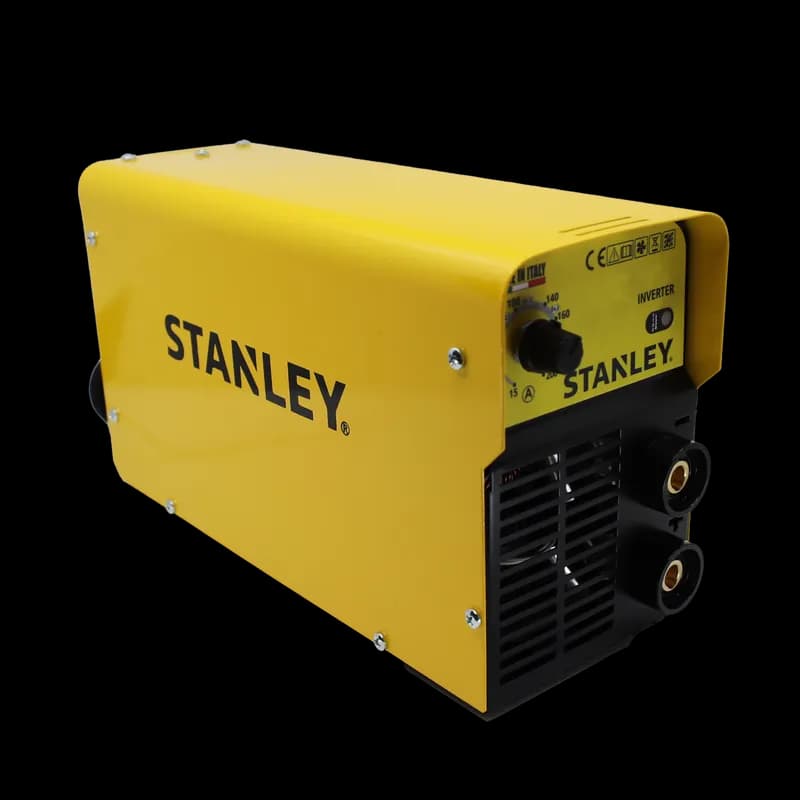
STANLEY İnverter Kaynak Makinesi (160AMP) STAR4000
STANLEY · Welding Machines
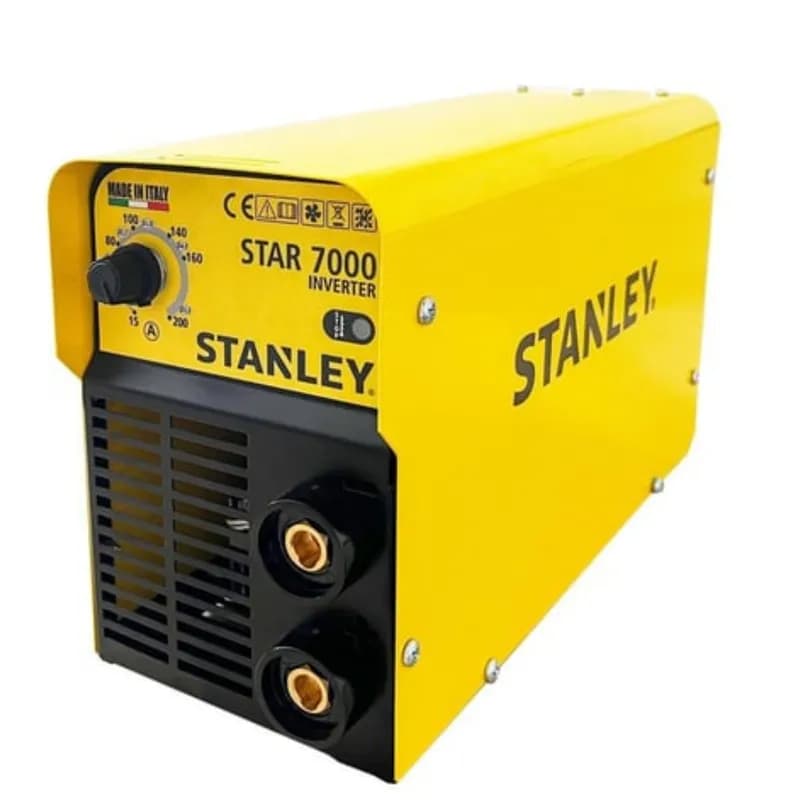
STANLEY İnverter Kaynak Makinesi (200AMP) STAR7000
STANLEY · Welding Machines
What an Inverter Machine Gives You
An inverter welding machine converts the mains supply by switching it at high frequency. The practical result is weight and energy: the same welding current as a conventional transformer set, from a far smaller and lighter body, at lower consumption. A 200 amp inverter today can come in at 5 kg, where transformer machines of the same current weigh tens of kilos.
MMA (stick) machines need no gas cylinder and no wire feeder; you work straight off the machine, the electrode holder and the earth clamp. On site, in maintenance work and in steel fabrication, that takes setup time down to almost nothing.
Choosing a Machine: Amperage and Electrode Diameter
Two numbers decide the machine: the welding current range and the largest electrode diameter it will run. Read them together, because the largest diameter the machine will feed is the real limit of the work it can take on. A 140 amp class machine covers sheet metal, ironwork, wrought iron and maintenance work with electrodes up to 3.25 mm. A 200 amp class machine will run a 4.00 mm electrode, which brings steel fabrication and thick-section welding into range.
The third criterion is power. What the machine draws from the mains sets both the fuse and whether it can run on a generator: figures run around 6.83 kVA in the 140 amp class and 9.7 kVA in the 200 amp class, with a 32 A delayed fuse recommended for a 200 amp machine. On a site with no mains, choose a model the manufacturer states as suitable for generator operation.
- Welding current range: must cover both the thinnest and the thickest section of the work
- Electrode capacity: 3.25 mm (140 A class) or 4.00 mm (200 A class)
- Weight: on ladders, scaffolding and site work, the gap between 5 kg and 10.5 kg is a working day
- Protection class: IP23 / IP 23S, for use outside a closed workshop
- Mains power draw and generator compatibility
Frequently Asked Questions
What is the difference between an MMA machine and a MIG/MAG machine?
An MMA machine works straight off a covered electrode; no gas cylinder, gas hose or wire feeder is needed, which makes it the fastest process to set up on site and in maintenance work. A MIG/MAG machine feeds wire continuously under a shielding gas; because it never stops for an electrode change it deposits far faster and leaves little slag, but it needs a gas cylinder and an environment sheltered from wind.
How many amps do I need?
Work back from the largest electrode you will run. If you will not go above 3.25 mm, the 140 amp class is enough; if you will use 4.00 mm electrodes, you need the 200 amp class. Both diameter and current rise with section thickness, so for heavy fabrication 200 amps is the floor.
Will a welding machine run on a generator?
Models the manufacturer states as suitable for generator operation will — in this catalogue, the Magmaweld MonoSTICK 200i is stated that way. Size the generator from the machine's mains power draw: roughly 9.7 kVA for a 200 amp class machine, 6.83 kVA for a 140 amp class one.
What does the IP23 protection class mean?
IP23 means the machine is protected against solid objects larger than 12.5 mm and against water falling at up to 60° from vertical; in practice, it says the machine can be used outside a closed workshop. It does not mean you can weld in the rain — the machine should be covered when not in use and kept dry.