Categories
Abrasive Rolls
An abrasive roll is continuous stock cut to whatever length the job needs, instead of working to the fixed size of a sheet. Two different products sit on this page: cloth backed rolls that remove material, and foam backed rolls that finish the surface.
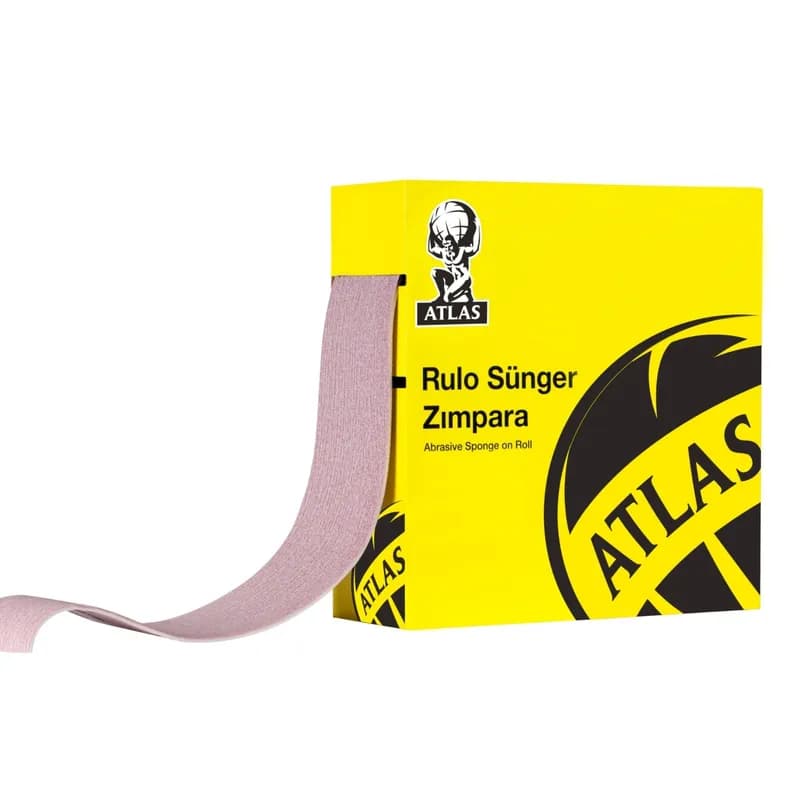
Atlas Foam Backed Sanding Roll Gold 115 mm x 25 m 100 Grit
Atlas · Abrasive Rolls
Atlas Foam Backed Sanding Roll Gold 115 mm x 25 m 120 Grit
Atlas · Abrasive Rolls
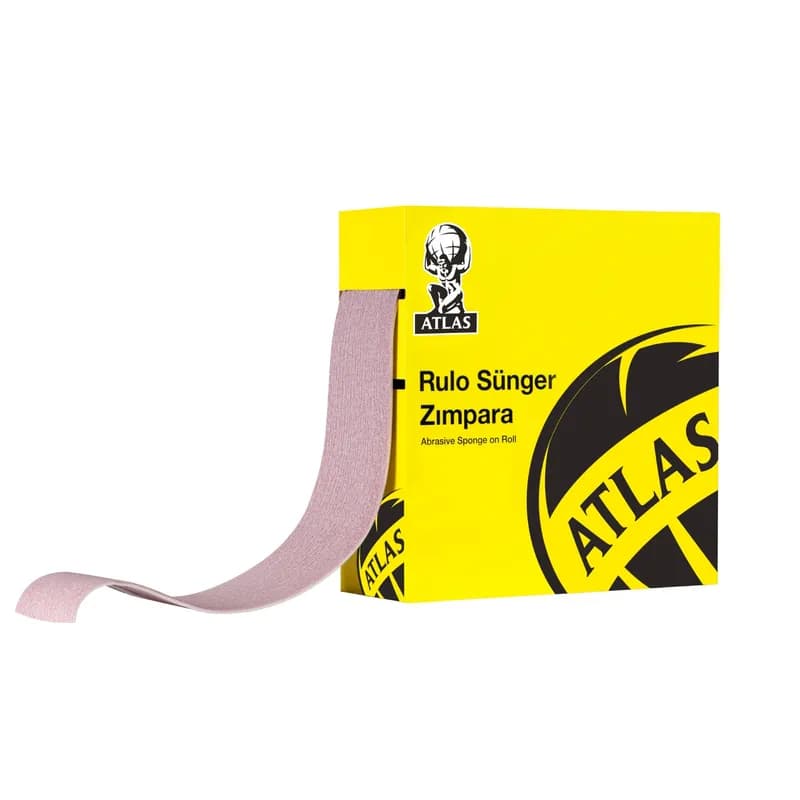
Atlas Foam Backed Sanding Roll Gold 115 mm x 25 m 150 Grit
Atlas · Abrasive Rolls
Atlas Foam Backed Sanding Roll Gold 115 mm x 25 m 180 Grit
Atlas · Abrasive Rolls
Atlas Foam Backed Sanding Roll Gold 115 mm x 25 m 220 Grit
Atlas · Abrasive Rolls
Atlas Foam Backed Sanding Roll Gold 115 mm x 25 m 240 Grit
Atlas · Abrasive Rolls
Atlas Foam Backed Sanding Roll Gold 115 mm x 25 m 280 Grit
Atlas · Abrasive Rolls
Atlas Foam Backed Sanding Roll Gold 115 mm x 25 m 320 Grit
Atlas · Abrasive Rolls
Atlas Foam Backed Sanding Roll Gold 115 mm x 25 m 400 Grit
Atlas · Abrasive Rolls
Atlas Foam Backed Sanding Roll Gold 115 mm x 25 m 80 Grit
Atlas · Abrasive Rolls
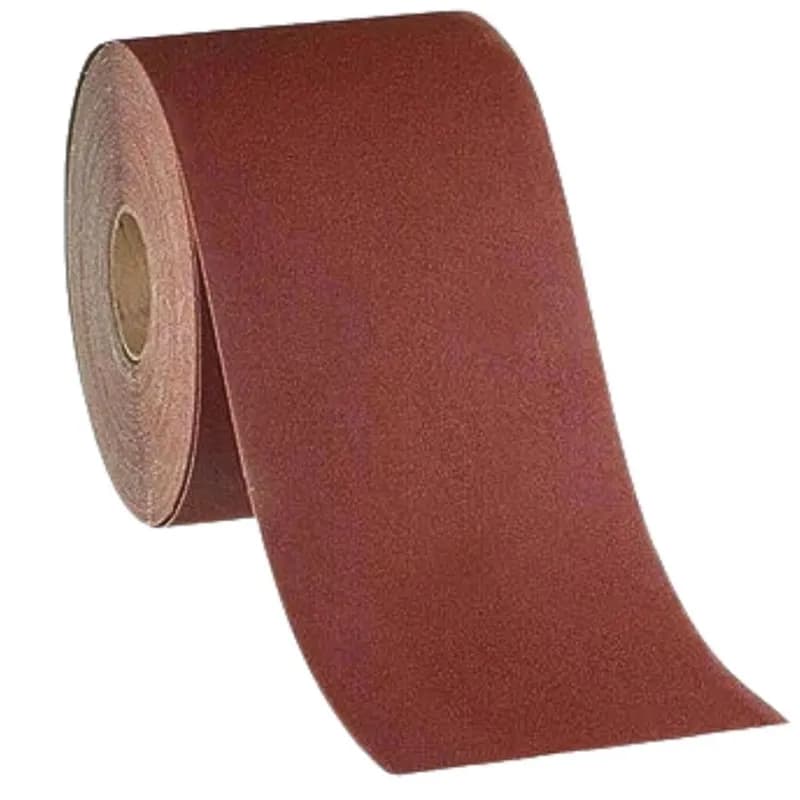
Atlas Cloth Sanding Roll 147 Grade 200 mm x 50 m 100 Grit
Atlas · Abrasive Rolls
Atlas Cloth Sanding Roll 147 Grade 200 mm x 50 m 120 Grit
Atlas · Abrasive Rolls
Atlas Cloth Sanding Roll 147 Grade 200 mm x 50 m 150 Grit
Atlas · Abrasive Rolls
Atlas Cloth Sanding Roll 147 Grade 200 mm x 50 m 180 Grit
Atlas · Abrasive Rolls
Atlas Cloth Sanding Roll 147 Grade 200 mm x 50 m 220 Grit
Atlas · Abrasive Rolls
Atlas Cloth Sanding Roll 147 Grade 200 mm x 50 m 240 Grit
Atlas · Abrasive Rolls
Atlas Cloth Sanding Roll 147 Grade 200 mm x 50 m 280 Grit
Atlas · Abrasive Rolls
Atlas Cloth Sanding Roll 147 Grade 200 mm x 50 m 320 Grit
Atlas · Abrasive Rolls
Atlas Cloth Sanding Roll 147 Grade 200 mm x 50 m 36 Grit
Atlas · Abrasive Rolls
Atlas Cloth Sanding Roll 147 Grade 200 mm x 50 m 40 Grit
Atlas · Abrasive Rolls
Atlas Cloth Sanding Roll 147 Grade 200 mm x 50 m 400 Grit
Atlas · Abrasive Rolls
Atlas Cloth Sanding Roll 147 Grade 200 mm x 50 m 50 Grit
Atlas · Abrasive Rolls
Atlas Cloth Sanding Roll 147 Grade 200 mm x 50 m 60 Grit
Atlas · Abrasive Rolls
Atlas Cloth Sanding Roll 147 Grade 200 mm x 50 m 80 Grit
Atlas · Abrasive Rolls
1–24 of 59 · page 1 / 3
Cloth rolls and foam rolls
The cloth roll (147 grade, 200 mm x 50 m) is aluminium oxide on cotton-polyester cloth. Cloth resists tearing and folding in a way paper does not: a strip cut from the roll is wrapped round pipe, shafting or a profile and pulled from both ends. This is stock removal, deburring and surface cleaning.
The foam roll (Gold series, 115 mm x 25 m) carries the abrasive on flexible foam. The foam sits the abrasive down onto the shape of the surface; pressure stays even over mouldings, chamfers and edges, and there is no line where a flat block would have borne. This is flatting primer and cutting back between coats.
The rule is simple: cloth to remove material, foam to finish it.
Grit sequence: why a grit is not skipped
Sanding is not removal so much as scratch replacement. Each grit replaces the scratch the last one left with its own finer scratch, and what remains at the end is the scratch of the last grit used.
That is why skipping a grit spoils the result. Going from 80 straight to 400, the fine grain cannot reach the bottom of the deeper scratch and only polishes its edges — the surface feels smooth to the hand but the scratch reappears under paint or polish. The practical sequence runs 60-80-120-180-240-320-400, each grit worked until the previous one's scratch is no longer visible.
| Grit range | Class | Where it is used |
|---|---|---|
| 36-60 | Coarse | Stripping old paint and rust, dressing welds, stock removal |
| 80-120 | Medium | Levelling filler, removing the coarse grit scratch |
| 150-240 | Fine | Last pass before primer, closing cut on timber |
| 280-600 | Very fine | Flatting primer, levelling before paint |
| 800-2500 | Extra fine | Wet sanding, paint defect correction, before polish |
Grit bands and what each is typically used for.
Why a roll rather than sheets
A sheet is a fixed size and every piece cut from one leaves an offcut. A roll gives exactly what is needed: a 10 cm strip and a one metre length come off the same roll. Consumption falls to what the job uses.
On continuous work the second advantage is stock: one roll per grit, rather than sheets held in several sizes. Rolls are sold by the metre and what is left is visible at a glance.
Frequently Asked Questions
What size is the cloth roll?
The 147 grade cloth roll is 200 mm wide and 50 metres long, cut to length as needed.
Can a foam roll be used on a machine?
Yes, on a suitable pad — but its real use is folded into the hand for profiles, edges and mouldings, which is where the foam backing earns its place.
Can abrasive rolls be used wet?
Cloth rolls are worked dry as a rule. For wet sanding, use wet and dry sheets, which are coated on a waterproof backing.
Which grits are available?
Cloth rolls are listed from 36 to 400 grit and foam rolls from 80 to 400 grit. The table above gives the band for each job.