Categories
Welding Electrodes
Covered welding electrodes are listed in the Seza Global catalogue for wholesale supply: rutile electrodes for general fabrication, basic low-hydrogen electrodes for structures under dynamic loading, stainless steel electrodes and cast iron welding electrodes. The stock is led by the Magmaweld range — ESR 13, ESB 48, EI 308L and ENi 404 — in a choice of diameters and box quantities.
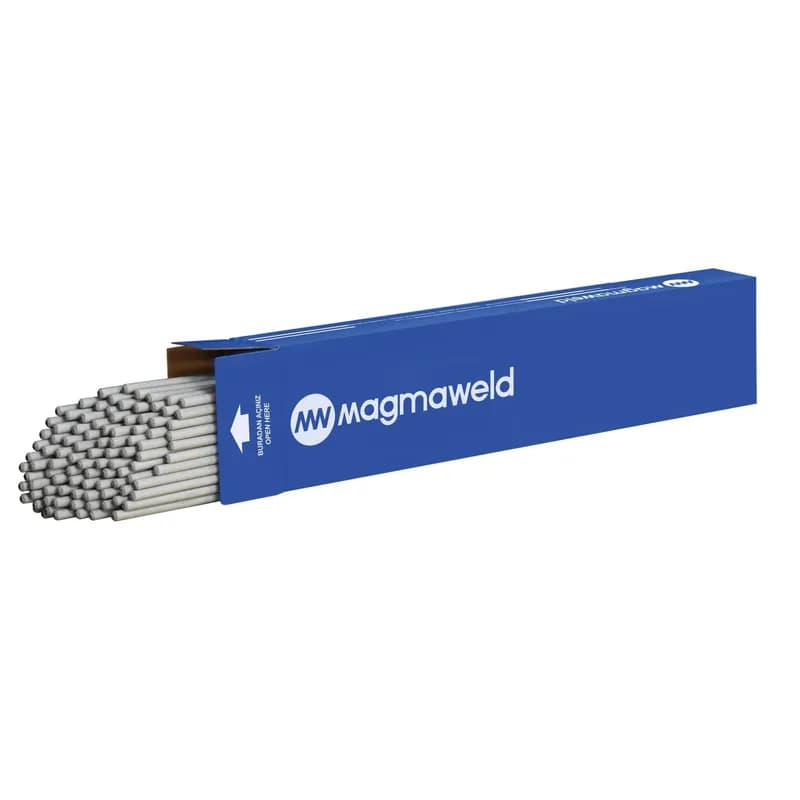
Magmaweld ESB 48 Basic Electrode 2.50 x 350 mm (90 pcs)
Magmaweld · Welding Electrodes
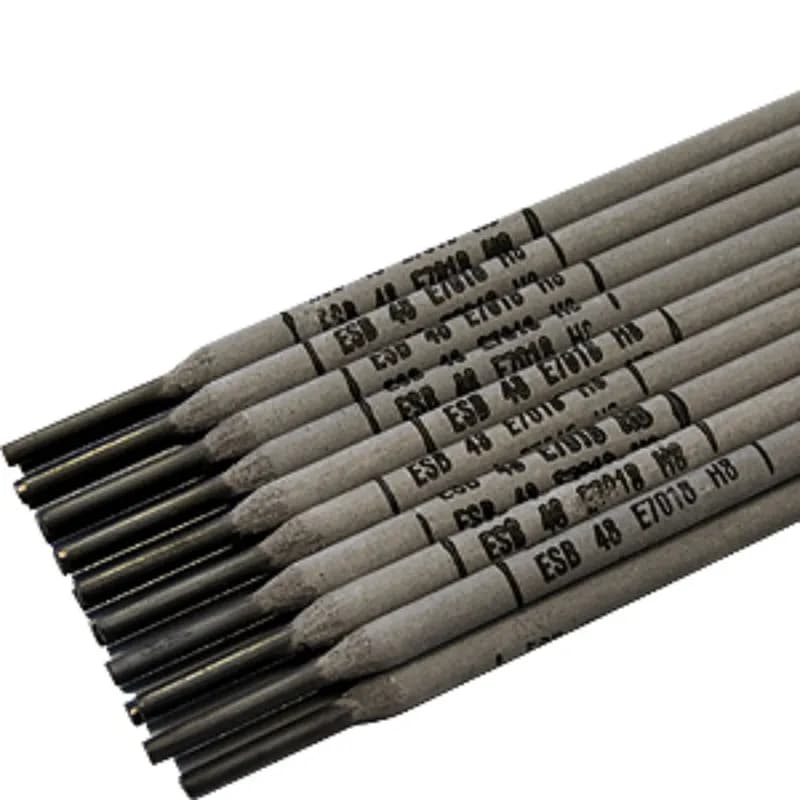
Magmaweld ESB 48 Basic Electrode 3.25 mm (90 pcs)
Magmaweld · Welding Electrodes
Magmaweld ESB 48 Basic Electrode 4.00 x 450 mm (90 pcs)
Magmaweld · Welding Electrodes
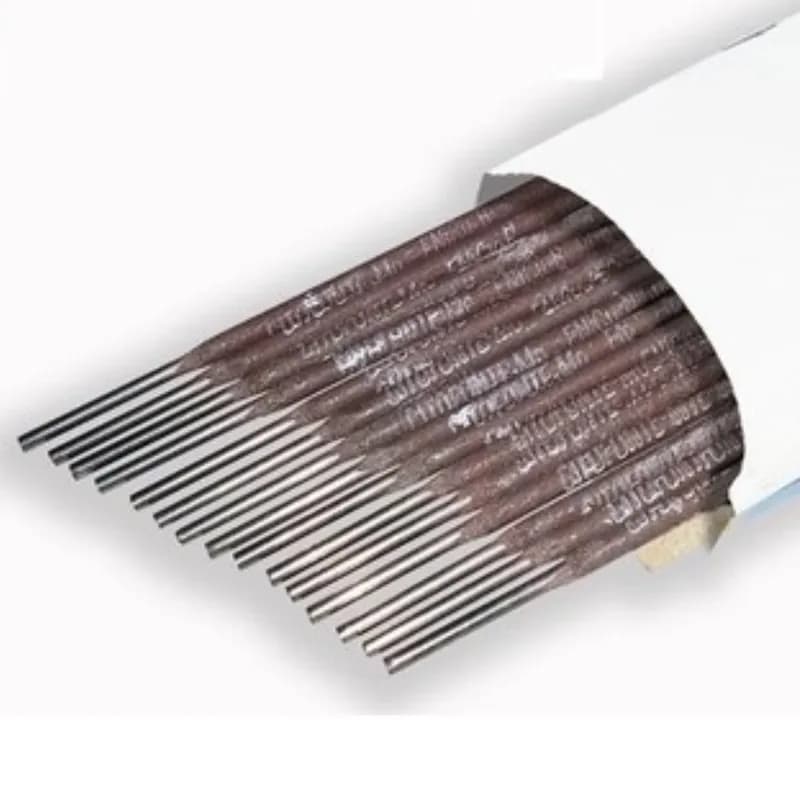
Magmaweld ENi 404 Cast Iron Electrode 2.50 x 300 mm (50 pcs)
Magmaweld · Welding Electrodes
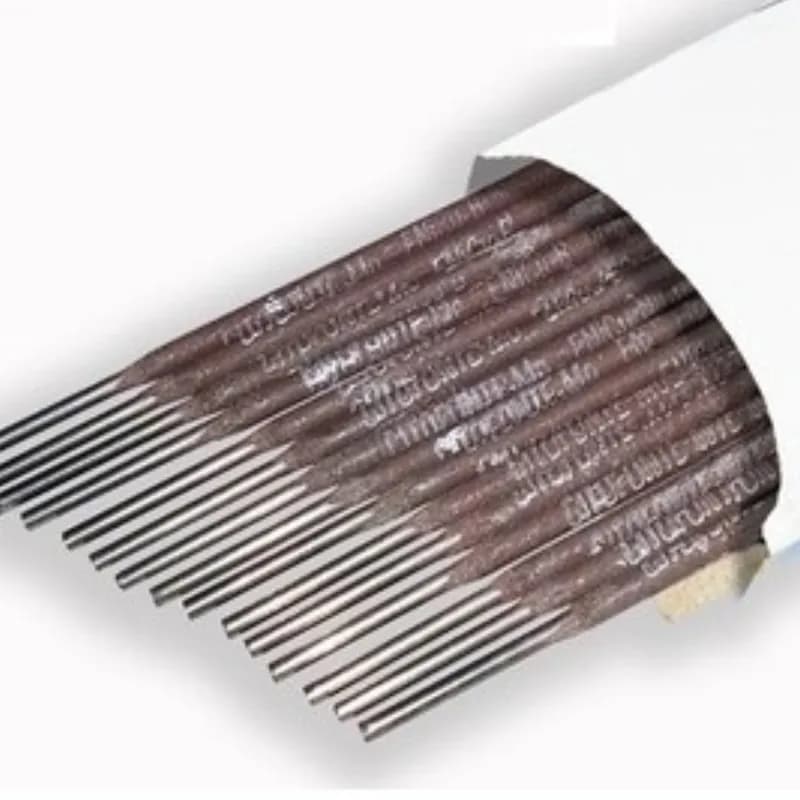
Magmaweld ENi 404 Cast Iron Electrode 3.25 x 300 mm (25 pcs)
Magmaweld · Welding Electrodes
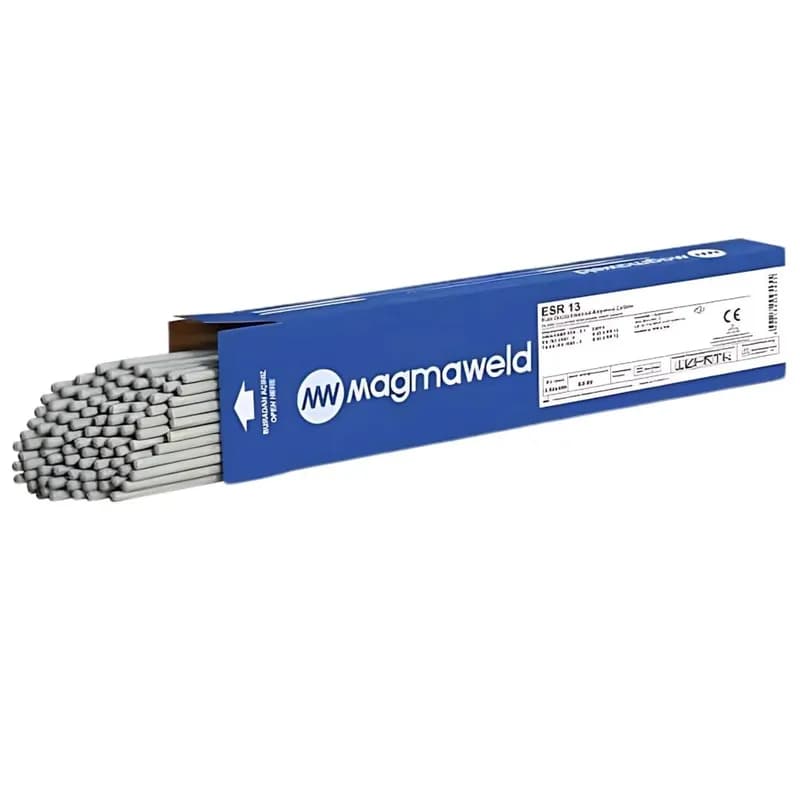
Magmaweld ESR 13 Rutile Electrode 2.50 x 350 mm (100 pcs)
Magmaweld · Welding Electrodes
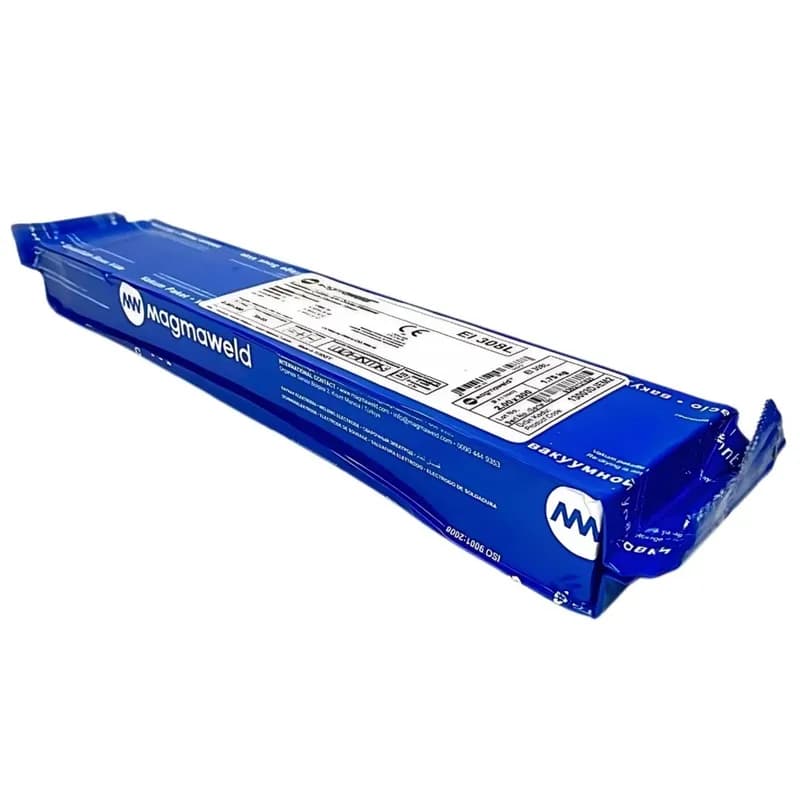
Magmaweld EI 308L Stainless Steel Electrode 2.50 mm (80 pcs)
Magmaweld · Welding Electrodes
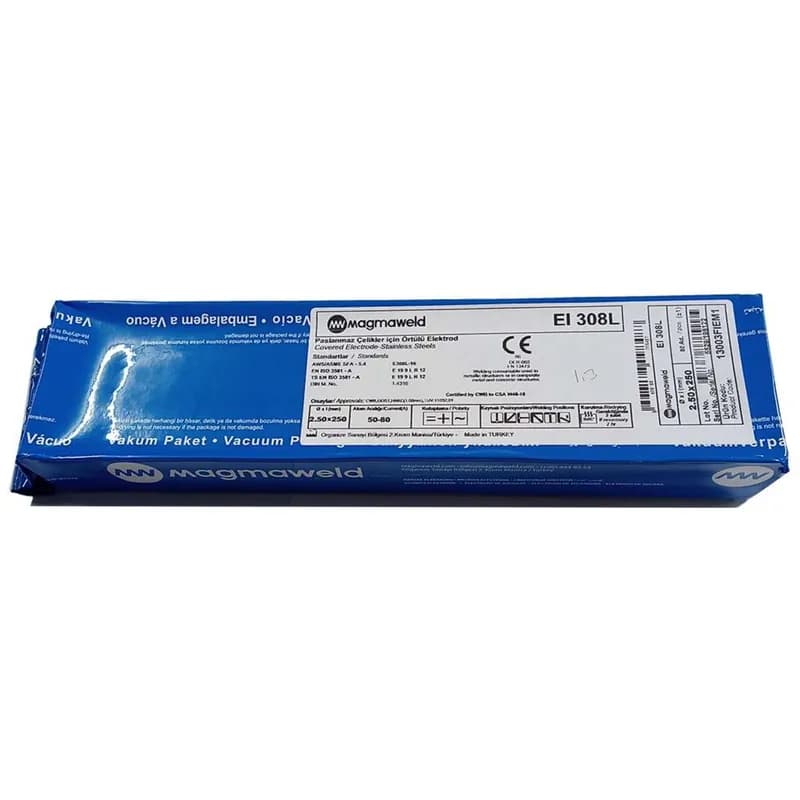
Magmaweld EI 308L Stainless Steel Electrode 3.25 mm (60 pcs)
Magmaweld · Welding Electrodes
Magmaweld ESR 13 Rutile Electrode 3.25 x 350 mm (100 pcs)
Magmaweld · Welding Electrodes
Covering Type: Rutile or Basic?
With a covered electrode the first decision is the covering, and it has less to do with the material than with how the work will be loaded. A rutile covering gives easy arc striking, fine droplet transfer, a smooth bead and self-lifting slag, and runs as happily on AC as on DC. A basic covering is low-hydrogen: it produces deposits that resist dynamic loading and cracking and pass radiographic inspection, but it asks for closer arc control and a dry electrode.
The working rule: if the weld will be checked by radiography or non-destructive testing, if the structure carries fatigue loading, or if it will hold pressure, choose a basic electrode. On ironwork, wrought iron, agricultural machinery, vehicle bodies and repair work, a rutile electrode is both sufficient and easier to run.
- Rutile (AWS E6013): general fabrication, thin sheet, galvanised and lightly rusted surfaces, AC and DC
- Basic (AWS E7018): bridges, steel structures, shipbuilding, pipelines, pressure vessels and boilers
- Stainless (AWS E308L-16): Cr-Ni austenitic stainless steels, heat-resisting steels, cast steels
- Cast iron (AWS ENiCu-B): welding grey, malleable and nodular cast iron, and joining castings to steel
Choosing a Diameter, and Box Quantities
Electrode diameter sets both the section you can weld and the current you will need. 2.50 mm is for thin sections and root runs, 3.25 mm covers most day-to-day work, and 4.00 mm gives the deposition rate that thick sections and fill passes require. As diameter grows, so does the current — which means the largest diameter your machine will feed is the real limit of the work it can take on.
Boxes are listed by piece count — 100 for ESR 13, 90 for ESB 48, 80 and 60 for EI 308L, 50 and 25 for ENi 404 — so consumable planning runs on a countable unit rather than an estimate in kilos.
Storage and Re-drying
Electrode coverings draw moisture, and the moisture they draw comes back as porosity and cracking in the bead. This matters most with basic electrodes: an ESB 48 box that has been opened, or has sat in a damp store, should be re-dried for 2 hours at 350 °C when required. For rutile ESR 13 it is 1 hour at 110 °C, for stainless EI 308L 2 hours at 350 °C, and for the ENi 404 cast iron electrode 1 hour at 150 °C.
In the store, electrodes belong in a dry, heated area off the floor, with opened boxes resealed or kept in a drying cabinet. That habit alone removes a large share of weld defects at the first pass.
Frequently Asked Questions
What is the difference between E6013 and E7018?
E6013 is a rutile covered electrode: easy arc striking, a smooth bead and self-lifting slag, running on AC and DC, for general fabrication and repair work. E7018 is basic covered and low-hydrogen: higher strength, better low-temperature impact values and high radiographic quality, for structures under dynamic loading. In this catalogue the two classes are listed as Magmaweld ESR 13 and ESB 48.
Which electrode diameter should I choose?
It follows section thickness and your machine's current: 2.50 mm for thin sections and root runs, 3.25 mm for most day-to-day work, 4.00 mm for thick sections and fill passes. Check the largest diameter your machine will feed — a 140 amp class machine runs electrodes to 3.25 mm, a 200 amp class machine to 4.00 mm.
What electrode does stainless steel need?
An AWS E308L-16 stainless electrode; in this catalogue it is Magmaweld EI 308L, listed in 2.50 and 3.25 mm. It suits low-carbon Cr-Ni austenitic stainless steels, chromium-bearing heat-resisting steels and cast steels, and is the standard choice for tanks, equipment and piping in the chemical, food, beverage and pharmaceutical industries.
Can cast iron be welded?
Yes, with the right electrode and the right technique. Grey, malleable and nodular cast iron are welded with the monel-cored ENi 404 (Mo); the weld metal matches the parent metal in colour and can be filed or machined. In cast iron the cause of cracking is welding stress, so run short beads of 30-50 mm and peen each one before it cools.