Categories
Butt Fusion Machines
Butt fusion melts two pipe ends against a heating plate and joins them under pressure — the standard method for PE and PP pressure mains. The catalog covers Ritmo machines from Ø 32 to 1600 mm in manual hydraulic, mechanical drive, Easy Life automated, CNC, trailer and tracked versions, together with rollers, re-rounding clamps, internal debeaders and data logging.
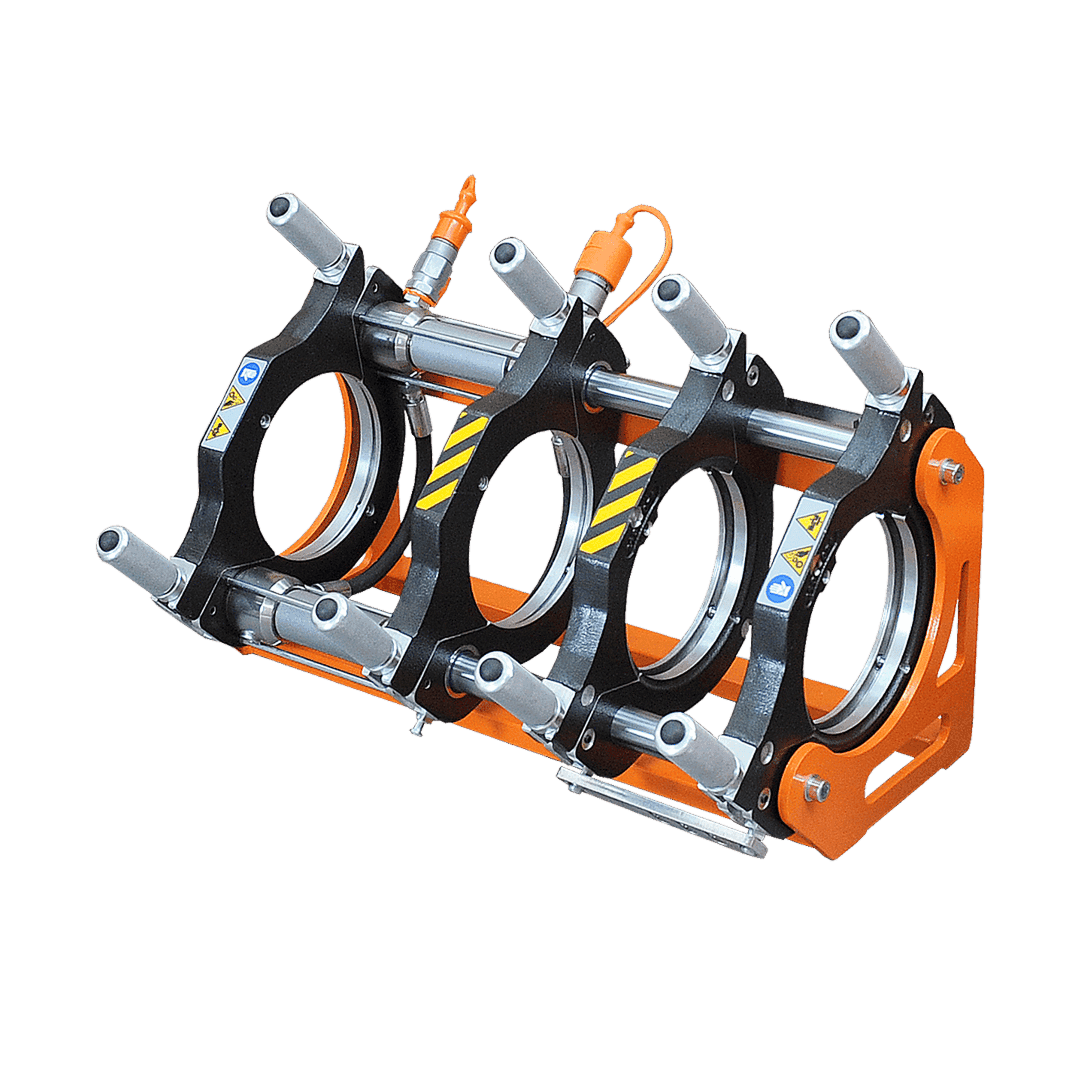
Ritmo Basic 160 Butt Fusion Machine Ø 40-160 mm
Ritmo · Butt Fusion Machines
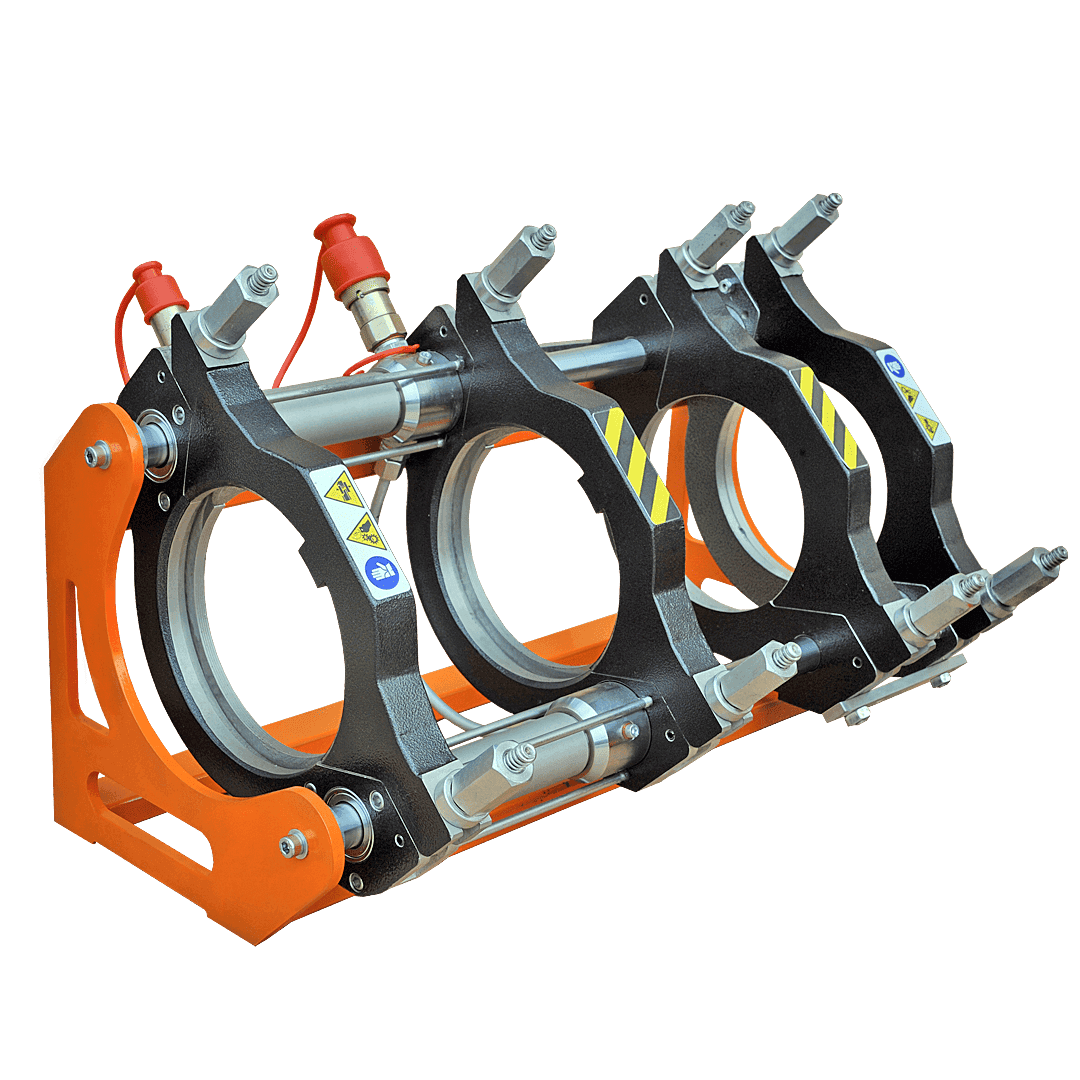
Ritmo Basic 200 Butt Fusion Machine Ø 63-200 mm
Ritmo · Butt Fusion Machines
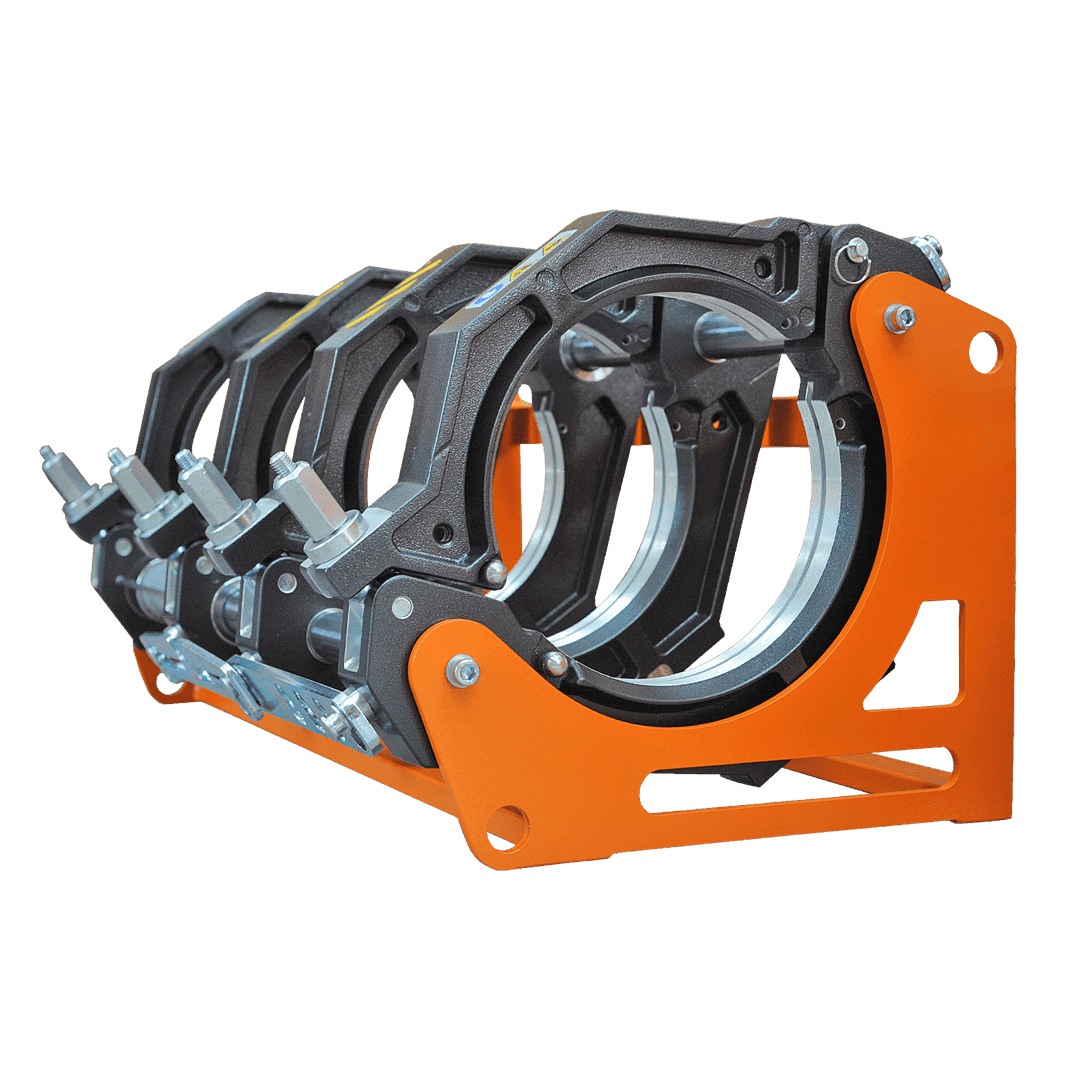
Ritmo Basic 250 Butt Fusion Machine Ø 75-250 mm
Ritmo · Butt Fusion Machines
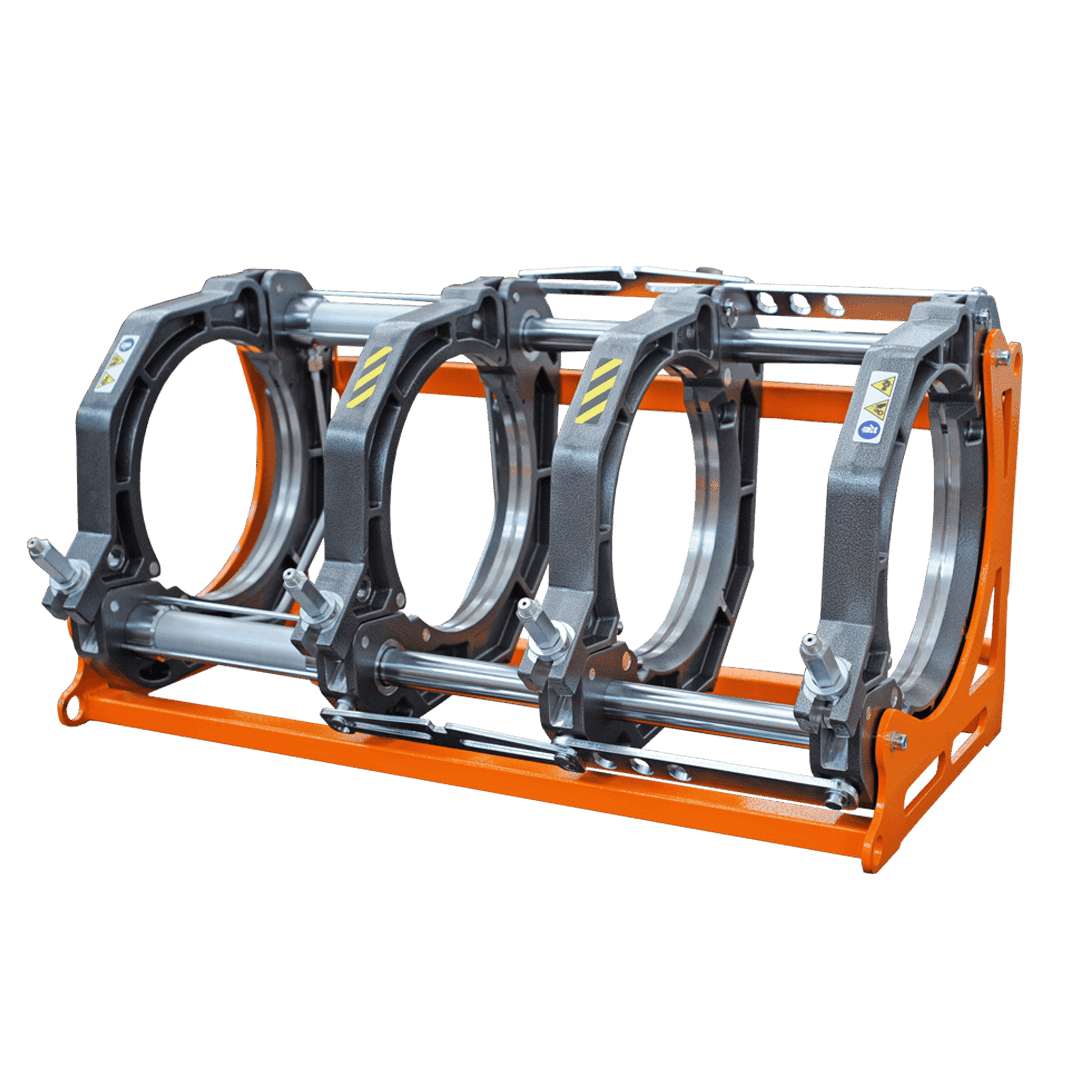
Ritmo Basic 315 Butt Fusion Machine Ø 90-315 mm
Ritmo · Butt Fusion Machines
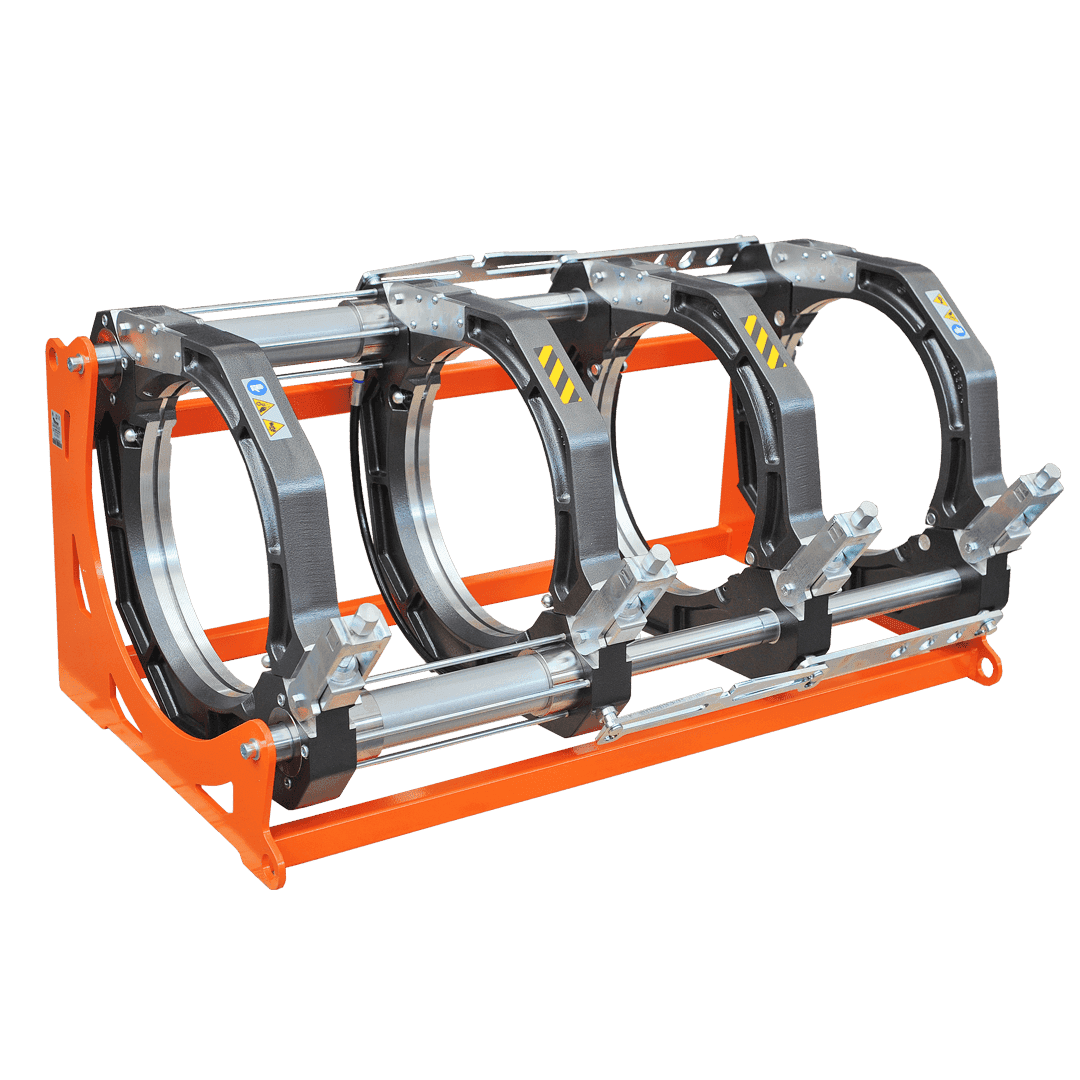
Ritmo Basic 355 Butt Fusion Machine Ø 125-355 mm
Ritmo · Butt Fusion Machines
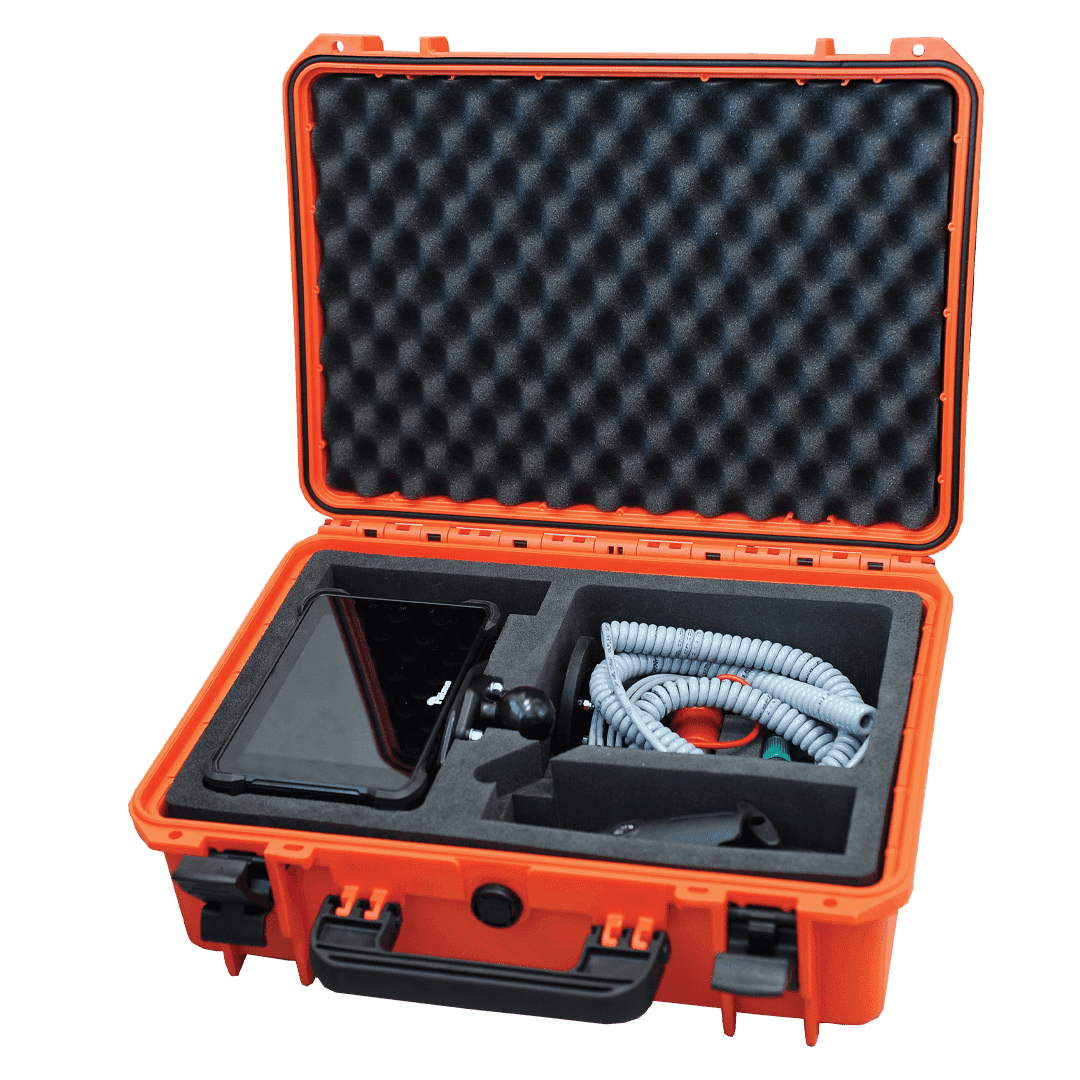
Ritmo Inspector 2.0 Welding Data Logger
Ritmo · Butt Fusion Machines
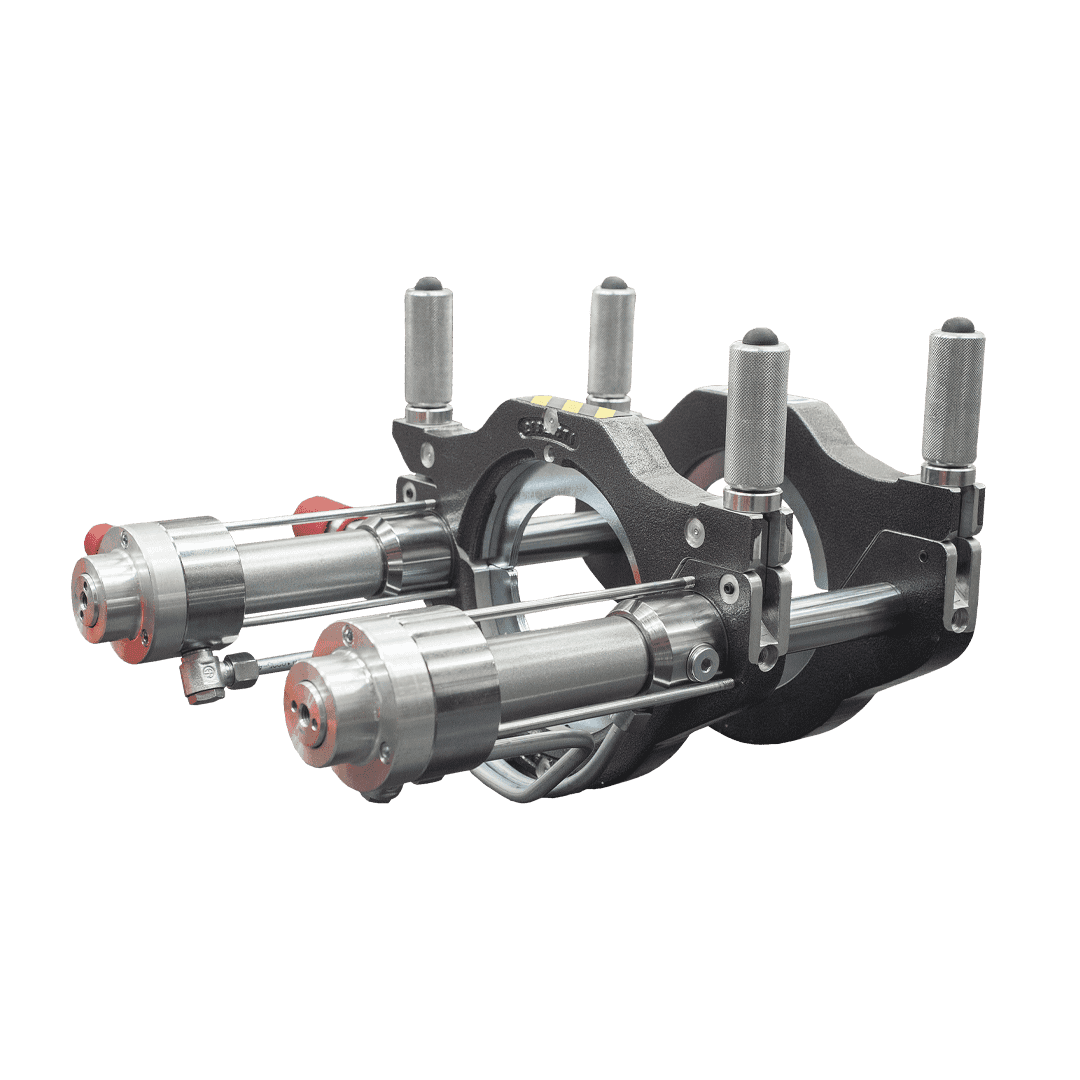
Ritmo Compact 160 Butt Fusion Machine Ø 40-160 mm
Ritmo · Butt Fusion Machines
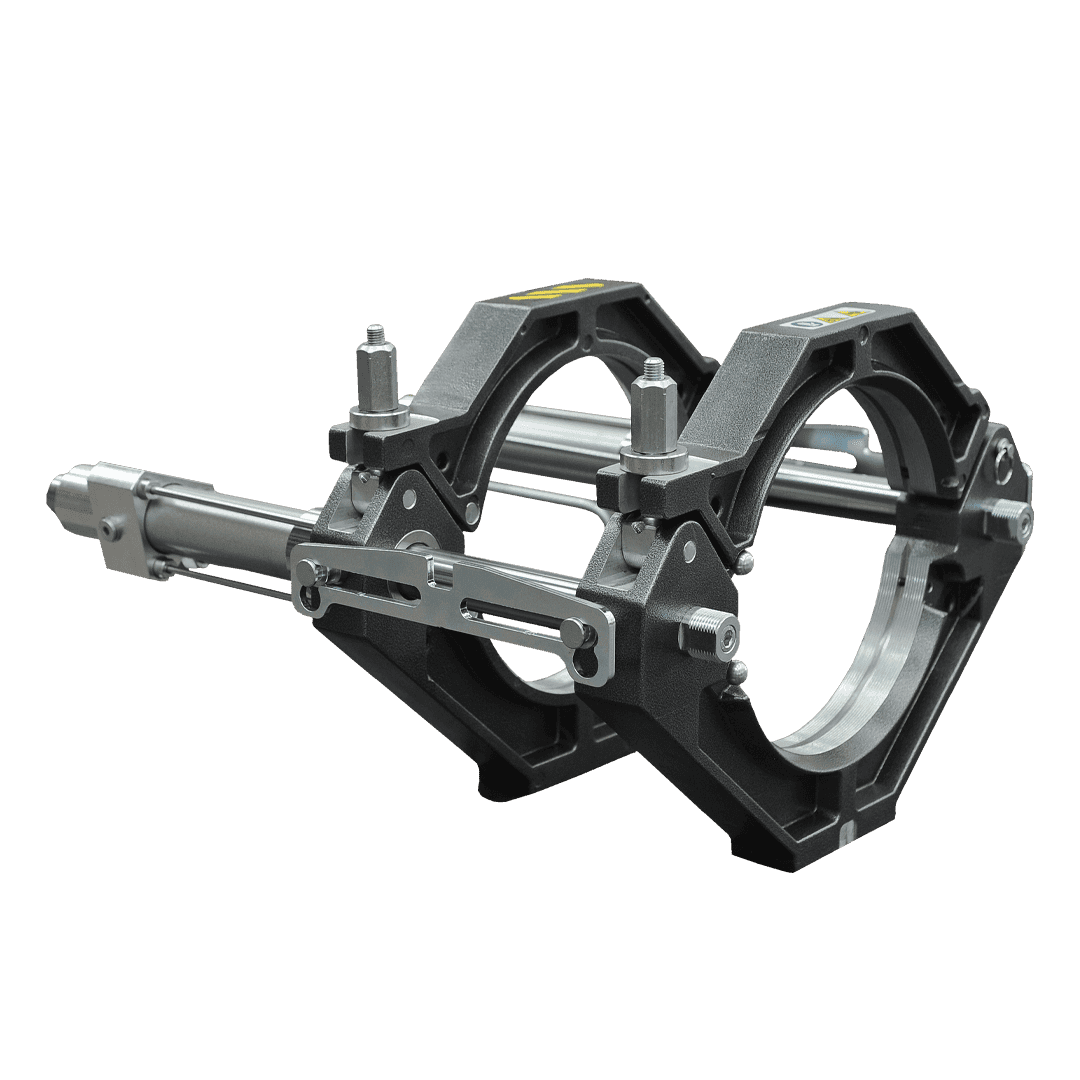
Ritmo Compact 250 Butt Fusion Machine Ø 75-250 mm
Ritmo · Butt Fusion Machines
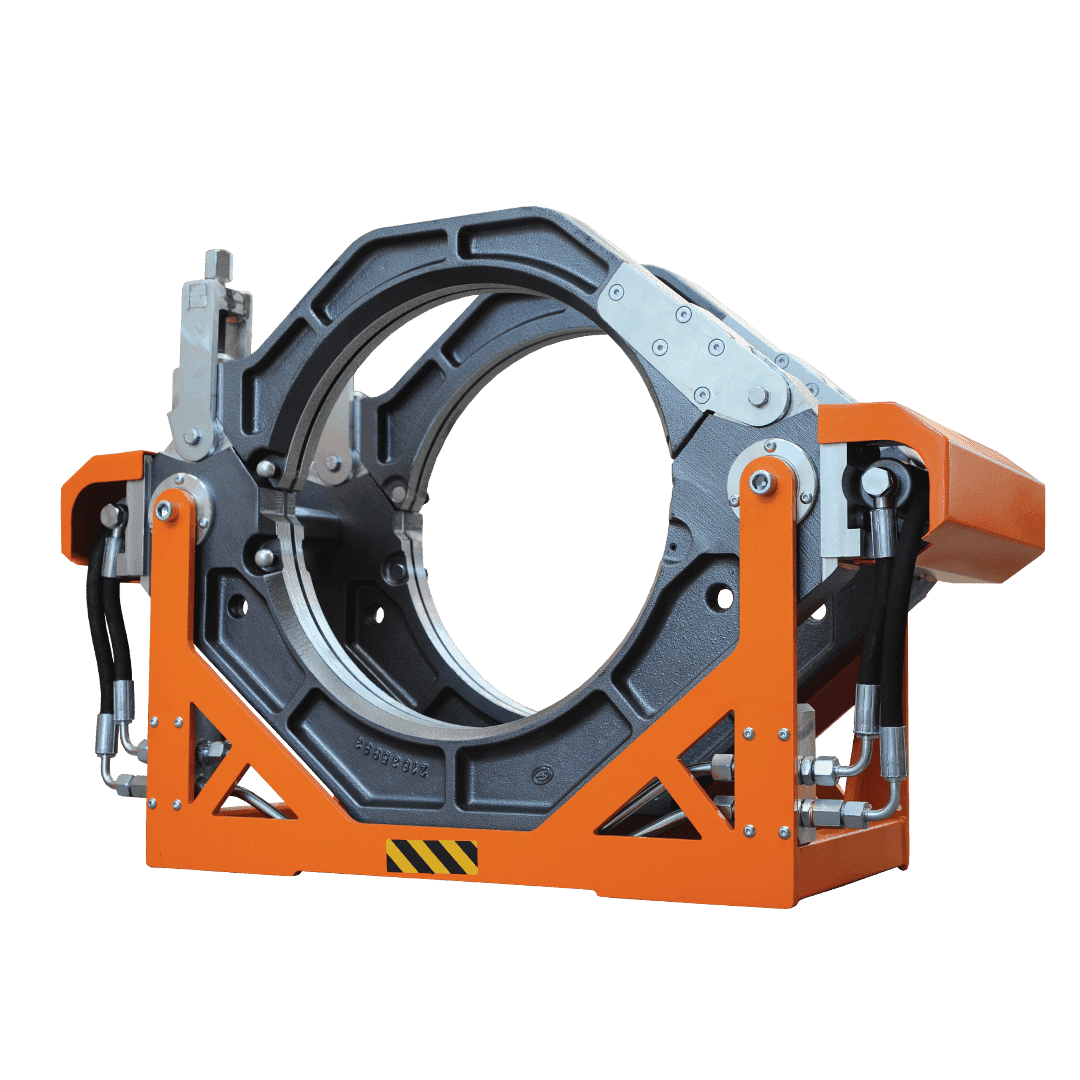
Ritmo Compact 355 Butt Fusion Machine Ø 125-355 mm
Ritmo · Butt Fusion Machines
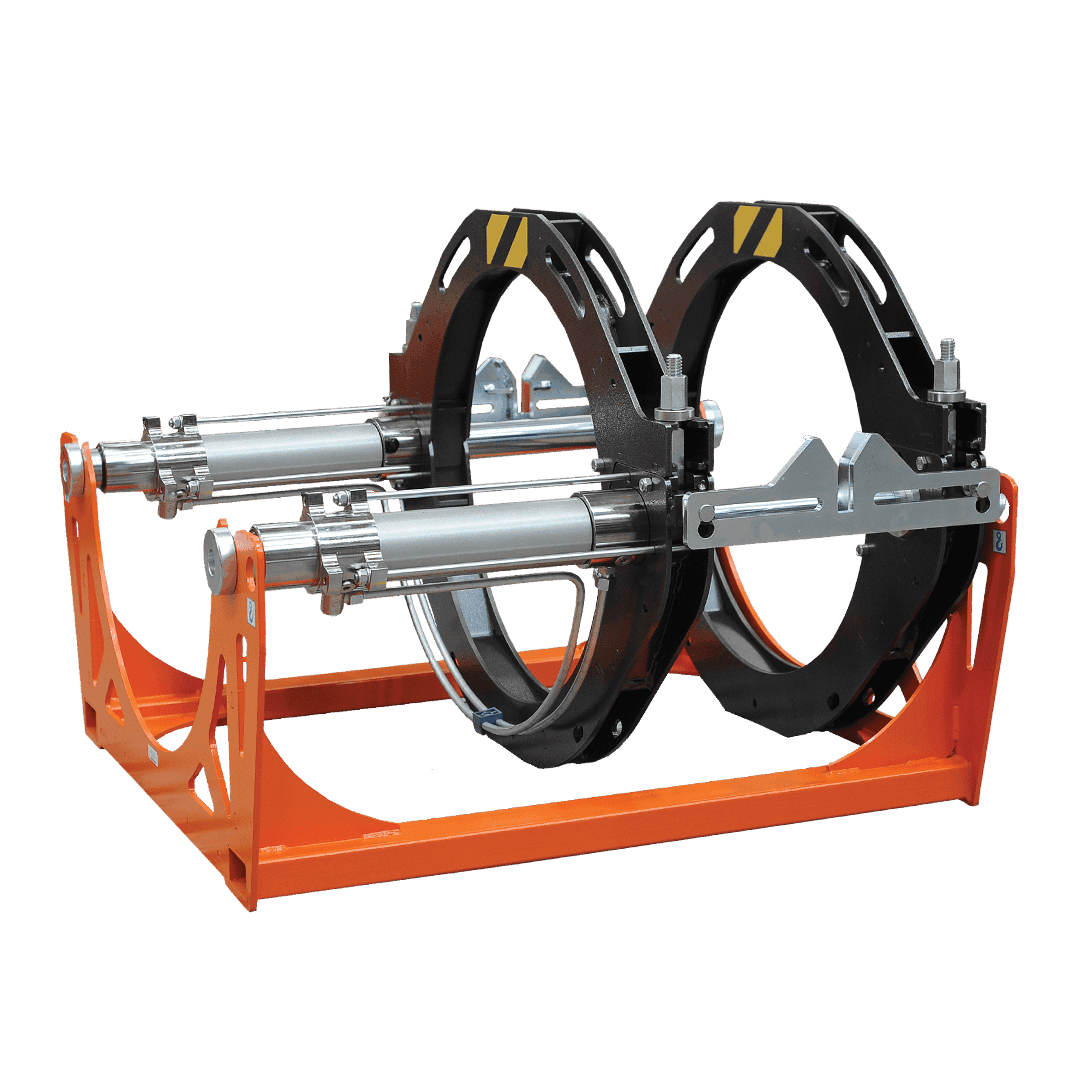
Ritmo Compact 630 Butt Fusion Machine Ø 280-630 mm
Ritmo · Butt Fusion Machines
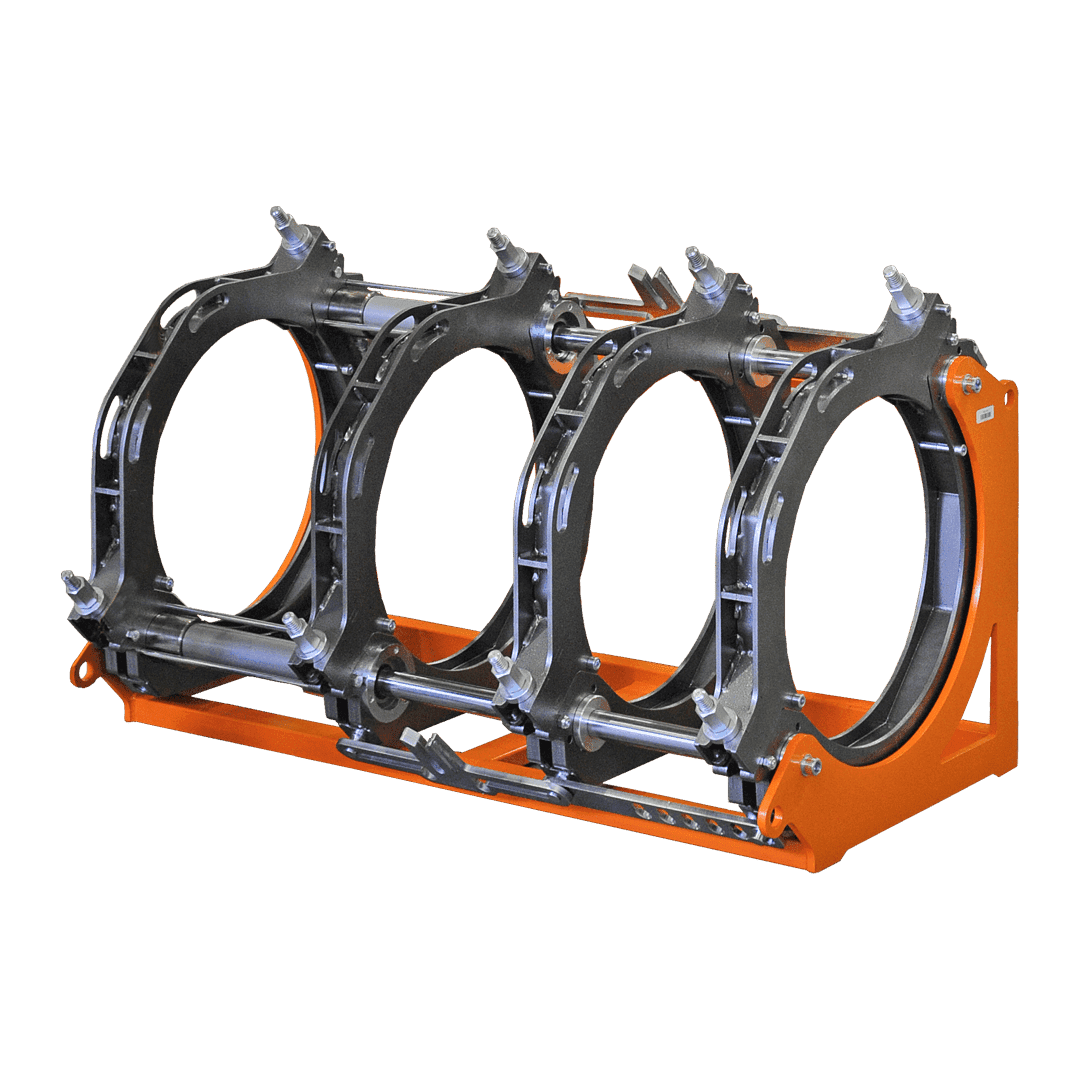
Ritmo Delta 500 Butt Fusion Machine Ø 200-500 mm
Ritmo · Butt Fusion Machines
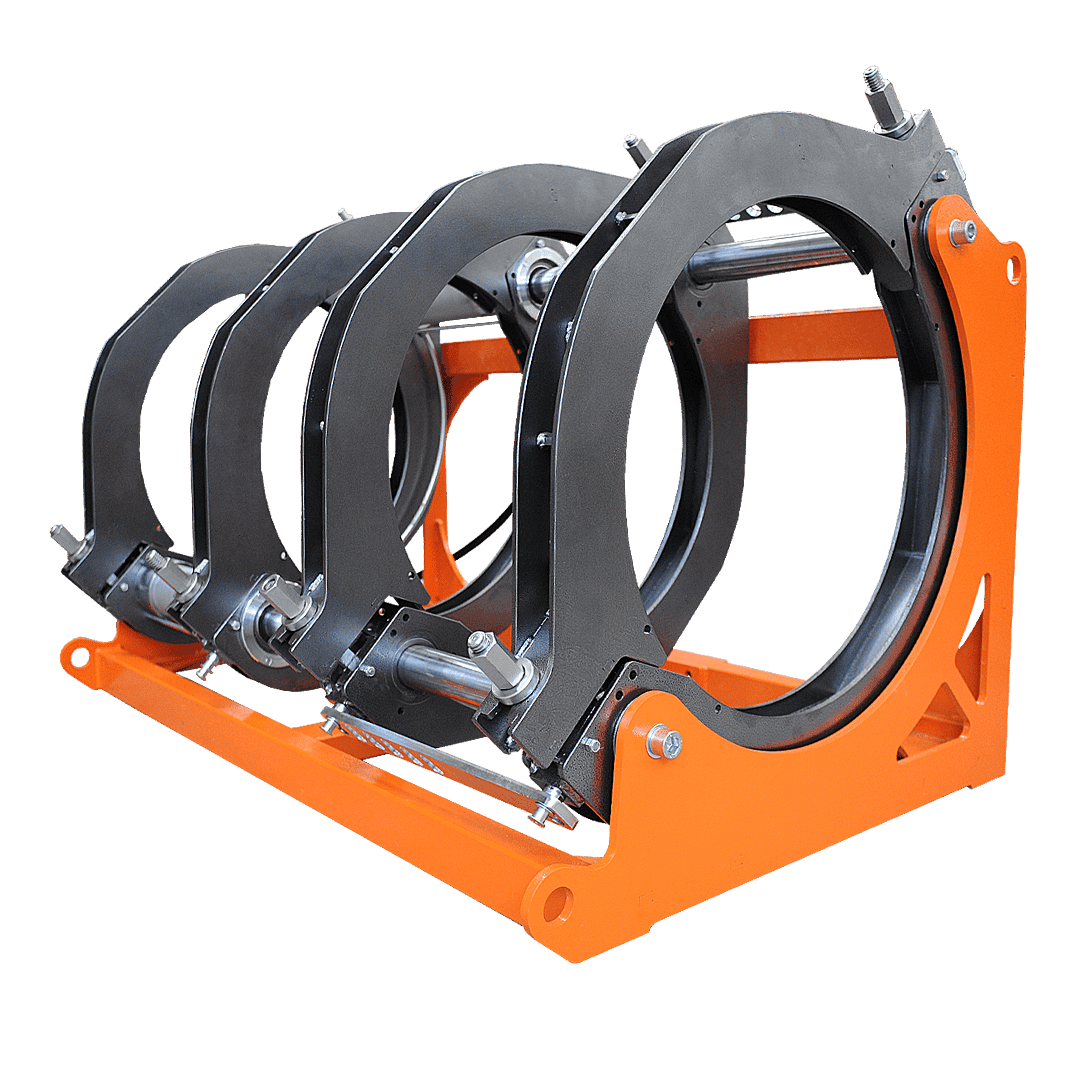
Ritmo Delta 630 Butt Fusion Machine Ø 280-630 mm
Ritmo · Butt Fusion Machines
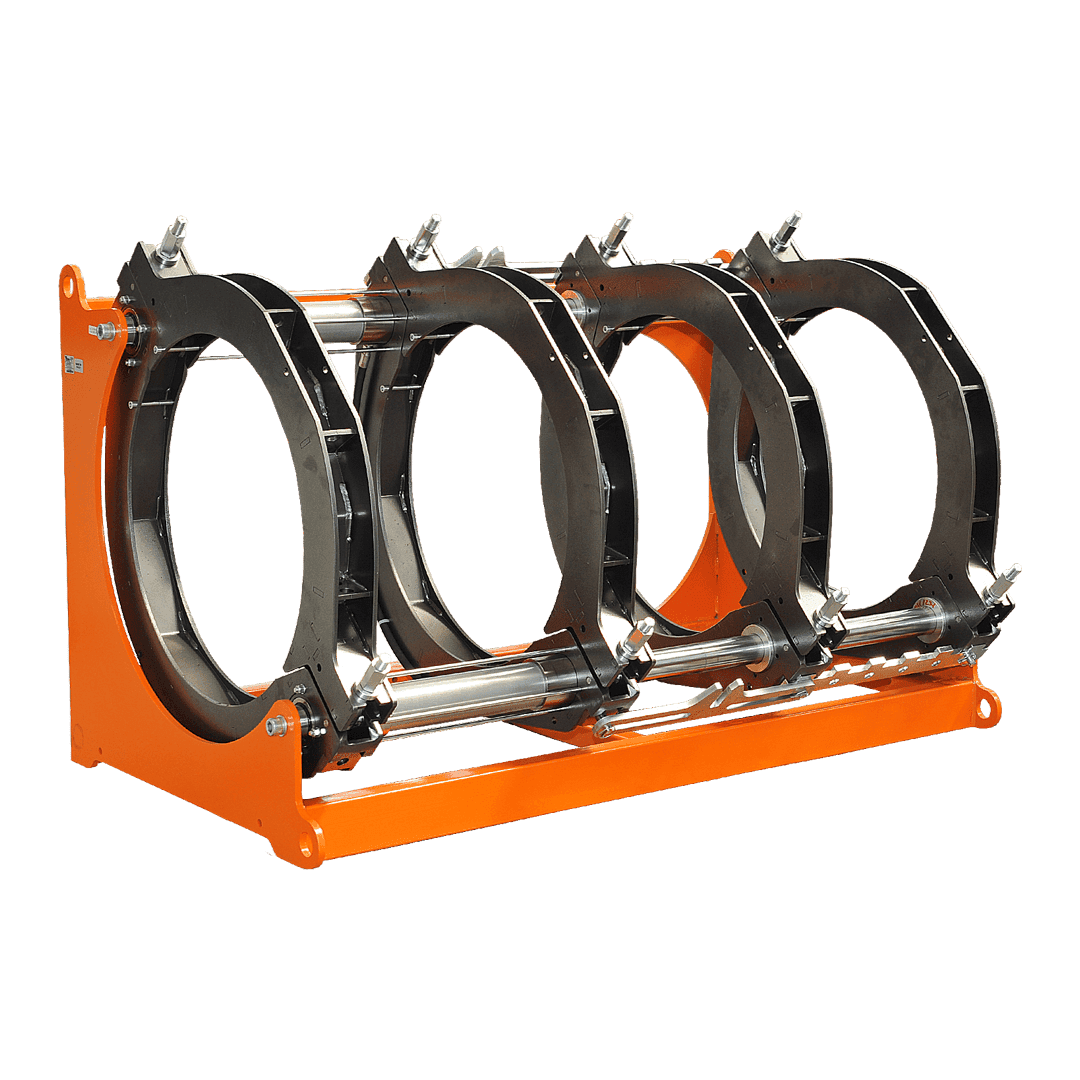
Ritmo Delta 800 Butt Fusion Machine Ø 500-800 mm
Ritmo · Butt Fusion Machines
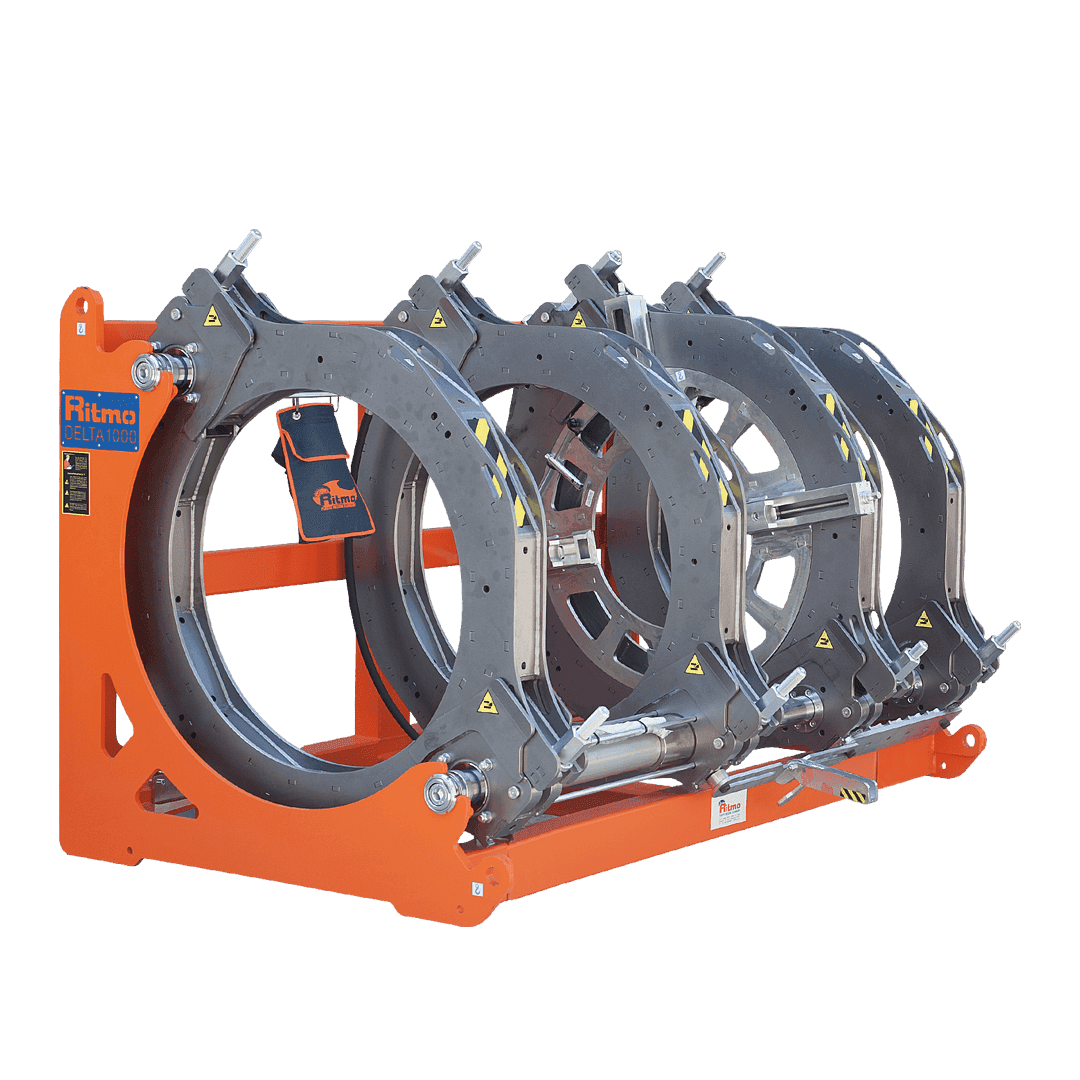
Ritmo Delta 1000 Butt Fusion Machine Ø 630-1000 mm
Ritmo · Butt Fusion Machines
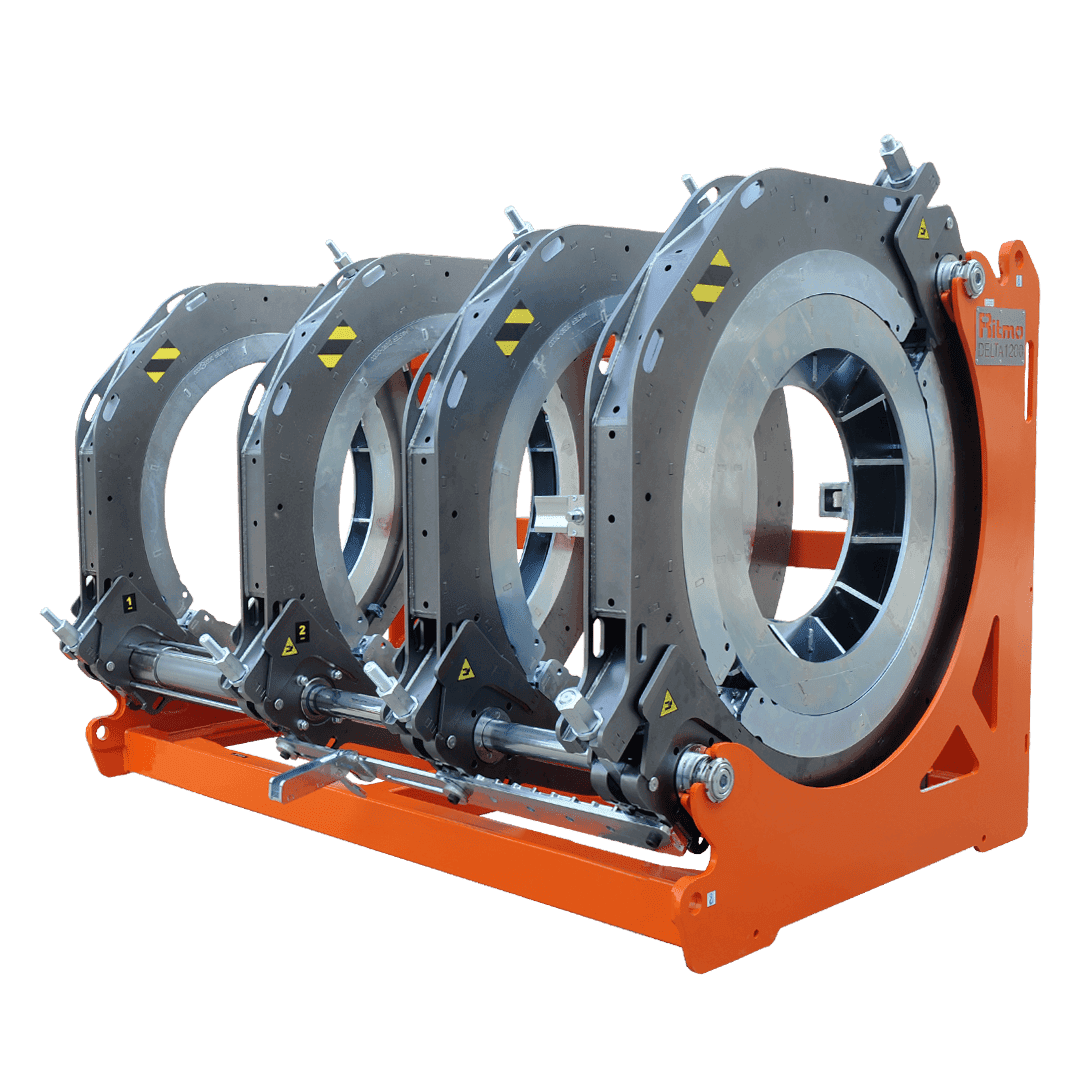
Ritmo Delta 1200 Butt Fusion Machine Ø 710-1200 mm
Ritmo · Butt Fusion Machines
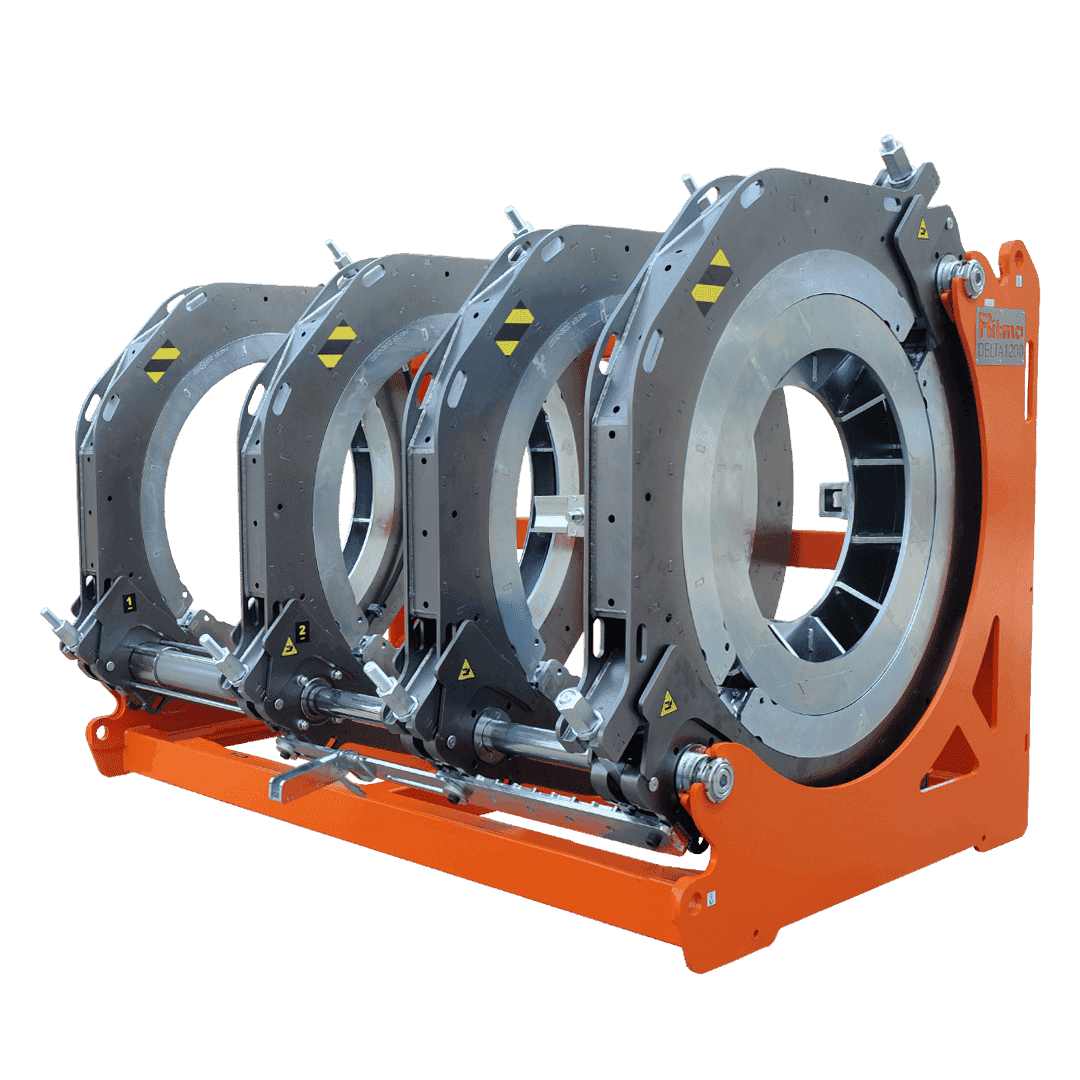
Ritmo Delta 48″ Butt Fusion Machine 28-48″ IPS
Ritmo · Butt Fusion Machines
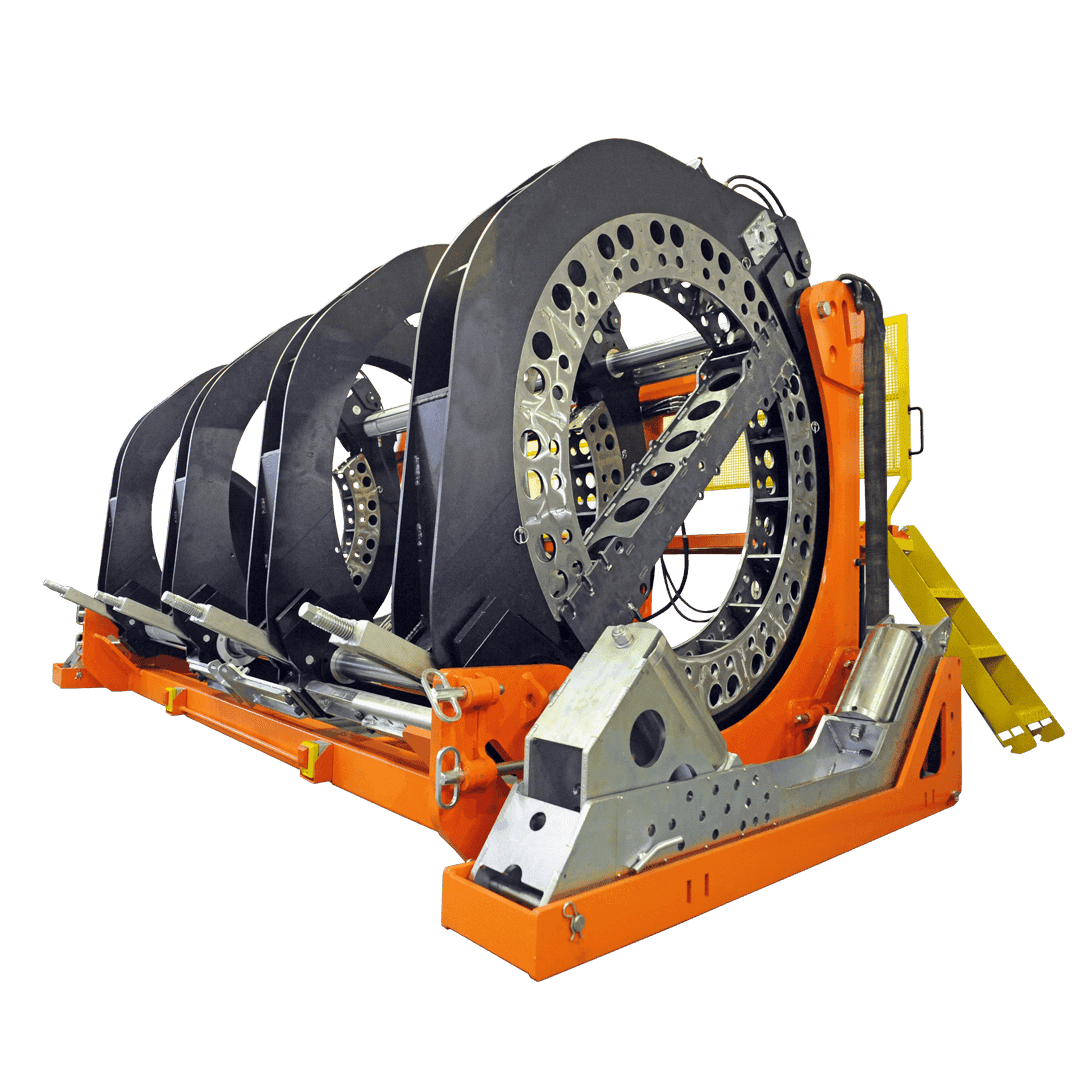
Ritmo Delta 1600 HDR Butt Fusion Machine Ø 800-1600 mm
Ritmo · Butt Fusion Machines
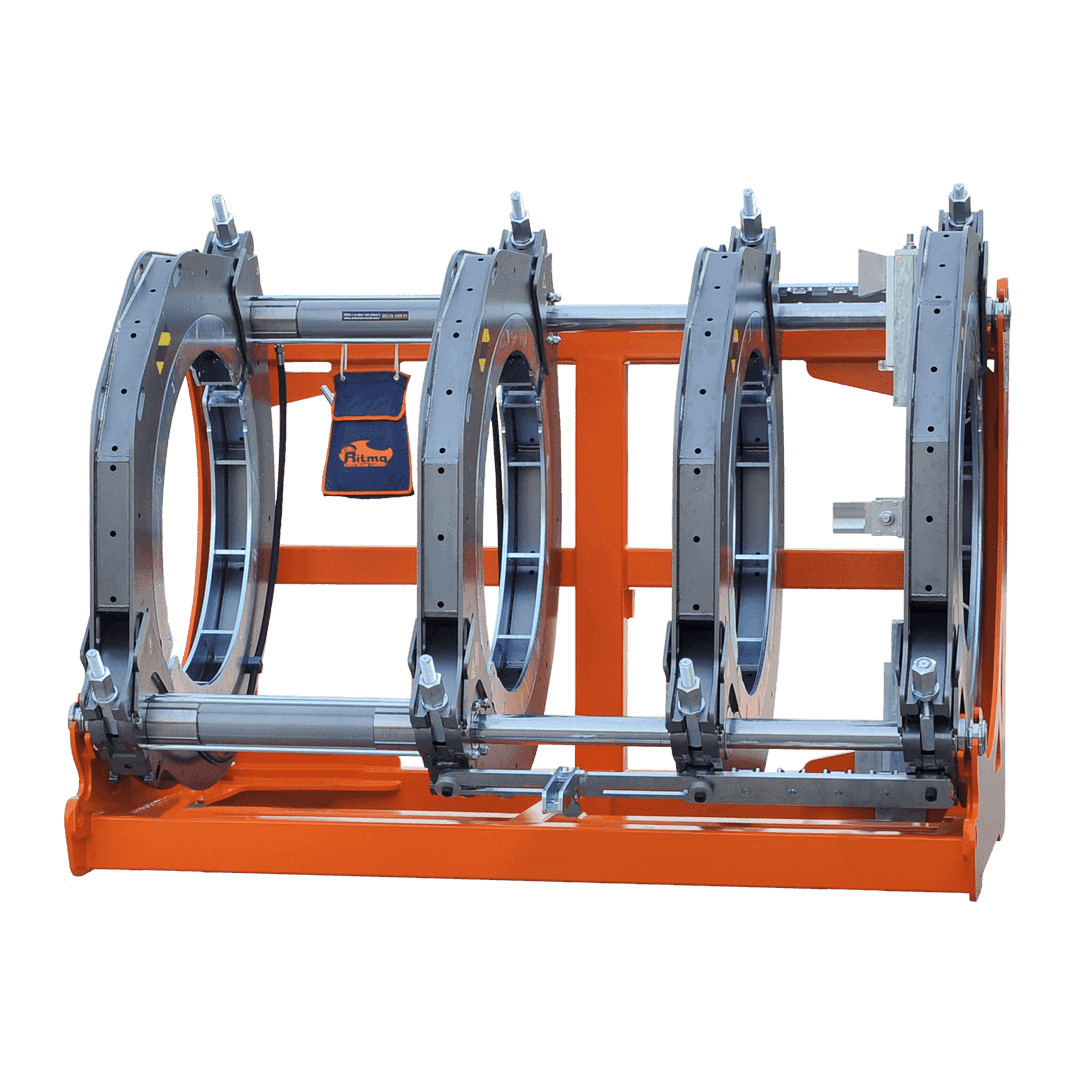
Ritmo Delta 1600 ECO Butt Fusion Machine Ø 800-1600 mm
Ritmo · Butt Fusion Machines
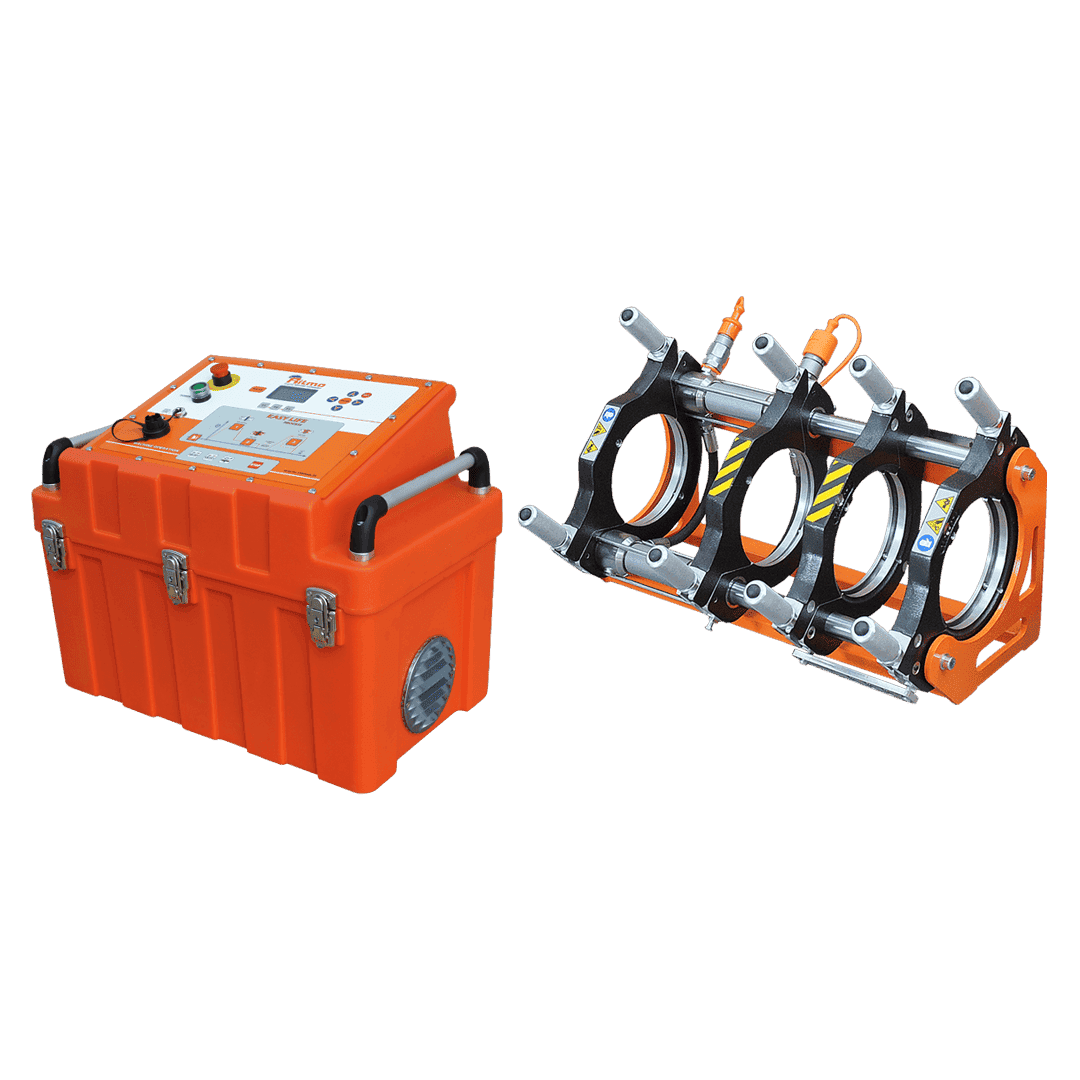
Ritmo Basic 160 Easy Life Butt Fusion Machine Ø 40-160 mm
Ritmo · Butt Fusion Machines
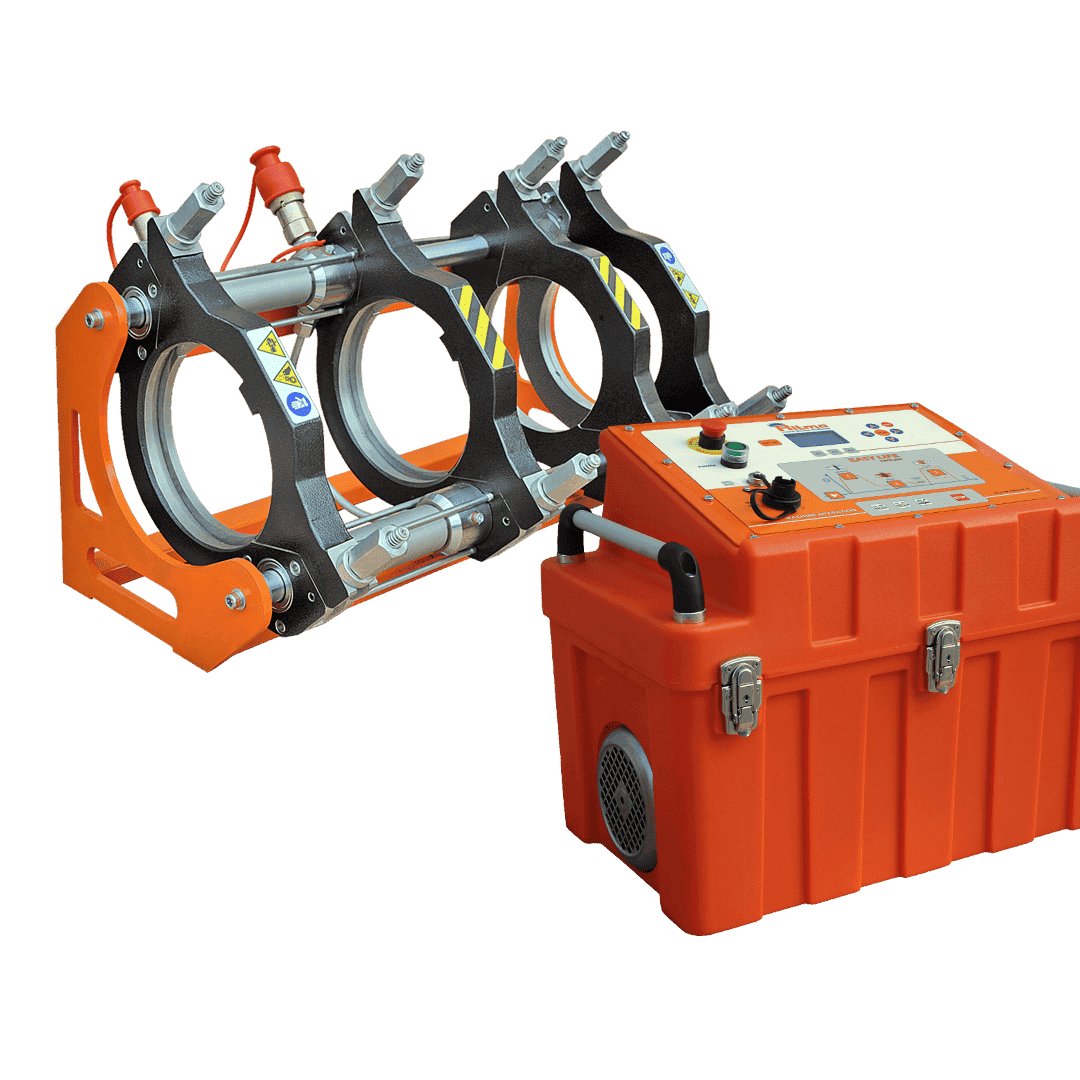
Ritmo Basic 200 Easy Life Butt Fusion Machine Ø 63-200 mm
Ritmo · Butt Fusion Machines
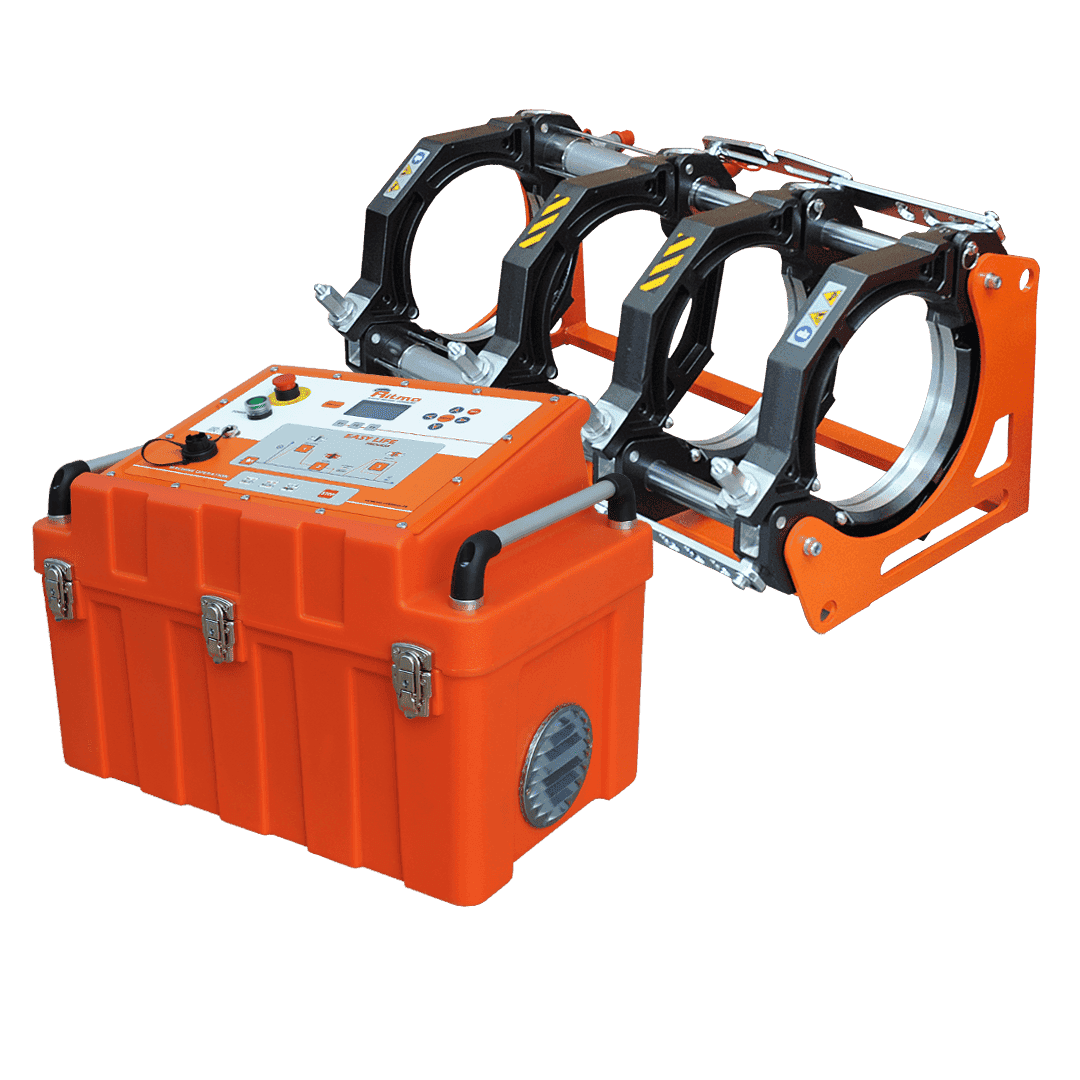
Ritmo Basic 250 Easy Life Butt Fusion Machine Ø 75-250 mm
Ritmo · Butt Fusion Machines
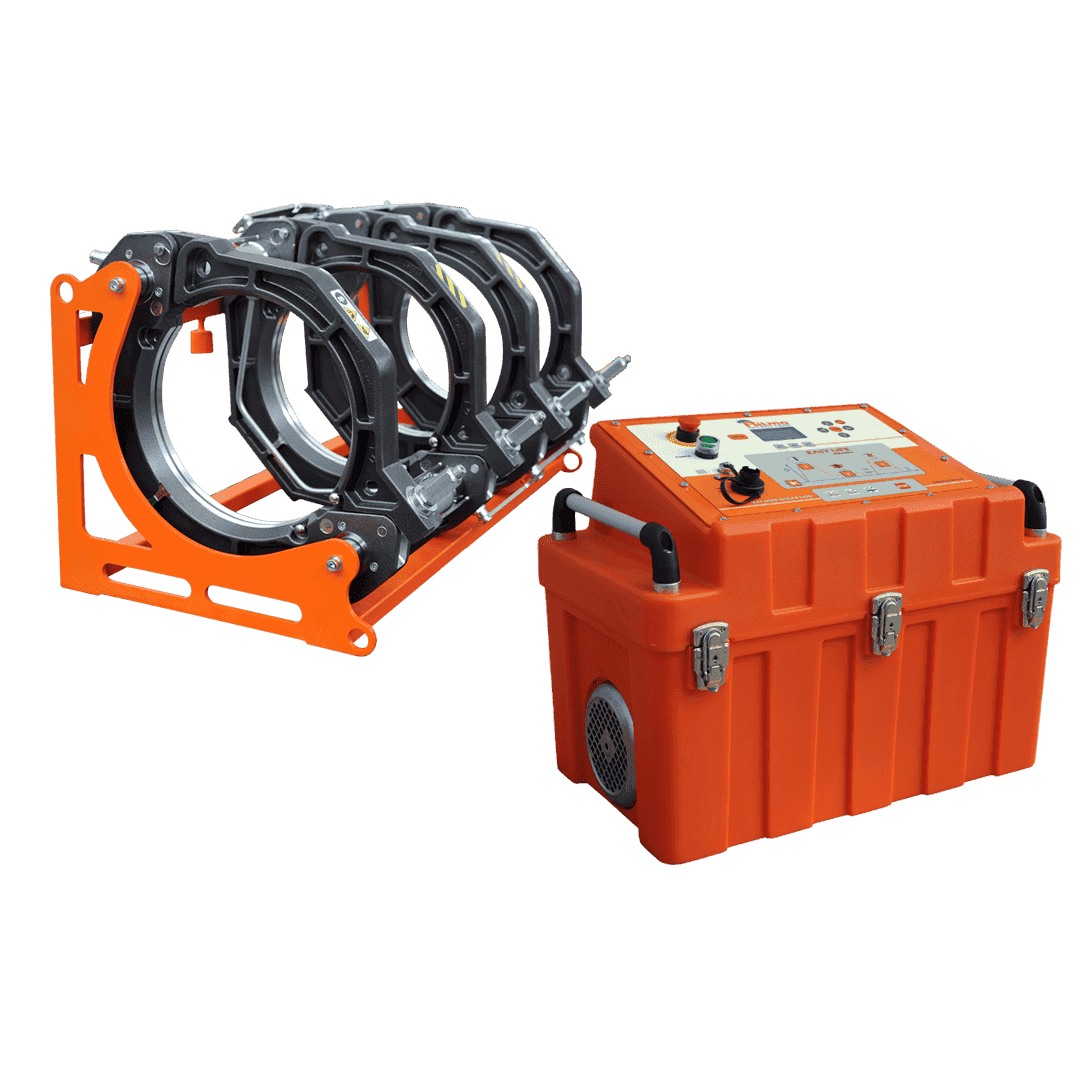
Ritmo Basic 315 Easy Life Butt Fusion Machine Ø 90-315 mm
Ritmo · Butt Fusion Machines
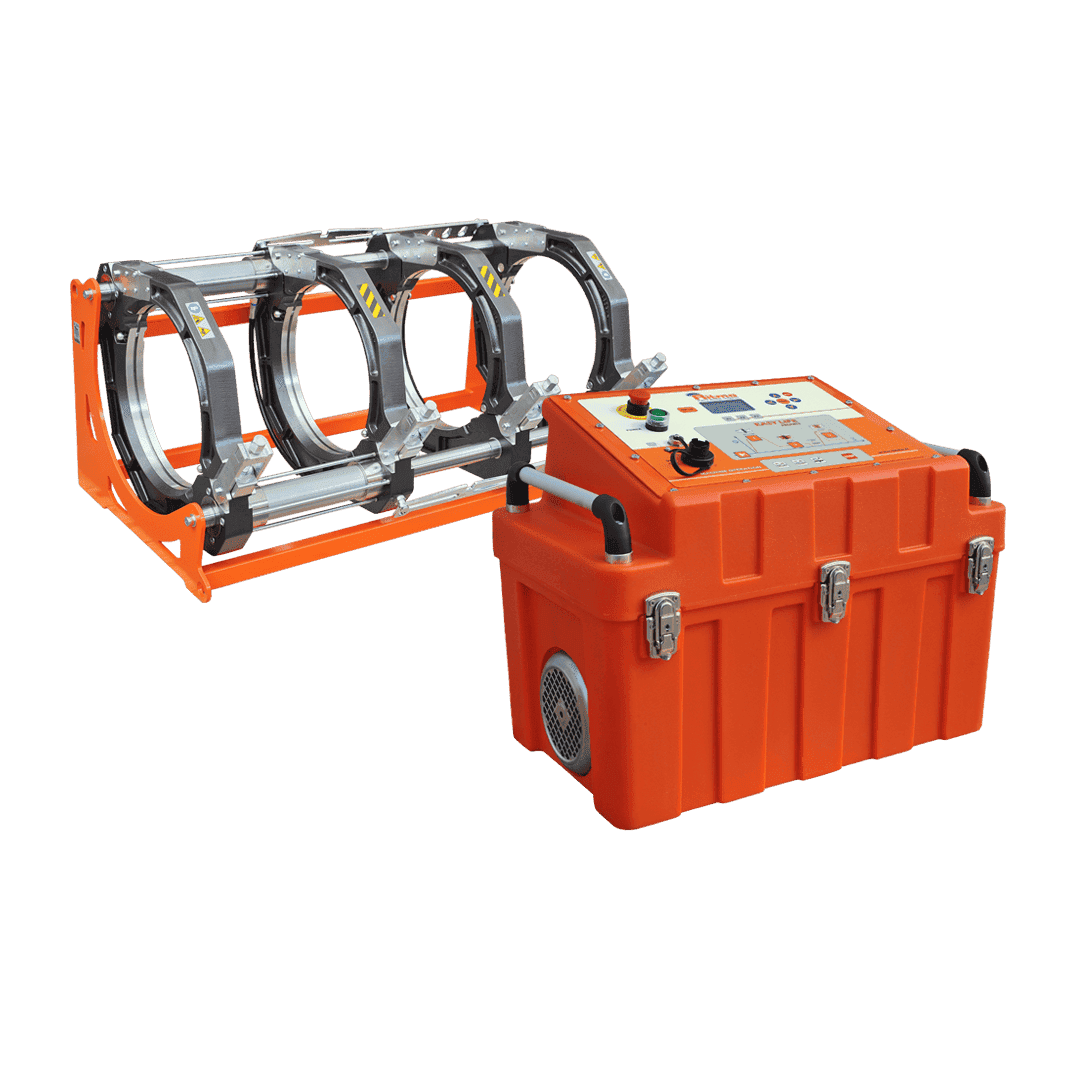
Ritmo Basic 355 Easy Life Butt Fusion Machine Ø 125-355 mm
Ritmo · Butt Fusion Machines
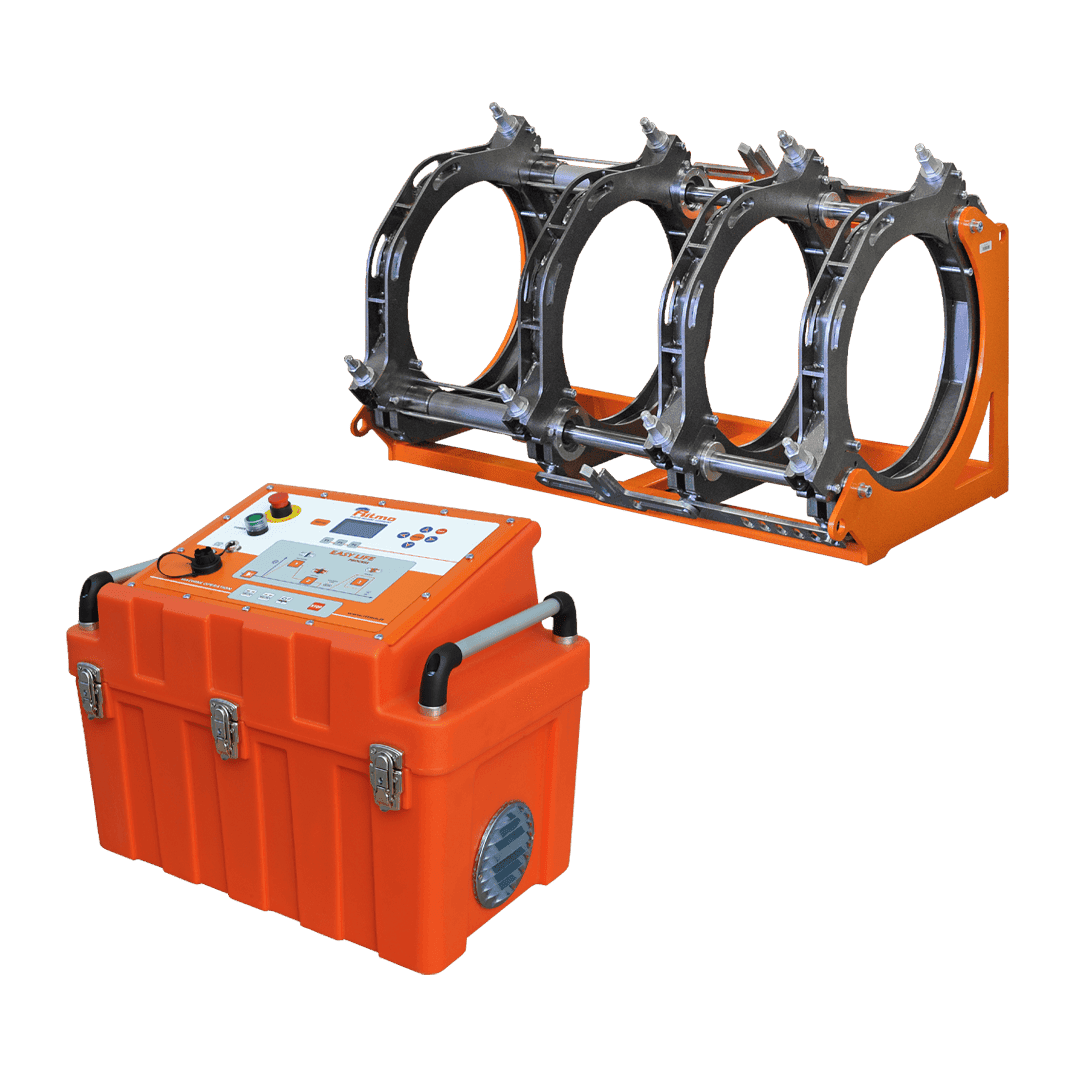
Ritmo Delta 500 Easy Life Butt Fusion Machine Ø 200-500 mm
Ritmo · Butt Fusion Machines
1–24 of 51 · page 1 / 3
How the Welding Cycle Works
The cycle has four steps. The pipe ends are first faced with the milling cutter into the same plane; if the faces are not parallel, no parameter later in the cycle will fix the joint. The ends are then pressed against the heating plate (initial bead-up pressure), then held at low pressure while heat soaks into the wall. The plate is withdrawn and the ends are joined at welding pressure, with the joint finally cooled under pressure.
The critical moment is the changeover between heating and joining: once the plate is out, the faces have to meet within seconds or the molten surface cools and the joint is weak. Taking that changeover and the pressure profile out of the operator's hands is the main thing automated systems (Easy Life, CNC) contribute.
- Facing — bringing both ends into the same plane
- Bead-up — full contact against the plate
- Soak — heat penetrating the wall at low pressure
- Changeover — plate withdrawal, the critical seconds
- Joining and cooling under pressure
Drive and Automation
Mechanical drive machines apply pressure mechanically: light, economical, little to maintain, and sufficient at small diameters. Manual hydraulic machines take pressure from an electro-hydraulic power unit with the operator working to a gauge — the baseline across every diameter class up to Ø 1600 mm.
With the Easy Life system the operator enters the parameters and the machine applies heating, changeover and cooling pressure itself, while GPS in the control panel records job site and welding data. CNC machines run the entire cycle to the selected standard, hold up to 4,000 cycles in memory, and can log operator identity (ISO 12176-3) and pipe identity (ISO 12176-4) with the optional scanner.
Choosing the Chassis for the Site
Several chassis cover the same diameter range, and the choice follows how the machine has to move around the job. Bench machines suit a workshop or a fixed welding yard. On the Compact line the body detaches from the frame, so joints can be made in a trench, suspended or in confined space.
Trailer models suit crews working along a route; tracked Remedy and wheeled All Terrain models are for ground where getting power and lifting gear to the joint is the problem — they carry their own diesel generator, hydraulic milling cutter and rollers.
- Bench: workshop and fixed welding yard
- Compact: in-trench, suspended and confined-space joints
- Trailer: network crews moving along a route
- Remedy (tracked) and All Terrain: ground with no power infrastructure
- CNC: workshop production, fittings fabrication, batch welding
Equipment Around the Machine
The machine alone is not the job. Pipe rollers carry the pipe on axis and keep its weight off the clamps; RED re-rounding clamps prepare pipe that has been uncoiled or gone oval in storage; RID internal debeader heads remove the inner bead after welding.
Where joints have to be documented, the Inspector 2.0 data logger records pressure and time in real time, fixes the site by GPS and publishes reports through Orangecloud. On public and infrastructure tenders that record is increasingly a specification line rather than an extra.
Frequently Asked Questions
Which machine covers which diameters?
Take the smallest and largest diameter on the project and match them to the working range row on each product page. The catalog covers Ø 32-160 mm (Gamma, Delta M, Compact 160, Basic 160), Ø 63-355 mm (Basic and Compact), Ø 200-630 mm (Delta 500-630) and Ø 630-1600 mm (Delta 1000-1600).
Manual hydraulic or Easy Life automated?
On a manual hydraulic machine the operator applies the pressure profile against a gauge. With Easy Life, once the parameters are entered the machine manages heating, changeover and cooling pressure and records the data with a GPS position. Sites with several operators, and jobs that require welding reports, take the automated system.
Can I run the machine from a generator?
Yes — most product pages publish a suggested generator rating (3.5-4 kVA for the Compact 160, 6.5-7 kVA for the Delta Dragon CNC 250, for example). Where there is no power at all, the Remedy and All Terrain machines carry their own diesel generator.
Which standards apply to the weld?
Depending on the model, ISO 21307 (High/Low Pressure), ASTM F2620 and DVS 2207-1 are the references, and the standards a machine complies with are listed in its spec table. Welding parameters still have to be chosen for the pipe material and wall thickness.
Should the internal bead be removed?
On potable water and process lines it usually has to be: the inner bead causes flow loss and gives deposits somewhere to form. RID debeader heads cover Ø 90-630 mm, handling bead widths of 20-45 mm depending on head size.
Is data logging mandatory?
It depends on the specification, but it is becoming standard on public and infrastructure work. Inspector 2.0 records pressure to 160 bar (250 bar optional), marks the location by GPS and makes reports available through the Orangecloud platform.