Categories
Pipe Preparation Tools
The quality of an electrofusion joint is largely settled before any current flows: the surface has to be scraped, the cut square, the pipe round and held on axis with the fitting. This category covers scrapers, aligners, re-rounders, pipe cutters, squeezers, bevelers and pipe supports.
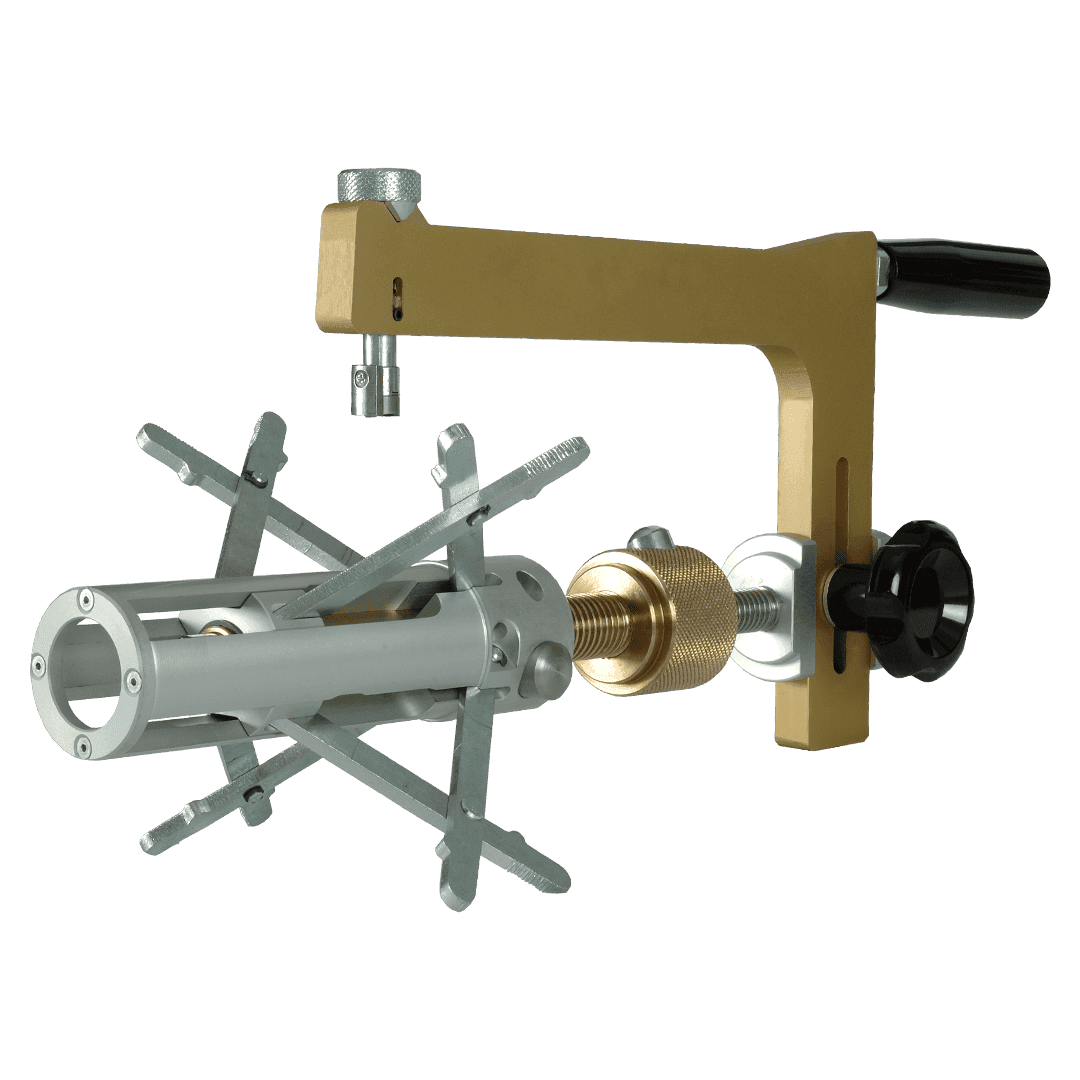
Ritmo PS Pipe Scrapers Ø 75-426 mm
Ritmo · Pipe Preparation Tools
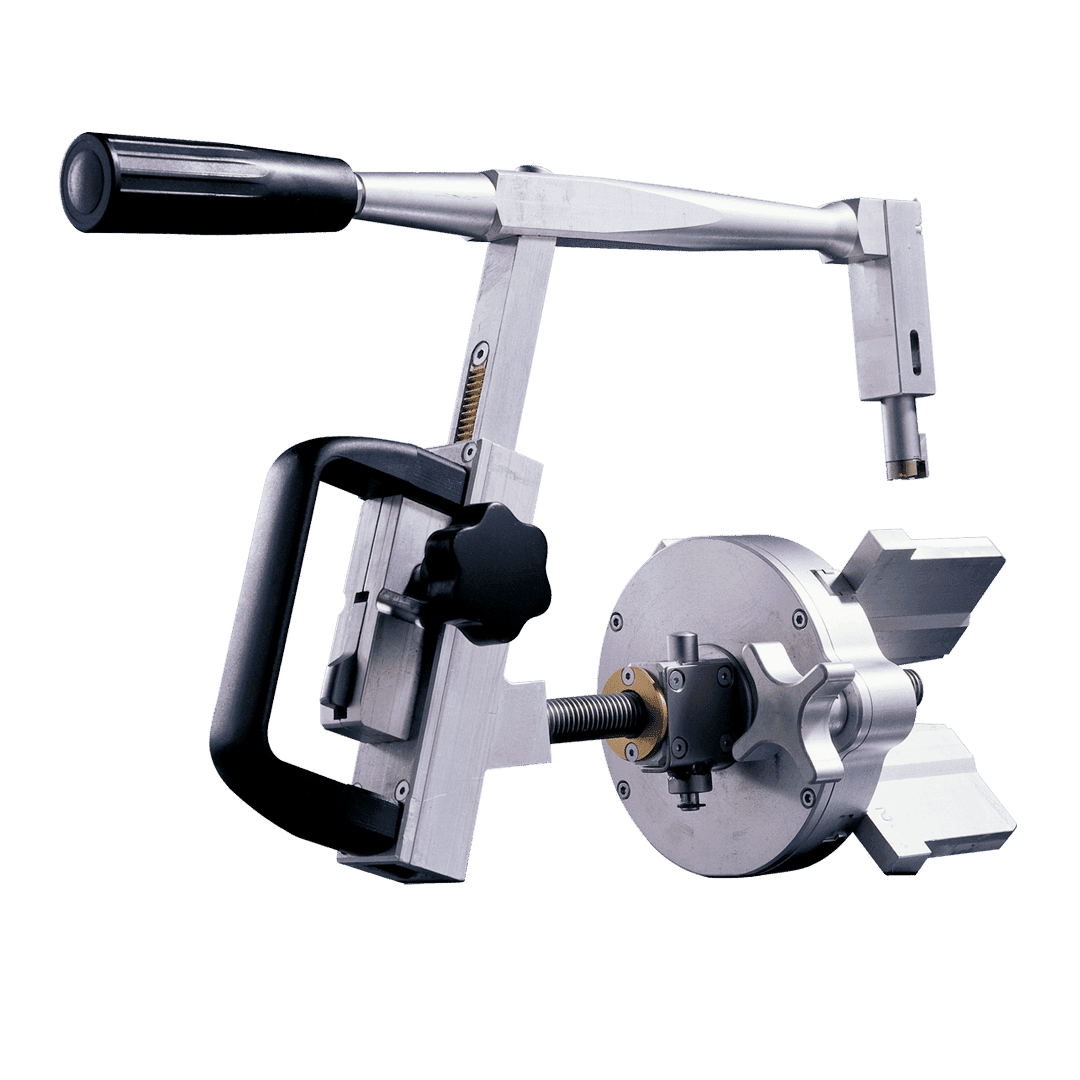
Ritmo RTC Pipe Scrapers Ø 50-500 mm
Ritmo · Pipe Preparation Tools
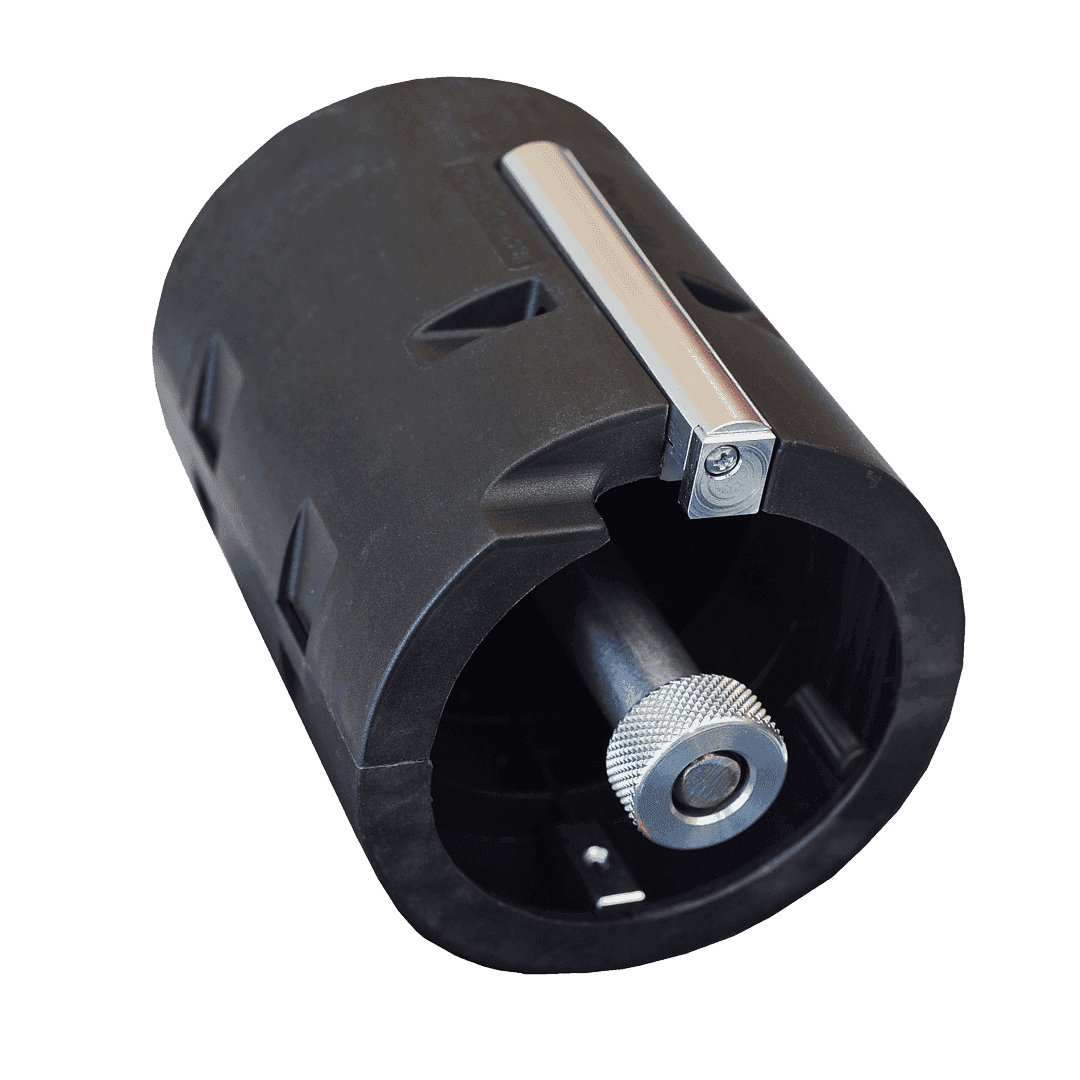
Ritmo Turbo Scraper and Facing Tool Ø 16-63 mm
Ritmo · Pipe Preparation Tools
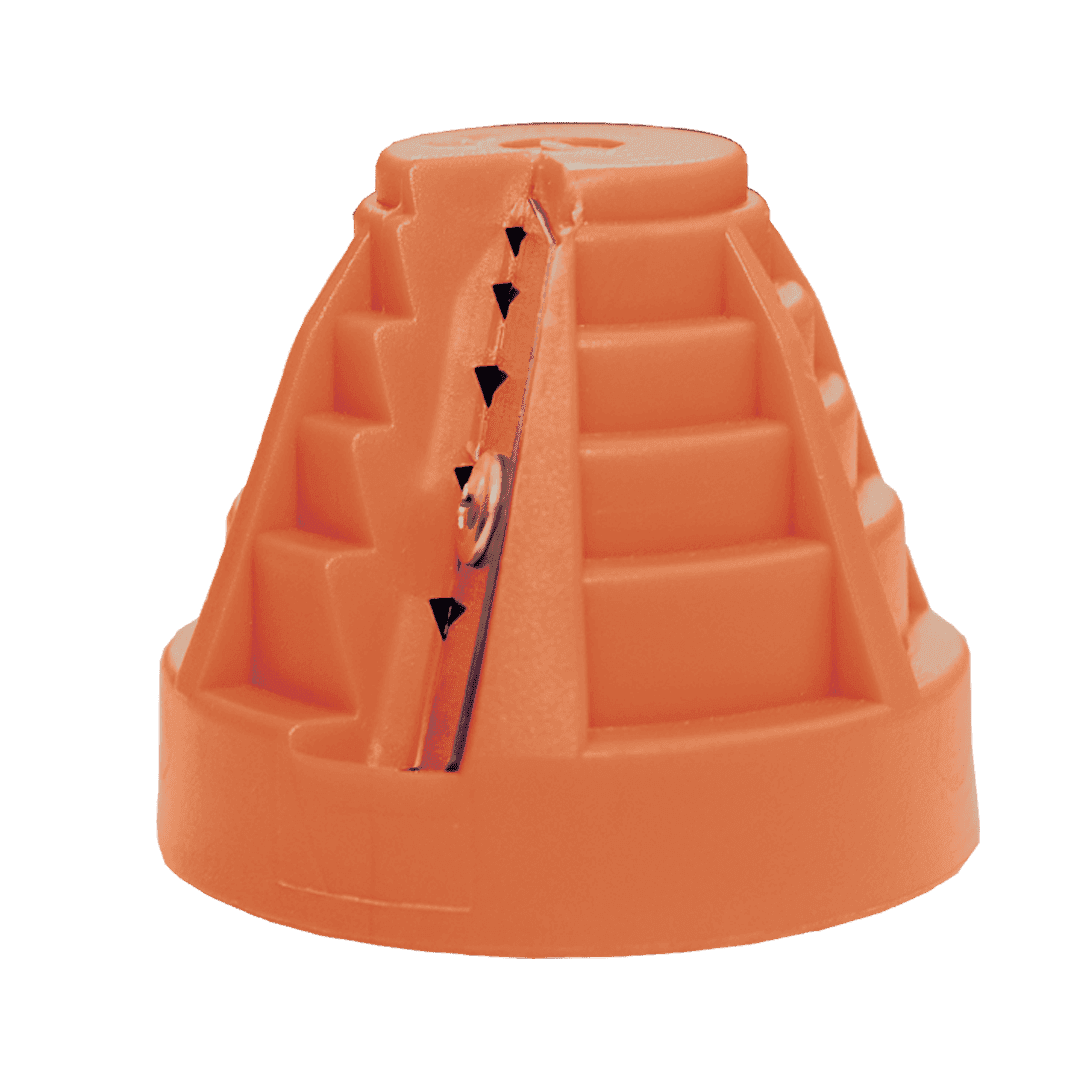
Ritmo Maya 20-63 Scraper
Ritmo · Pipe Preparation Tools
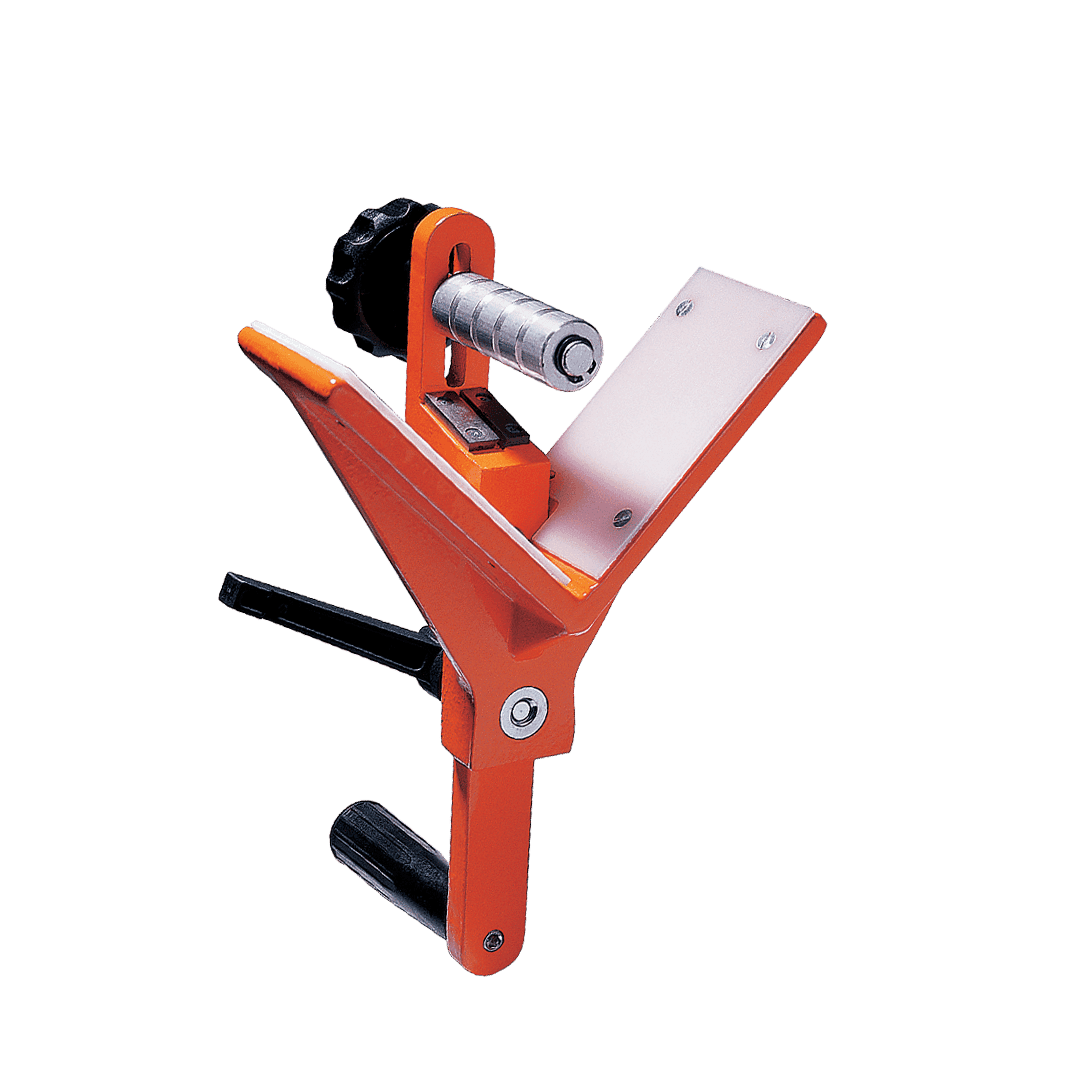
Ritmo Bevelers Ø 20-315 mm
Ritmo · Pipe Preparation Tools
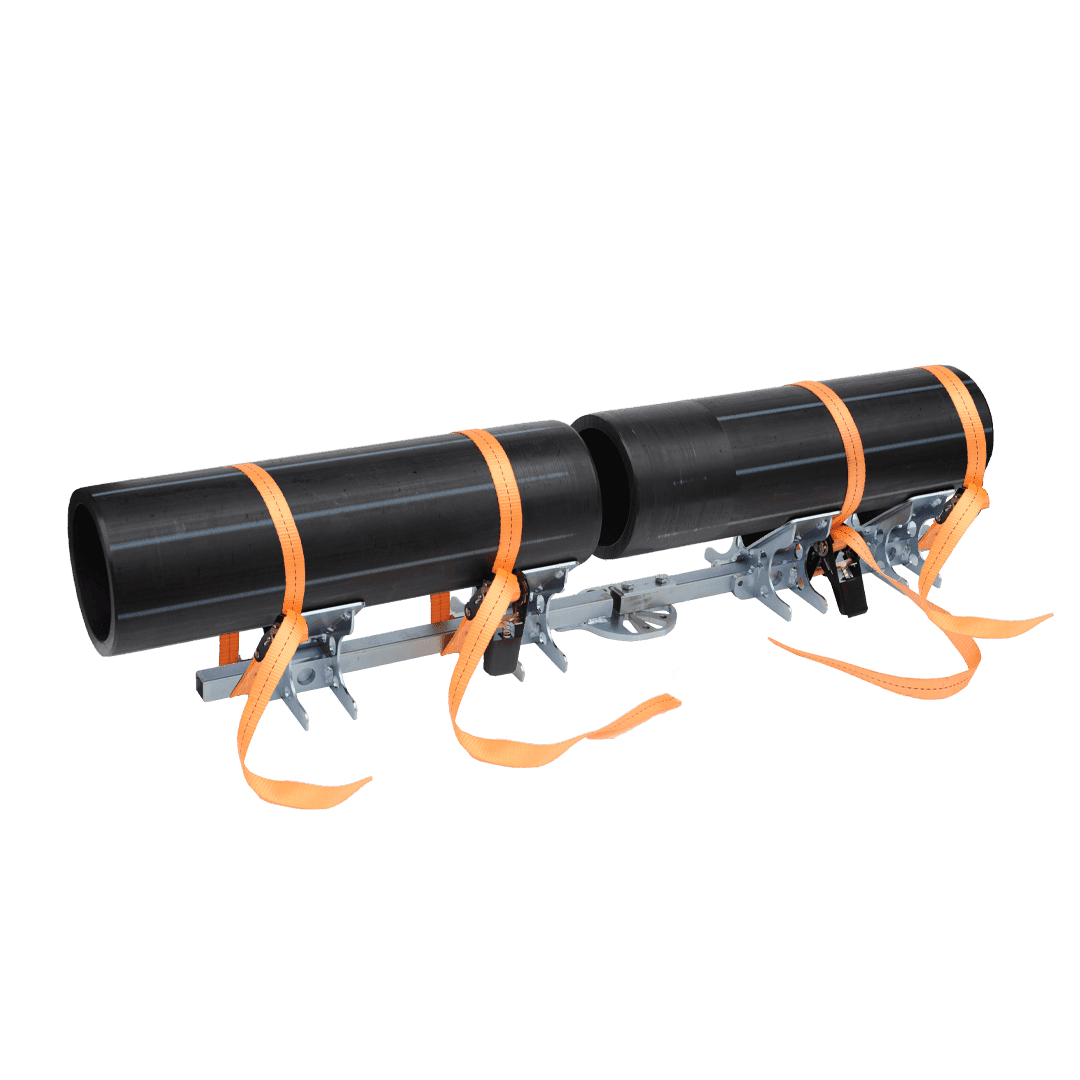
Ritmo Pipe Aligners Ø 20-160 mm
Ritmo · Pipe Preparation Tools
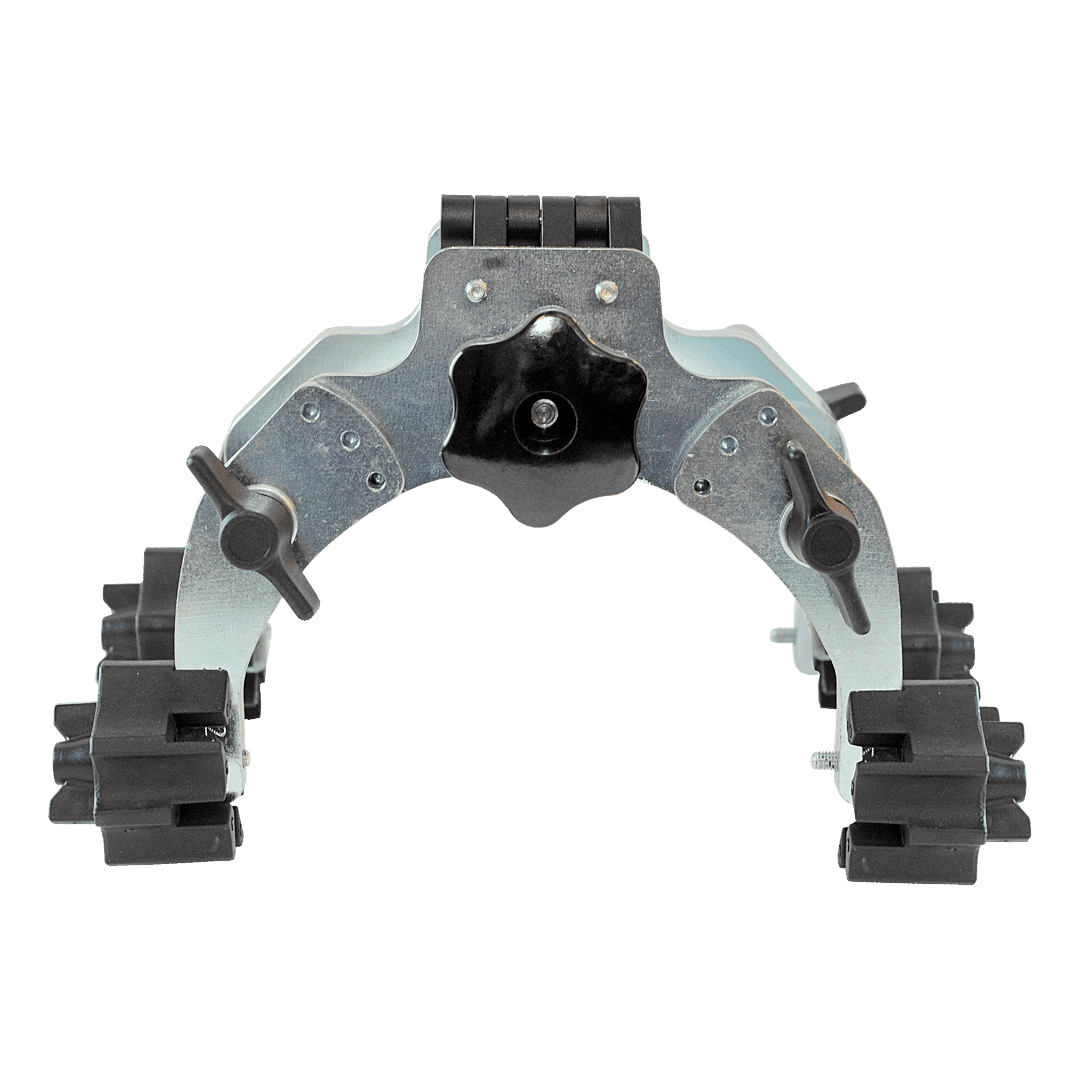
Ritmo Kela 16-63 Aligner
Ritmo · Pipe Preparation Tools
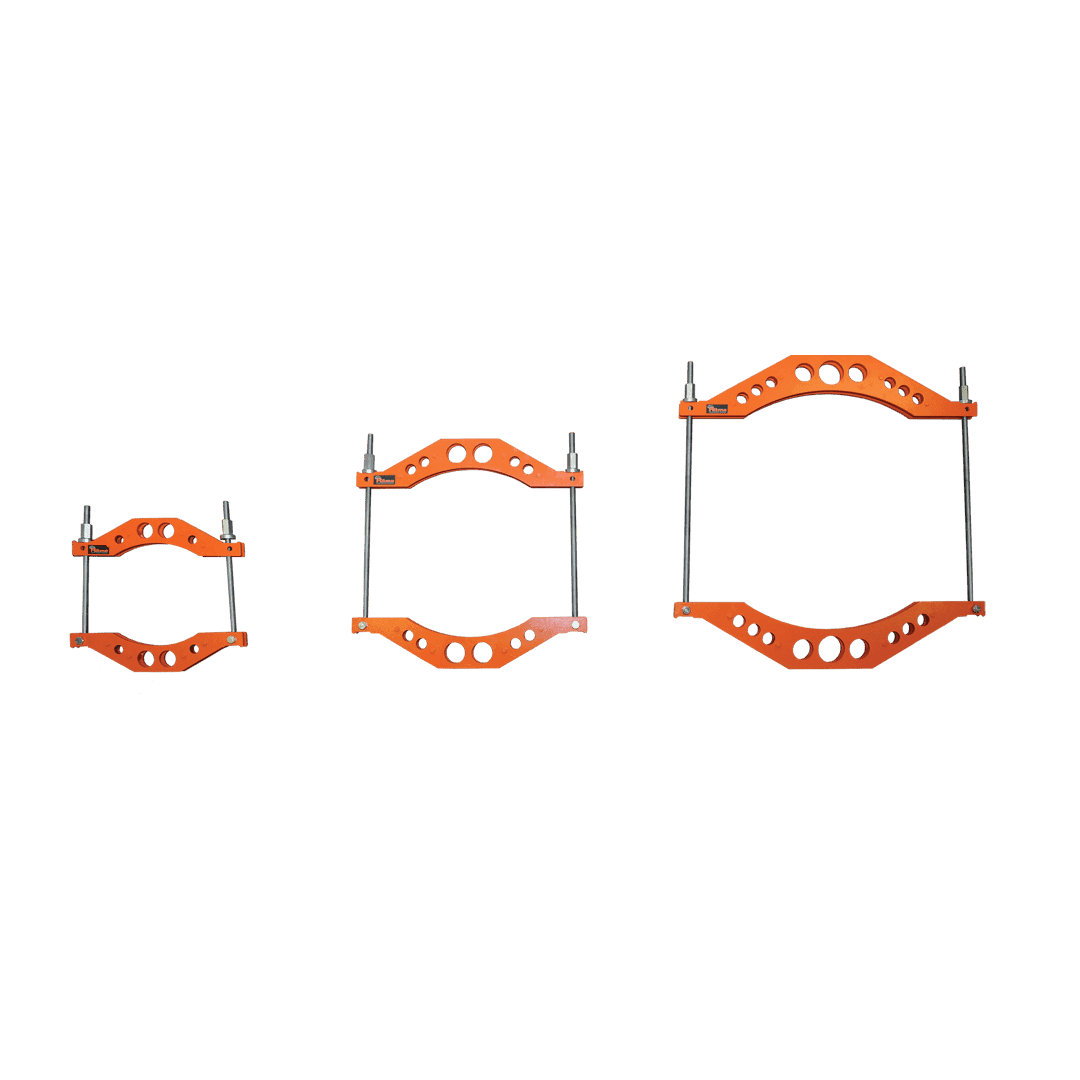
Ritmo Rerounder Ø 250-800 mm
Ritmo · Pipe Preparation Tools
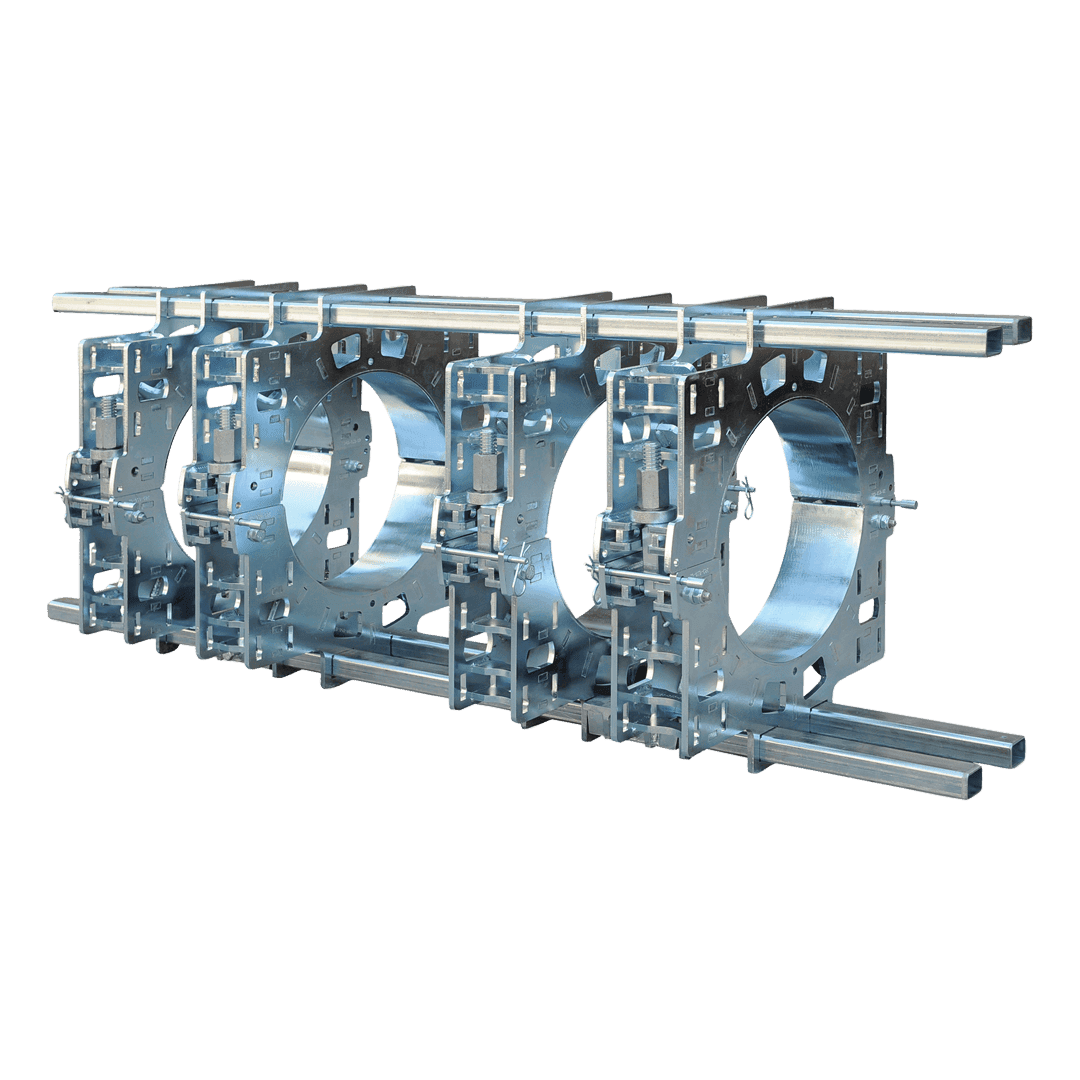
Ritmo RAP 315 Rerounder, Aligner and Pulling System
Ritmo · Pipe Preparation Tools
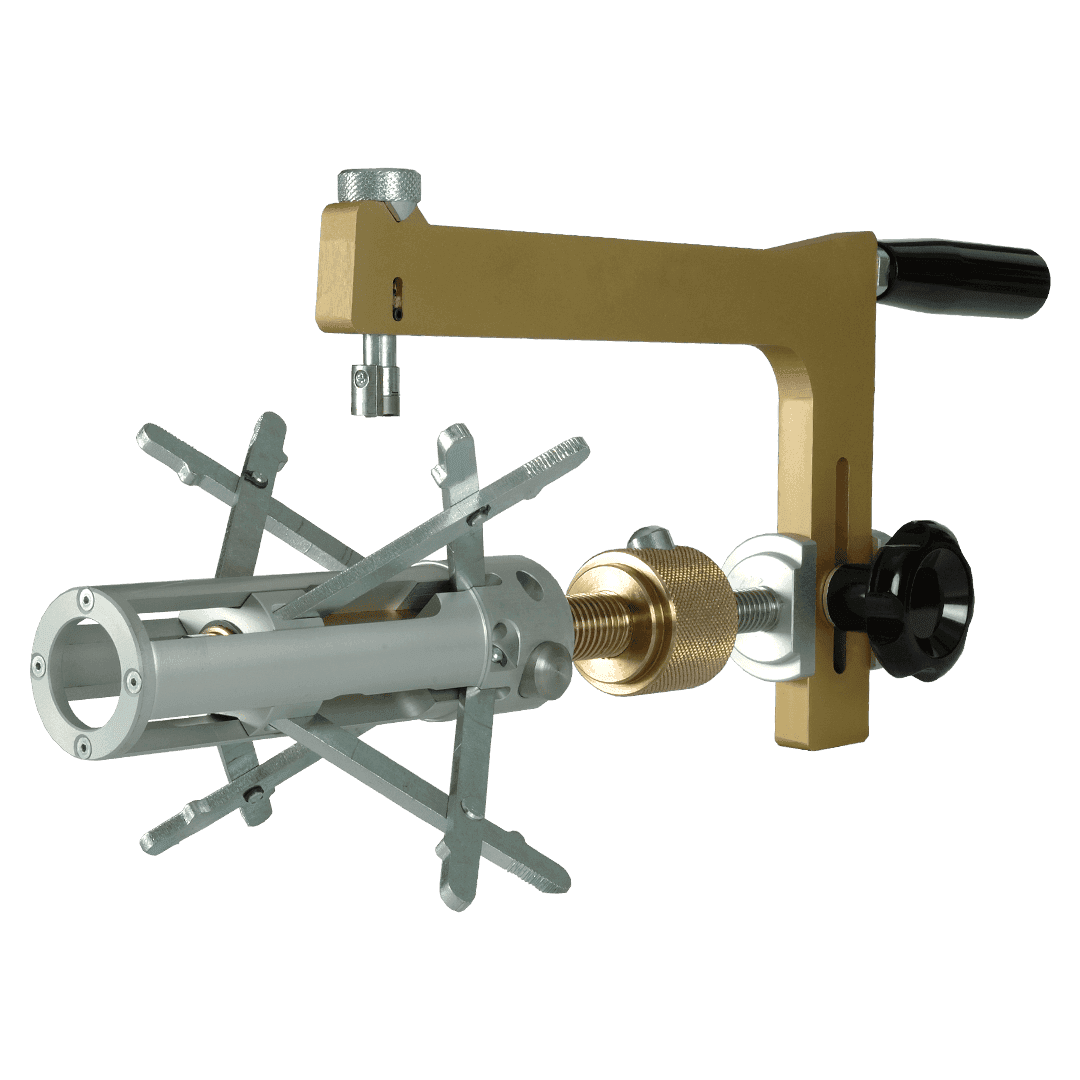
Ritmo Pipe Support Ø 40-400 mm
Ritmo · Pipe Preparation Tools
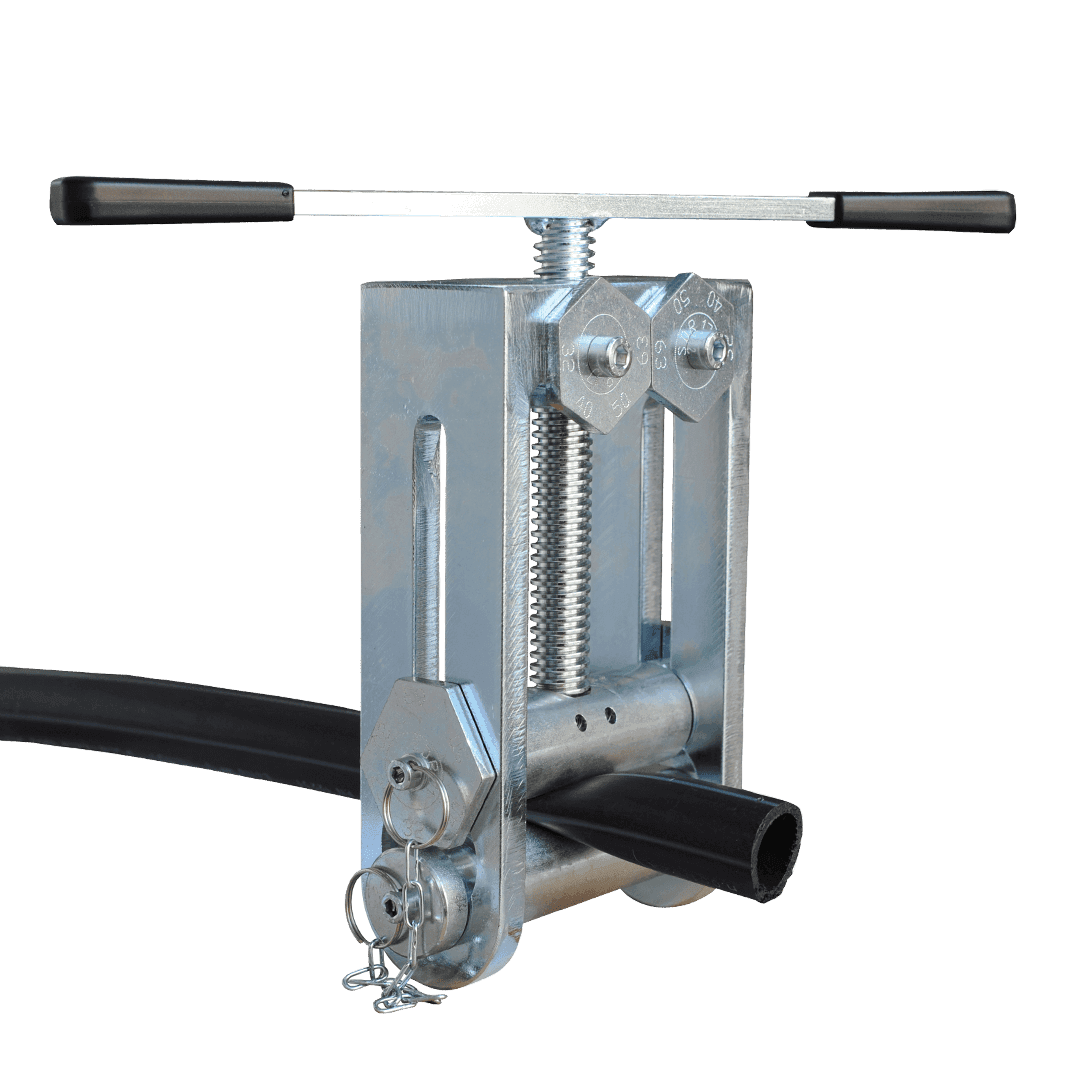
Ritmo Pipe Squeezers Ø 16-200 mm
Ritmo · Pipe Preparation Tools
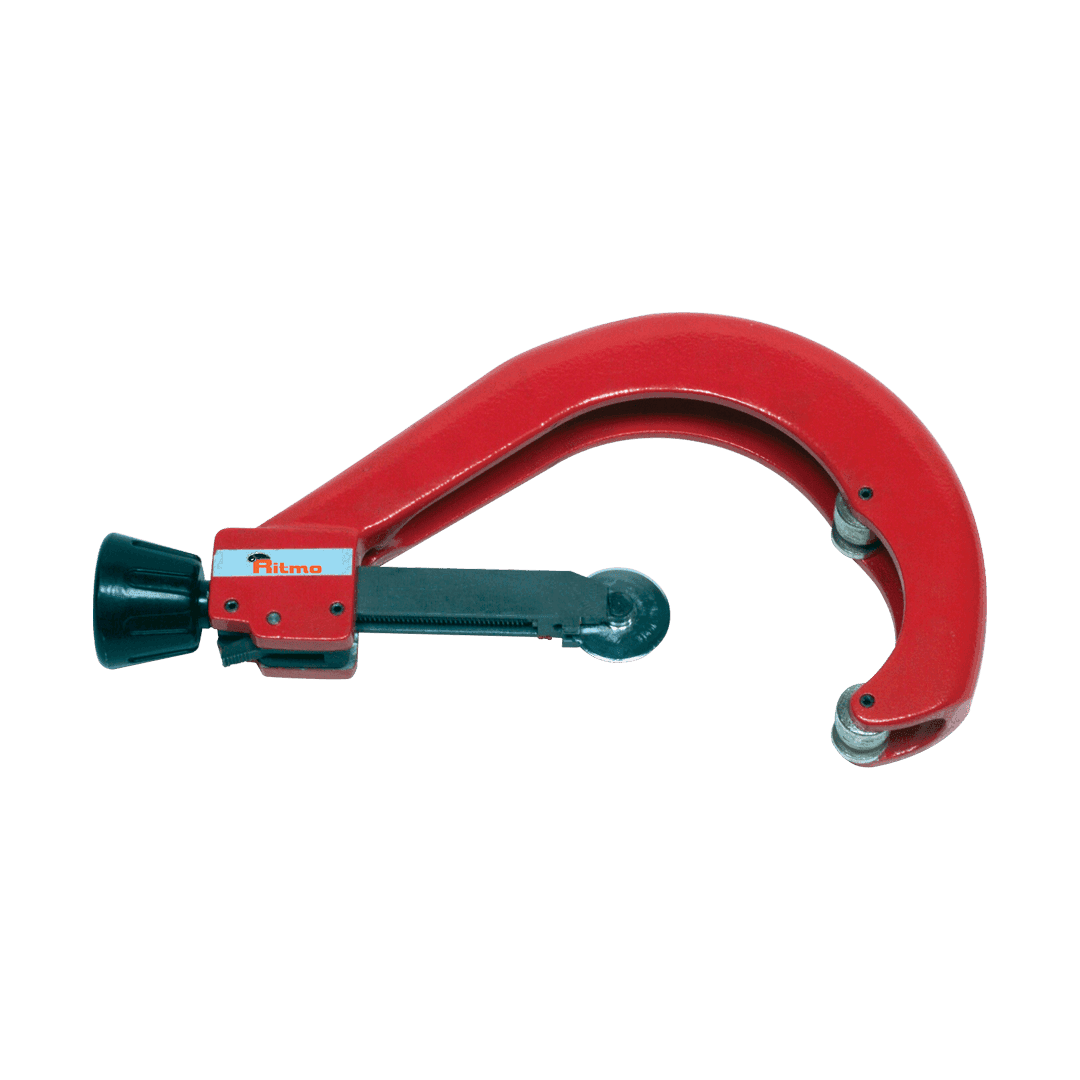
Ritmo Pipe Cutters — TC 108, T1 and TU 75
Ritmo · Pipe Preparation Tools
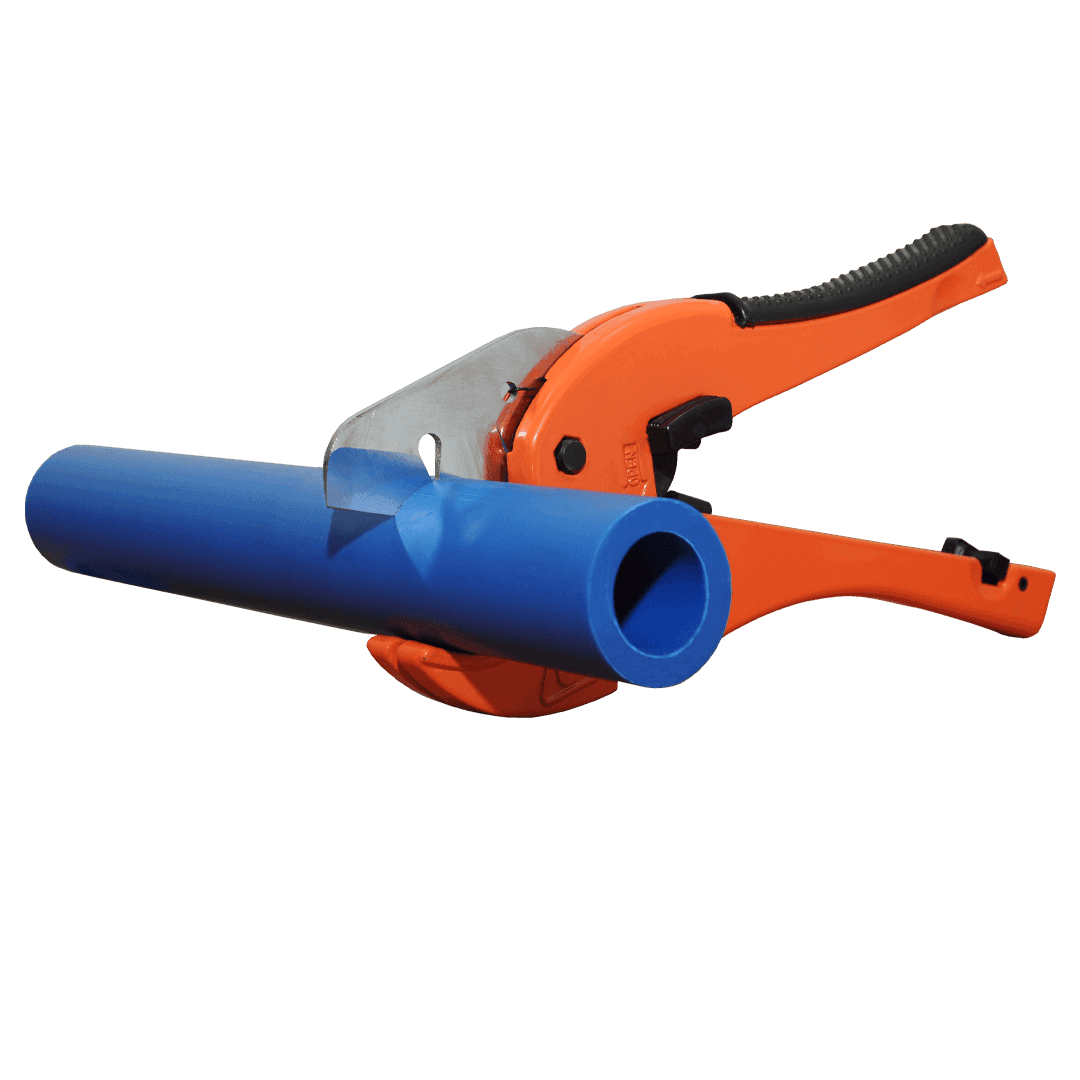
Ritmo Pipe Shears — C3 AC and C42
Ritmo · Pipe Preparation Tools
The Steps and the Tools
The order is fixed: cut square, chamfer the end, scrape the welding zone, re-round if needed, then fit the coupler and lock everything in an aligner. Skipping any step produces the same result — uneven contact in the welding zone and a weak joint.
Scraping depth matters: the point is to remove the oxidised skin, not to thin the pipe. PS and RTC scrapers run the blade at a fixed depth, which is what eliminates the uneven surface hand scraping leaves behind.
- Cutting: TC 108, T1, TU 75 cutters and C3 AC, C42 shears
- Chamfering: Ø 20-40 mm hand tools, SME 1 (Ø 160 mm), SME 2 PLUS (Ø 315 mm)
- Scraping: Turbo and Maya for small bore, PS 180/400 and RTC 160/315/500
- Re-rounding: Rerounder Ø 250-800 mm, RAP 315
- Alignment: Universal Aligner 63/160, Aligner Eco 20-63, Kela 16-63
Tools That Make the Site Work
Squeezers stop flow temporarily without draining the line, which is what lets a repair happen with the main still charged. The pipe support holds Ø 40-400 mm pipe at working height and tilts to the angle the operator is working at.
Multi-function systems such as RAP 315 combine re-rounding, alignment and pipe-into-fitting pulling in one piece of equipment — fewer tools to carry to the joint, which is why repair crews favour them.
Frequently Asked Questions
Why is scraping by hand with a blade not enough?
Depth and coverage vary from operator to operator, and the patches left untouched are invisible — the joint simply does not take there. Scrapers run the blade at a fixed depth across the whole welding zone, which makes the result repeatable.
How long can pass between scraping and welding?
As little as possible. A scraped surface re-oxidises and picks up contamination while it waits, so practice is to fit the coupler and weld immediately, and never to touch the scraped surface by hand.
Is an aligner really necessary?
Pipe and fitting have to stay motionless through the cycle; slight movement disturbs the melt. Kela or Aligner Eco is enough at small diameters, while larger sizes and 45°/90° joints call for a universal aligner.
Can ovalised pipe be welded as it is?
It should not be: oval pipe never seats fully in the coupler, leaving a gap between the resistance wire and the pipe. Re-round it first with a Rerounder or RAP 315 — re-rounders are available in separate sizes across Ø 250-800 mm.